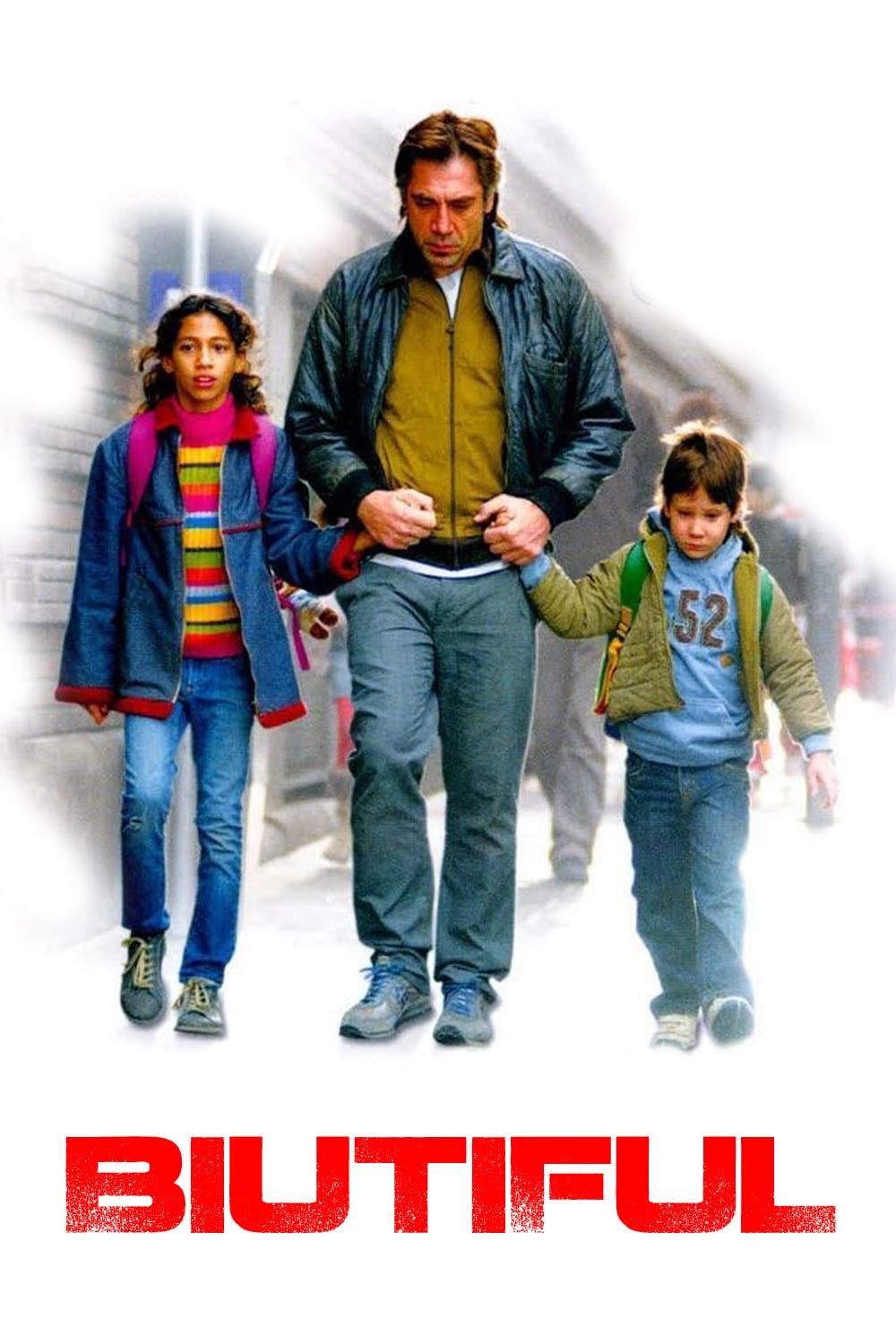
Alejandro González Iñárritu drops the shuffled timelines and gives Javier Bardem the whole film, and Bardem is magnificent in it. Around him the director piles on misfortune until even a performance this good cannot make us feel each new one.
Alejandro González Iñárritu made his name with films that ran several stories at once and cut between them: Amores Perros (2000), 21 Grams (2003), Babel (2006). Biutiful has one story, one city and one man, told in order. It is the most disciplined thing he had made to that point and also, in its way, the most excessive, because having given up the shuffled timelines he replaces them with sheer weight of misfortune. Javier Bardem is as good here as we have ever seen him. The film around him is handsome, sincere and too much.
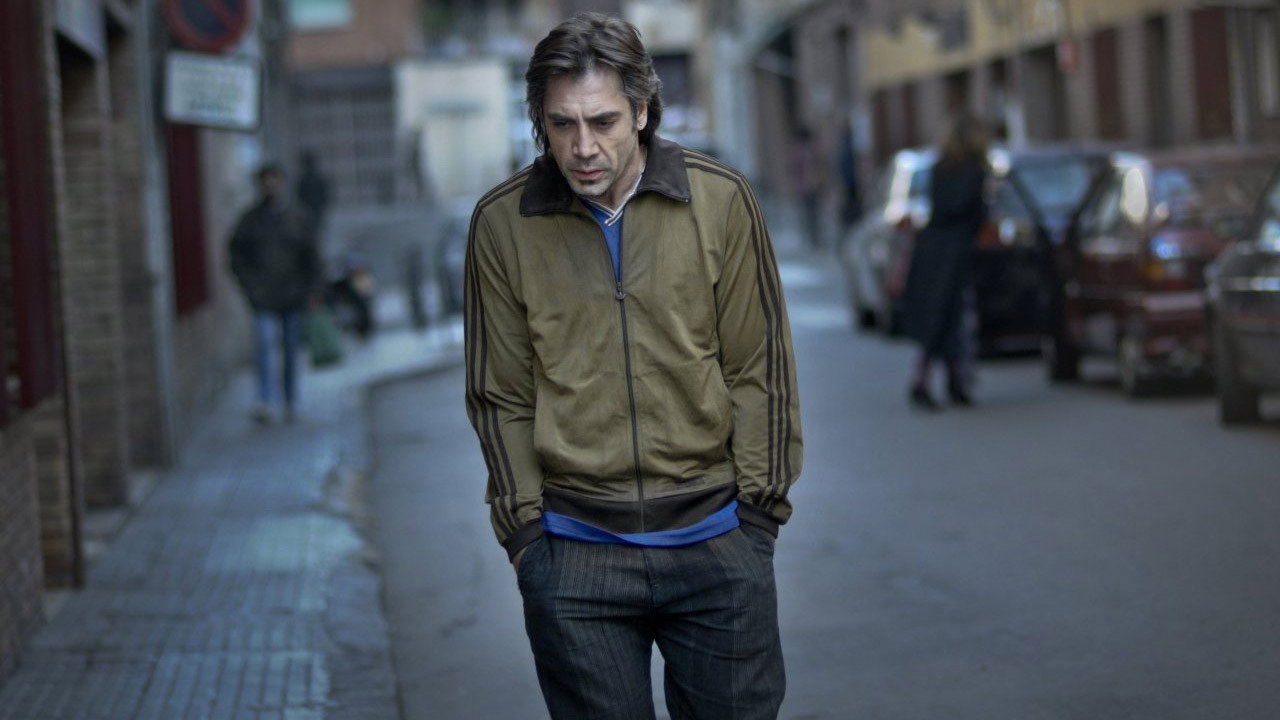
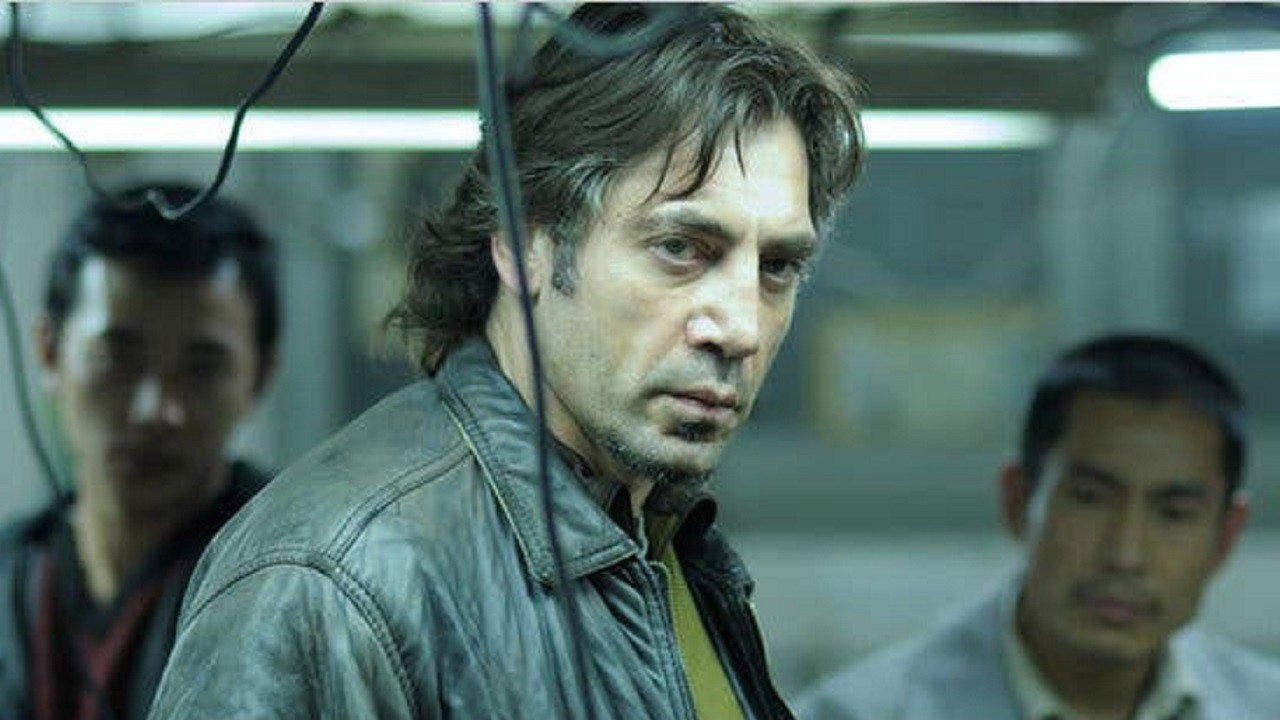
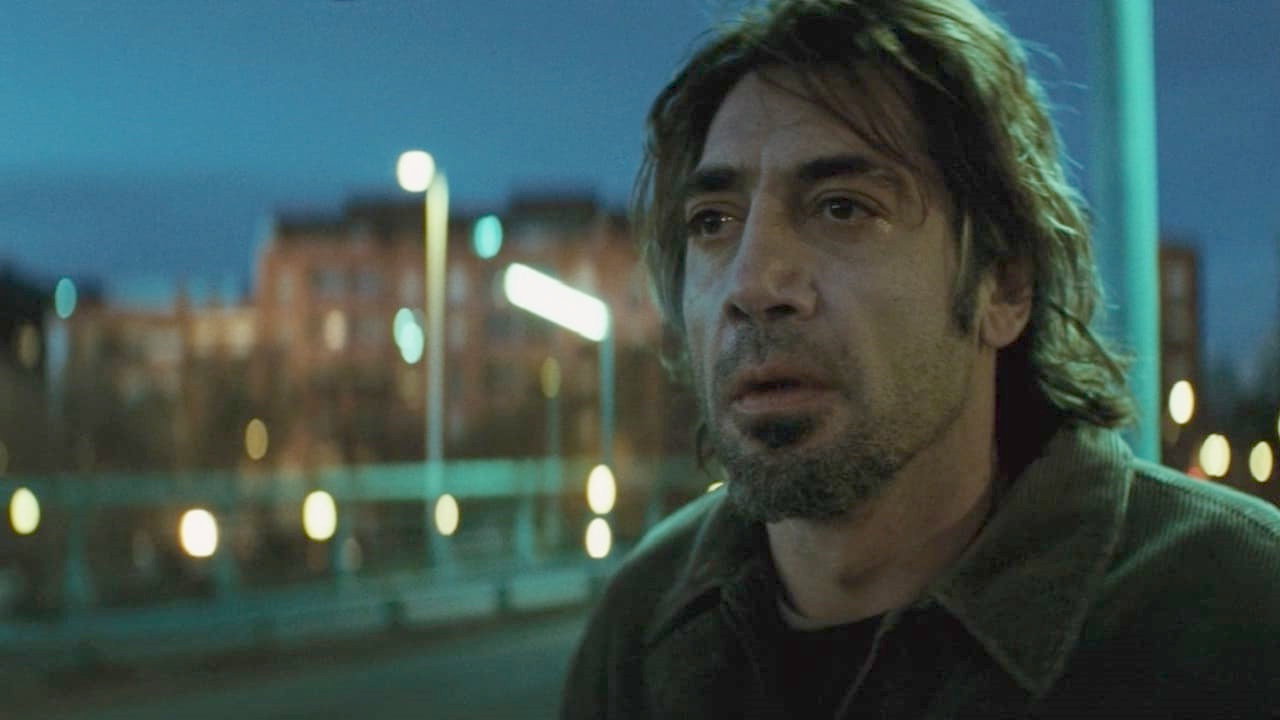
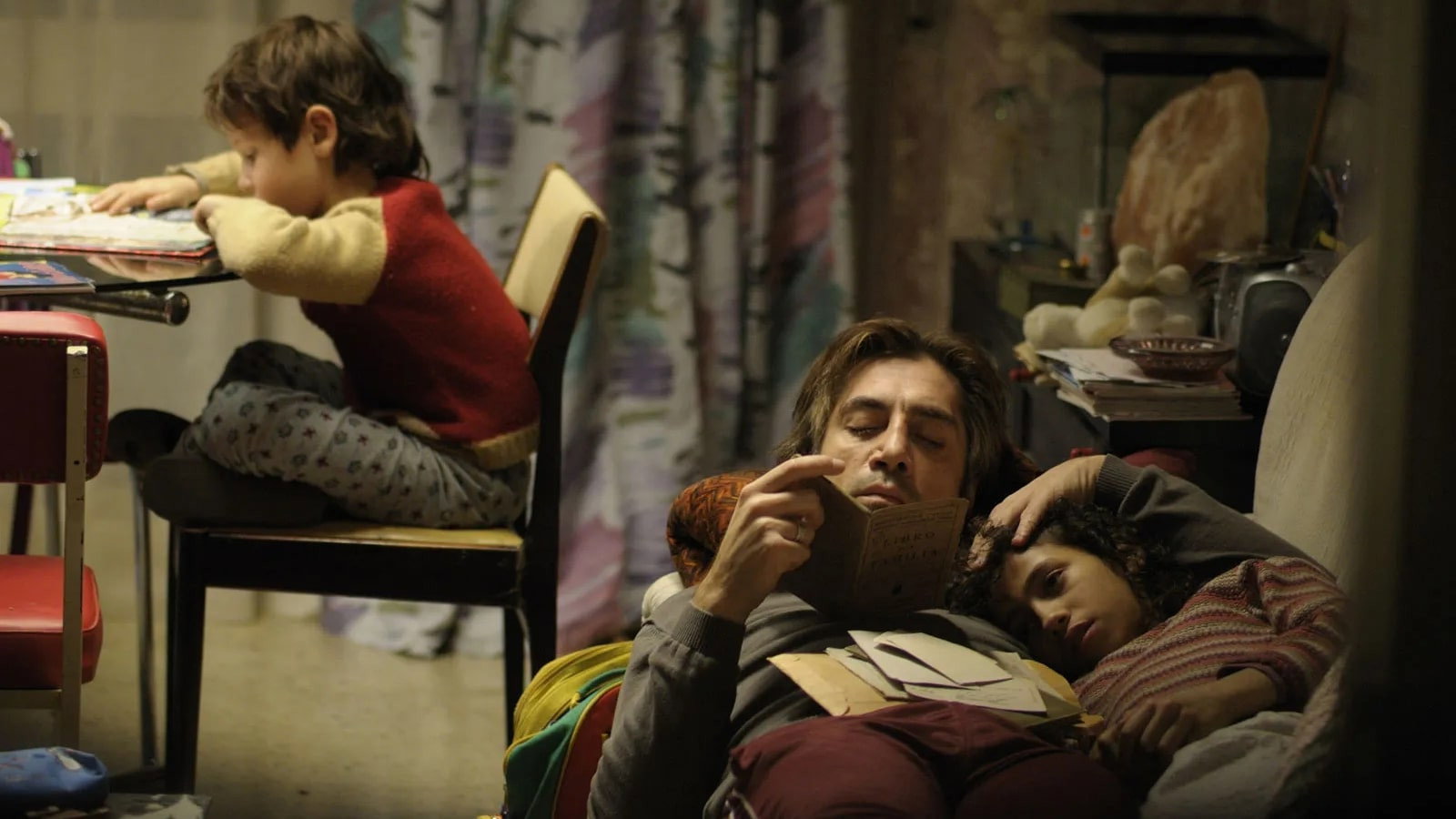
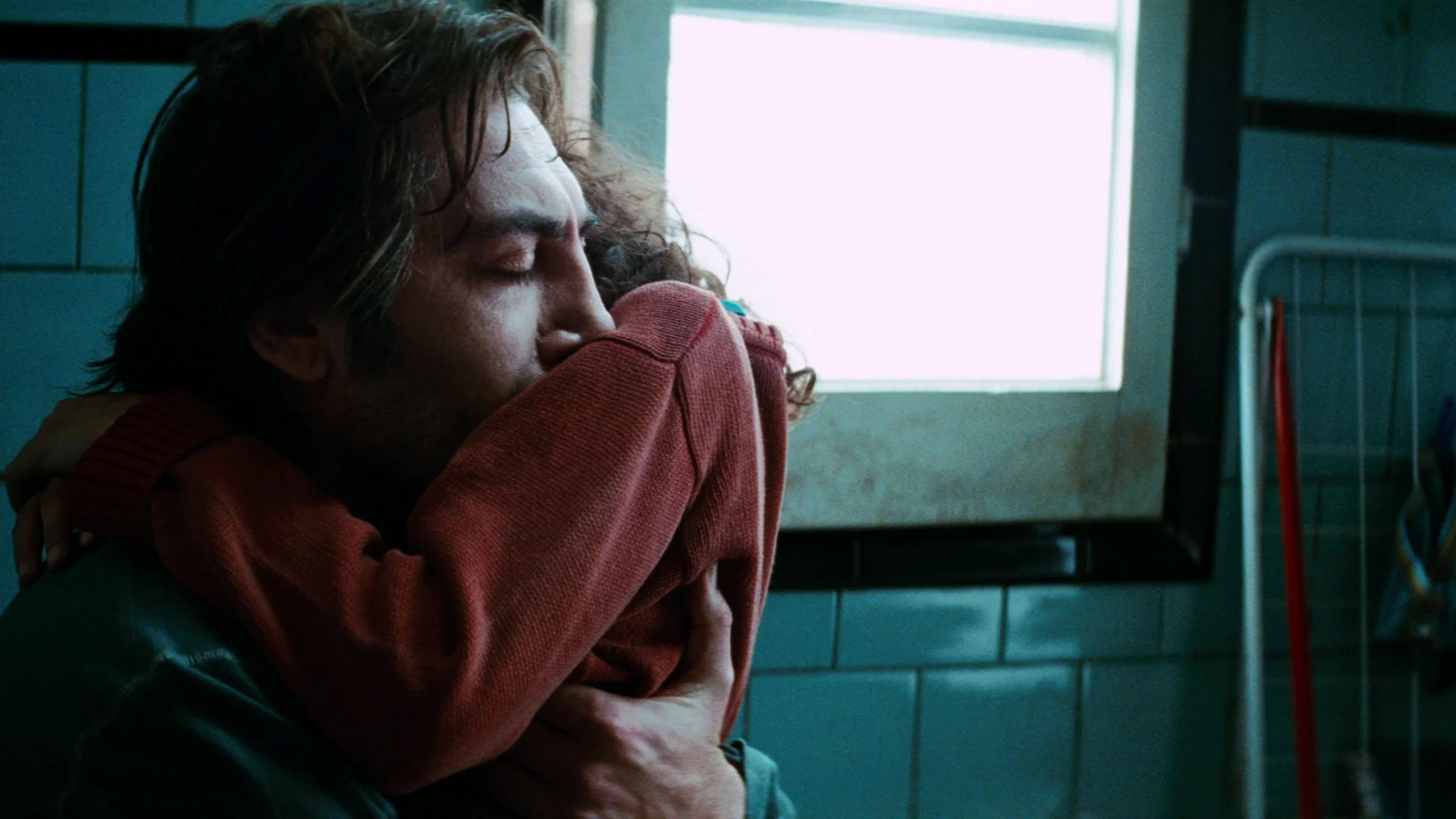
Bardem plays Uxbal as a man who has been tired for years. He walks with his shoulders forward and his hands in his pockets, speaks quietly, and keeps the accounts of an entire illegal economy in his head. When the diagnosis comes he does not weep or rage; he goes home and gets the children their dinner. That scene moved us more than anything the script later engineers, because Bardem plays it as a man who has decided the news can wait until the plates are cleared. Later, alone, he looks at his own face in the bathroom mirror for a long time, and the film has the sense to let him.
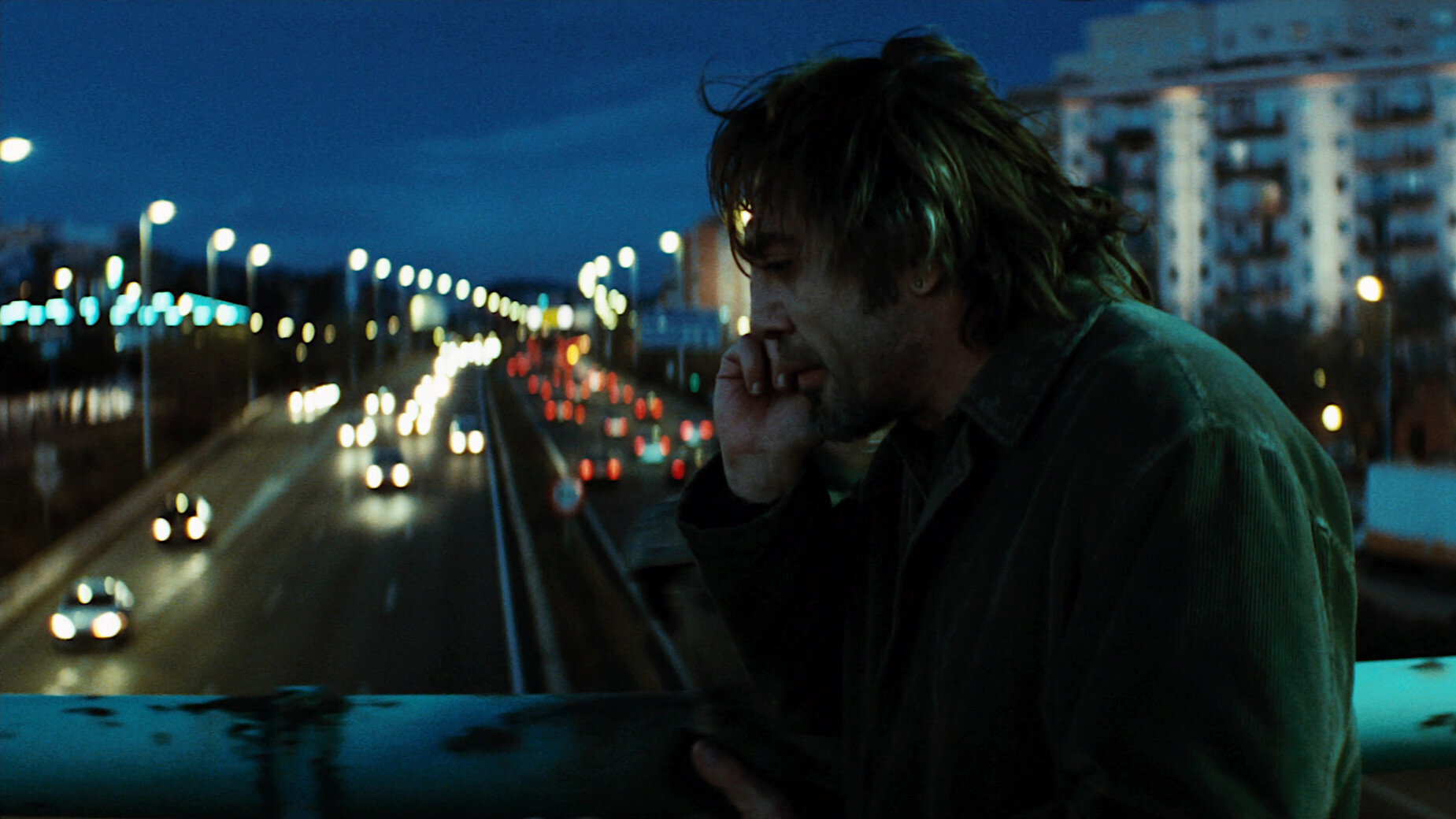
Rodrigo Prieto shoots Barcelona with a handheld camera and heavy grain, under sodium street lamps and fluorescent tubes, so that the city looks bruised. Brigitte Broch gives Uxbal a flat with a water-stained ceiling he keeps looking up at, and the Chinese workers a basement behind a padlocked door where the mattresses lie in rows. You can smell these rooms. Gustavo Santaolalla’s score is a few plucked strings, used sparingly and often withheld, and it is the film’s most tactful element. Stephen Mirrione cuts it in order and without hurry, which is right for the first hour and a problem for the last, because 148 minutes is a long time to watch one man lose things.
That is the trouble. Uxbal has cancer. His ex-wife Marambra (Maricel Álvarez) drinks, swings between euphoria and violence, and has been sleeping with his brother Tito (Eduard Fernández). The Senegalese vendors he supplies are rounded up in a street raid, and Ekweme (Cheikh Ndiaye) is among them. The sweatshop boss Hai (Cheng Taishen) is having an affair with his partner Liwei (Luo Jin) that the film treats as another ticking clock. Uxbal also sees the dead, and passes on their last words for cash. Any two of these would make a film. All of them together stop landing as events and start landing as policy. Somewhere past the two-hour mark we were tired, and then annoyed with a film that could not let a man be dying without also arranging for everyone around him to be in trouble.
The supernatural strand is the weakest. Iñárritu shows us moths gathering on a ceiling and figures pressed flat against it, and the images are eerie in themselves, but they answer no question the rest of the film asks. Uxbal’s gift never changes what he does; it is there to lend the misery a spiritual gloss. Álvarez is superb as Marambra, funny and frightening within the same minute, and she deserved a character rather than a condition. Diaryatou Daff, as Ekweme’s wife Ige, gives the film its one still centre, a woman who owes Uxbal nothing and watches him with a clear eye.
Against Iñárritu’s own record this is the film that proves he never needed the shuffled structure. Told straight, Biutiful is more coherent than Babel and its images are stronger. What it lacks is the earlier films’ sense that misfortune could arrive from a direction you did not expect. Here it arrives from every direction at once, on schedule.
See it for Bardem, who is on screen for nearly every minute and carries all of it. Watch it at home and in two sittings, and not on an evening when you need lifting. Ana (Hanaa Bouchaib), doing her homework, asks her father how to spell an English word, and he tells her to write it the way it sounds; the title comes from that. It is the film’s lightest moment, and it is over in seconds.