Halle Berry brings some warmth to Catwoman, but this is a poor superhero film. Pitof’s restless direction makes the digital action tiring, and the script gives its heroine little to do with her new confidence.
Pitof’s Catwoman wants to turn a timid woman’s discovery of power into a playful mixture of romance, fantasy and action. It has a willing lead in Halle Berry, and there is nothing inherently unpromising about placing this transformation inside a cosmetics conspiracy. But this is a poor superhero film, with too little interest in the woman undergoing the change. The effort goes into making her look striking, then making everything around her move.
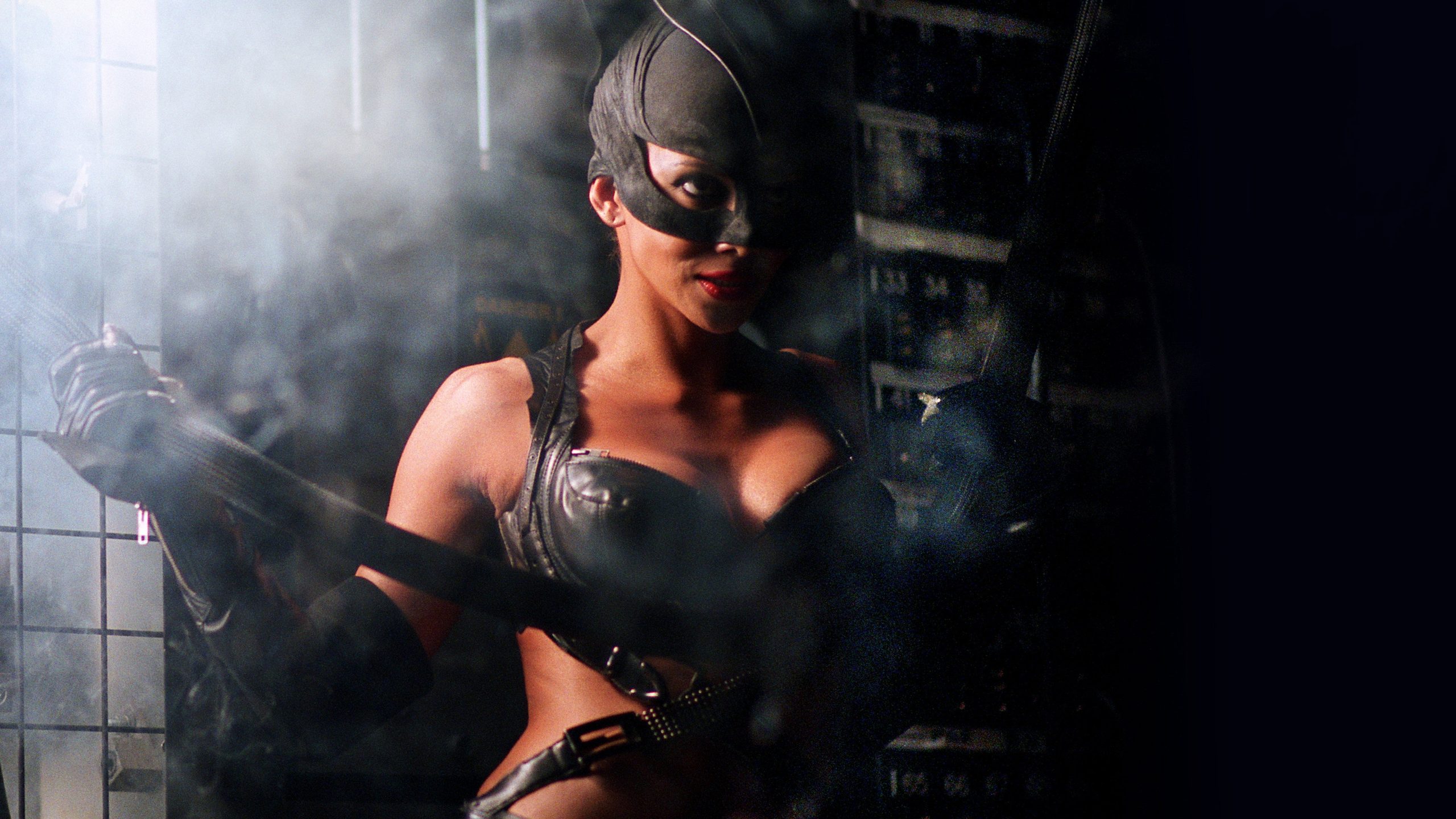
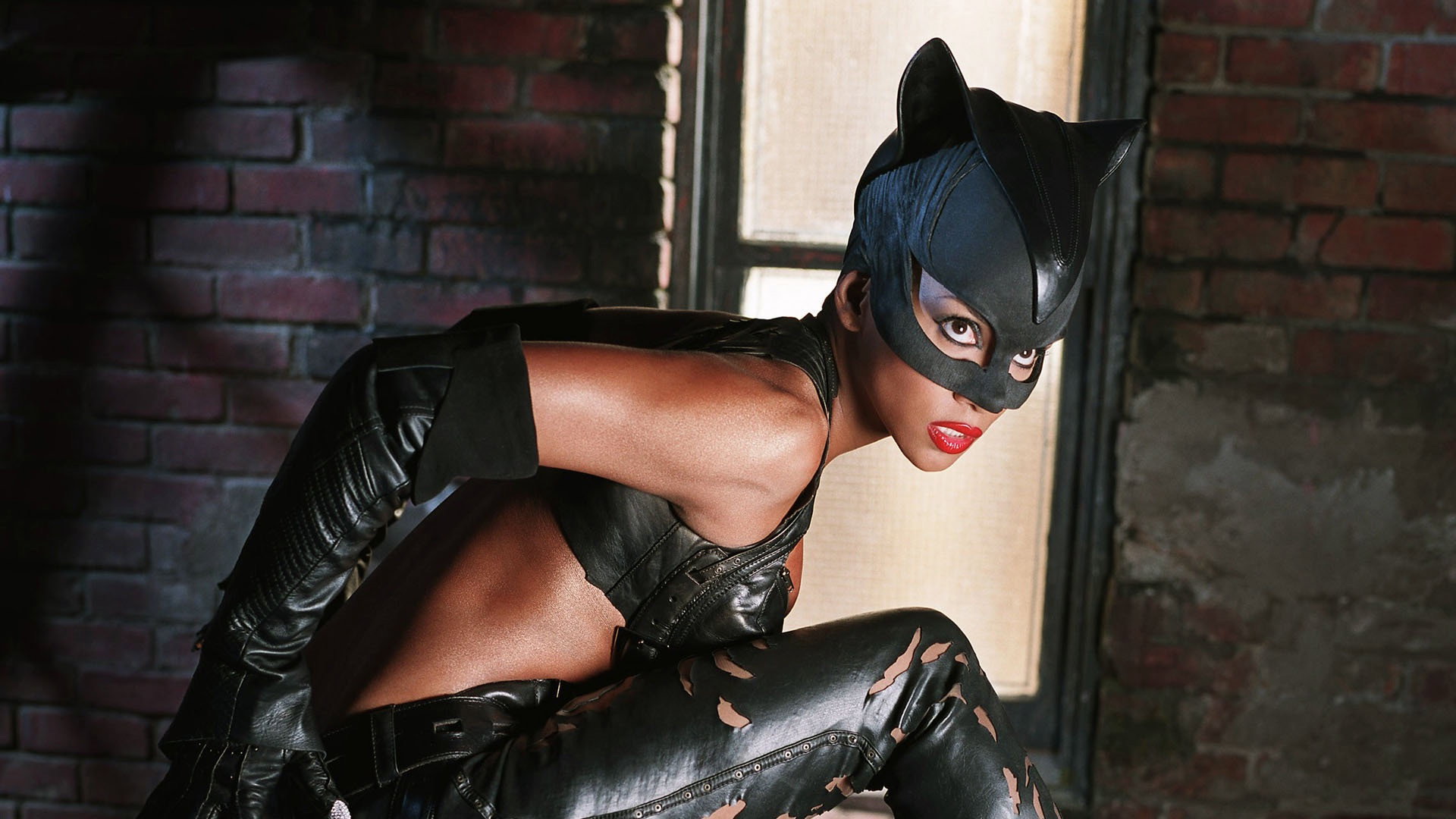
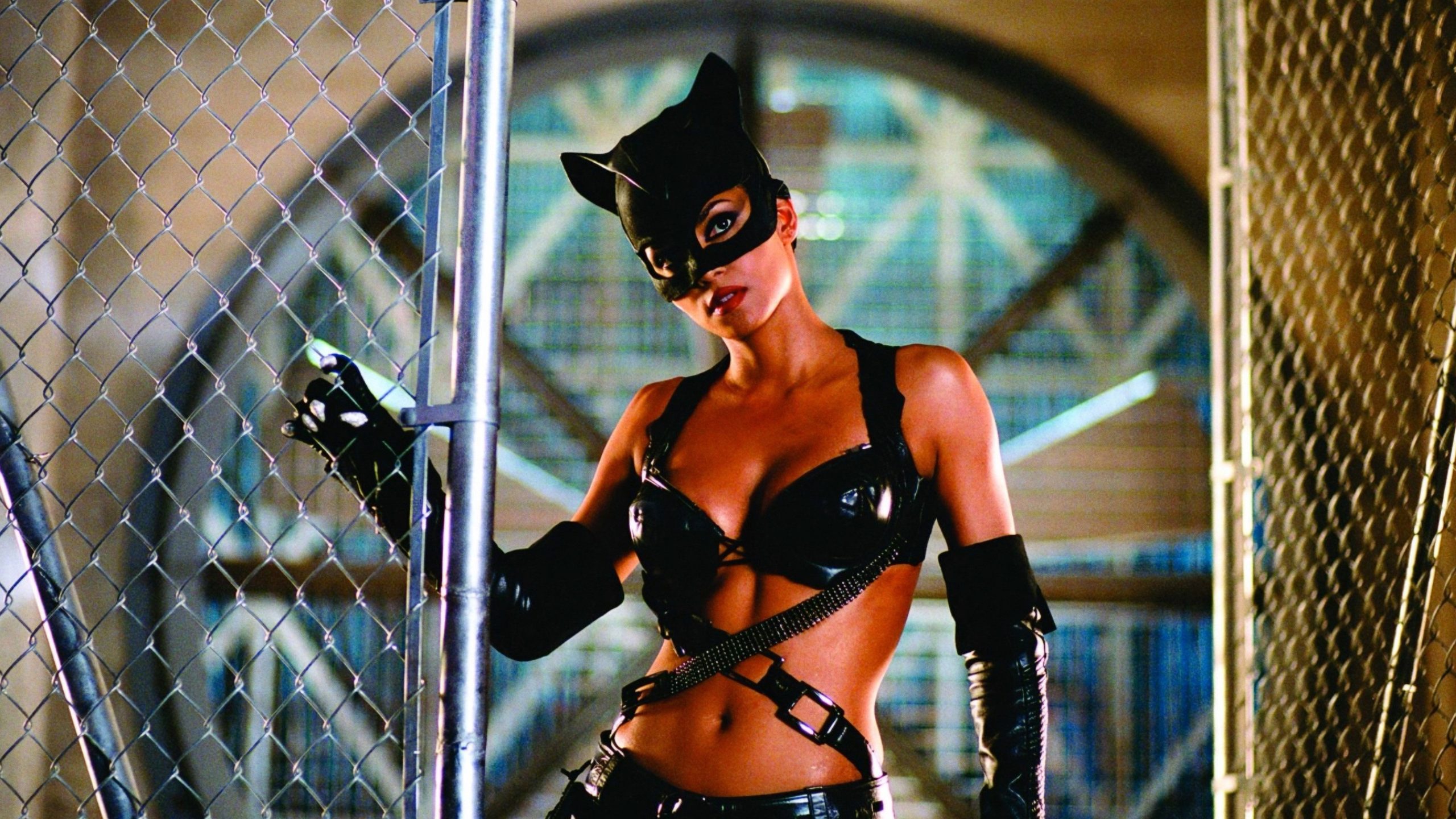
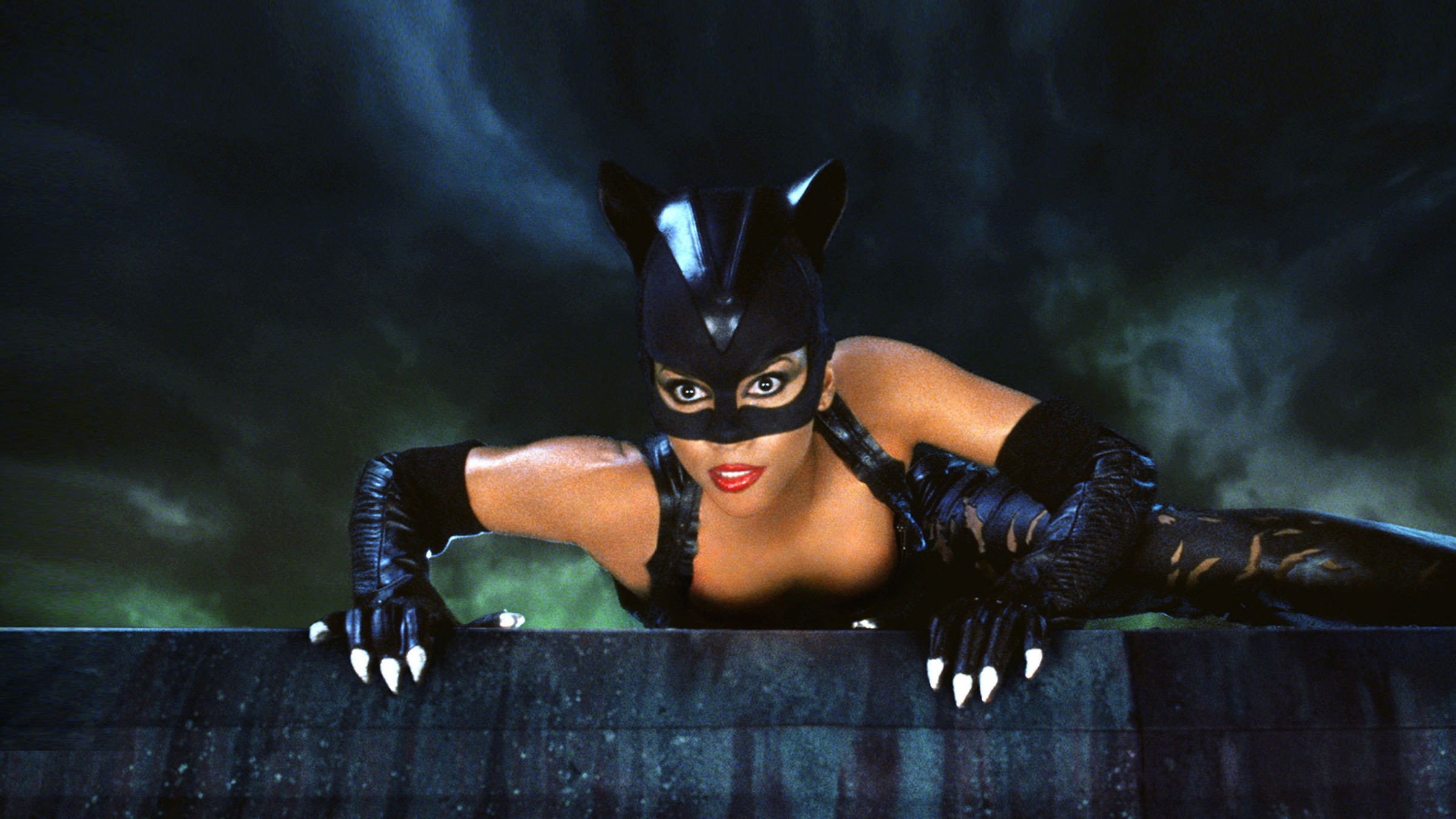
Halle Berry gives Patience Phillips a vulnerability that makes the early timidity bearable, then finds some pleasure in Catwoman’s greater assurance. We can see why some critics have enjoyed her performance: she is prepared to play the silliness without apologising for it. The difficulty is how little she gets to explore between these extremes. Acquiring powers ought to change how Patience Phillips thinks and chooses, but the film is much more attentive to how she presents herself.
Thierry Arbogast’s photography supplies the slick finish that this approach requires, although the relentless emphasis on style soon becomes tiring. Sylvie Landra’s editing gives the action little chance to establish a clear physical rhythm, and the digital effects make movement look plastic. We were bored by the action because we could not feel the weight or danger of what the bodies were doing. For a heroine whose appeal depends partly on feline grace, that is a substantial failure.
Bill Brzeski’s production design pushes the artificiality further; the surroundings feel so fussed over that they become distracting. There is some pleasure in the excess, and Angus Strathie’s costume design gives the heroine a silhouette we can recognise at once. Yet the attention paid to her outfit makes the thinness of her character harder to overlook. Klaus Badelt’s music adds to the busy presentation without giving it much shape, so the soundtrack offers little help in deciding when to relax and when to expect danger.
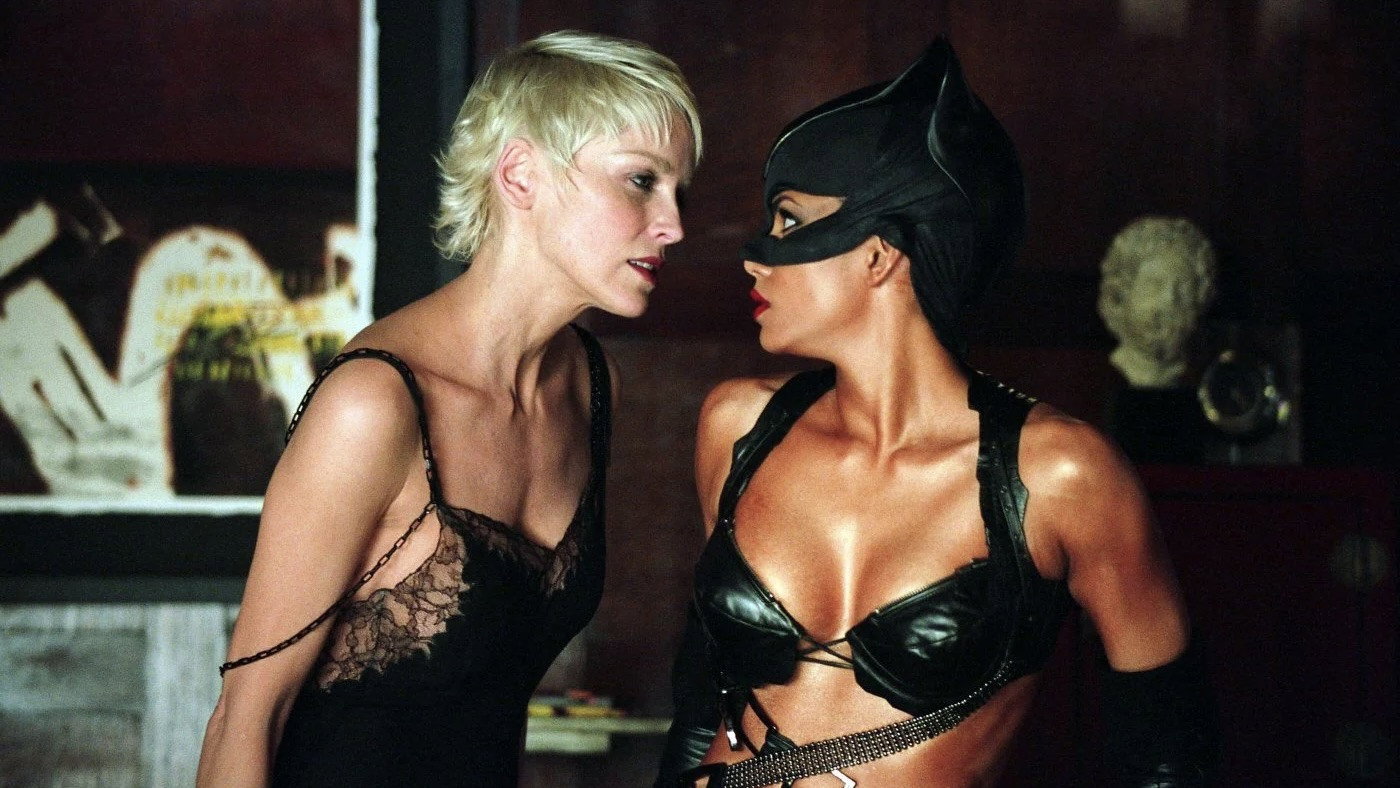
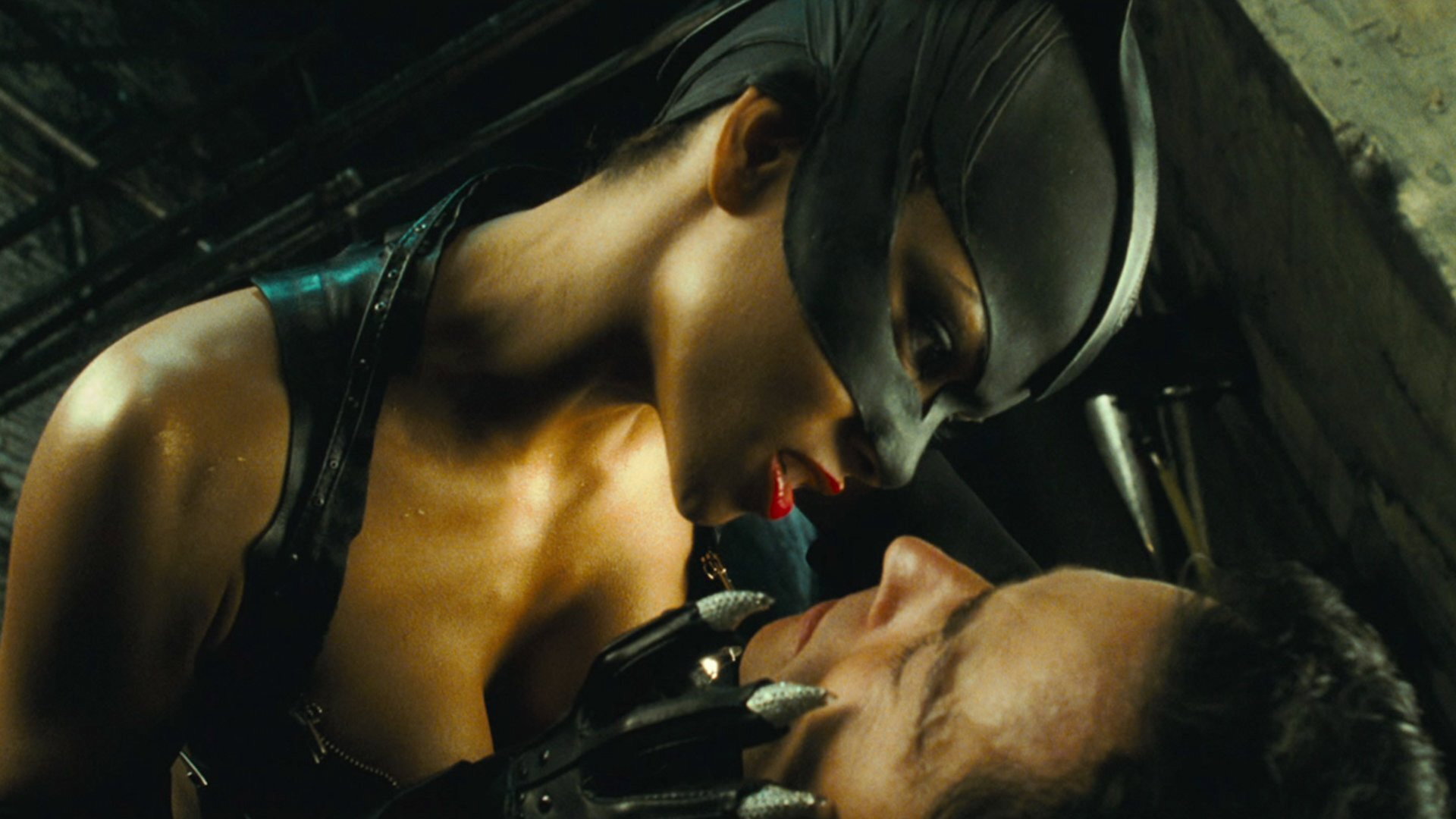
The screenplay credited to John Rogers has a workable subject in the cosmetics business, where anxiety about appearance is already part of the transaction. It does little with that opportunity beyond furnishing a criminal plot. Sharon Stone’s Laurel Hedare can accommodate the exaggerated tone, but Benjamin Bratt’s Tom Lone and Lambert Wilson’s George Hedare remain difficult to care about. The characters need motives with some force behind them; the plot’s strained logic makes their behaviour feel arranged to keep things going.
A superhero film can be ridiculous and still persuade us to worry about somebody getting hurt. For camp to be funny, the actors need time to let us enjoy their absurdity, and Pitof keeps interrupting them with another burst of visual activity. The romance and comedy might have provided some breathing space, but they are too weakly developed to do the work. At 104 minutes, the film feels longer than its story can support.
Halle Berry’s willingness to commit is the reason to stay, should curiosity get the better of judgement. There are brief glimpses of the lighter, more amusing film her performance might have carried, and we would not dismiss the effort she puts into them. Come for her if necessary; do not expect the action to compensate when the writing fails.