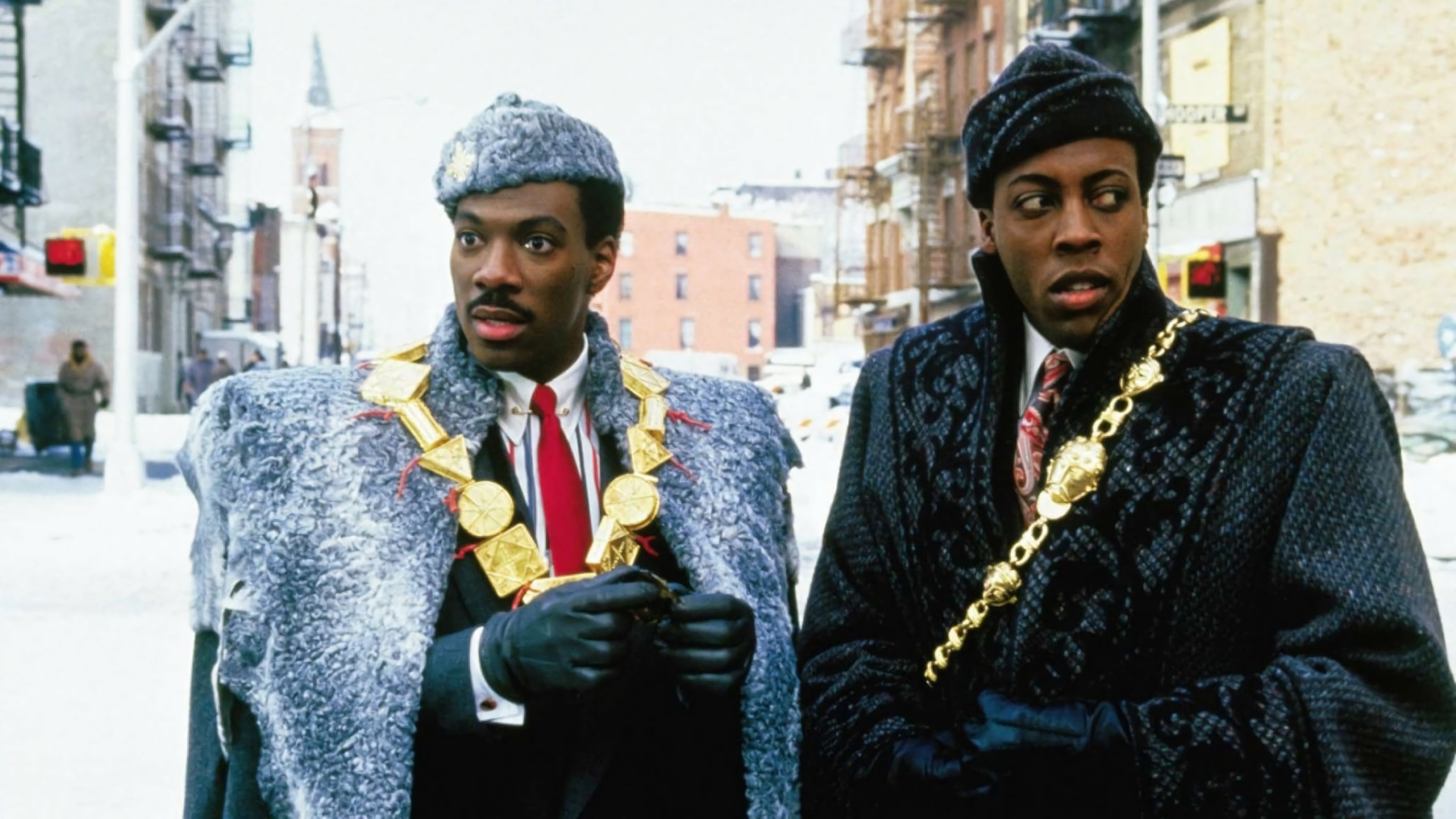
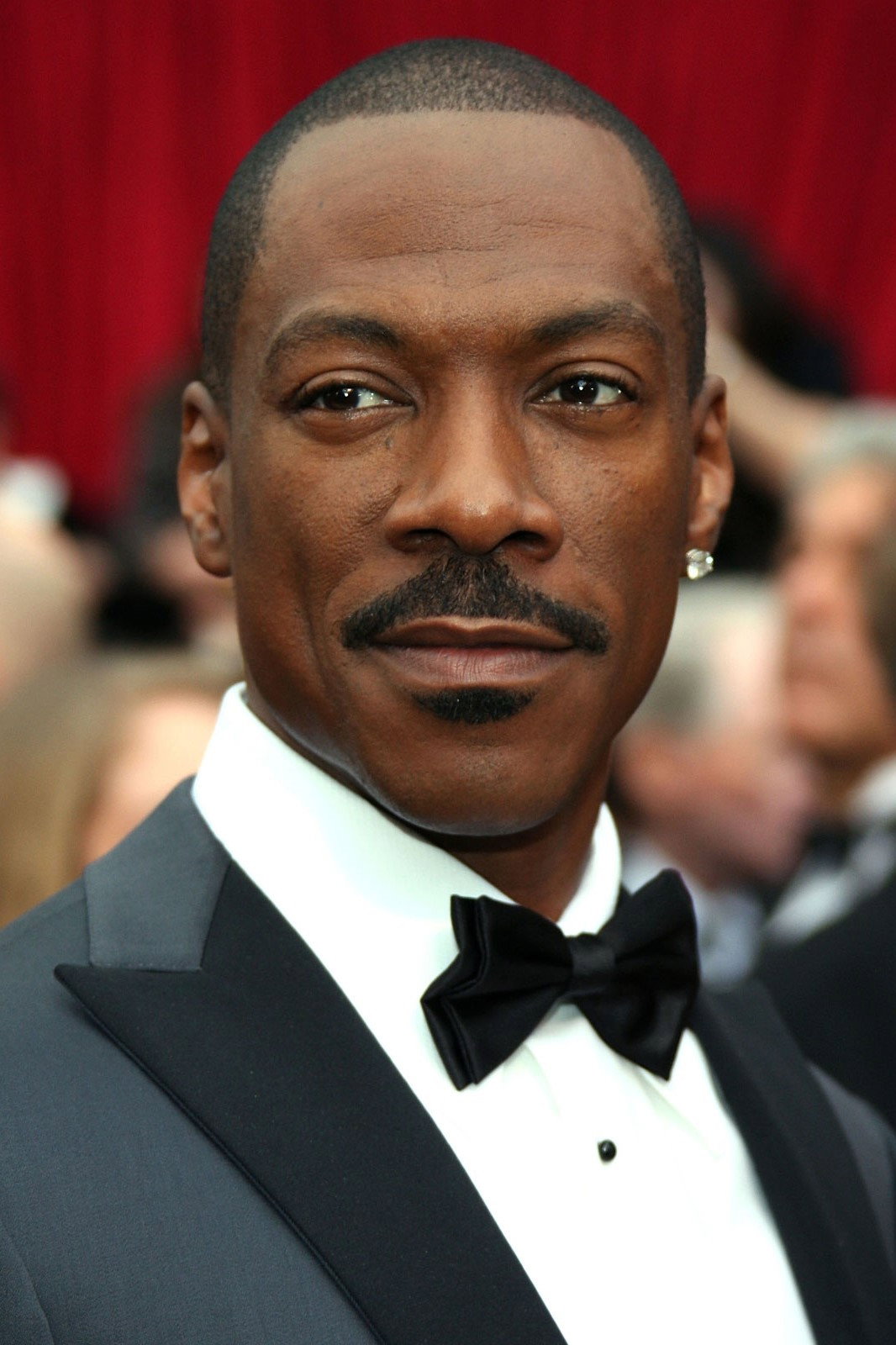
Eddie Murphy’s sweetness holds John Landis’s royal romance together, while the extra faces supply the laughs. The courtship is predictable, but the company makes it an easy film to forgive.
Coming to America is a good-natured romantic comedy with enough laughs to excuse a predictable courtship. John Landis gives an African prince’s search for a bride in New York a sweetness that the broader jokes rarely disturb. The story, credited to Eddie Murphy, gives its star the useful task of being the courteous person in a comedy. At 117 minutes, the film gives him rather too long to do it.
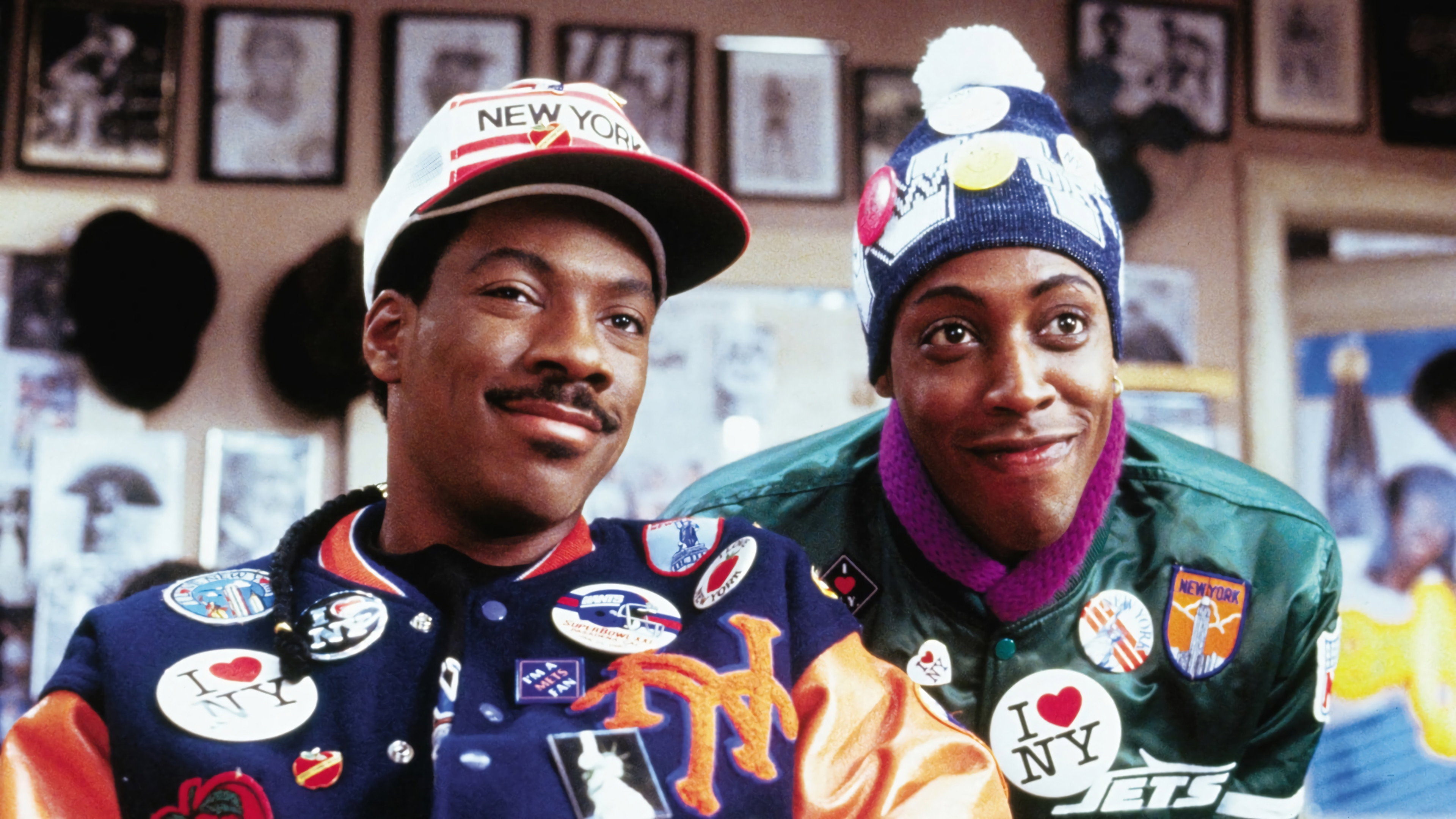
Murphy plays Prince Akeem with a restraint that makes the character easy to like. He allows politeness to be funny without treating the prince as a fool, which matters in a story built around cultural misunderstanding. An African character gets to be curious, dignified and romantically hopeful; the film does not need to make him ridiculous every time he encounters something unfamiliar. Arsenio Hall’s Semmi gives Murphy a livelier presence to work against, keeping the sweetness from becoming oppressive.
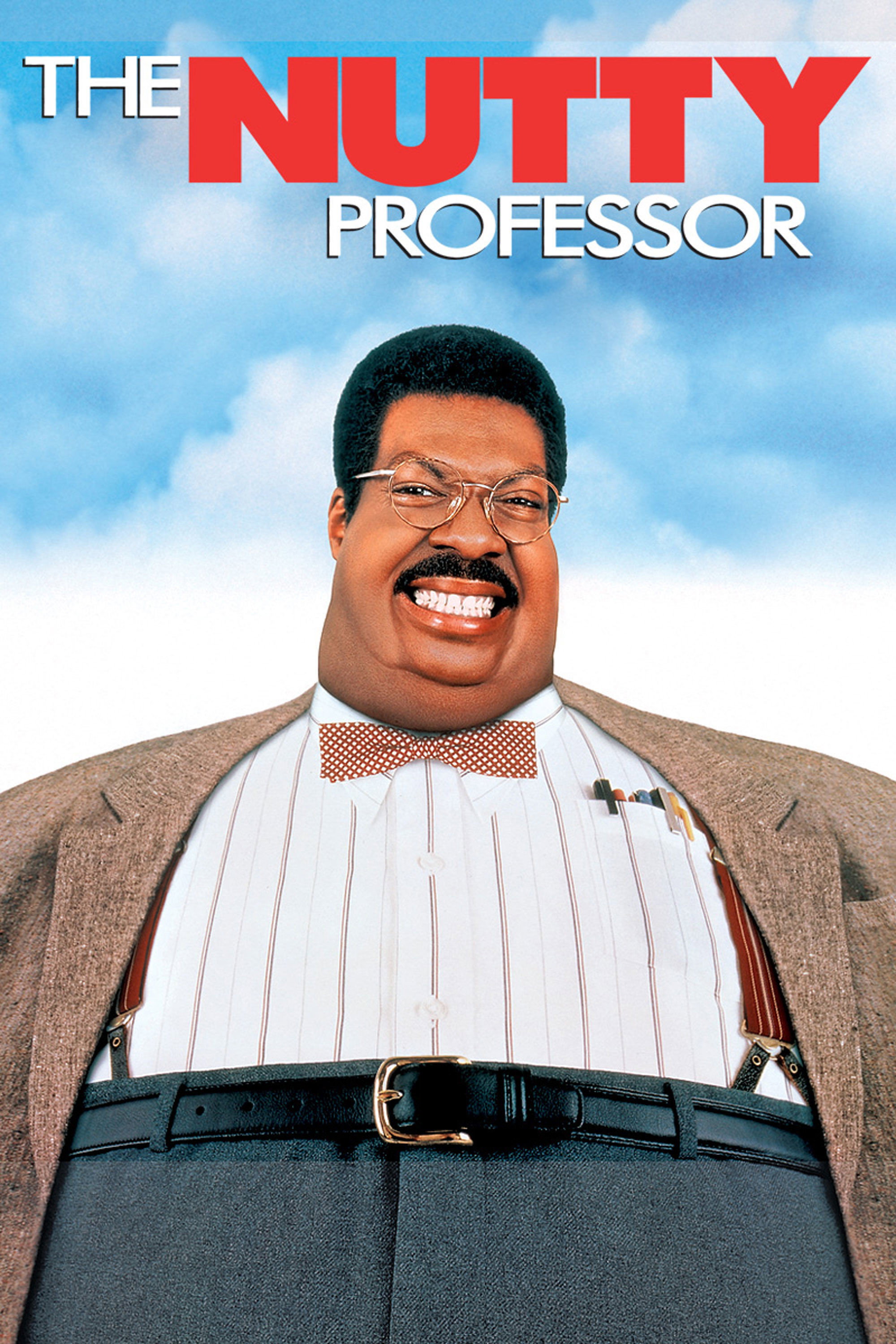
The multiple roles are a large part of the attraction, even when they interrupt the courtship. We laughed hardest at Murphy’s Randy Watson, whose self-importance is especially welcome after the prince’s careful manners. Murphy and Hall give their smaller characters excessive confidence, and Landis generally knows how long to let them occupy the film. Some do outstay their welcome, but we would be reluctant to lose them simply to get back to the business of finding Akeem a wife.
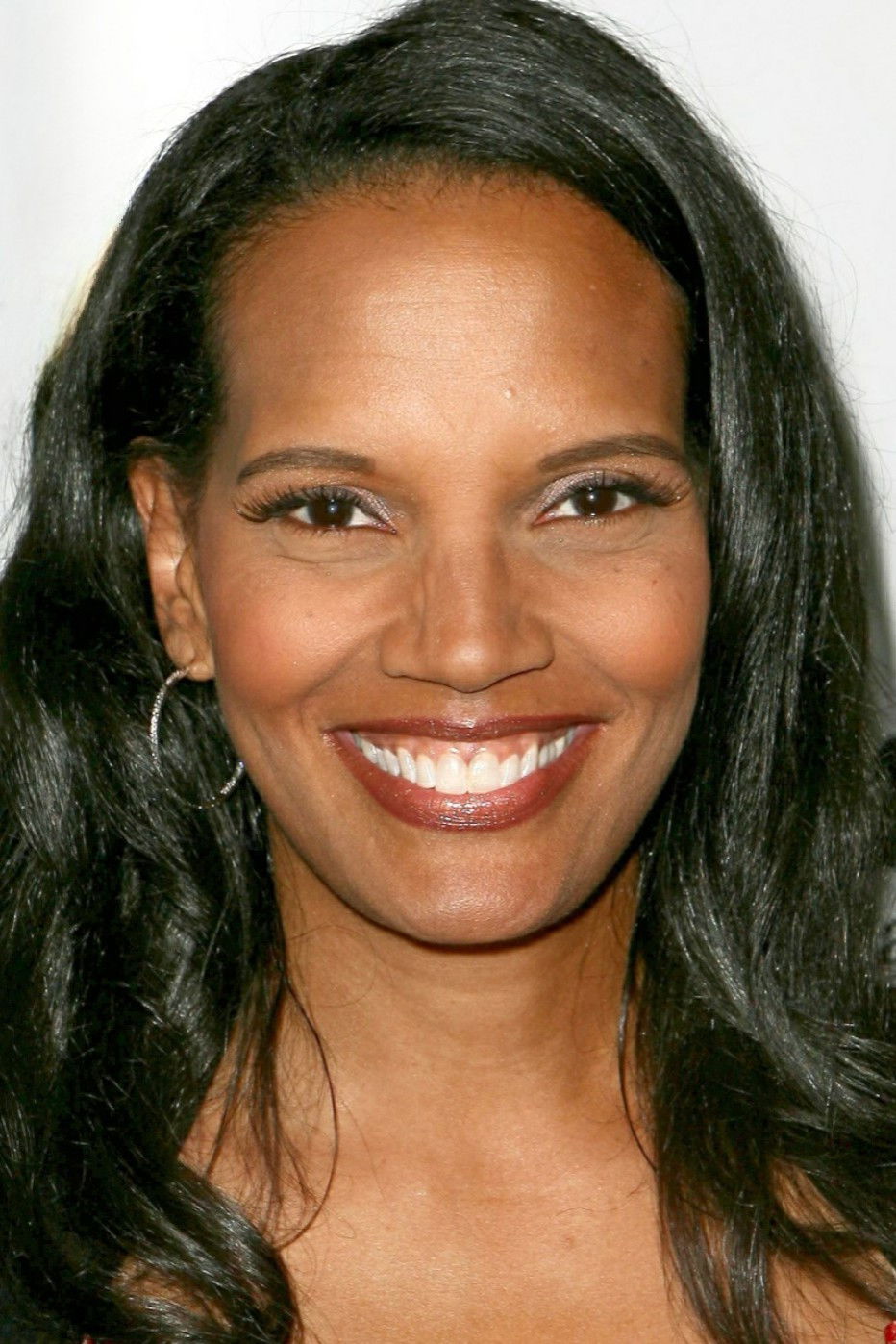
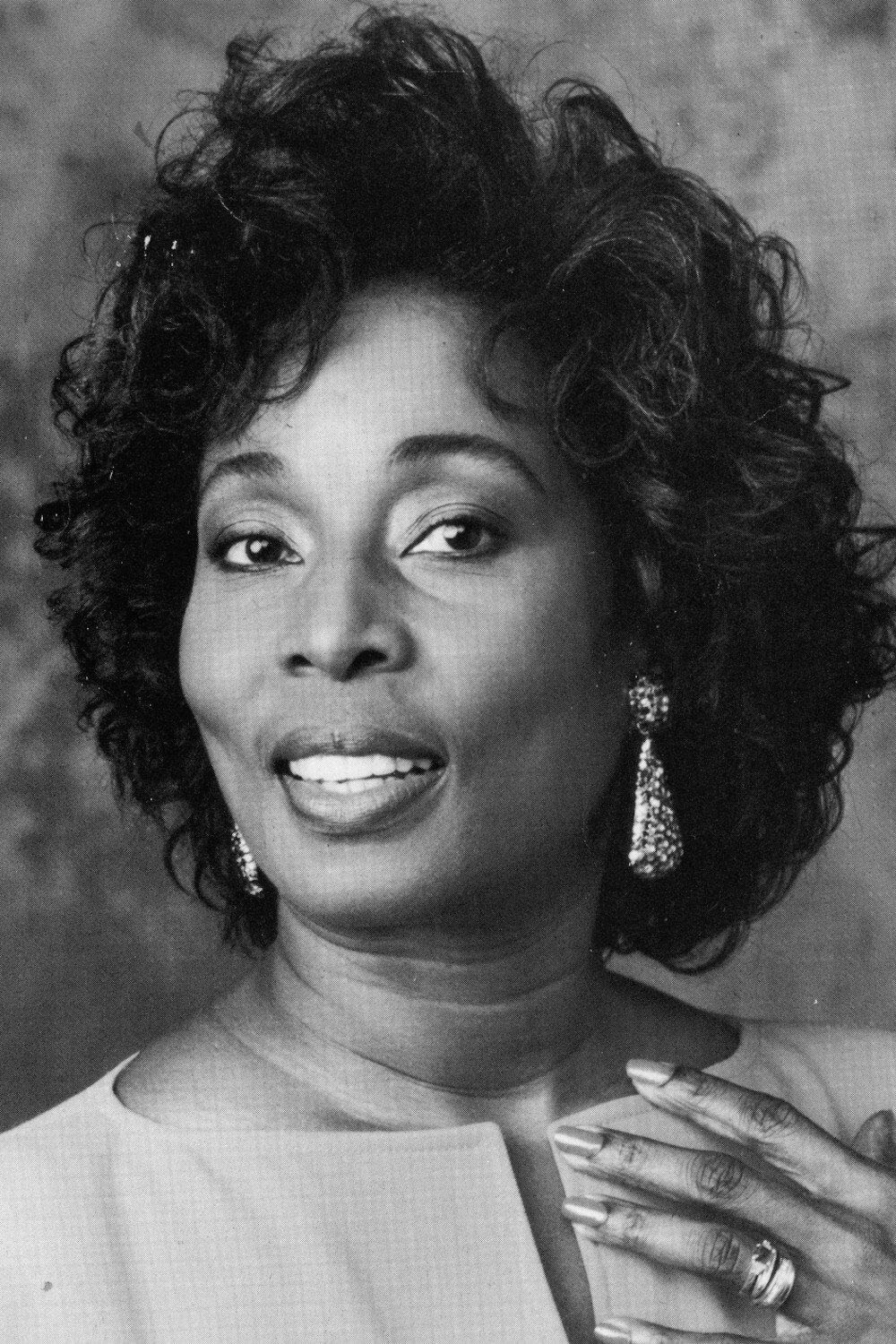
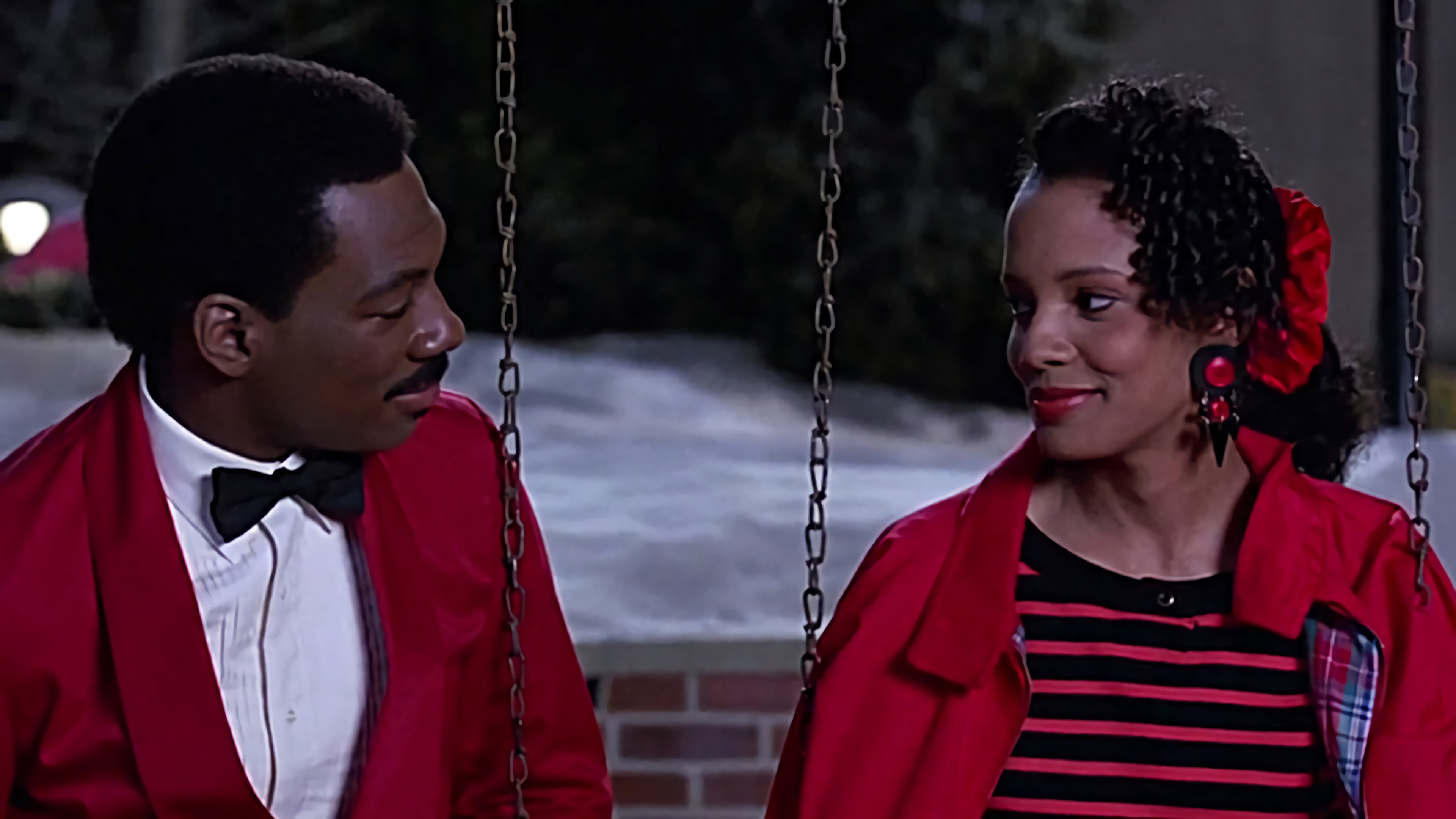
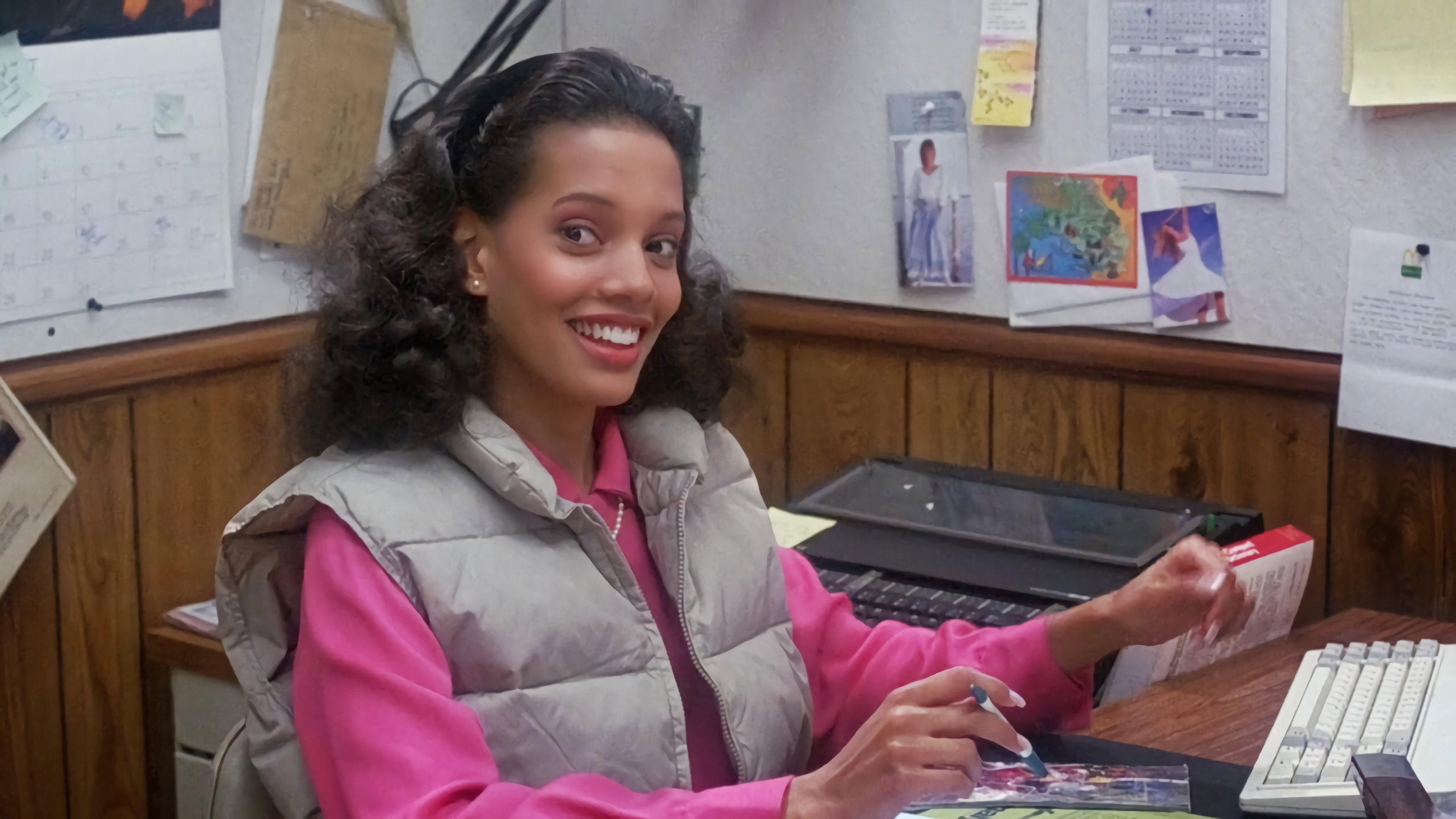
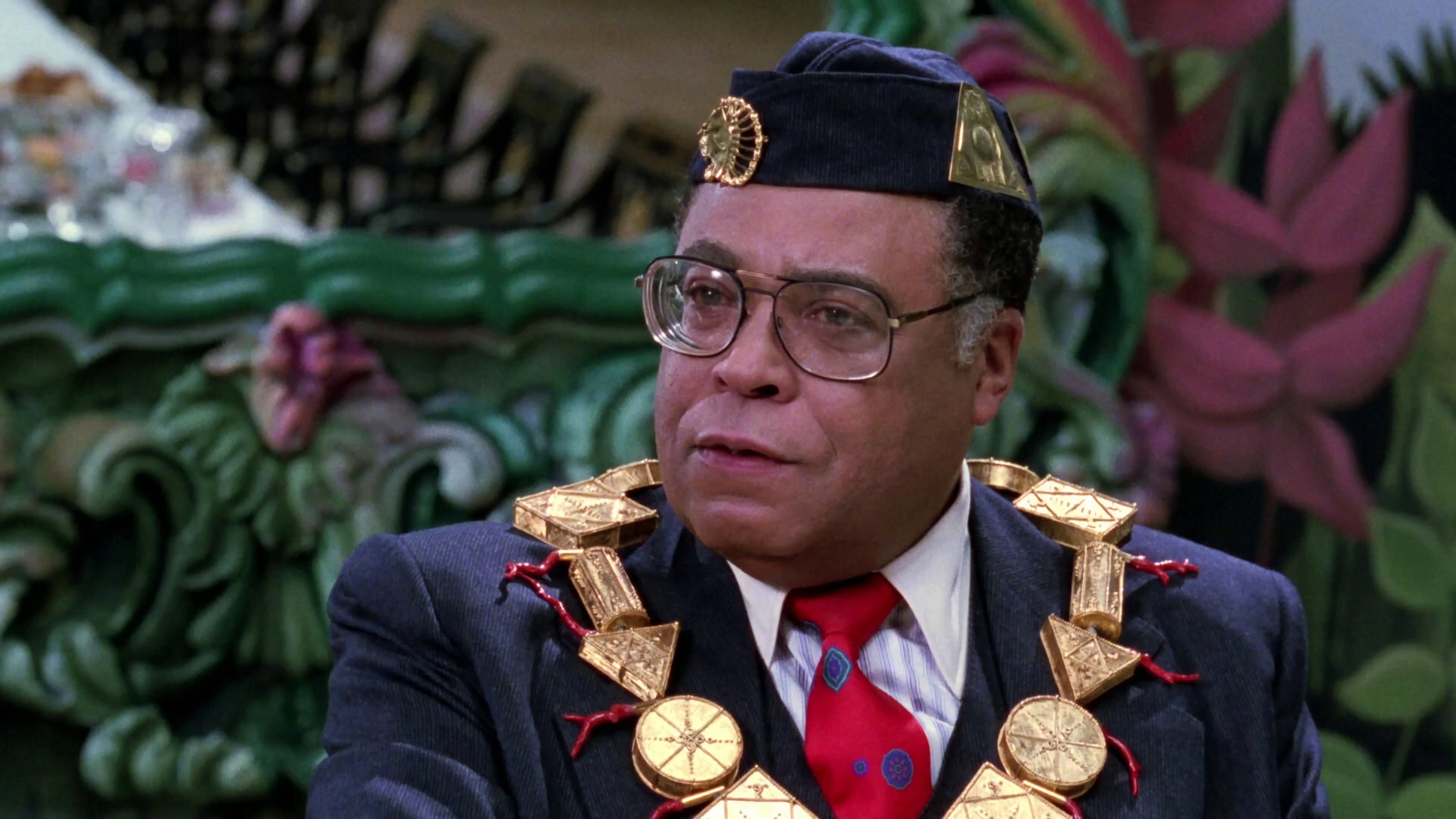
David Sheffield and Barry W. Blaustein’s screenplay is less attentive to the romance. Shari Headley gets little of the comic freedom allowed to the busier supporting players, and Lisa McDowell can feel like someone waiting for the impersonations to finish. The predictable courtship leaves the supporting cast to provide much of the interest. John Amos, as Cleo McDowell, and James Earl Jones, as King Jaffe Joffer, have more opportunity to impose themselves. Jones’s sternness is particularly funny beside Murphy’s patient courtesy.
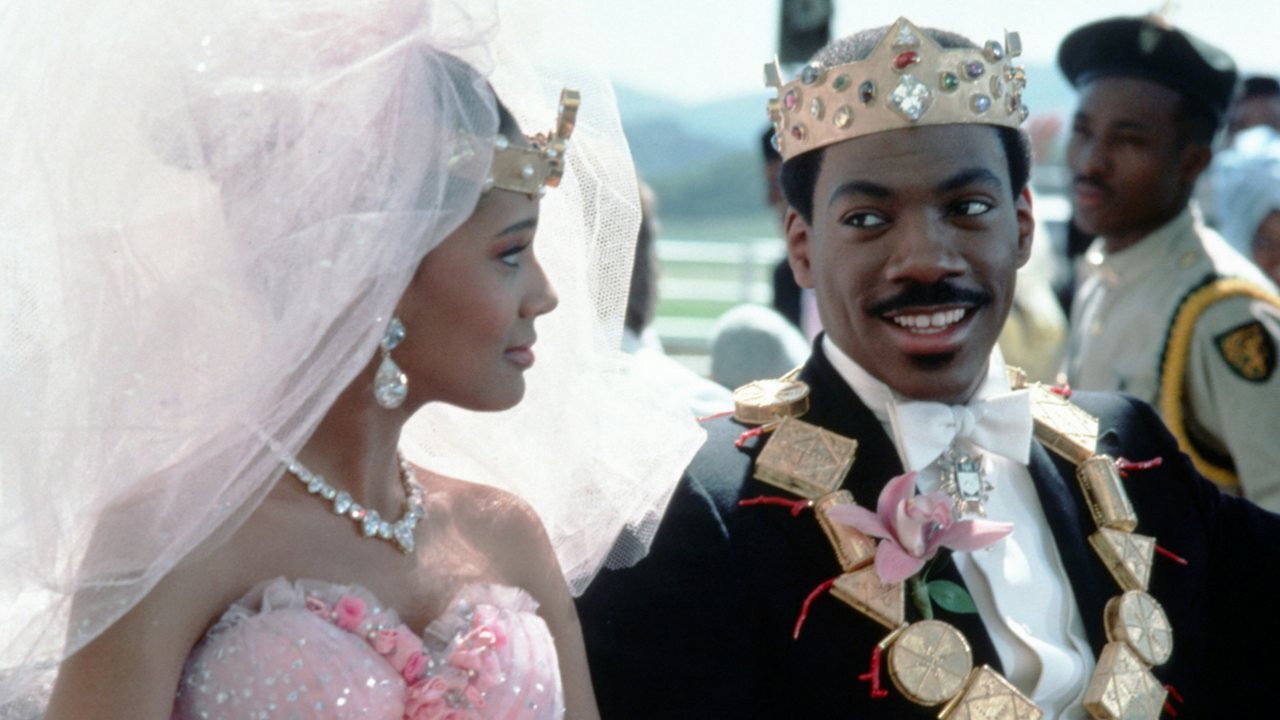
Woody Omens and Sol Negrin’s cinematography favours clarity, leaving the performers to supply most of the jokes. Richard Macdonald’s production design makes royal extravagance part of the fun, and Deborah Nadoolman Landis’s costumes share that appetite for display. It is a polished fairy tale, and the polish helps us accept its generosity towards Akeem. The satire is mild, and Landis does little visually to make it any sharper.
Editors George Folsey Jr. and Malcolm Campbell give the individual comic passages time to breathe, but the whole story could move faster. Returning to the romance can feel like picking up a conversation after too many interruptions. Nile Rodgers’s music suits the film’s warmth and helps those shifts feel less abrupt. It cannot quite disguise how often the search for a wife has been put aside for another performance.
For a fish-out-of-water comedy, it spends refreshingly little effort treating its visitor as an idiot. Murphy gives us someone we want to see happy, which makes the familiar plotting easier to tolerate. Choose it for a relaxed evening, provided nobody is expecting a brisk romance.