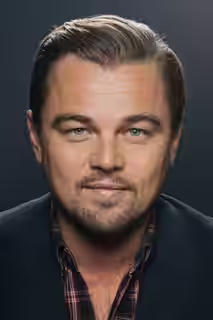
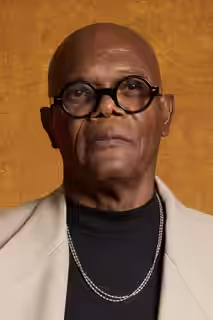
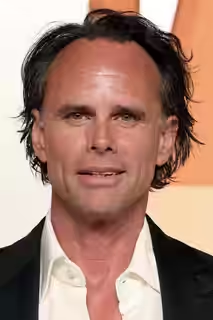
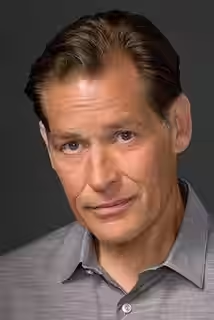
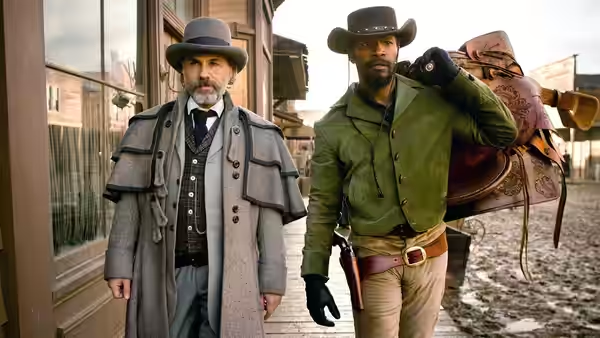
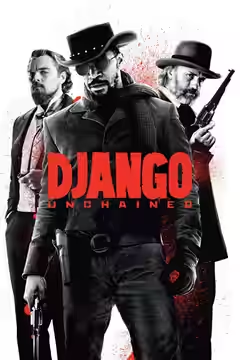
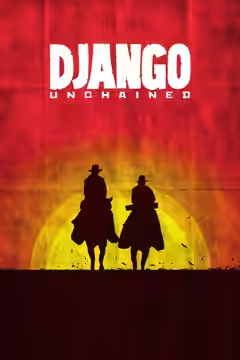
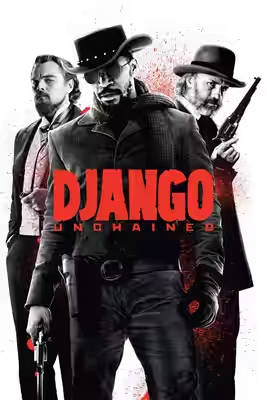
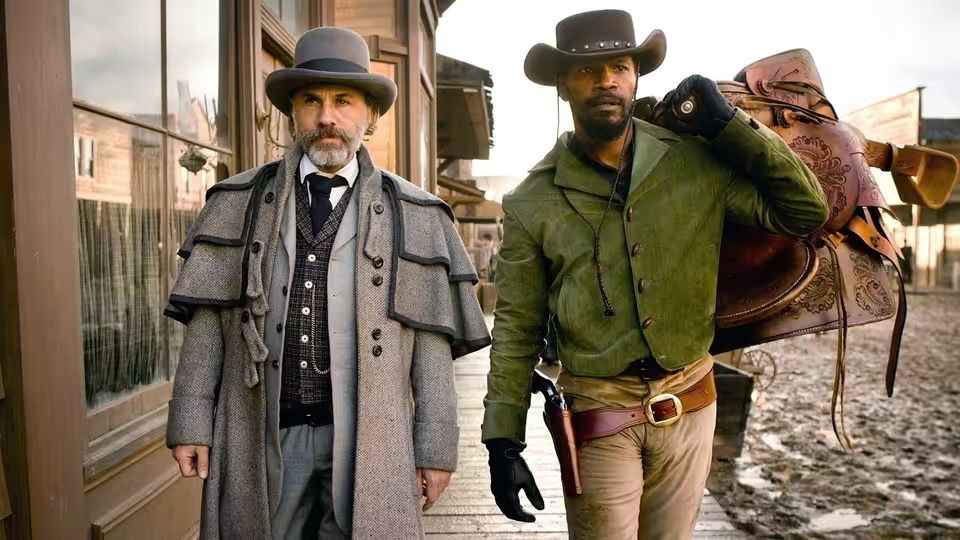
Dr. King Schultz (Christoph Waltz) and Django (Jamie Foxx) standing outside a wooden building
Film review

Django Unchained

2012 · Directed by Quentin Tarantino · 2h 45m · MK 15

In a sentenceEveryone in the South gets a monologue and most of them are shot before they finish it

Two slavers march a chained line of men through winter woods when a German dentist’s wagon comes out of the dark. Dr King Schultz (Christoph Waltz) has given up teeth for bounties, and he needs one of the men in chains, Django (Jamie Foxx), to point out three brothers he has been paid to kill. Freed, and quick to learn a gun, Django rides with Schultz for a season of bounties, then names his own price: his wife, Broomhilda (Kerry Washington), sold on to a Mississippi plantation owned by Calvin Candie (Leonardo DiCaprio), whose house is run by an elderly slave, Stephen (Samuel L. Jackson). Quentin Tarantino writes and directs; Robert Richardson shoots.

Plays from YouTube when you press play; nothing loads from them until then.

Fi1m review

Tarantino’s spaghetti western about slavery is funny, brutal and well acted, and it is forty minutes too long. Waltz, DiCaprio and Jackson talk each other into corners with relish; then the film reaches its natural end and keeps going.

Quentin Tarantino has taken the Italian western, its crash zooms and whistled themes and sudden gouts of blood, and pointed it at American slavery. Django Unchained is a revenge story: a freed slave and a German bounty hunter ride into Mississippi to buy back the slave’s wife from a plantation owner who does not know he is being robbed. It runs 165 minutes and carries an 18, and for two of those hours it is as much fun as we have had at a Tarantino film in years. It is a fine film with a poor last act.

Christoph Waltz’s Dr King Schultz is the engine. He is a dentist who has given up dentistry, drives a wagon with a giant tooth bouncing on a spring above it, and shoots people for money with the manners of a man returning a library book. Waltz plays all of it as courtesy, and the courtesy is the joke and the weapon at once. Jamie Foxx, as Django, has the harder job. He spends the first hour watching and saying little, because a slave who speaks out of turn is a dead slave, and Foxx makes the watching count.

Leonardo DiCaprio arrives late as Calvin Candie, owner of a plantation called Candyland, and he is loose, funny and rotten. Candie has bad teeth, a taste for French he cannot speak, and the manner of a boy who has never been told no. Samuel L. Jackson’s Stephen, the old house slave who actually runs the place, is the film’s most unsettling creation: he shuffles and cackles and plays the fool, and he misses nothing. The long dinner at Candie’s table is the centre of the film, and we will say nothing about how it ends. It is close to half an hour of people talking and it is the tensest stretch Tarantino has directed since the basement bar in Inglourious Basterds (2009).

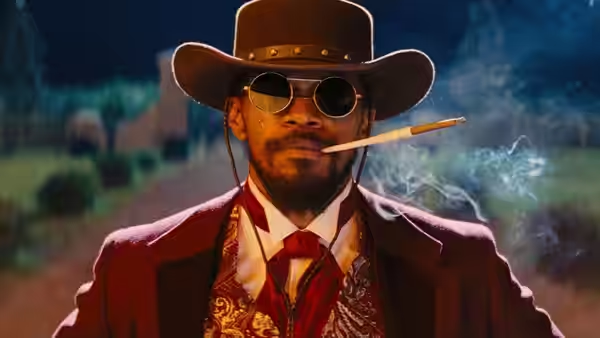
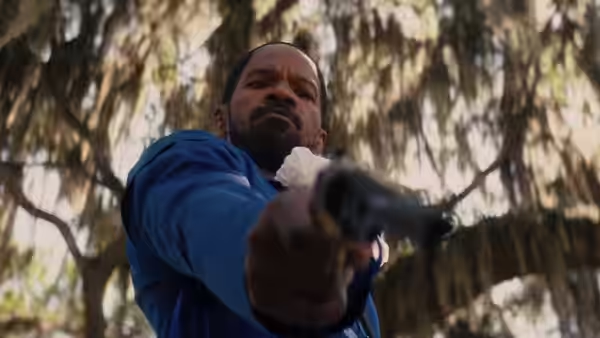
Robert Richardson shoots the winter bounties in hard white light, so that blood on snow reads as paint, and the Mississippi scenes in green and gold. His zooms are borrowed from the Italians and used, mostly, as punchlines. J. Michael Riva builds Candyland as white columns and long verandas with the cruelty kept just off the porch. Sharen Davis puts Schultz in grey fur and Candie in burgundy velvet; when Django is told to choose his own clothes he picks a powder-blue satin suit, and the film lets everyone laugh at it until they see him shoot. Luis Bacalov’s theme from Sergio Corbucci’s Django (1966) opens the film, and the soundtrack later drops hip hop over a gunfight and gets away with it.

We laughed harder than we have at anything of Tarantino’s in years at a lynch mob arguing about whether anyone can see through the eyeholes in their bags. The scene runs long, and the longer it runs the funnier and the more pointed it gets: these men are ridiculous, and they have come to kill. Then we got to Candyland, and we were horrified. Tarantino stages the cruelty there at length and without cutting away, sometimes in the background of a conversation, and we found it hard to watch and were meant to. The film’s case is that this violence was ordinary, and that the violence Django does back should feel like a holiday. We bought it.

The trouble is the shape. Fred Raskin, cutting his first Tarantino film after the death of Sally Menke, lets scenes run past the point where she would have closed them, and the middle hour sags. Worse, after the dinner the film has a further act to get through, and it is the weakest stretch: a change of location, a new set of faces, and a scene in which the director puts himself on screen with an accent he should have left to an actor. Kerry Washington, as Broomhilda, is given almost nothing to do but be looked at and rescued. The film insists she is the reason for everything, and that would land harder if it had let her speak.

Set against Inglourious Basterds, which pulled the same trick of rewriting history as revenge fantasy, this is the looser film. The talk is as good, the villains are better, and the structure is worse. See it with company, for three men at a table and for the bags. Know that somewhere past the two-hour mark you will be allowed to think it is over, and it will not be.
Critical consensus AI synthesised

73
Positive
6
Mixed
0
Negative
1

Most critics like it, and the praise lands in the same places. The performances come first: Christoph Waltz’s bounty hunter is singled out again and again, with Leonardo DiCaprio and Samuel L. Jackson close behind. The dialogue, the set-pieces and the collision of spaghetti western and antebellum drama are widely enjoyed, and several reviews credit the film with taking slavery seriously while playing it as pulp. Nearly every review calls it entertaining before it calls it anything else.

The reservations cluster around length and pace. Several critics find it overstretched towards three hours, with a third act that sags and a cameo that misfires. Little White Lies enjoys it but finds little underneath the charisma. The one clear dissent is Sight and Sound, which finds the film slack without editor Sally Menke and thinks the cartoon violence stands in for any real confrontation with slavery. The spread is narrow otherwise: strong approval, with a shared grumble about running time.

Little White Lies
18 January 2013 · 4/4/4 · Jonathan Crocker
80

A funny, violent, entertaining crowdpleaser buoyed by superb performances from Waltz, DiCaprio and Jackson in a battle of wits and words. Not a masterpiece, but one that supports its epic length through charisma and sharp dialogue despite lacking deeper substance.

Read the full review →
Radio Times
★★★★ · Alan Jones
80

A playfully audacious mix of spaghetti western, blaxploitation and revisionist history that delivers a wildly thrilling swagger through slavery's sides. Overindulgent in typical Tarantino fashion but redeemed by enthralling dialogue, twists, supporting cast and Morricone-style soundtrack.

Read the full review →
Sight and Sound
18 January 2013 · Nick Pinkerton
30*

The film lacks vitality and any vital engagement with history, stretched by loquacious monologues and lagging pace without editor Sally Menke. It prioritizes cartoonish violence and supercilious persona over meaningful confrontation with slavery's horrors.

Read the full review →
Empire
7 May 2012 · festival review · Dan Jolin

Tarantino delivers another strong, sparky and bloody entry in his canon with this Spaghetti Southern, but it creaks under its excessive running time and is not quite as entertaining as Inglourious Basterds.

Read the full review →
Evening Standard
16 May 2013

Tarantino is at his brilliant best in this must-see mash-up of antebellum drama and spaghetti western; it is appallingly enjoyable, vivid and entertaining with outstanding performances from Waltz, DiCaprio and Jackson.

Read the full review →
Los Angeles Times
23 December 2012 · Betsy Sharkey

The critic calls the film Tarantino’s most articulate, intriguing, provoking, appalling, hilarious, exhilarating and entertaining yet, blending horrific history with grindhouse comedy without diminishing the brutality. She singles out the sharp cultural clashes and standout performances, especially Christoph Waltz’s sly delivery.

Read the full review →

Straight answers AI written, from our review

Is Django Unchained worth watching?
Django Unchained is worth watching for anyone who enjoys Tarantino's talk and can stomach a great deal of blood, and we scored it 78. Waltz, DiCaprio and Jackson are all in fine form, and the long dinner at Candie's table is the tensest stretch he has directed since Inglourious Basterds. It is also forty minutes too long, and the last act is the weakest.
How long is Django Unchained, and what is it rated?
Django Unchained runs 2h 45m and is rated 15 by the MK in Czechia. It is a drama and western film.
Where can I watch Django Unchained in Czechia?
Django Unchained is streaming on HBO Max in Czechia, and it is also available to rent from Amazon Prime Video and Apple TV from Kč 49.00. Availability is checked daily; the links above go straight to each service.
How violent or frightening is Django Unchained, and is it suitable for children?
Django Unchained is an 18 and earns it, with no place for children. Tarantino stages the cruelty of the plantation at length and without cutting away, sometimes in the background of a conversation, and we found it hard to watch. The gunfights are staged as spaghetti-western fun, with blood that reads as paint, but the squeamish should still stay well clear.
How does Django Unchained compare to 12 Years a Slave?
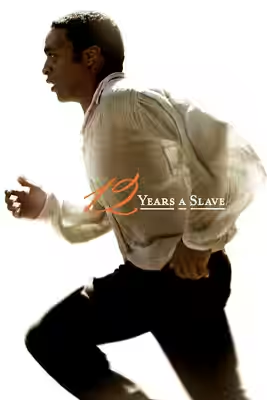
Django Unchained and 12 Years a Slave take the same history in opposite directions: Tarantino offers revenge and jokes, McQueen offers neither. McQueen's is the film we would urge a stranger to see, made personal by Chiwetel Ejiofor and far harder to shake off. Tarantino's is the better night out, funnier, longer and looser, and it ends about forty minutes after it should.

Cast

Awards

Academy Awards, 2013

Nominated
Best Cinematography
Nominated
Best Picture
Nominated
Best Sound Editing
Won
Best Supporting Actor
Won
Best Writing, Original Screenplay

If you liked this, try…

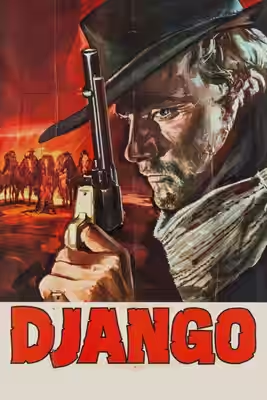
  1. Django (1966) · not reviewed yetCorbucci’s original, with a coffin dragged through mud and a theme Tarantino borrowed outright.

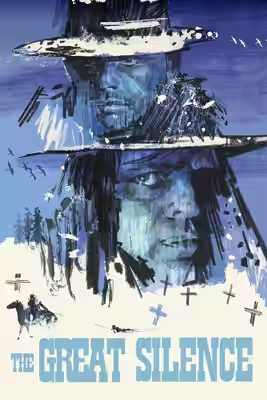
  2. The Great Silence (1968) · not reviewed yetCorbucci again, in deep snow, with a mute gunman and no mercy for anyone.

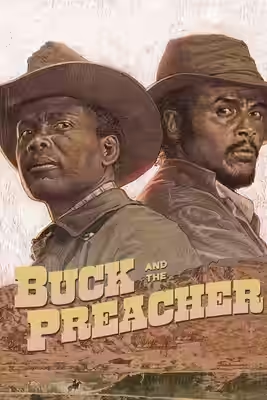
  3. Buck and the Preacher (1972) · not reviewed yetSidney Poitier directs and stars; a Black western made when Hollywood barely allowed one.

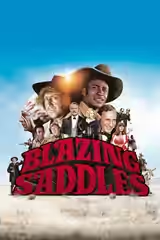
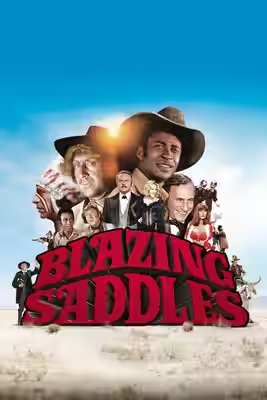
  4. Blazing Saddles (1974) · not reviewed yetMel Brooks got to the racist-cowboy joke first, and his sheriff is funnier.

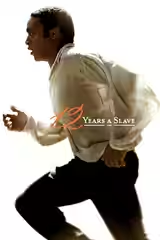
  5. 12 Years a Slave (2013, Fi1m 91)McQueen’s version of the same history, with no revenge on offer and no jokes.

Free account

Know what to watch tonight

Two lists that know where things are streaming, collections you can share, your own score beside ours, and Discover that remembers what you have seen.

  • Want to see, sorted by what is streaming now
  • Seen, with your score out of ten
  • No adverts, ever