Steve Martin makes paternal panic funny enough to carry a mild wedding comedy, with Martin Short supplying the sharper laughs. The sentiment is more reliable than the satire, and the fuss starts to repeat itself.
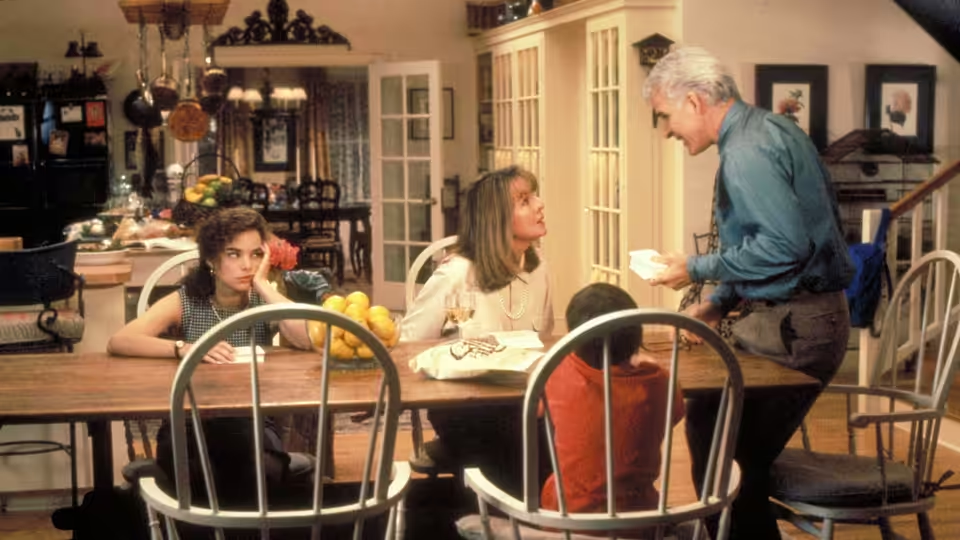
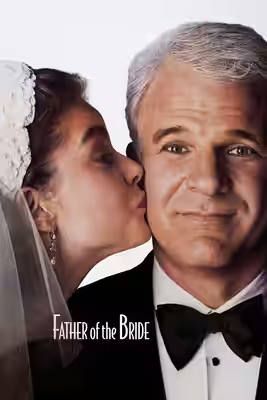
Charles Shyer’s Father of the Bride is a mildly amusing wedding comedy sustained by Steve Martin’s willingness to look foolish. It understands that a father’s anxiety can be affectionate and tiresome at the same time, although it is too indulgent towards George Banks to make much trouble for him. There is enough here for an undemanding evening, provided Martin’s nervous fussing is the attraction. At 105 minutes, the film gives that fussing more room than it needs.
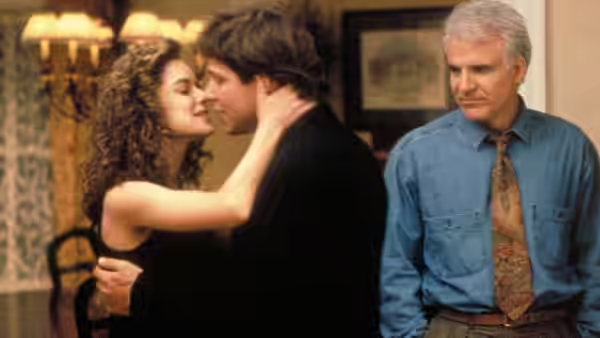
Nancy Meyers and Charles Shyer’s screenplay makes George’s unease the centre of the wedding preparations. That is a useful comic starting point: a celebration can bring out someone’s least generous instincts without making them a monster. The difficulty is how readily the film excuses him, returning to the reassurance that all this anxiety comes from love. We can understand why a father finds change painful without needing his discomfort to set the terms for everyone else’s happiness.
Martin supplies the necessary embarrassment. We laughed at the bathroom-cabinet scene; it gives him a welcome opportunity to make George’s nervousness physically ridiculous. He can make fussing funny without asking us to approve of the man doing it, and the film benefits whenever it lets him get on with that. The gentler passages are less satisfying, because the effort to keep George lovable makes the jokes too forgiving.
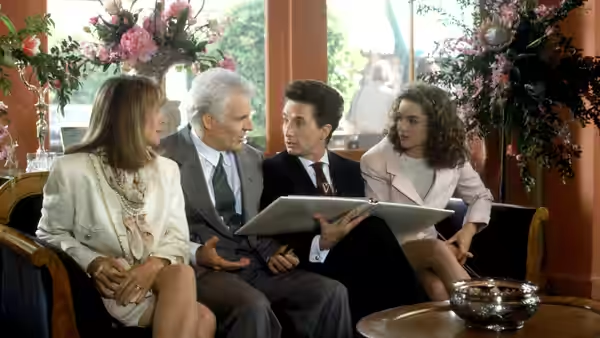
Martin Short supplies the sharper comedy as wedding planner Franck Eggelhoffer. His flamboyance gives Martin someone to react against, and makes George’s anxiety seem funnier simply by refusing to accommodate it. Franck’s confidence is a useful irritant for a man already struggling with the occasion, and Short is prepared to risk being excessive. That excess is welcome in a film otherwise so careful to remain agreeable, though it also makes the surrounding jokes seem tentative.
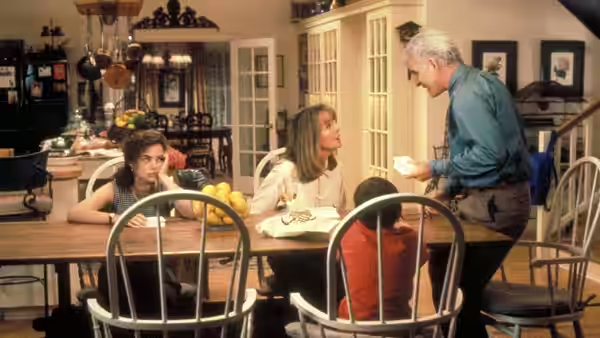
John Lindley’s cinematography favours domestic comfort, and Sandy Veneziano’s production design makes that comfort persuasive. It is pleasant company, though the polish reduces the sense that these wedding preparations could become properly troublesome. We need to believe that George might make life awkward for people other than himself, and the reassuring surroundings do not help. A more unruly wedding comedy would let the embarrassment linger; this one is keen to put everyone at ease.
Richard Marks’s editing keeps the comic exchanges clear, but cannot do much about a script that repeatedly returns to the same worry. Once George’s reluctance has been established, we spend too much time being reminded of it. Alan Silvestri’s music supports the softer feelings effectively enough, while adding to the sense that the film is anxious to keep us fond of George. A little less reassurance would have helped.
Wedding comedies can make a good deal of the awkwardness of bringing families together. Shyer keeps his attention on the father’s response, which is a reasonable choice but leaves the film with a narrow supply of jokes. That will matter less if Martin’s flustered manner is precisely what brought us here, and more if we are hoping for the wedding itself to come in for much ridicule. Choose it for the performers, and allow for a generous helping of paternal self-pity.