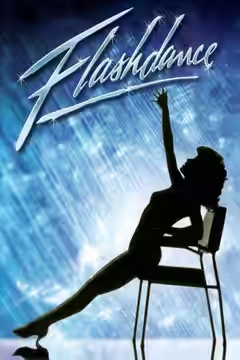
Adrian Lyne’s dance drama is enjoyable whenever it gets moving and disappointingly thin when it settles into its romance. The numbers have enough energy to sustain attention, but the characters need more than enthusiasm and a soundtrack.
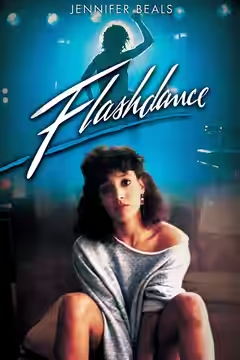
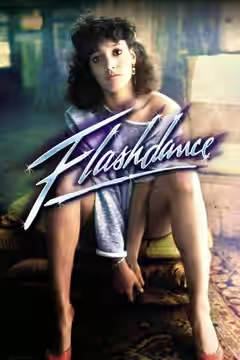
Flashdance is a mixed pleasure, with dance numbers that deserve a better story around them. Adrian Lyne treats movement, lighting and music as the main attraction, which is a sensible judgement about the material. At 95 minutes, the film ought to be brisk entertainment, but its romance makes it feel longer than it is. There are stretches when the dancing justifies the wait, though we would have welcomed another pass at the screenplay before anyone started rehearsing.
The screenplay by Thomas Hedley Jr. and Joe Eszterhas is too slight to support the emotion being asked of it. Familiarity is not the trouble on its own; a familiar romance can work if we believe in the particular people. Here the characters remain insufficiently developed, and the film asks its music to supply feelings that the writing has not earned. The simplicity might have been welcome if the dialogue and relationships had been sharper.
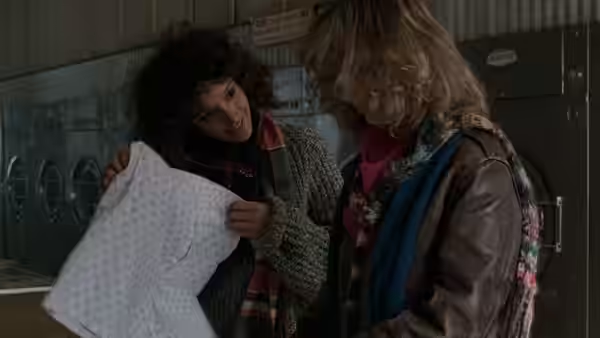
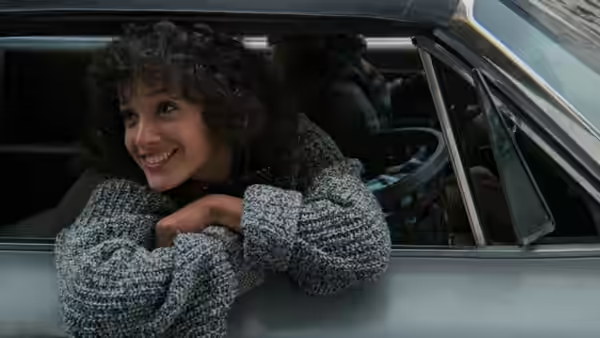
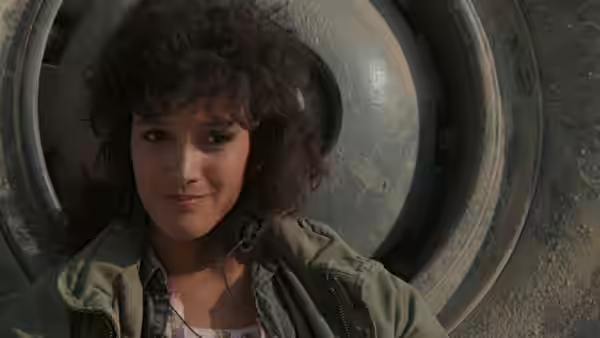
Jennifer Beals gives Alex Owens enough presence to hold our attention even when the writing is doing little for her. The performance has an eagerness that suits the film, although we wanted more opportunities to understand the person beneath it. Michael Nouri, playing Nick Hurley, makes less of an impression, and the romance needs more help than he can give it. Neither performer can quite make these people interesting enough to sustain the passages between dances.
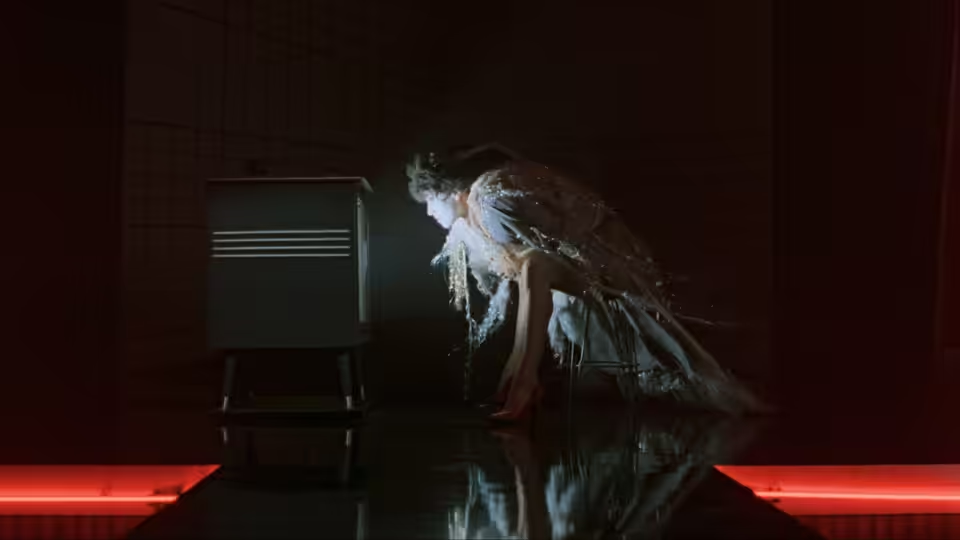
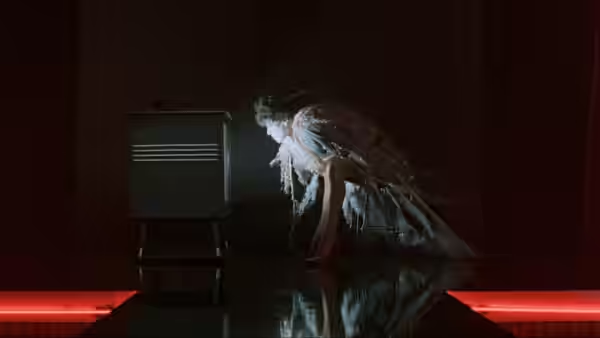
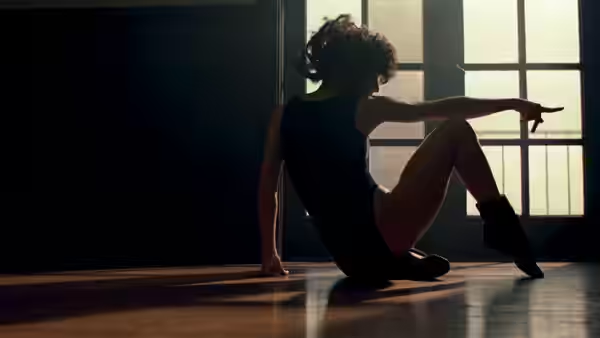
The dance sequences explain why the film remains watchable. Donald Peterman’s lighting makes the movement emphatic, while Bud S. Smith and Walt Mulconery cut the numbers with a force that the dramatic passages lack. We felt a lift when the dancing took over, because the light, the cuts and the beat finally seemed to be working together. These passages have the confidence missing from the conversations, and Adrian Lyne is right to give them such attention.
Giorgio Moroder and Keith Forsey provide music that makes the film’s feelings seem stronger than the writing warrants. During the dance numbers, that is part of the pleasure, and resisting it would be a rather joyless way to watch. The difficulty comes when the surrounding drama needs to sustain that excitement without the same musical help. The film has taught us to expect another number, which leaves its already ordinary romance at a further disadvantage.
Charles Rosen’s production design contributes to the dance sequences’ showmanship, helping them command attention without making the surrounding story more convincing. The visual polish is purposeful, and it would be unfair to dismiss the work simply because the screenplay is weak. A dance drama can survive an unlikely plot if its characters seem to have lives beyond their performances. Here Adrian Lyne gives us too little to care about between numbers, so the implausibility becomes harder to overlook.
There is enough skill in the dancing, lighting and editing to make a blanket dismissal seem ungenerous. There is also too much underwritten drama to recommend the whole film without a substantial warning. Its pleasures depend on accepting characters who rarely become more interesting than they first appear. Choose it only if the dancing is enough; for a romance, we would look elsewhere.