Film review

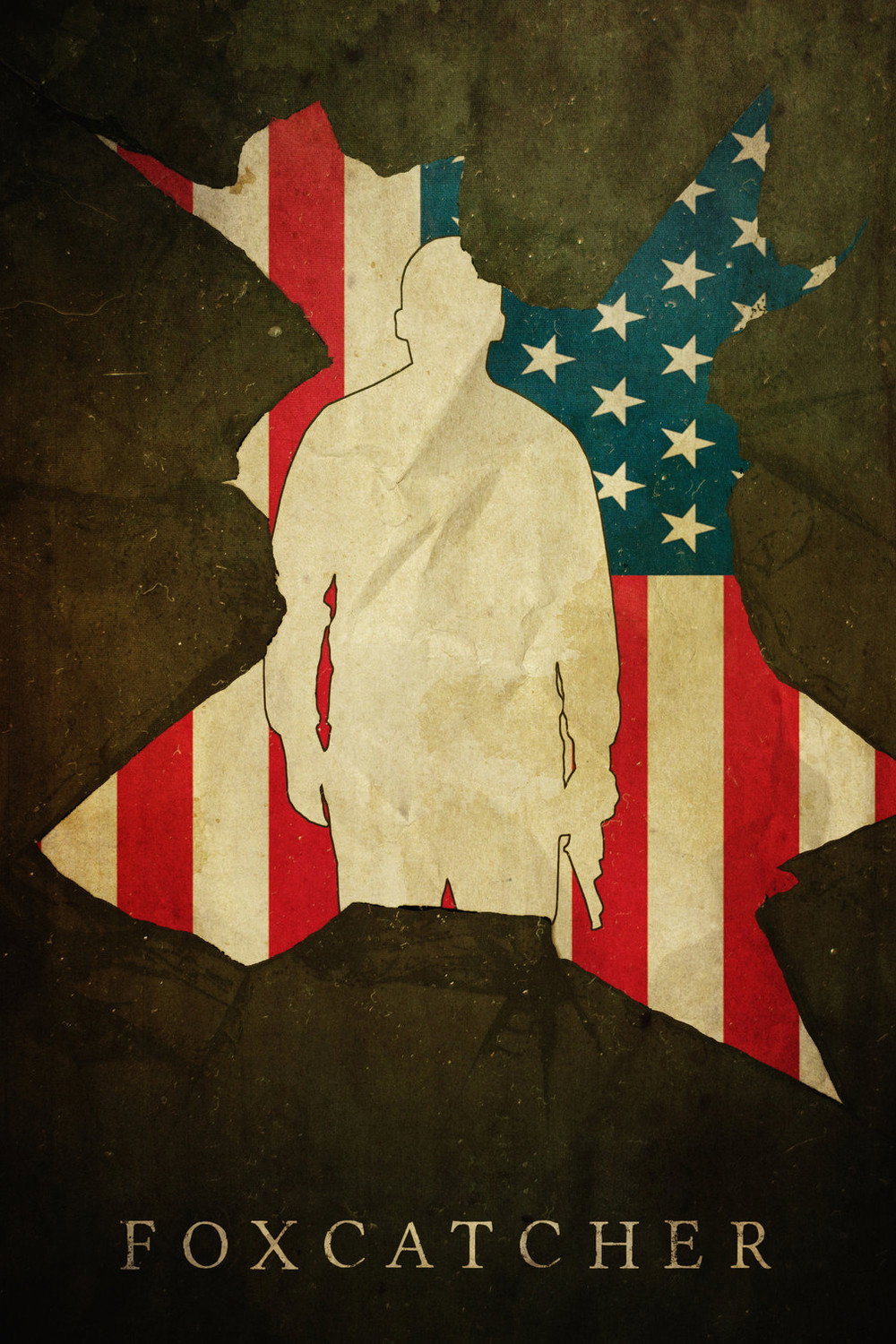
Foxcatcher

2014 · Directed by Bennett Miller · 2h 14m · MPA R

In a sentenceThe wrestling looks easier than keeping the wealthy man happy

DramaThriller

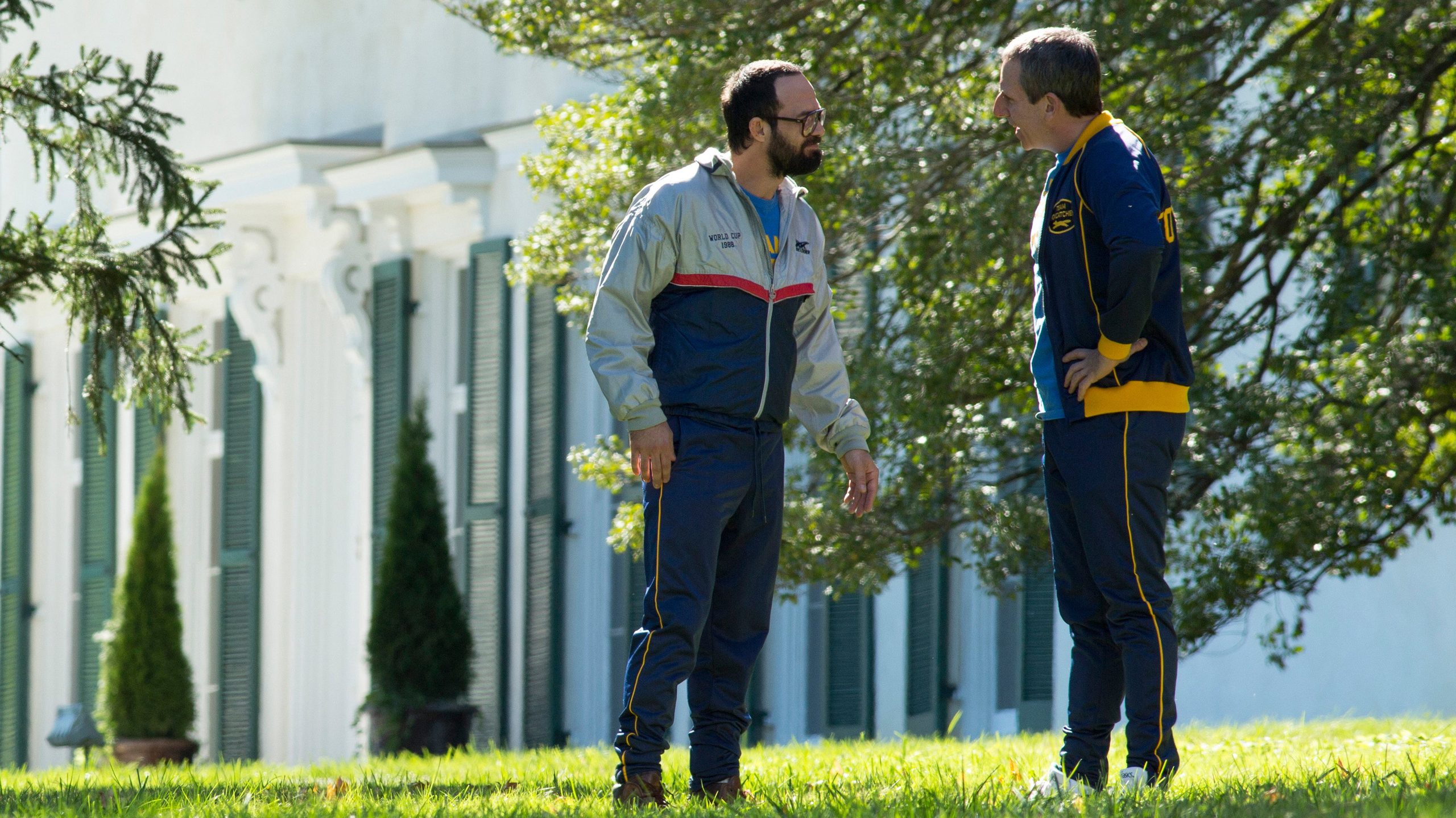
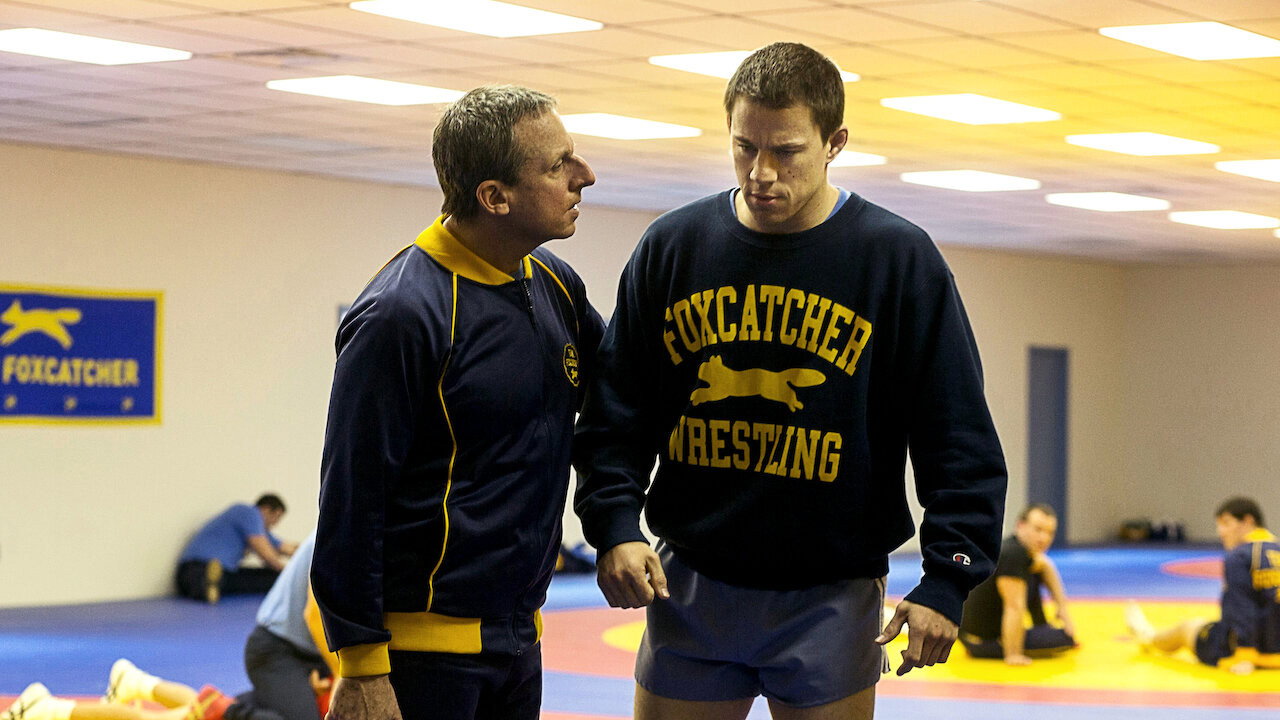
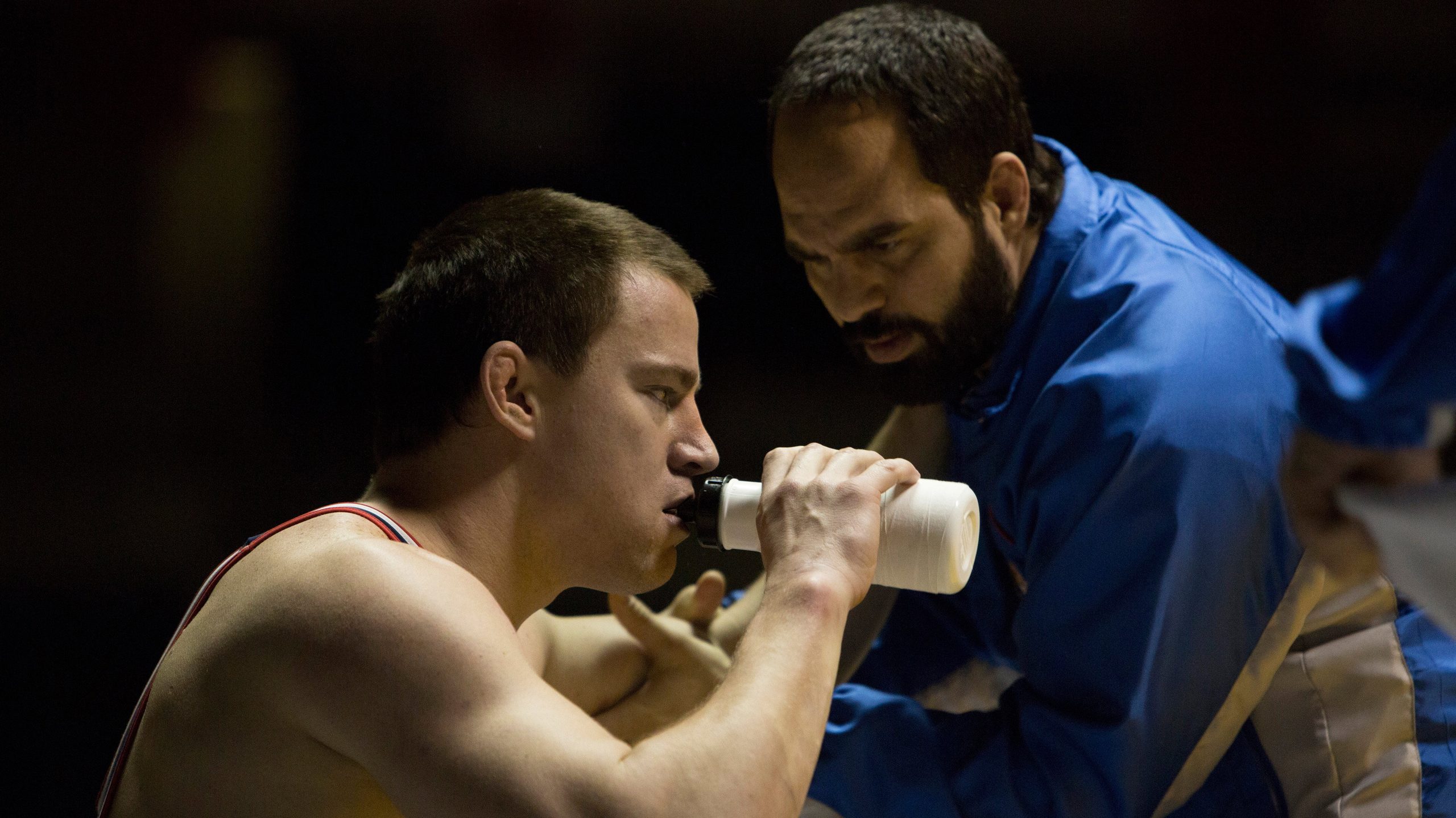
Olympic wrestler Mark Schultz (Channing Tatum) wants to establish himself beyond the shadow of his brother, David Schultz (Mark Ruffalo). John du Pont (Steve Carell) has the wealth to make himself important in their sport and a need for recognition of his own. As Mark Schultz is drawn towards him, the brothers’ relationship becomes entangled with John du Pont’s ambitions. Sporting achievement, family loyalty and a rich man’s expectations begin to compete. Mark Schultz has to judge what this new association offers him, and how much independence he is prepared to give up for it.

Plays from YouTube when you press play; nothing loads from them until then.

Fi1m review

Bennett Miller’s wrestling drama makes money and dependence feel quietly frightening, with Channing Tatum the most affecting of its three leads. The solemn pace sometimes strains our patience, but the performances make it worth staying.

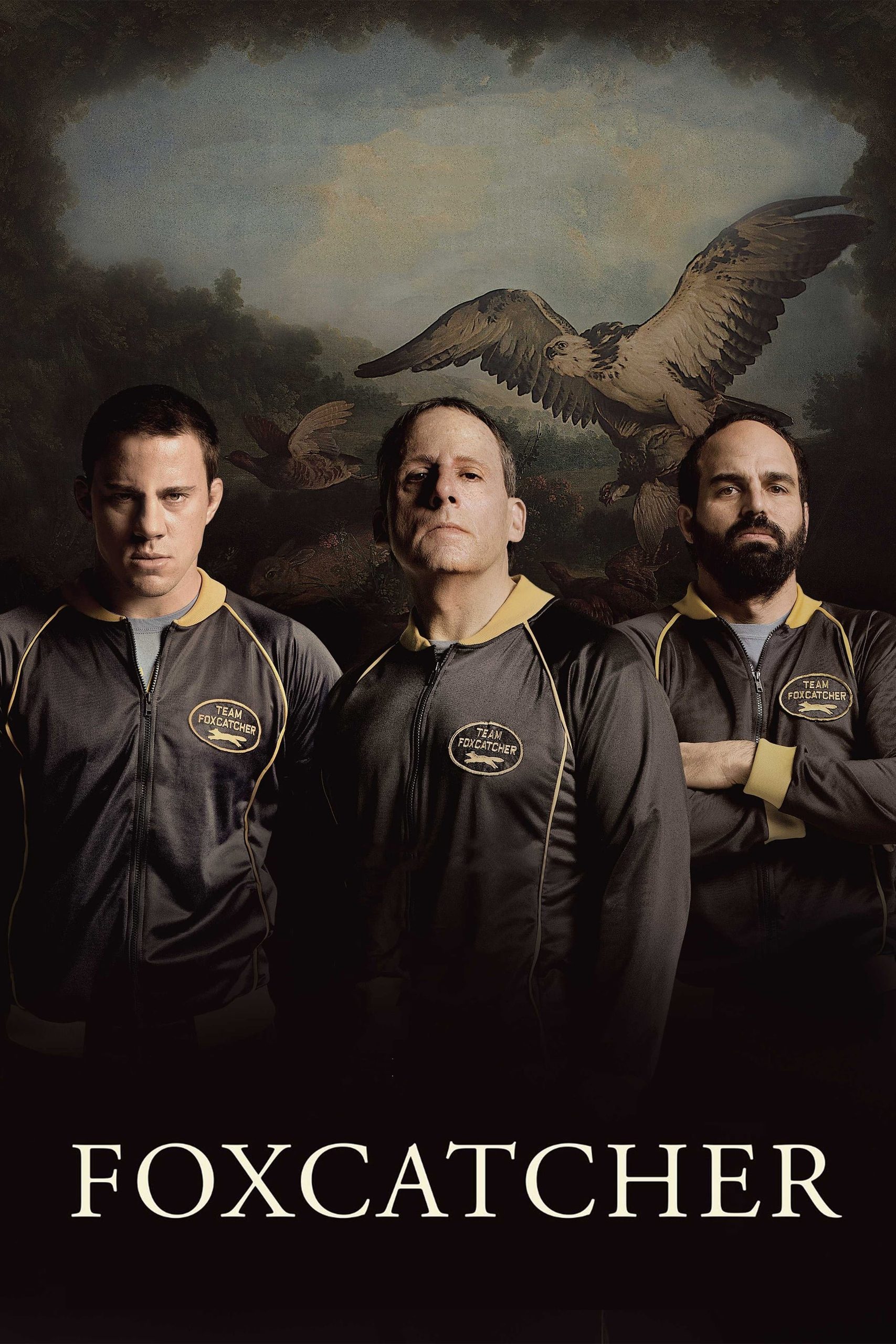
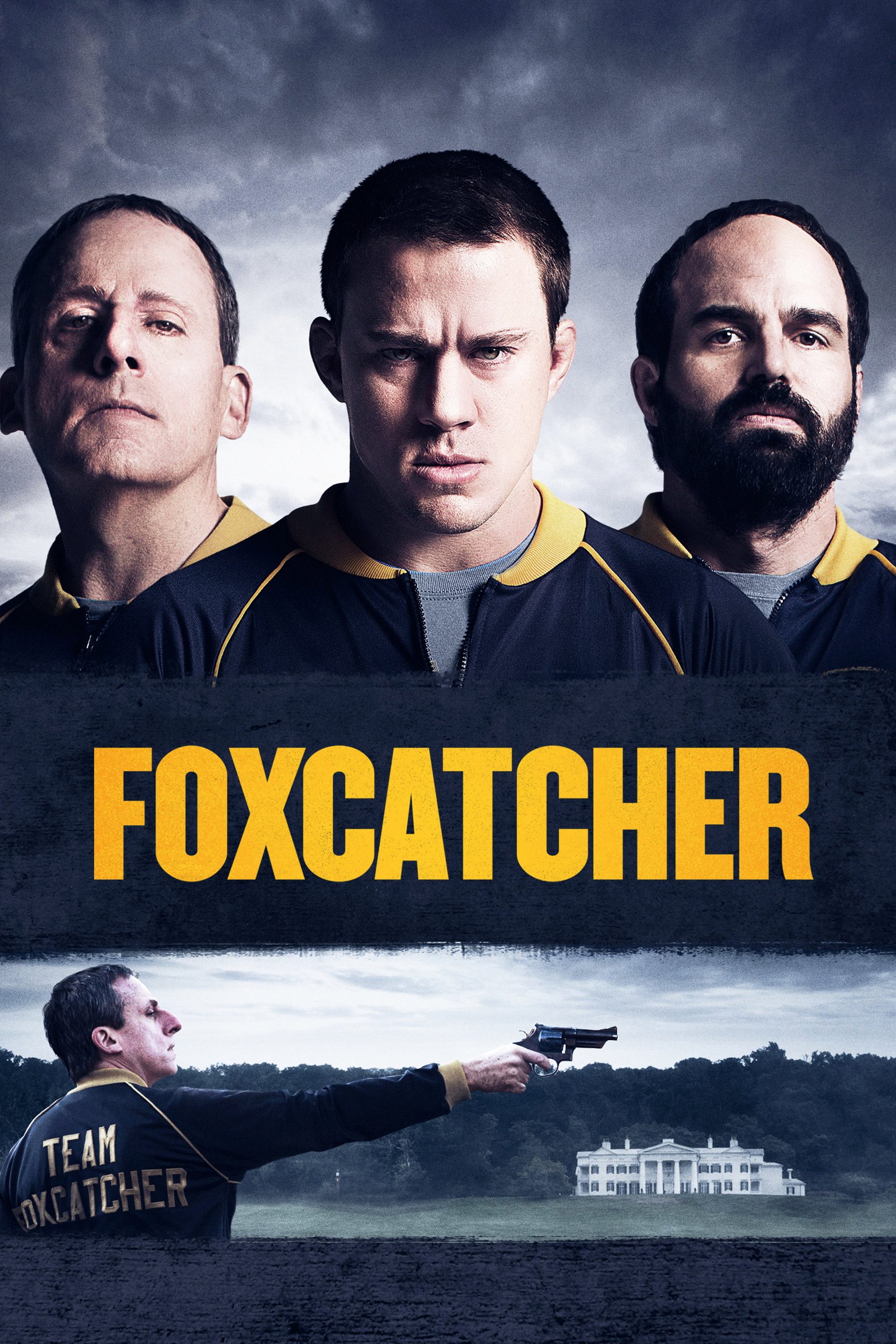
Bennett Miller’s Foxcatcher is a strong, unsettling drama with a stubbornly slow pace. It takes the competitive world of Olympic wrestling and makes the attention of a wealthy man feel more worrying than anything that happens in a match. John du Pont’s involvement with Mark Schultz and David Schultz gives the film a way to examine who gets to claim credit for other people’s effort. Anyone expecting the reassurance of an underdog sports story should adjust that expectation before settling in.

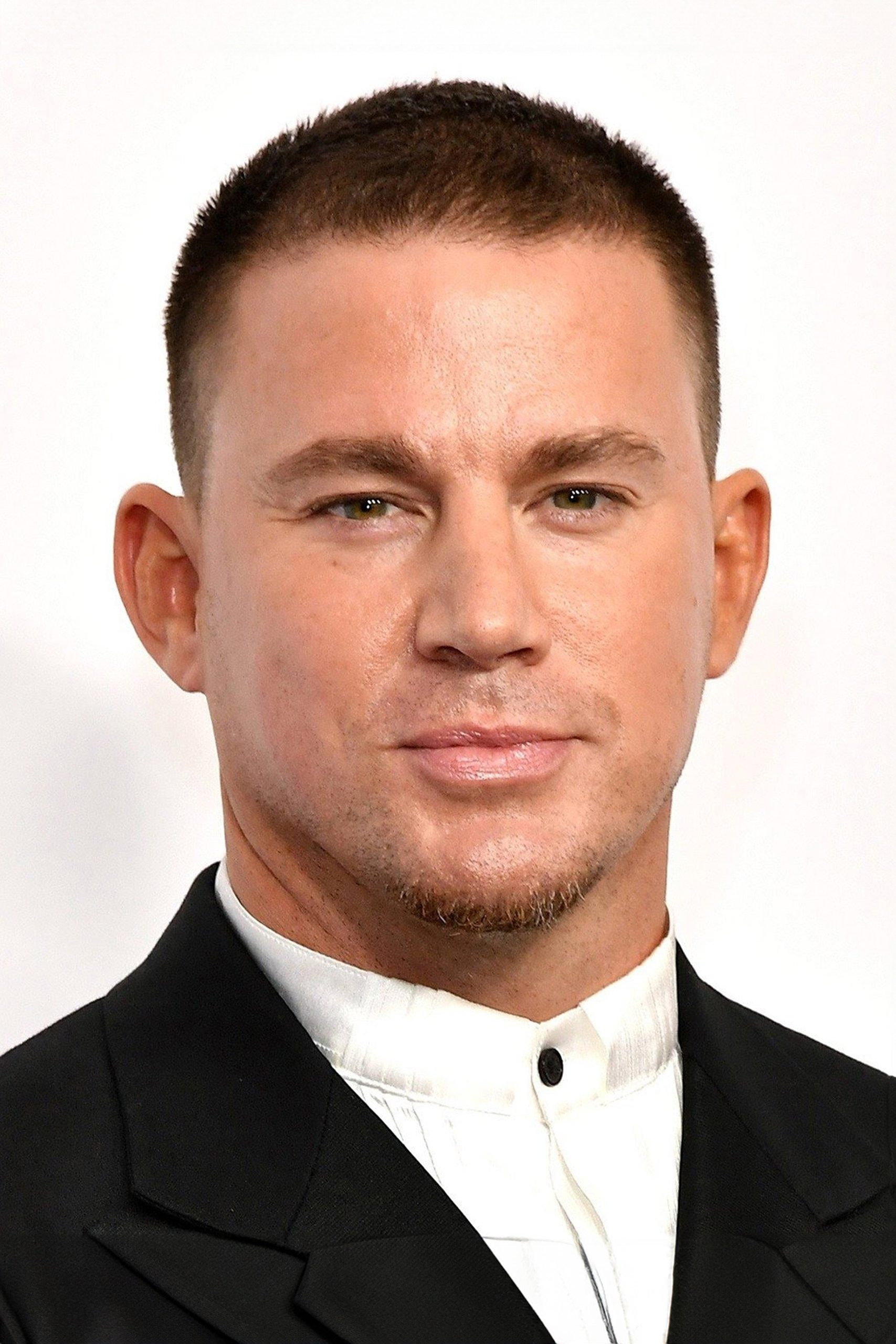
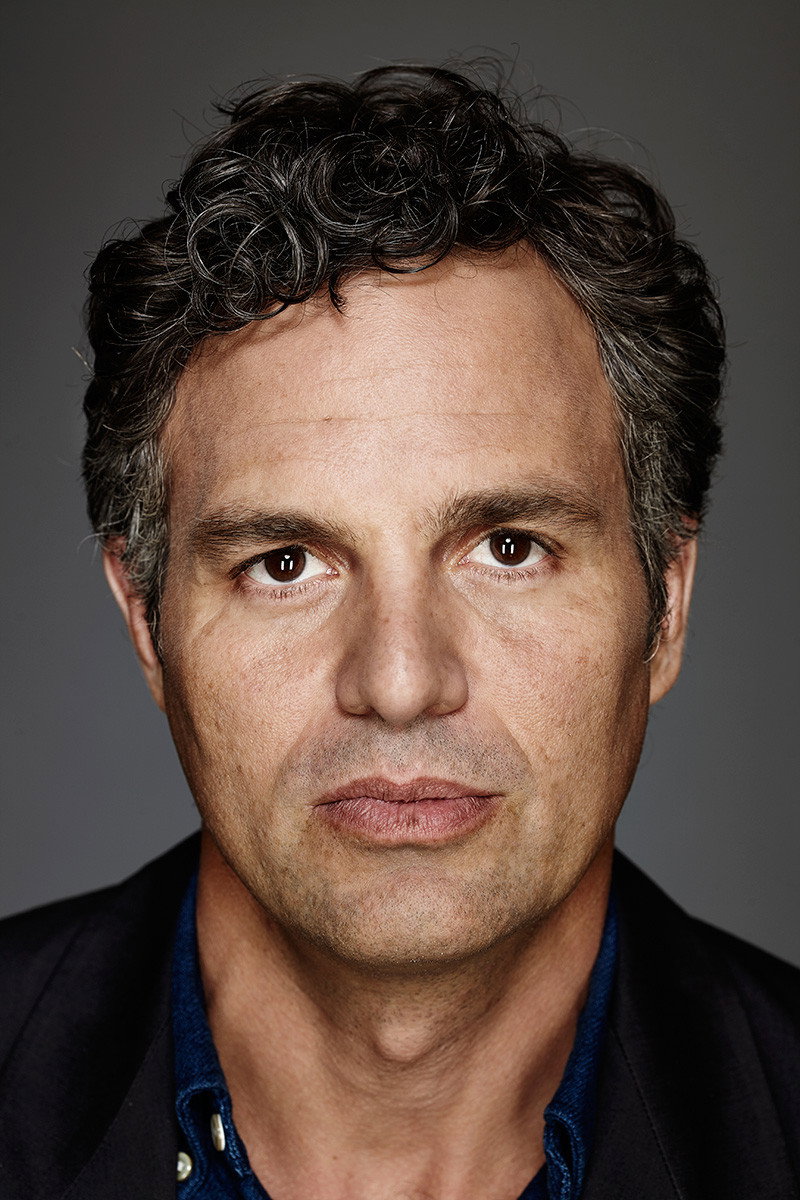
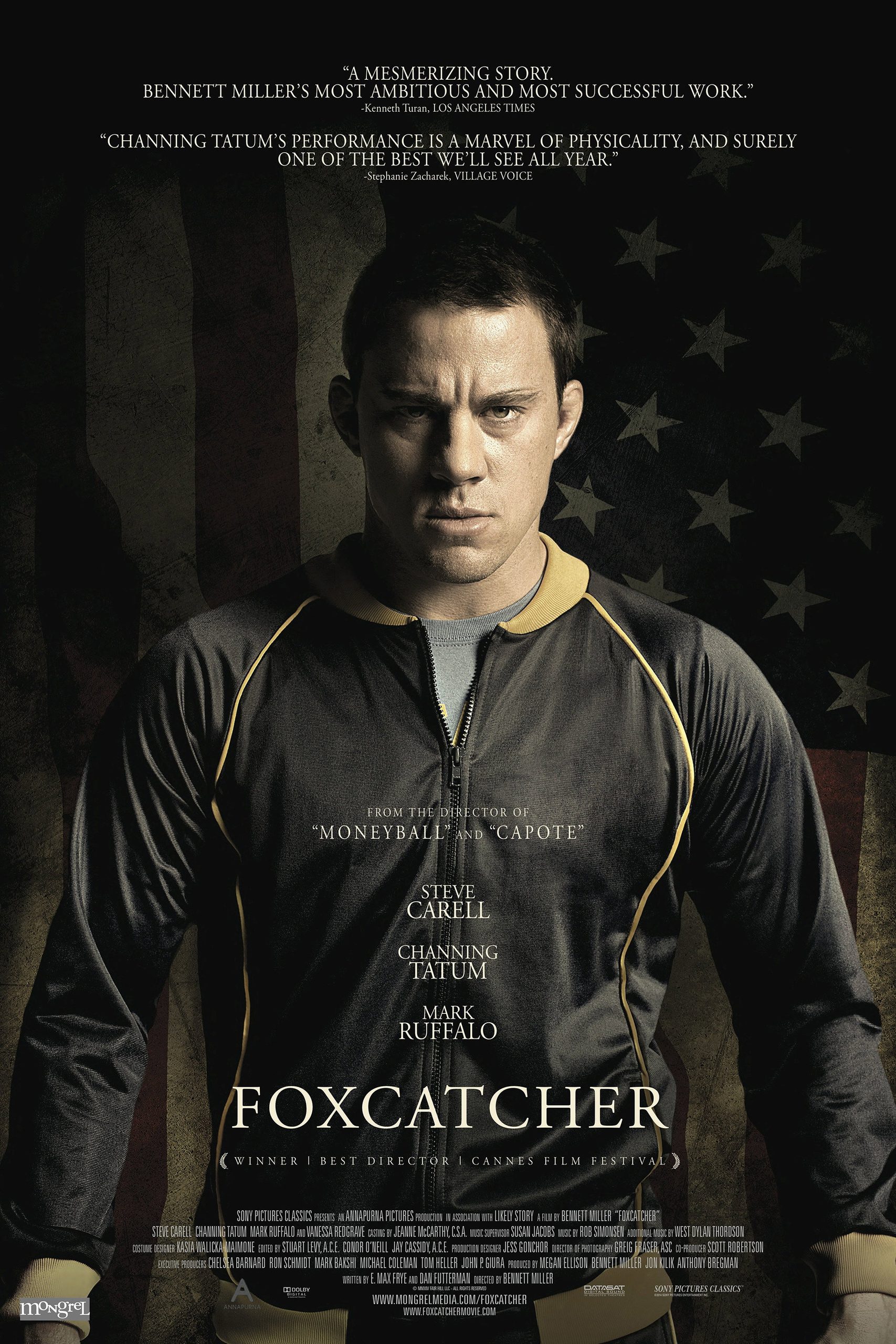
Channing Tatum makes Mark Schultz’s need for recognition painfully apparent. His performance gives the wrestler’s strength something vulnerable underneath it, and the character’s ambition never seems safely separate from his loneliness. Mark Ruffalo, as David Schultz, brings enough ordinary human ease to make that loneliness more noticeable. We found the brothers’ scenes unexpectedly moving. Their convincing closeness gives us something to care about beyond the grim business of watching a rich man acquire influence.

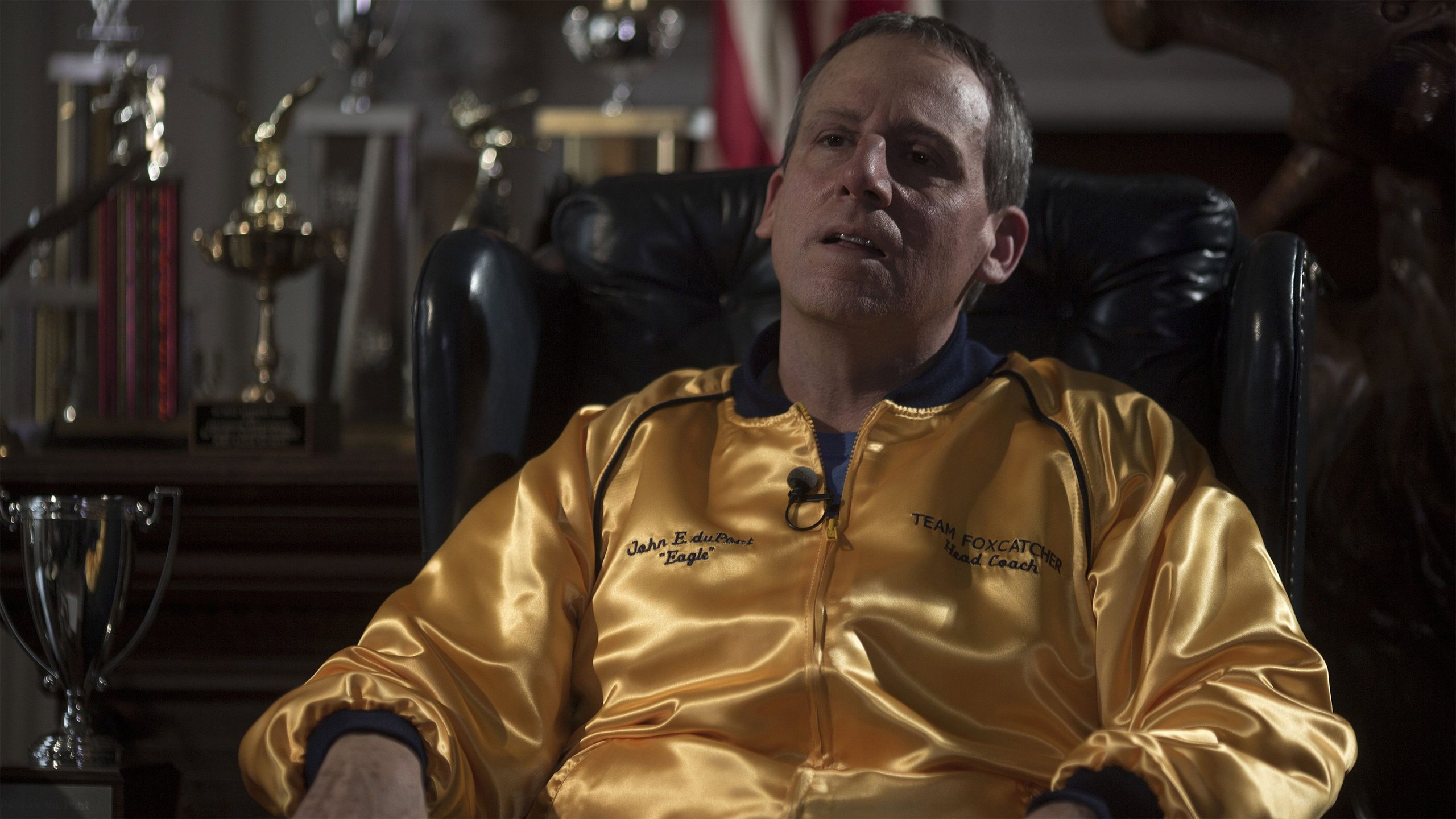
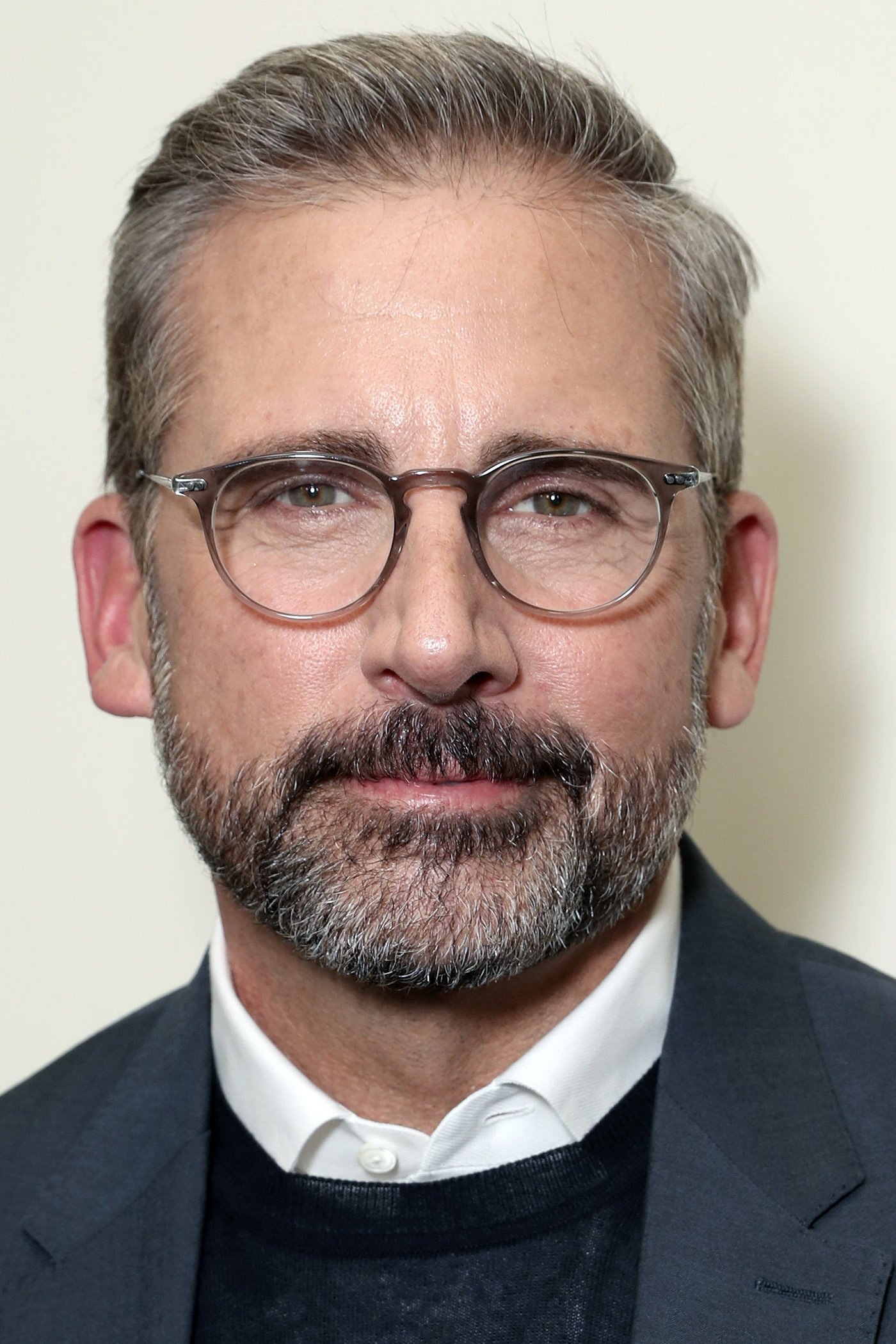
Steve Carell makes John du Pont difficult company even when he has our full attention. The physical transformation is striking, though the more troubling achievement is the sense of someone who expects his importance to be accepted without question. Wealth allows that expectation to persist, and Steve Carell lets the neediness show through the authority. We can recognise the appetite for approval without feeling that the film has explained everything about him. That uncertainty is effective for a while.

Greig Fraser’s cinematography gives this world a cold, unwelcoming look, while Jess Gonchor’s production design makes the differences in status legible. The money never makes the surroundings seem inviting. Rob Simonsen’s music suits the prevailing unease, though the film’s silences are what stay with us. These choices work together, although the consistency can become wearing: the film offers little relief from its own gravity. The atmosphere is oppressive well before the story needs to become a conventional thriller.

The editing by Stuart Levy, Conor O’Neill and Jay Cassidy gives the performances time to develop, and Bennett Miller makes patient use of long takes. We get to notice how the men respond to one another, which matters in a story where so much depends on approval. At 134 minutes, however, the film sometimes keeps us waiting after the discomfort has registered. There are stretches when the cast has made a relationship clear and the film continues to contemplate it.

The screenplay, co-written by Dan Futterman, is alert to the humiliation that can accompany accepting help. Its account of John du Pont is harder to settle with, because his disturbing behaviour sometimes seems to be offered as explanation enough. We wanted a clearer sense of how he understands the relationship. Still, the film is right to take his money seriously as a practical source of power. These men do not enter their dealings on equal terms.

The reward for staying with it is the acting, particularly the way Channing Tatum and Mark Ruffalo make brotherhood feel lived in. Their work prevents the film’s ideas about wealth and wounded national pride from swallowing the people involved. We recommend it to anyone prepared for a sports drama with little interest in encouragement. Choose it for an evening when everyone on the sofa has agreed that cheering up can wait.
Critical consensus AI synthesised

76
Positive
17
Mixed
1
Negative
3

Most critics respond warmly to Foxcatcher’s bleak account of wealth, control and damaged masculinity, with the strongest agreement centring on its three leads. Steve Carell’s unsettling transformation draws particular attention, while Channing Tatum’s vulnerability and Mark Ruffalo’s convincing brotherly rapport give the drama emotional weight. The reviews also praise Bennett Miller’s restrained direction, the accumulation of unease and the care taken over the wrestling scenes. For many, its distance from the usual sporting underdog story is a strength.

The spread is wide, however, and the same solemnity that admirers find gripping leaves others cold. Even sympathetic reviews register pacing problems or an academic seriousness. Time Out finds the drama too muted despite its performances; the Evening Standard considers it slow and dull. The Independent’s objection goes deeper: the craft cannot compensate for a central figure whose motives remain frustratingly unexplored. The acting earns praise even among the dissenters.

Radio Times
★★★★★ · Leslie Felperin
100

A superb film whose surprises and shocks are best discovered without prior knowledge; an American tragedy of warped control and obsession with searing performances from Tatum and Carell plus exquisite craft in all departments.

Read the full review →
Los Angeles Times
13 November 2014 · Kenneth Turan
90*

The critic describes the film as a brooding, particularly American horror story of seduction, rejection, betrayal and murder in the world of Olympic wrestling, calling it a despairing and intentionally disturbing work that holds up a dark mirror to the American dream. He singles out the extraordinary, transformative performances of Steve Carell, Channing Tatum and Mark Ruffalo.

Read the full review →
The Guardian
8 January 2015 · Peter Bradshaw
90*

The film is a superb, satiric antithesis of a Hollywood underdog sports movie. It offers a bleak and brilliant portrait of class division and toxic relationships, with career-best performances from Steve Carell, Channing Tatum and Mark Ruffalo.

Read the full review →
The New York Times
13 November 2014 · Critic’s Pick · Manohla Dargis
90*

The critic calls the film an eerie horror story about class, wealth and damaged American masculinity, beautifully acted and impeccably mounted with a focus on atmosphere and character. She singles out the superb lead performances, especially Steve Carell’s physical transformation and the brothers’ scenes.

Read the full review →
Variety
19 May 2014 · festival review · Justin Chang
90*

The critic hails the film as a great, brooding true-crime saga and model of bleak, bruising storytelling, anchored by exceptional performances from Channing Tatum, Mark Ruffalo and a transformed Steve Carell. He singles out the film’s sustained intensity, consummate control and authentic re-creation of the wrestling world as a metaphor for emotional undercurrents.

Read the full review →
Slant Magazine
23 September 2014 · ★★★½/4 · R. Kurt Osenlund
88

Miller crafts an eerie study of capitalism, delusion and obsession through shifting bonds among the wrestlers and du Pont. The film excels in its performances, especially Tatum's vulnerable portrayal of Mark Schultz and the haunting exploration of twisted patriotism.

Read the full review →

Cast

Awards

Academy Awards, 2015

Nominated
Best Actor
Nominated
Best Director
Nominated
Best Makeup and Hairstyling
Nominated
Best Supporting Actor
Nominated
Best Writing, Original Screenplay

If you liked this, try…

The Servant poster

The Servant

1963 · A wealthy man’s household becomes another study in dependence and quiet coercion.

Fat City poster

Fat City

1972 · Boxers chase small chances while the film watches what ambition costs them.

Beau travail poster

Beau travail

1999 · Male discipline and jealousy emerge through bodies, routines and scarcely spoken resentment.

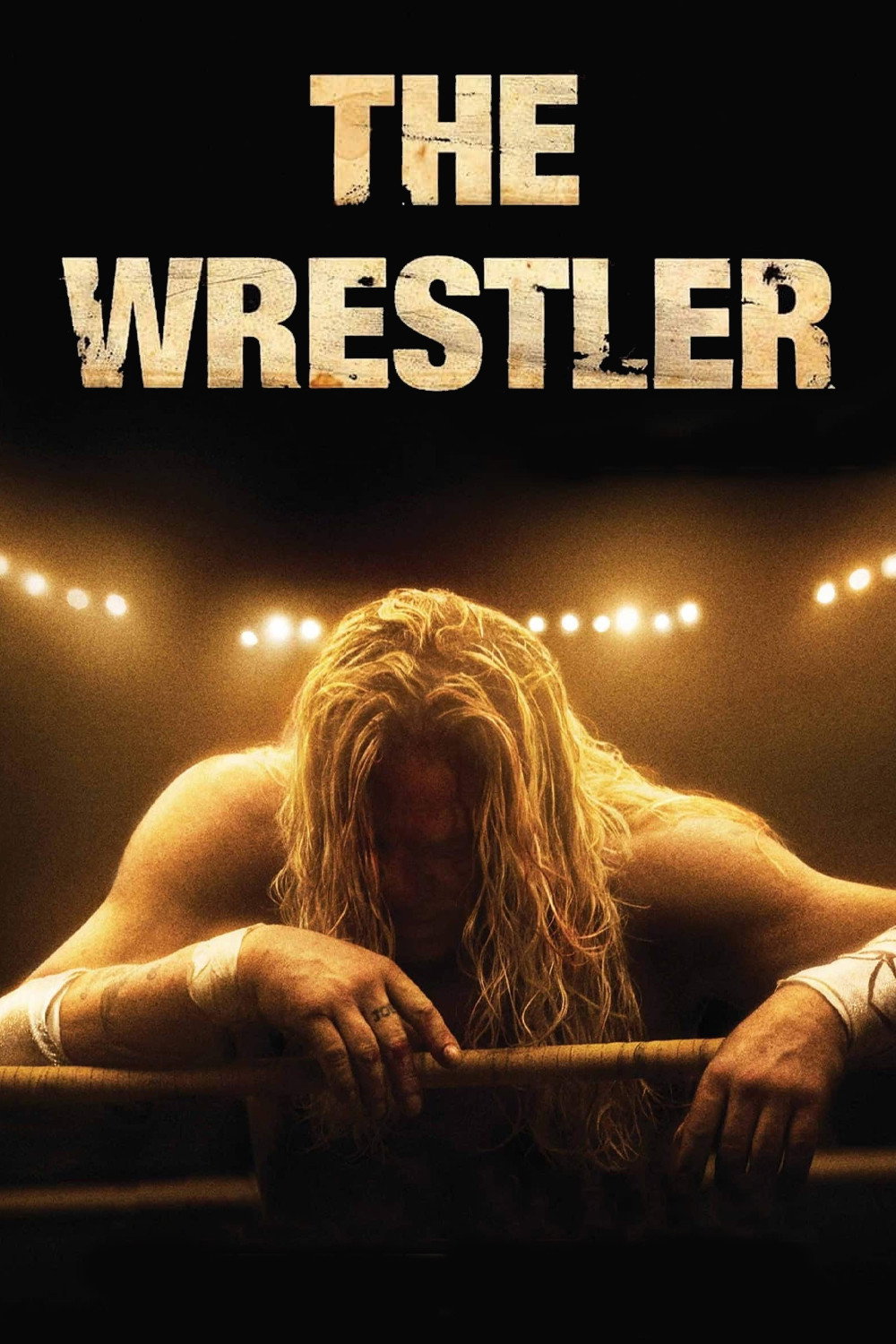
The Wrestler poster85

The Wrestler

2008 · Another bruised athlete struggles to imagine a life beyond his sport.

Burning poster72

Burning

2018 · Class resentment grows around an affluent man whose intentions remain troublingly unclear.