Edgar Wright’s Soho thriller is carried by its two leads and the pull of its sixties nightclubs. The music beguiles, but a cluttered murder mystery and repetitive scares make the second half a disappointment.
Edgar Wright’s Last Night in Soho is an absorbing visit to a nightclub and a less convincing evening of horror. Its premise gives nostalgia a practical danger: a fashion student can experience the life of a singer in 1960s London, without knowing what she is getting into. We understand the attraction, particularly once the music starts. The trouble is that the murder mystery gradually demands more attention than either woman, and its complications do little to make the film frightening.
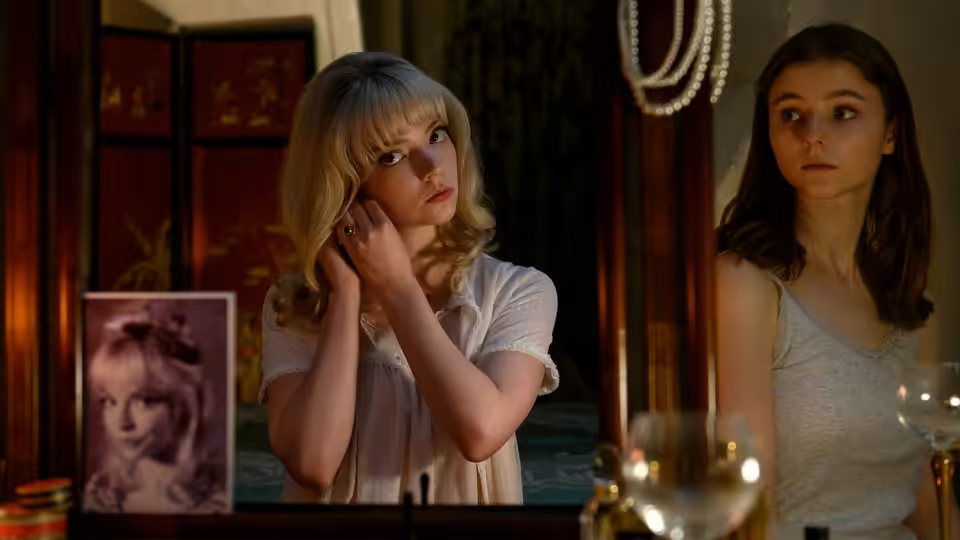
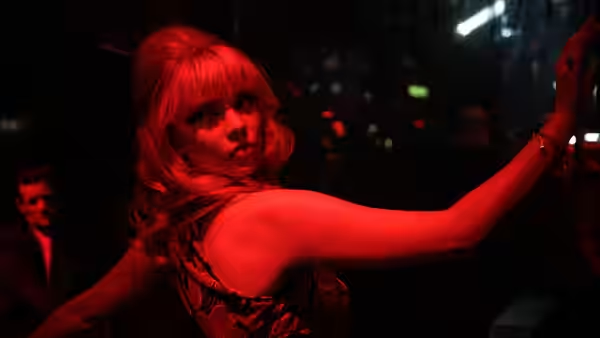
Thomasin McKenzie gives Eloise Turner a vulnerability that makes this excursion into someone else’s life feel risky from the start. Her performance holds our attention even when the present-day scenes feel like interruptions, a weakness the film never quite solves. Anya Taylor-Joy makes Sandie’s ambition immediately legible in the nightclub: she looks as though she expects to belong there. We were delighted by her performance of “Downtown”, which lets us enjoy her singing long enough to understand why Eloise would be captivated.
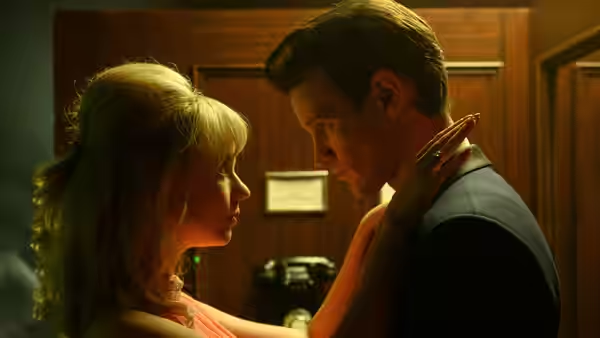
Chung Chung-hoon’s cinematography makes the period nightlife inviting enough for the film’s warning about nostalgia to have some force. Production designer Marcus Rowland supplies a nightclub setting where the clothes, dancing and music belong together, rather than competing for our attention. At the Café de Paris, there is enough life around Sandie and Jack to make their meeting feel like part of an evening out. Matt Smith and Anya Taylor-Joy make appealing company, and their scenes benefit from the attraction between them.
Paul Machliss edits the musical passages with an assurance that makes the early shifts between eras easy to follow. As the shocks accumulate, however, their recurrence becomes predictable, and the pace starts to work against the suspense. Steven Price’s score contributes to the pressure, sometimes too insistently for scenes that already signal trouble. The nightclub songs are more persuasive accompaniment, giving us something to enjoy while the film gradually introduces reasons to feel uncomfortable about enjoying it.
The screenplay by Edgar Wright and Krysty Wilson-Cairns takes seriously the difference between admiring a period and living in it. Its concern with the exploitation of young women has weight, especially while Sandie remains someone with ambitions we can understand. But the increasingly tangled mystery gives those concerns too little space, and the explanations become a distraction. The women’s experiences are frequently squeezed out by preparations for the next shock, just when spending longer with either of them would help.
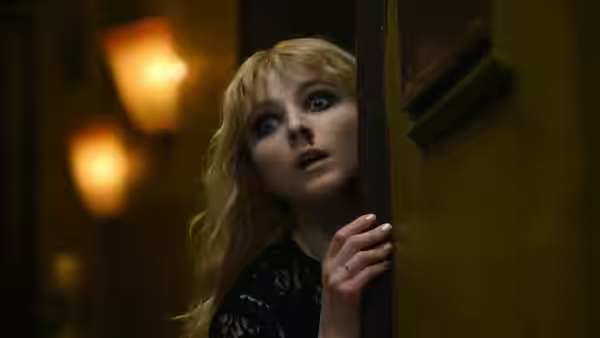
That is a particular problem for psychological horror, which depends on our staying close to someone whose perceptions we cannot entirely trust. Diana Rigg, as Ms. Collins, brings a welcome firmness to a film increasingly prone to overstatement. Thomasin McKenzie also keeps finding credible distress amid the complications, and the casting deserves much of the credit for holding our attention. The performances remain worth watching even when the mystery becomes difficult to care about.
There is enough here for viewers drawn to period nightclubs, music and an atmosphere of bad decisions. We would recommend it chiefly for its performers and its recreation of Soho, with a warning that the scares become repetitive. A taste for sixties pop will help more than a demand for a tidy mystery.