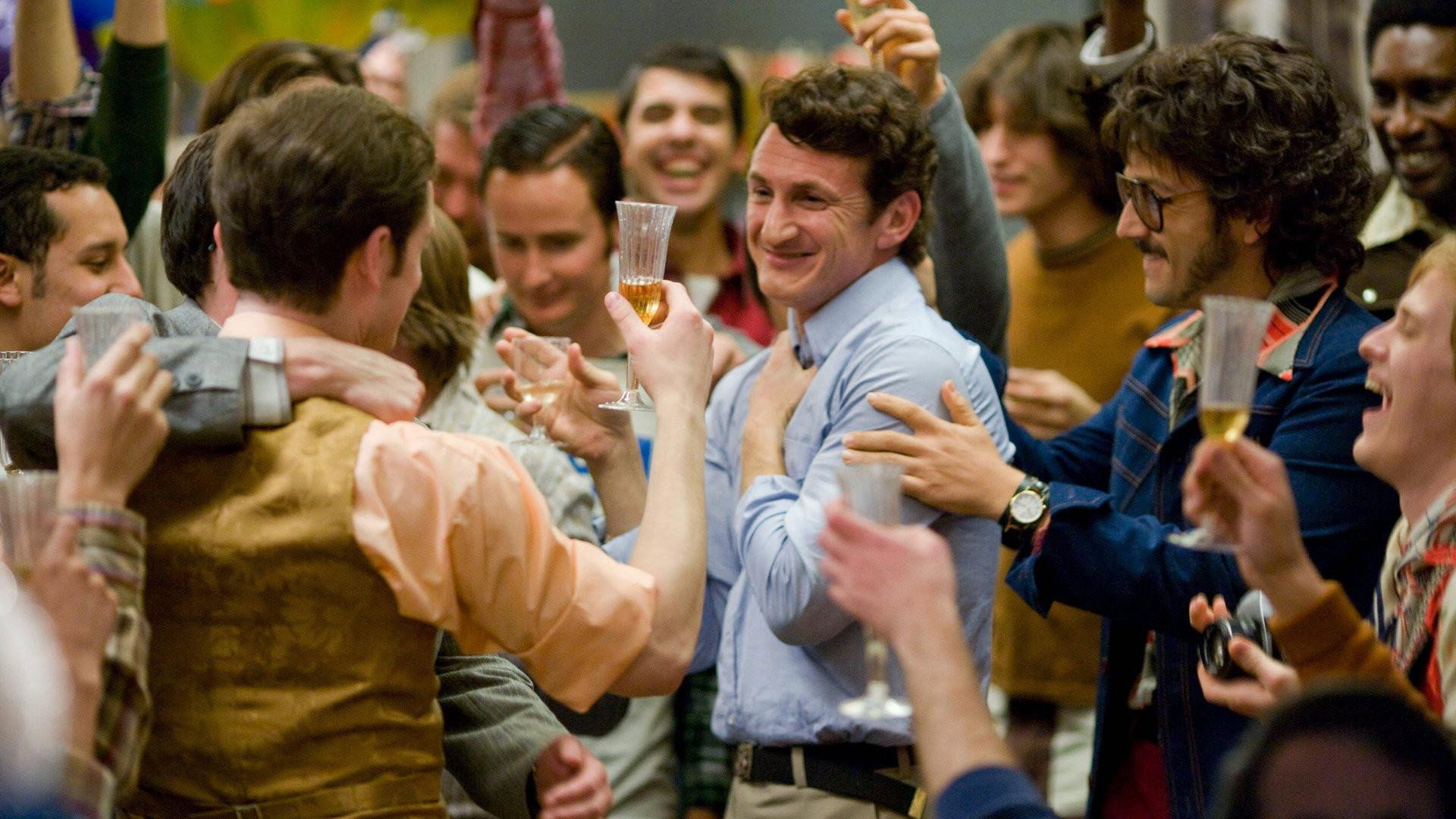
Sean Penn gives Gus Van Sant’s political biography the warmth and humour it needs to persuade us. The storytelling is conventional and some supporting lives are squeezed, but we recommend its humane account of activism.
Gus Van Sant’s Milk is a warm, persuasive political biography, held together by a Sean Penn performance that makes the business of winning people over enjoyable to watch. It follows Harvey Milk’s gay rights activism in San Francisco and understands why the personal relationships belong alongside the campaigning. The familiar biopic structure occasionally gets in the way, particularly when other people’s lives need attention. Even so, we recommend it for the unusual pleasure it takes in showing political work.
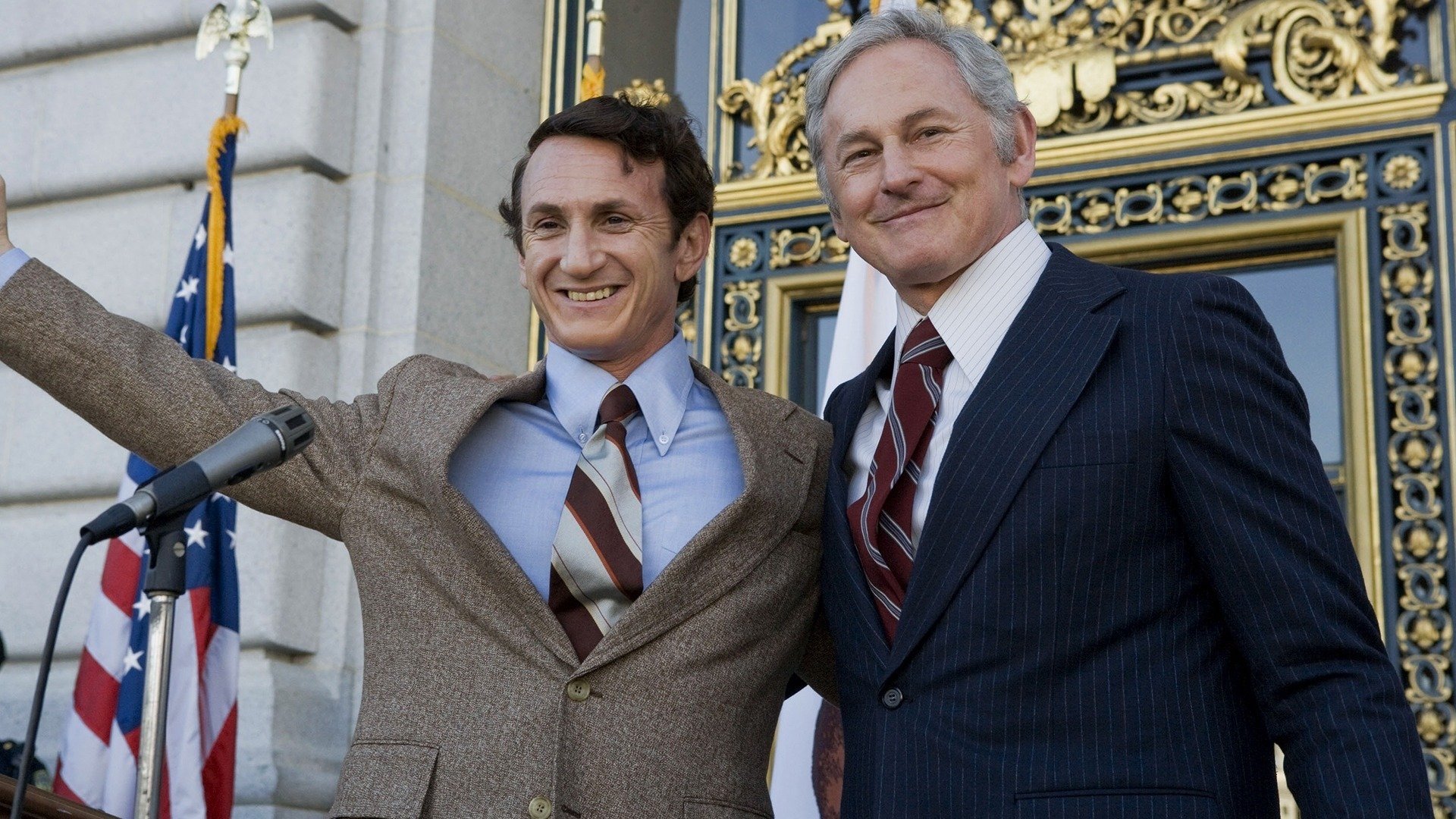
Penn gives Milk humour, appetite for company and a readiness to keep explaining himself. His charm has a practical use: it makes people want to listen, which is rather important when asking them to change their minds. We found his pleasure in persuading people unexpectedly moving. The warmth in his delivery lets us feel how much a demand for dignity can mean to someone accustomed to having to make it. He also keeps the character’s ambition visible, so that the friendliness never becomes vague benevolence.
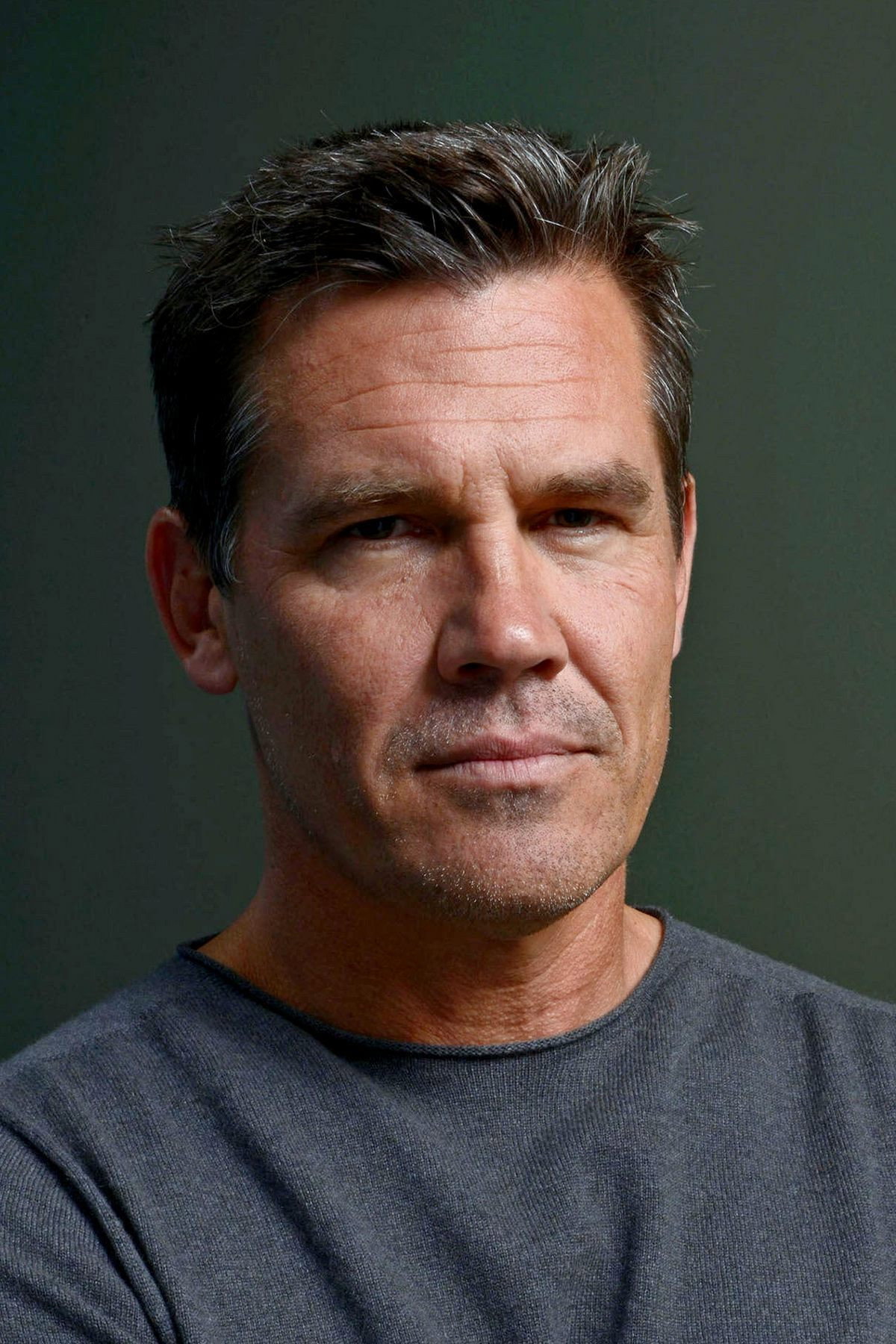
Josh Brolin’s Dan White supplies the most useful resistance to that charm. Brolin makes him difficult to read, and the unease between the two men gives their scenes a tension the broader account of political progress sometimes lacks. Van Sant allows White enough complexity to keep those exchanges from becoming demonstrations of Milk’s virtues. These are among the passages where his patience with the actors pays off most clearly.
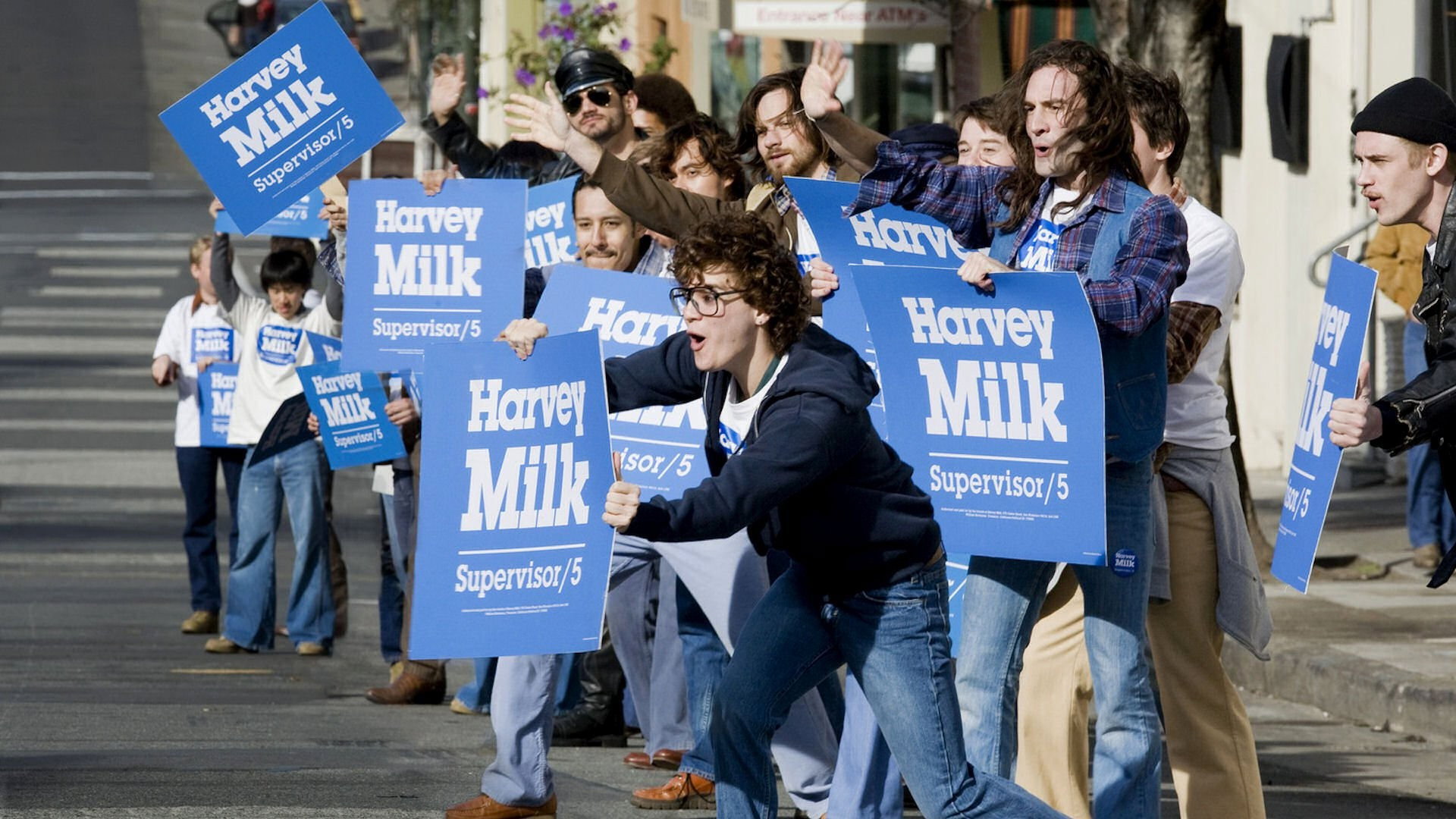
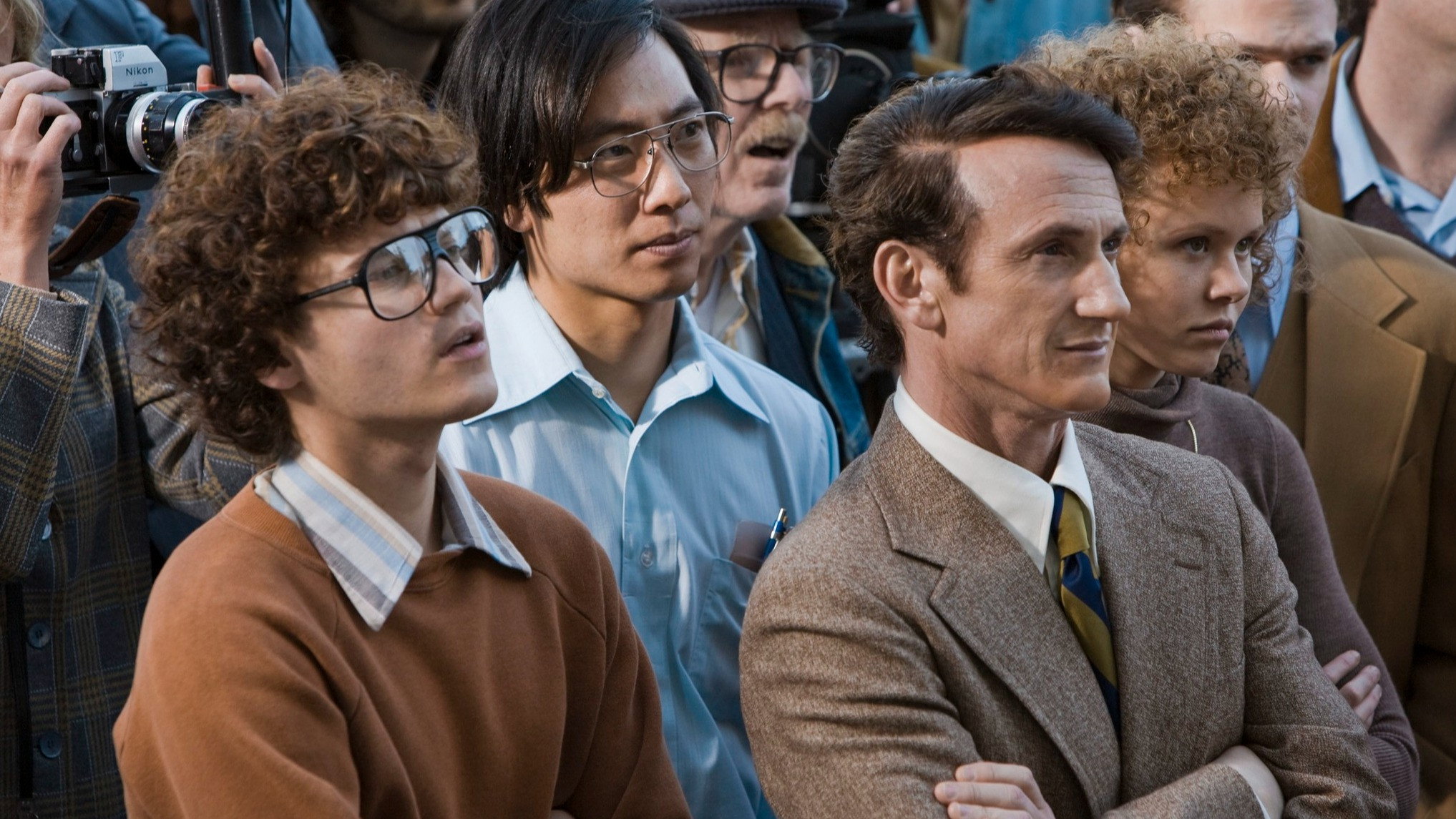
Harris Savides’s cinematography gives faces time and space to register, with framing and focus that suit the film’s attention to private feeling. It is an effective way of keeping a public figure close enough to observe. Bill Groom’s production design makes 1970s San Francisco convincing without insisting that we admire the reconstruction. The setting helps us believe that people have lives here beyond the events being selected for a biography.
Elliot Graham’s editing keeps the campaigning clear and gives the film a welcome forward movement. The archive footage is especially useful, placing the dramatised lives beside evidence of the wider history without requiring another explanatory speech. Danny Elfman’s music works best when it supports the warmth already present in the performances. At times it presses the feeling harder than necessary, although the actors remain the main reason the film moves us.
The substantial reservation concerns the personal subplots in Dustin Lance Black’s screenplay. The film recognises that activism and private relationships can make awkward demands on each other, but those relationships do not all receive enough time to become fully convincing. Some people seem to matter chiefly because they tell us something about Harvey. This is a familiar weakness of the genre, and Van Sant’s accessible approach does not entirely solve it. The warmth of the performances makes the thinning out more noticeable, because we want to know these people better.
Do not expect a comprehensive political history, or equal attention for everyone whose name passes through it. There is enough here to make us curious about the lives beyond the central one. See it for Penn, then leave some time to talk about what it takes to get people to listen.