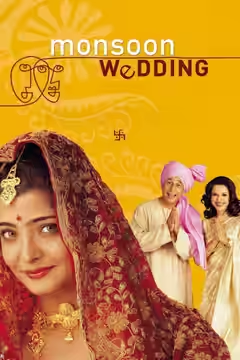
Mira Nair’s Monsoon Wedding is funny, warm and alert to the pressures beneath a family celebration. The crowded script occasionally pushes people into convenient positions, but the performances make its generosity feel earned.
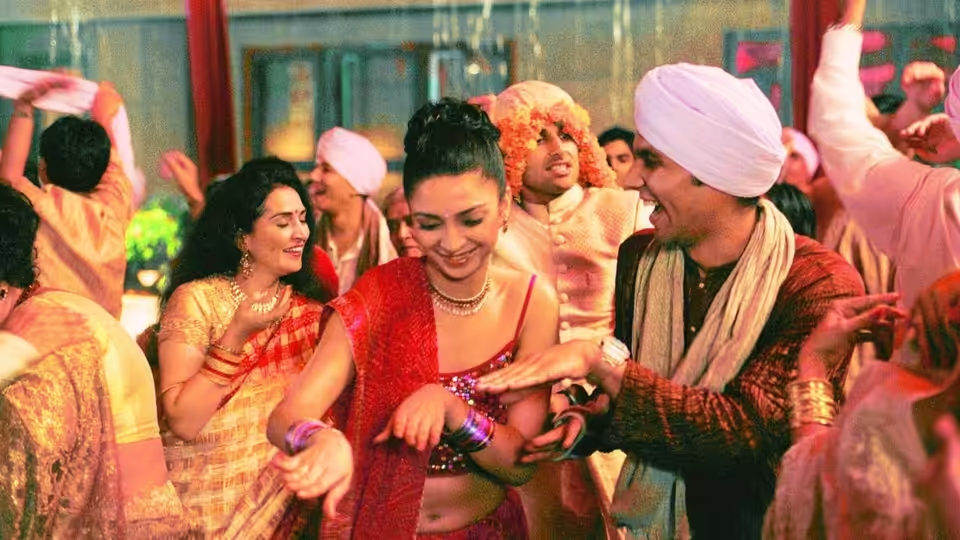
Monsoon Wedding is a warm, funny ensemble film whose occasional untidiness is worth forgiving. Mira Nair treats an arranged-marriage wedding in New Delhi as an occasion for everybody to have an opinion, including people whose own lives might not bear much inspection. The preparations give her comedy a practical task: get this family through a celebration while keeping its competing wishes in view. Her sympathy extends to the relatives whose expectations make the preparations harder.
Sabrina Dhawan’s screenplay understands how many demands can hide inside the apparently simple business of getting married. The relatives bring different ideas about what marriage is for, and how much say a family should have in it. Dhawan usually lets them be funny without making either tradition or change an easy target. There are enough competing wishes here to keep the preparations interesting before the film needs to introduce anything more painful.
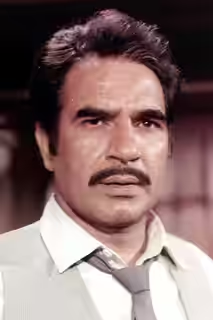
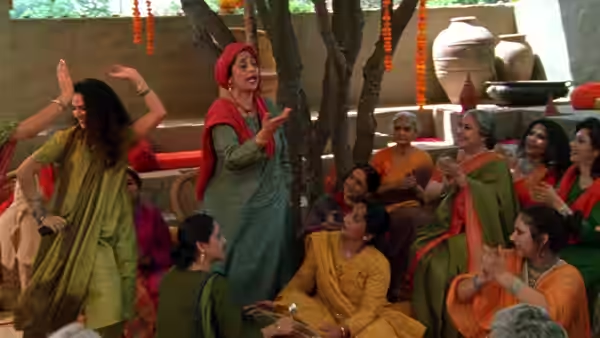
Naseeruddin Shah is especially good as Lalit Verma, keeping his performance restrained while the film grows busy around him. He does not press every comic opportunity, and that makes the family’s fuss more amusing. Nair’s direction of the ensemble has a similar tact: we can register several people wanting different things without feeling that each must take a turn at being the centre of attention. The gathering remains easy to follow even when the writing begins to feel crowded.
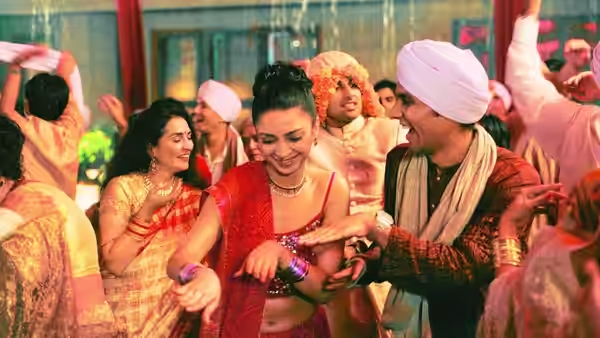
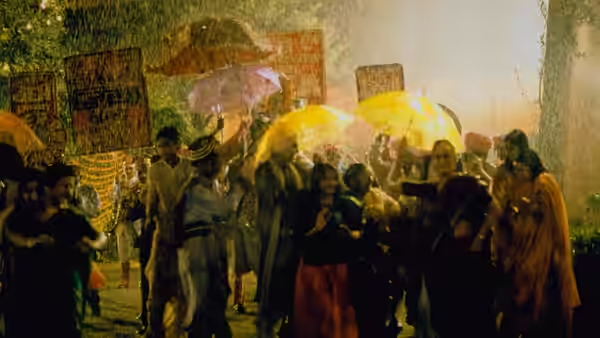
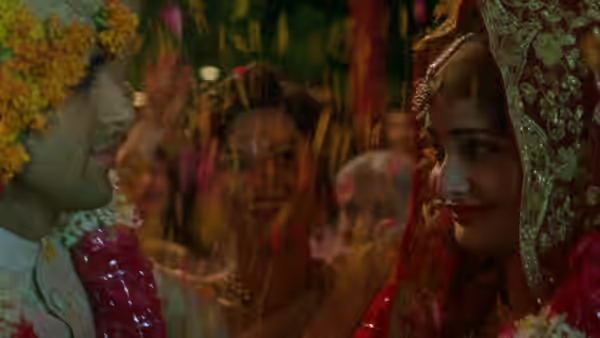
Declan Quinn’s mobile camerawork suits this gathering, catching its bustle without making the people feel incidental. There is pleasure in how readily the film shifts its attention from one person to another. Stephanie Carroll’s production design helps the preparations feel like a shared undertaking, with the business of arranging a celebration remaining visible around the characters. The colour gives the comedy a welcome lift and sustains its festive mood through the family’s squabbling.
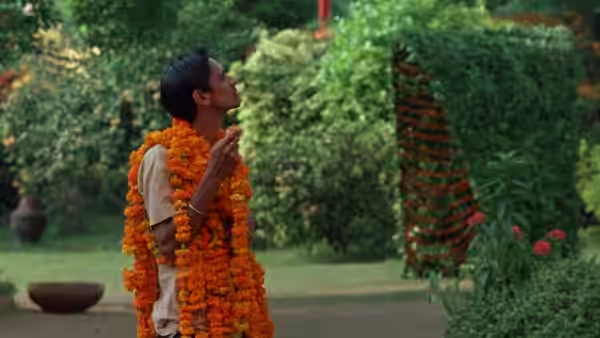
We were more moved than we expected by the relationship between the wedding caterer and the family’s maid. Nair gives their attraction time and attention, without treating it as a comic interruption to the more socially important business of the wedding. Their small moments together allow the film to become quieter without losing interest. That care for people outside the main family gives its warmth a reason to exist beyond the usual invitation to enjoy a party.
Allyson C. Johnson’s editing handles the many characters nimbly, but cannot quite conceal how much Dhawan has asked the story to carry. When the film tackles its more painful material, the move away from comedy can feel abrupt; some scenes need longer for the change to settle. Mychael Danna’s music supports the warmth, although the film sometimes needs less encouragement towards optimism. The crowded script gives a few of its characters too little room to arrive at feelings we are asked to accept.
Wedding comedies can become exhausting when every relative has been assigned one eccentricity and told to keep repeating it. Nair gives hers enough conflicting wishes to make the gathering worth spending time with. Allow for some unevenness when the comedy grows serious, and there is considerable pleasure in watching these people negotiate one another. Choose it for company that welcomes a family comedy without requiring the family to behave.