Wes Anderson’s runaway romance is funny and tender, with Jared Gilman and Kara Hayward giving its careful staging some welcome awkwardness. We recommend it, despite a busy second half that sometimes pushes the couple aside.
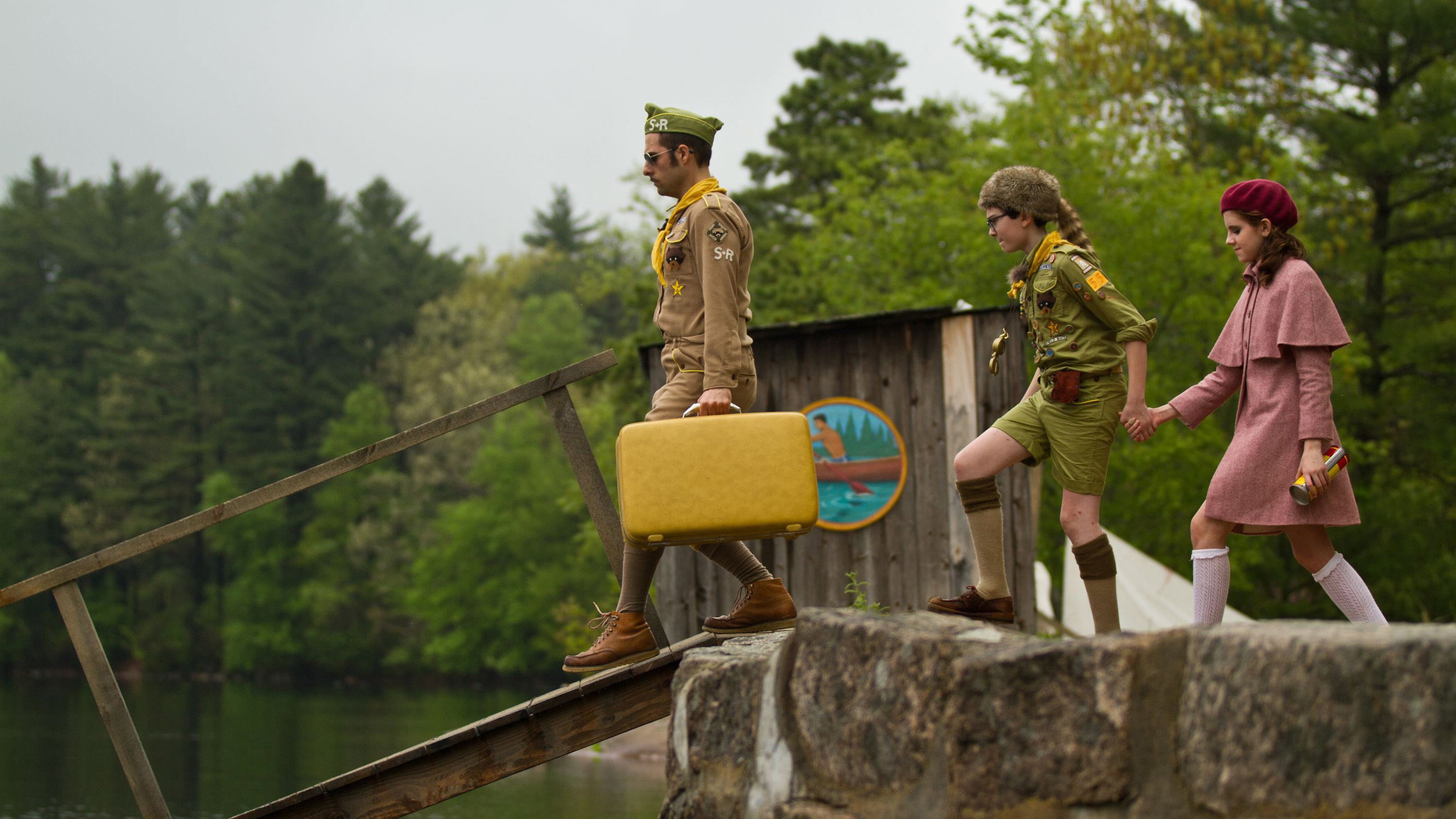
Moonrise Kingdom is a funny, tender romance with a fussy second half. Wes Anderson and co-writer Roman Coppola treat running away as a serious proposal from two children who have not found much reason to stay. Sam Shakusky and Suzy Bishop are twelve, in love and living on a New England island in 1965. The adults have experience on their side, but the film gives us little reason to mistake that for happiness.
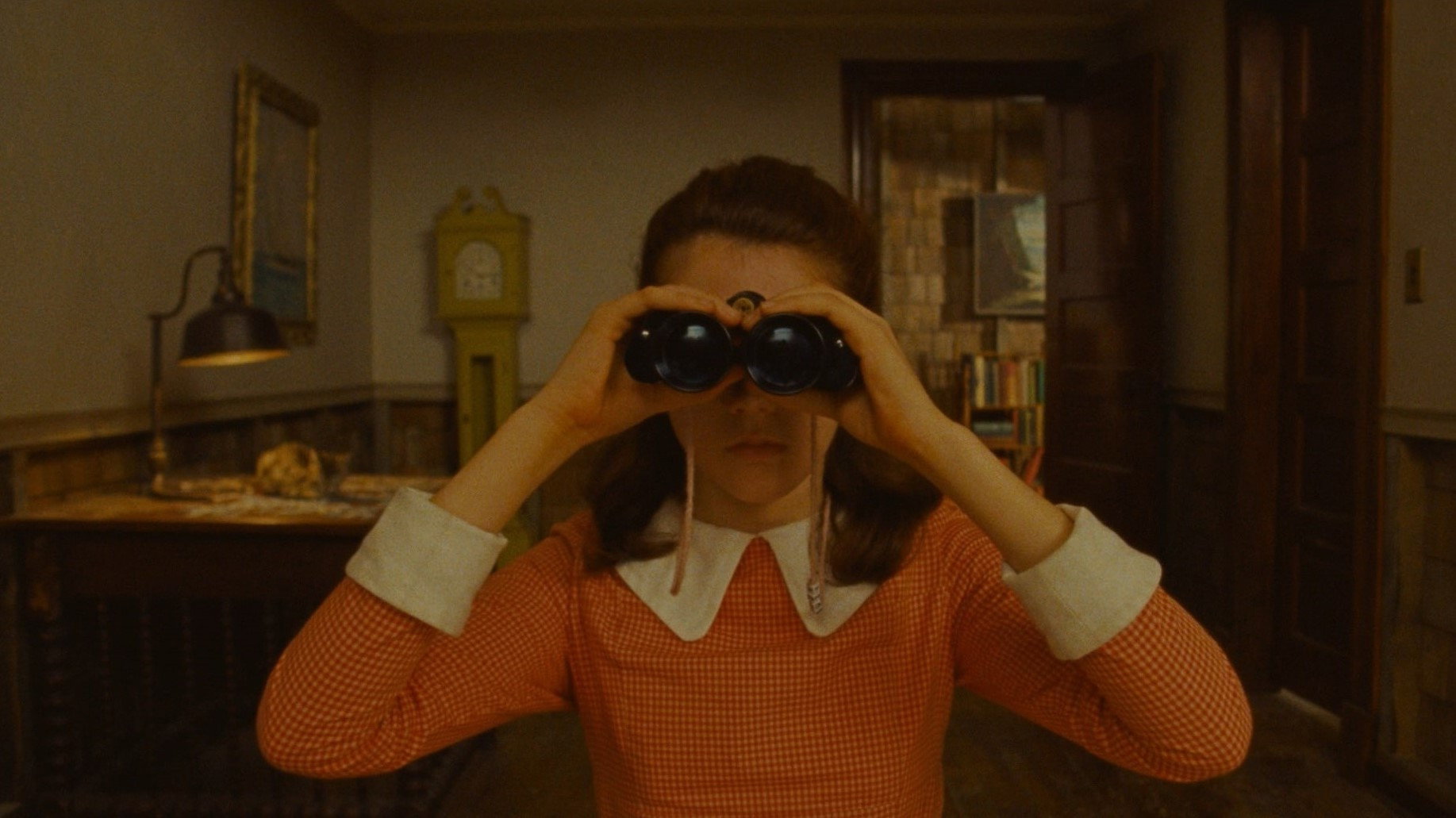
Jared Gilman plays Sam and Kara Hayward plays Suzy, and their earnestness is the film’s strongest asset. Neither performance asks us to congratulate the children on being unusually wise. They are awkward, intent on each other and still young enough to believe that leaving might solve things. Gilman and Hayward give their exchanges enough hesitation to keep the romance believable, even within Anderson’s exact arrangements. The comedy lets us recognise how young they are without treating their feelings as a passing inconvenience.
Robert D. Yeoman uses intimate handheld shots of the pair to loosen the careful staging. We were more moved than we expected by these scenes, because the camera stays close enough to make their need for each other’s attention difficult to dismiss. Adam Stockhausen’s production design fills the surrounding sets with detail, and looking at them is a pleasure in itself. Occasionally there is too much to inspect, and we become conscious of admiring the furnishings while the people wait for our attention.
The adults are worth attending to. Bruce Willis gives Captain Sharp a tired gentleness, while Bill Murray makes Mr. Bishop’s disappointment funny and uncomfortable. Frances McDormand plays Mrs. Bishop and Edward Norton is Scout Master Ward, helping populate a community whose grown-ups seem scarcely better equipped for happiness than the children. Willis is particularly valuable in the quieter stretches, where his restraint makes the adults’ loneliness credible. There is enough unhappiness here to make the escape appealing without turning every adult into an obstacle.
Andrew Weisblum’s editing allows room for the pauses that make the deadpan comedy work. Alexandre Desplat’s music gives the adventure an eager forward movement that suits the children’s confidence in it. The difficulty comes when the surrounding activity begins to crowd them out, and the second half grows less focused. At 94 minutes, the film does not need a drastic trim, but a few more stretches spent simply in the young leads’ company would help.
Anderson’s fondness for arranging everybody is the main reservation. Some of the supporting characters seem to get their turn because they have been devised and dressed, and it would be a shame to waste them. The jokes are often good enough to justify the interruption, but not every detour adds to our understanding of Sam and Suzy. Admirers of this intricate style will have an easier time with those passages; we occasionally wanted the film to leave its central couple alone.
Coming-of-age films can be too pleased with what adults know and children have yet to learn. Here, growing older offers no guarantee of better judgement, and the young couple’s hope seems worth protecting. See it for Gilman and Hayward, with some patience for the elaborate arrangements surrounding them.