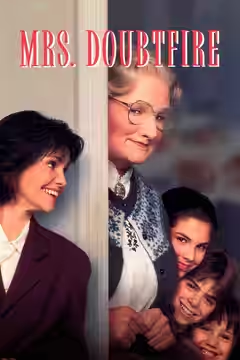
Robin Williams makes this family farce funny and unexpectedly moving, while Sally Field gives the separation its proper weight. The sentiment grows excessive and the running time needs trimming, but the performances make it worth an evening.
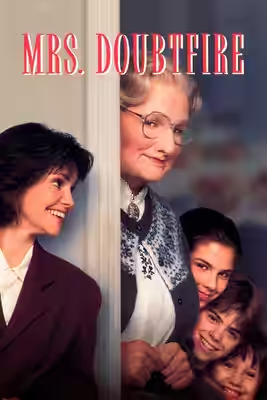
Mrs. Doubtfire is a funny, affecting family comedy that could stand to trust its actors more and run a little less. Chris Columbus builds it around Robin Williams, playing a father and the nanny he impersonates, and asks him to carry the comedy through a family’s separation. Williams gives him enough for a good evening. The film’s insistence on making everybody feel better is harder to forgive, particularly when it keeps going for 125 minutes.
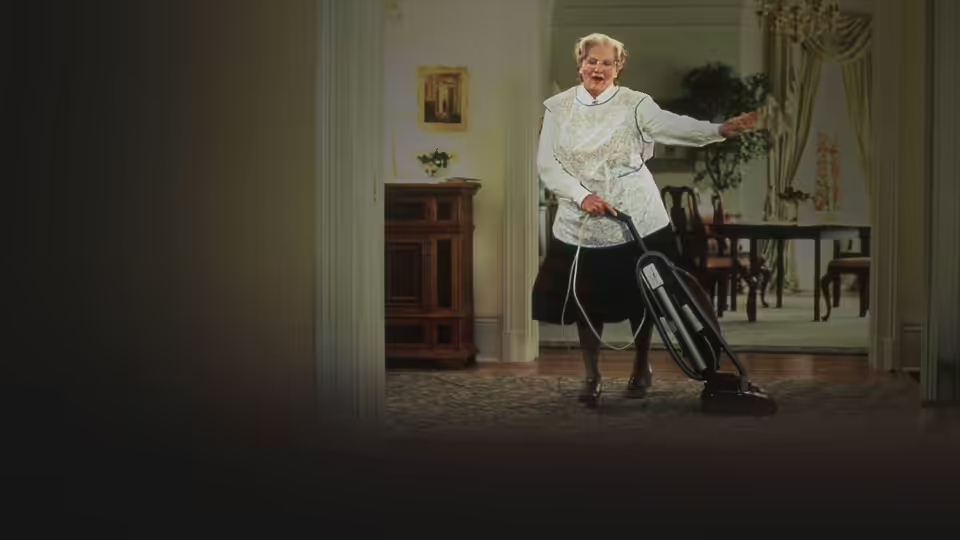
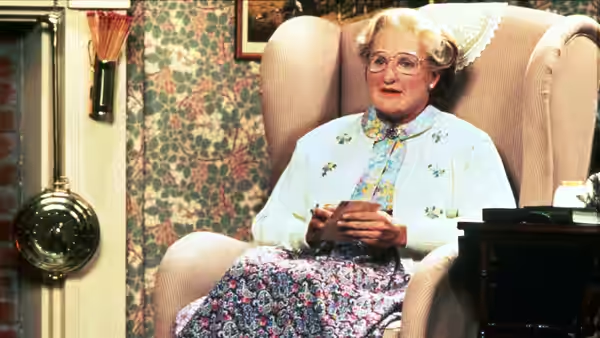
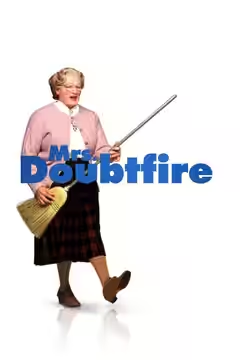
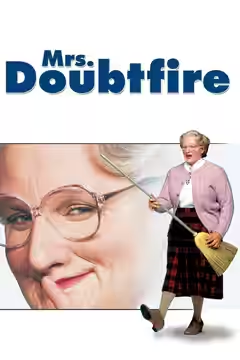
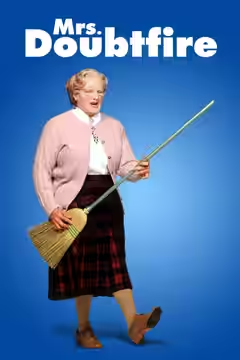
Williams makes Daniel Hillard’s invented Mrs. Doubtfire funny through the care of the impersonation. There is pleasure in the nanny’s fussiness, in the suggestion that this invented person has firm views about the proper way to behave. The performance has enough small details to reward attention even when the situation is broad. Columbus understands that Williams does not need to be at full volume throughout, and the quieter indications of the father’s unhappiness keep the character from becoming a succession of comic voices.
Sally Field matters just as much to the film’s credibility. As Miranda Hillard, she gives the family trouble a seriousness that survives Williams’s invitations to laugh, and she does not seem to be waiting for him to finish so the drama can resume. We were more moved by the separation than we expected. Field makes Miranda’s unhappiness feel like something that must be dealt with, and that gives the comic disguise an uncomfortable context.
Donald McAlpine’s cinematography leaves Williams’s impersonation easy to study, which is the right priority for a performance built from details. Angelo P. Graham’s production design gives the domestic comedy an ordinary setting without distracting from the person in disguise. Both contributions serve the actors, though there is little visual surprise. Raja Gosnell’s editing is most effective when the farce gathers speed; the slower stretches suggest a reluctance to lose anything warm. Howard Shore’s music helps those tender passages along, sometimes beyond what the acting needs.
Leslie Dixon and Randi Mayem Singer’s screenplay gives Miranda, and Pierce Brosnan’s Stu, more sharpness than the film’s comforting manner initially promises. But Daniel’s deception generates more incidents than insight, and the writing seems reluctant to ask much of a man who can entertain us this well. The farce repeatedly gives way to assurances about family feeling. Some of those passages are touching; taken together, they leave the film overextended. Gosnell could have lost a little reassurance without costing us much affection.
The film falls short of the sharper disguise comedies because it is so reluctant to question its central character. Its interest in the family beyond him is what makes it worth the evening, along with the pleasure of Williams at work. We recommend it to anyone happy for a family farce to make room for some unhappiness. Just allow more time than the story needs.