Oliver Stone’s crime film is worth seeing for its restless editing and committed performances, with a sizeable warning about its repetitive media satire. Making celebrity killers exhausting company does not, by itself, explain their appeal.
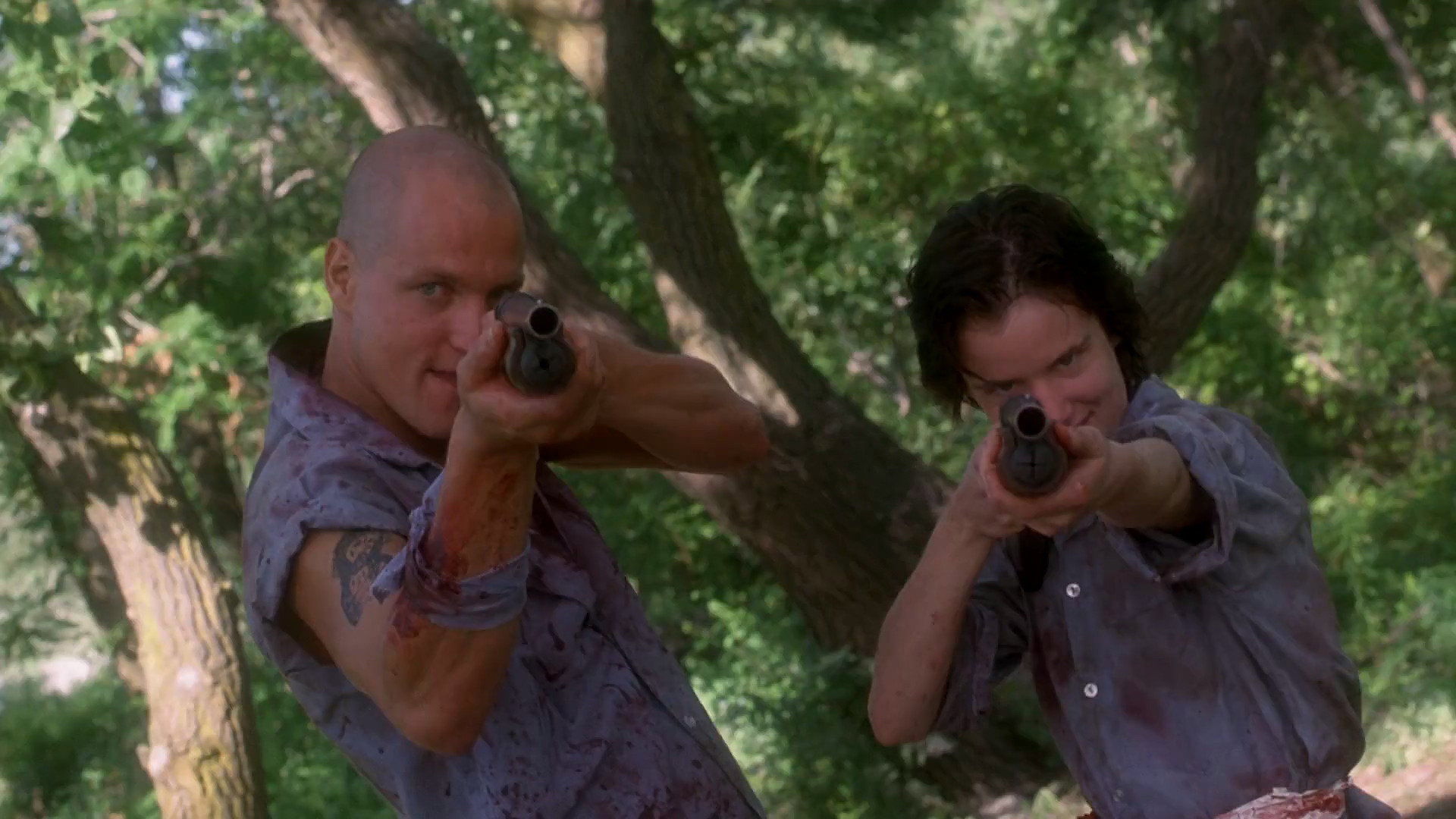
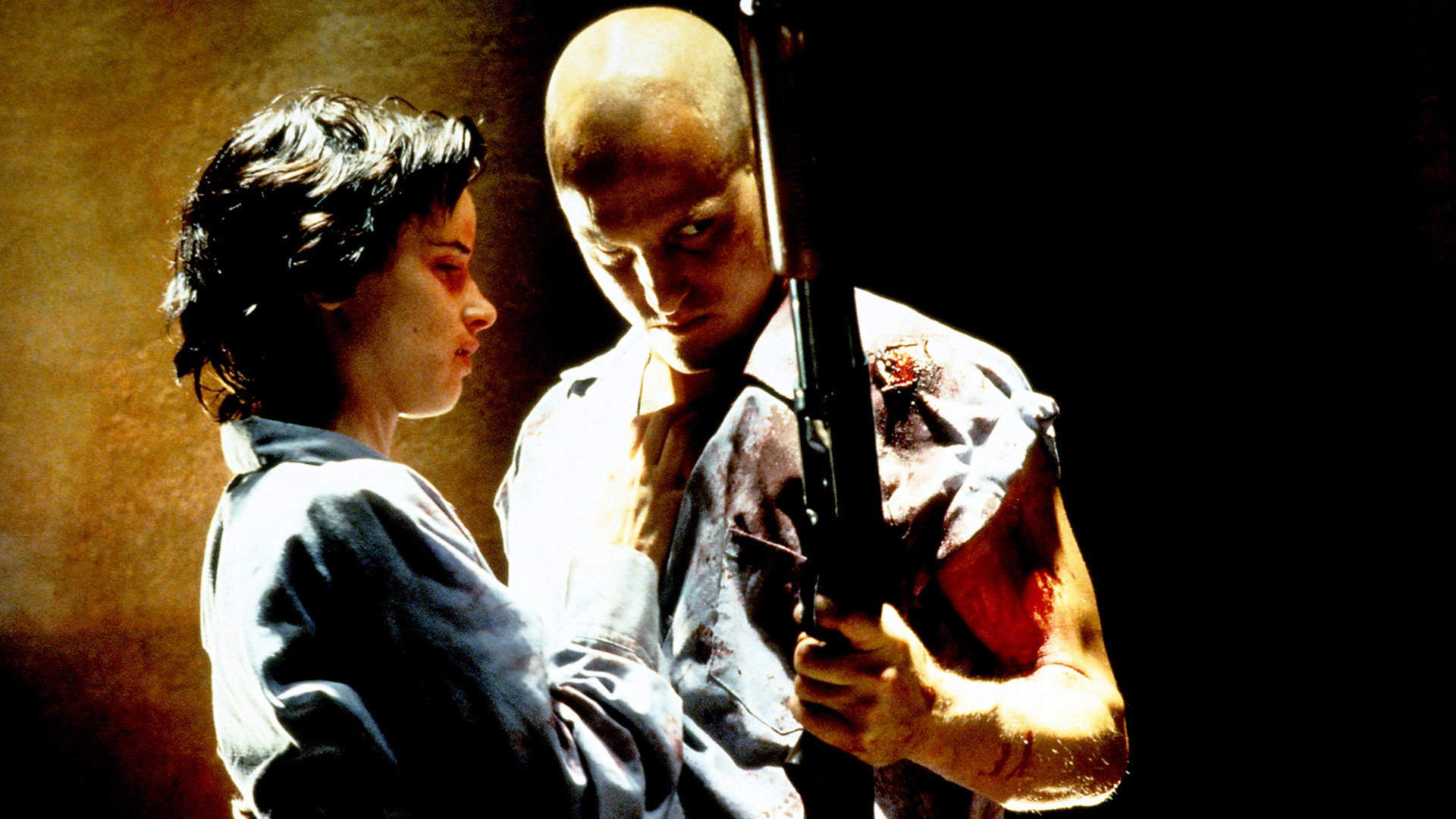
Natural Born Killers is worth seeing for the risks Oliver Stone takes with its images, though its account of media fame is crude and tiring. Mickey and Mallory Knox kill, become famous and attract a culture that seems pleased to have something so appalling to look at. Stone wants the attraction to feel ugly, including our own interest in watching these people for 119 minutes. He gives that problem plenty of force, but keeps returning to it without finding much more to say.
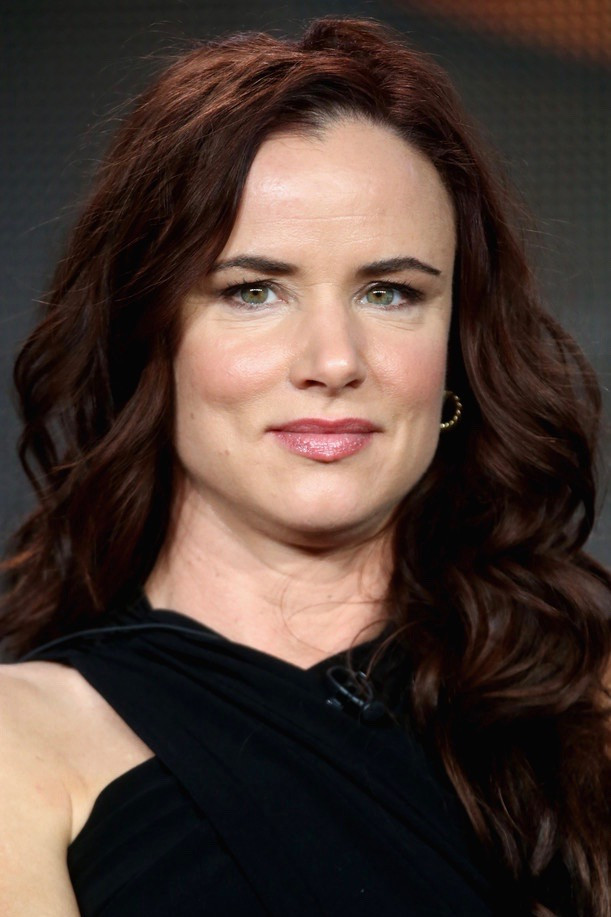
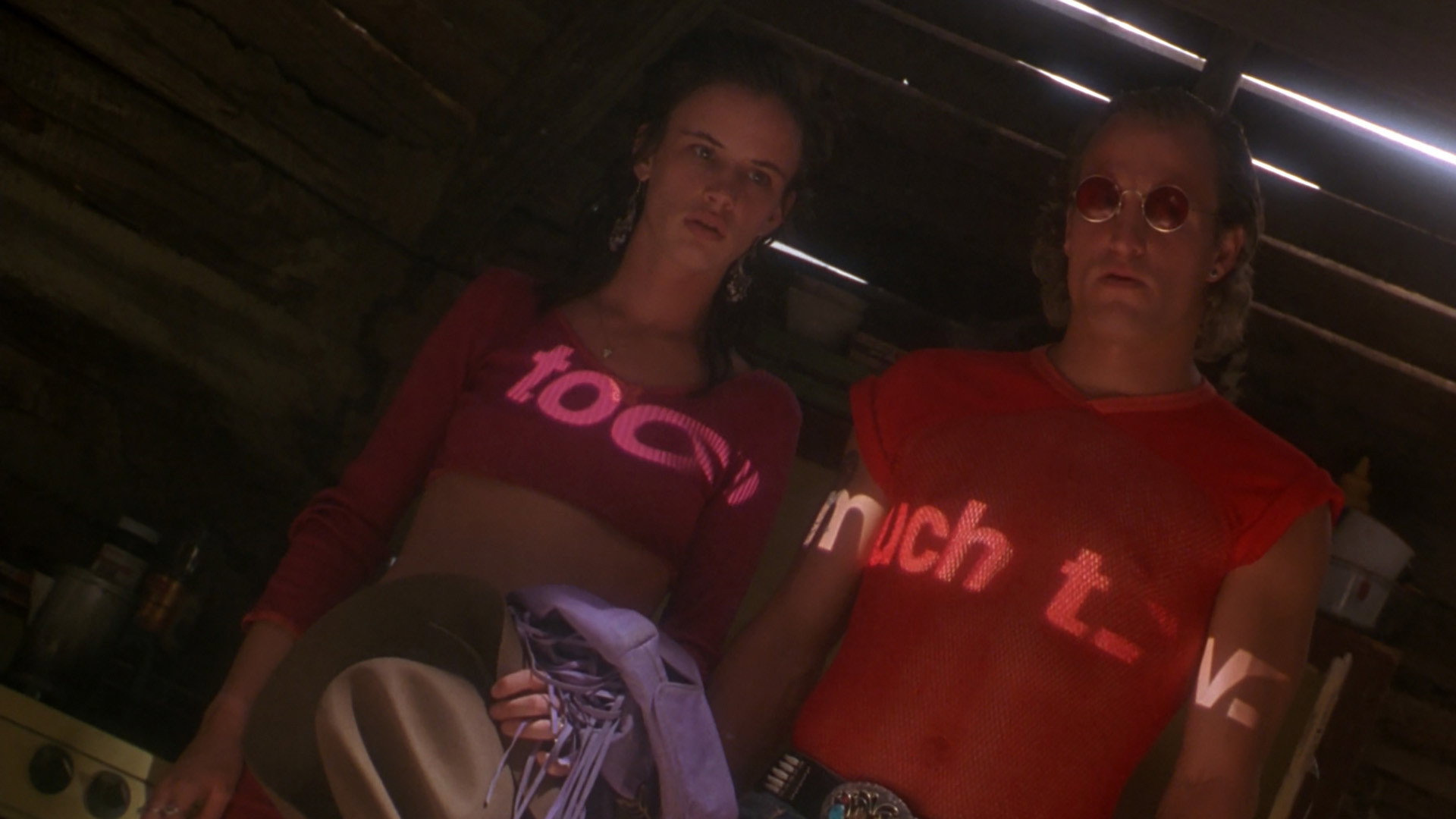
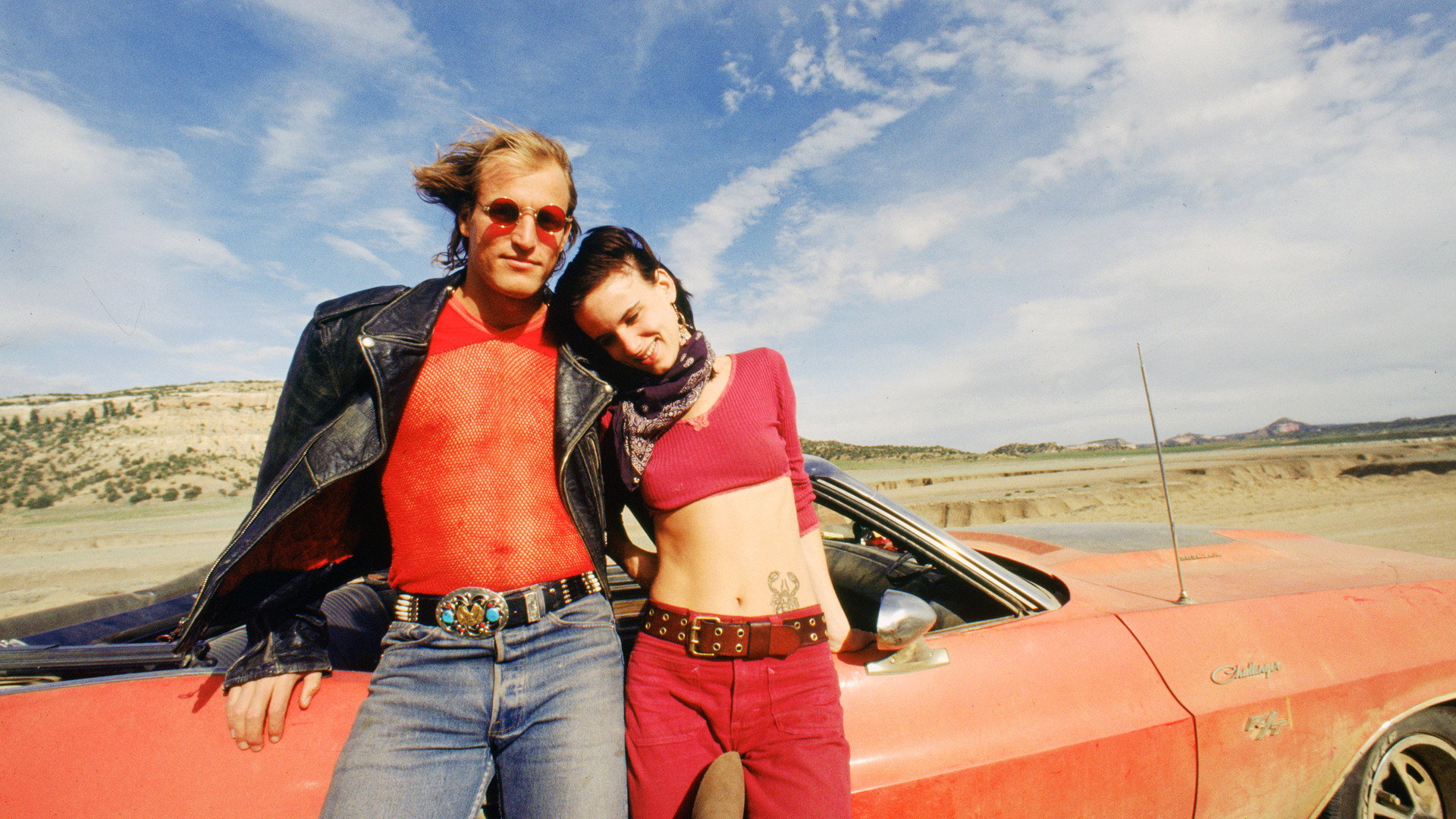
Woody Harrelson and Juliette Lewis make the couple difficult to dismiss as mere illustrations of a bad society. Harrelson gives Mickey a self-possession that helps explain why attention settles on him; Lewis makes Mallory feel capable of disrupting any scene she enters. Their performances have enough personality to hold us through stretches when the dialogue does not. There is an energy between them that the film needs, because the people around them are pitched so broadly. We can stay interested in these two without mistaking them for people we would like to meet.
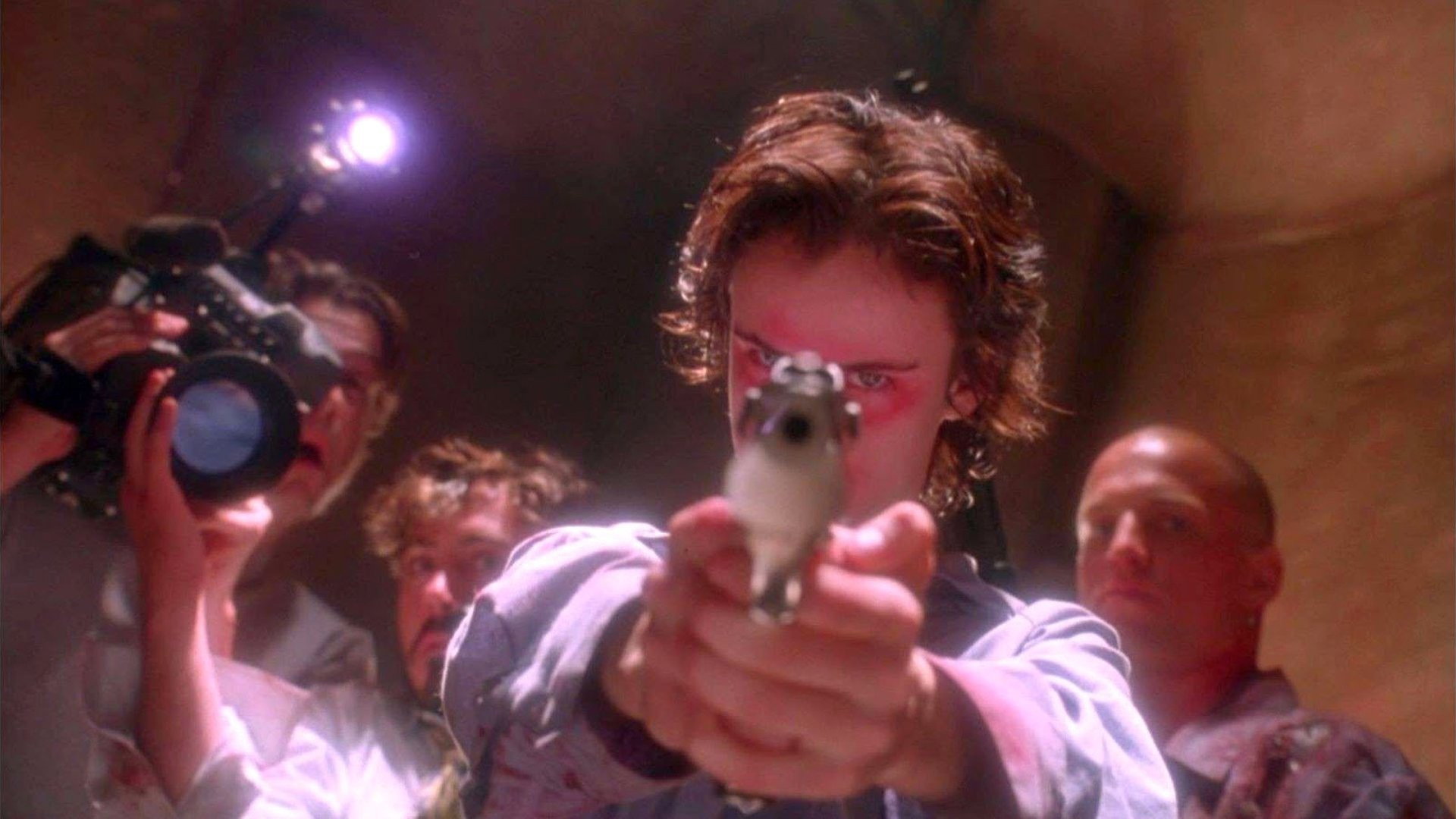
Robert Richardson’s cinematography makes the killers commanding subjects, giving them the visual attention their notoriety demands. Hank Corwin and Brian Berdan cut the images together with little concern for allowing us to get comfortable. We felt a grubby excitement at seeing the killers receive such lavish attention, and disliked ourselves for it. The speed of the cutting makes their notoriety seductive before we have much time to consider what we are enjoying. This is where Stone’s method works: the discomfort comes from being encouraged to stare at Mickey and Mallory.
Victor Kempster’s production design helps make the America around them seem as exaggerated as their behaviour. That suits the broad satire, although it leaves little sense of an ordinary place being damaged by extraordinary cruelty. Brent Lewis’s music adds to the pressure, effectively sustaining the agitation when the images are already doing plenty. The cumulative noise becomes wearing, and a quieter passage would sometimes give the violence more weight.
The screenplay, by Stone, Richard Rutowski and David Veloz, from a story by Quentin Tarantino, is less inventive than the cutting. Dialogue too often announces attitudes the performances have already made clear. The idea that public disgust can coexist with an appetite for murder is worth exploring, but stating it repeatedly does not develop it. Stone seems reluctant to trust us to recognise the point without another shove. The film has ample time to examine that appetite and too few fresh observations about it.
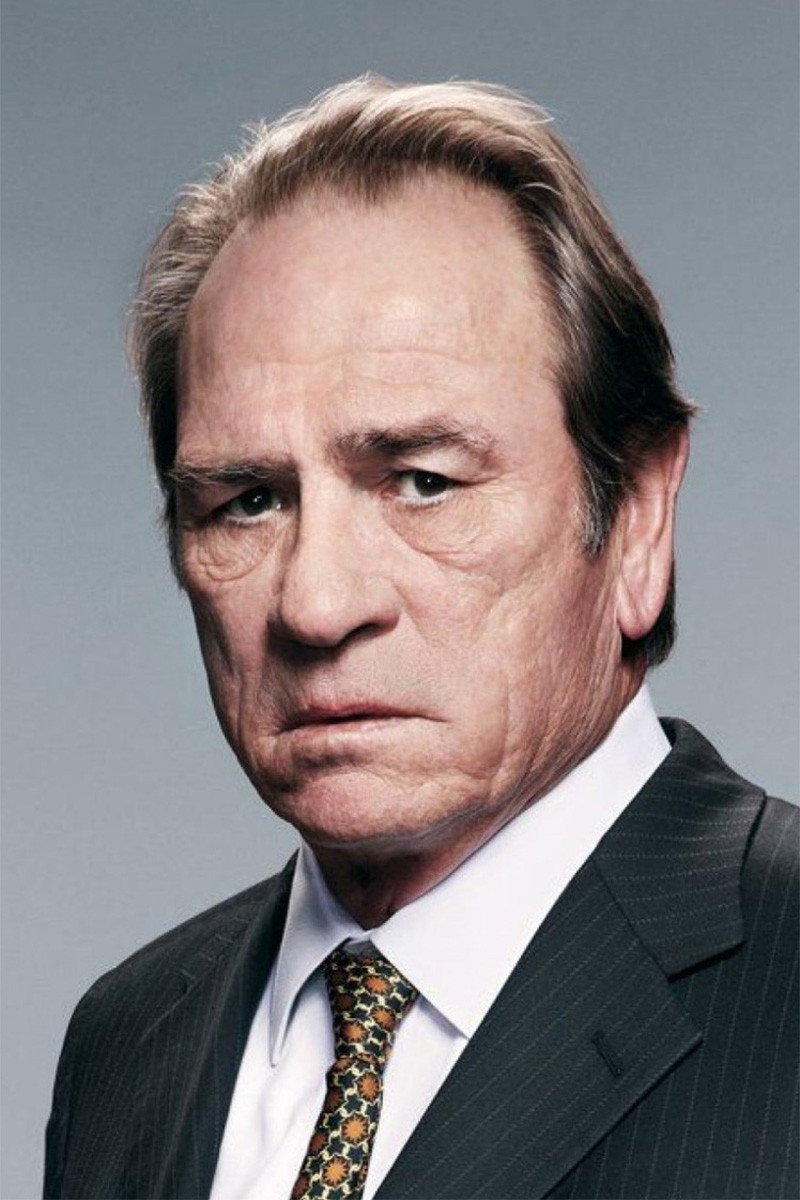
Tommy Lee Jones commits to Warden Dwight McClusky’s excesses with enough vigour to make the broadness entertaining. His performance helps keep the characterisation watchable, even when nuance would have been welcome. Yet Stone gradually makes everyone seem equally outrageous, which limits how much the supporting performances can surprise us. Further exaggeration does little to unsettle us once we have come to expect it from everyone on screen.
An outlaw-couple thriller needs some uncertainty about why we keep following its leads, and Stone is impatient with uncertainty. He has decided what our fascination means and gives us few chances to think otherwise. Still, the actors and the cutting make this an interesting evening for anyone willing to tolerate the blunt dialogue and repeated lectures. See it for the performances and the editing; anyone hoping for a searching account of violence and fame should look elsewhere.