Film review

Pacific Rim

2013 · Directed by Guillermo del Toro · 2h 11m · MPA PG-13

In a sentenceA cargo ship used as a cricket bat, and for two minutes we were twelve again

ActionScience FictionAdventure

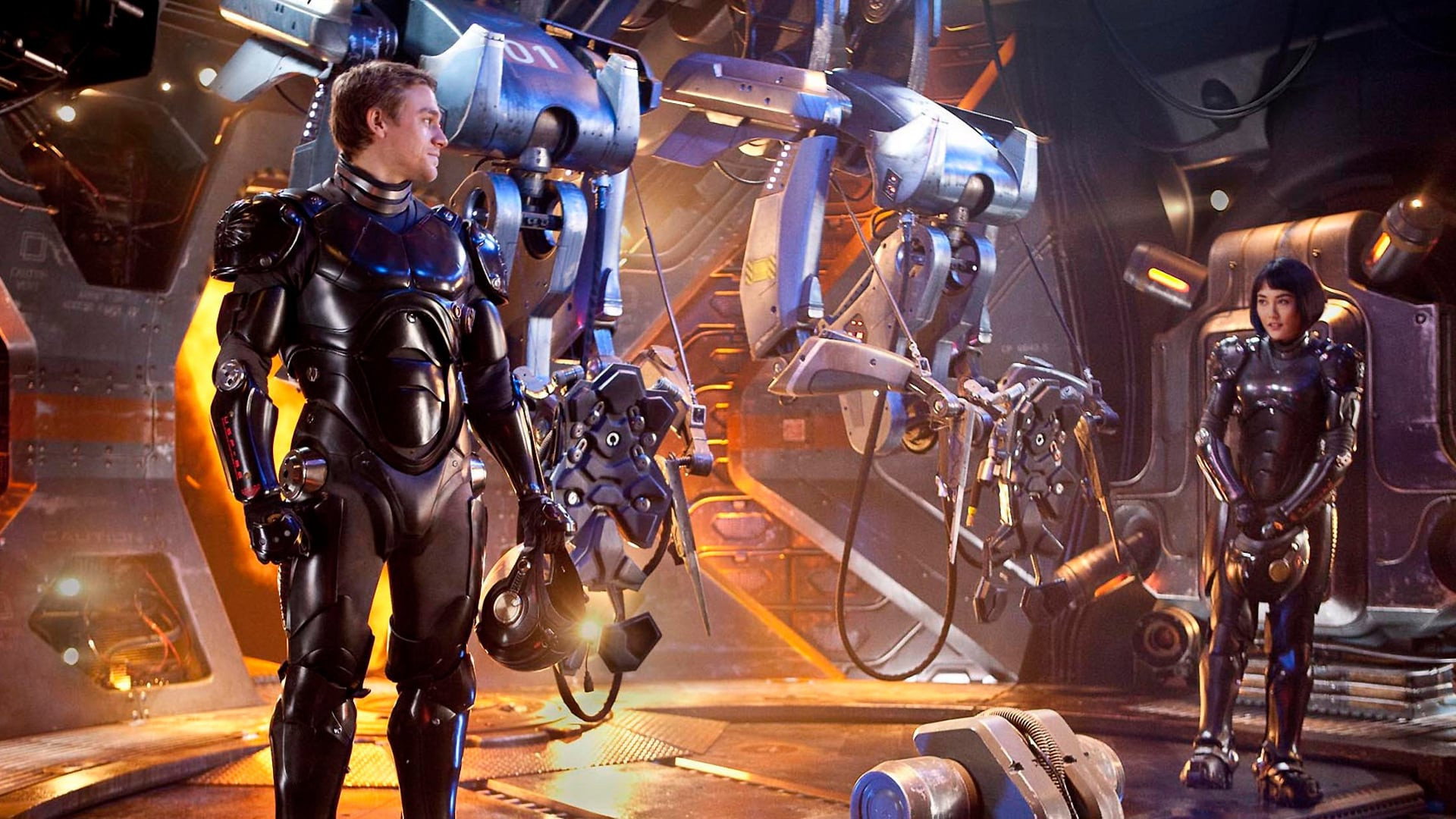
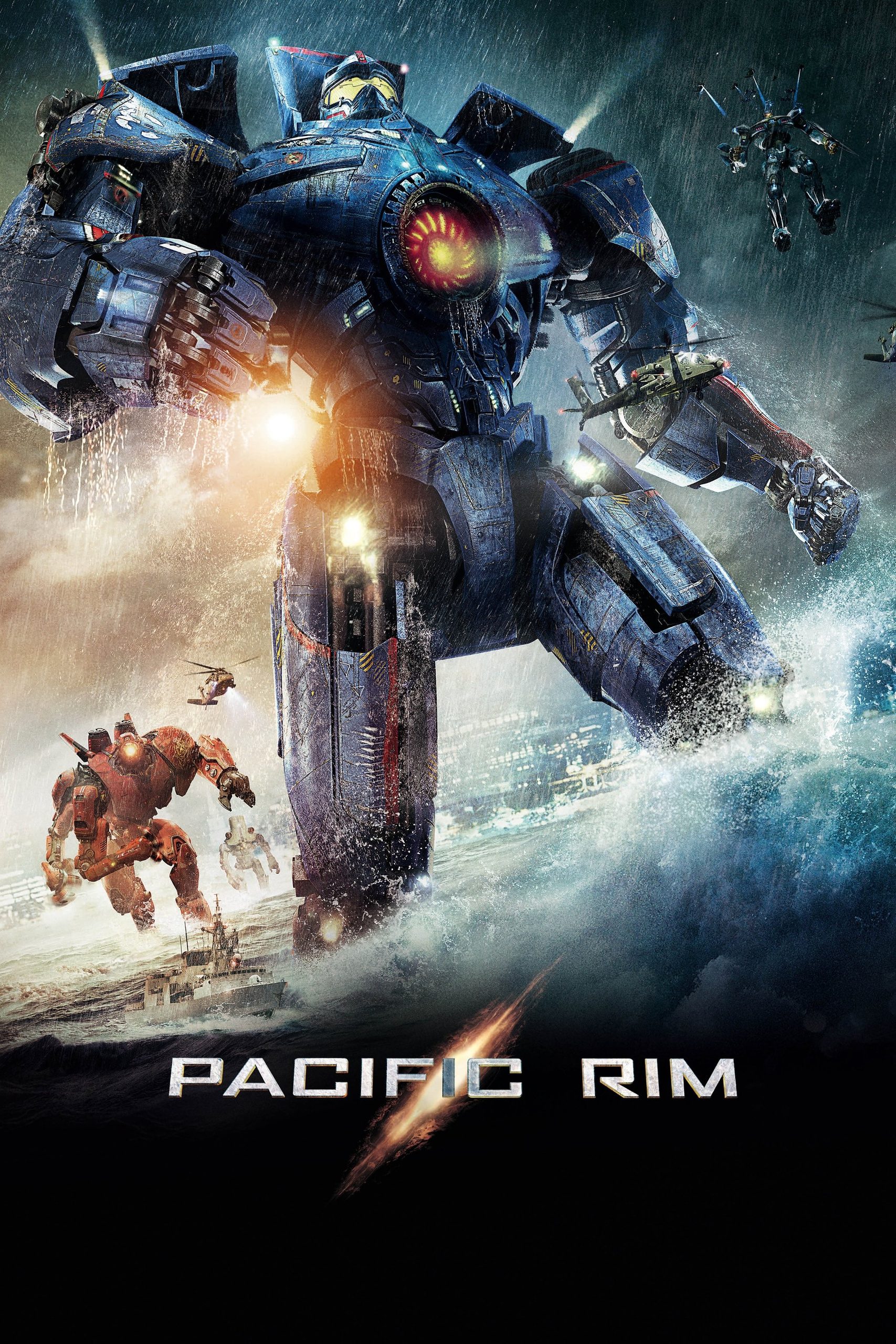
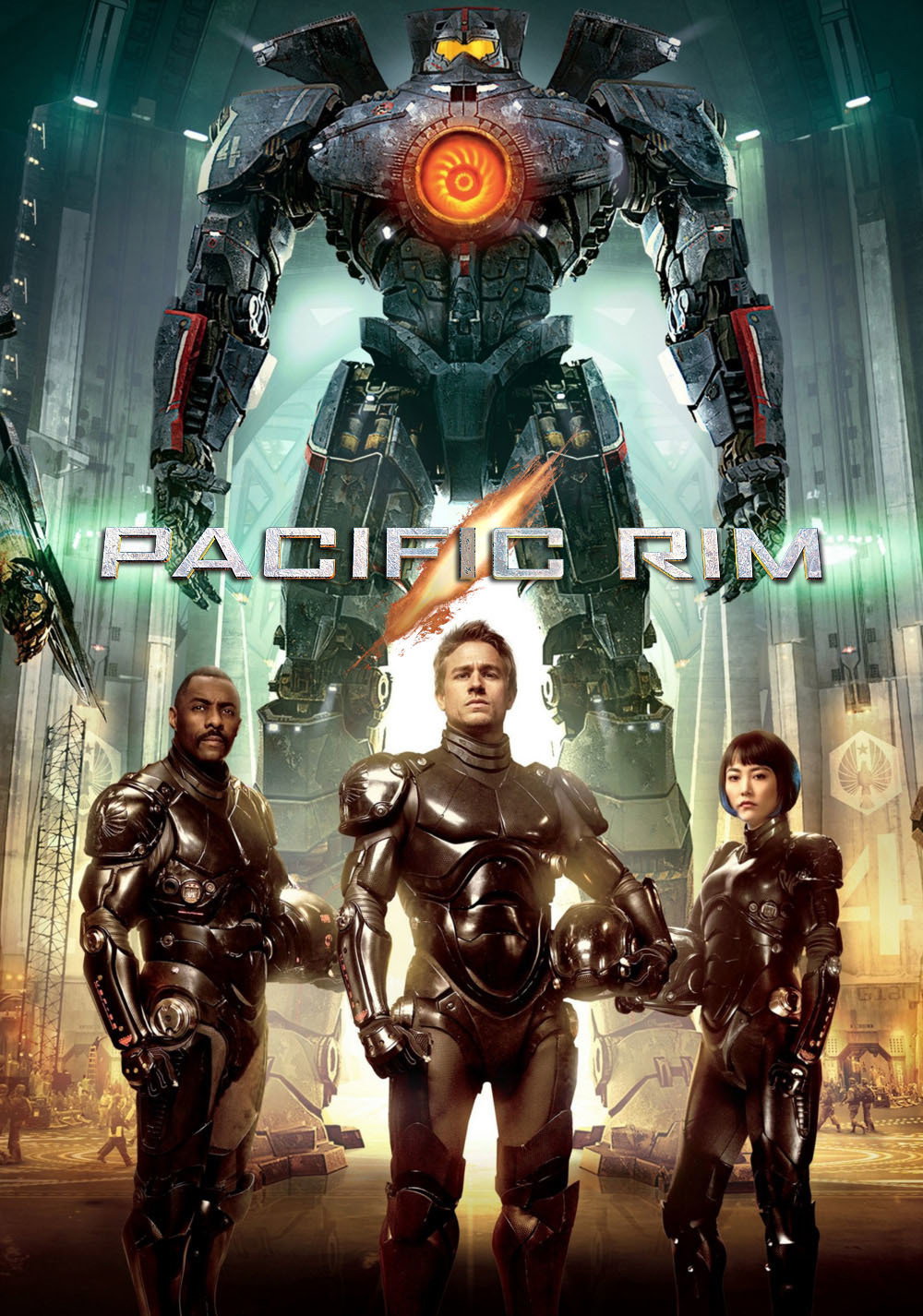
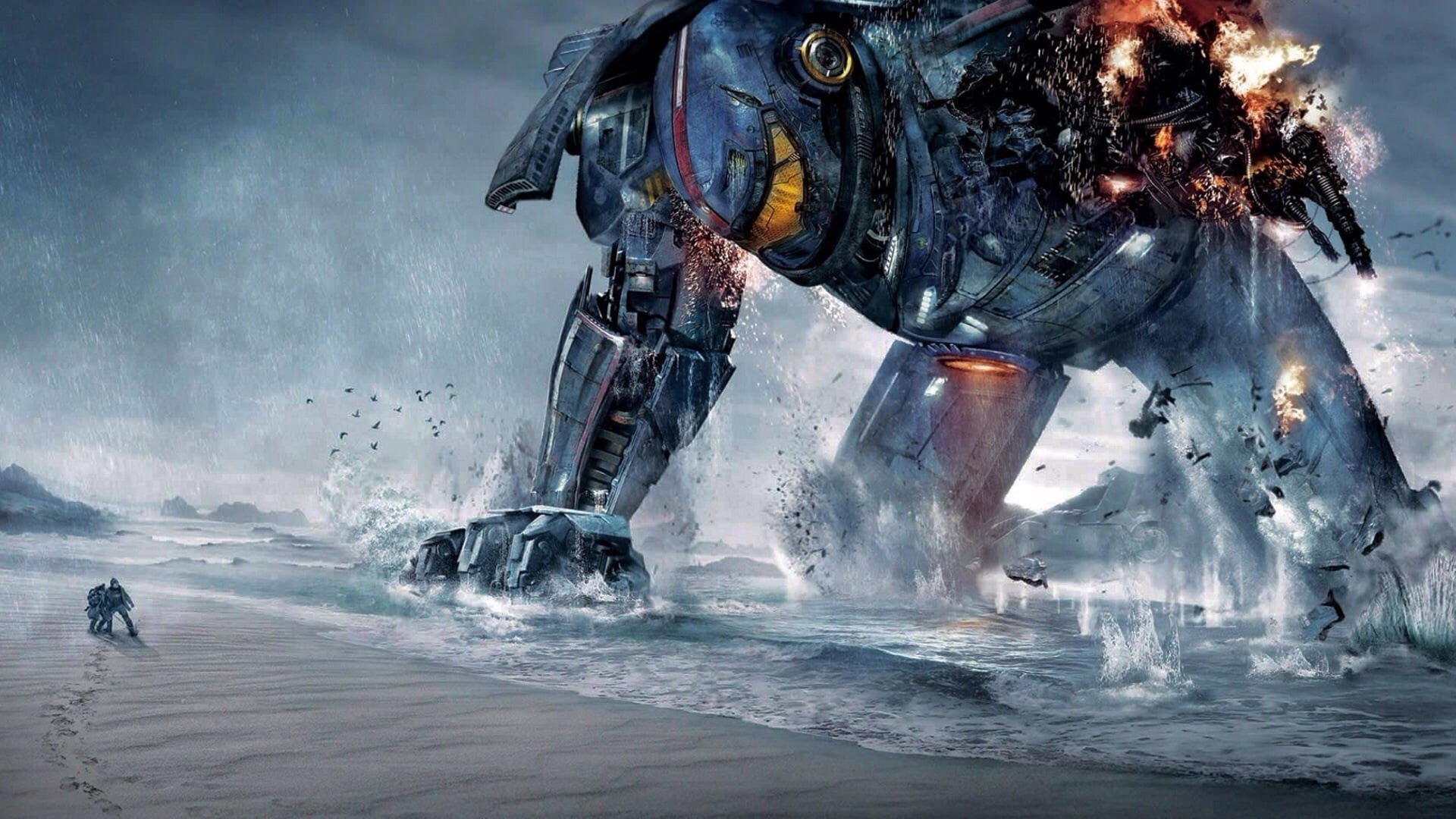
In 2013 a crack opens in the floor of the Pacific and monsters the size of office blocks, the kaiju, begin walking out of it into coastal cities. The world’s answer is the Jaeger, a robot on the same scale driven by two pilots whose minds are linked. Raleigh Becket (Charlie Hunnam) drives Gipsy Danger with his brother until a fight off Alaska kills the brother and finishes Raleigh. Five years on, the Jaeger programme is being shut down in favour of a coastal wall, and its commander, Stacker Pentecost (Idris Elba), collects Raleigh for one last operation from a hangar in Hong Kong. There Mako Mori (Rinko Kikuchi) wants a Jaeger of her own and is refused, two scientists, Newton Geiszler (Charlie Day) and Hermann Gottlieb (Burn Gorman), argue over what the monsters are, and the attacks are coming faster.

Plays from YouTube when you press play; nothing loads from them until then.

Fi1m review

Guillermo del Toro’s robots-versus-monsters film is built with more care than any blockbuster of its size has a right to expect, and the Hong Kong fight is a delight. The people inside the robots are thin, and the script gives them little to do but shout.

Guillermo del Toro has made the film a twelve-year-old would draw on the back of a maths book. Monsters come up out of a crack in the seabed, the world builds robots to hit them, and the robots need two pilots holding hands in their heads. He and his co-writer Travis Beacham are not embarrassed by any of this, and the film’s chief virtue is that it takes its own silliness seriously. It is a good evening. It is also a film in which the machines are written with more care than the people.

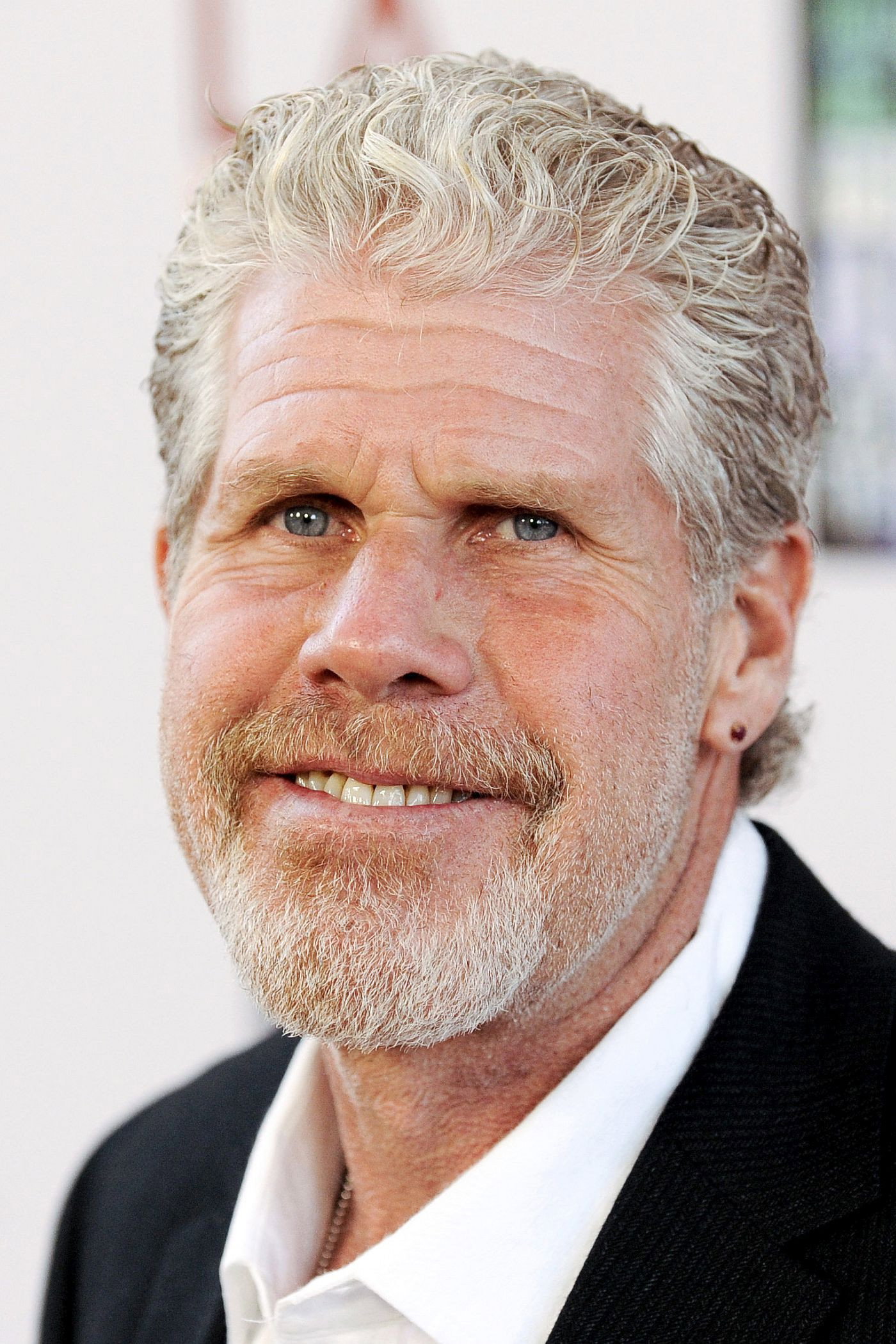
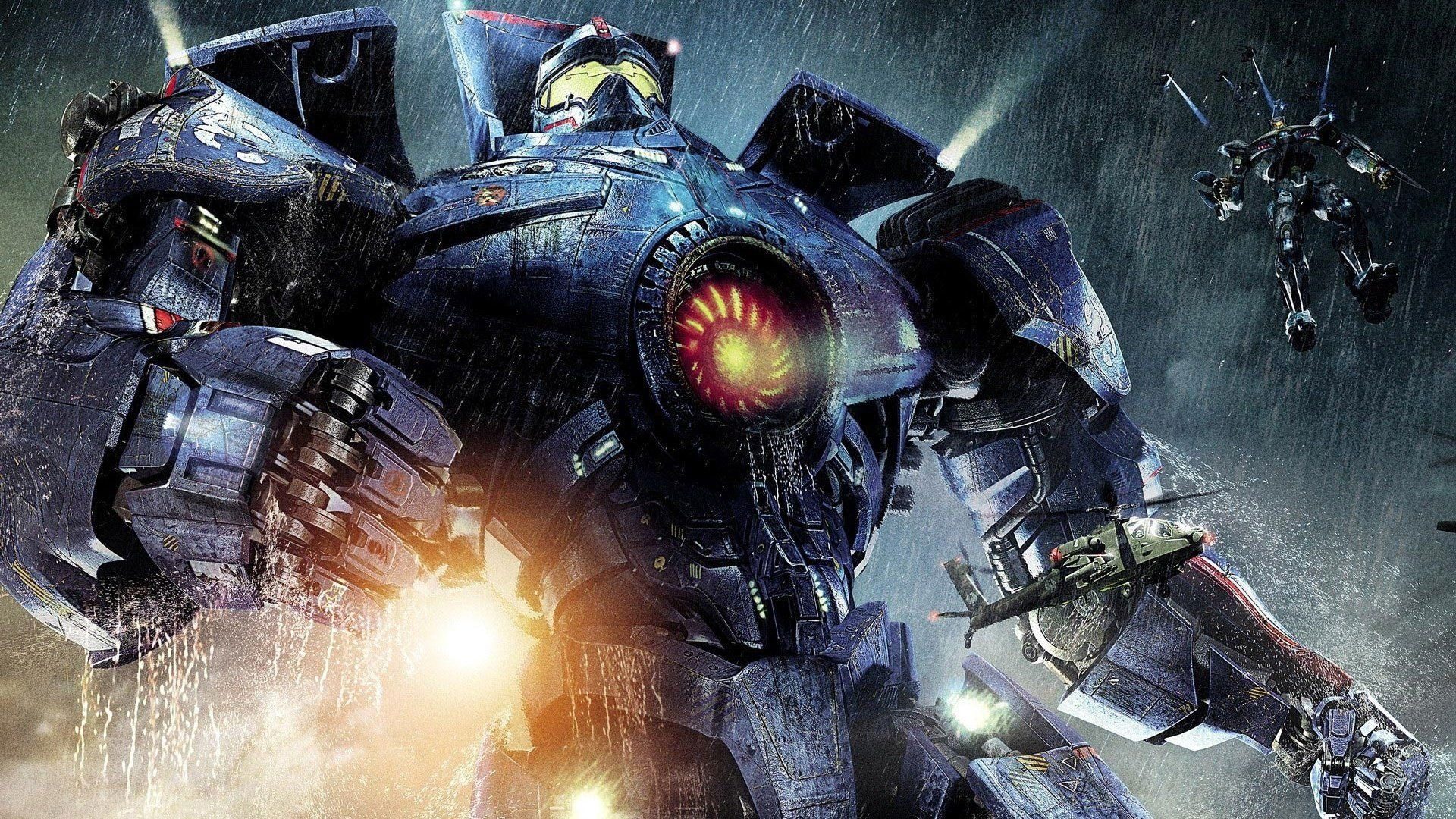
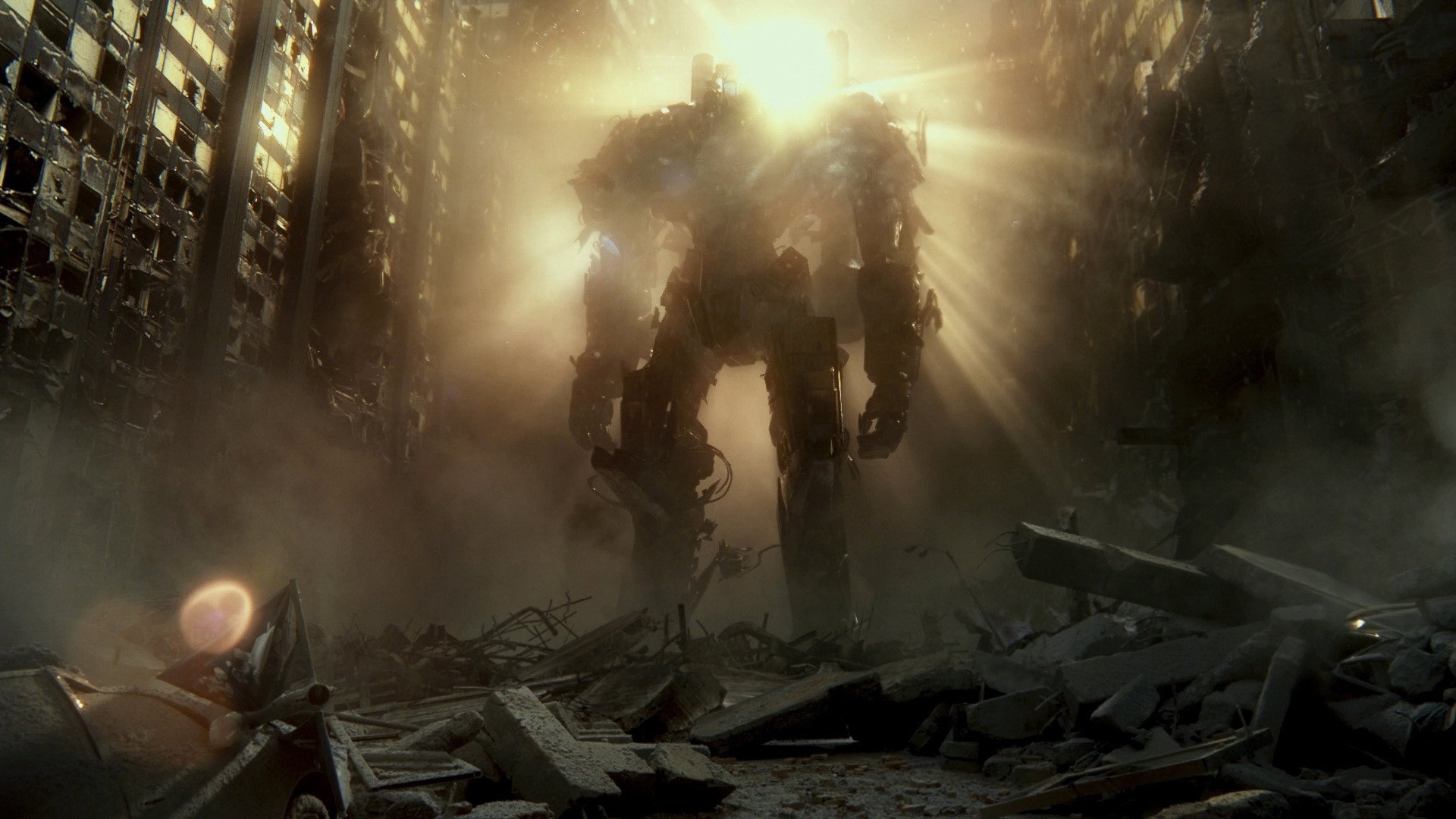
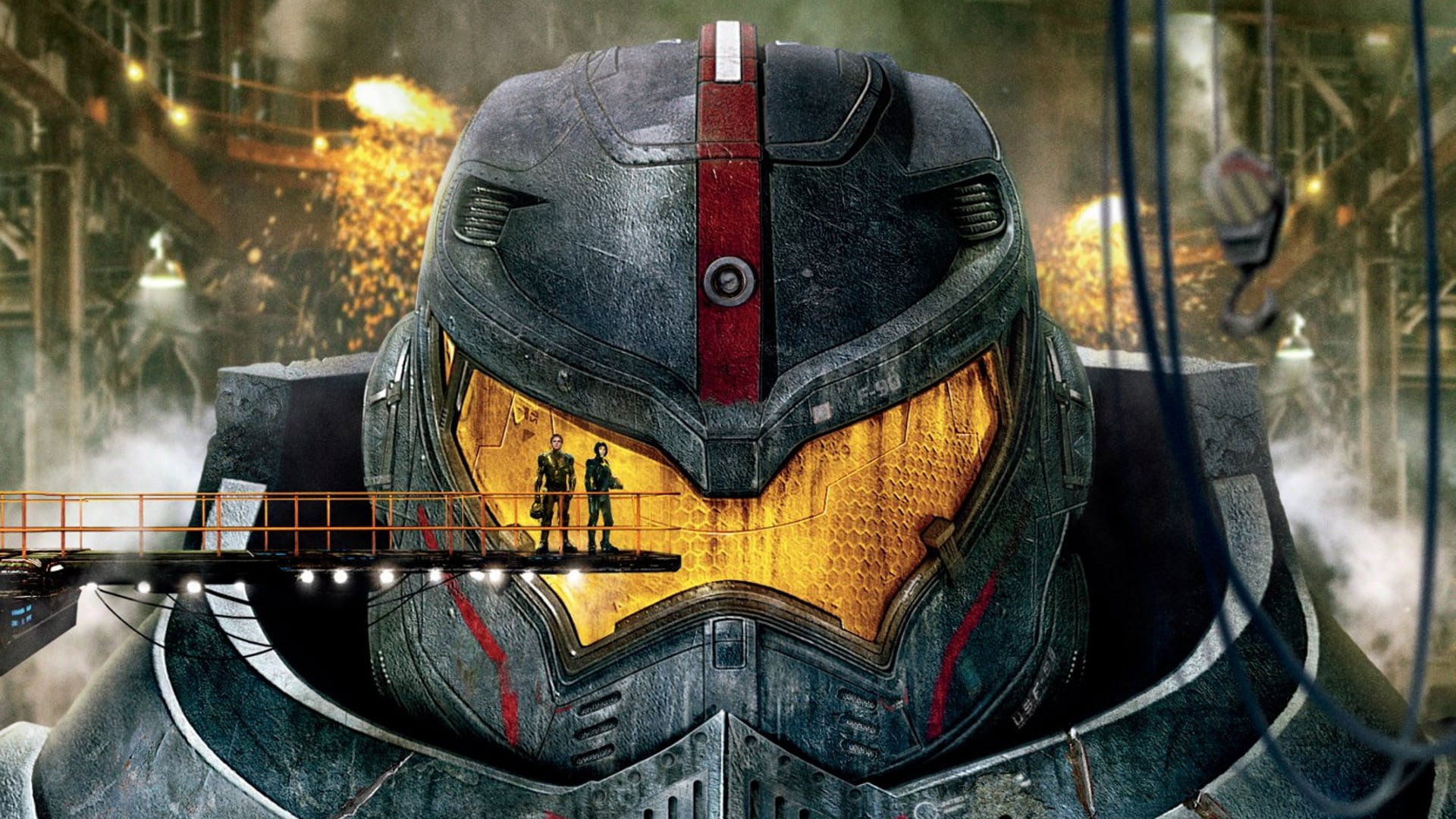
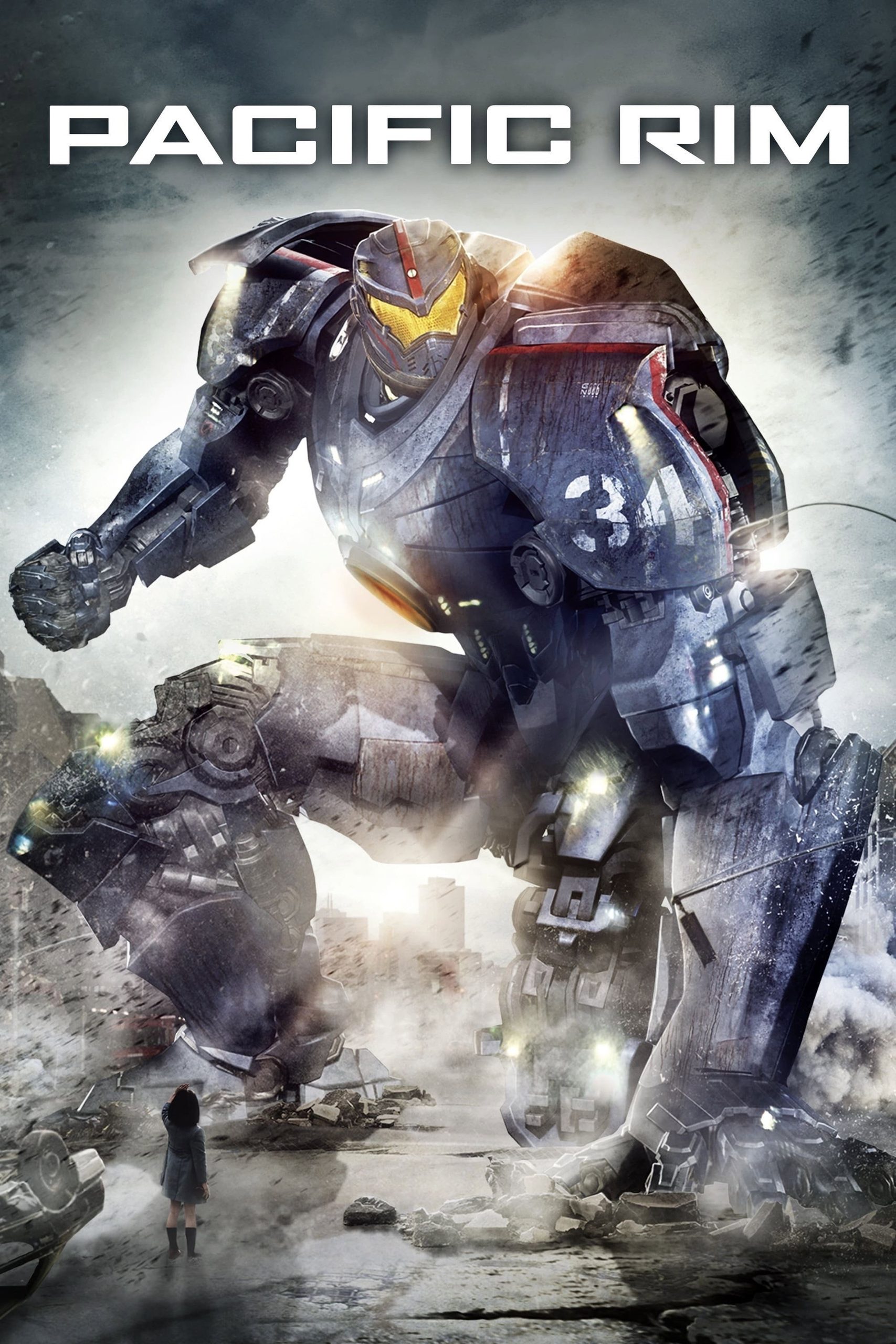
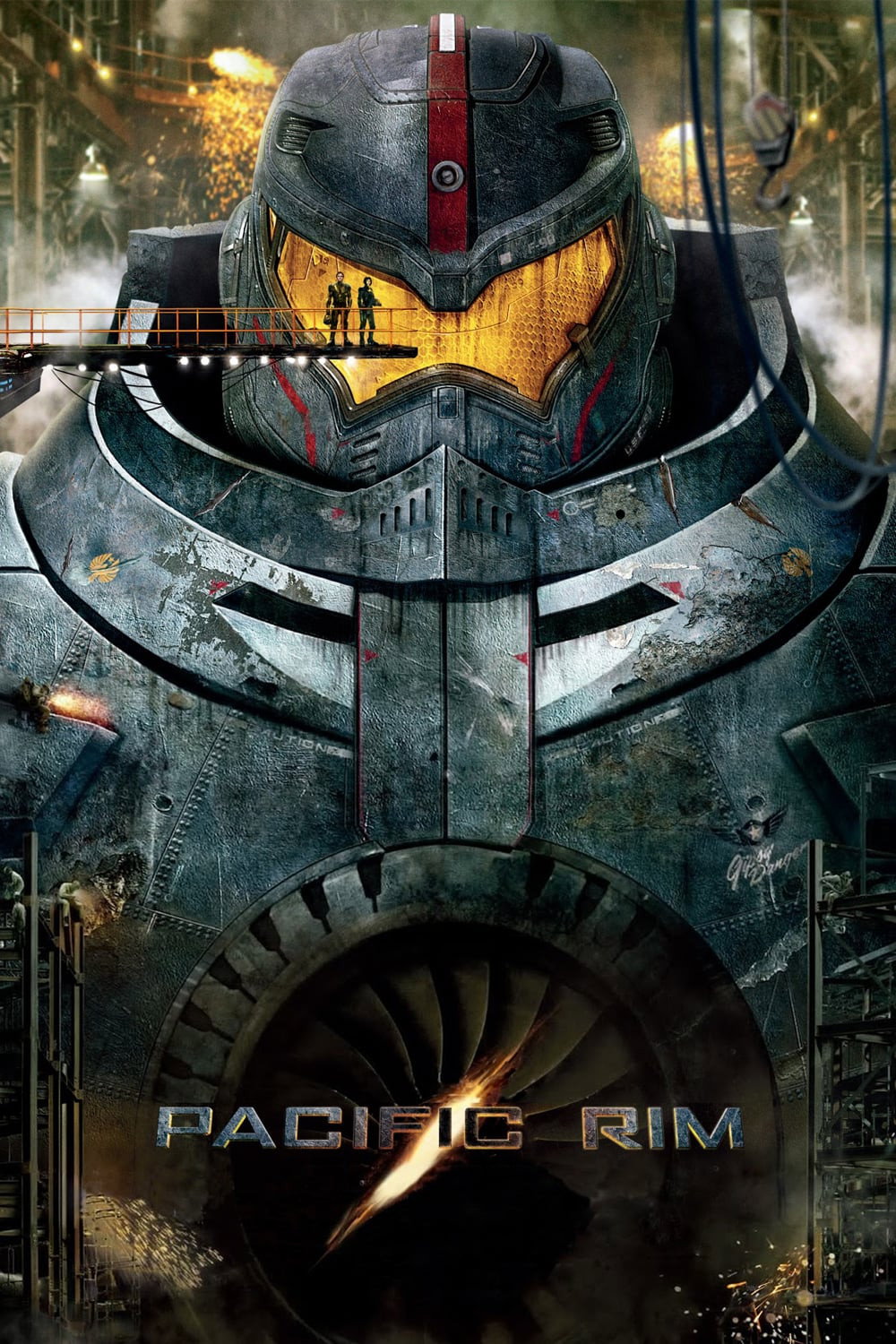
The world is the thing. Andrew Neskoromny and Carol Spier build the Hong Kong hangar as a working shipyard: rivets, grease, gantries, a clock on the wall counting the days since the last attack. The Jaegers have dents. Gipsy Danger wears the paint of an old bomber; Cherno Alpha, the Russian one, is a rusted grain silo on legs. Kate Hawley puts the pilots in clanking armour and Ron Perlman’s black-market dealer Hannibal Chau in gold-tipped shoes and red-tinted spectacles. Guillermo Navarro lights the hangar in cold blue and lets the monsters light themselves, veins glowing orange and turquoise through the skin, so that in the dark you see the thing before you can tell what it is.

The Hong Kong fight is the reason the film exists. Two kaiju come ashore, the rain arrives with them, the neon stays on, and del Toro stages a brawl from the harbour into the streets that we could follow shot by shot. Gipsy Danger picks up a container ship and swings it like a bat. A fist stops a foot short of an office window and sets a Newton’s cradle ticking on somebody’s desk. We grinned like fools: this is a child’s game played by a director who remembers how the game goes. Peter Amundson and John Gilroy hold the shots long enough for the weight to land.

The other fights are less clear. Del Toro puts nearly every battle at night, in rain or under the sea, and the scale the design has worked so hard for goes soft. When two shapes the size of tower blocks wrestle in black water we know it matters and cannot always see why. Ramin Djawadi’s score, a guitar riff over a wall of brass, hammers in the fights and hammers everywhere else too, so that a conversation in a corridor arrives with the force of an invasion.

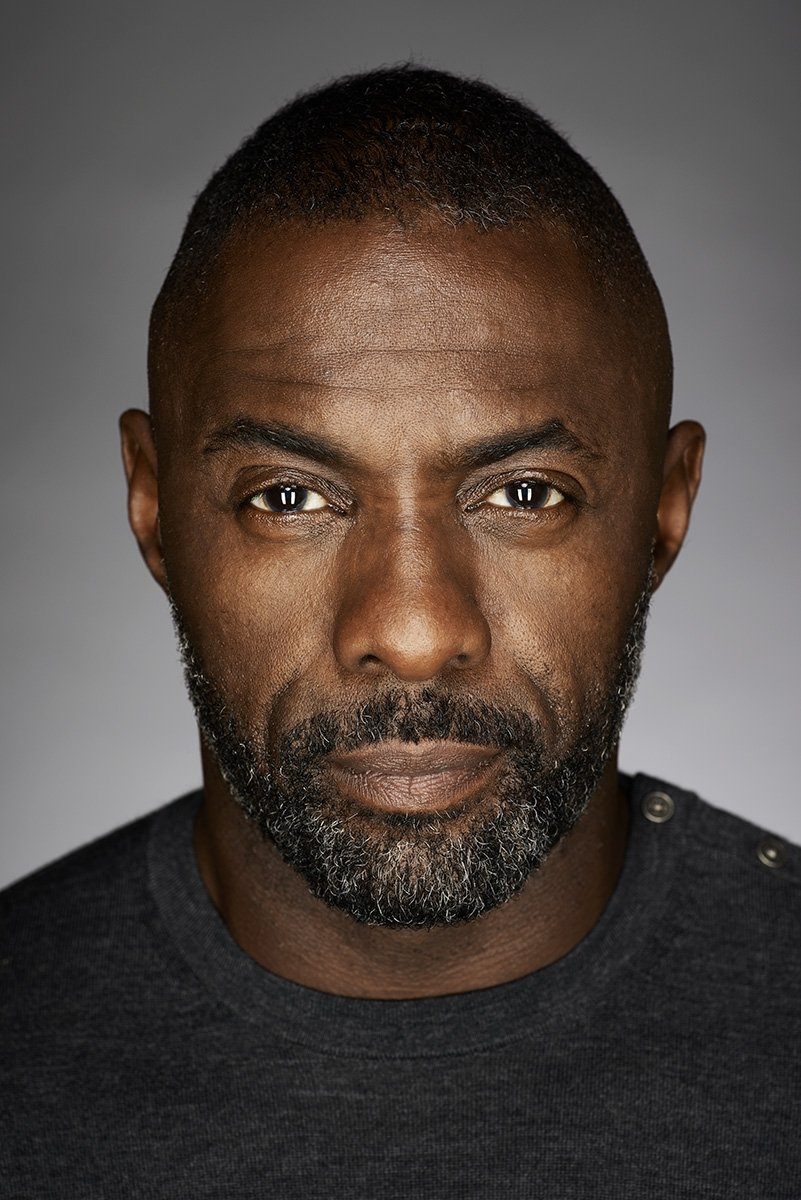
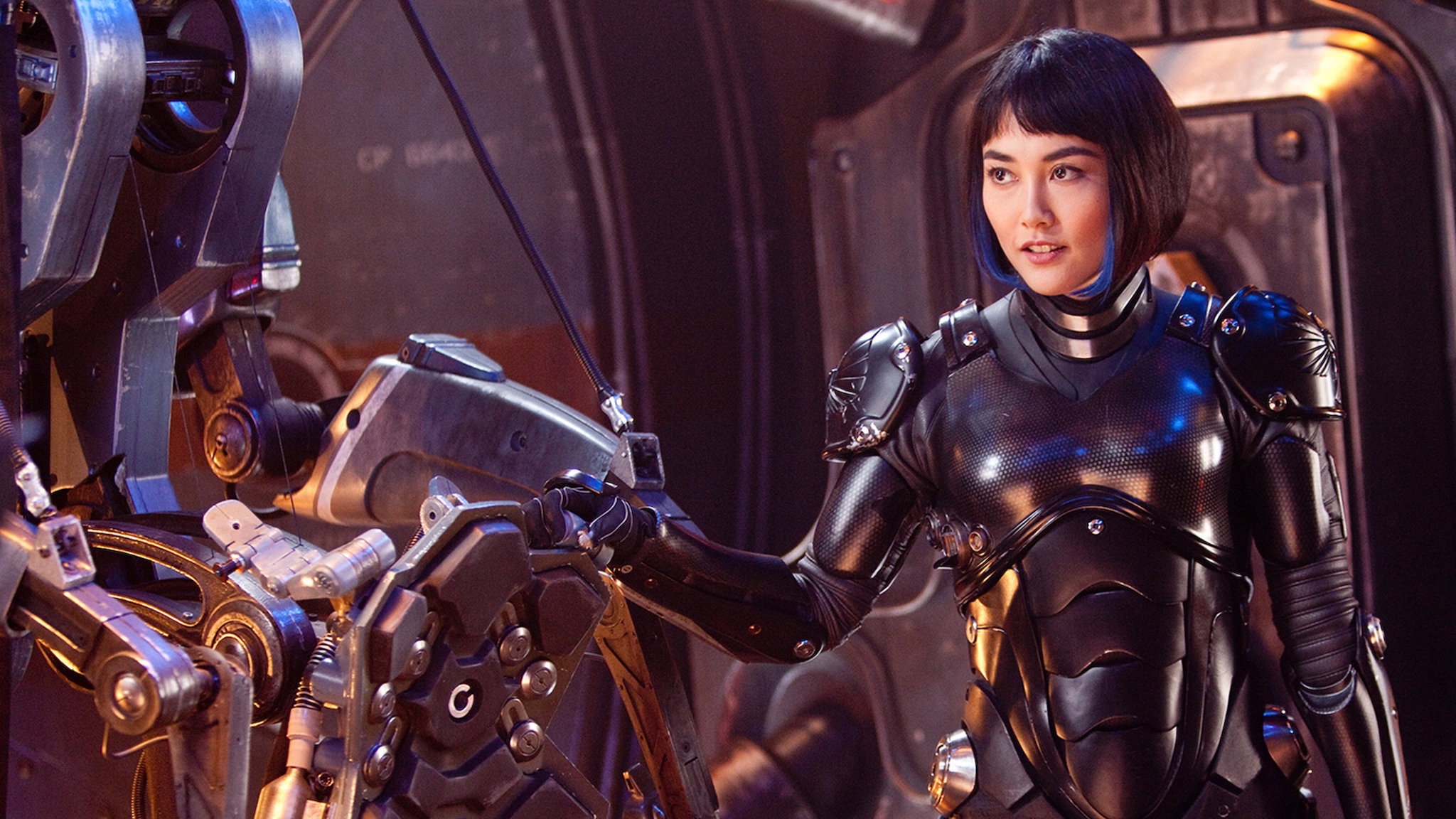
Hunnam is handsome and stands where he is told; Raleigh has a dead brother and a jaw. Mako Mori watches Raleigh from behind a door, wants a Jaeger she has been forbidden, and Kikuchi plays the wanting without a speech. Her one memory sequence, a small girl in a red shoe in a ruined Tokyo street while something enormous looks for her, is the only scene here that belongs with The Devil’s Backbone (2001) and Pan’s Labyrinth (2006), and it moved us more than the rest of the film put together. Elba gives Pentecost a stillness that makes the noise around him seem like an argument he is above. When he finally raises his voice, in a speech about cancelling the apocalypse, he nearly sells it.

Charlie Day and Burn Gorman play the scientists as a bickering double-act, one manic and tattooed, one hunched over a blackboard with a cane, and the pitch is set at shrill in their first scene and never lowered. Perlman is the only person who seems to know how funny the film is. Max Martini and Robert Kazinsky are the Australian father and son, and the son’s hostility to Raleigh is explained in one line and resolved in another.

Against the director’s own record this is his loudest film, and the critics who miss the hush of his Spanish films have a point. But Hellboy (2004) showed he could love a comic without talking down to it, and this is the same love at a larger scale. Watch it with the volume up and the lights off, and forgive the people. It runs 131 minutes, carries a 12A, and roughly half of it is exactly what it promised.

Critical consensus AI synthesised

63
Positive
8
Mixed
5
Negative
4

Most critics come away entertained, if not converted. The praise settles on Guillermo del Toro himself: his affection for kaiju and giant-robot pictures, the detail of the creature and machine designs, and the lived-in production design around them. The fights are the other point of agreement, admired for their scale and for being cut so that the eye can follow what is happening, a courtesy several reviewers note is rare in this kind of film. The warmer reviews call it a sincere blockbuster rather than a cynical one.

The reservations are near-unanimous even among admirers: the humans are thinly written, the comedy flat, the script functional at best. From there the spread is wide. The Guardian misses del Toro’s usual visual personality, Time Out finds the film cold and repetitive, and The Wrap complains the monsters are hard to see through all the rain and night. Variety goes furthest, calling it the squarest and loudest of the director’s films.

Los Angeles Times
10 July 2013 · Kenneth Turan
90*

Del Toro's visionary imagination, detailed world-building, and spectacular visuals make this a worthy, magical return for the director after years away.

Read the full review →
The Telegraph
8 July 2013 · Robbie Collin
85*

The critic praises the film as a bold, exhaustive and utterly convincing definition of fun, with del Toro flooding the project with affection and artistry so that it enchants rather than merely nostalgically recalls childhood cartoons.

Read the full review →
Little White Lies
11 July 2013 · 3/4/4 · David Jenkins
80

The critic hails the film as a model blockbuster full of rich, romantic and sincere design that pays homage to classic monster movies while showing up cynical destructo-porn. It singles out the graceful, majestic action sequences and visual treats for particular praise.

Read the full review →
Total Film
10 July 2013 · Matthew Leyland
75*

A warmer Transformers-style blockbuster steeped in affection and sincerity, with strong creature designs and likeable humans, despite some murky action sequences.

Read the full review →
The Hollywood Reporter
7 July 2013 · Todd McCarthy
70*

The critic calls it a better-than-average humans-vs.-monsters spectacular with first-class effects, coherent action, and lively direction that avoids bloating or padding. It singles out the strong forward momentum and fun surprises amid the formulaic elements.

Read the full review →
The New York Times
11 July 2013 · A.O. Scott
70*

The film is formulaic and lacks subtlety or novelty, but succeeds as energetic, fun spectacle with appealing giant-robot-vs-monster action and genre enthusiasm.

Read the full review →

Cast

Awards

Annie Award, 2014

Won
Annie Award

If you liked this, try…

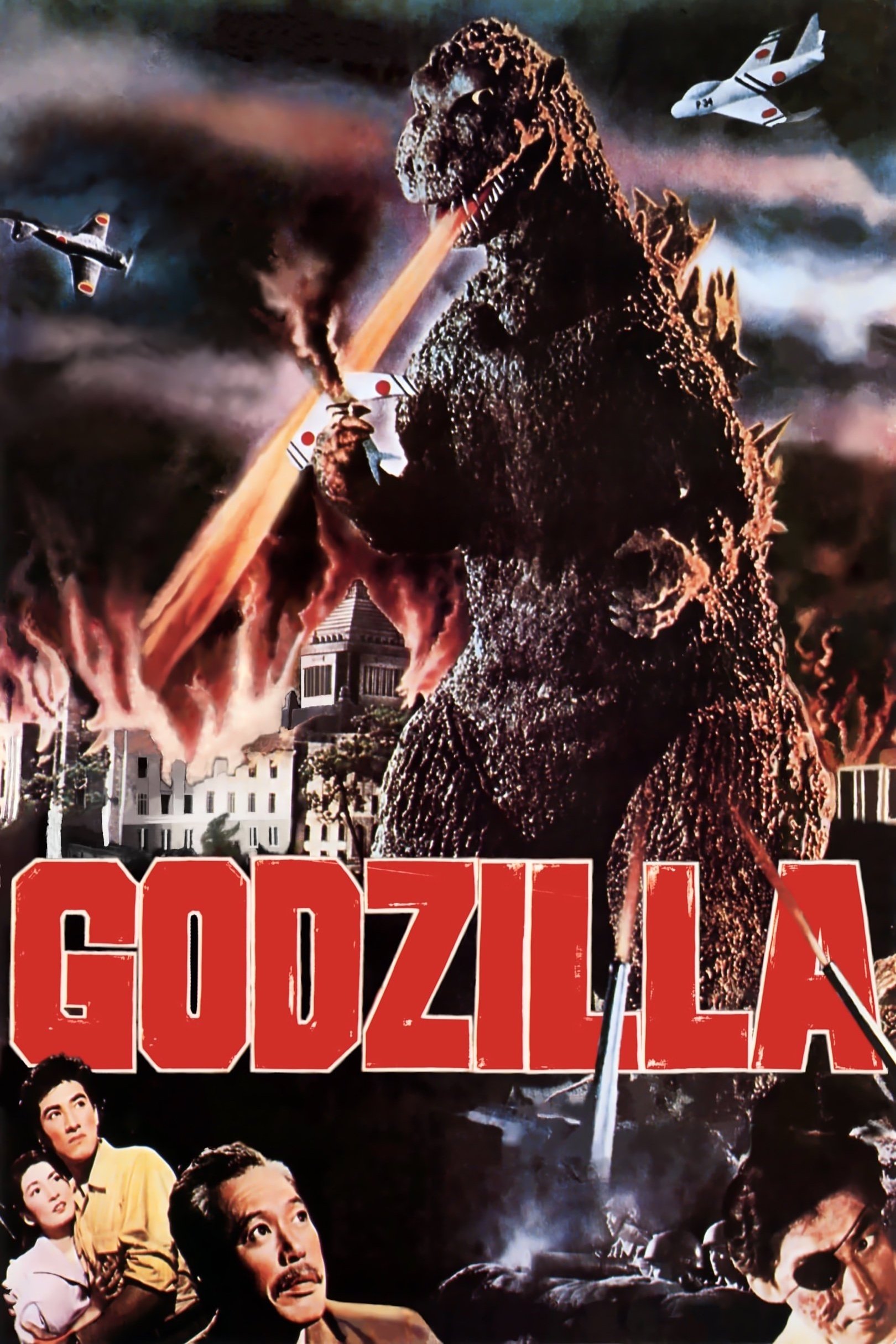
Godzilla poster88

Godzilla

1954 · The original monster film, slower and sadder than anything it inspired.

Neon Genesis Evangelion poster

Neon Genesis Evangelion

1995 · Teenagers pilot giant robots and the series asks what that does to them.

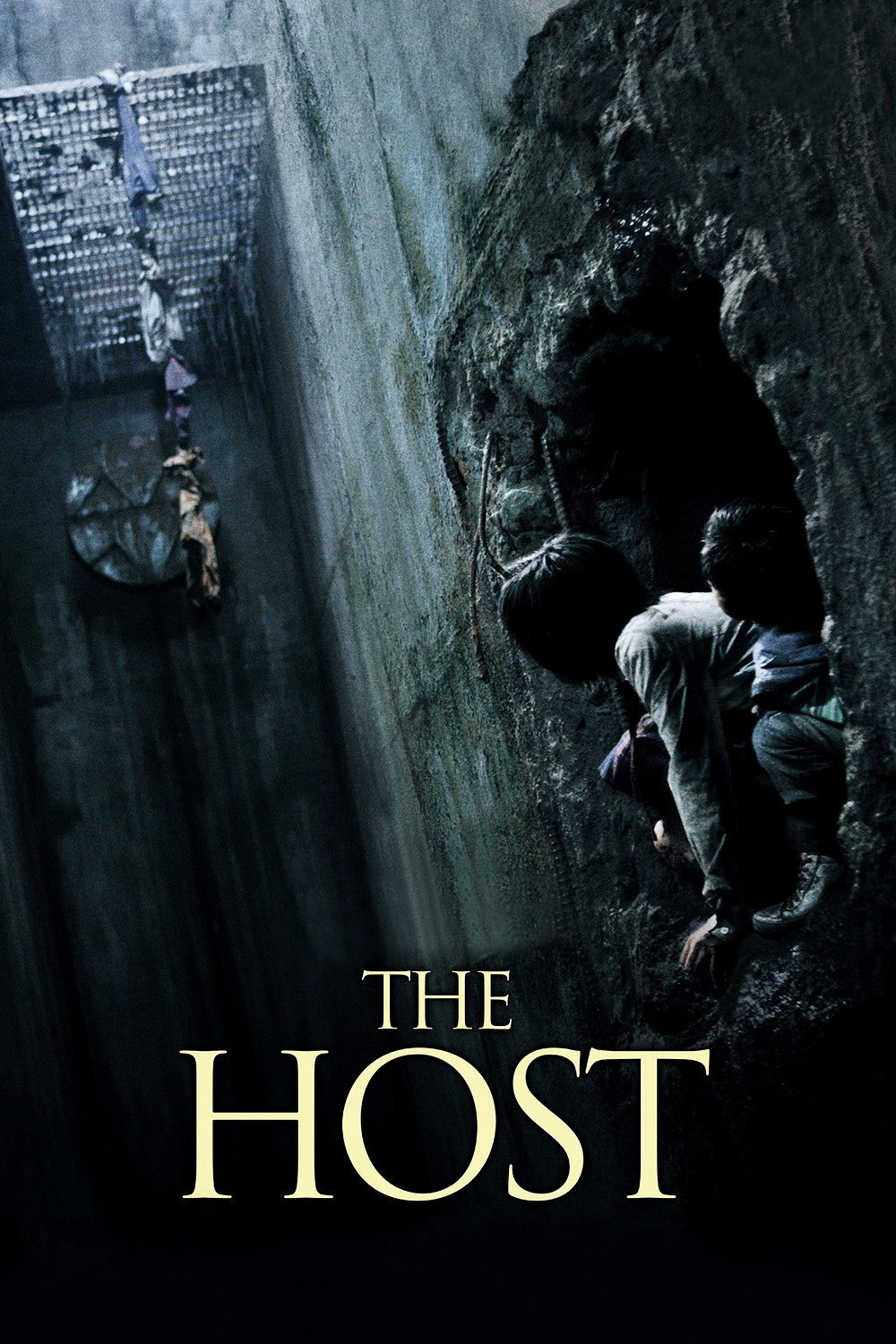
The Host poster

The Host

2006 · Bong Joon-ho’s river monster, with a family worth caring about.

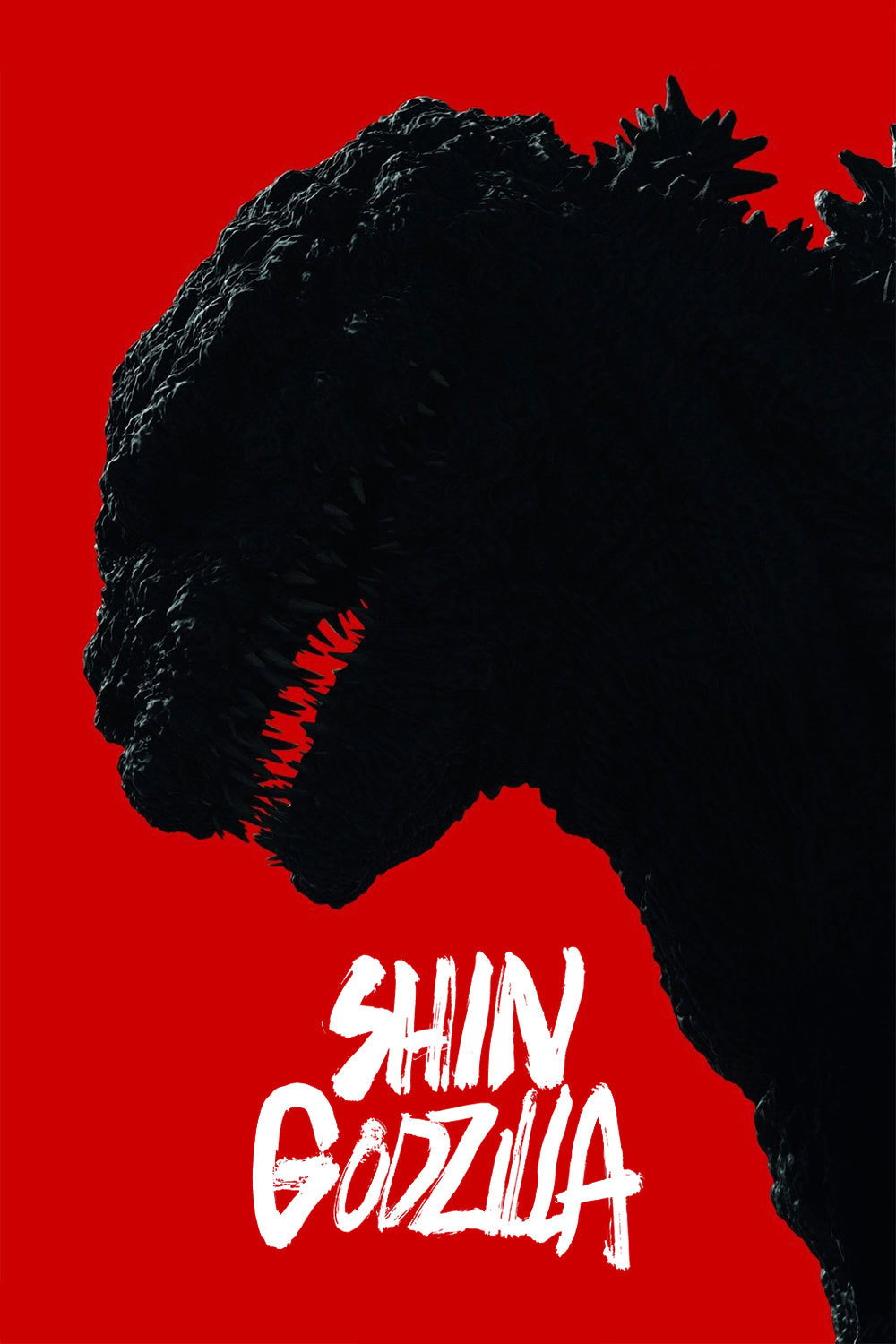
Shin Godzilla poster

Shin Godzilla

2016 · A kaiju film that is mostly meetings, and gripping for it.

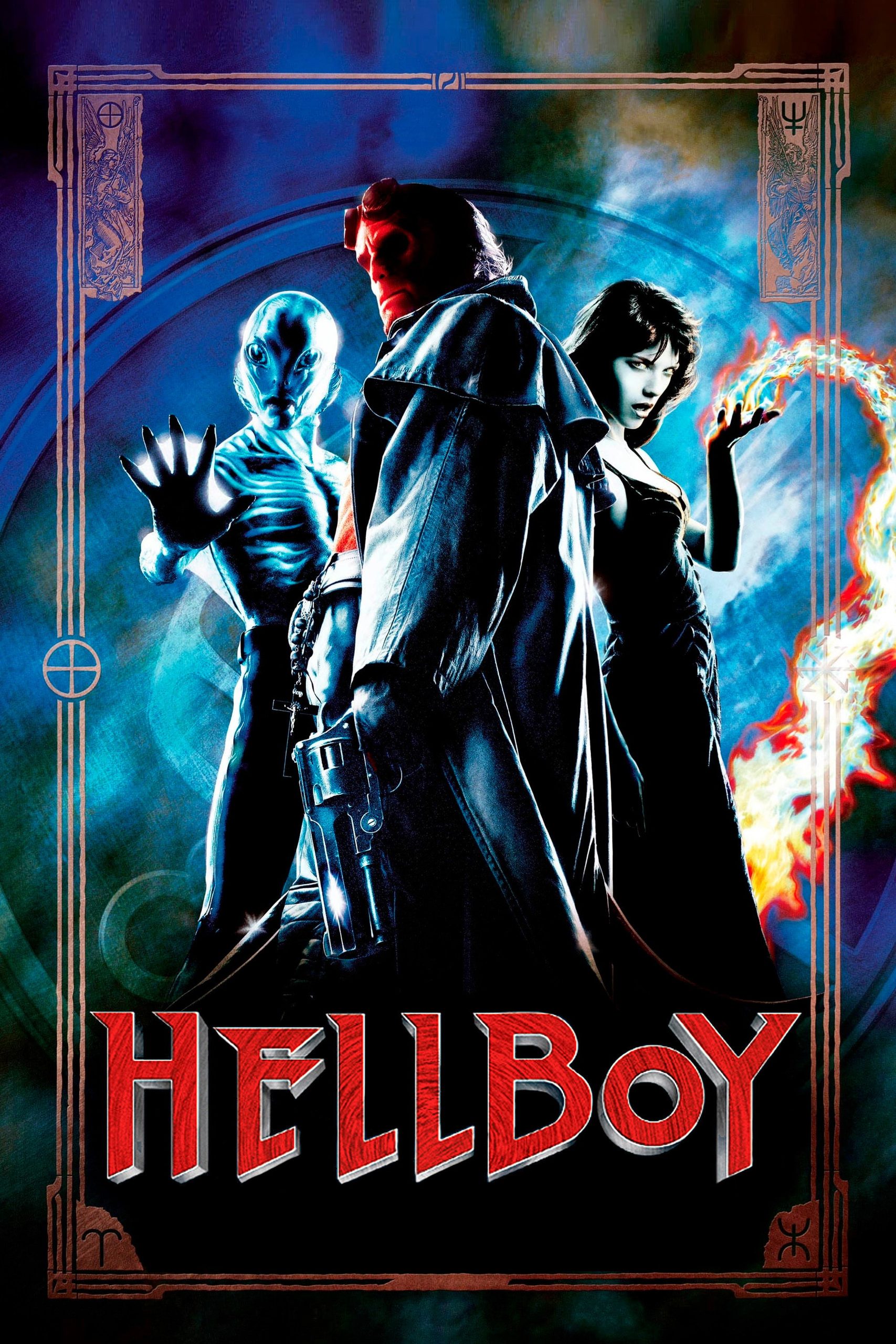
Hellboy poster71

Hellboy

2004 · Del Toro’s earlier comic-book film, warmer and stranger than this one.