Film review

Precious: Based on the Novel 'Push' by Sapphire

2009 · Directed by Lee Daniels · 1h 50m · MPA R

In a sentenceThe camera needn’t keep going elsewhere when Gabourey Sidibe is right there

Drama

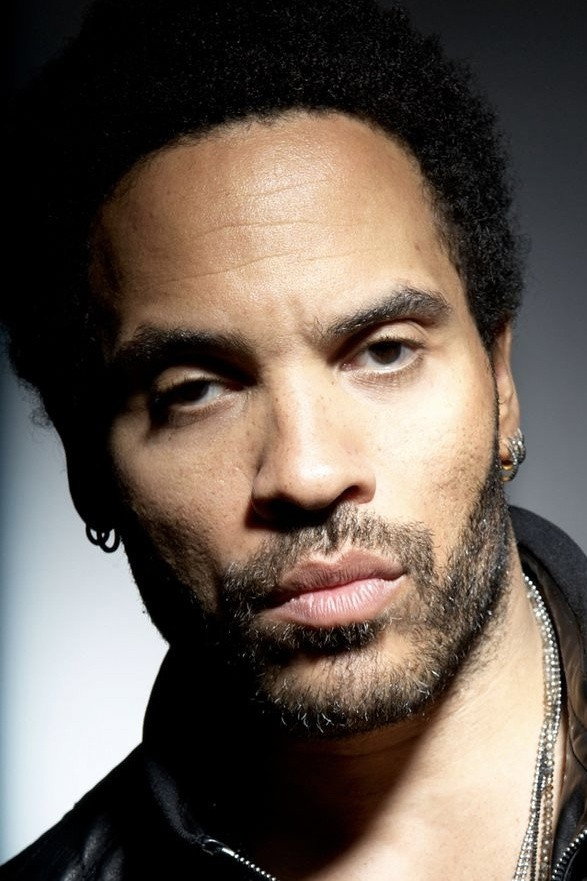
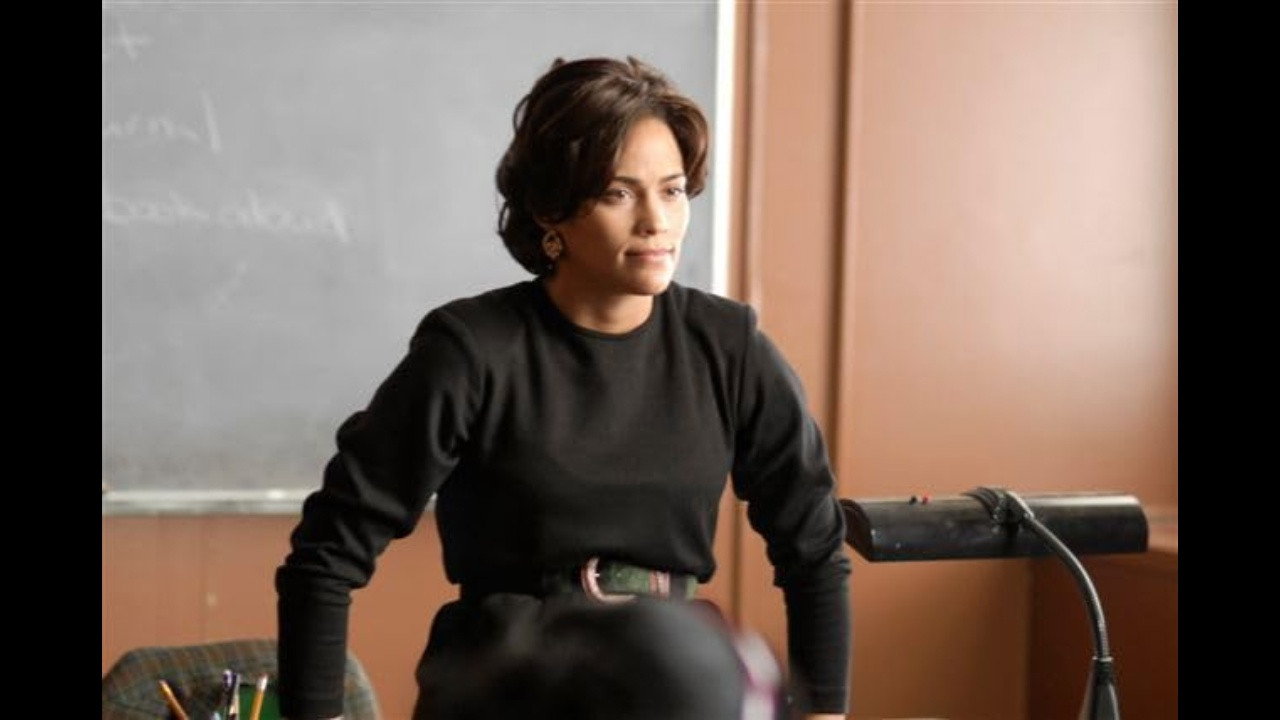
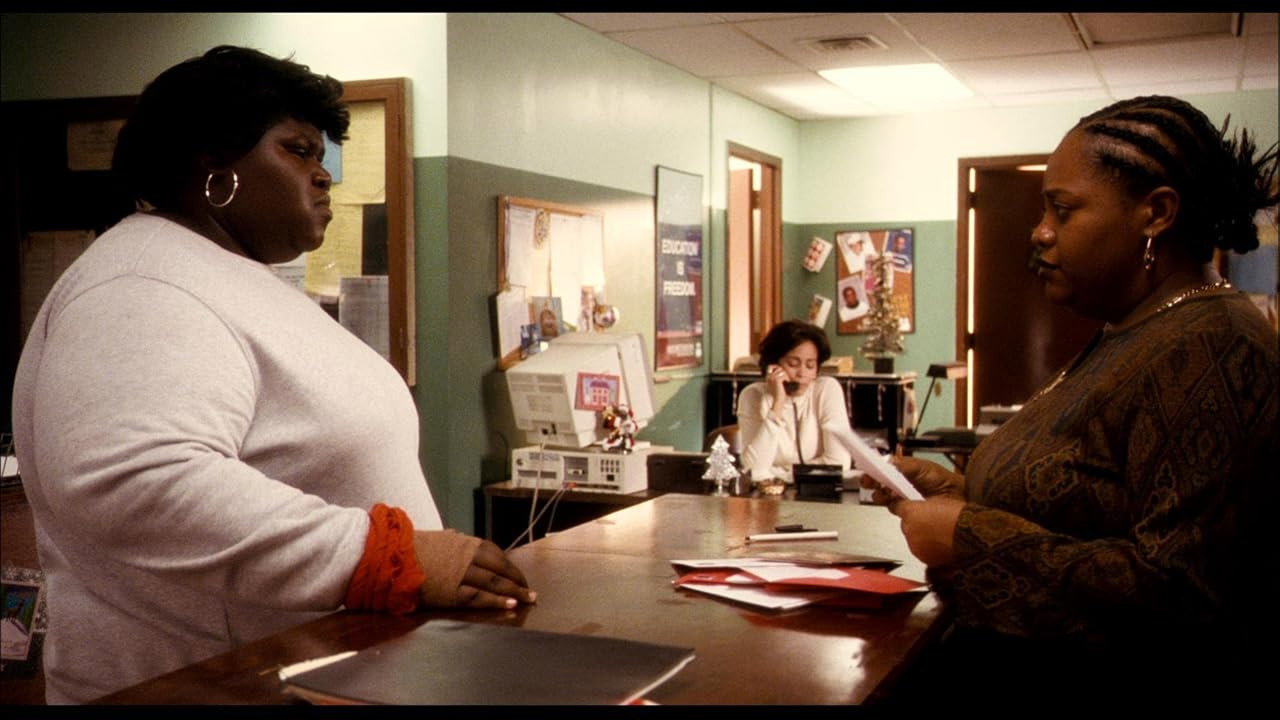
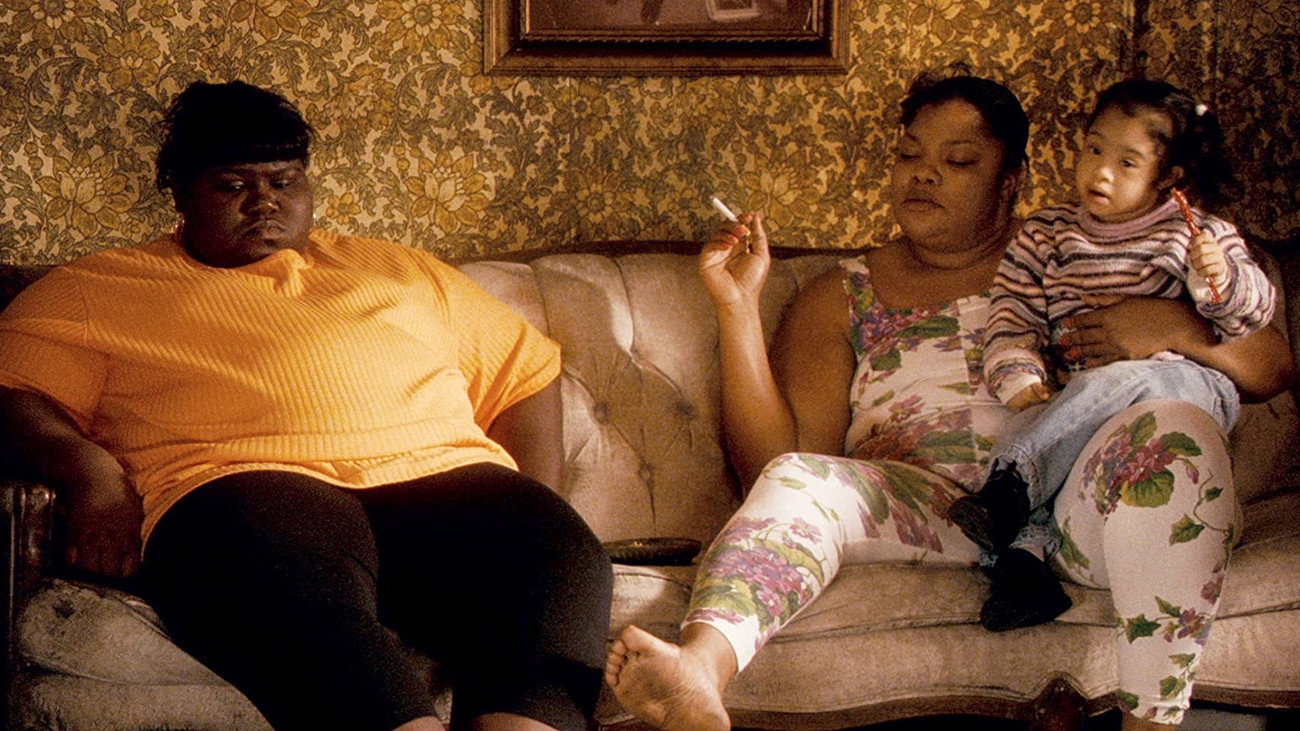
Precious (Gabourey Sidibe) is a teenager whose life is dominated by abuse and humiliation. Her mother, Mary (Mo’Nique), offers further cruelty, while Precious retreats into fantasy for temporary relief. Help from other women gives her reason to hope for something different, although accepting herself remains a struggle. Adapted from Sapphire’s novel Push, the drama follows her search for support and a life she can begin to shape for herself. Paula Patton plays Ms. Rain, Mariah Carey plays Ms. Weiss and Lenny Kravitz appears as Nurse John.

Plays from YouTube when you press play; nothing loads from them until then.

Fi1m review

A moving, uneven drama whose performances make its hardest passages worth facing. Lee Daniels sometimes presses the suffering too hard, but Gabourey Sidibe gives Precious a life beyond the injuries inflicted on her.

Precious is a moving drama that sometimes pushes so hard it risks wearing out our sympathy. Lee Daniels asks us to spend time with an abused teenager whose mother is herself a source of cruelty, and he does not approach the material delicately. What makes the film worth the discomfort is Gabourey Sidibe, who gives Precious feelings and opinions beyond whatever terrible thing is being done to her. Geoffrey S. Fletcher adapts Sapphire’s novel Push, keeping the girl’s struggle to accept herself at the centre.

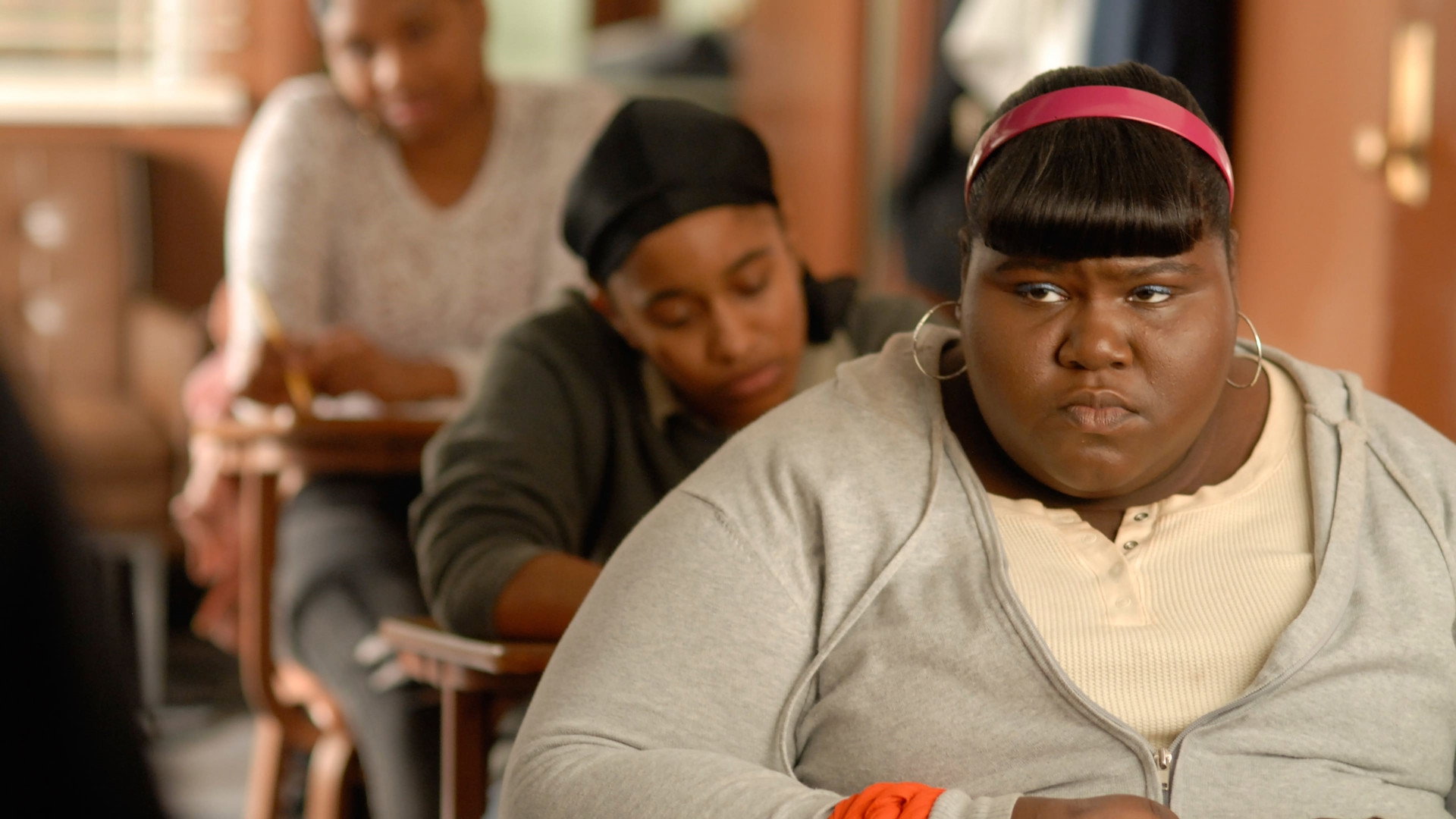
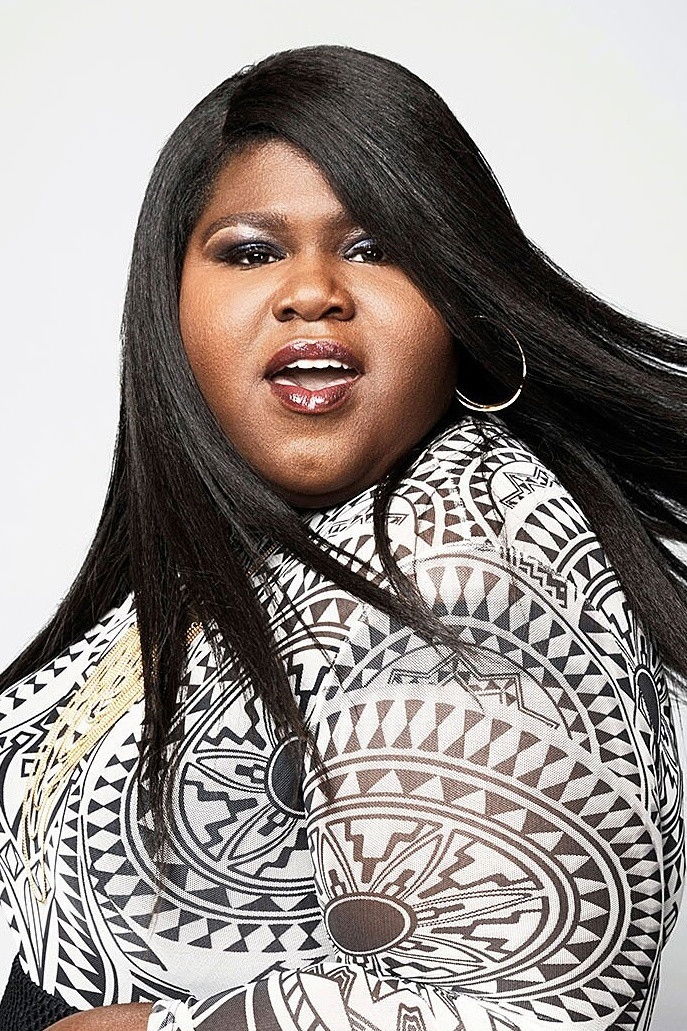
Sidibe’s performance keeps us alert to the girl inside a story that could easily reduce her to a succession of injuries. Precious’s humour matters here: it allows her to be sharp and difficult without making either quality a lesson for the audience. We were moved by the stubbornness Sidibe gives her, especially when that humour persists alongside the humiliations. There is pleasure in watching an actor make a character interesting without continually asking us to find her admirable.

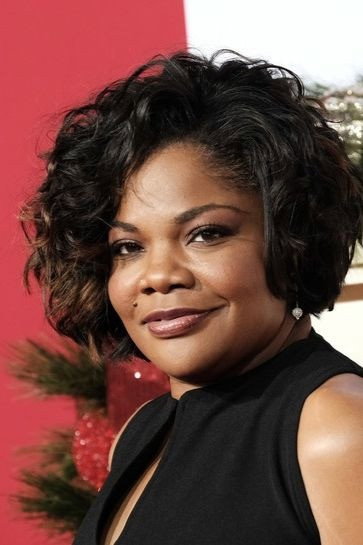
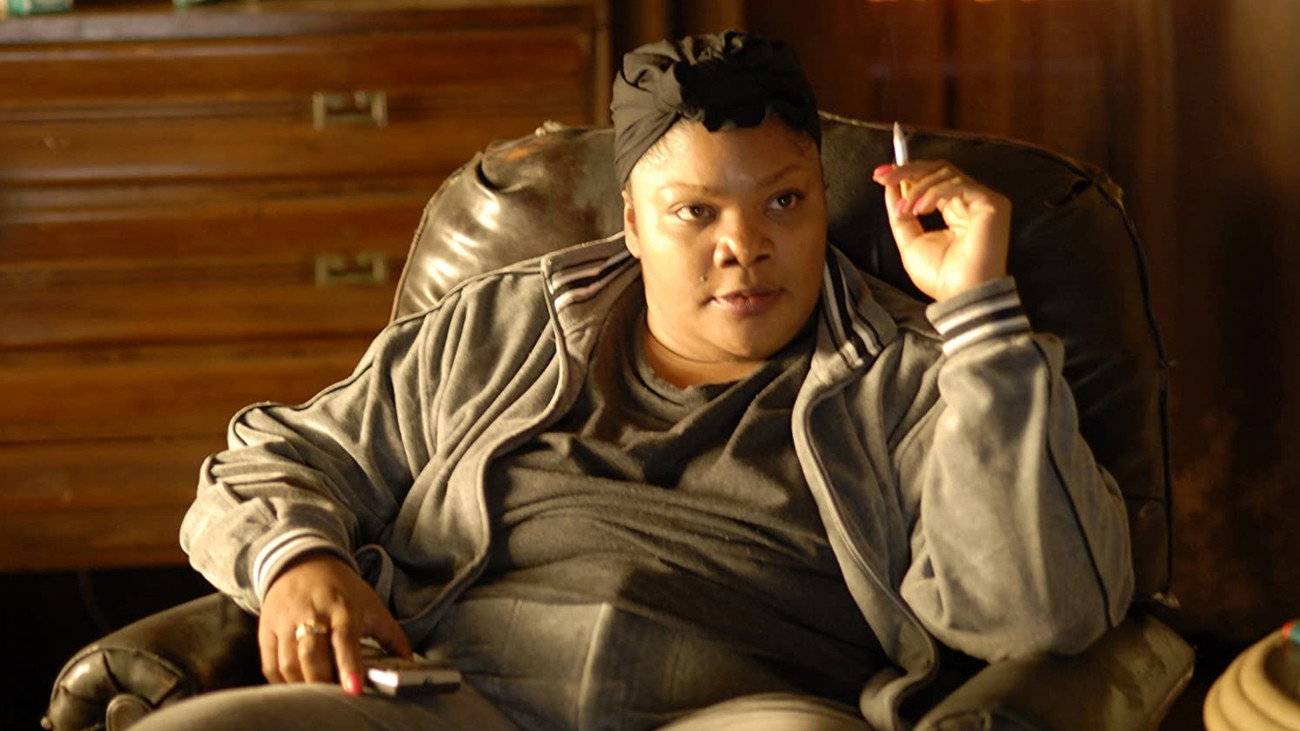
Mo’Nique’s Mary makes the domestic scenes hard to sit through. We were frightened by her cruelty towards Precious, because Mo’Nique plays it with a conviction that leaves so little room for anyone else’s feelings. The danger is that Mary becomes so overwhelming that the film has nowhere further to go whenever it returns to her. Mo’Nique holds our attention even then, making Mary’s lack of concern for her daughter persistently alarming.

Andrew Dunn’s cinematography and Roshelle Berliner’s production design contribute to the discomfort of those domestic passages, but we are less convinced by their work in the fantasies. The change of style offers relief, and there is good reason to let the audience breathe too. Yet these passages keep drawing attention to how the film is presenting Precious’s experience, just when Sidibe has made us stop thinking about that. The fantasies also risk making her hopes seem simpler than the person Sidibe is playing.

Editor Joe Klotz has to negotiate those shifts between abuse, fantasy and humour, and the joins can be awkward. A moment of relief occasionally feels imposed before the previous scene has had time to settle. Mario Grigorov’s score adds to the emotional pressure, which is the last thing this material needs. Sidibe and Mo’Nique have already made the suffering clear enough without this further prompting.

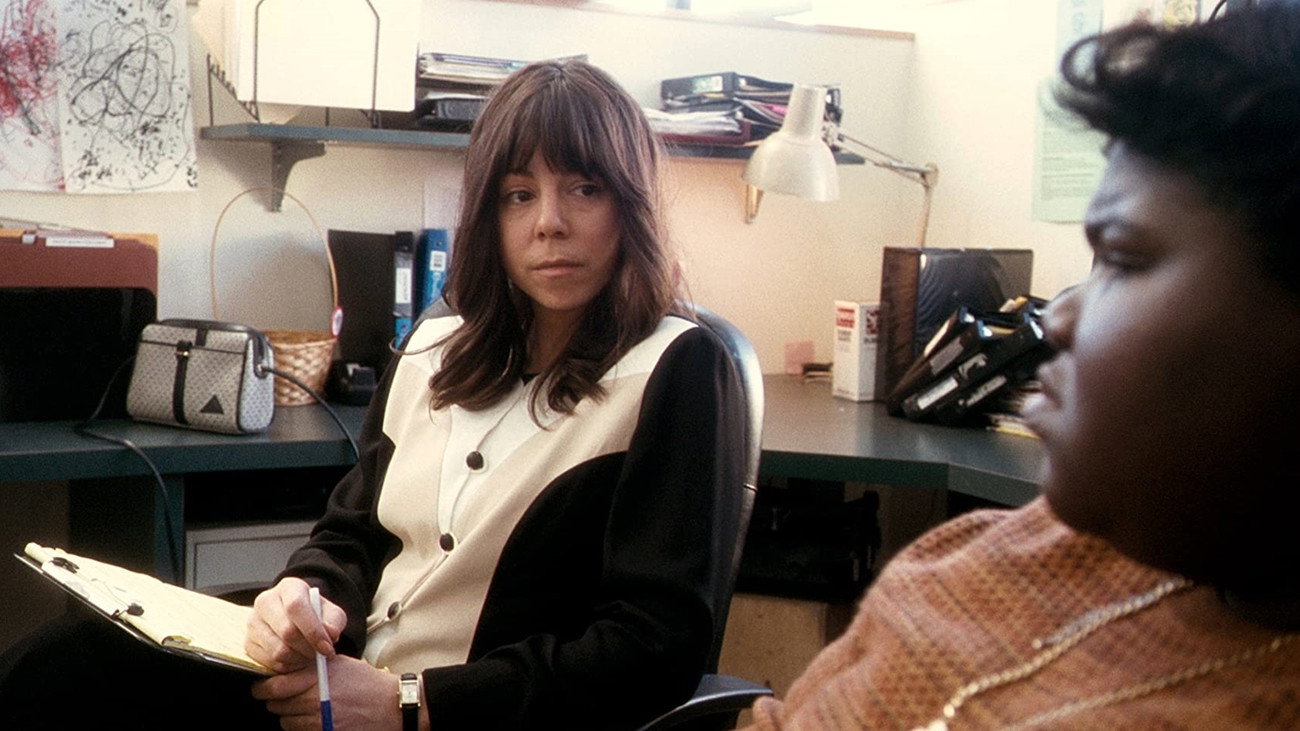
Still, Daniels makes room for kindness, and the help Precious receives from other women is essential to the film’s appeal. Paula Patton’s Ms. Rain and Mariah Carey’s Ms. Weiss are welcome presences alongside the two central performances. Stories of survival can become dutiful exercises in waiting for someone to offer help, but Precious’s humour keeps interrupting any such solemnity. Fletcher’s screenplay is most convincing when it lets her have a response other than misery to the people around her.

At 110 minutes, Precious asks for considerable stamina, particularly from anyone sensitive to depictions of abuse. We recommend it for Sidibe and Mo’Nique, with the caveat that Daniels’s urge to underline the suffering can make an already difficult film needlessly wearing. Choose it when there is time afterwards to sit quietly; this is not a drama to squeeze in before bed simply because it fits.
Critical consensus AI synthesised

77
Positive
11
Mixed
3
Negative
1

Most critics find Precious harrowing but deeply affecting, with praise concentrated on Gabourey Sidibe and Mo’Nique. Sidibe’s performance gives the central character an inner life beyond her suffering, while Mo’Nique draws repeated praise for her disturbing portrayal of the mother. The favourable reviews see compassion, humour and hard-won hope amid the abuse. Several also credit Lee Daniels’s direction with making difficult material compelling, though the acting earns more consistent approval than the storytelling.

The spread is wide, and even sympathetic critics question the shifts between brutality, fantasy and uplift. Reservations concern manipulation, uneven pacing and whether the accumulation of misery serves the character. The Guardian admires both leads but finds the movement between nightmare and sitcom-like reassurance awkward. The Playlist takes a harsher position, arguing that the film exploits audience empathy through contrived plotting and heavy-handed direction. Even that dismissal makes an exception for the lead performances.

RogerEbert.com
4 November 2009 · ★★★★/4 · Roger Ebert
100

The film is a great American story that moves from despair to inspiration through the hope offered by two women in Precious's life. It highlights powerful performances, especially by the debut lead and supporting cast, in depicting a girl's pain and resilience.

Read the full review →
Empire
30 December 2009 · Angie Errigo
90*

The critic finds the film a raw and powerful emotional journey of self-acceptance and hope that is dramatically a triumph despite some technical flaws. They single out the lead performance by Gabourey Sidibe as undetectable acting that fully draws the viewer into her life.

Read the full review →
The New York Times
5 November 2009 · A.O. Scott
90*

The adaptation avoids preachy realism and mixes styles to sing as well as howl about a life of horror and dysfunction. It is unabashedly populist in emotional appeal while challenging audience complacency as genuine art.

Read the full review →
Evening Standard
10 April 2012
85*

The critic describes the film as a bracing new-style weepie that is more uplifting than depressing and praises its truthful depiction of real life. They single out Mo’Nique’s performance as the monstrous mother as one of the best screen performances ever seen.

Read the full review →
The Hollywood Reporter
21 January 2009 · festival review
85*

The critic calls the film an overwhelming and masterful Sundance entry with a grim, disturbing story of merciless degradations, crystalline performances (especially from newcomers Gabourey Sidibe and Mo’Nique), and strong direction and technical work that elevates the material.

Read the full review →
Screen Daily
22 January 2009 · festival review
80*

The review calls the film compelling and inspirational despite its upsetting content, highlighting the electrifying debut performance of Gabourey Sidibe as the resilient teen. It singles out the unusual story and strong direction for making the portrait of hardship stand out at the festival.

Read the full review →

Cast

Stills

Awards

Academy Awards, 2010

Nominated
Best Actress
Nominated
Best Director
Nominated
Best Film Editing
Nominated
Best Picture
Won
Best Supporting Actress
Won
Best Writing, Adapted Screenplay

Producers Guild Stanley Kramer Award, 2010

Won
Producers Guild Stanley Kramer Award

If you liked this, try…

Fish Tank poster85

Fish Tank

2009 · Another teenage girl given difficult circumstances, complicated feelings and room to be angry.

Rosetta poster

Rosetta

1999 · A young woman’s need for work becomes an exhausting, gripping physical struggle.

The 400 Blows poster91

The 400 Blows

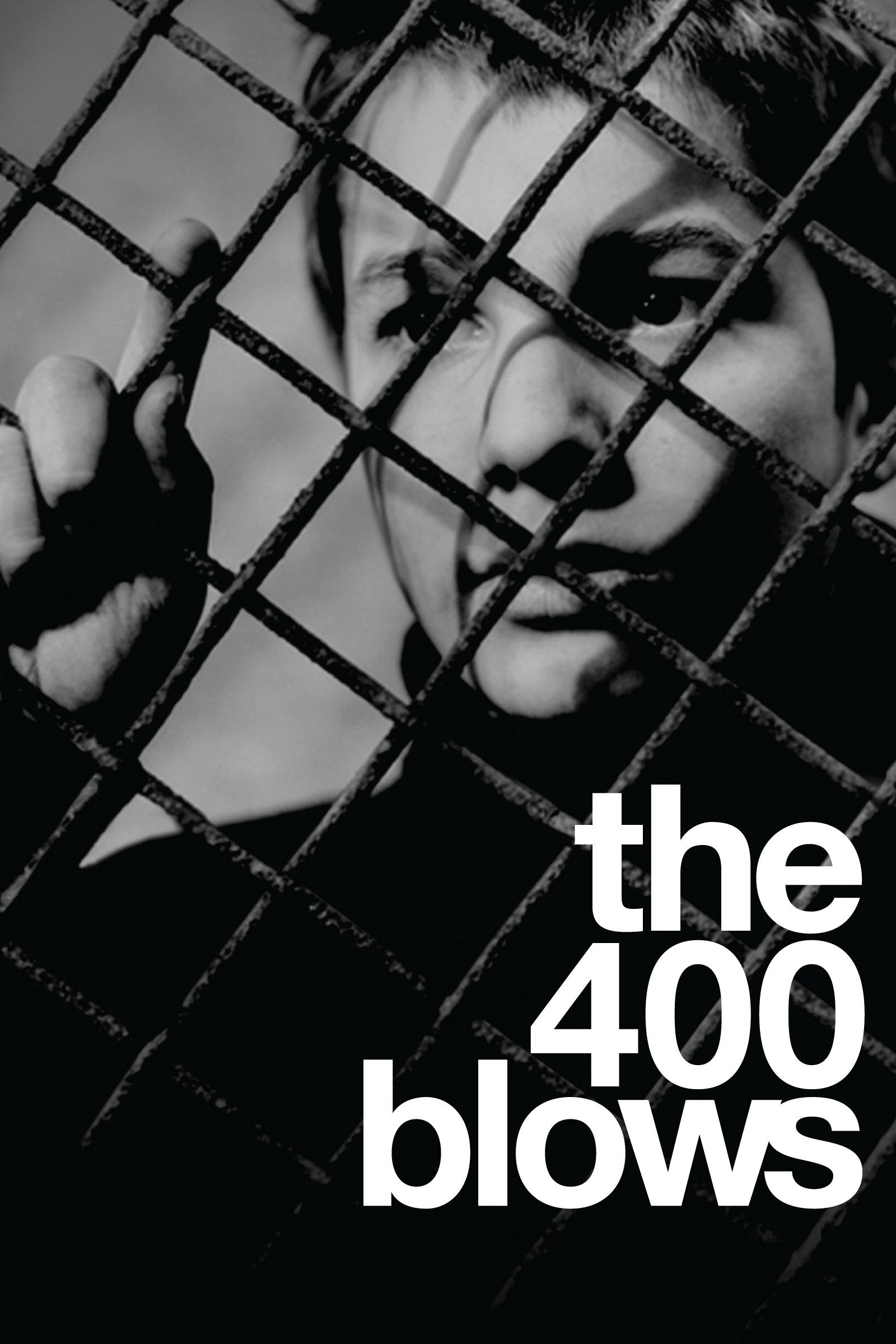
1959 · A neglected boy’s defiance, filmed with sympathy that never asks him to behave.

The Quiet Girl poster

The Quiet Girl

2022 · A quieter account of childhood neglect, attentive to the practical details of kindness.

Moolaadé poster

Moolaadé

2004 · Women resist an abusive tradition, with anger, humour and an understanding of community.