Martin Scorsese’s boxing drama is punishing, exact and worth the discomfort, with Robert De Niro making Jake LaMotta frighteningly difficult to dismiss. The repetition outside the ring can weary us, but the violence never becomes an easy pleasure.
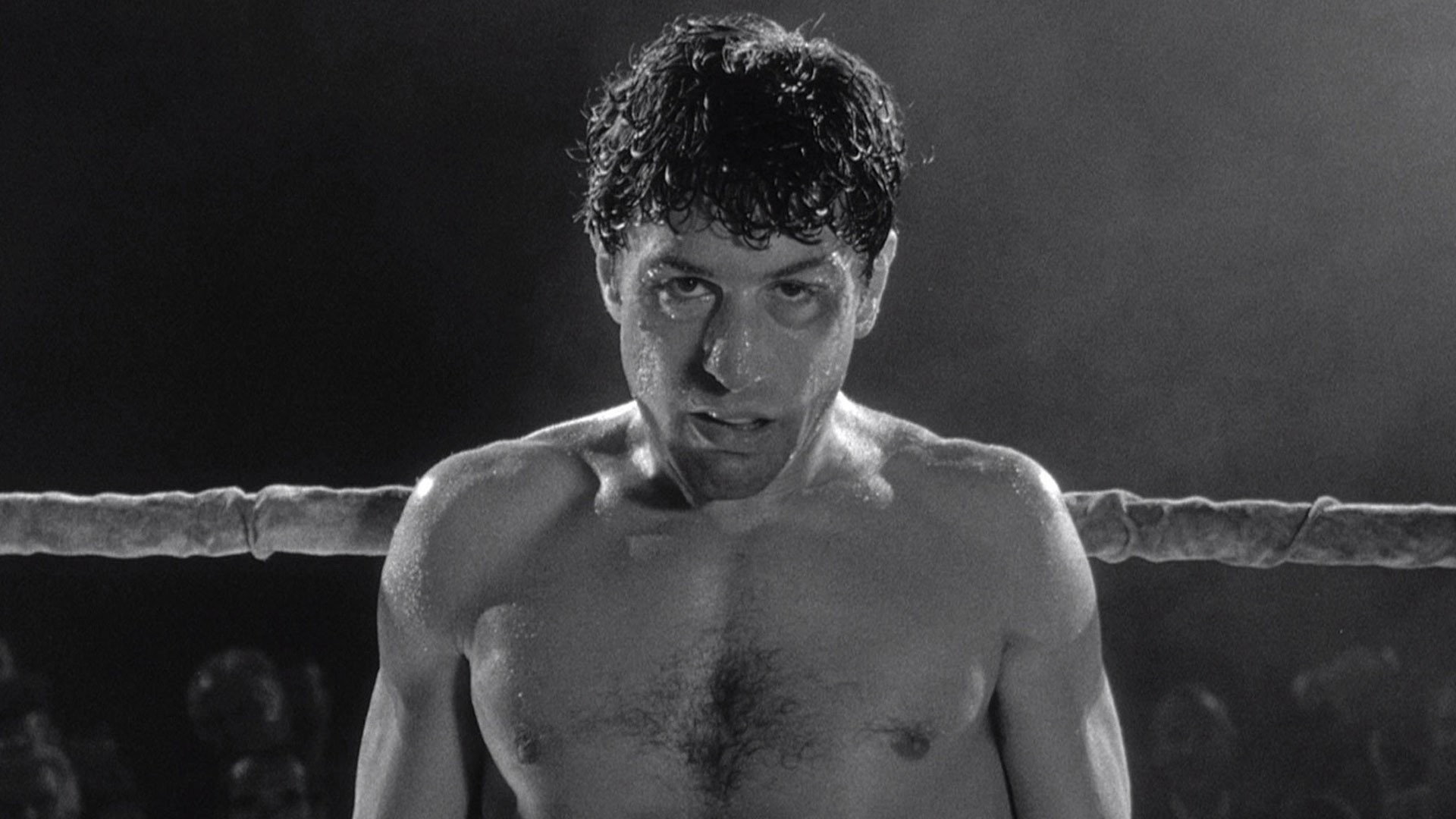
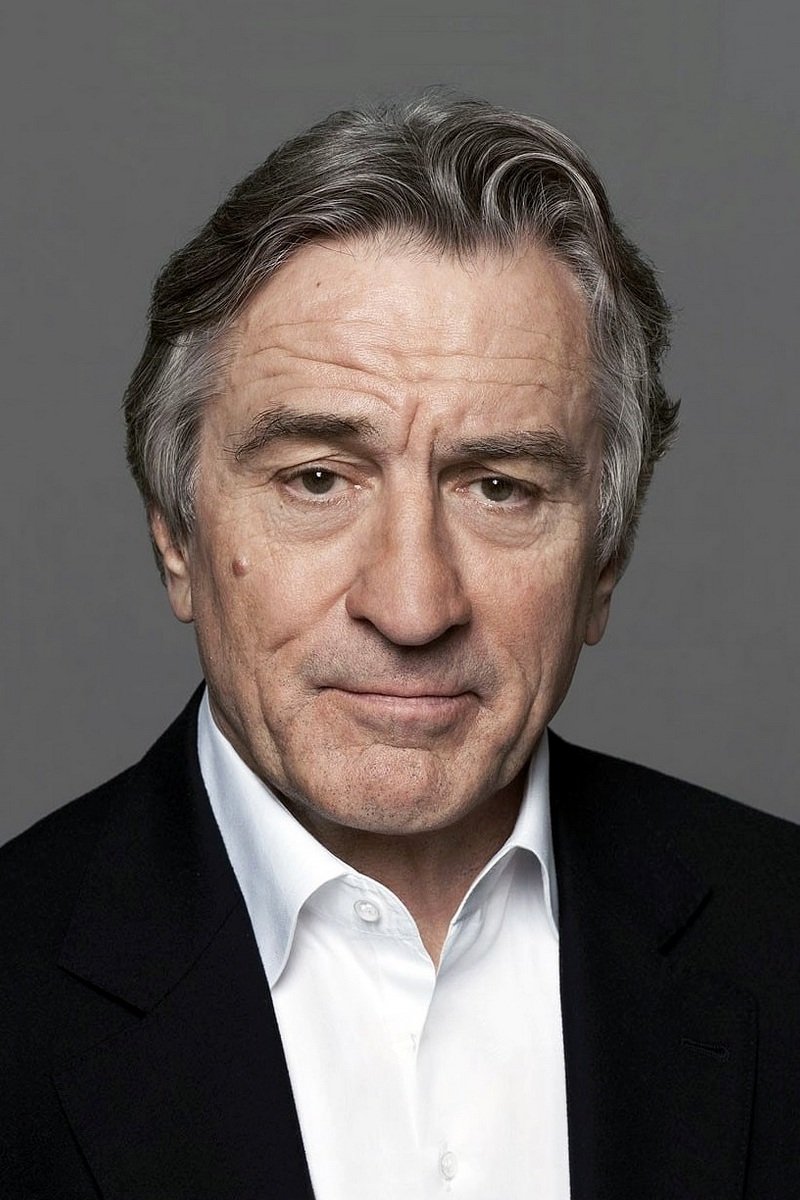
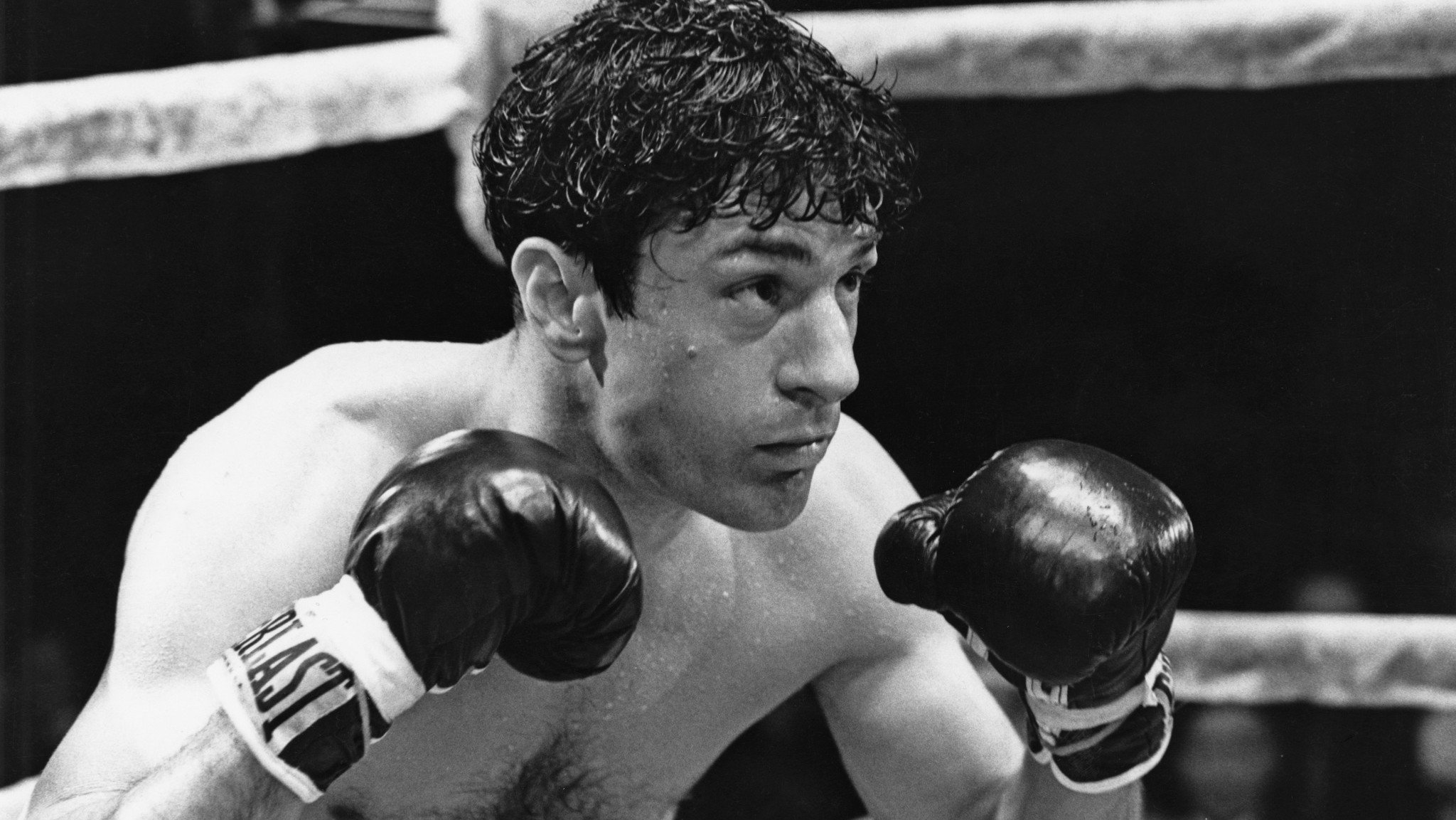
Martin Scorsese’s Raging Bull is worth the discomfort it causes. Boxing gives Jake LaMotta somewhere to put his aggression, and the film makes that aggression difficult to mistake for courage. The harder question is why we should spend 129 minutes with a man whose jealousy makes other people’s lives so difficult. Robert De Niro’s performance supplies a persuasive answer, although there are stretches when the repeated hostility tests our patience.
De Niro makes Jake’s limited emotional range frighteningly absorbing. He gives suspicion the concentration another man might devote to listening, so we can sense the effort Jake puts into misunderstanding people. We were horrified by his exchanges with women, where an ordinary remark seems liable to become evidence against the person saying it. The fear beneath the bullying remains visible, but De Niro never makes it an excuse. We can recognise the feeling and still want someone to get away from him.
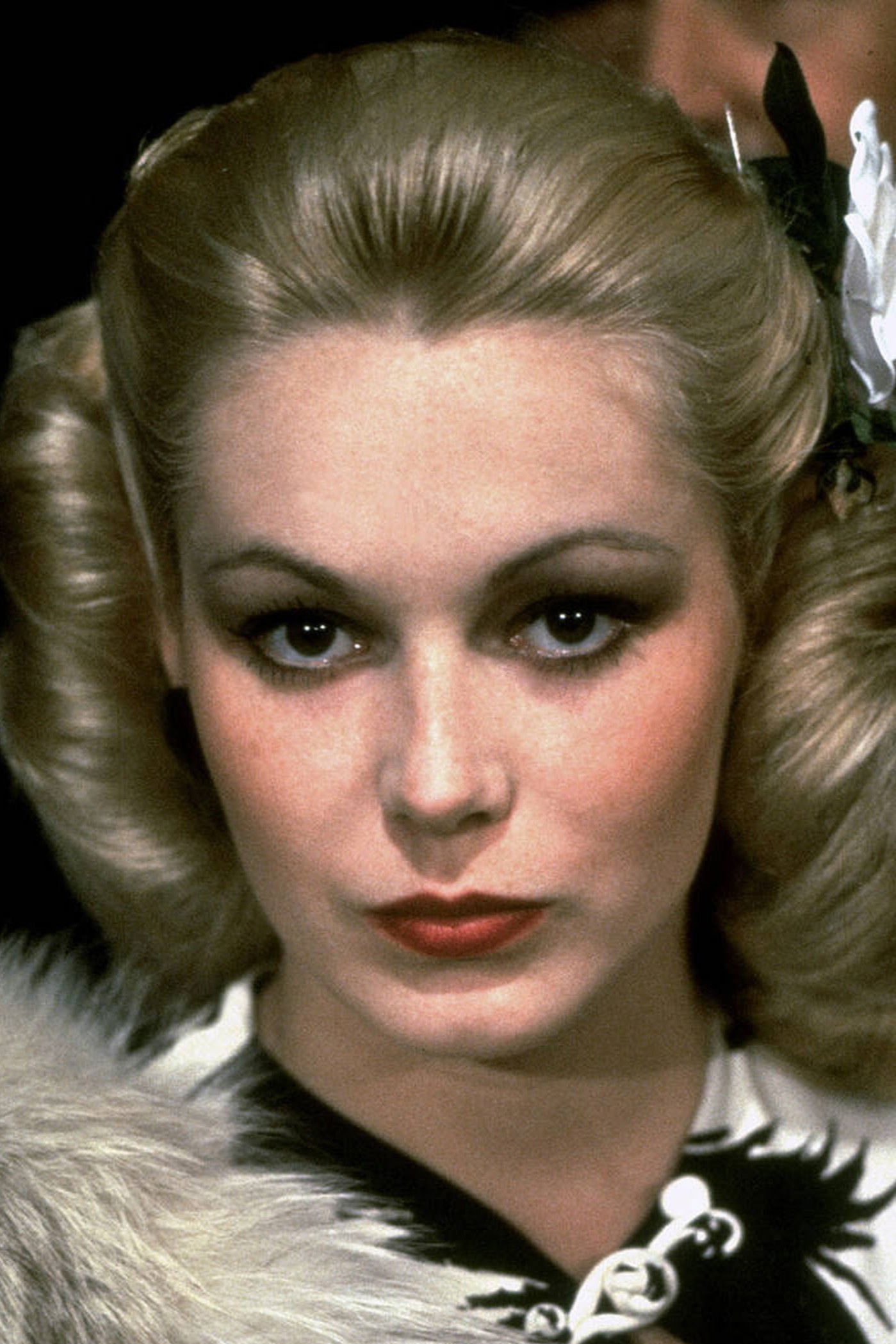
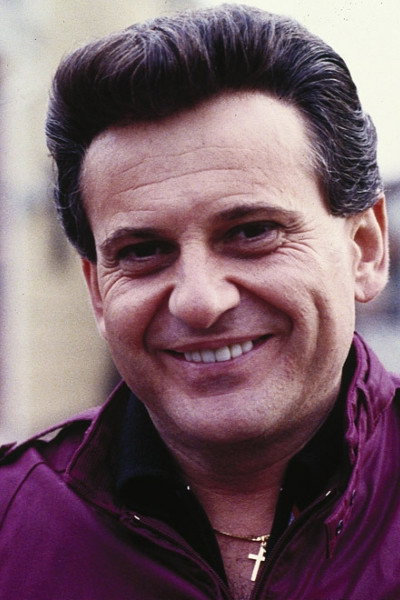
Cathy Moriarty’s Vickie and Joe Pesci’s Joey give us other people worth watching. Moriarty makes Vickie’s watchfulness interesting in its own right; we want to know what she thinks before Jake decides for her. Pesci brings a quickness to the dialogue that makes a conversation involving Jake feel briefly less dangerous. Both actors can hold our attention while De Niro is there, which matters. They help Mardik Martin and Paul Schrader’s screenplay sustain encounters in which Jake gives other people so little chance to be heard.
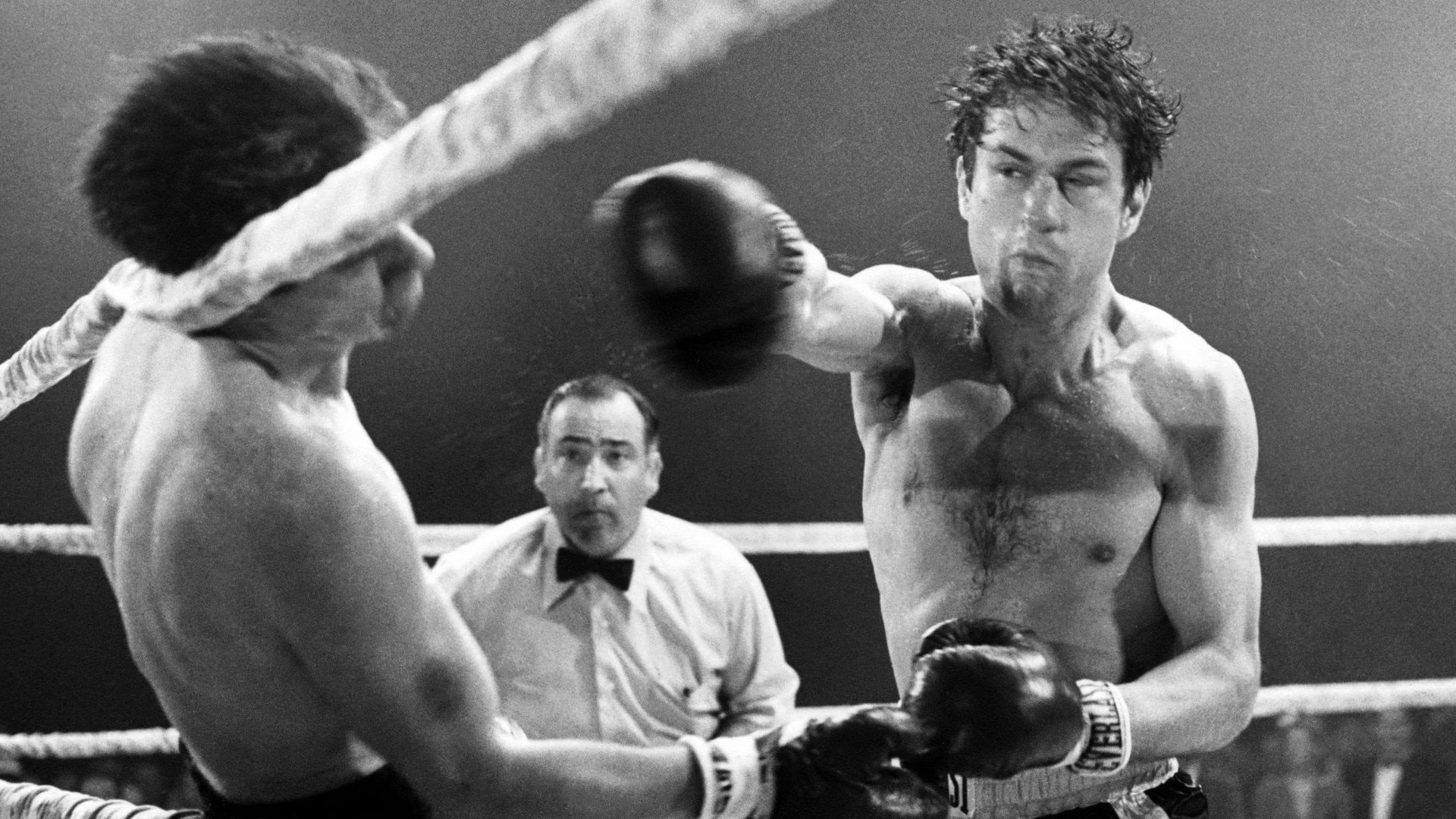
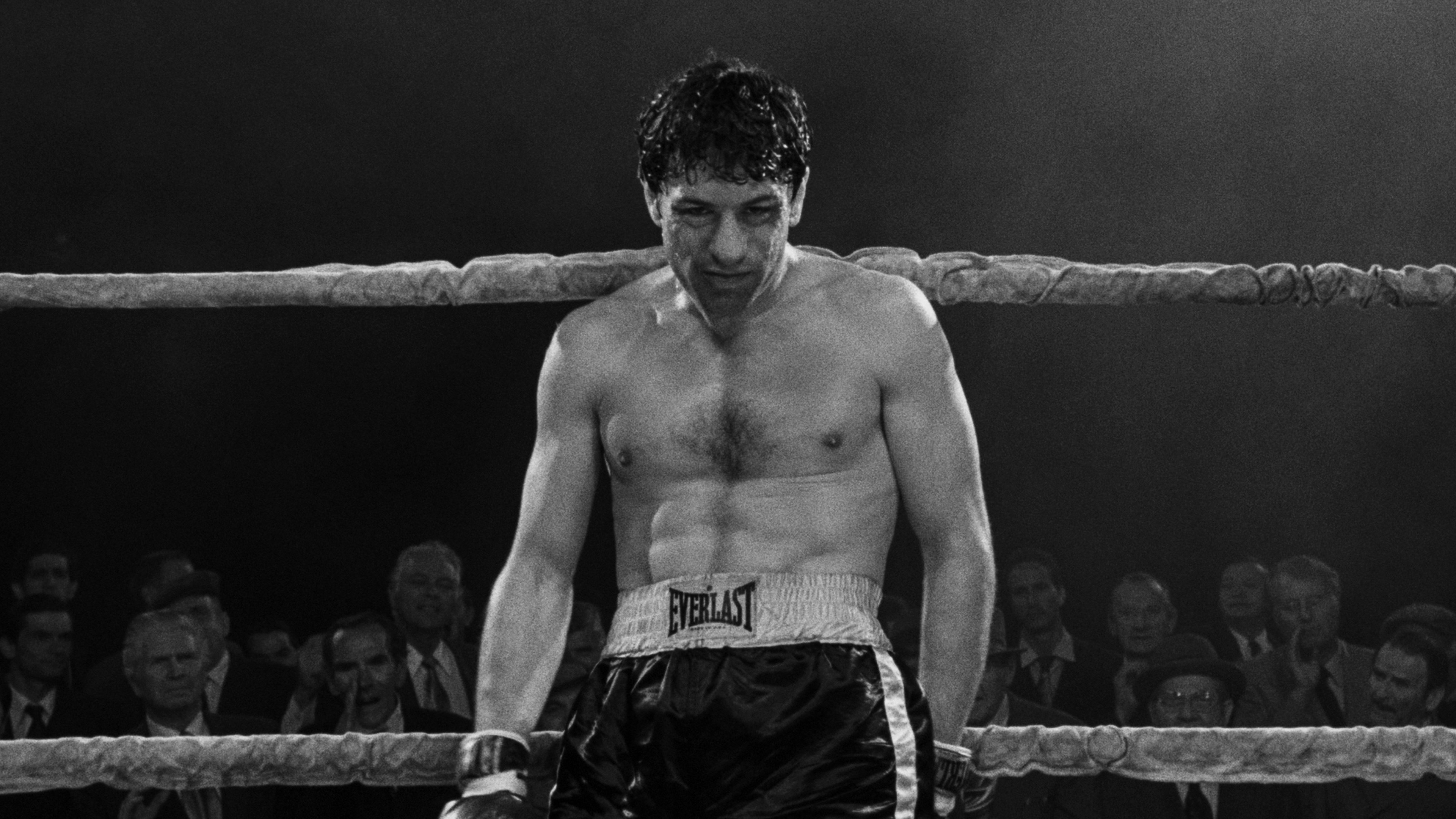
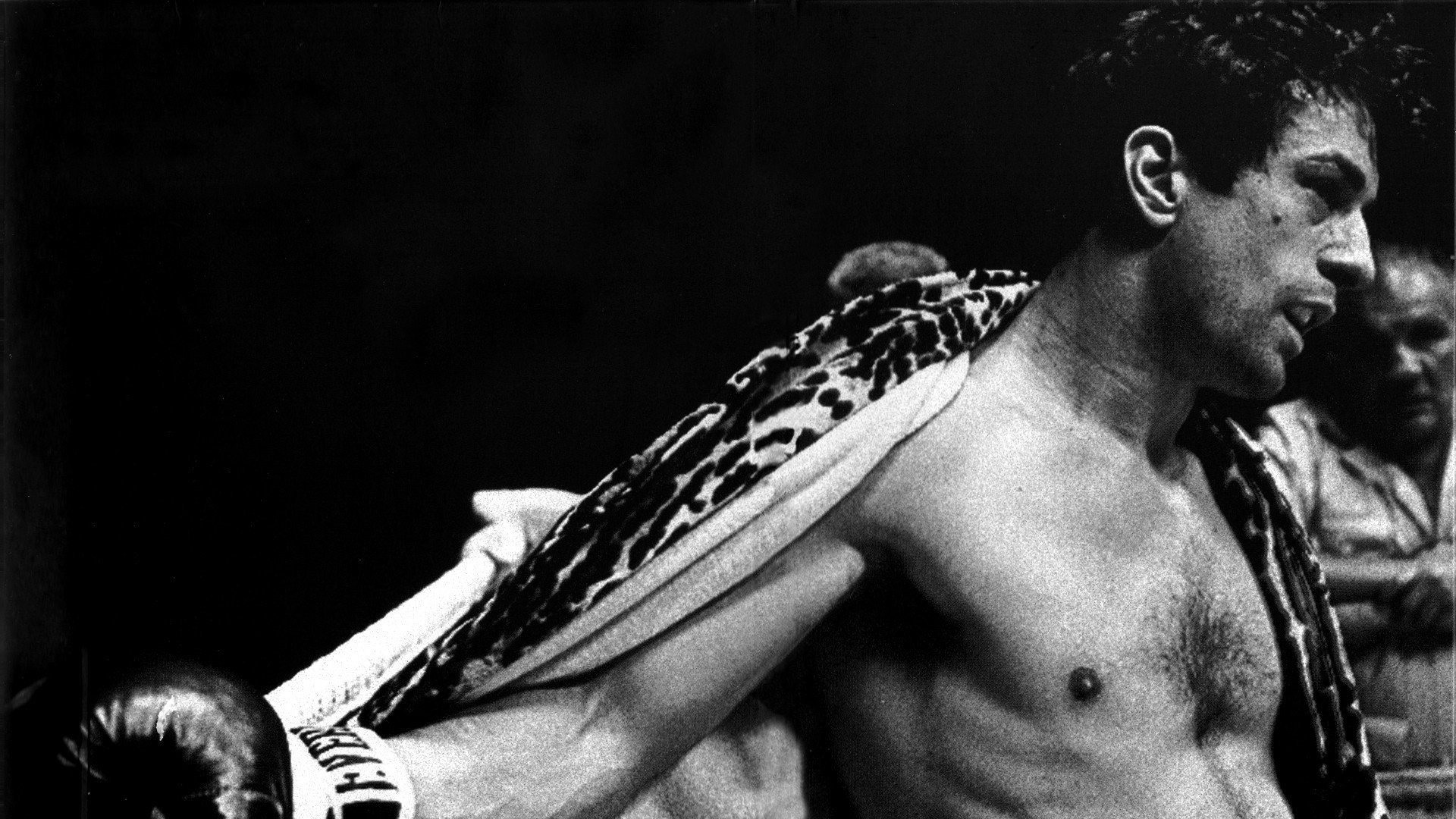
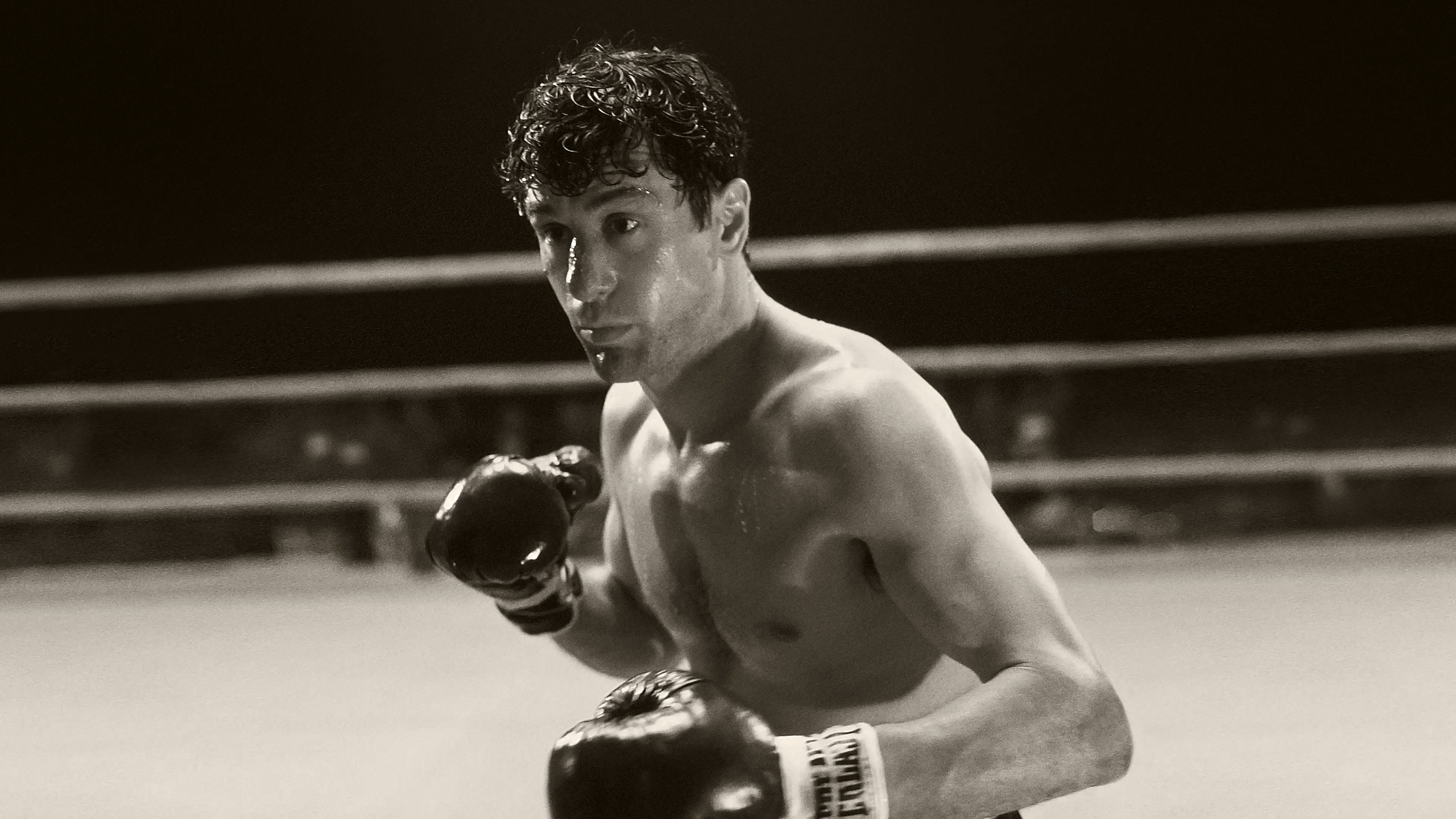
Michael Chapman’s black-and-white photography moves between drab everyday surroundings and boxing that feels feverish and unreal. Blood on the ropes makes it difficult to enjoy the choreography simply as a display of skill, however precisely Scorsese organises the fighting. Thelma Schoonmaker’s editing gives the blows a rhythm without making them comfortable to watch; the bouts have shape, and the violence still feels ugly. The images are compelling enough to keep us looking when we would rather stop.
Gene Rudolf’s production design makes Jake’s surroundings feel cramped; there is little relief when we leave the ring. Pietro Mascagni’s music is tender enough to make the brutality harder to bear, and its use avoids the simple instruction to get excited about a fight. There is sadness in the music that Jake has trouble putting into words. It is one reason the film can hold our attention without making him more agreeable.
The film does become repetitive away from the fights. In the writing, jealousy and hostility recur so insistently that some exchanges confirm what we already know rather than show us anything further. The more doubtful reviews have a point about the uneven energy: the boxing can make the surrounding dialogue seem slow. We would shorten a few conversations, though the actors keep enough tension in them for us to stay interested even when Jake’s next suspicion is too easy to anticipate.
An inspirational boxing drama would have little use for this version of Jake. Scorsese is interested in how the qualities that make a fighter formidable become a daily burden for the people around him. That gives the film enough to occupy us beyond its ring sequences, however difficult the company. See it when you can give De Niro your attention, and do not expect to feel refreshed afterwards.