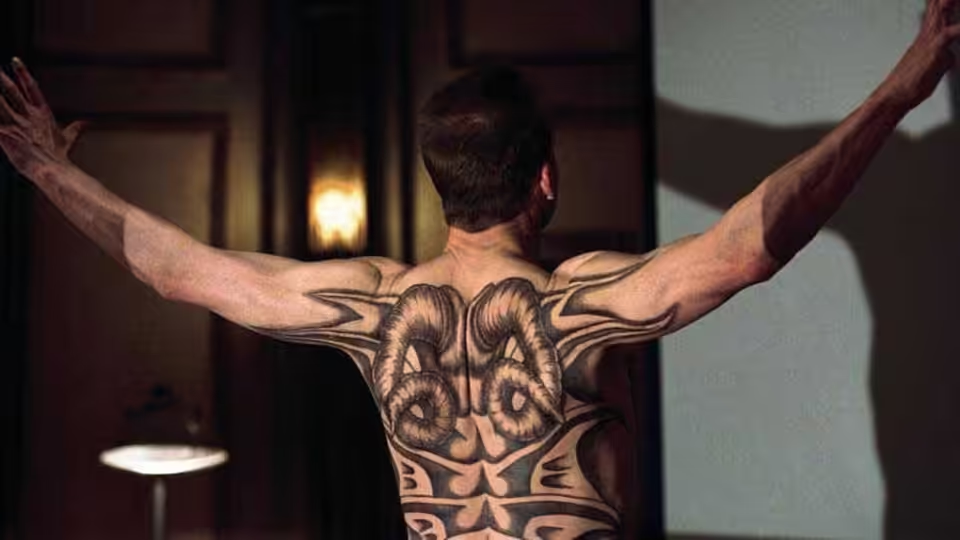
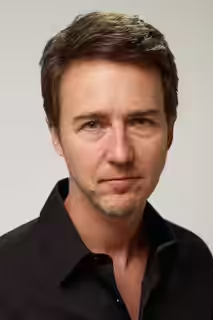
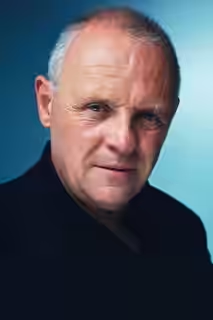
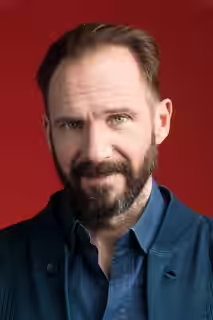
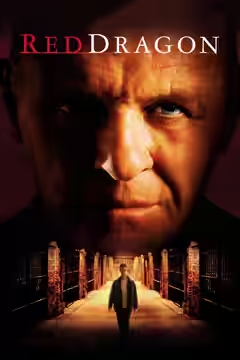
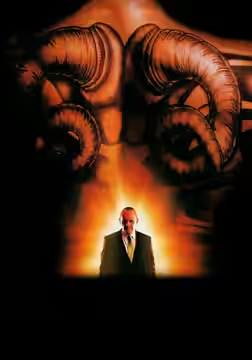
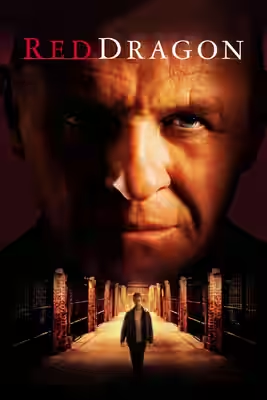
Brett Ratner’s Red Dragon is a capable thriller whose actors make more of an impression than its scares. Ralph Fiennes supplies the unease, though the familiar plotting and cautious direction keep it from becoming properly frightening.
Brett Ratner’s Red Dragon is a competent thriller with a persuasive cast and rather ordinary ways of frightening us. It takes the murder mystery seriously, gives the actors room and generally keeps us interested in what happens next. Yet the direction is so cautious that the film seldom develops the oppressive atmosphere its subject needs. For anyone chiefly interested in the performances, there is enough here to justify an evening.
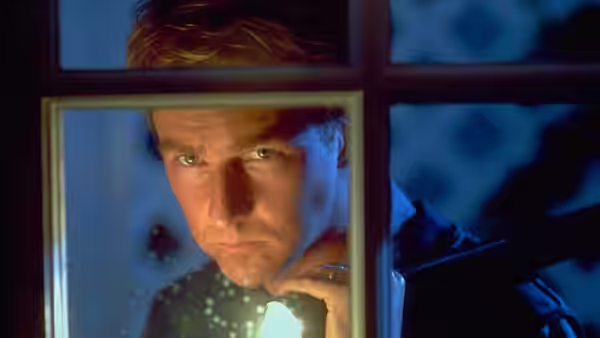
Edward Norton plays Will Graham with a restraint that initially suits the material. He does not strain to advertise intelligence, and his attention gives the mystery a credible centre. But the performance remains so carefully controlled that we rarely feel the cost of that attention; the part needs an anxiety he seems reluctant to let us see. We can follow his thinking without becoming sufficiently worried about him, which is a considerable limitation in a thriller.
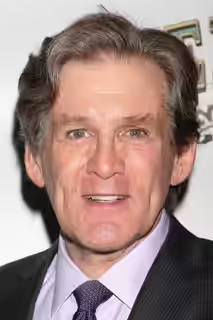
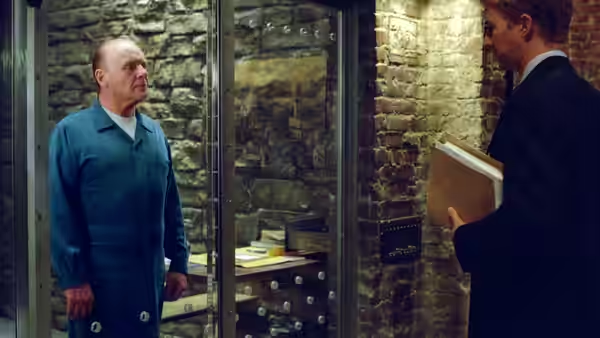
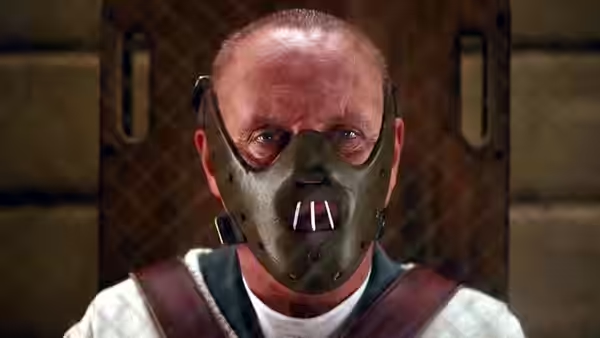
Anthony Hopkins, as Hannibal Lecter, causes a different difficulty. He is such assured company that waiting for his next line can become more pleasurable than being frightened by him. His precision is enjoyable, particularly alongside Edward Norton’s more sober playing, but too much of the pleasure lies in recognising what we have come for. Brett Ratner seems content to let that familiarity do the work, and the performance could use a little less comfortable accommodation.
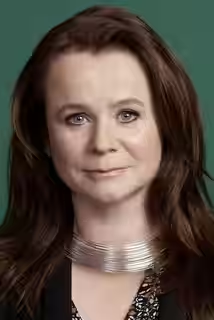
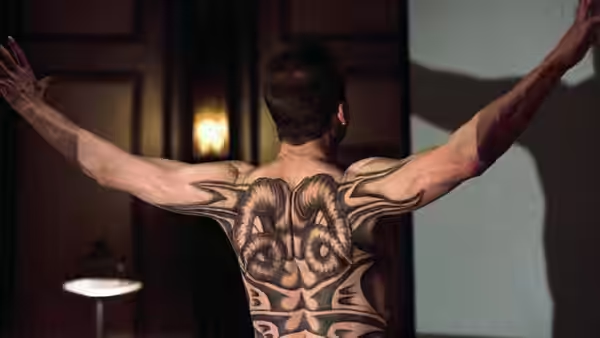
Ralph Fiennes plays Francis Dolarhyde with a strain that is harder to sit with. His awkwardness makes the ordinary business of being near another person seem to require an exhausting effort. We were unsettled by that stiffness, because it suggests someone struggling to control himself without needing a sudden shock to underline the danger. Emily Watson’s Reba McClane provides welcome warmth, and her unforced playing gives us something to attend to beyond the mechanics of the mystery.
Dante Spinotti’s cinematography is clear and controlled, though the images seldom make us apprehensive before the acting does. Kristi Zea’s production design has a similar assurance: we accept the surroundings without finding ourselves studying them for danger. Mark Helfrich’s editing keeps the investigation intelligible, but its orderly progress gives the shocks an unfortunate air of arriving when expected. Danny Elfman’s score works hard at menace, sometimes so hard that we become conscious of the musical encouragement instead of feeling afraid.
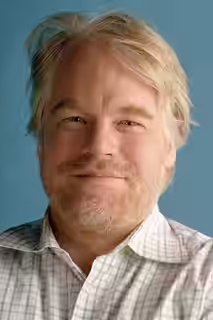
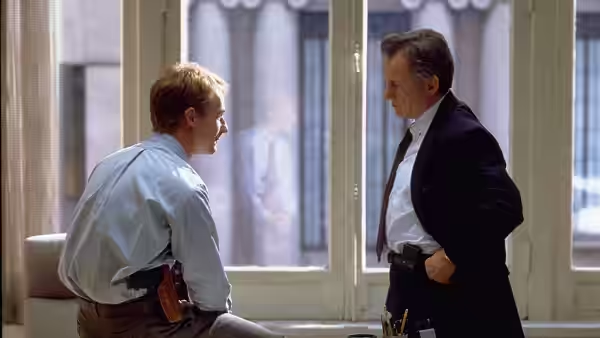
Ted Tally’s screenplay, adapted from Thomas Harris’s novel, gives the cast enough to do but is less disciplined about how long it needs to do it. At 124 minutes, the film allows its efficient stretches to be interrupted by passages that repeat an effect already achieved. Harvey Keitel and Philip Seymour Hoffman help keep our attention on the people when the writing starts to feel overworked. The performances sustain interest through these stretches, though the accumulating tension a thriller needs is harder to recover.
The crime thrillers that linger tend to make us uneasy even while nothing much is happening. Here, too often, we can feel the film preparing its next jolt, and that warning gives us time to pull back. There is still pleasure in watching capable actors take this material seriously, especially when Ralph Fiennes makes its cruelty feel uncomfortable again. Choose it for the cast, with expectations for the surprises kept modest.