Jeremy Irons gives Barbet Schroeder’s drama its unsettling humour, and Ron Silver keeps it moving. This is a sharp, absorbing study of money and justice, though its coolness towards the people involved sometimes feels too easy.
Barbet Schroeder’s Reversal of Fortune is an absorbing, dryly funny drama, worth an evening if questions of money and justice are your sort of entertainment. Nicholas Kazan’s screenplay approaches the von Bülow case with a useful suspicion of the pleasure we take in inspecting wealthy people’s lives. There is plenty here to encourage that pleasure, especially the opportunity to study Claus von Bülow. The reservation is that its people can seem interesting only for the questions they raise.
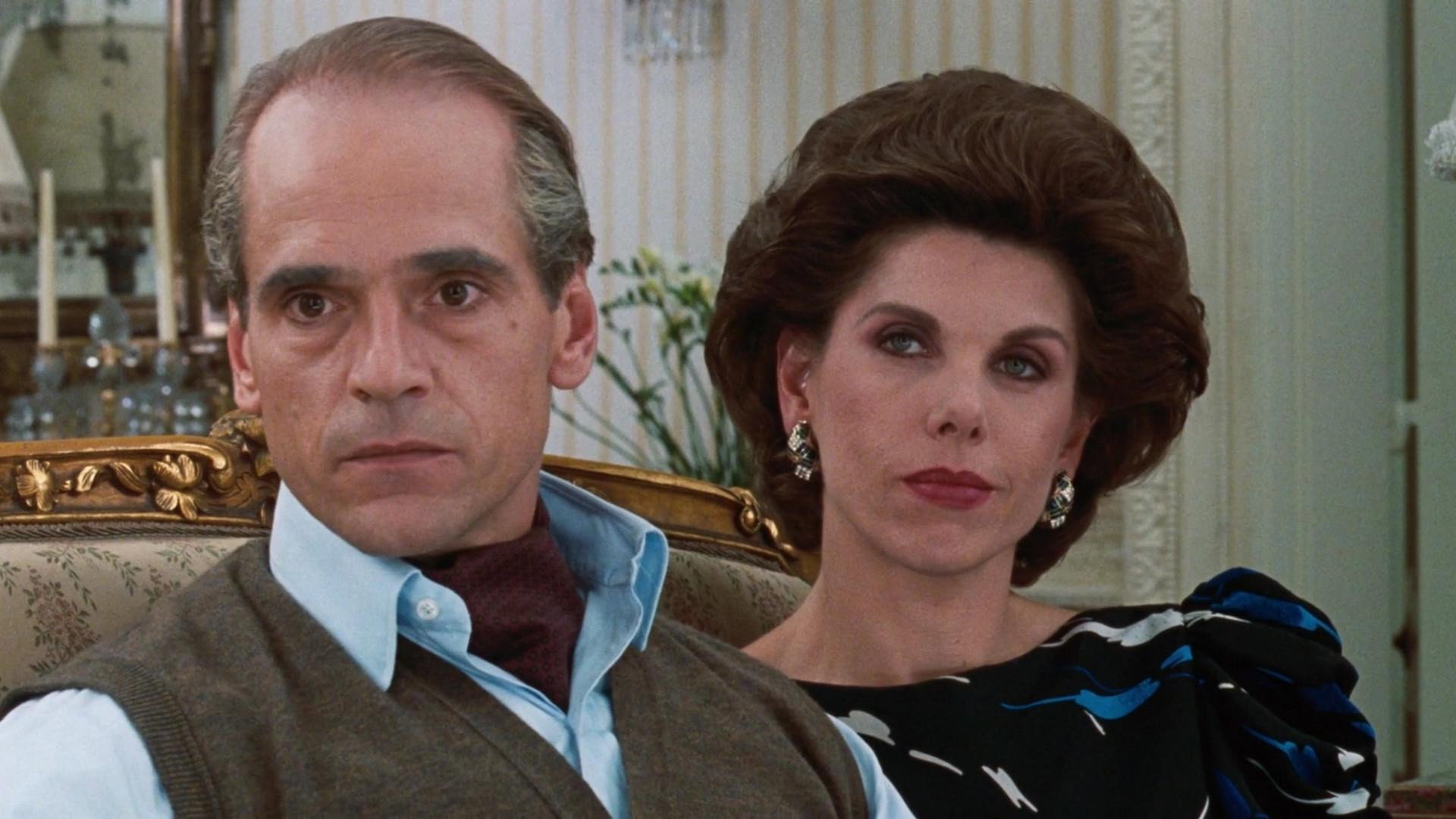
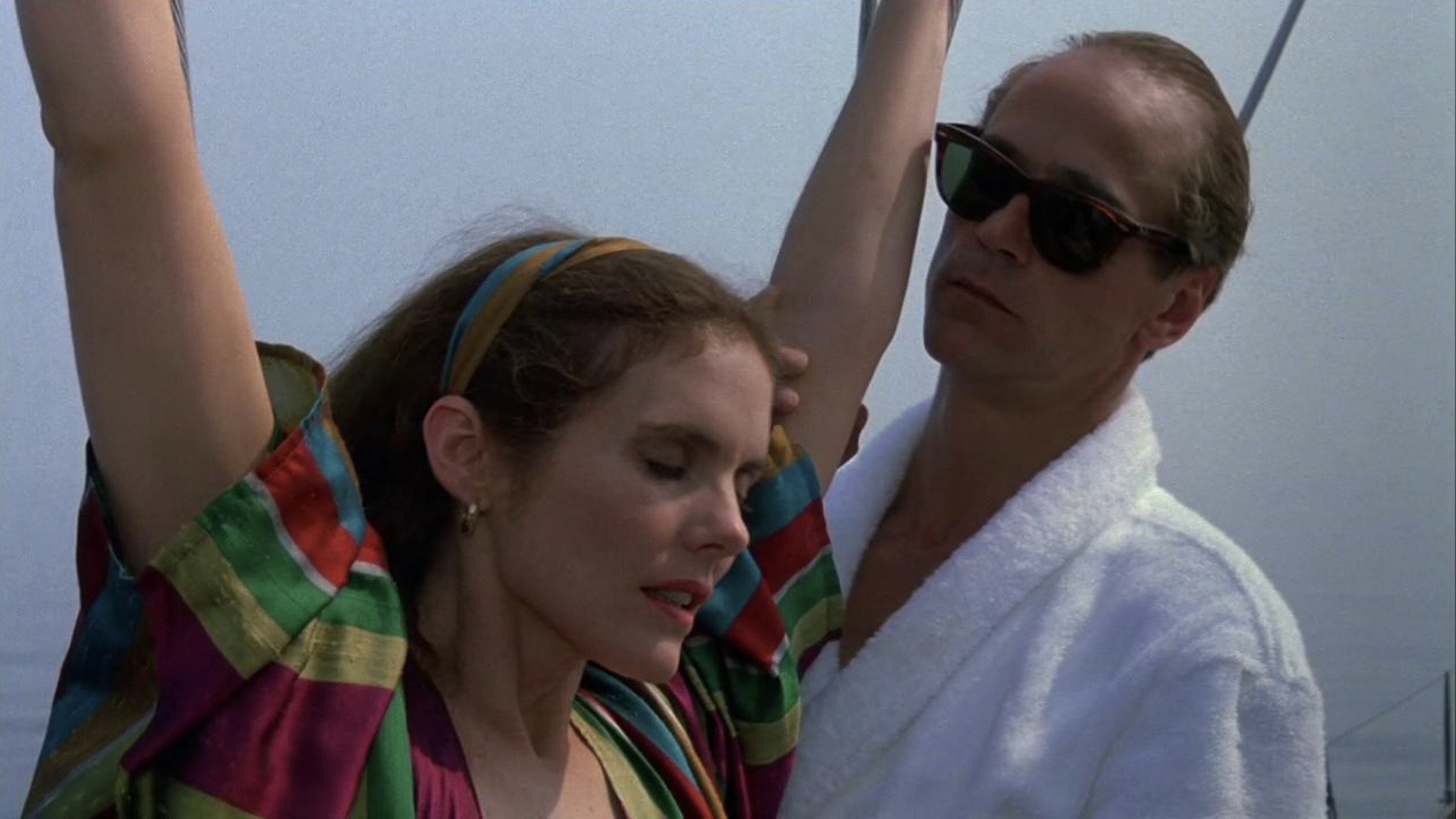
Jeremy Irons gives Claus an elaborate manner that is funny before we have decided what to make of it. His self-possession holds our attention, and the performance makes his courtesy seem worth examining for a second meaning. We laughed at his politeness, then felt uneasy about how readily it had won us over. Irons makes it possible to enjoy Claus’s company while remaining wary of him, which is a considerable part of the film’s appeal.
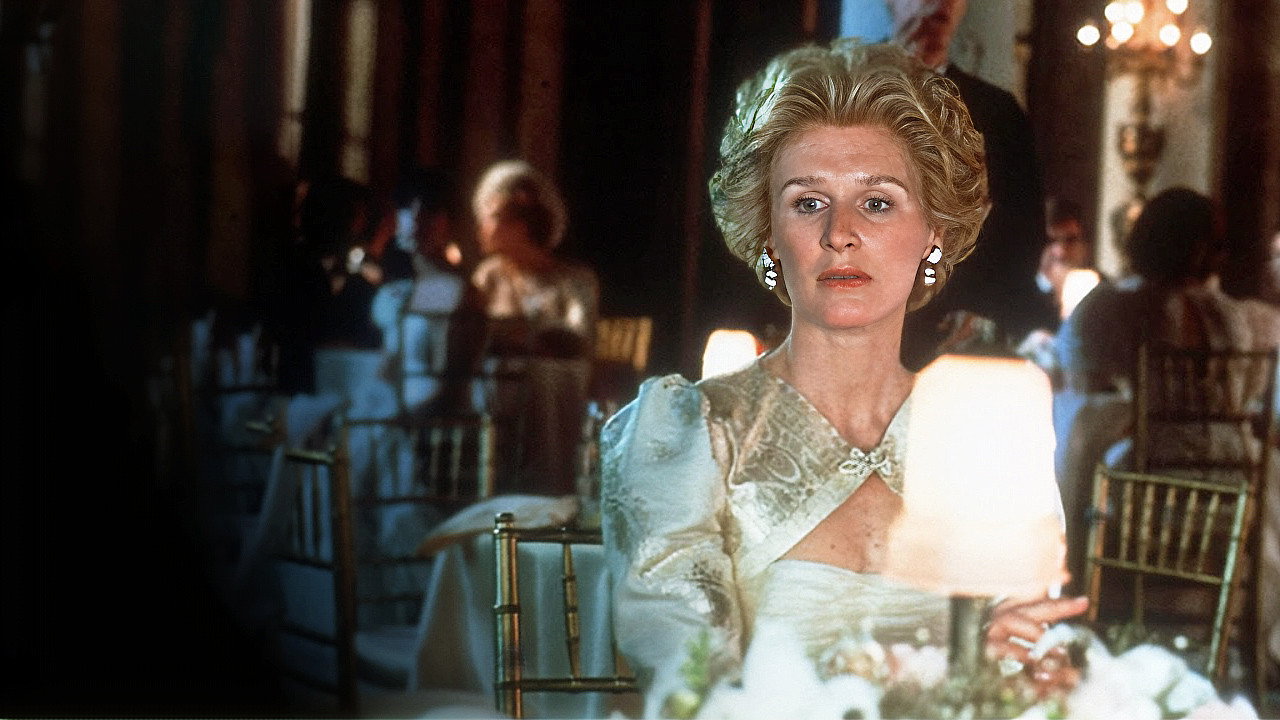
Ron Silver, as Alan Dershowitz, is a useful corrective to all this fascination with Claus. His more direct manner gives the drama some urgency, and he stops Irons’s performance becoming the only reason to keep watching. Glenn Close has the harder task of making Sunny von Bülow matter in a film whose men are such a source of entertainment. She brings a necessary seriousness to the story, though the writing does not always let that seriousness develop into much feeling. Close also supplies the narration.
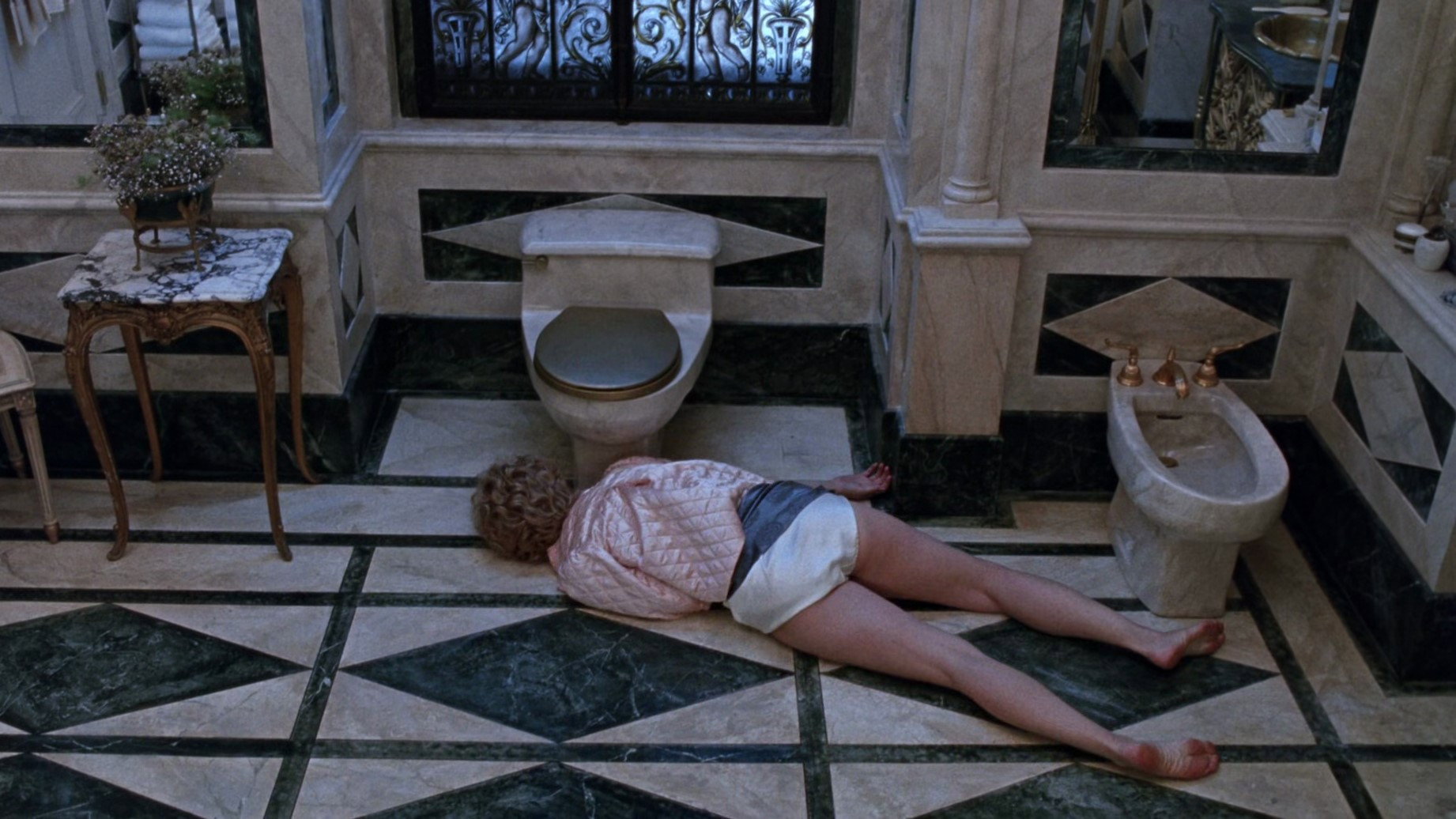
Luciano Tovoli’s cinematography encourages us to scrutinise faces without promising that a close look will explain anybody. Mel Bourne’s production design gives the money a constant presence, allowing the film to be about wealth without requiring every conversation to mention it. The surroundings are part of what makes these people absorbing to watch, even when their behaviour is difficult to like. Schroeder understands the attraction of being allowed to inspect lives this comfortable.
Lee Percy’s editing makes good use of the differences between the actors, finding momentum in the shift from Irons’s reserve to Silver’s impatience. That gives the case a pace which does not depend entirely on fresh information arriving. Mark Isham’s music fits the uncertain mood, although its restraint adds to the sense that strong feeling is being kept at a safe distance. The film runs 111 minutes, and its curiosity about these people rarely flags.
The difficulty comes when the drama asks for more than curiosity. Kazan and Schroeder are perceptive about the ways money influences judgement, but their treatment of the people can feel too satisfied with keeping them at arm’s length. A legal drama need not make its characters lovable, yet we should feel something beyond interest in what they might have done. Here, the humour is more convincing than the hurt, and some viewers will find the detachment wearing.
The familiar pleasure of a legal drama is watching the facts come under scrutiny, but Schroeder also makes the scrutiny of manners entertaining. Irons and Silver reward close attention without making every exchange feel like an instruction to spot a clue. That is enough to recommend the film, particularly to anyone who enjoys questioning why one person seems more credible than another. Save it for company who will enjoy disagreeing afterwards.