Film review

Rush

2013 · Directed by Ron Howard · 2h 03m · MPA R

In a sentenceWe spent the races gripping a sofa that was in no danger of overtaking anything

DramaAction

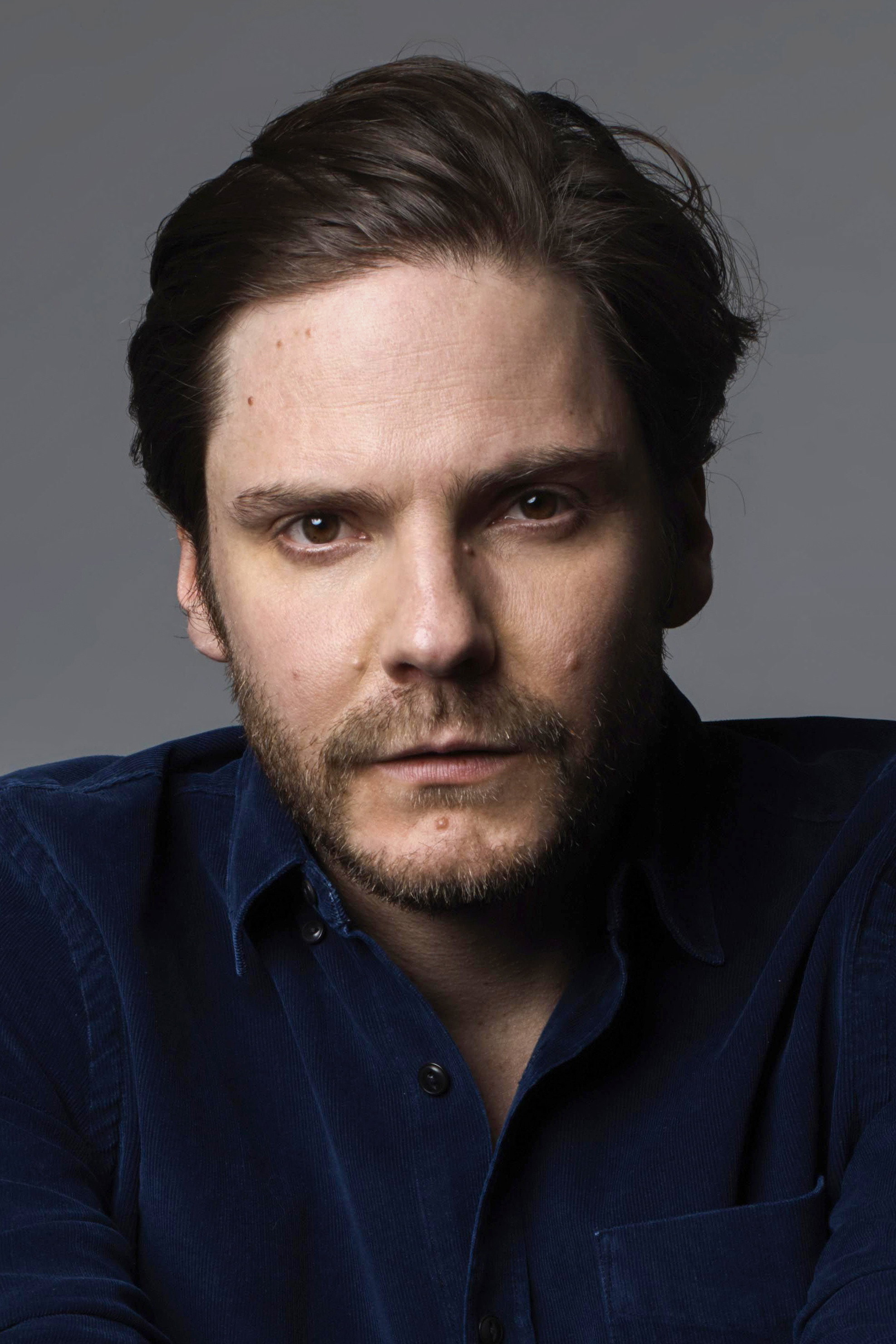
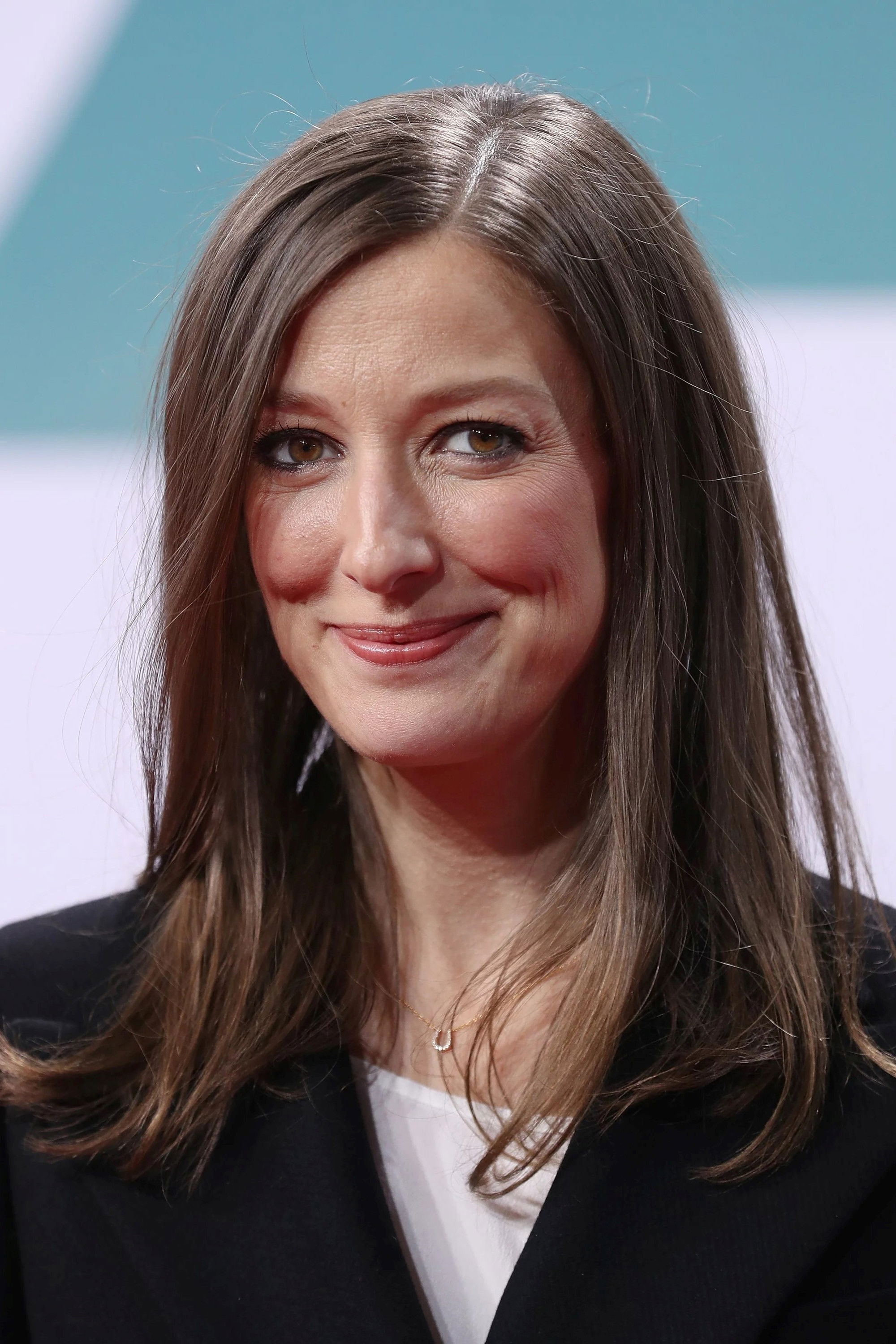
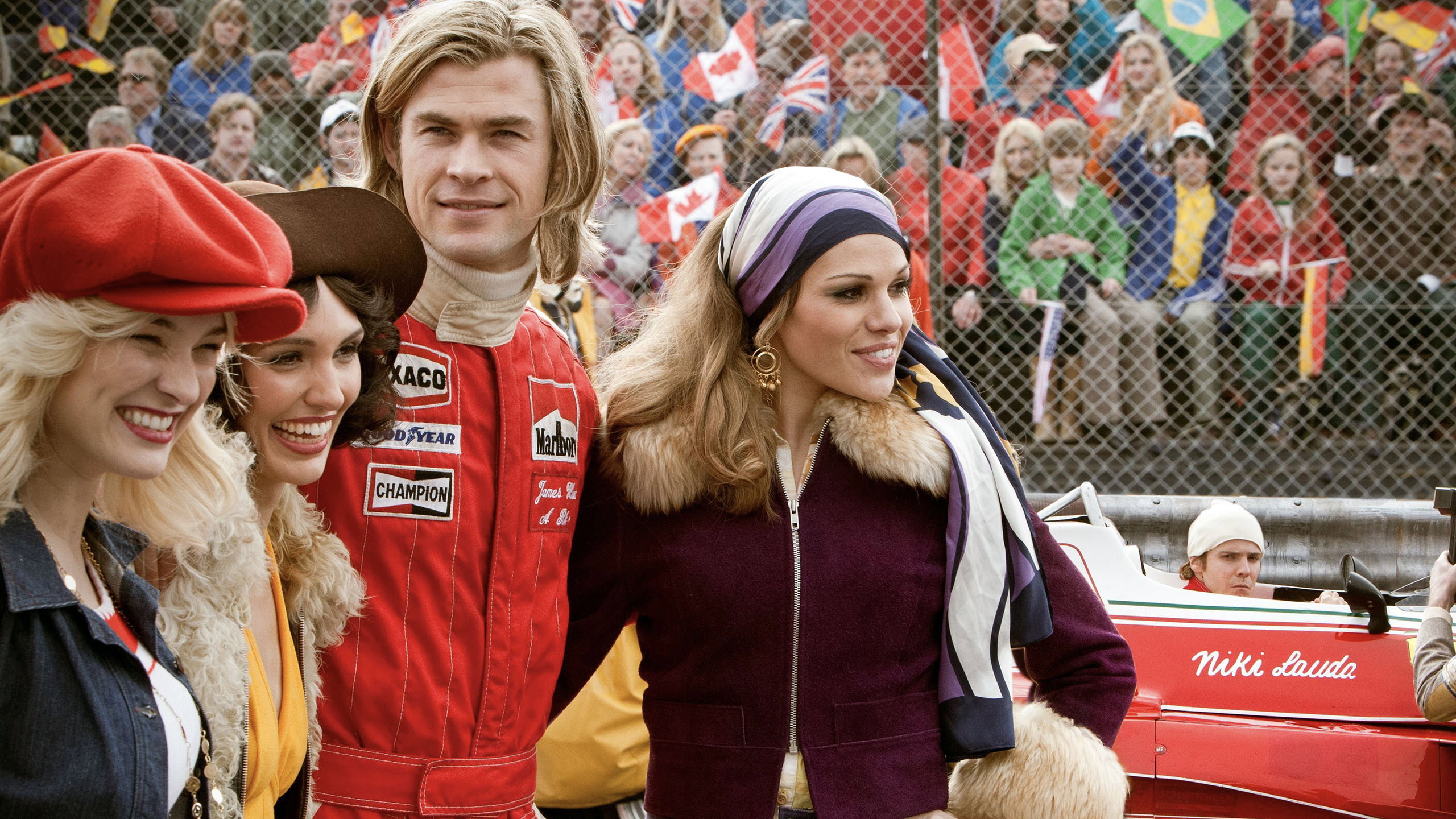
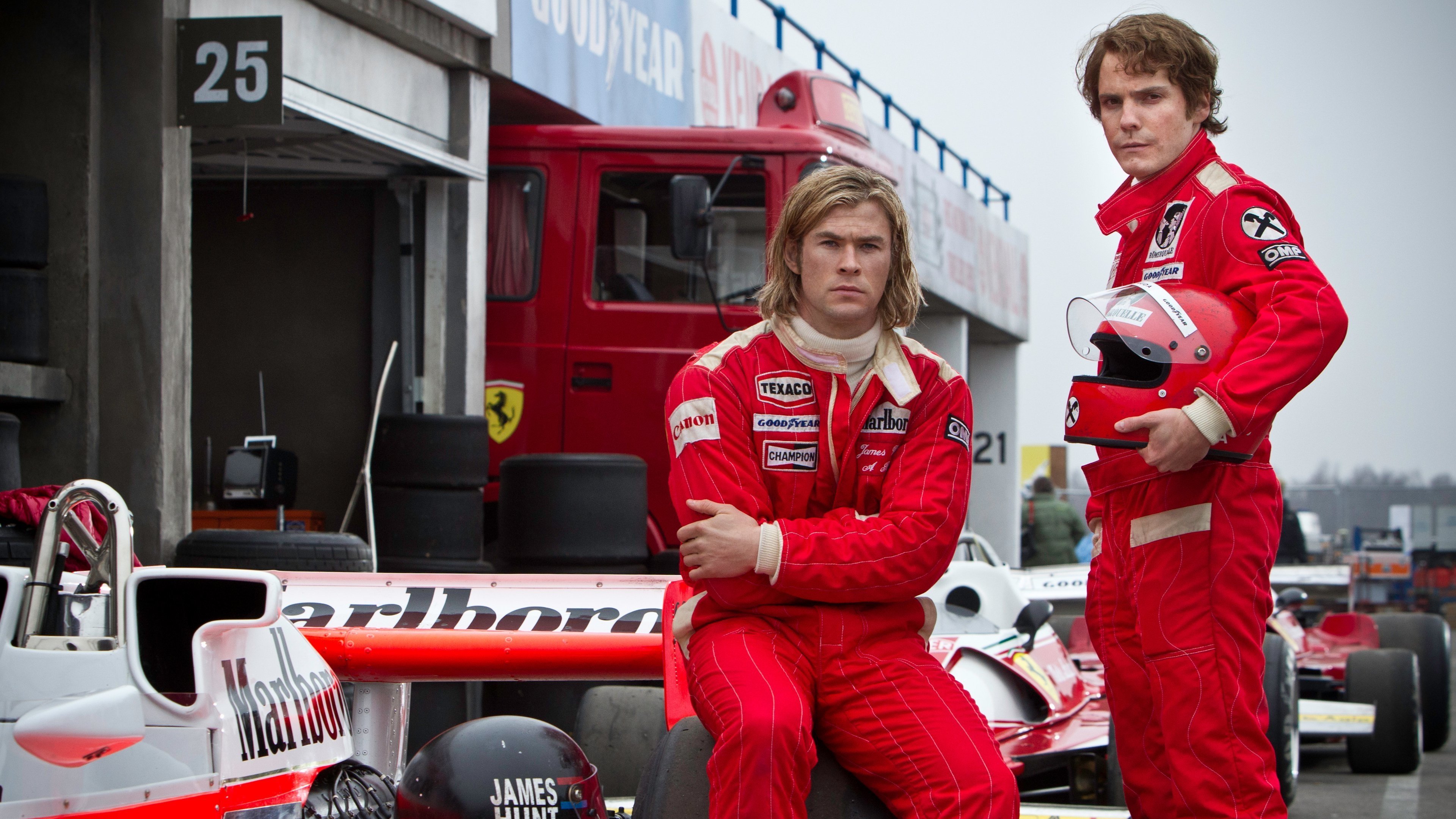
James Hunt (Chris Hemsworth) and Niki Lauda (Daniel Brühl) compete in 1970s Formula One, bringing different temperaments to a sport that rewards speed and carries the threat of injury. Hunt’s swagger and appetite for pleasure contrast with Lauda’s meticulous approach to racing. As their rivalry develops, each has to contend with a competitor whose priorities he struggles to understand. Ron Howard directs Peter Morgan’s drama about the drivers’ lives on and off the track, with Olivia Wilde as Suzy Miller and Alexandra Maria Lara as Marlene Lauda.

Plays from YouTube when you press play; nothing loads from them until then.

Fi1m review

Ron Howard’s Formula One drama is tense, involving and easy to recommend, despite some over-explaining between races. Chris Hemsworth and Daniel Brühl make the rivalry matter even when Peter Morgan’s script makes the men too simple.

Ron Howard approaches Rush as a story about two men who cannot agree on how to do the same job. That is a useful way into Formula One for anyone whose interest in the sport ends at the noise. James Hunt enjoys himself; Niki Lauda attends to the details, and Peter Morgan’s screenplay makes sure we notice the difference. The result is a forceful, accessible sports drama, though we could have managed with fewer explanations of what each man represents.

Chris Hemsworth gives Hunt the easy confidence of someone accustomed to being forgiven, and understands how quickly charm can become wearing. There is pleasure in the performance, but he leaves enough vanity visible to stop Hunt becoming merely good company. Daniel Brühl has the less immediately inviting part and makes Lauda’s meticulousness engrossing. We can see the thought behind his awkwardness: he considers the racing worth taking seriously, regardless of whether anyone enjoys his company.

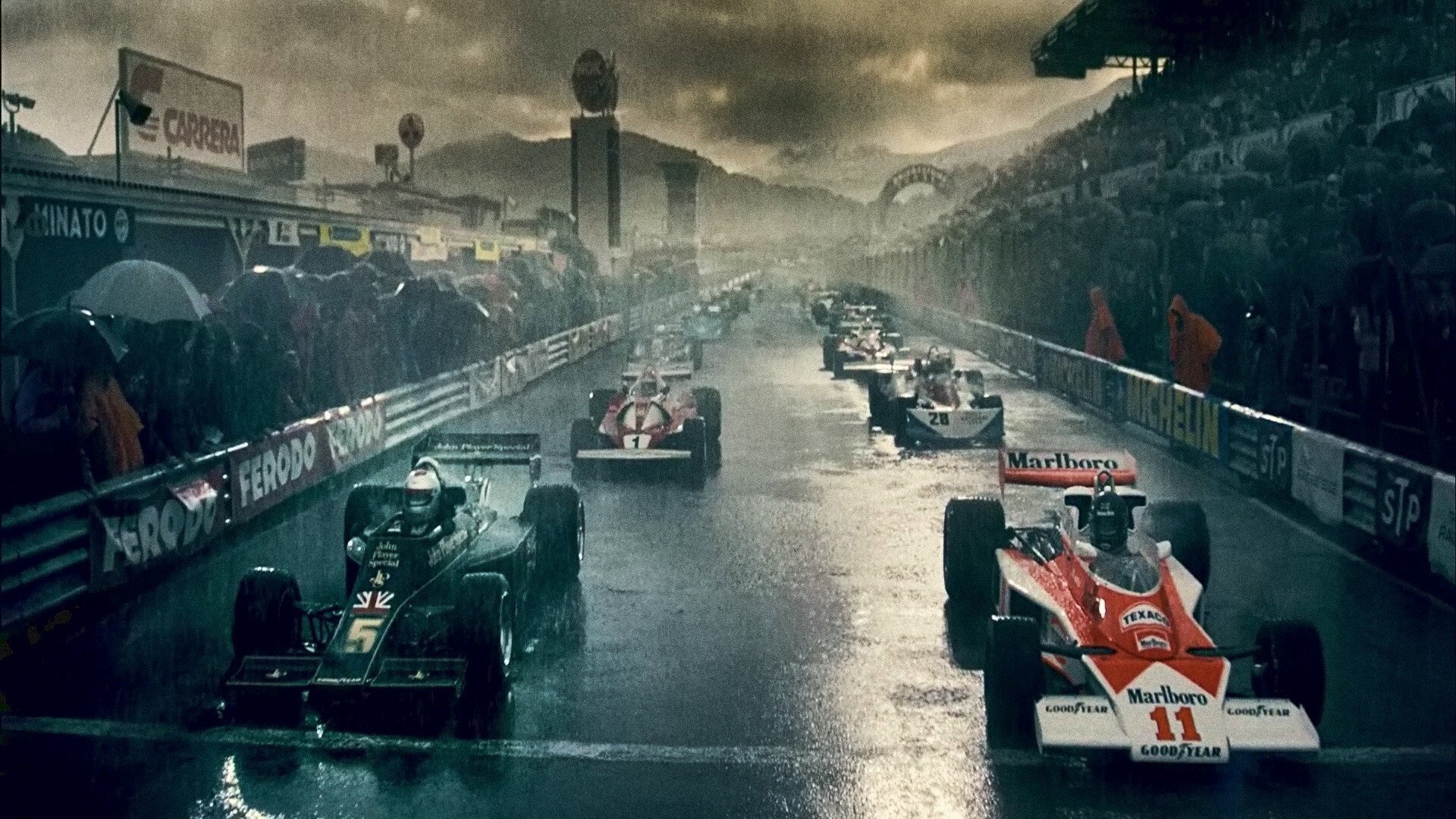
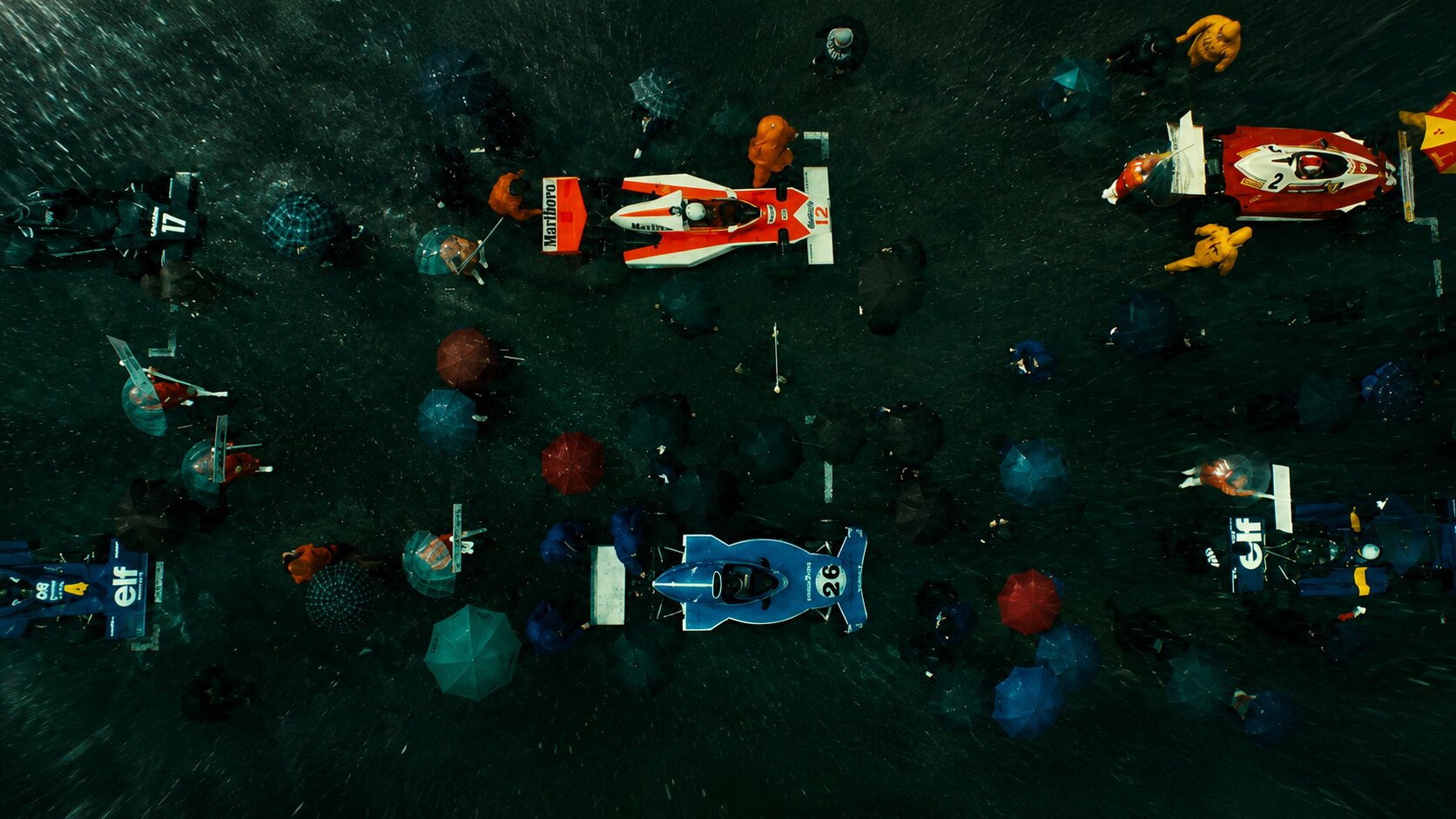
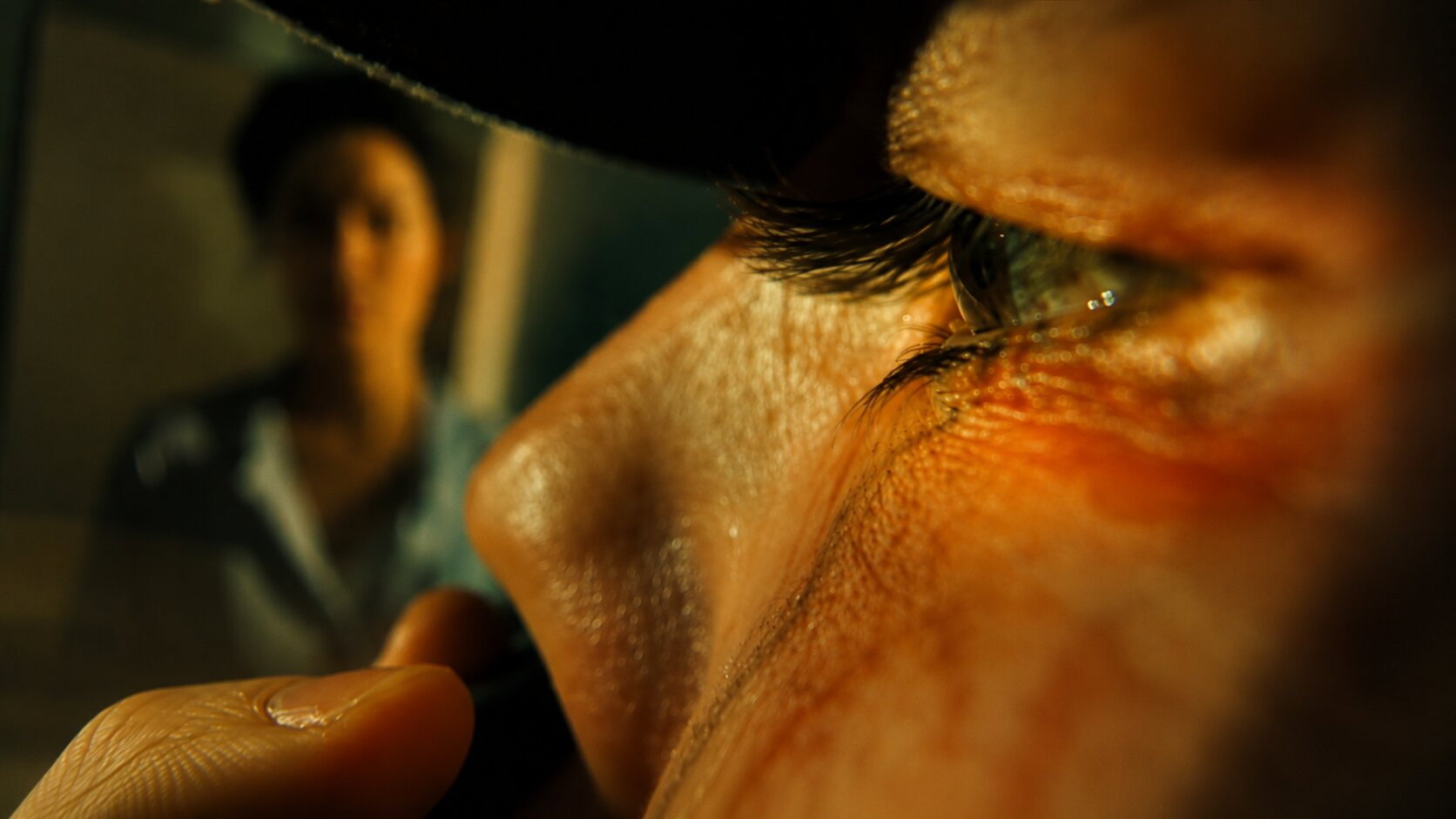
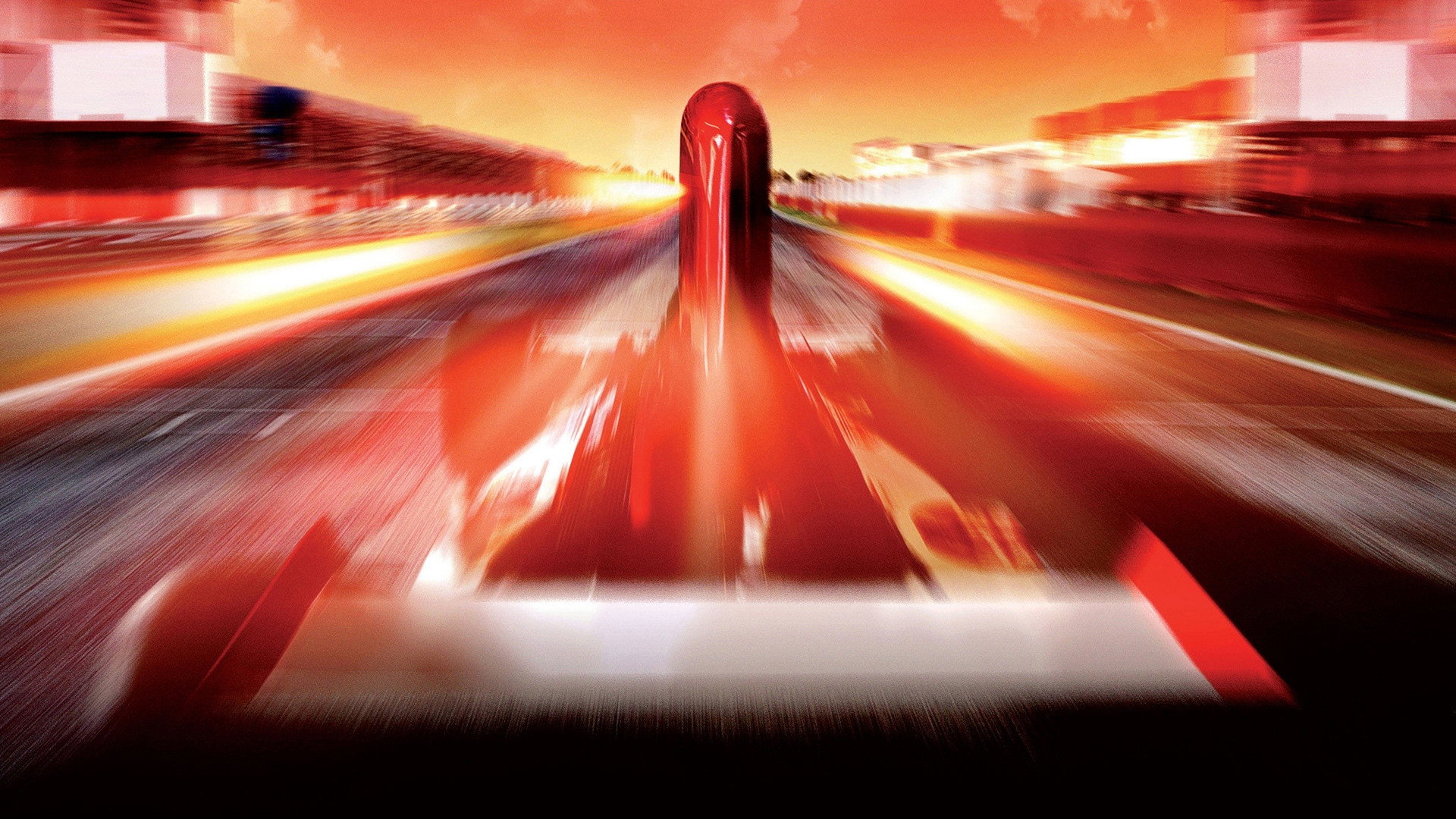
Anthony Dod Mantle’s photography makes the racing feel close and physically unpleasant, which is a considerable compliment here. The cockpit views restrict our sense of space, and the grainy images keep the period recreation from looking freshly polished. We flinched at the engine noise in those close quarters. The sound is so aggressive, and the camera so near the drivers, that the speed feels dangerous before the script needs to tell us it is. Editors Mike Hill and Daniel P. Hanley keep the competition legible amid that pressure.

Mark Digby’s production design gives the 1970s racing world enough glamour to explain its appeal, without making the danger seem remote. We believe that these men would want to spend their lives here. Hans Zimmer’s score adds useful urgency, although it can be over-insistent when the cars and the actors are already doing enough. Howard occasionally presses harder than the scene requires.

Morgan is less convincing when he keeps spelling out the contrast between the drivers. Hunt’s pleasure-seeking and Lauda’s exactness are clear early on; repeating them does not tell us much more about either man. Olivia Wilde, as Suzy Miller, and Alexandra Maria Lara, as Marlene Lauda, have too little room to complicate this largely male account of ambition. Their characters help us understand the drivers, but deserve more attention of their own. The off-track passages can consequently feel hurried even while the film is explaining itself.

Sports dramas often insist that a contest must teach somebody how to live, and Rush is not free of that habit. What keeps it involving is the sense that both these men have found work they cannot easily separate from the rest of their lives. Howard makes the attraction of that work understandable even when it looks alarming. At 123 minutes, the film asks for no specialist knowledge of Formula One. Come for the racing, and give Brühl the same attention when the engines stop.

Critical consensus AI synthesised

76
Positive
9
Mixed
1
Negative
0

Most critics welcome Rush as an energetic, accessible account of the Hunt–Lauda rivalry, with enough character drama to engage viewers who have little interest in Formula One. Praise centres on Chris Hemsworth and Daniel Brühl, with Brühl drawing particular attention, and on racing sequences that make speed and danger felt through Anthony Dod Mantle’s cinematography and the sound design. The recreation of 1970s racing also earns broad approval.

Reservations concern how much depth survives the brisk storytelling, though the balance remains firmly positive. The New York Times praises Peter Morgan’s script, while Film Comment finds it schematic and dependent on national stereotypes. Little White Lies offers a cooler assessment of Ron Howard’s direction, finding competence without much distinction beyond the races. The Hollywood Reporter reverses that emphasis, valuing the sharply drawn leads but finding the racing merely serviceable and the supporting characters thin.

Evening Standard
13 September 2013
80*

The film finds unexpected angles and blasts its way to victory despite the challenges of the inspirational sports movie genre and Formula 1 subject matter. It singles out the cinematography by Anthony Dod Mantle for transforming the racing sequences into something visceral and existential.

Read the full review →
Radio Times
★★★★
80

The critic praises the zippy biopic for capturing the rivalry between Hunt and Lauda. Strong performances and the glamour and danger of 1970s F1 are highlighted.

Read the full review →
Screen Daily
2 September 2013
80*

The critic calls the film exhilarating and gripping, with impressive direction and strong lead performances. The recreation of the 1970s F1 era and its energy stand out for praise.

Read the full review →
Time Out
10 September 2013 · ★★★★ · Dave Calhoun
80

The critic finds the film a fun and tense dip into 1970s Formula 1. The immersive sound design and cockpit perspective are singled out as memorable strengths.

Read the full review →
Film Comment
26 September 2013 · Jonathan Romney
70*

The critic finds the script schematic and reliant on national stereotypes but singles out the thrilling, well-shot racing sequences and Brühl's compelling performance as making the film engaging and vigorous even for non-fans.

Read the full review →
Little White Lies
12 September 2013 · 2/3/2 · Oliver Lyttelton
60

The critic views the film as competent but ultimately bland under Ron Howard's direction. The race sequences gain tension and kinetic energy from strong cinematography.

Read the full review →

Cast

Stills

Awards

BAFTA Film Awards, 2014

Won
Best Editing

Golden Globes, 2013

Nominated
Best Motion Picture – Drama
Nominated
Best Supporting Actor – Motion Picture

If you liked this, try…

Le Mans poster

Le Mans

1971 · For racing filmed with patience, mechanical detail and little interest in conversation.

The Duellists poster

The Duellists

1977 · Two stubborn rivals keep a feud alive long after sense has departed.

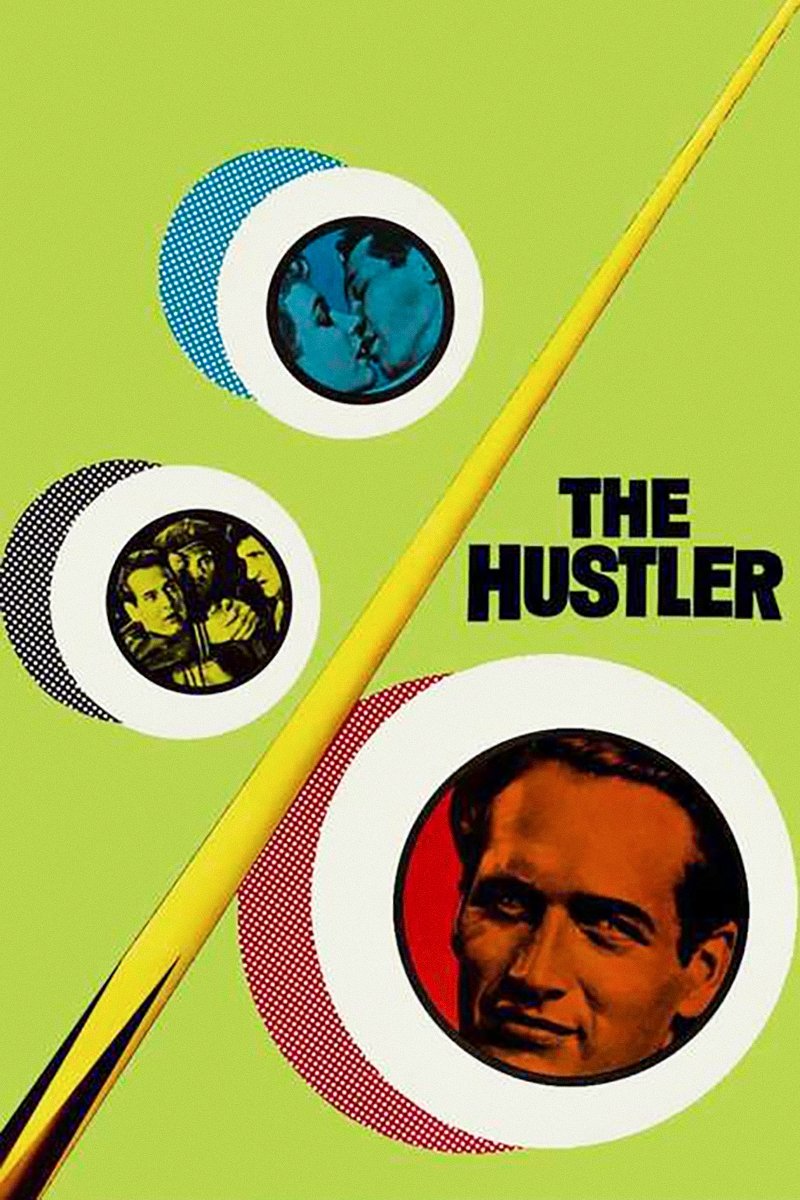
The Hustler poster

The Hustler

1961 · Another gifted competitor discovers that talent does not excuse the rest of him.

Dangal poster78

Dangal

2016 · A family-centred account of sporting obsession, with room for competing ambitions.

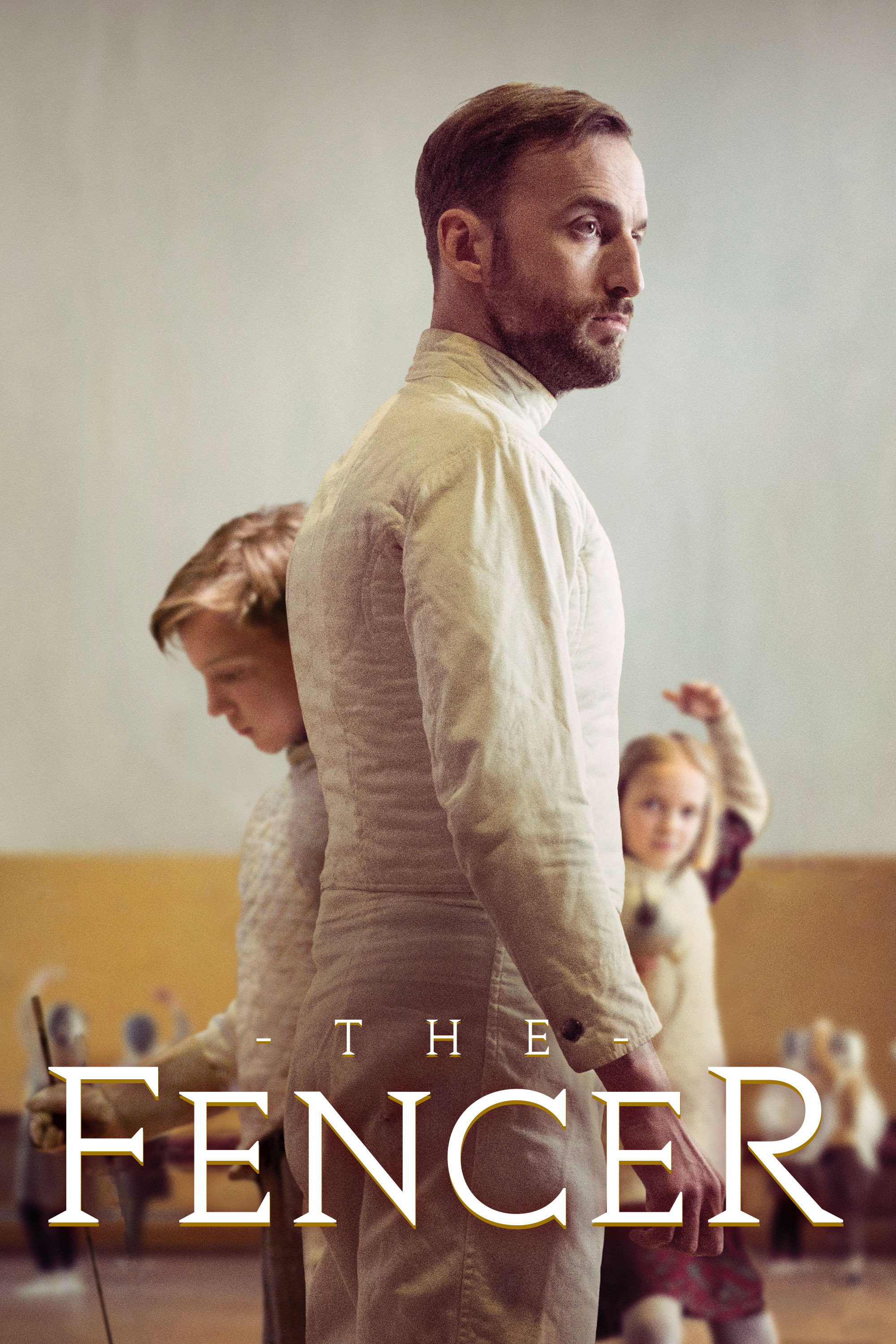
The Fencer poster

The Fencer

2015 · Sport under political pressure, with quieter performances and a patient sense of danger.