Film review

Shadowlands

1993 · Directed by Richard Attenborough · 2h 11m · MPA PG

In a sentenceAnthony Hopkins makes falling in love look like admitting an error in front of witnesses

DramaRomance

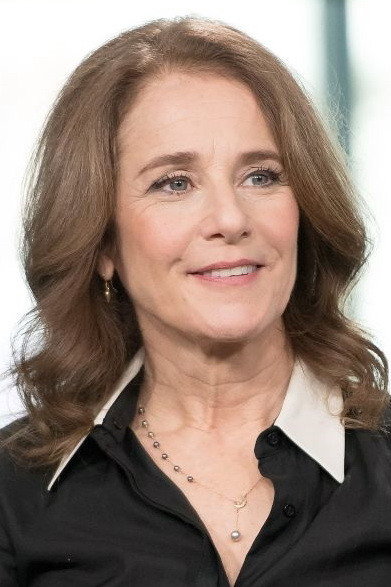
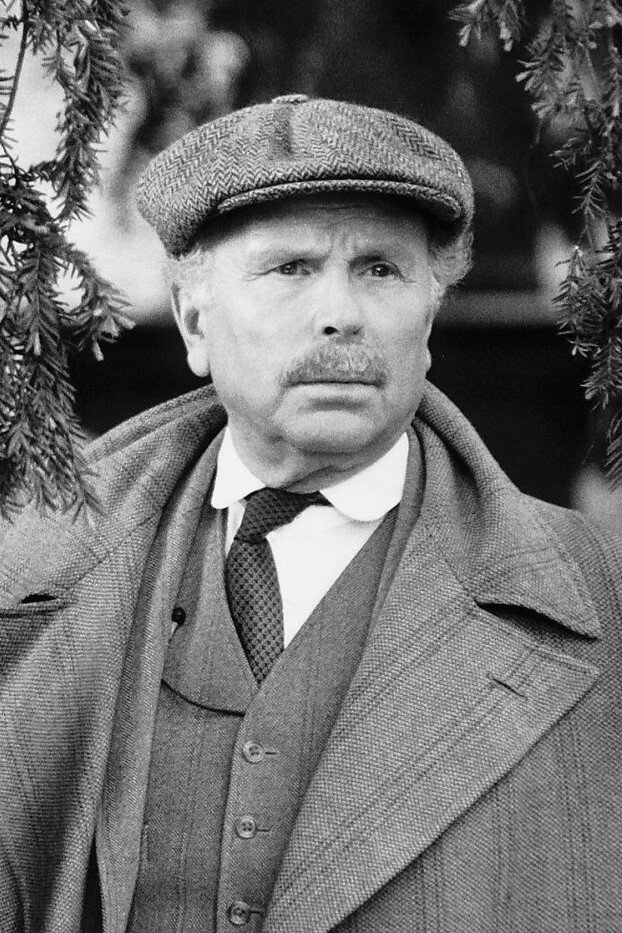
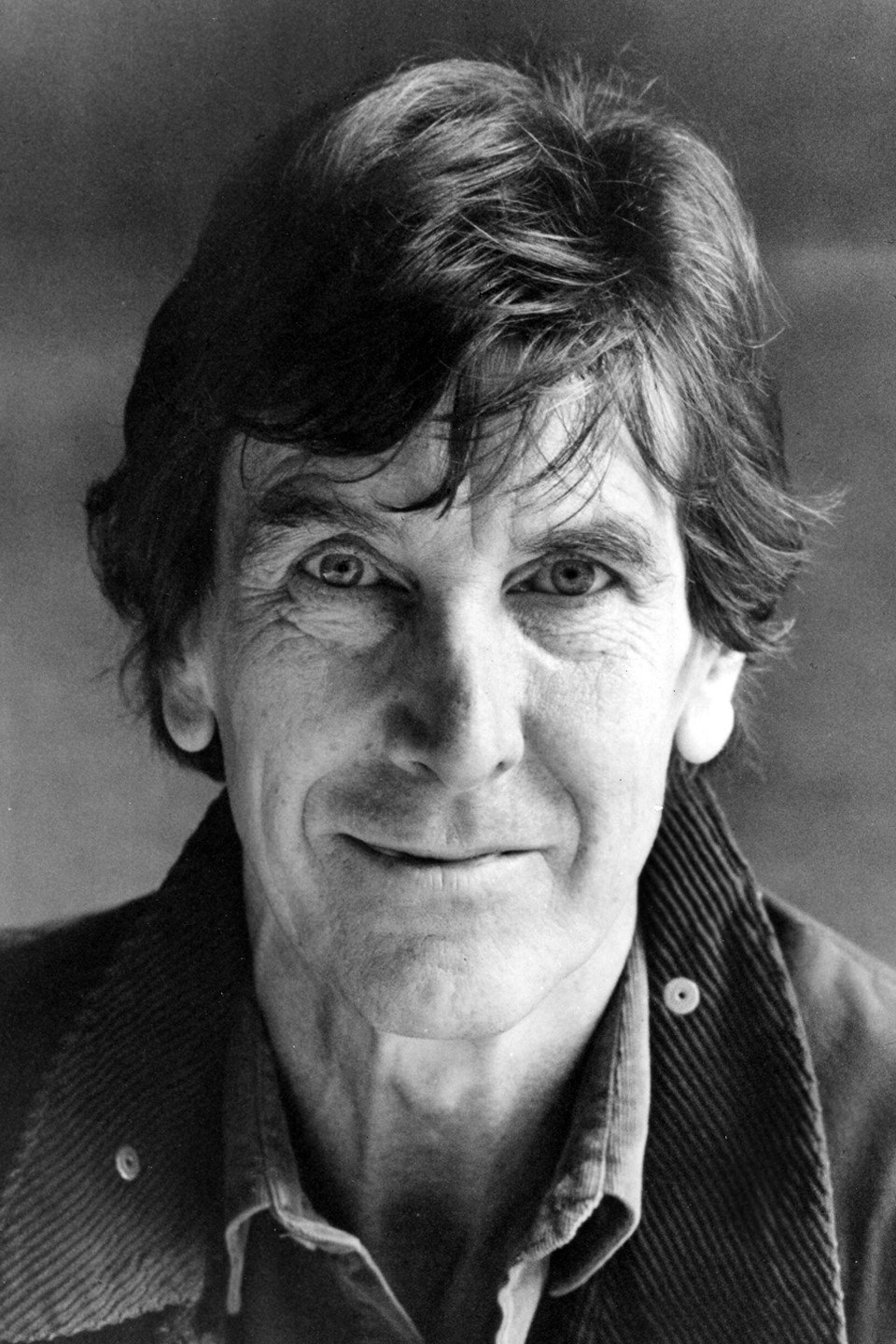
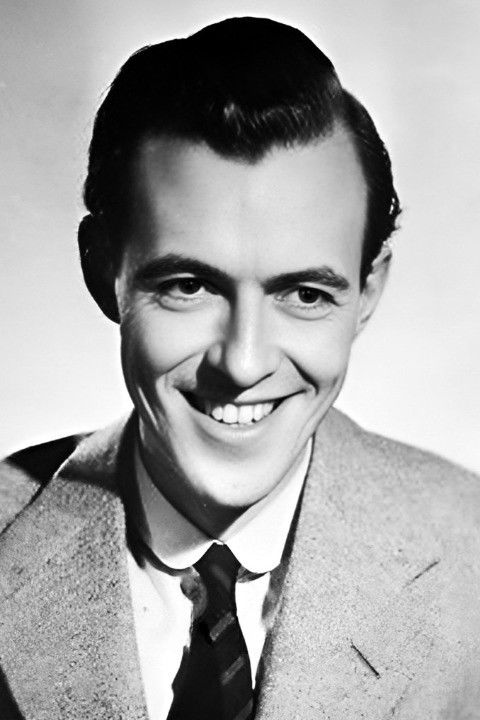
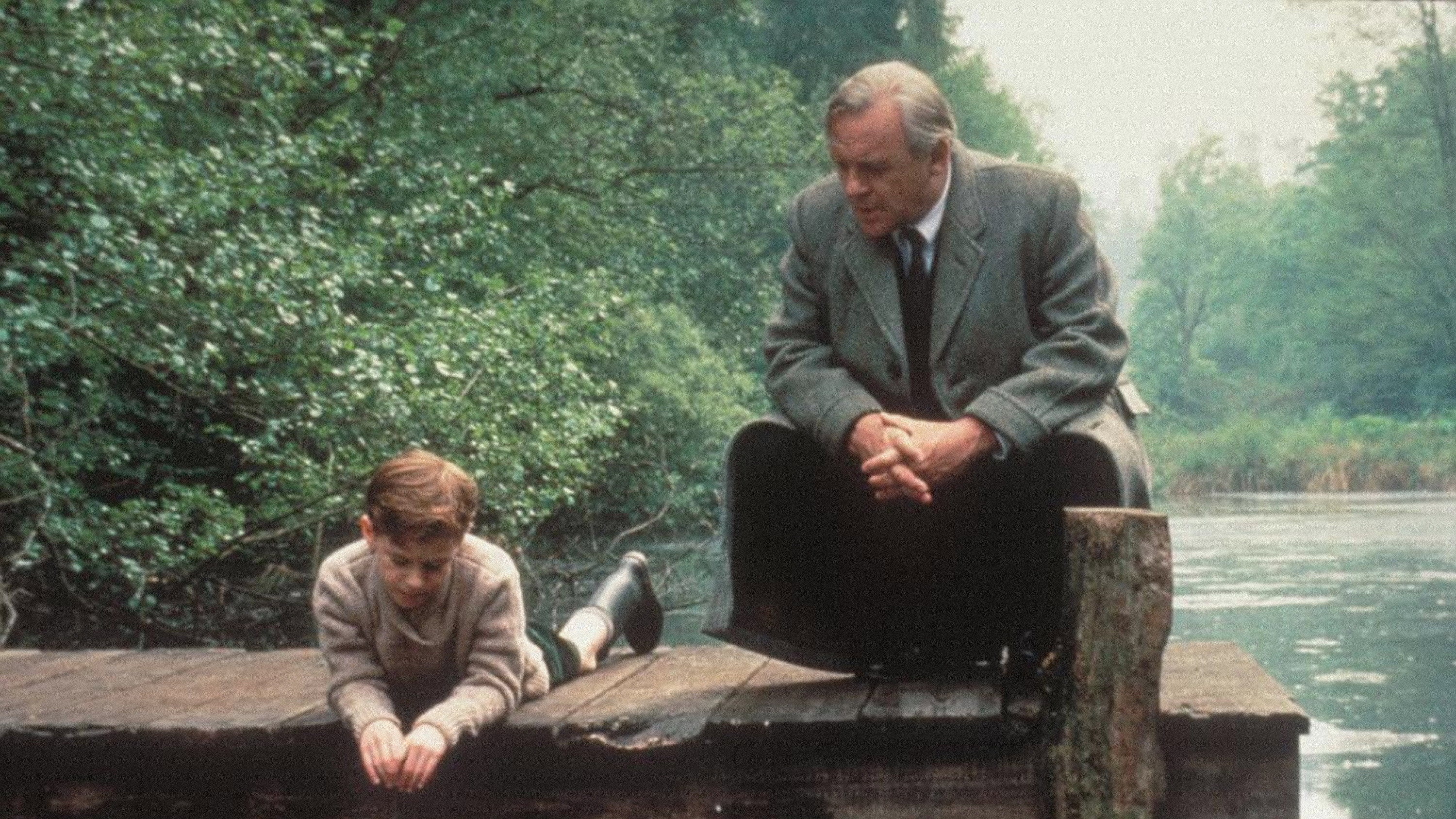
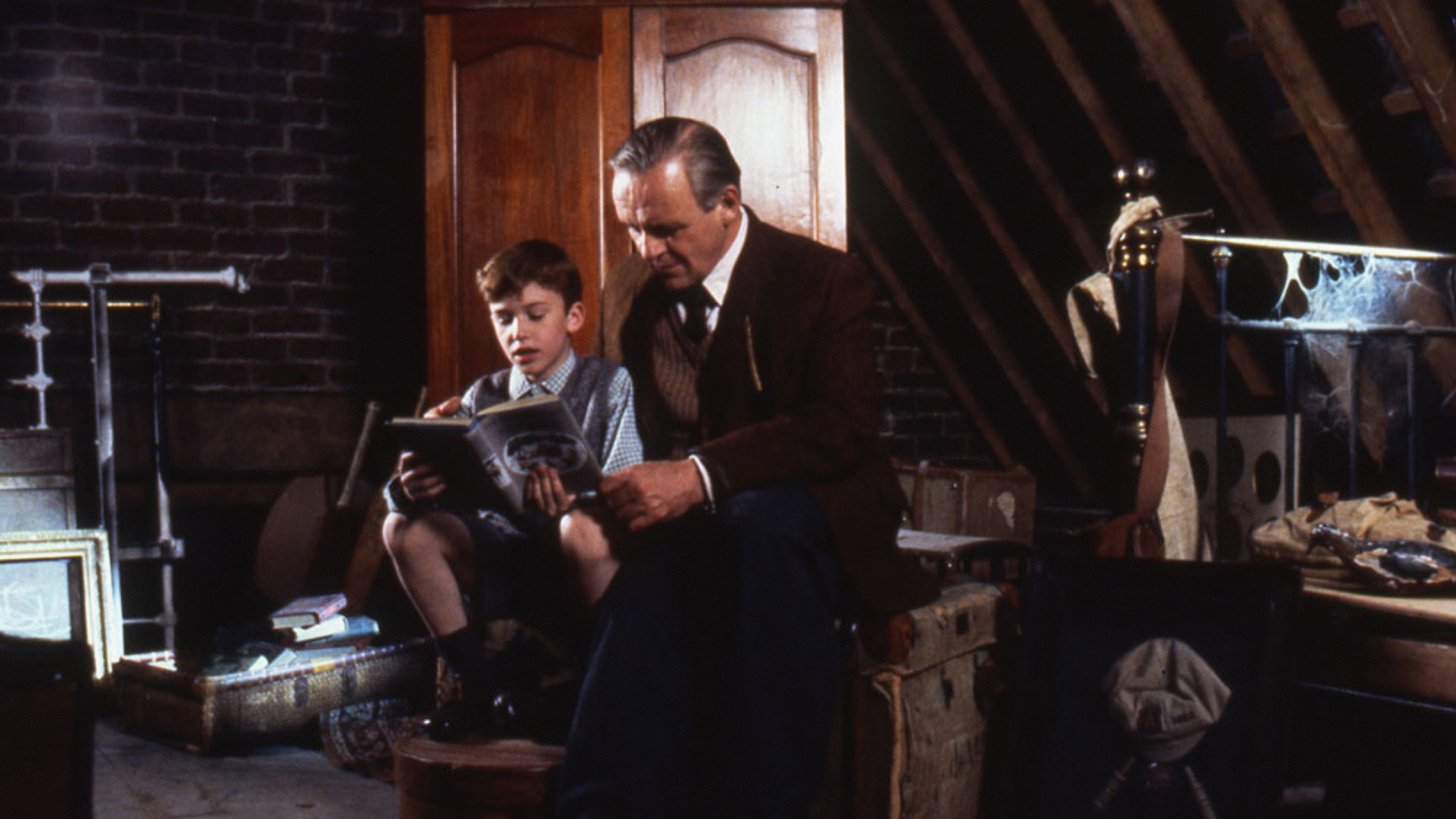
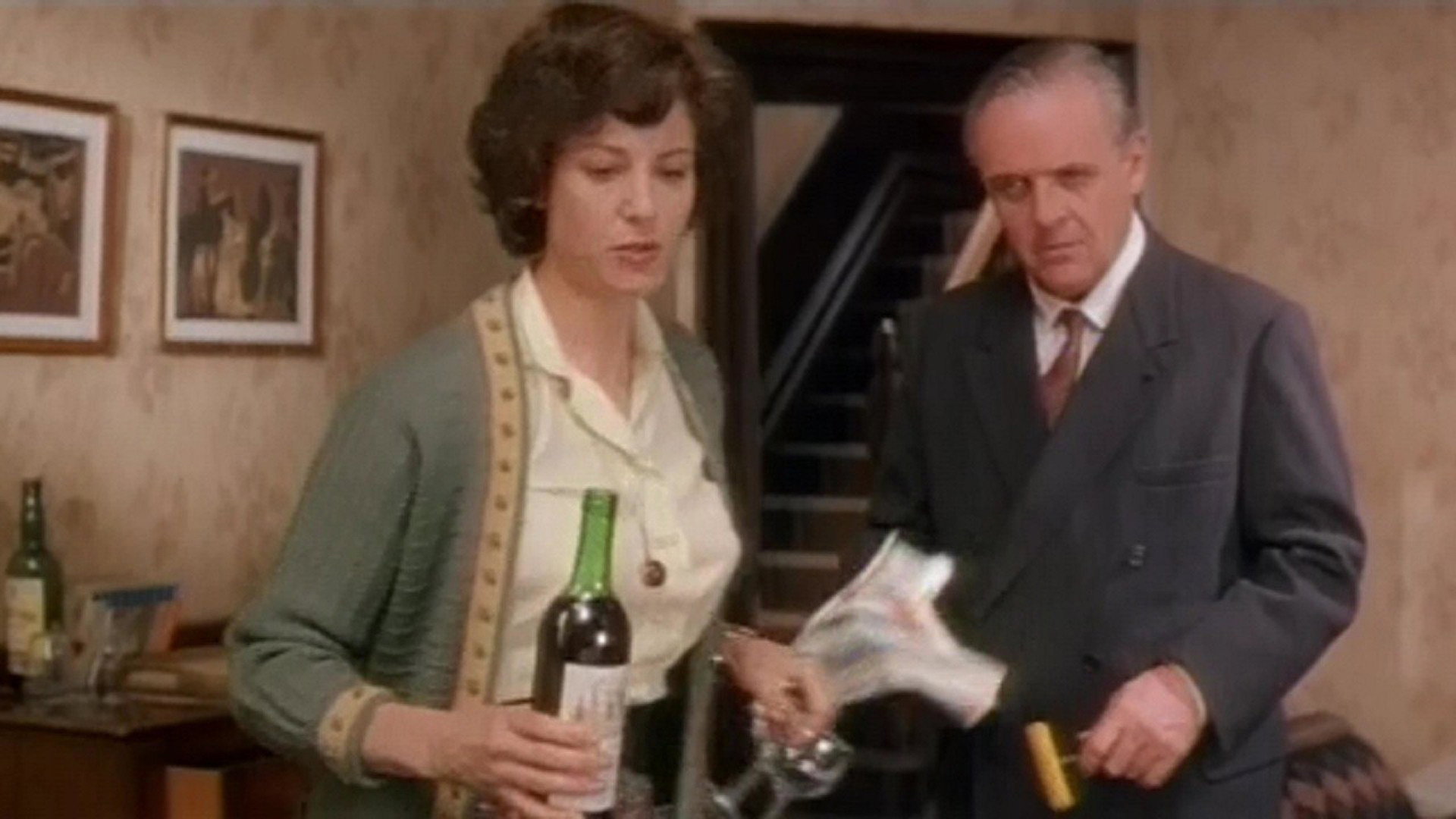
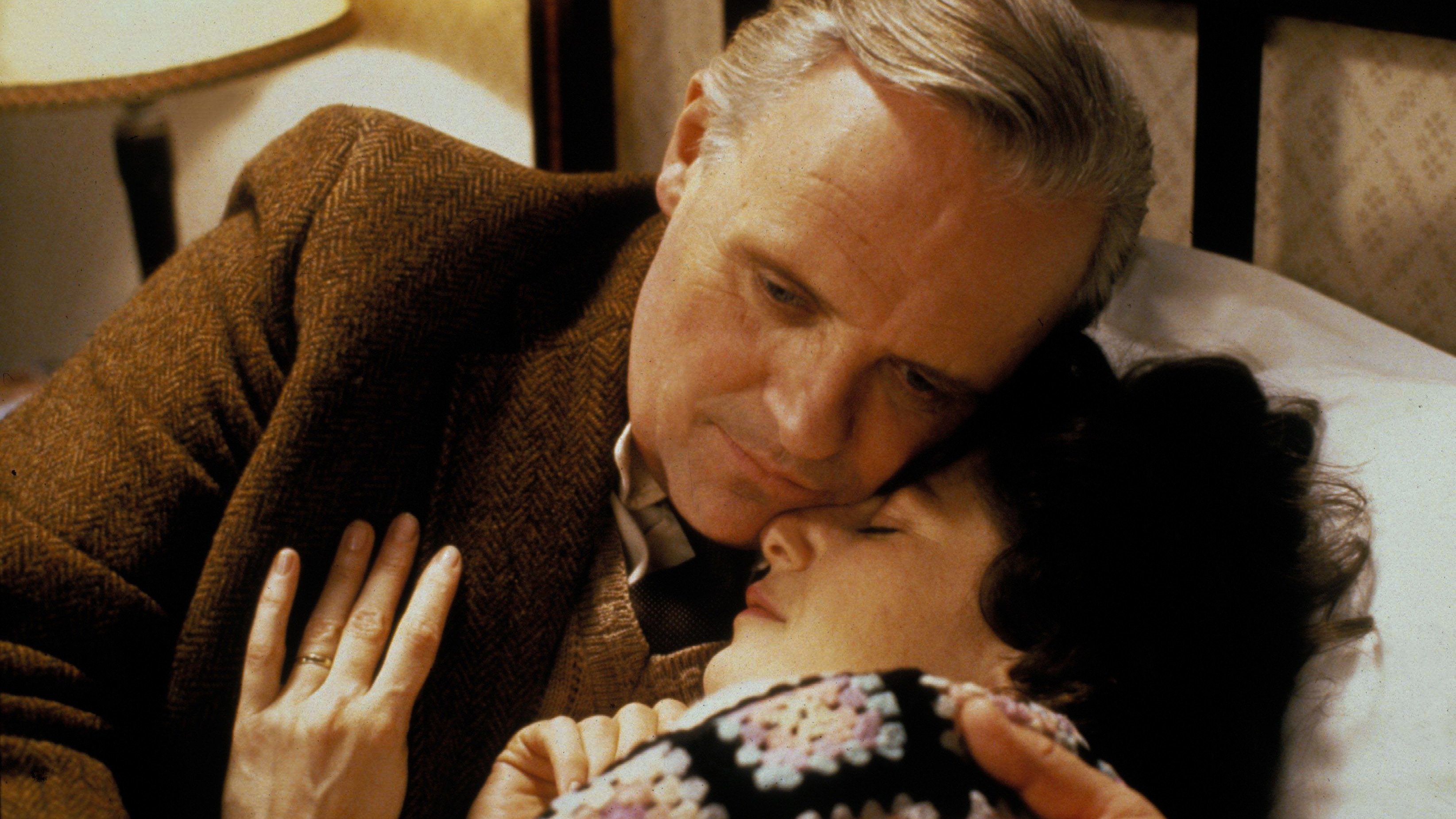
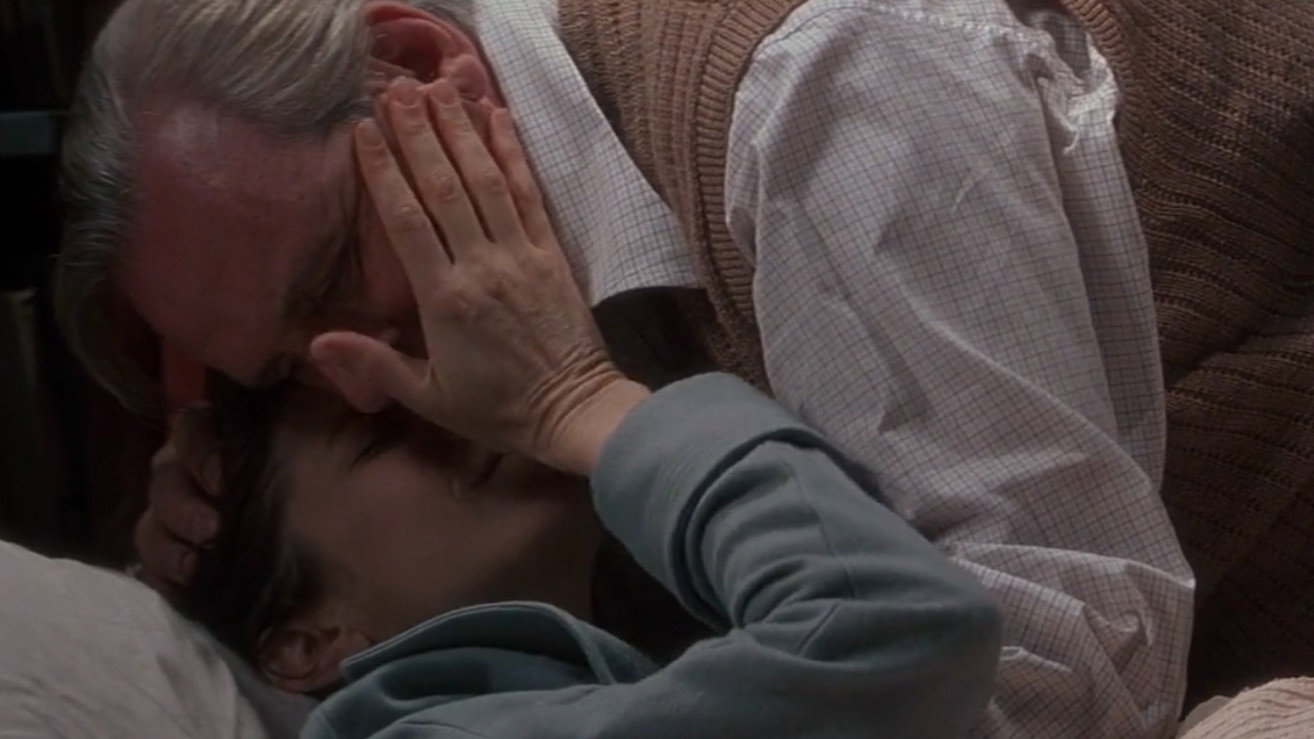
C. S. ‘Jack’ Lewis (Anthony Hopkins) keeps love at a distance, preferring not to expose himself to the pain it might bring. Joy Gresham (Debra Winger) enters his life and unsettles that arrangement. As their relationship develops, Jack faces the prospect of letting another person matter enough to hurt him. The romance follows his struggle to accept the closeness he has avoided and the feelings he cannot keep under control. Edward Hardwicke plays Warnie Lewis, with John Wood as Christopher Riley and Michael Denison as Harry Harrington.

Fi1m review

Anthony Hopkins and Debra Winger make Shadowlands worth the tears it carefully prepares. Richard Attenborough directs a moving romance, though Joy gets less room to be complicated than the man she loves.

Shadowlands is a moving romance that sometimes works too hard to keep its feelings respectable. Richard Attenborough approaches Jack Lewis’s fear of intimacy with patience, and Anthony Hopkins gives that fear enough weight to sustain the film. The question is simple: what happens when a man who has kept love at a distance allows someone close? William Nicholson’s screenplay makes the change easy to follow, sometimes too easy. We recommend it for the two leading performances, with reservations about how neatly it explains the relationship.

Hopkins is especially good at making reserve look like work. His Jack seems to be exerting himself to keep feeling from becoming somebody else’s business. We were moved by the effort Hopkins makes visible as that composure becomes harder to maintain. The performance gives us a reason to care about his growing openness without treating a reserved man as a puzzle that can be solved by finding the right woman.

Debra Winger makes that last possibility less comfortable than the writing sometimes wants it to be. Her Joy has enough force to suggest a life that does not begin when Lewis notices her, and the romance needs that independence. We believe she can disturb his determination to keep love at a distance. Nicholson is less interested in giving her equal space to be difficult or contradictory, which leaves Winger supplying much of the complexity herself. It is a strong performance in a part that ought to ask more of her.

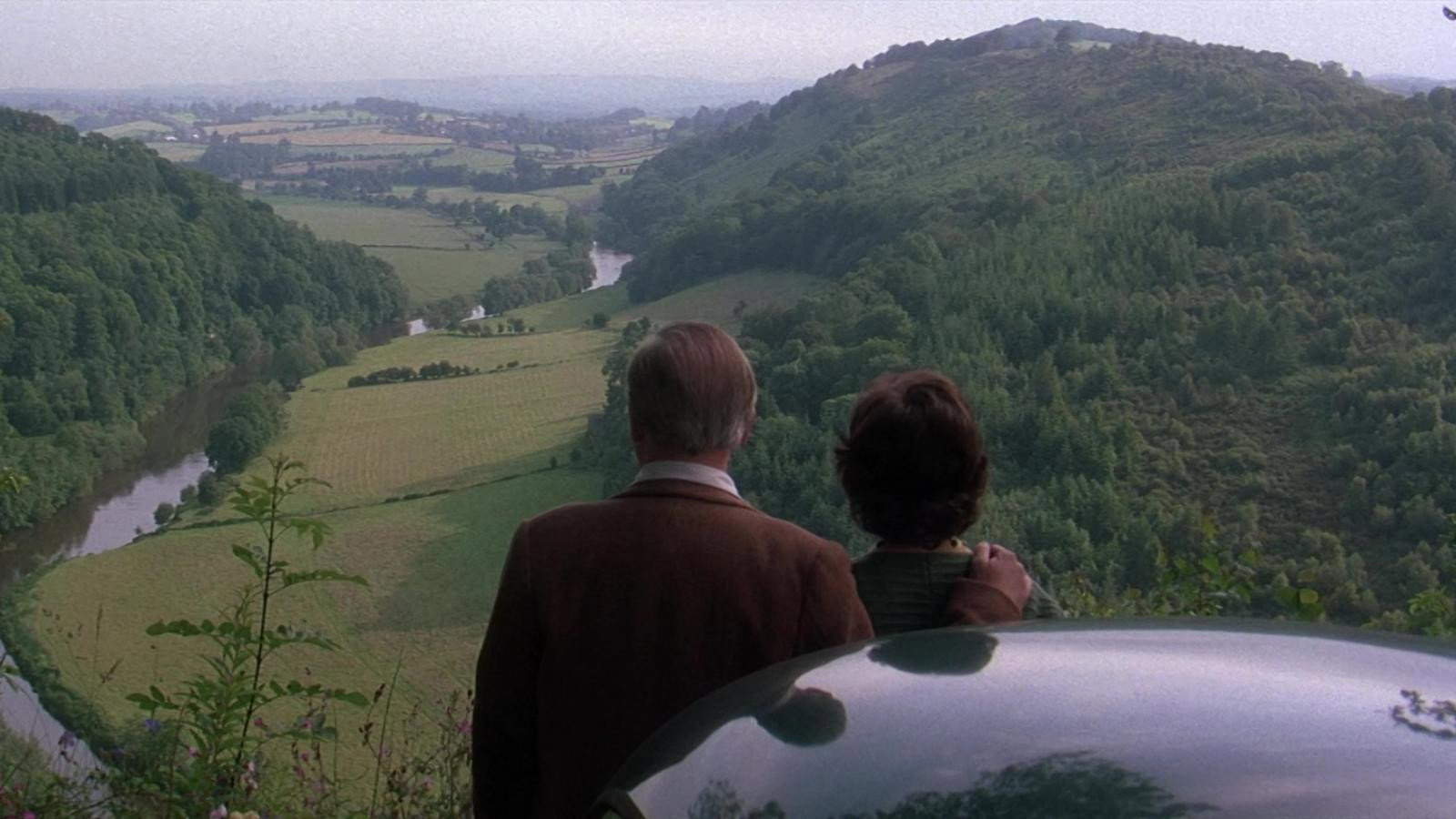
Roger Pratt’s photography gives the film an inviting polish, while Stuart Craig’s production design makes Lewis’s protected existence seem comfortable enough to resist changing. The visual care suits a romance about somebody reluctant to disturb his life. Yet the handsome surroundings can also make painful feelings seem a little too safely presented. The use of landscape to suggest shifts in feeling is more persuasive: it gives us something to read without having the screenplay explain it.

Lesley Walker’s editing allows the performances time to register, and the measured pace usually suits the hesitation in Hopkins’s performance. There are stretches when we feel the next emotional step being prepared rather carefully, with little chance of being surprised by it. George Fenton’s music contributes to that sense of guidance, although its warmth is welcome when the film feels less insistent. Attenborough is more persuasive when he trusts the actors to carry a scene without quite so much assistance.

Within romantic drama, this is a familiar account of an emotionally guarded person learning to risk attachment. Attenborough treats that experience seriously, without making the people involved seem foolish for having taken so long. The limitation is Nicholson’s tendency to make Lewis’s awakening explain almost everything worth knowing about the relationship. Winger keeps suggesting there is more to Joy than the film has allowed for. Watch it for the pair of them, and be prepared to wish she had been given equal attention.

Critical consensus AI synthesised

4 of 6
Positive
3
Mixed
1
Negative
0
Empire
1 January 2000 · Angie Errigo
85*

The review calls the film a handsome, moving adaptation that captures the essence of the late-blooming romance between C.S. Lewis and Joy Gresham. It singles out the excellent performances of Anthony Hopkins and Debra Winger for particular praise, especially in the later emotional scenes.

Read the full review →
Time Out
10 September 2012 · TCh
70*

The critic praises the performances of Hopkins and Winger and Attenborough's handling of the material, noting it as the director's least sanctimonious film, but criticizes it for feeling like a self-contained, studious exercise despite its emotional emphasis.

Read the full review →
The Independent
4 March 1994 · Sheila Johnston
60*

The critic sees the film as a solid but commercial weepy that capitalises on its stars and heritage settings while simplifying key elements of the story. She praises its clever use of landscape to mark emotional shifts but criticises its coyness about sex, its English inferiority complex and its reluctance to probe deeper psychological or political layers.

Read the full review →
Los Angeles Times
29 December 1993 · Peter Rainer

The critic calls it a high-class weepie that solemnizes heartbreak through its lack of surprise and works via careful calibration. Hopkins excels at repression while Winger is strong despite the role's limits; the film downplays intellectual elements for emotional awakening.

Read the full review →
Variety
2 December 1993 · Emanuel Levy

The critic praises it as a touching, mature film for grown-ups that shows second acts in life and the transformative power of love and vulnerability. Hopkins delivers a towering, more emotional performance than in The Remains of the Day; Winger is worthy of her talent.

Read the full review →
Eye for Film
10 February 2006 · Sarah Artt
75*

The critic describes it as a quiet, moving film about C.S. Lewis's late romance with an American woman. They highlight the subtle and nuanced performances by Anthony Hopkins and especially Debra Winger.

Read the full review →

Cast

Stills

Awards

Academy Awards, 1994

Nominated
Best Actress
Nominated
Best Writing, Adapted Screenplay

If you liked this, try…

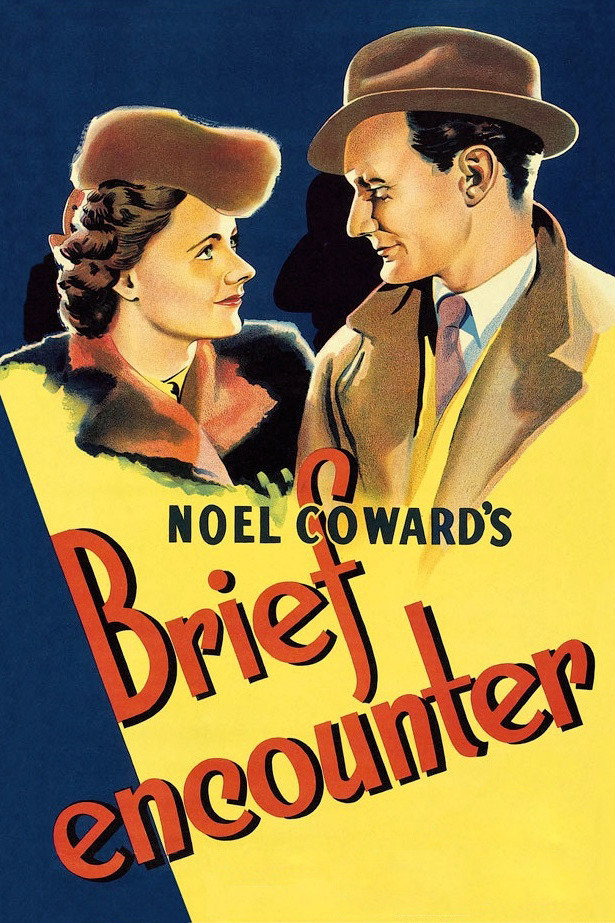
Brief Encounter poster90

Brief Encounter

1945 · For another romance in which restraint makes ordinary feelings painfully difficult to express.

The Lunchbox poster

The Lunchbox

2013 · A quieter courtship, with loneliness given room and affection allowed to arrive slowly.

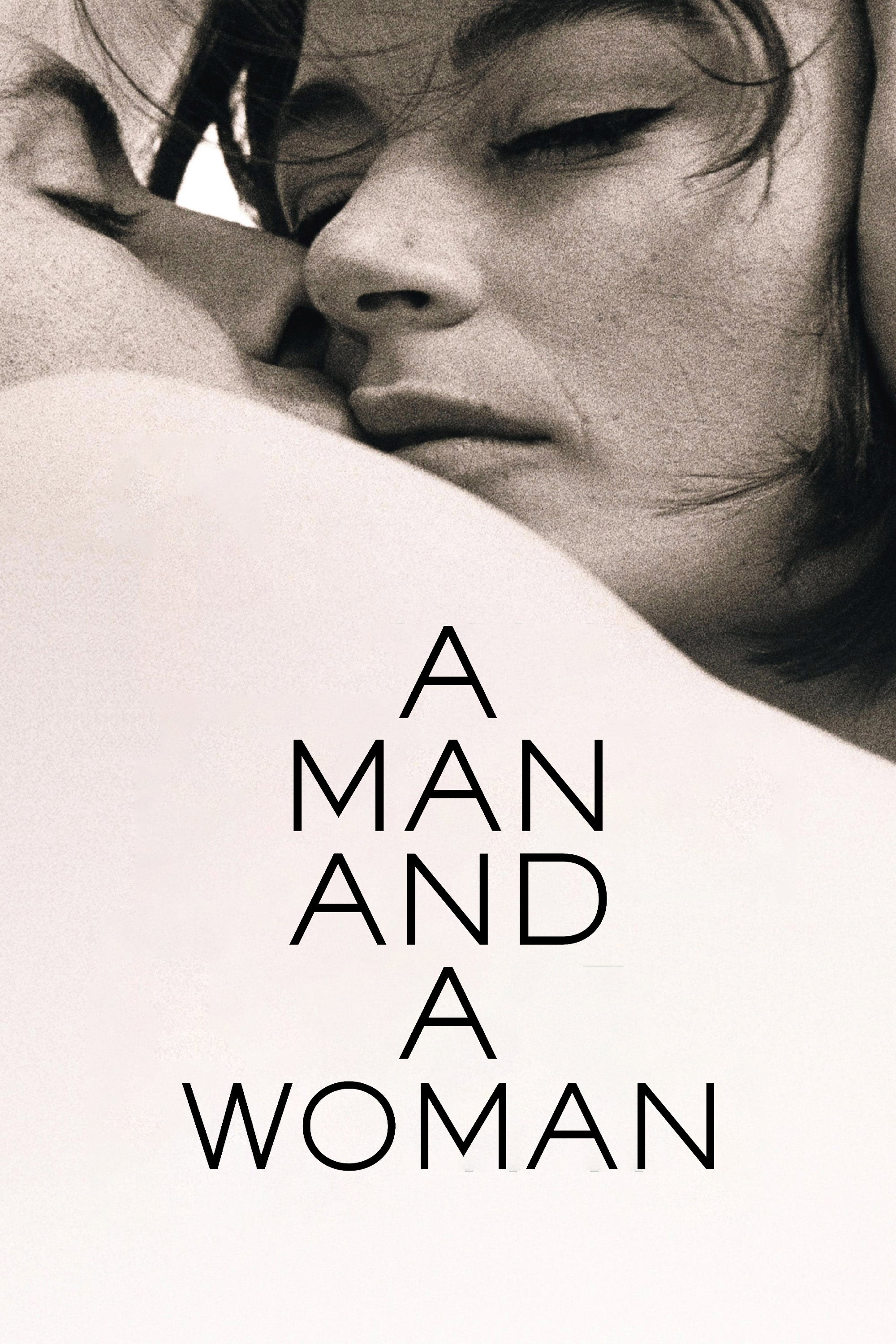
A Man and a Woman poster

A Man and a Woman

1966 · For grown adults attempting intimacy while earlier attachments remain difficult to set aside.

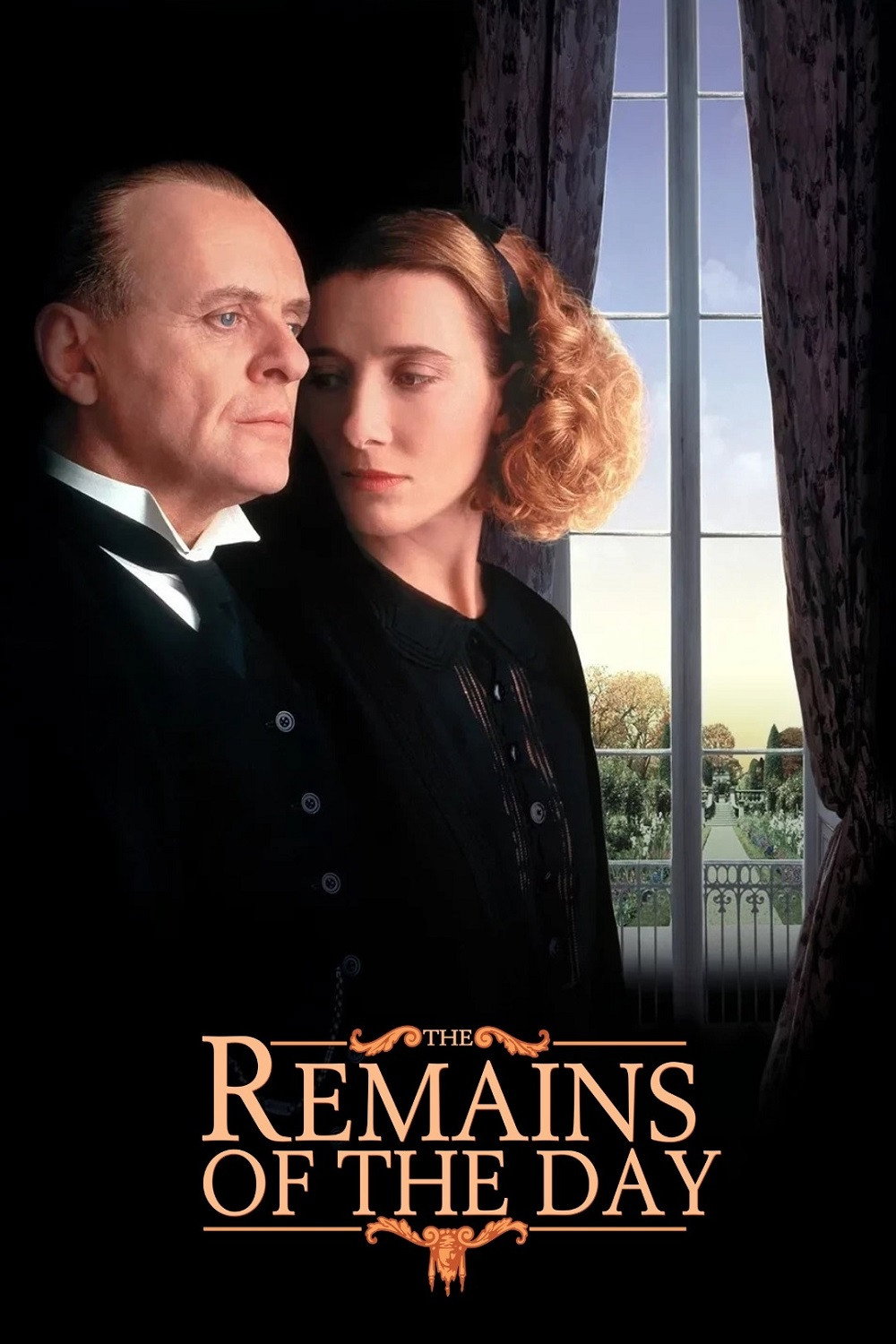
The Remains of the Day poster

The Remains of the Day

1993 · Hopkins makes emotional reserve still more costly, with less comfort offered in return.

45 Years poster

45 Years

2015 · A long relationship comes under scrutiny, without anyone being spared uncomfortable questions.