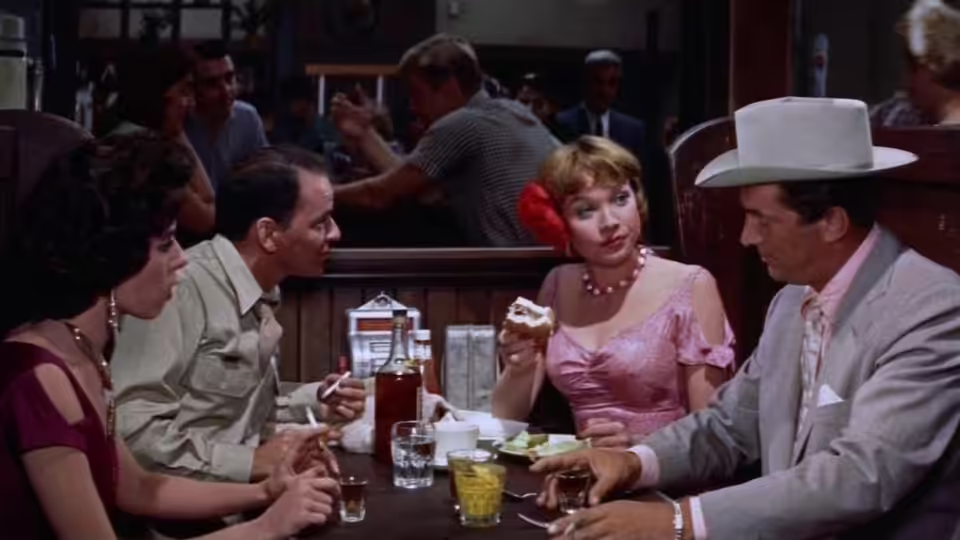
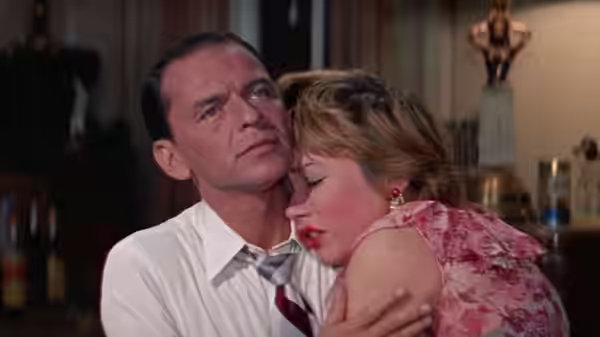
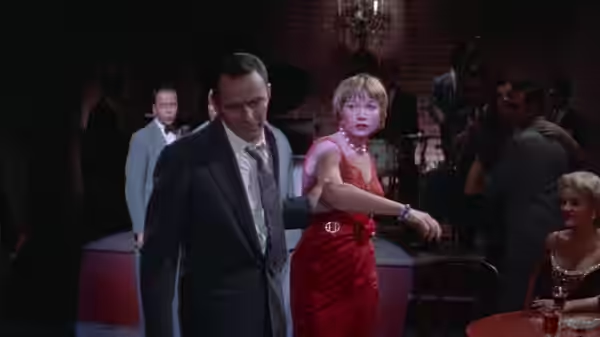
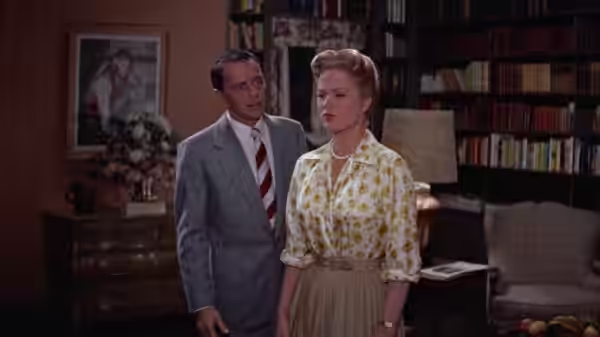
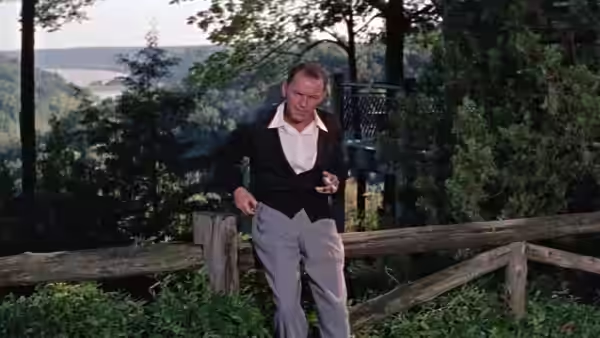
Vincente Minnelli’s small-town melodrama is slow and occasionally overworked, but its actors make the wait worthwhile. Frank Sinatra and Dean Martin bring bite; Shirley MacLaine gives the romantic suffering enough tenderness to matter.
Some Came Running is worth staying with for its actors, even when its story takes too long to get anywhere. Vincente Minnelli treats romantic trouble and small-town respectability with a seriousness that can be moving and, occasionally, rather wearing. This is melodrama for an evening when we are willing to let people make a considerable business of their unhappiness. The rewards are substantial, but the 137 minutes ask for patience.
Frank Sinatra gives Dave Hirsh a useful streak of sourness. His dry delivery leaves room for kindness, keeping the performance from becoming an exercise in being unpleasant, and we remain interested even when warmth is in short supply. Dean Martin’s Bama Dillert is an equally persuasive reason to stay. He has an ease that makes the surrounding emotional effort more noticeable, and his performance gives us a welcome rest from it.
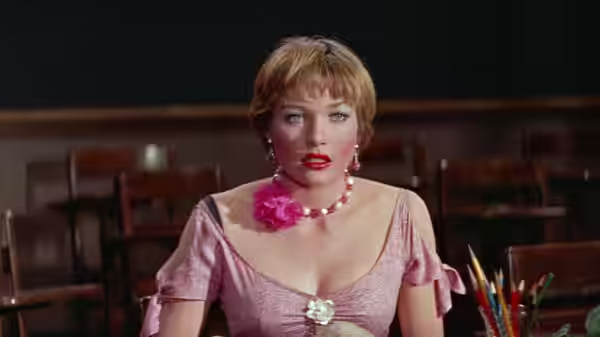
Shirley MacLaine supplies much of the feeling that justifies spending so long with these people. We were moved by her Ginnie Moorehead. The humour in her performance never asks us to stop taking the character’s feelings seriously, or to regard her unhappiness as foolish. That matters in a drama so preoccupied with how people judge one another, and her performance makes its heavier emotional demands feel earned.
William H. Daniels’s cinematography holds our attention through the slower passages. Its richness gives the romantic distress a scale that the writing does not always manage, and Vincente Minnelli is right not to apologise for the material’s extravagance. Elmer Bernstein’s music adds to that pressure, sometimes more insistently than we need. We respond most readily when the actors have already made the emotion clear and the film does not seem determined to underline it.
The trouble lies in how laborious the storytelling can become. The screenplay by Arthur Sheekman and John Patrick, drawn from James Jones’s novel, is less convincing about literary life than it is about the unpleasantness of respectable people. Its treatment of writing feels awkward, and the story can plod even while the performances keep their bite. Adrienne Fazan’s editing does not establish a pace that consistently disguises that heaviness; there are stretches when we feel ready to move on before the film does.
What survives those delays is the film’s anger at the damage done in the name of acceptable behaviour. Its treatment of conformity has force because the actors make the hurt matter, rather than merely presenting a selection of objectionable townspeople. As melodrama, it earns its strong feelings more often than it overstates them, although subtlety is not its chief concern. There is something satisfying about its willingness to take romantic unhappiness seriously, even when that unhappiness becomes exhausting company.
The reservation is simple: anyone impatient with prolonged romantic misery will have plenty to be impatient about here. For those who enjoy a drama that gives its performers time, the company compensates for a good deal of delay. The tenderness in Ginnie Moorehead makes the recommendation warmer than the story alone would warrant. Leave it for an evening without an early start.