Jan de Bont’s cruise-ship sequel has some well-organised action, but little urgency and too little for Sandra Bullock to do. Jason Patric supplies some assurance; the screenplay supplies a long wait.
Jan de Bont’s Speed 2: Cruise Control is a poor sequel with some capable action and a central problem it never solves. A cruise ship provides plenty of space for things to go wrong, but its slow movement makes it difficult to feel that disaster is seconds away. An action thriller can survive a silly premise if the people and the timing are persuasive. Too much of these 125 minutes passes without either doing enough to keep us interested.
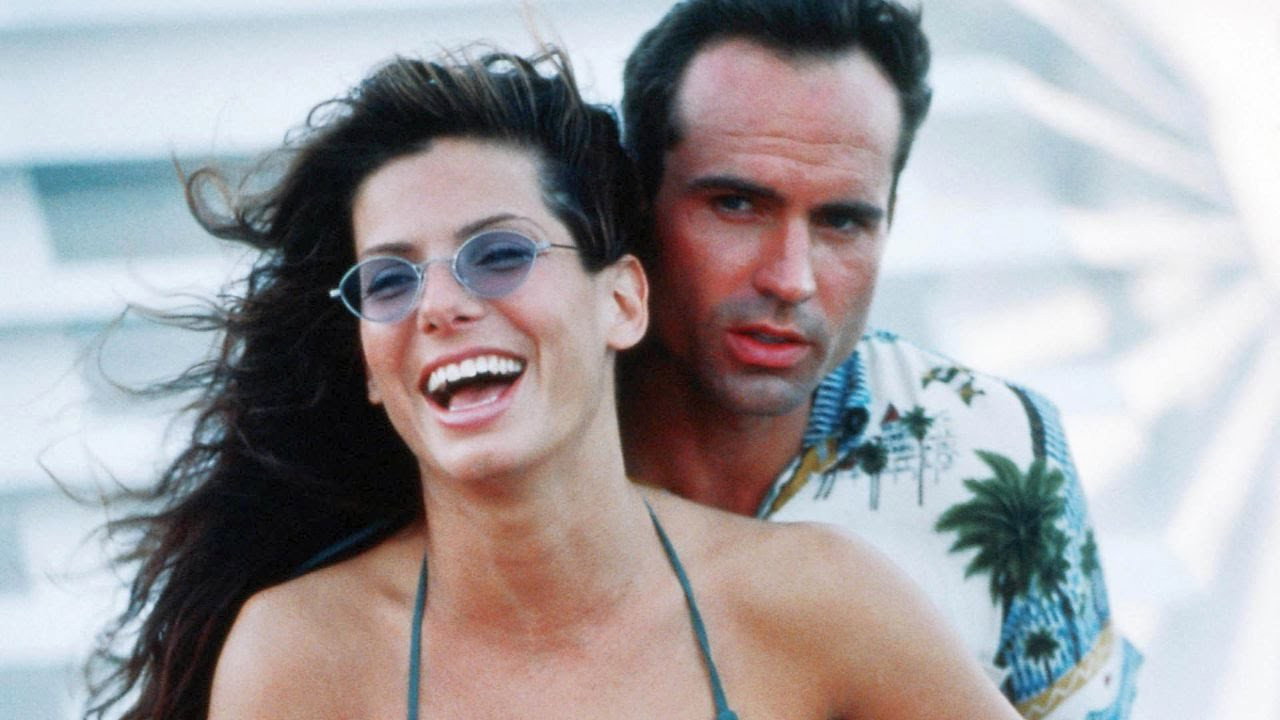
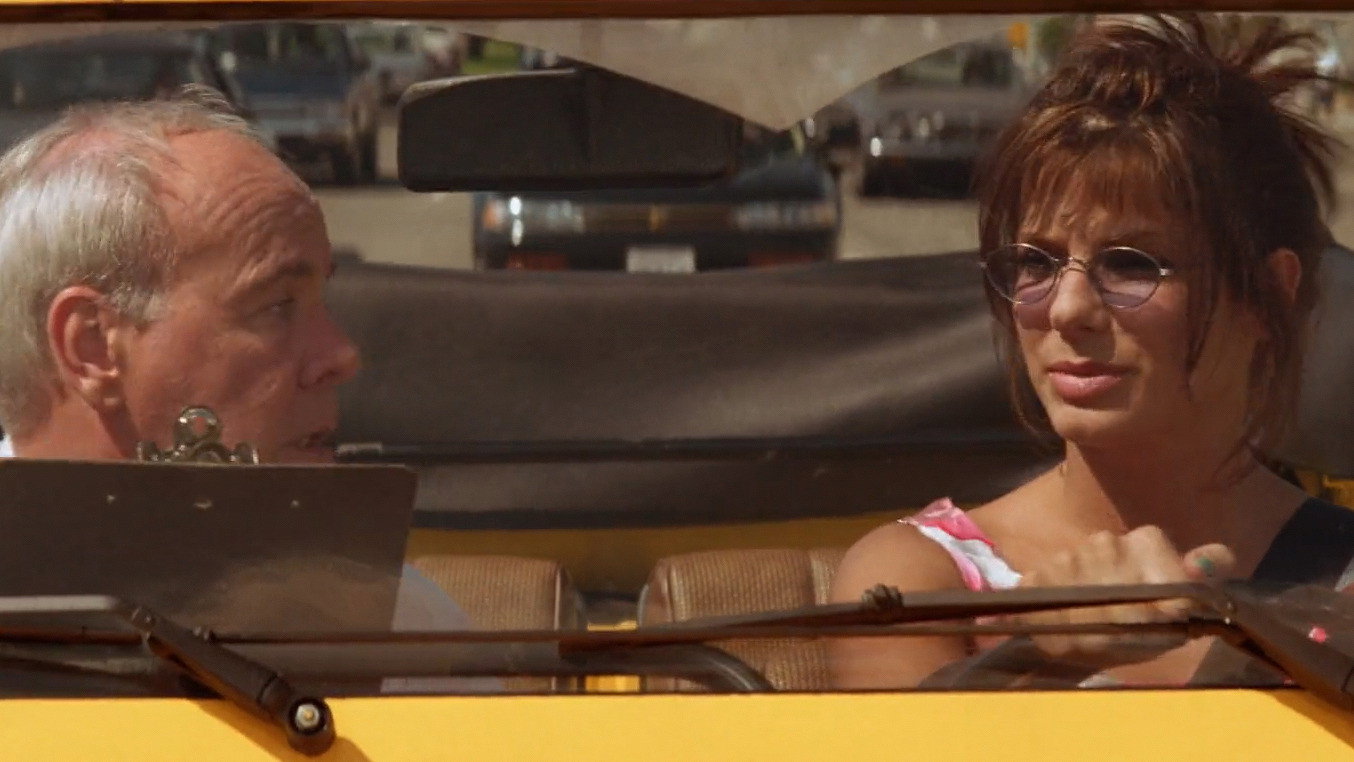
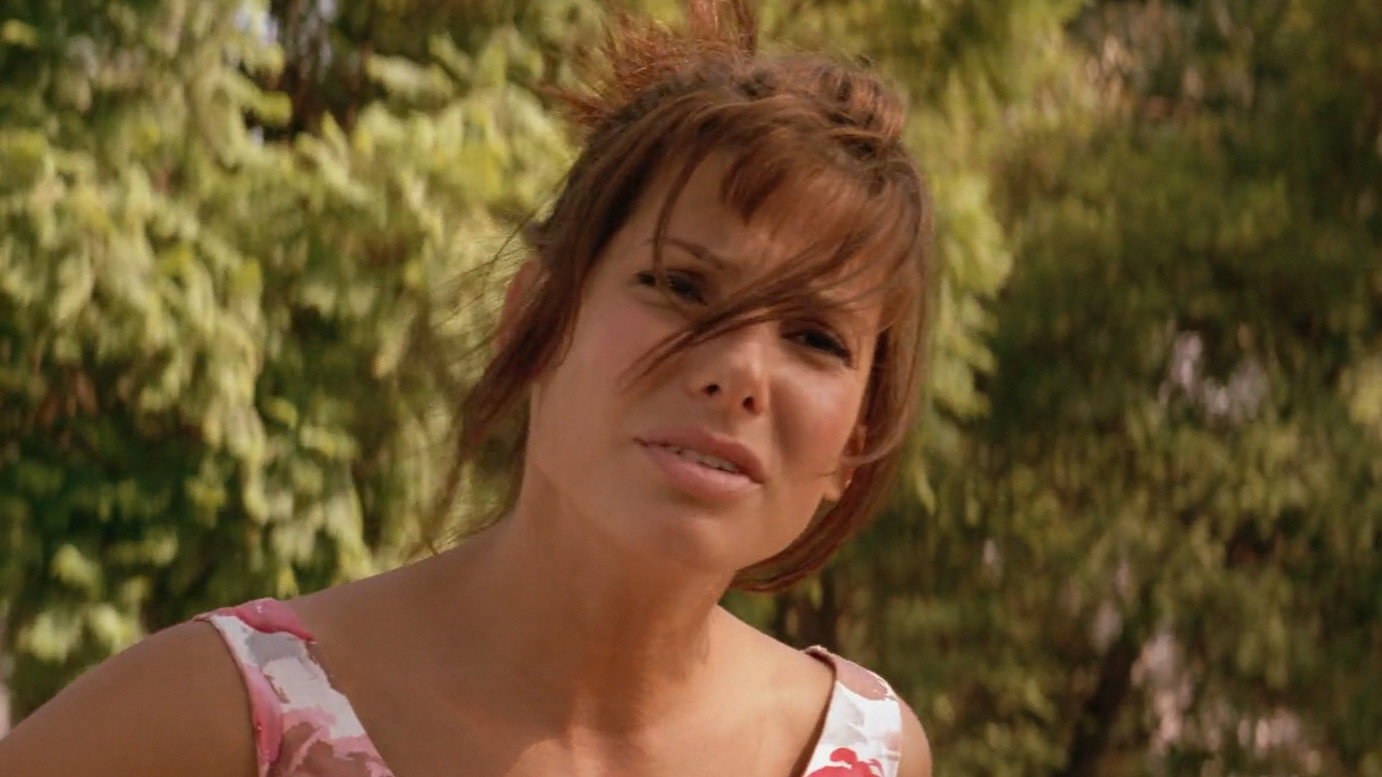
The screenplay, by Randall McCormick and Jeff Nathanson, relies on familiar danger without finding much that feels particular to these people. Annie, played by Sandra Bullock, ought to give the film someone worth following through all this trouble. Instead, she is pushed aside too often, leaving the action without the performer most likely to make its absurdity enjoyable. The writing also takes too long to establish any momentum, so the anticipation wears off before the better sequences arrive.
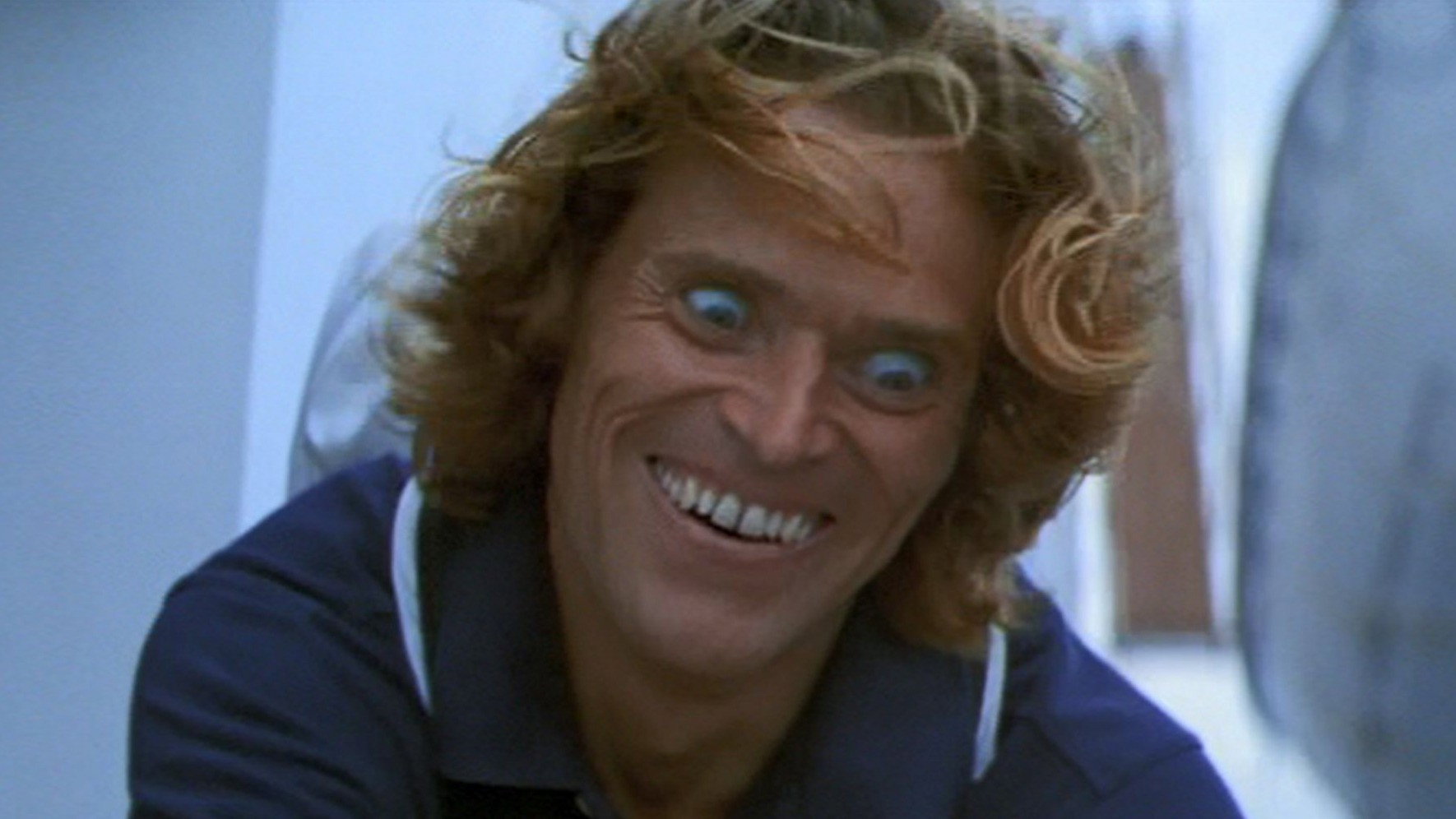
Jason Patric brings a useful assurance to Alex, suggesting someone who might be capable of handling an emergency. He is not the problem, though his scenes with Sandra Bullock produce little warmth or friction. Willem Dafoe has less to work with as Geiger, a villain whose thin characterisation makes menace feel like a job requirement. Neither performance can give the screenplay the relationships it has neglected to develop.
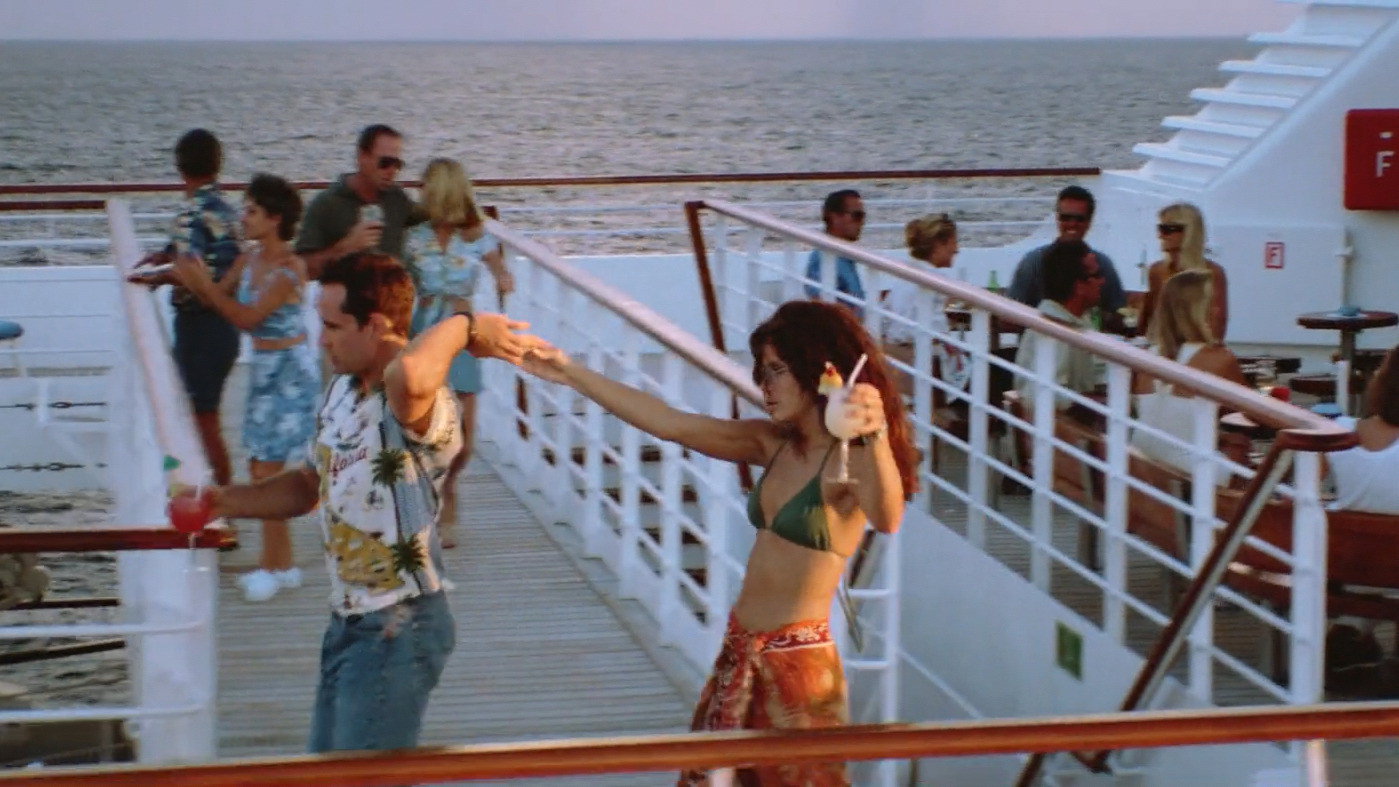
Jack N. Green’s cinematography and the production design by Bill Kenney and Joseph C. Nemec III give the ship enough physical presence to make the large-scale action worth looking at. We can appreciate the space and the effort involved in putting it to use. The better action is competently arranged, and there is some pleasure in watching the film handle a cumbersome setting. But we spend too much time registering the size of the vessel without worrying about anyone aboard it.
Alan Cody’s editing cannot find a sustained pace in material that has already taken too long to get moving. Mark Mancina’s score cannot supply the urgency missing from the action, however much the film needs it to. We were bored by the ship’s slow progress because the characters gave us so little else to care about. Between the action sequences, there is far too much time to notice how familiar the jeopardy has become.
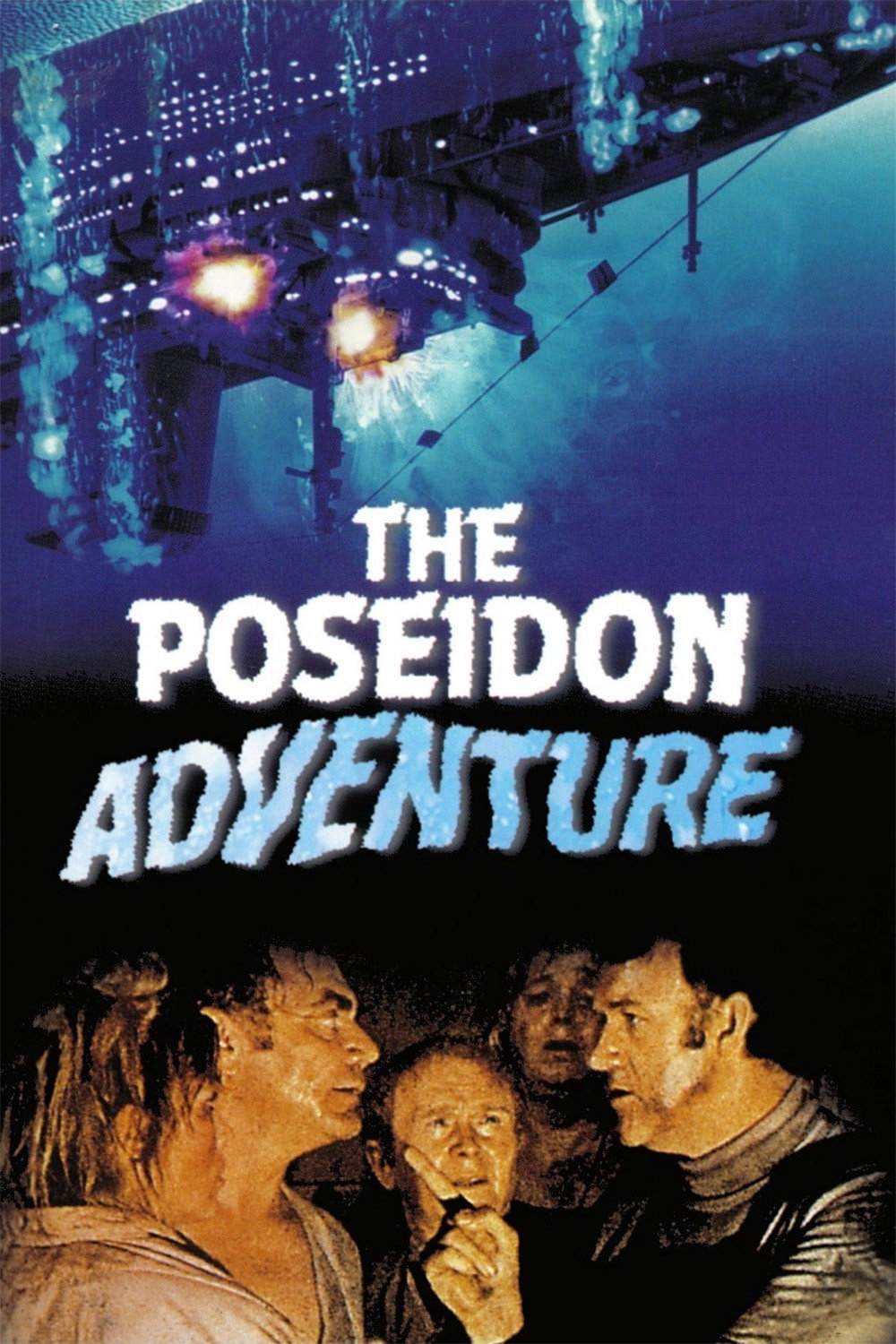
Compared with the original, this is an action film that takes too long to make anything feel pressing. Slow movement need not defeat a thriller, but it requires close attention to what is at stake and who is at risk. Most critics found the result disappointing, and we agree, despite the improvement when the film finally settles into delivering its action. Those passages may satisfy anyone chiefly interested in the mechanics of a large vessel in trouble. For suspense, choose something else.