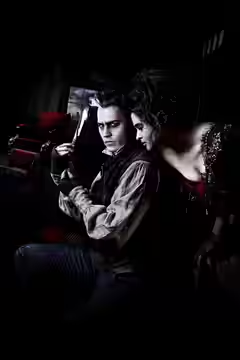
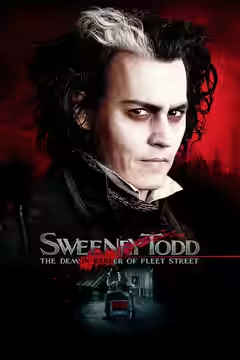
Tim Burton’s blood-soaked musical is funny, cruel and worth the discomfort. Johnny Depp and Helena Bonham Carter make persuasive company for each other, even when their voices cannot quite give Stephen Sondheim’s songs the force they deserve.
Tim Burton makes Sweeney Todd: The Demon Barber of Fleet Street into a musical for people who do not expect a song to improve anyone’s mood. Stephen Sondheim’s music accompanies cruelty, appetite and revenge, and the director lets those things remain ugly. We recommend it, with a reservation about the voices: the leads act their way through the songs more persuasively than they sing them. At 116 minutes, the film has little patience for reassurance.
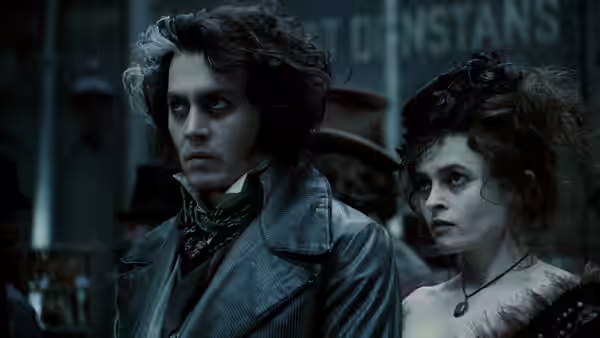
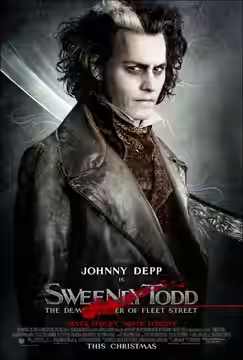
Johnny Depp gives Sweeney Todd a clenched, inward anger; even his singing sounds like something he would rather keep to himself. That suits a man consumed by revenge, although some phrases need more strength than he can supply. Helena Bonham Carter’s Mrs. Lovett is more alert to the practical uses of another person’s misery. She makes an engagingly matter-of-fact partner for him, and her attention to the words helps when the voice sounds thin.
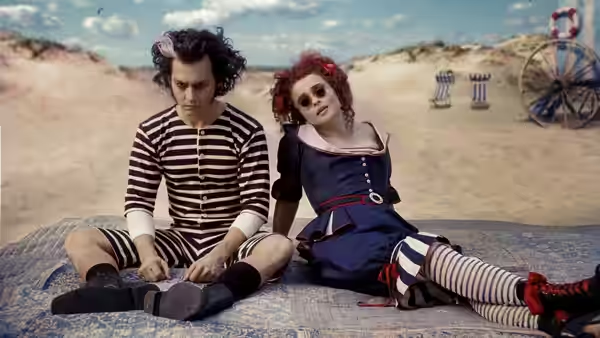
In Worst Pies in London, Mrs. Lovett makes a remarkably poor case for eating anything she has cooked. We laughed at her brisk acceptance of this, because Helena Bonham Carter makes the complaint sound like a normal part of running a business. Stephen Sondheim’s words keep the disgust precise and the comedy conversational. The music gives her complaints enough momentum that we have barely finished laughing before the next one arrives.
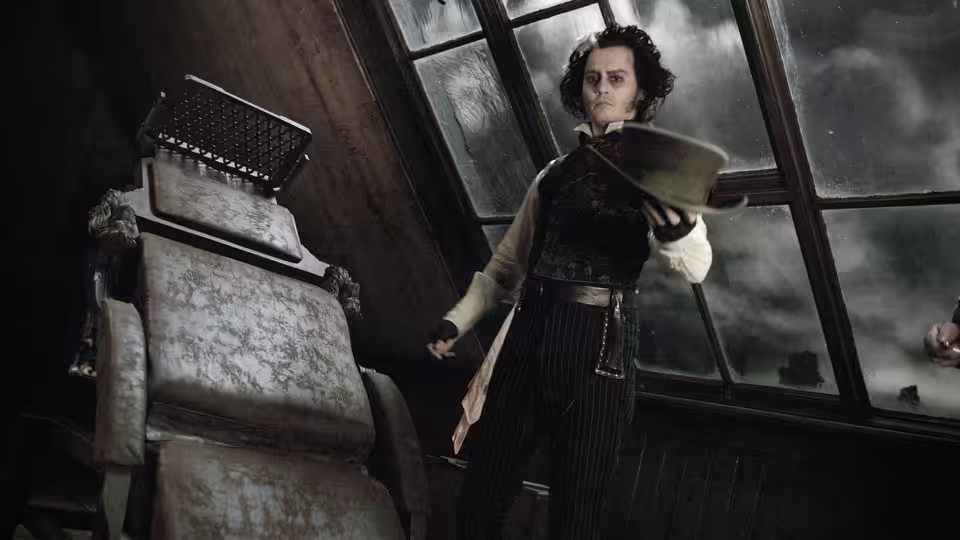
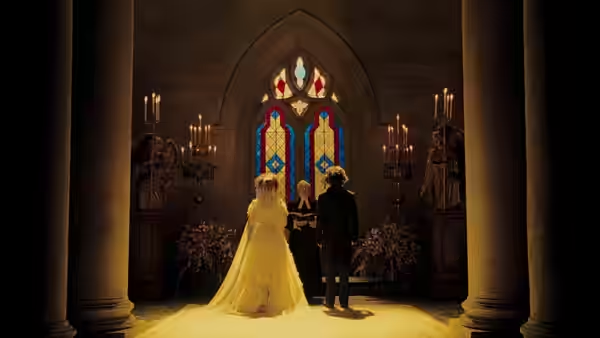
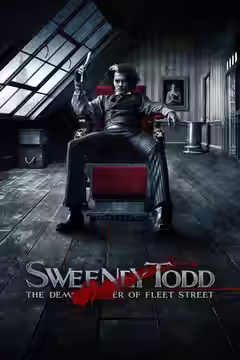
Dariusz Wolski’s drained greys make the blood look indecently bright. Dante Ferretti’s production design crowds the city with grime and decay, giving the characters little relief from their surroundings. Colleen Atwood’s costumes belong to that same worn, inhospitable place. The sameness is effective, but it does become tiring: after a while, another dark corner tells us nothing new about London. The digital city also feels less solid than the people moving through it.
Chris Lebenzon’s editing keeps the musical passages moving as scenes, with disputes and decisions carrying on through the singing. That matters in a film where conversation so often becomes music: we should not feel that the story has stopped for a performance. John Logan’s screenplay keeps the revenge story clear, though a little more room for the people around the central pair would have helped. The pace is brisk enough for their suffering sometimes to pass before it has registered.
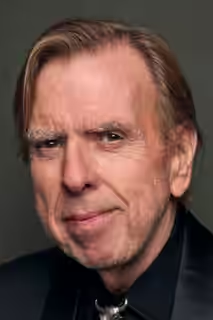
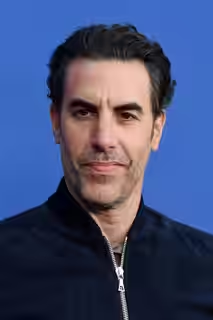
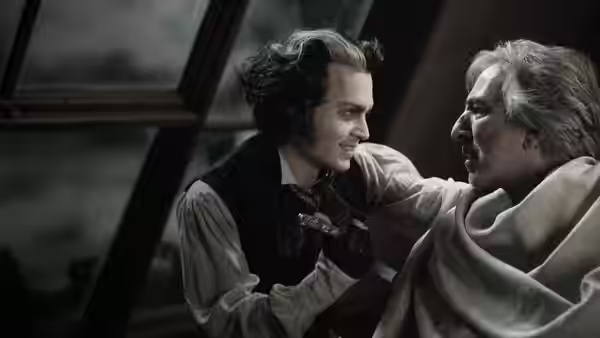
Alan Rickman gives Judge Turpin the assurance of a man who expects to be obeyed; there is no need for him to advertise menace. Sacha Baron Cohen’s Pirelli is amusingly vain, and the performance gives the film a welcome burst of swagger. The shaving contest is a useful reminder that the barber’s trade is also a public performance, with pride and skill to be measured in front of other people. Such moments help keep the gloom from becoming solemn.
For a Gothic horror musical, the lack of comfort is an asset. Tim Burton takes the songs seriously enough to allow them to be cruel, and the violence seriously enough not to tidy it into a harmless joke. We would not choose this for vocal splendour, and anyone hoping the music will soften the bloodshed has the wrong film. Choose it for the sour comedy and the pleasure of hearing beautifully written music sung by people behaving appallingly.