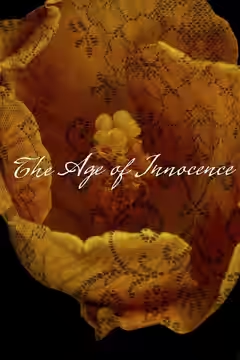
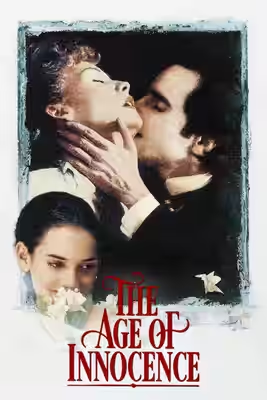
Martin Scorsese makes a painfully persuasive romance out of social rules and suppressed desire. Daniel Day-Lewis, Michelle Pfeiffer and Winona Ryder give the finery human weight, although the film sometimes explains its manners more patiently than necessary.
Martin Scorsese’s The Age of Innocence is a moving, exacting romance, though its formal manners sometimes make the going slow. Scorsese and Jay Cocks adapt Edith Wharton’s novel with a proper regard for how much damage well-behaved people can do. In this high society, desire has to compete with a lifetime of instructions about how to behave. The film takes those instructions seriously enough for us to understand why disobedience is difficult, even when obedience looks miserable.
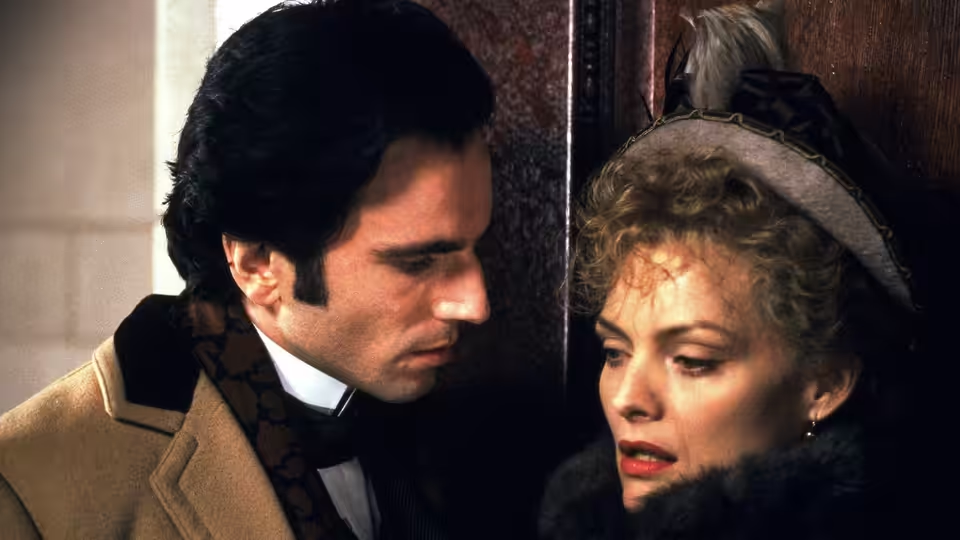
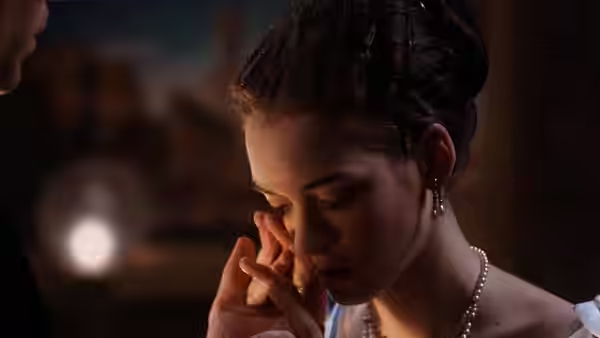
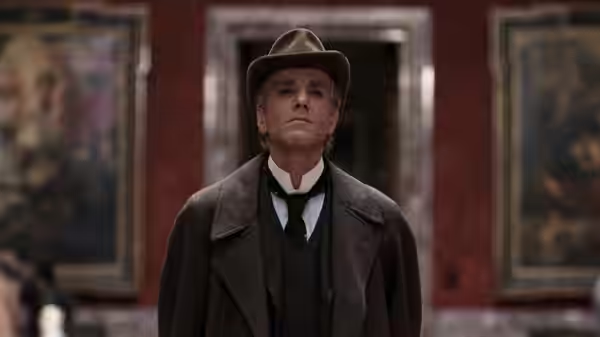
Daniel Day-Lewis plays Newland Archer with a restraint that makes his attraction to Michelle Pfeiffer’s Ellen Olenska painfully legible. Their chemistry depends on how much feeling escapes the effort to contain it; neither performance needs a grand declaration to establish the cost. We ached watching them measure what they could allow themselves to express. It was the checking of a gesture, the effort of remaining composed, that did it. Both actors make that restraint look exhausting.
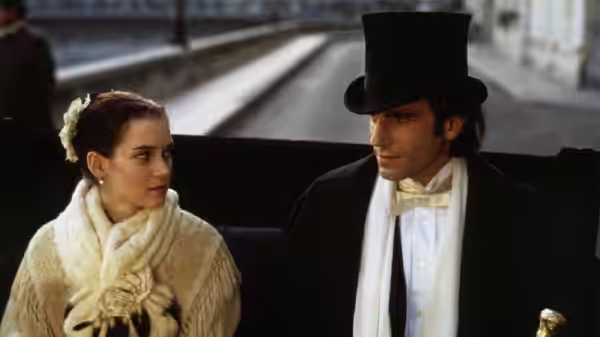
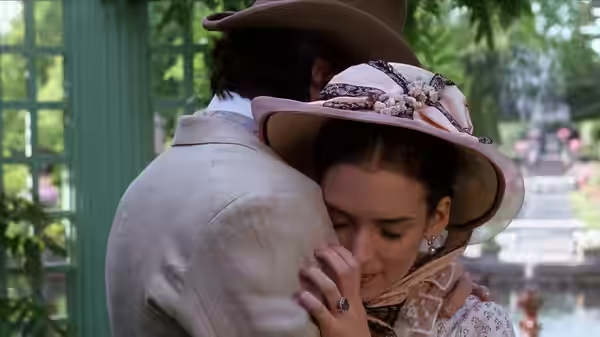
Winona Ryder’s May Welland is essential to this, and Ryder resists the temptation to make correct behaviour look merely vacant. Her composure makes us pay attention, rather than dismiss her as an obstacle to the more obviously troubled pair. The film is alert to the authority available to someone who knows precisely how a society expects people to behave. Ryder is especially good at keeping that authority quiet.
Michael Ballhaus’s cinematography encourages us to inspect the décor, which is useful in a film about people who inspect everything. Dante Ferretti’s production design supplies the period detail in such profusion that the surroundings can seem to demand good behaviour before anyone speaks. Gabriella Pescucci’s costumes add to that pressure: being properly dressed looks like work. We can enjoy the care of the workmanship and still find all this correctness oppressive. The clothes belong to people who expect to be looked at and judged.
Thelma Schoonmaker’s editing gives the gestures time to matter, keeping the acting readable amid so much visual information. The ironic narration is equally important, making the social rules intelligible without treating them as reasonable. It also gives Scorsese room to be funny about people who would not appreciate the joke. Elmer Bernstein’s score is more openly yearning than the characters can be, and that freedom is welcome. It helps the quieter performances reach us.
That help matters, because at 138 minutes the film occasionally spends longer teaching us the rules than we need. There are passages where the attention lavished on social ritual holds us at a distance from the people caught in it. The narration can compound this by explaining what the performances have already made clear. We would have welcomed a little less guidance, and fewer opportunities to admire the furnishings. The stiffness noted in some of the reviews is there, even if it seldom cancels the feeling.
As a costume romance, this is unusually interested in what it costs to keep behaving properly after proper behaviour has become painful. Scorsese does not treat the past as an excuse to give everyone modern instincts and inconvenient clothes. The performances make the attraction persuasive enough that we want relief for these people, even as the film teaches us why relief is hard to imagine. Watch it when there is time to notice a face before someone has quite brought it under control.