Danny Boyle makes the beach worth dreaming about, but gives us too little reason to care about the people on it. The performances offer brief distractions from a story that grows steadily less convincing.
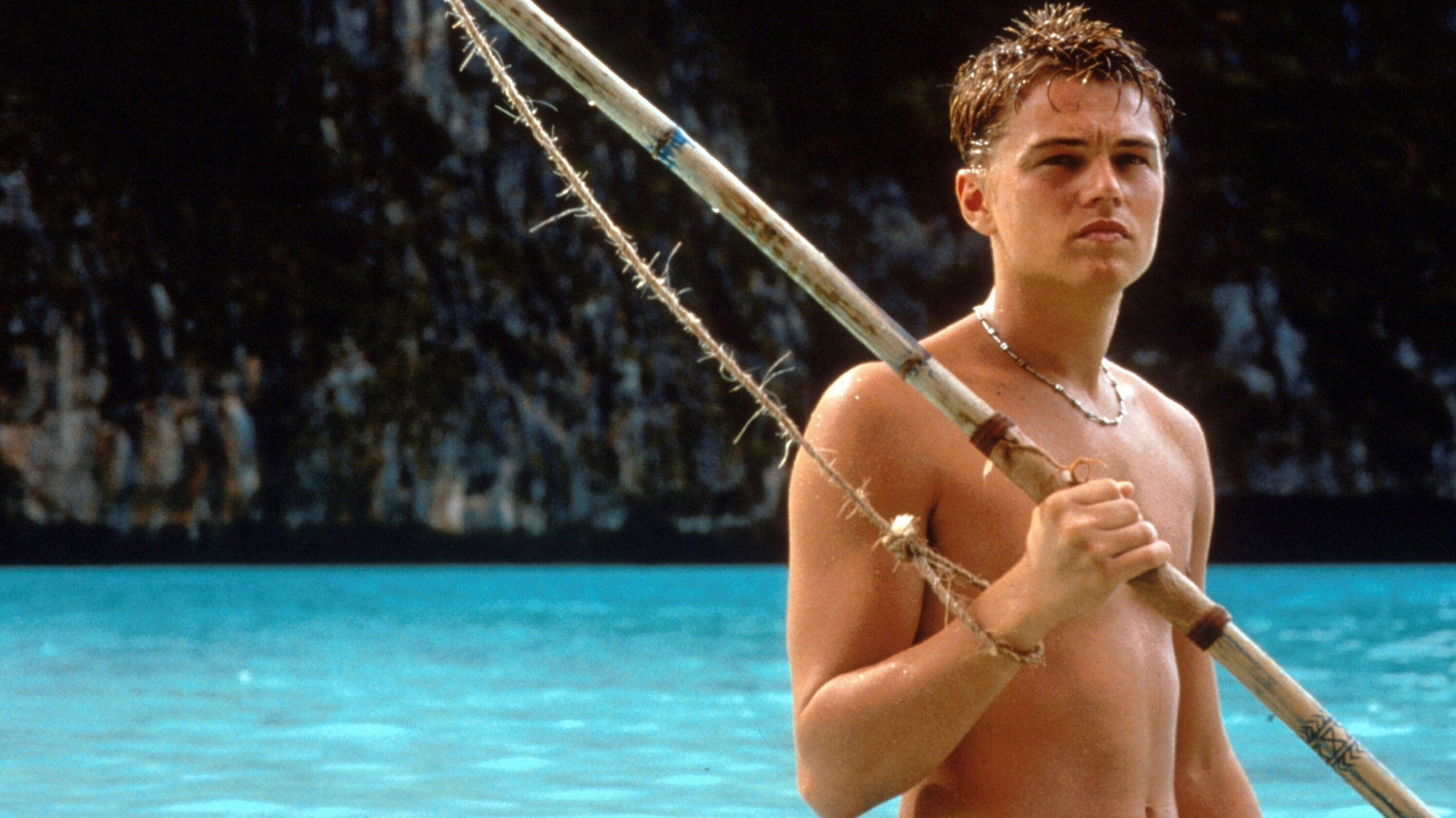
The Beach has a sound subject for an adventure film: the traveller who believes a sufficiently remote destination will make him a more interesting person. Danny Boyle gives that belief an inviting setting and too little scrutiny. His adaptation of Alex Garland’s novel, scripted by John Hodge, is watchable when curiosity drives it, but increasingly unconvincing when it asks us to take Richard’s troubles seriously. At 119 minutes, it spends too long depending on our interest in a young man it has only partly explained.
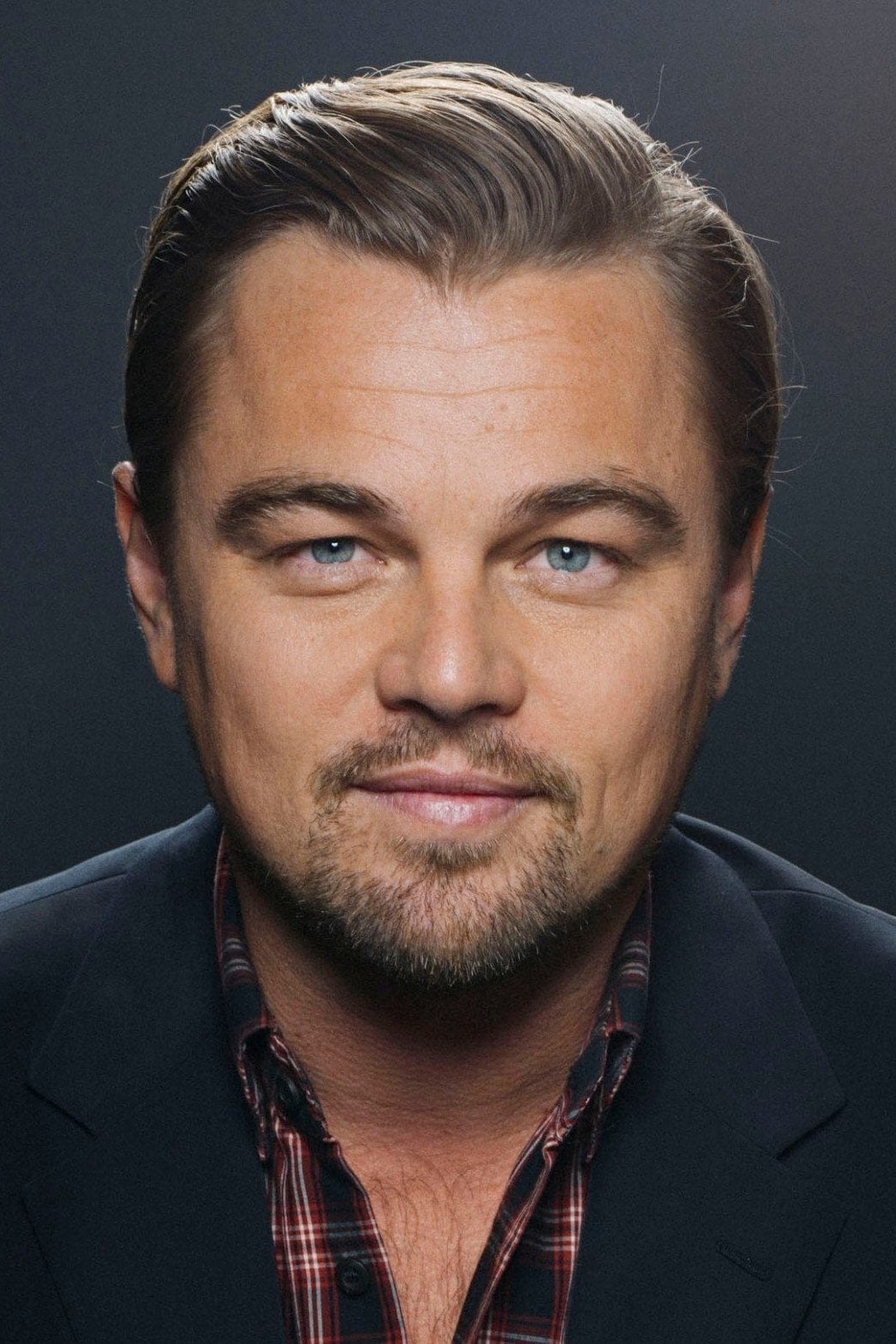
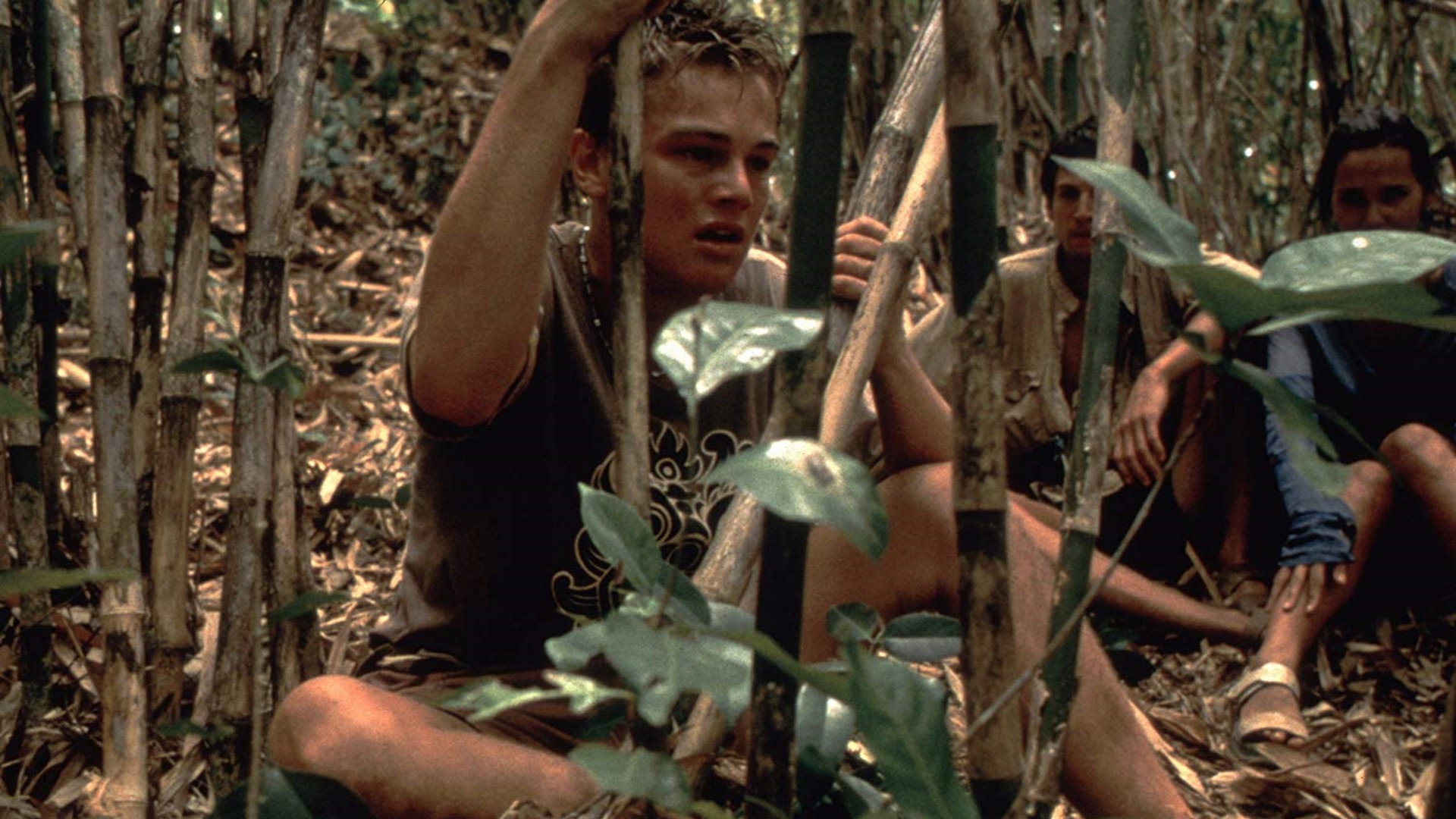
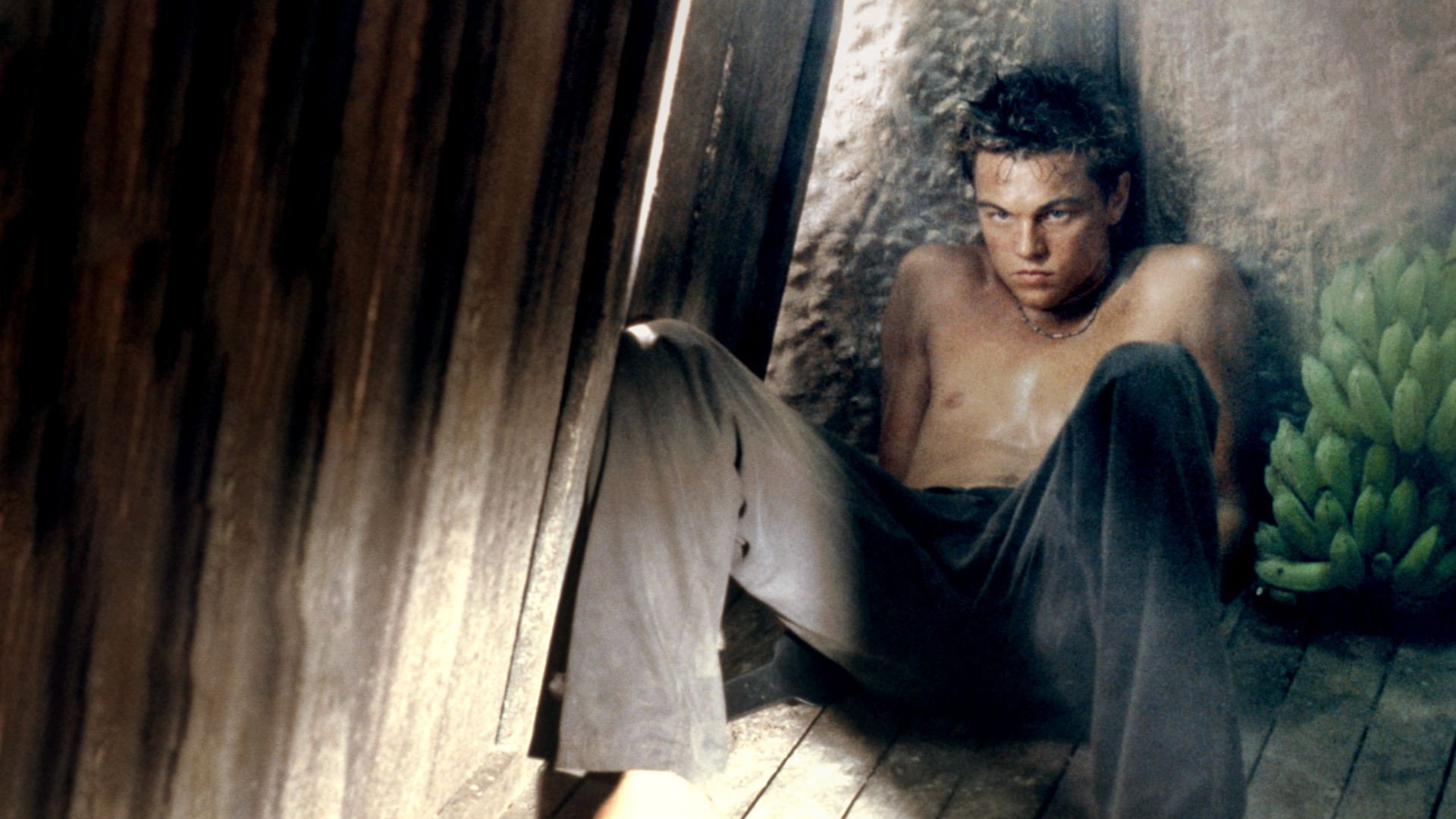
Leonardo DiCaprio makes Richard’s hunger for experience understandable, even when the writing gives him little beyond that hunger to play. There is effort here, and enough eagerness to suggest why someone might mistake a change of scenery for a change of life. Virginie Ledoyen brings feeling to Françoise, though the romantic writing does not give her enough independence from Richard’s story. Their attraction supplies moments of warmth without making either person much clearer.
Robert Carlyle is more immediately useful as Daffy, whose frantic presence gives the early stretch a sense that this adventure might be a bad idea. We were briefly unsettled by him, because his agitation makes Richard’s appetite for adventure look dangerously naive. Boyle lets that discomfort into the film without losing its forward movement. The difficulty is sustaining it once the island community needs to become more than a collection of people for Richard to react to.
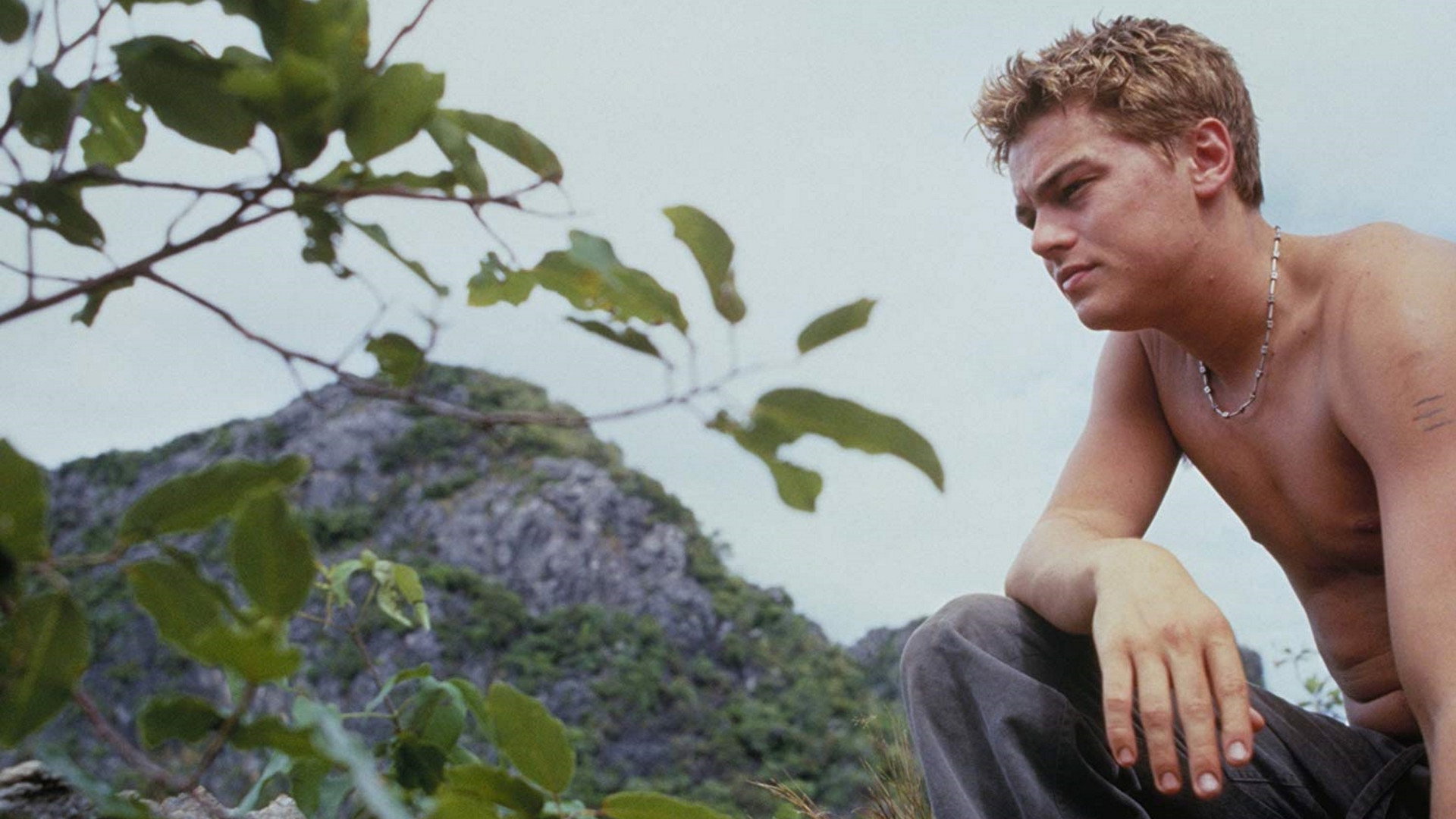
Darius Khondji’s cinematography makes the Thai locations look inviting enough to justify Richard’s hopes. The beauty matters: if the beach did not look worth seeking, the film would have no starting point. Andrew McAlpine’s production design helps make the island settlement plausible as somewhere people might stay, though the screenplay leaves us knowing too little about its inhabitants. We can understand wanting to reach this place; the film is less successful at showing why anyone would want to live with this particular group.
Masahiro Hirakubo’s editing serves the early adventure well, keeping Richard’s curiosity moving before it has been tested much. As the film grows more troubled, the changes of mood feel hurried, with too little time for behaviour to become convincing. Angelo Badalamenti’s music gives the longing more weight than the thin characterisation can support. The score can encourage us to feel the importance of an experience, but it cannot explain why Richard responds to it as he does.
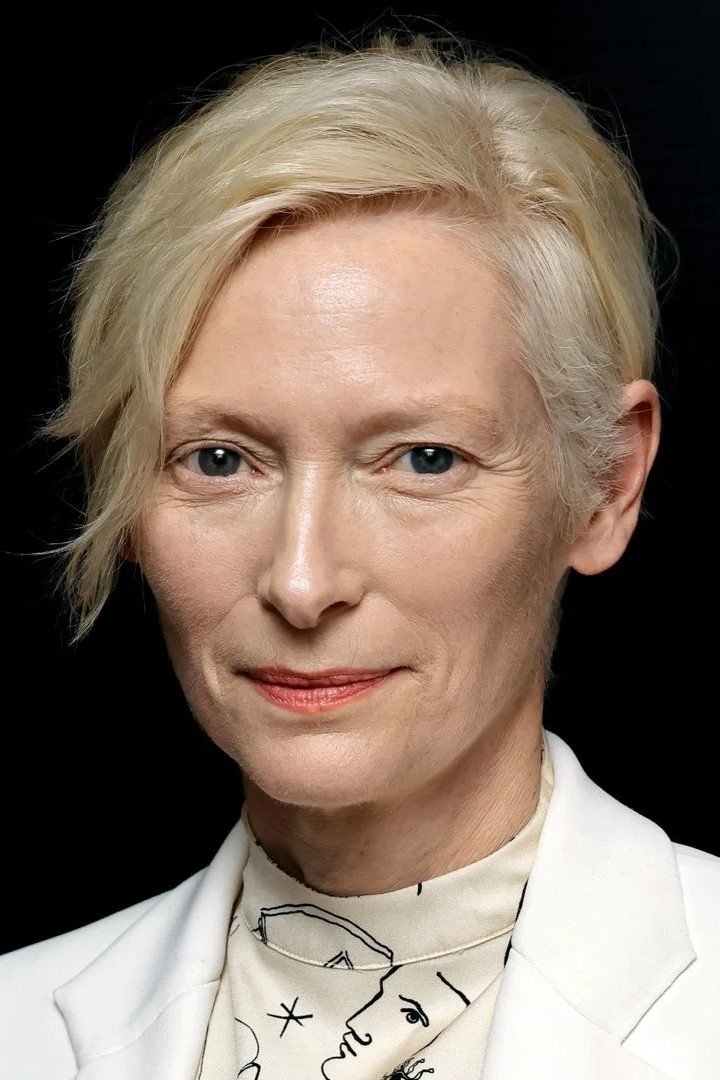
Tilda Swinton gives Sal an assurance that makes us wish the film would spend longer considering her, rather than returning so insistently to Richard. She suggests a person with reasons for being here, even where Hodge provides too little room to examine them. The other travellers need interests we can follow without waiting for Richard to notice them. Their limited depth becomes a serious weakness once the story asks the community to hold our attention.
Against the standards of the adventure thriller, Boyle is better at stirring curiosity than at earning unease. The later passages press harder for an intensity that the relationships have not prepared, and the attractive setting cannot keep compensating for that gap. There are performances worth watching and images worth lingering over, but not enough sustained interest to recommend the whole 119 minutes. Try it for the travel fantasy only if thin company does not usually spoil the holiday.