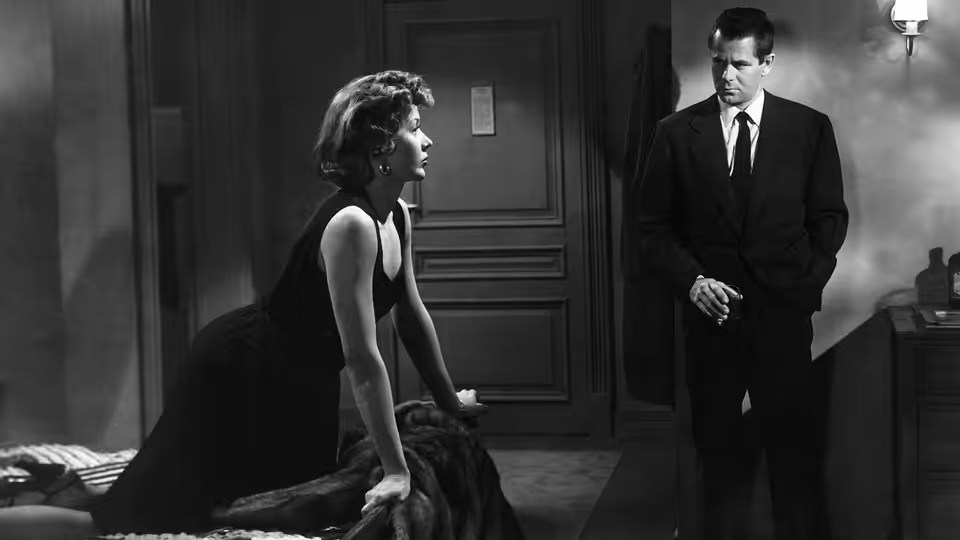
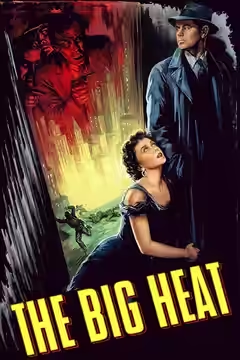
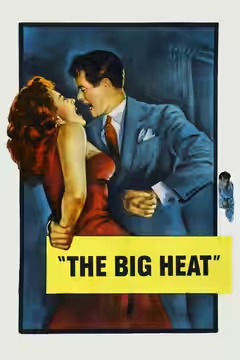
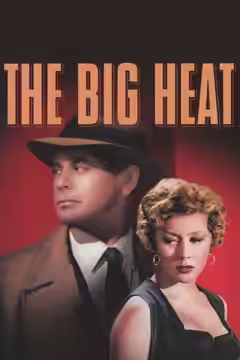
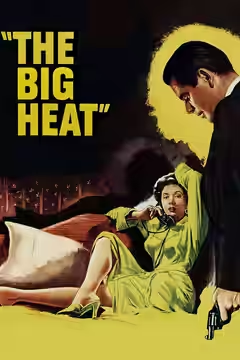
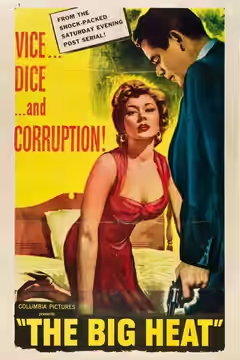
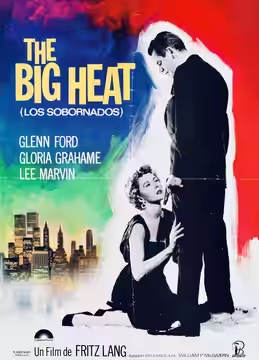
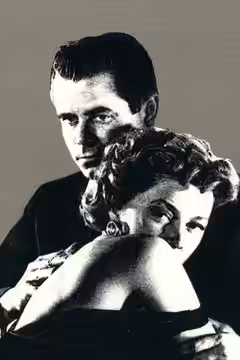
Fritz Lang’s crime thriller is taut, nasty and worth the discomfort, with Gloria Grahame and Lee Marvin giving it force. Some convenient plotting shows through, but the violence still has the power to disturb.
The Big Heat is a tough, absorbing crime thriller with a few convenient turns in its plotting. Fritz Lang directs it with enough control to keep those weaknesses from taking over, and enough severity to make its violence unpleasant. We recommend it for the performances as much as the suspense. At 89 minutes, it has little patience for anything that might make this company easier to bear.
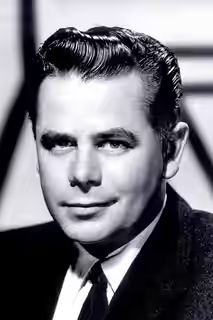
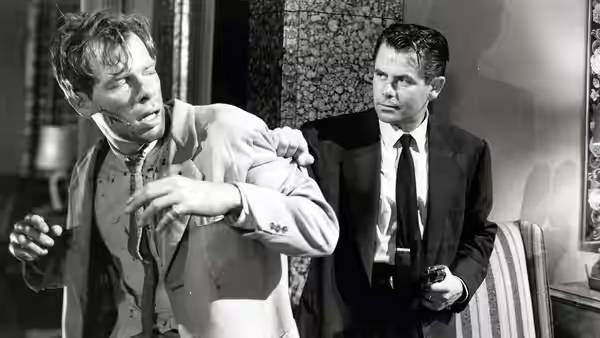
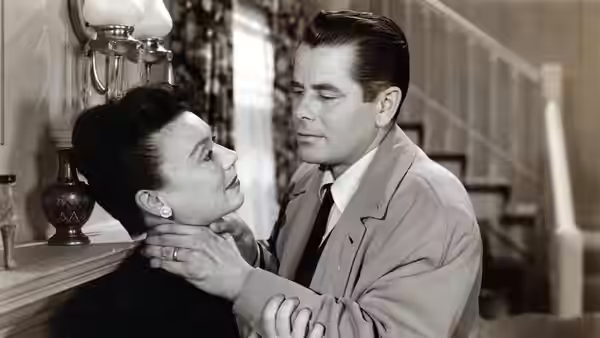
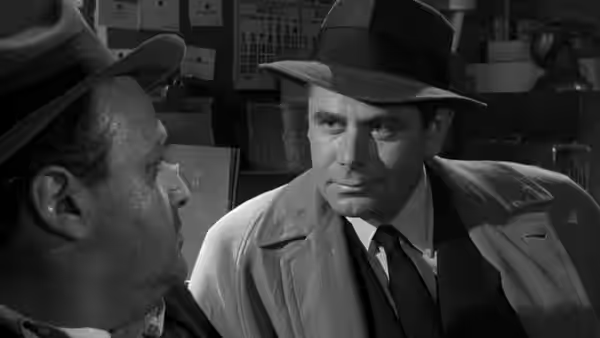
Glenn Ford’s Det. Sgt. Dave Bannion gives it a firm centre. A hard cop is not automatically an interesting one, and the performance avoids making determination feel like a substitute for everything else. There is weight behind the manner, enough to make the character credible without making him especially easy company. Sydney Boehm’s screenplay benefits from that conviction: even when the plotting feels familiar, the man at its centre commands attention.
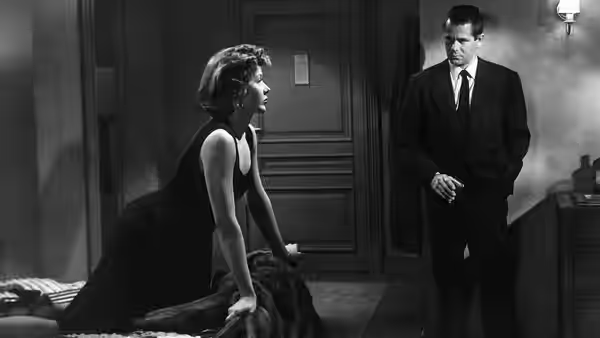
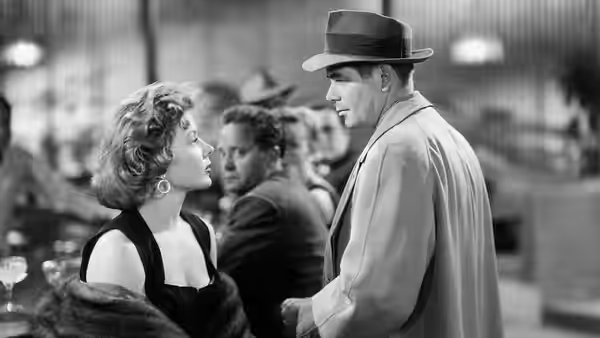
Gloria Grahame’s Debby Marsh is the performance we would send someone to see. She makes the character seem capable of surprising us, so that we keep watching for what she might think or feel next. That uncertainty is precious in a thriller with some conventional turns. Fritz Lang’s direction can seem emotionally remote, and her presence keeps that remoteness from becoming a serious obstacle to caring about the people on screen.
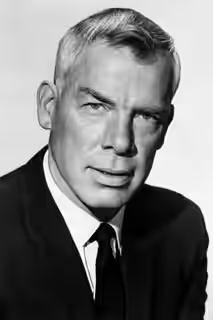
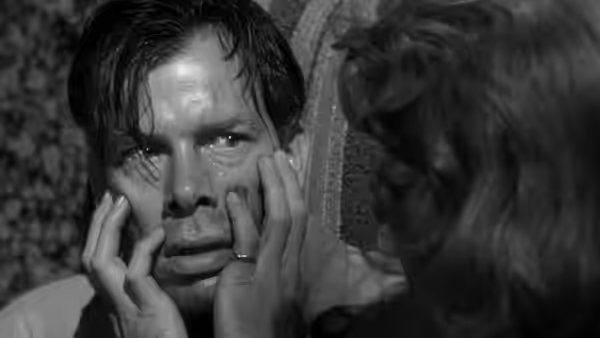
We were frightened by Lee Marvin’s Vince Stone. The coldness of the performance does it: cruelty appears to require scarcely any effort, and there is no reassuring theatrical flourish to make it easier to enjoy. It is an effective performance in a film whose violence can still unsettle. Fritz Lang gives the threat enough room to register, rather than treating brutality as a quick way of hurrying us towards the next piece of business.
Charles Lang’s cinematography makes strong use of shadow, giving the images a darkness that suits this company. It works because the lighting reinforces the unease without distracting attention from the actors. Charles Nelson’s editing keeps the pressure steady; the film moves briskly without making the performances feel hurried. That control matters more to the suspense than any single violent moment. We have time to watch the actors make one another uncomfortable.
Henry Vars and Arthur Morton’s music supports the suspense, though it leaves less of an impression than the faces. The more noticeable weakness is in Sydney Boehm’s screenplay, which occasionally asks us to accept a convenient turn because the thriller needs one. The acting is persuasive enough to make those moments stand out. A little more plausibility would have helped in those passages; brisk pacing cannot hide every contrivance.
Crime thrillers can lose force once their methods become familiar. This one remains uncomfortable because the actors make cruel behaviour so convincing, and because the direction gives us little relief from watching it. Fritz Lang’s detachment may put some viewers off, and we would understand that response. Watch it for Gloria Grahame and Lee Marvin; a comfortable evening is available elsewhere.