Alexander Payne’s family drama is funny, patient and moving, with George Clooney and Shailene Woodley doing its most persuasive work. The voice-over explains too much, and the second half loses some of the early sharpness.
Alexander Payne’s The Descendants is a warm, funny family drama that becomes moving without pretending its people are especially good at looking after one another. Its chief pleasure is watching George Clooney’s Matt King attempt fatherhood when looking composed is no longer much use. The film takes grief seriously, but leaves room for irritation, embarrassment and badly judged remarks. We recommend it, with a reservation about writing that sometimes explains what the cast has already made clear.
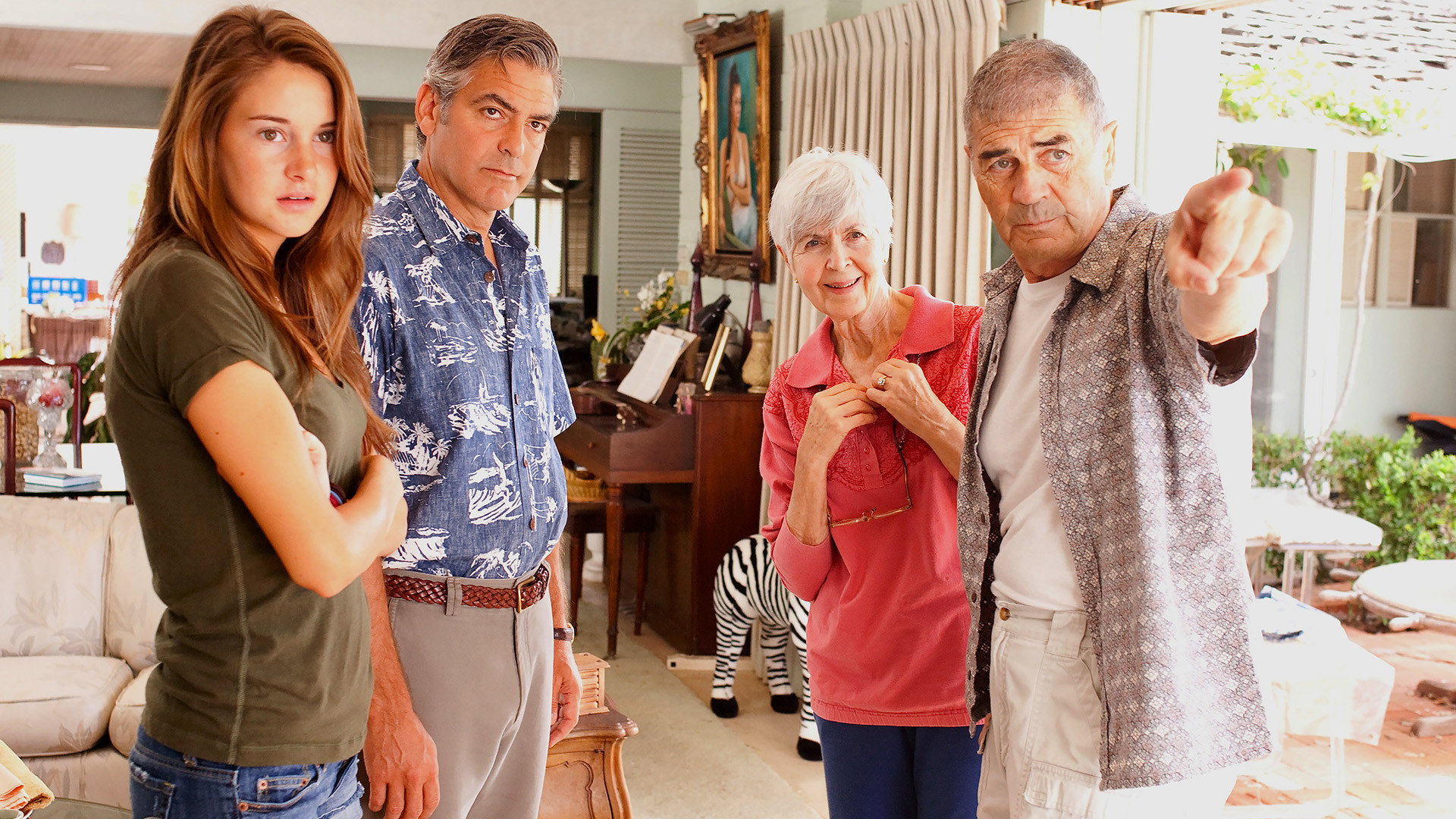
George Clooney is persuasive because he lets Matt King seem inadequate without asking us to congratulate him for admitting it. He looks harried, and seems to be working out how to behave while the people around him need an answer now. There is humour in that delay, and something uncomfortable about seeing a father unable to manage an ordinary emotional exchange. A less patient film would hurry him towards a useful speech.
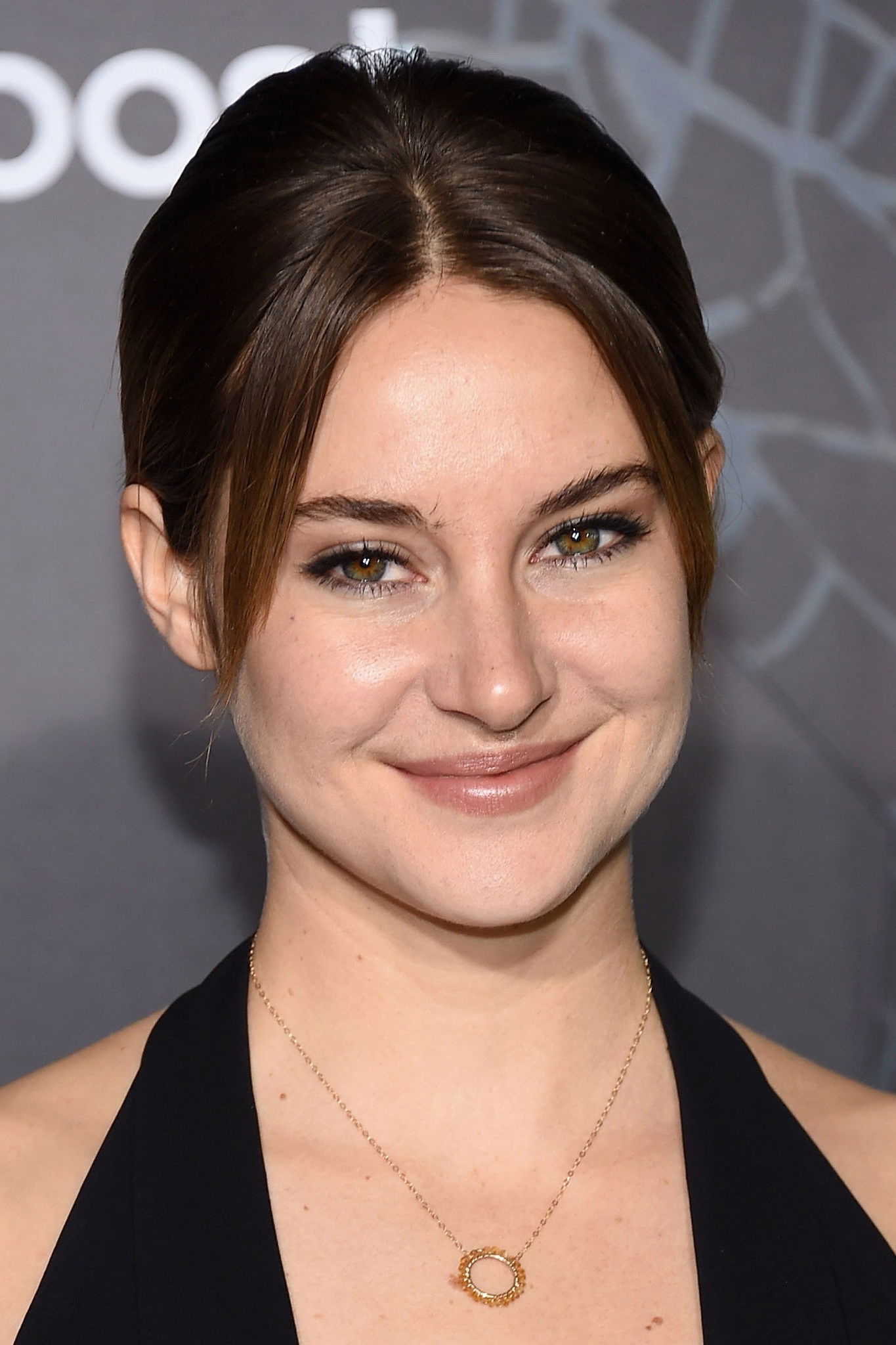
Shailene Woodley gives Alexandra King enough resentment to make the father-daughter relationship feel difficult even when the film wants it to become tender. We were moved by her unwillingness to make her father’s discomfort easier. The hurt remains visible beneath her impatience, so his efforts to reach her matter without requiring her to be agreeable. Amara Miller, as Scottie King, helps prevent the daughters from becoming a single shared problem for their father to solve; the younger cast give the family several different ways of responding to distress.
Phedon Papamichael’s cinematography makes Hawaii look like somewhere people might have to endure an ordinary miserable day. The images are attractive without suggesting that a pleasant view should make grief easier to bear. Jane Ann Stewart’s production design keeps the domestic surroundings unshowy enough for us to notice the strained family relationships first. Jeff Peterson’s music gives the film a gentleness that mostly feels welcome, though it contributes to the softening of some difficult material.
Kevin Tent’s editing gives the actors time to be awkward, which is essential to the comedy, but the second half could be tighter. Alexander Payne, Jim Rash and Nat Faxon’s screenplay, adapted from Kaui Hart Hemmings’s novel, gradually starts explaining feelings that seemed clear enough without the help. The voice-over is the clearest weakness: it supplies guidance when George Clooney’s uncertainty is already legible. His hesitation would tell us enough if the script trusted it.
We are wary of family dramas that treat a father’s belated attentiveness as sufficient reason for everyone else to soften. Here, the daughters have enough space to make that less straightforward. The warmer passages are earned by the cast, although the writing occasionally reassures us too quickly. The humour helps because embarrassment does not stop simply because people are suffering.
Watch it with someone who does not need every character to behave sensibly. There is pleasure in recognising the mistakes before the people making them do. Any discussion of your own family’s communication skills can wait until another evening.