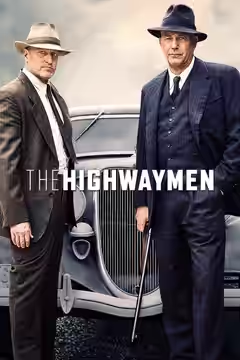
Kevin Costner and Woody Harrelson make good company, but John Lee Hancock’s manhunt rarely gathers urgency. Handsome period craft cannot disguise the repetition or the film’s excessive faith in its lawmen.
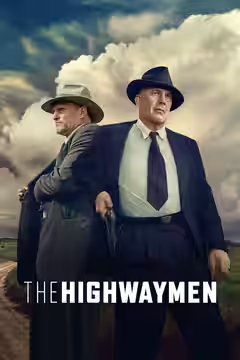
The Highwaymen wants to return the Bonnie and Clyde story to the men sent after them, and John Lee Hancock gives those men plenty of time to explain themselves. Too much time, as it turns out. This is a fitfully engaging crime drama whose two leading performances are better than its account of law and order. Its patience is welcome at first, especially when Kevin Costner and Woody Harrelson are simply sitting together, but the pursuit rarely develops much pressure.
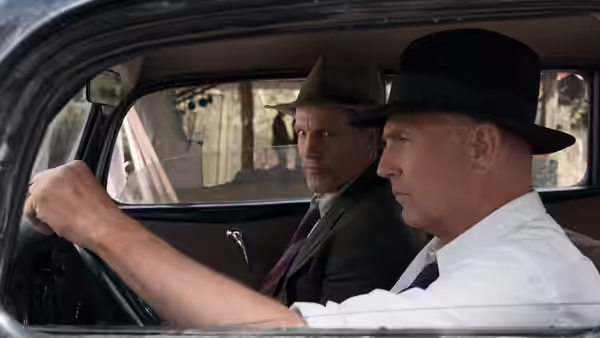
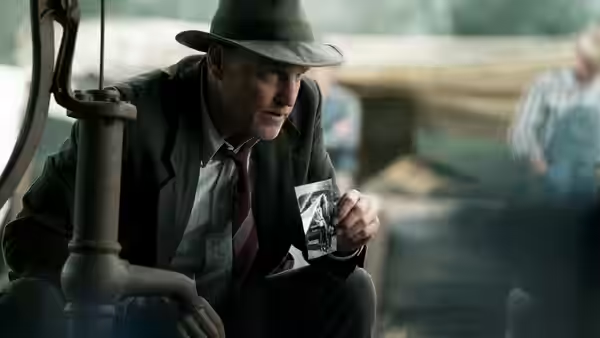
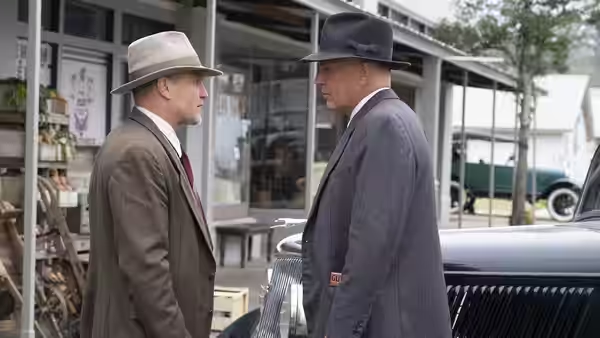
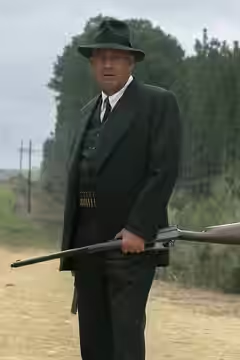
Kevin Costner plays Frank Hamer with a stubbornness that makes charm seem beside the point. He is convincing as a man who expects his experience to settle an argument. Woody Harrelson gives Manny Gault more warmth and uncertainty, allowing some doubt into the partnership. We laughed at their irritable exchanges in the car, because both actors make the bickering sound like a habit neither man intends to break. Their shared history feels credible without needing constant explanation.
John Fusco’s screenplay is less persuasive when it asks the pair to speak for the film. The weightier speeches explain their attitudes without making those attitudes much more complicated. There is room for unease about the methods of these lawmen, but too often their weariness seems to be offered as sufficient proof that they deserve our trust. The conversations become repetitive because the screenplay keeps returning to a respect for authority it has done too little to test.
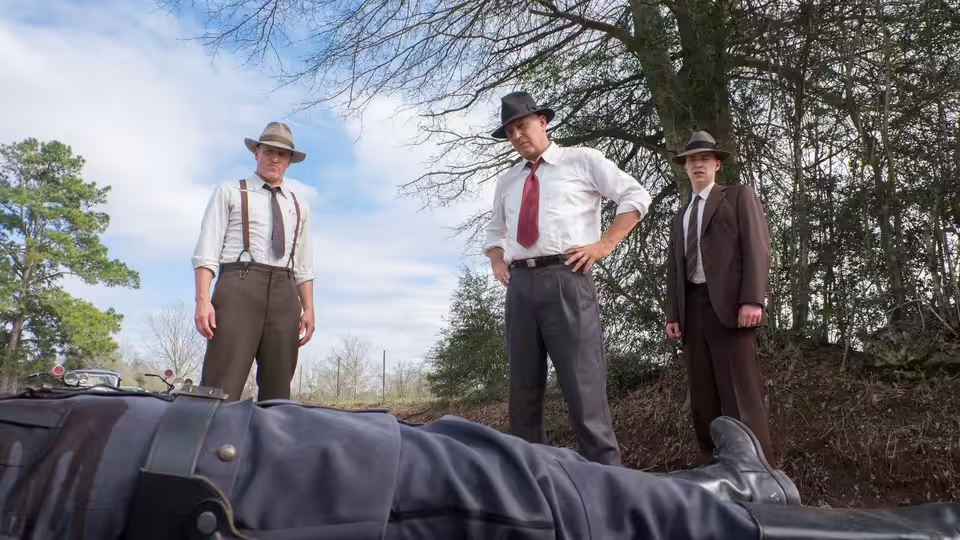
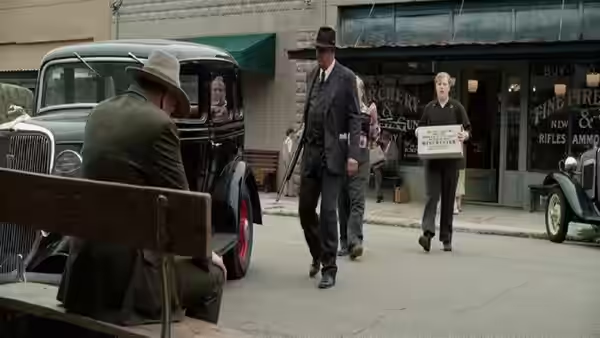
John Schwartzman’s cinematography gives the journey broad, golden landscapes, allowing our attention to wander beyond the conversations. Michael Corenblith’s production design makes the period settings look lived in, and there is pleasure in having time to look around them. Neither contribution is helped by how long we are asked to look. After a while, the warmth of the images contributes to a settled, comfortable mood when the pursuit needs something less reassuring.
Robert Frazen’s editing gives the actors room, which is useful when a pause contains irritation or doubt. It becomes a problem when another exchange leaves us much where the previous one did. At 133 minutes, the film allows repetition to pass for thoroughness, while Thomas Newman’s music reinforces the solemn mood without supplying the urgency missing from the scenes. The slow pace is a choice, but it needs to reveal more about these men to justify quite this much time in their company.
A police procedural need not hurry, and there is no reason to object to a film that questions the glamour attached to its criminals. The difficulty here is that Bonnie and Clyde’s public appeal is treated largely as something to disapprove of. Understanding that appeal would make the task of opposing them more interesting. John Lee Hancock spends so much effort correcting their image that his lawmen are allowed comparatively little scrutiny, beyond the doubts Woody Harrelson brings to the partnership.
Admirers of either lead will find stretches worth their time, particularly when the film lets the partnership be funny. We cannot recommend the full journey on that basis: the jokes and the performances have to compensate for too much waiting. For a tense manhunt, we would look elsewhere.