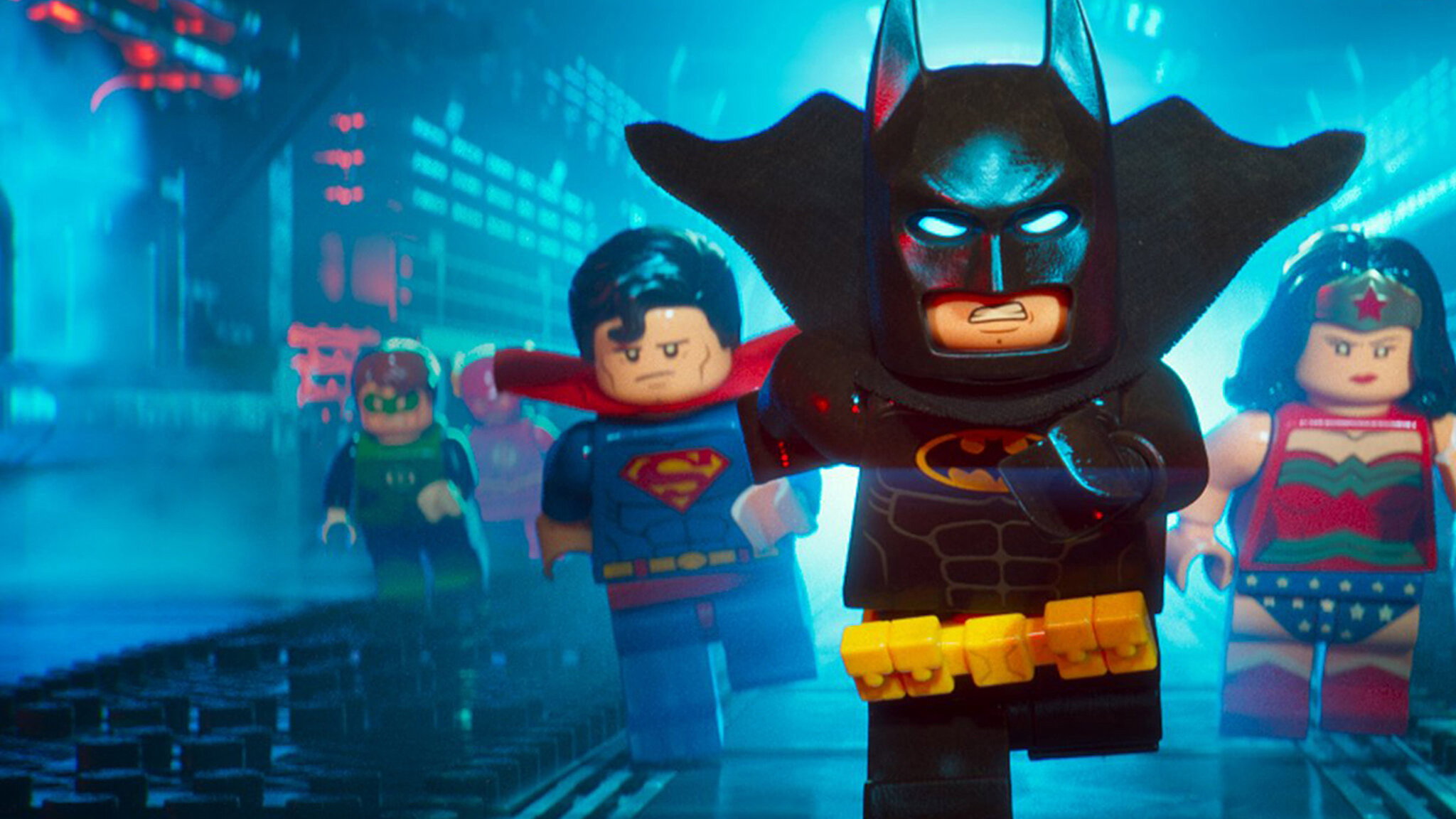
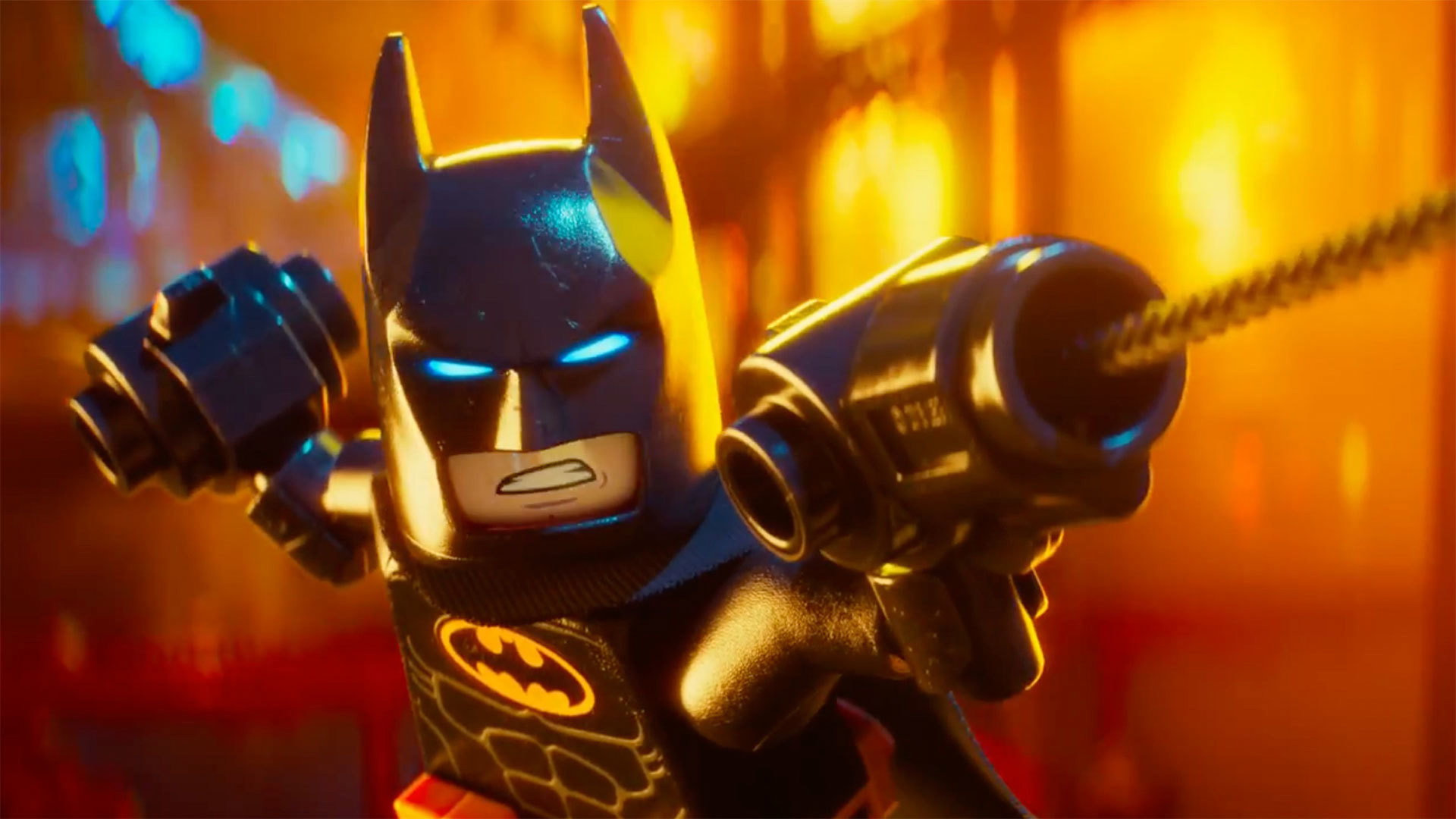
Chris McKay’s brick-built Batman is the funniest the character has been on screen, and the first half hour is close to perfect. After that the jokes keep the same pace, the lesson is repeated, and we tired before the end.
Batman was the best thing in The Lego Movie: a vain, gravel-voiced bit-part who wrote his own songs and assumed everyone had come to see him. Phil Lord and Christopher Miller, who directed that film, produce; Chris McKay directs a feature built on the question the joke raised. What is a man like that like when he gets home? The Lego Batman Movie is the funniest Batman has ever been on screen and, for half an hour, sharp about him too. Then it keeps going at the same pitch until we were worn out. We recommend it, with that warning attached.
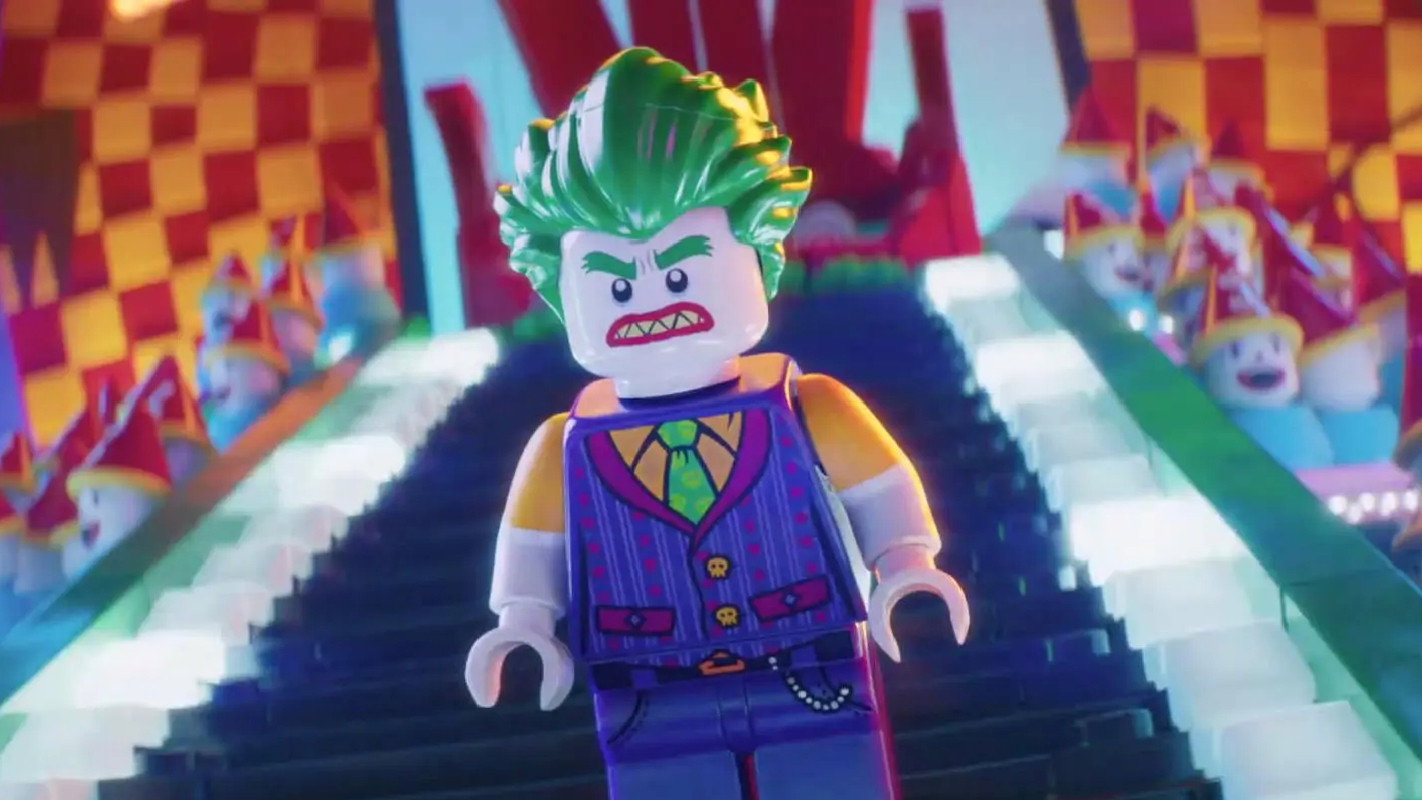
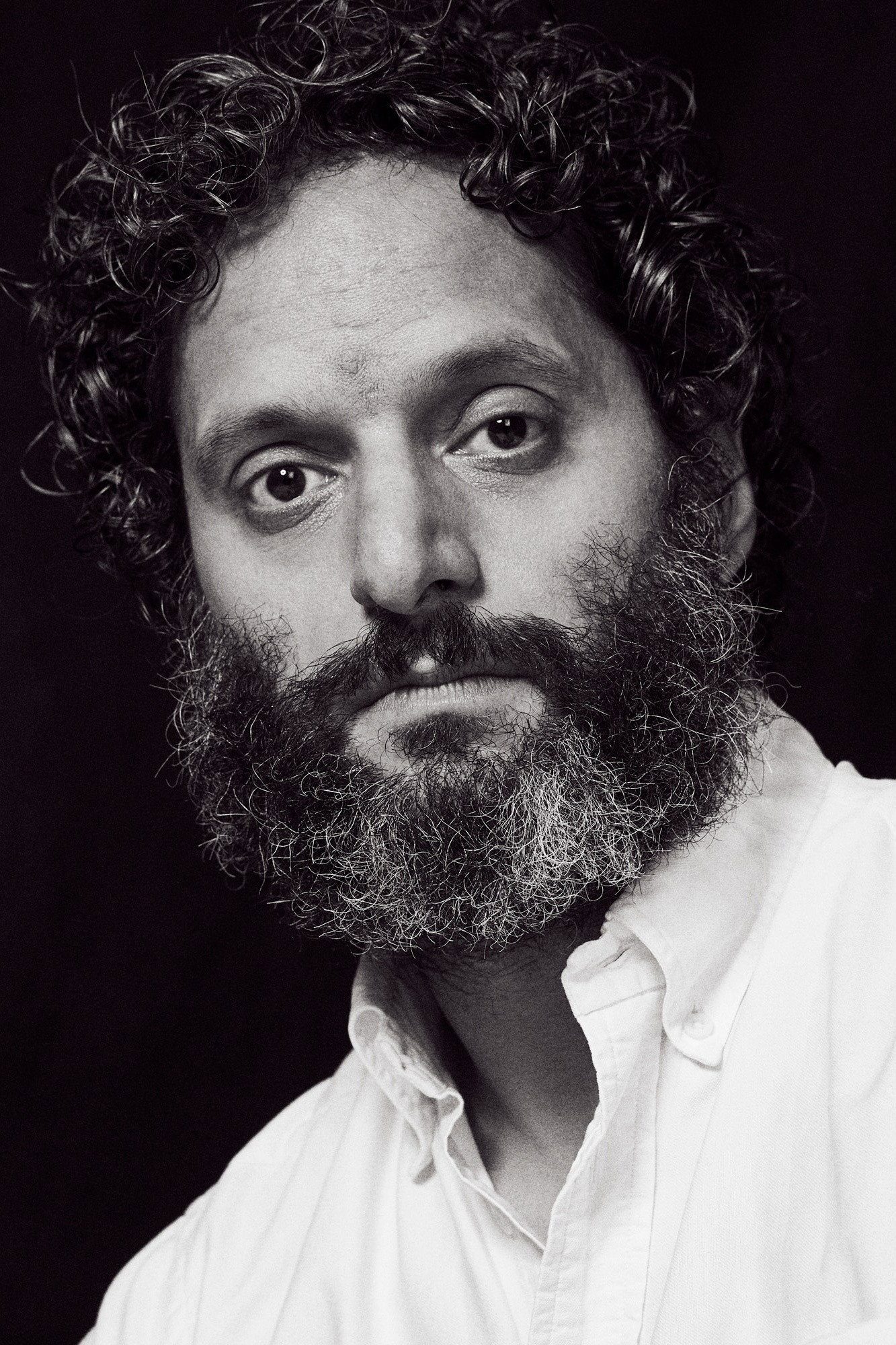
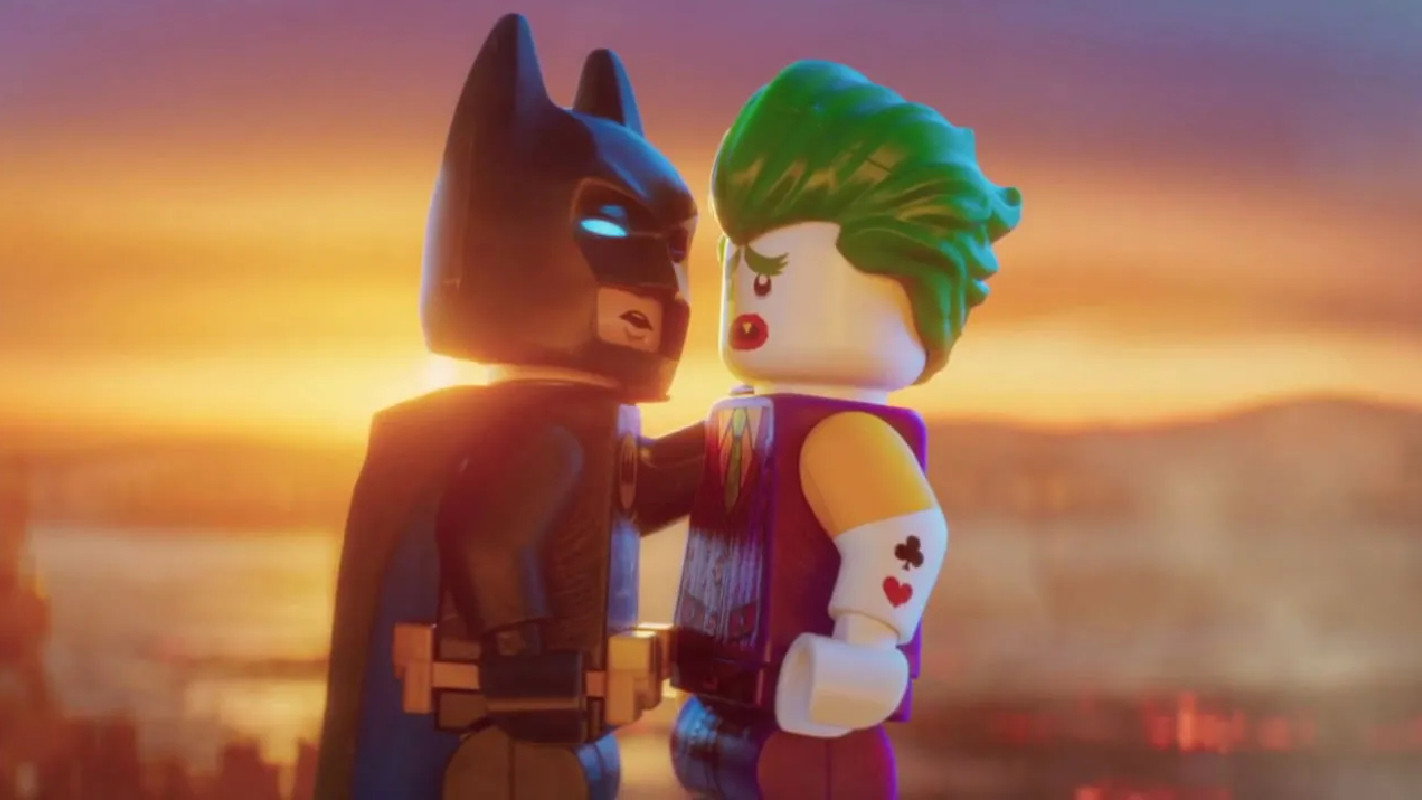
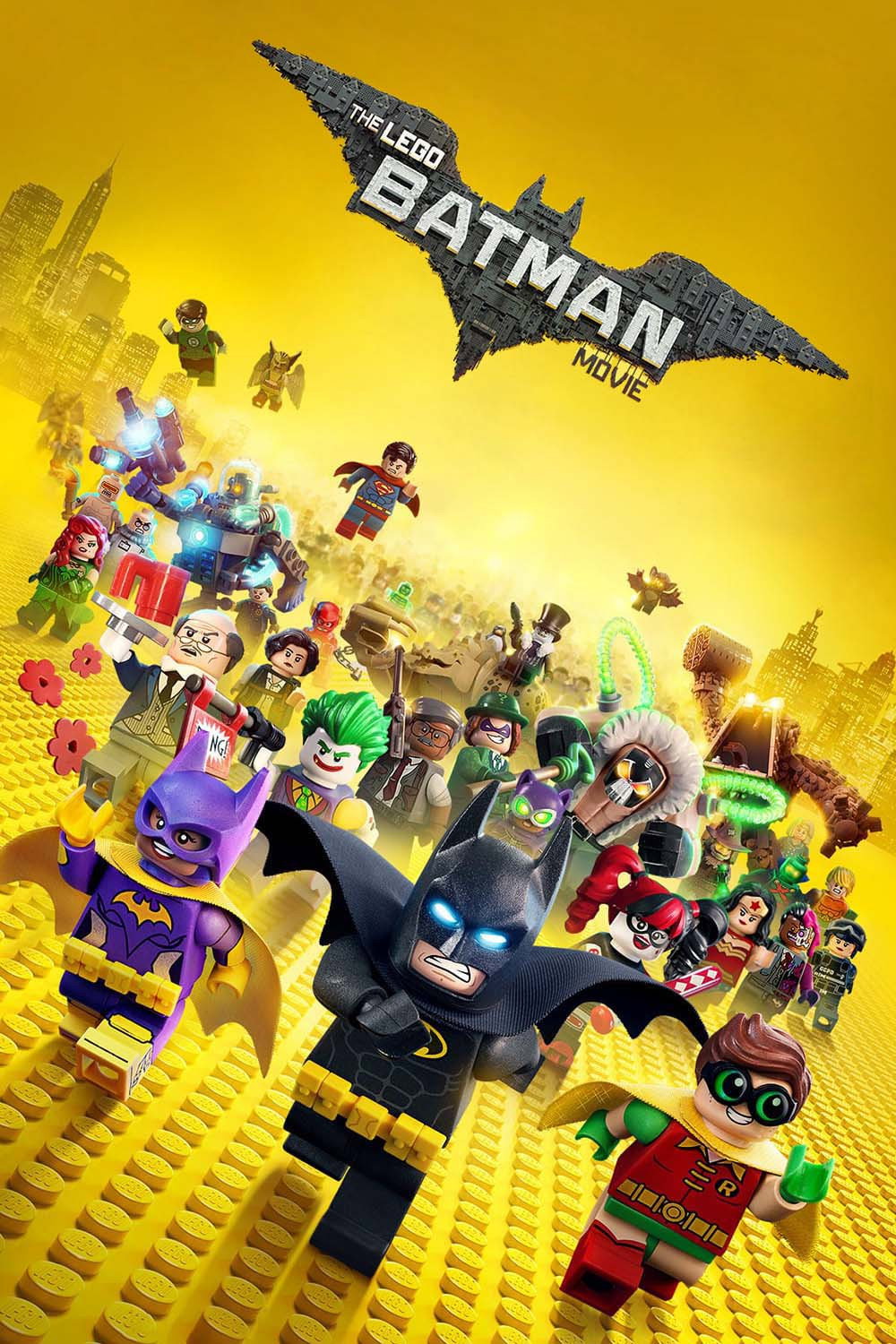
It opens on a black screen, with Will Arnett explaining that all important films do, and does not let up for twenty minutes. The Joker (Zach Galifianakis) plans to blow up Gotham’s power plant and has brought the whole rogues’ gallery with him: Harley Quinn (Jenny Slate), Bane (Doug Benson), Two-Face (Billy Dee Williams) and a dozen more. Batman deals with all of them, then refuses to tell the Joker he is his greatest enemy; he does not do relationships. Galifianakis plays the Joker as a jilted suitor, lip trembling, and we laughed harder than at anything in a Batman film before it.
The best scene has no fight in it. Batman goes home to Wayne Manor, a plastic palace of Grant Freckelton’s design with corridors the length of runways, and heats a lobster thermidor in the microwave. He eats it at the end of a table built for forty and watches a romantic comedy on his own, laughing a beat too late. We felt sorry for a toy, which we did not expect to report. Ralph Fiennes’s Alfred observes, dryly, that he has seen phases like this before, and the film mines the character’s screen history, from the sixties television series to the growling brooders of recent years.
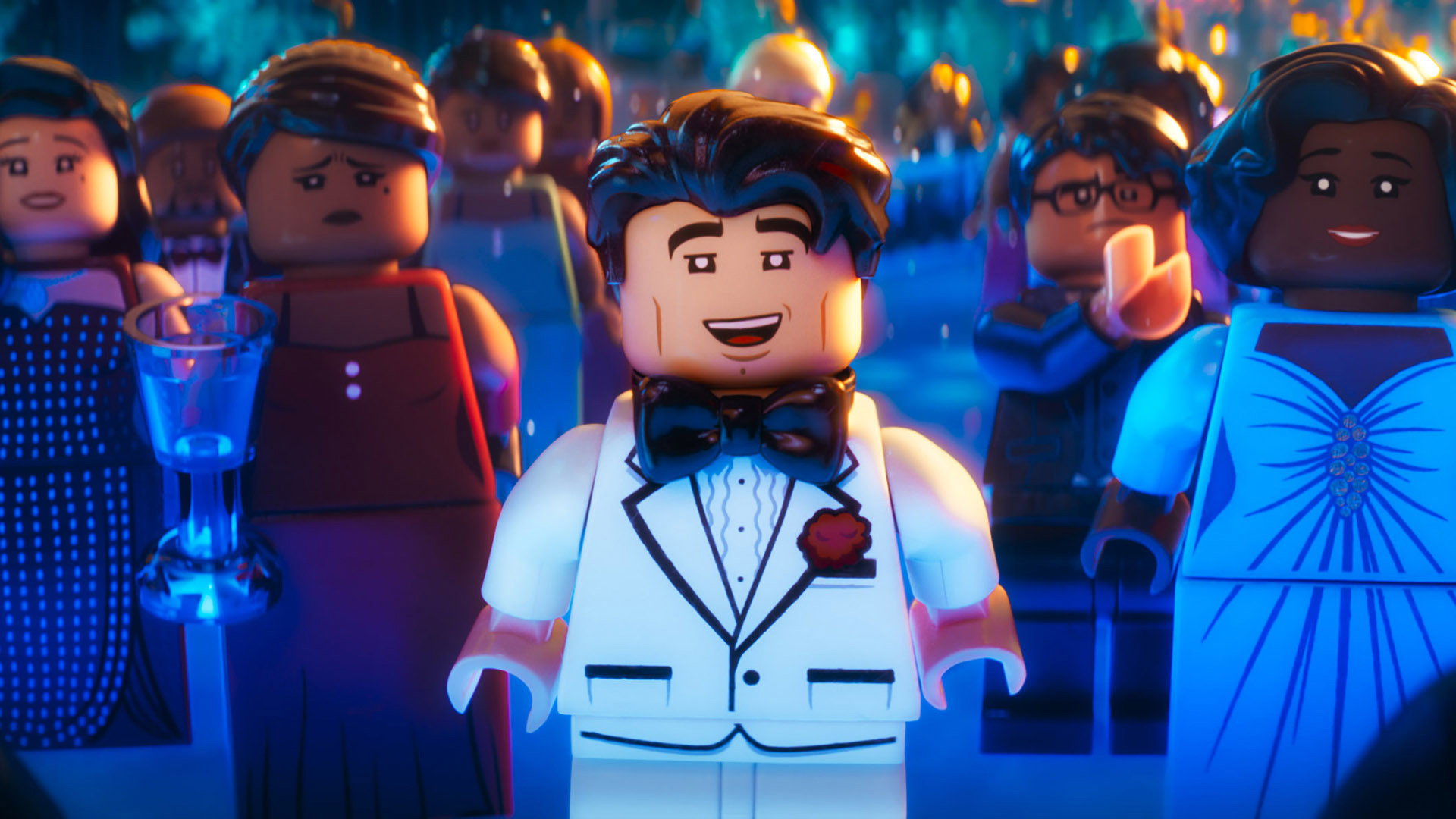
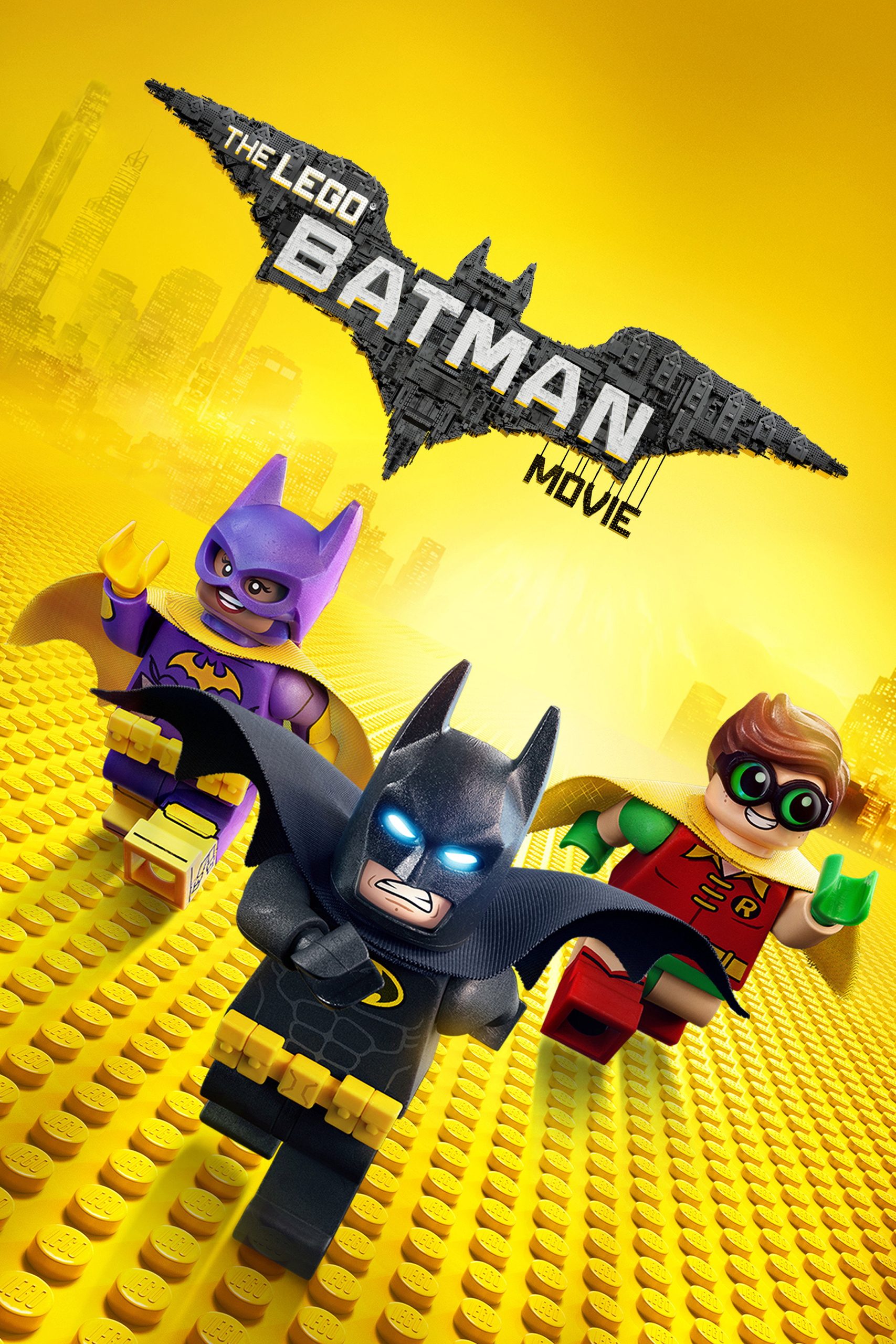
The plot arrives with Barbara Gordon (Rosario Dawson), sworn in as police commissioner at a winter gala, who asks why a city with a police force still needs one man in a mask, and with Dick Grayson (Michael Cera), an orphan so eager to be adopted that Bruce Wayne agrees without noticing. Cera’s Robin is the film’s second-best joke, a boy who cannot believe his luck. Then the Joker surrenders, with everybody, and only Batman finds that suspicious. The film is right about what Batman is: a rich man who has decided to be alone and calls it a code.
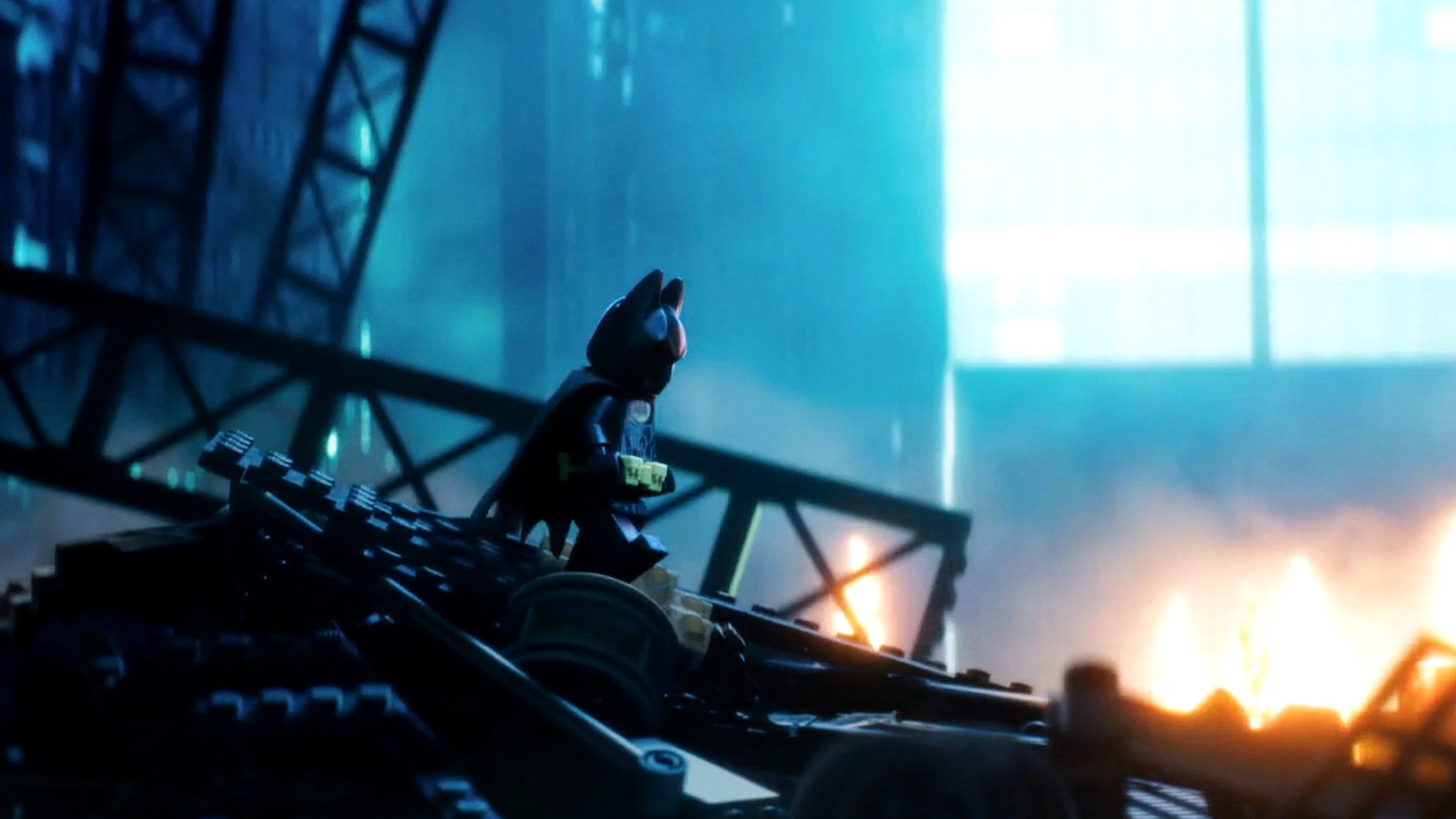
Lorne Balfe’s score does the big brass and low strings of the serious Batman films, then lets Arnett interrupt it with heavy-metal numbers about himself, which is the right joke. Three editors are credited, Matt Villa, David Burrows and John Venzon, and it needed them: gags are stacked in signage and the backs of crowds, and you will miss half of them. Freckelton’s Gotham is entirely bricks, explosions included: clusters of translucent orange pieces that fall apart like a dropped model. The water in the harbour is blue studs.
Five writers are credited on the screenplay, Erik Sommers, Jared Stern, Seth Grahame-Smith, John Whittington and Chris McKenna, and you can see the joins. The lesson, that Batman needs people, is stated by Alfred, then Barbara, then Robin, then Batman himself, and by the fourth time we had understood. The second half brings in opponents we will not describe and becomes the noisy, city-flattening action film it has spent an hour teasing. Around the hour mark we noticed we had stopped laughing, and were cross because the film had started so well. The Lego Movie had a reason for being made of bricks that we will not spoil; this one is made of bricks because that one was.
At a U certificate and 104 minutes, it will hold a small child with colour and noise while the jokes go over their head to the adult beside them. It is kinder and more honest about Batman than most of the films it mocks. Watch it with someone under ten, and forgive it the last half hour, which is louder than it is funny.