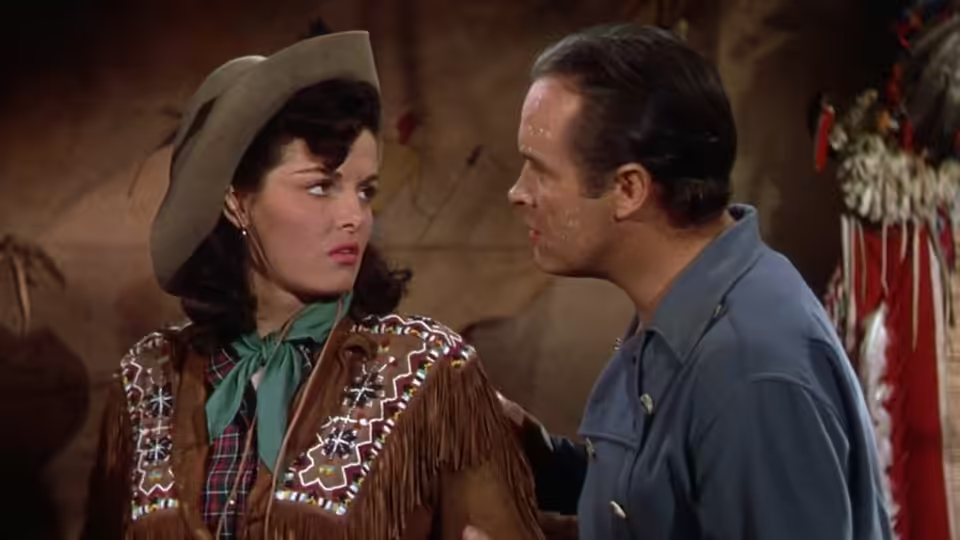
Bob Hope’s wisecracks and Jane Russell’s drollness make The Paleface pleasant company. The comedy grows repetitive, but the pairing and ‘Buttons and Bows’ offer enough to reward an appetite for western slapstick.
The Paleface is an amiable western comedy with an effective pairing and a limited stock of comic moves. We recommend it chiefly to those who enjoy Bob Hope’s wisecracks, with a reservation about how often they become the entire attraction. Norman Z. McLeod gets useful contrast from Hope and Jane Russell, whose droll delivery gives the chatter some resistance. Their exchanges are enough to sustain most of its 91 minutes.
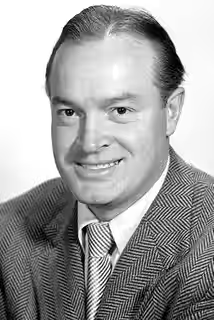
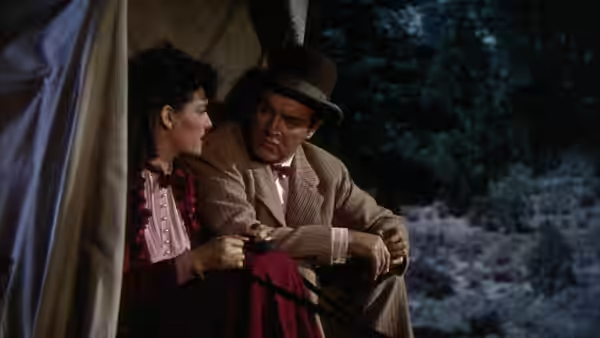
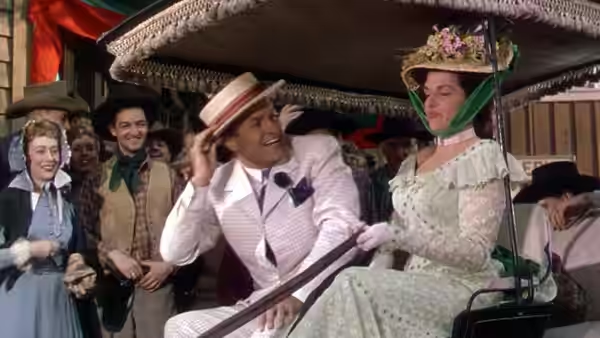
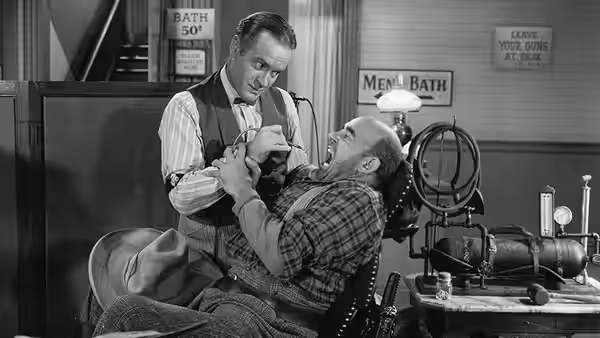
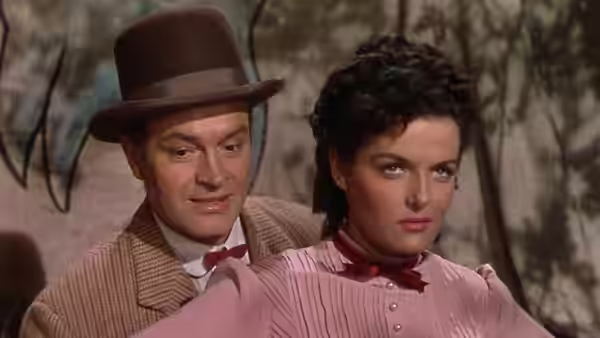
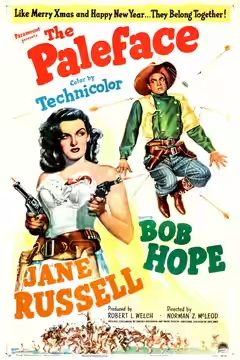
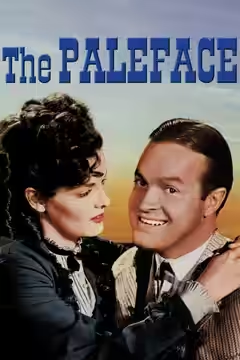
As ‘Painless’ Peter Potter, Bob Hope combines verbal comedy with slapstick, giving us two ways to enjoy the same performer. We laughed at the switches between the wisecracks and the physical foolishness. Hope is good company when both sides of the performance are working, although his constant readiness with another joke can grow tiresome. A little less insistence would make some of the comedy more inviting.
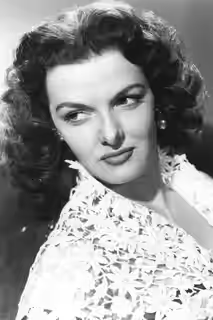
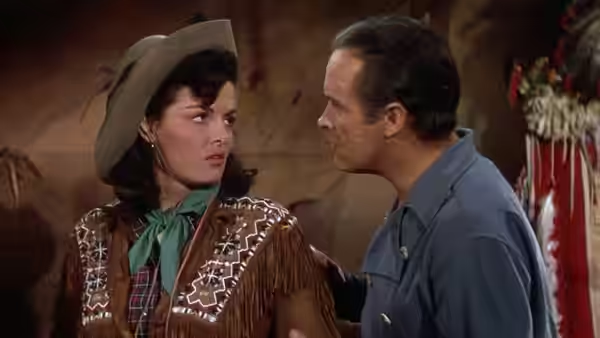
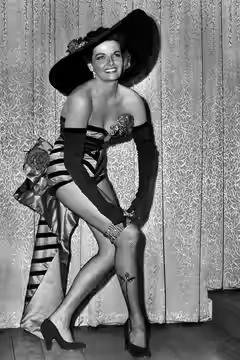
Jane Russell’s Calamity Jane provides welcome relief from that insistence. Her drollness gives the comedy a different speed, and she can hold attention without adopting Hope’s manner. We enjoyed her restraint more than some of his busier efforts; she gives a joke time to register without seeming anxious about the result. The pairing works because she has a comic presence of her own, rather than merely providing someone for him to address.
Frank Tashlin and Edmund Hartmann’s screenplay makes good use of that difference, but the comedy could use more variety. Wisecracks and slapstick are a sturdy combination, and neither requires a complicated story to earn a laugh. Yet the film returns to familiar pleasures often enough that their effectiveness begins to diminish. McLeod keeps the performers prominent, which is sensible, but does too little to make the weaker jokes worth our attention.
Ray Rennahan’s cinematography and Ellsworth Hoagland’s editing serve the performances without becoming competing attractions. That is a useful quality in a comedy whose pleasures depend so heavily on delivery and response. Neither contribution gives us as much to enjoy independently of the leads, however, and the surroundings make less impression than the people. For a western comedy, it is unusually dependent on our appetite for its particular comedians.
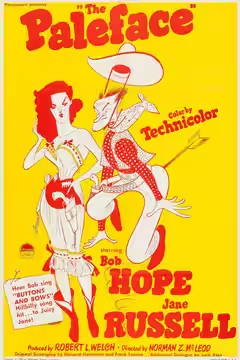
Victor Young’s music contributes to the easy-going feel, and ‘Buttons and Bows’ provides a welcome break from the spoken jokes. The song gives the film another way to hold attention without demanding an immediate laugh. There is charm here that some of the more determined attempts to amuse could use. A comedy benefits from occasionally allowing everyone, including its audience, to relax.
The western spoof offers plenty of scope for puncturing heroic behaviour, but McLeod places his trust chiefly in the performers. That approach works well enough for a light evening, even if the film has little to offer anyone resistant to Hope’s patter. Russell supplies a good reason to stay when the chatter begins to pall. Try it for her if Hope usually wears you down, but do not expect her to silence him.