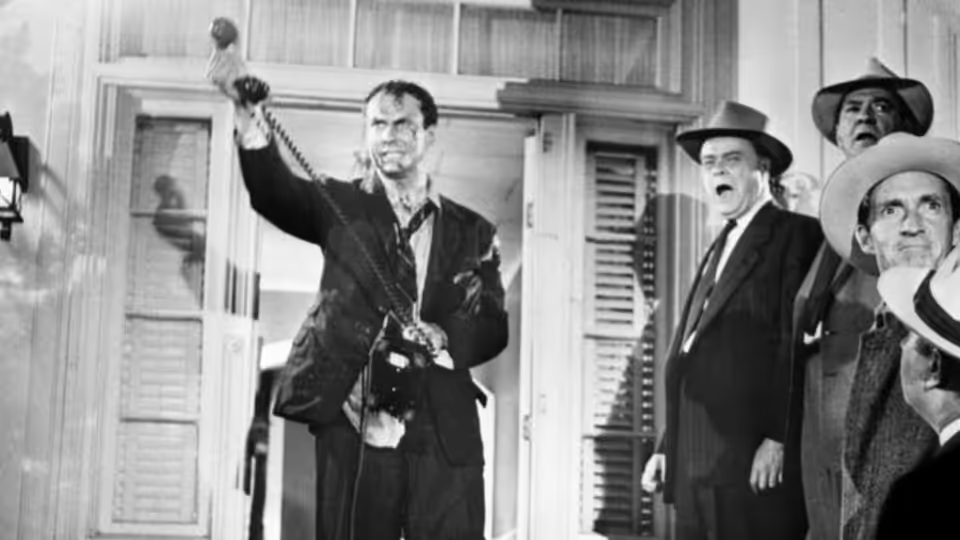
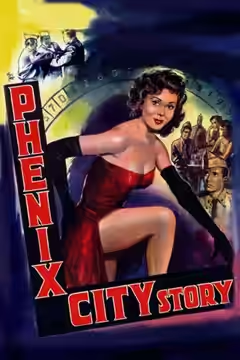
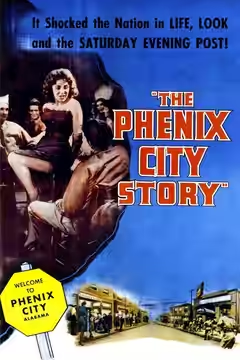
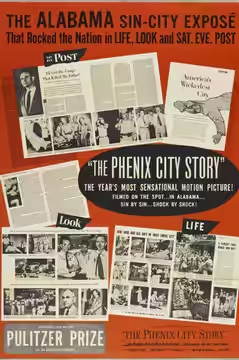
Phil Karlson’s crime film makes corruption feel unpleasantly plausible, especially whenever Edward Andrews is on screen. The plotting is blunt and sometimes slack, but the strongest confrontations still have the power to unsettle us.
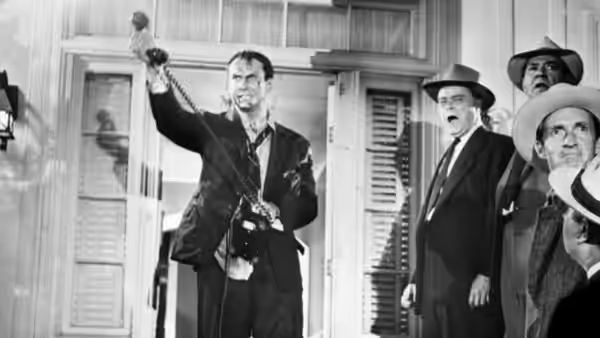
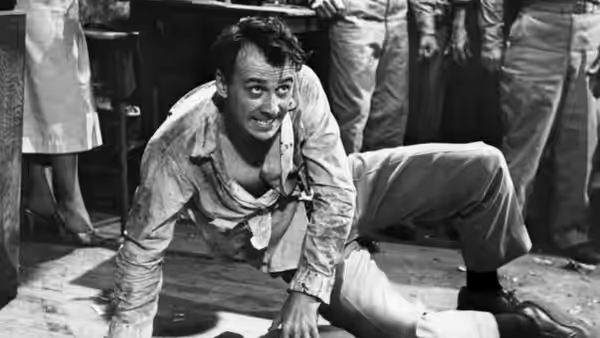
The Phenix City Story is a good, bruising crime film with some uneven storytelling. Phil Karlson gives intimidation an everyday credibility that makes the violence difficult to dismiss as entertainment. His direction can also be sensational, pressing the ugliness until the insistence begins to work against him. We recommend it to crime-film enthusiasts, though anyone expecting the plot to develop with the same conviction as the strongest individual scenes should temper those expectations.
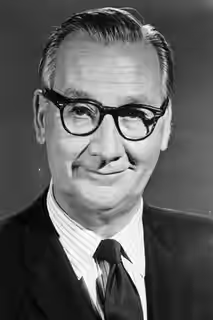
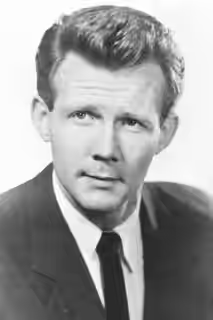
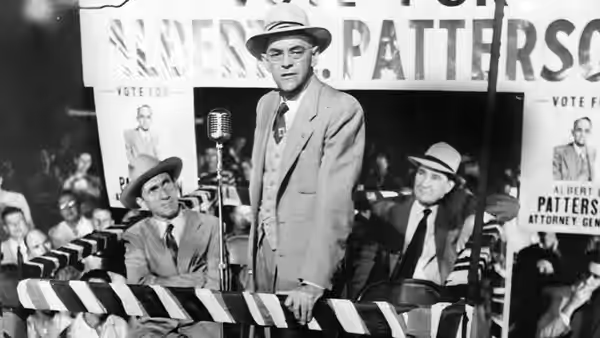
Edward Andrews supplies much of that conviction as Rhett Tanner. He makes the crime boss believable without requiring us to find him interesting merely because he is dangerous. The early encounter with John McIntire, playing Albert L. “Pat” Patterson, is particularly effective because the people involved seem substantial enough to exist beyond the immediate business of the scene. We were unsettled by it: Andrews makes criminal authority seem like something a community could become accustomed to. That possibility gives the encounter its unpleasant hold.
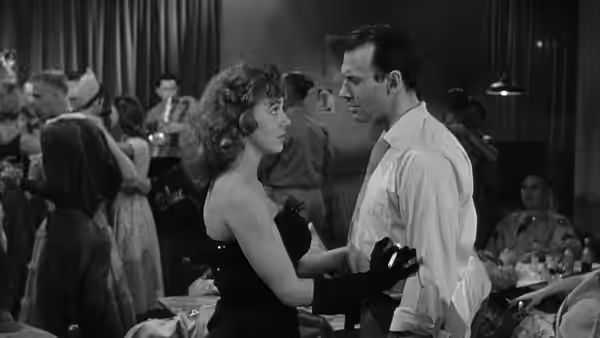
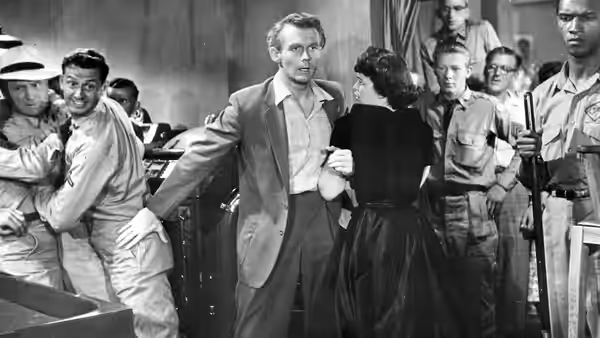
Harry Neumann’s cinematography contributes to the film’s credibility, keeping the people and their surroundings from feeling merely illustrative. The photography works because the setting seems capable of containing ordinary life alongside the brutality. George White’s editing is effective within the confrontations, giving their pressure time to register, although the movement between them is less assured. Across 100 minutes, the uneven momentum becomes noticeable: individual scenes command attention, then the connecting story has to earn it again.
The screenplay by Crane Wilbur and Daniel Mainwaring is where our reservations gather. Its account of corruption is forceful, but the dramatic progression can feel flat, with further ugliness providing emphasis when the story needs development. The bluntness has a purpose, and we would not ask this material to become polite. Even so, repeatedly demonstrating how bad things are does not always deepen our understanding of the people involved. Harry Sukman’s music contributes to the pressure, though the actors have already supplied much of the unease the film needs.
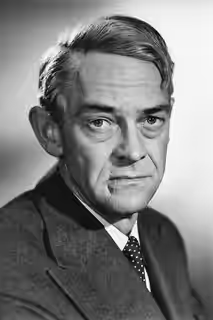
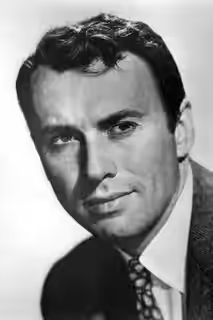
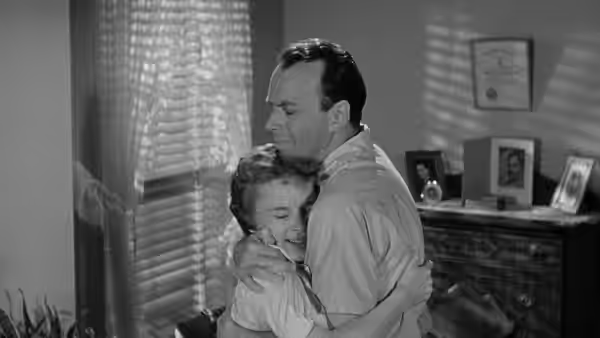
McIntire helps by giving Andrews a substantial presence to play against, and their early scene establishes a standard the writing does not consistently maintain. Richard Kiley and Kathryn Crosby also help keep the drama from becoming merely an account of criminal power. Crosby, in particular, gives the human consequences some weight within a film inclined to push hard for a reaction. The performances deserve credit for making the people matter when the broader storytelling threatens to reduce them to positions in a dispute.
As a crime film, this has responsibilities beyond delivering shocks. Karlson’s strength is making intimidation credible; his weakness is allowing the force of the presentation to do work that sometimes belongs to the writing. The brutality still registers, but we wanted a steadier dramatic account of the community enduring it. There is enough conviction in the direction and acting to justify the evening. Watch it for Andrews and McIntire, and allow for a story that occasionally needs them to keep it moving.