Michael Bay’s The Rock is loud, implausible and good company, largely because Sean Connery, Nicolas Cage and Ed Harris make the nonsense worth following. The editing occasionally makes following it harder than necessary.
Michael Bay’s The Rock is good, noisy action entertainment, kept lively by three actors who give us reasons to care about an implausible story. Two men must get into Alcatraz because five million lives depend on it. Bay treats this as permission to make a considerable mess, and his enthusiasm for the destruction is often infectious. The trouble comes when he presses just as hard on material that would benefit from being left alone.
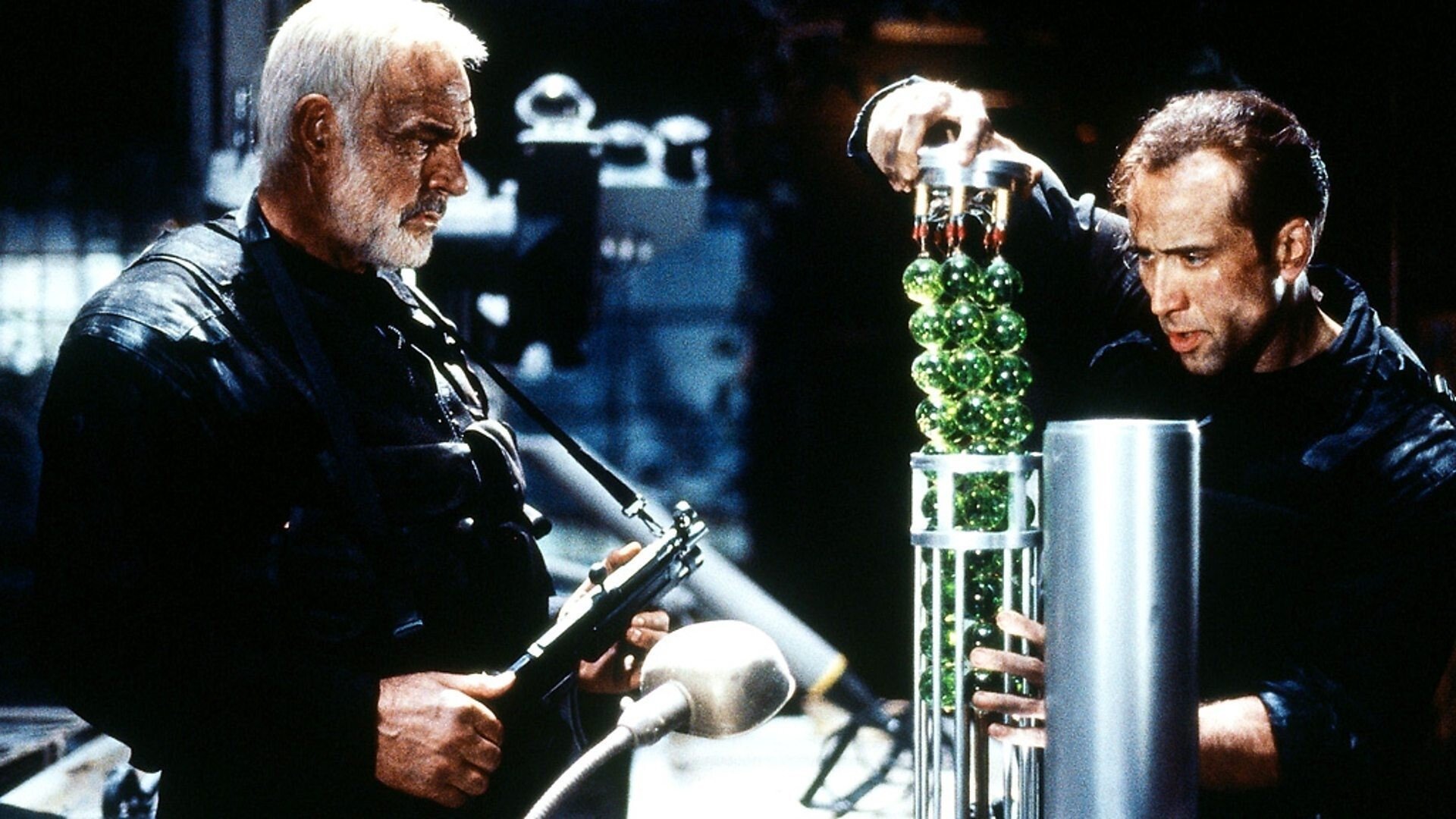
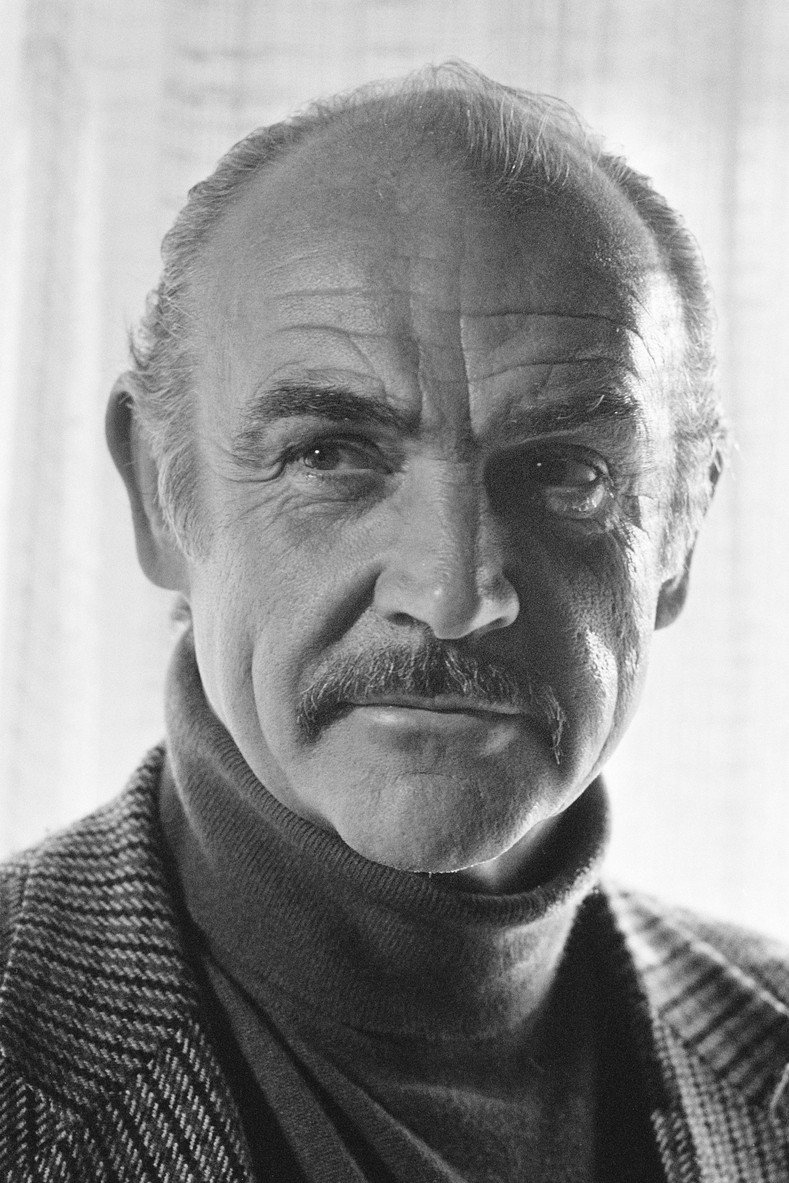
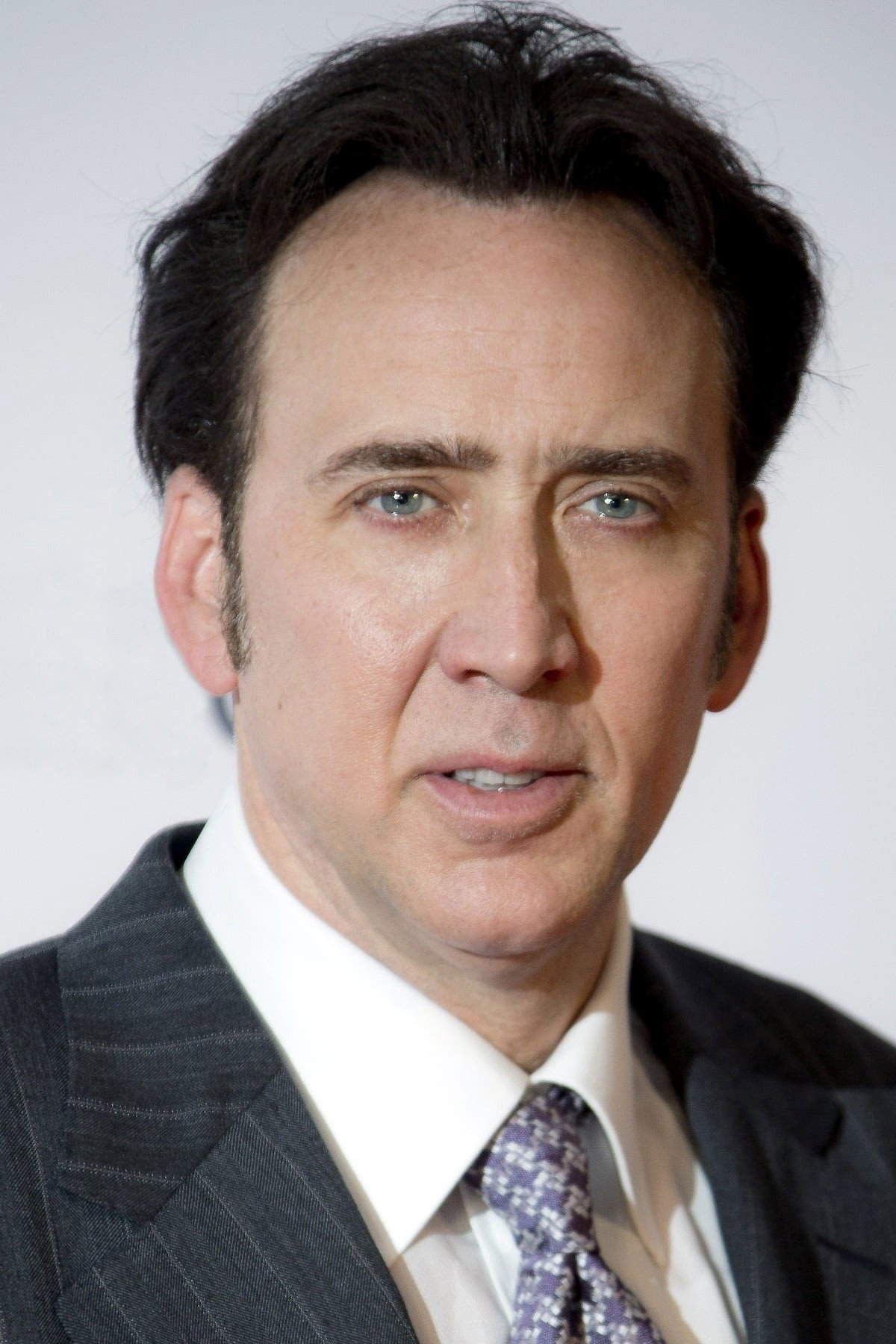
Sean Connery’s John Patrick Mason and Nicolas Cage’s Dr Stanley Goodspeed are an enjoyable pairing because they seem so ill-suited to working together. Cage’s anxious energy gives the action a welcome uncertainty; we do not get the usual reassurance of a hero entirely at ease with danger. Connery’s confidence is funny without much apparent effort. Their exchanges make the pauses between set pieces worth waiting for, even when the dialogue gives them little help.
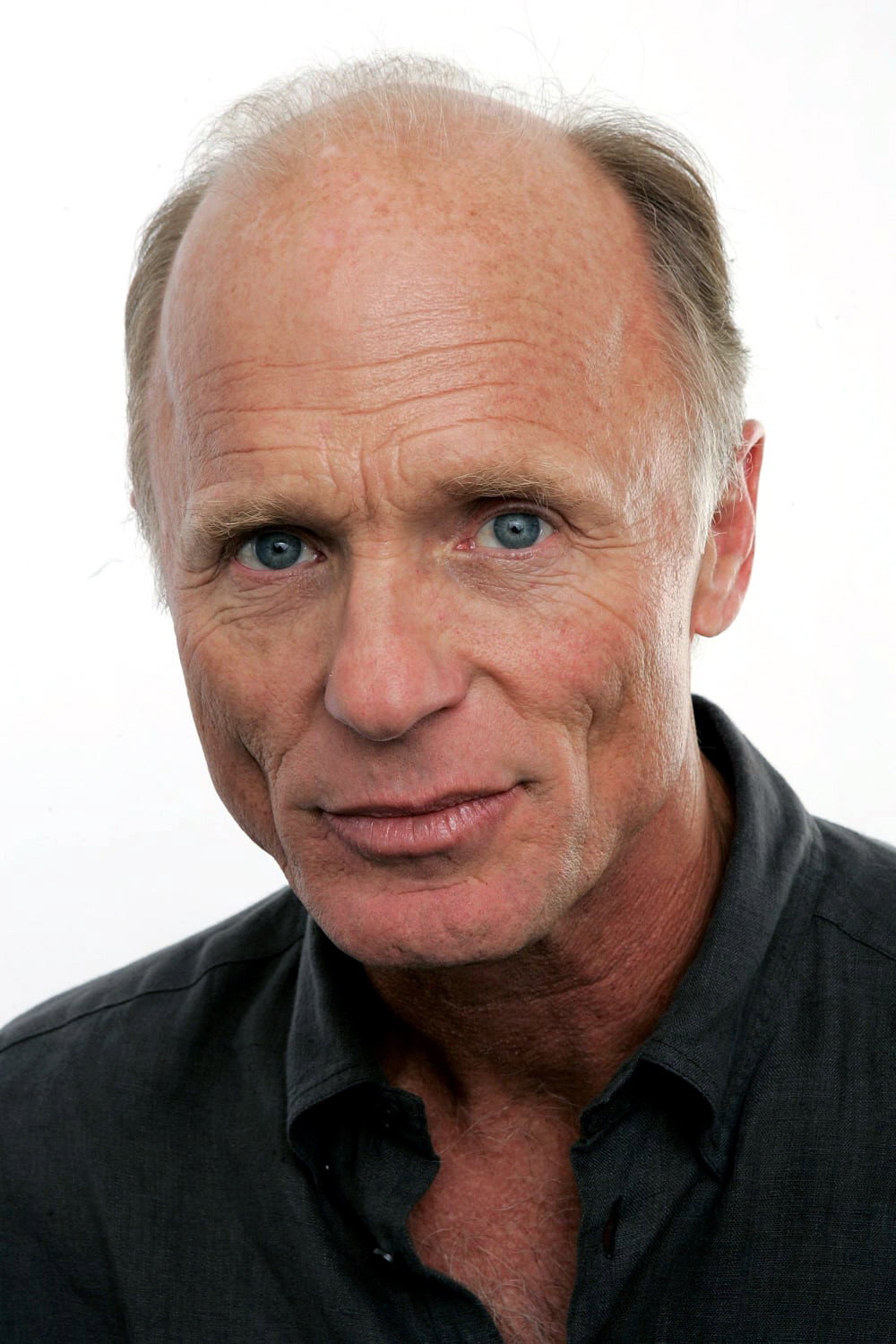
Ed Harris gives Brigadier General Francis X. Hummel enough troubled conviction to make the opposition interesting. The character’s conflict comes across in the performance without Harris having to beg for our sympathy, and it gives the confrontations a weight that the plotting cannot supply on its own. Harris commands attention without competing with the noise around him. This kind of action thriller needs someone who can make its threat worth taking seriously, particularly when the other leads are such entertaining company.
We were properly excited by the San Francisco car chase, where Bay’s appetite for destruction has a clear purpose and the stunt work supplies its own pleasure. John Schwartzman’s photography gives the action an emphatic scale, although that insistence can become tiring elsewhere. Michael White’s production design makes Alcatraz feel difficult to move through, a useful obstacle for a film so keen on speed. There is enough here to look at without Bay continually hurrying us towards the next thing.
Richard Francis-Bruce’s editing is less dependable, sacrificing clarity too often in the effort to sustain momentum. Fast cutting is useful when it sharpens the danger, but here it sometimes makes the action harder to follow. The score by Nick Glennie-Smith and Hans Zimmer contributes plenty of drive and too little relief, pressing for excitement when the scene has already earned it. We would have welcomed more restraint in passages where the actors or the stunts were doing quite enough.
The screenplay, credited to Douglas S. Cook, Jonathan Hensleigh, Mark Rosner and David Weisberg, gives these actors some stubbornly second-hand dialogue. It also demands a tolerance for implausibility that the speed can disguise only for so long. Yet the central pairing survives the weak lines, and Hummel’s conflicted position gives Harris something substantial to play. At 137 minutes, the film has time to wear out some of its welcome, particularly when another burst of urgency feels much like the last.
By the standards of the action thriller, the casting makes an important difference: these are people we enjoy watching deal with a problem. Bay’s staging gives them enough forceful spectacle to justify the scale of the threat, even if his impatience occasionally spoils the view. There is little here for anyone who needs a plot to survive close inspection. Choose it for an evening of action, and keep control of the volume.