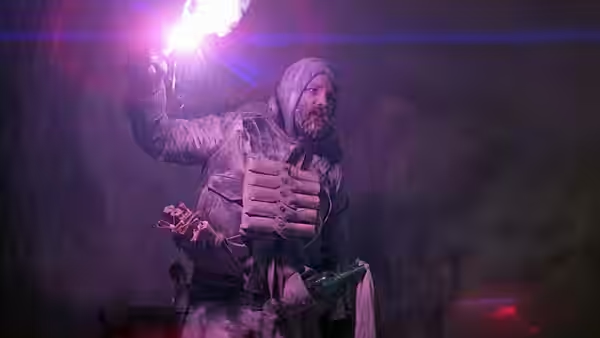
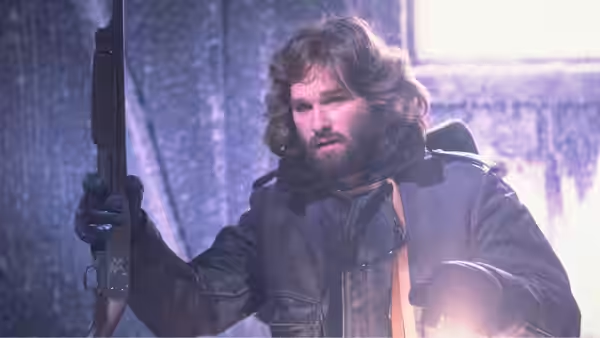
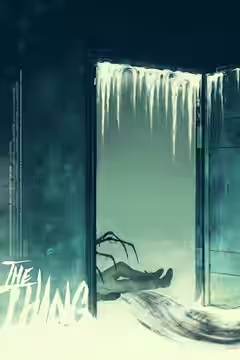
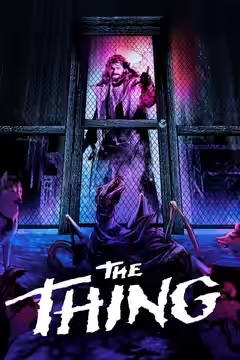
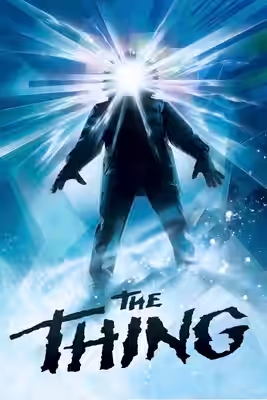
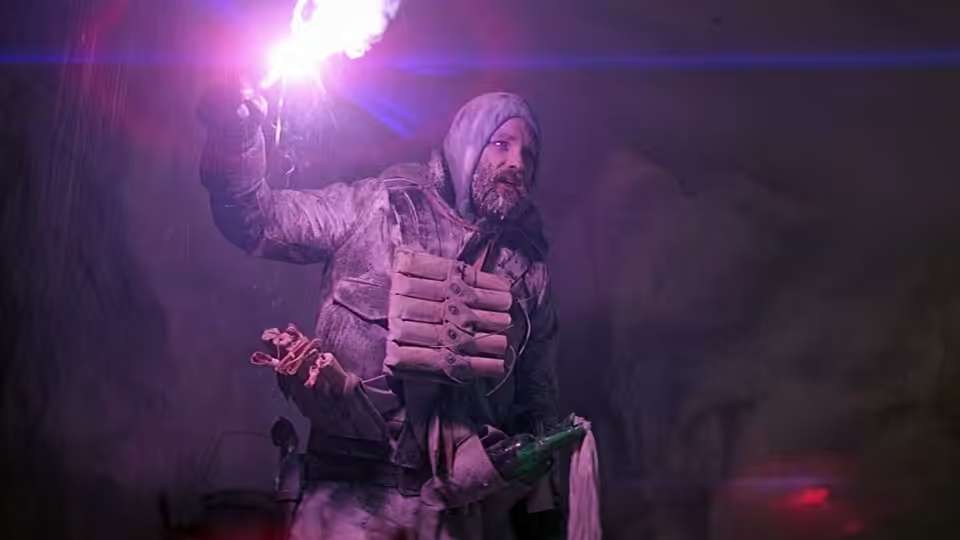
MacReady (Kurt Russell) raising a bright flare in a dark icy cave
Film review

The Thing

1982 · Directed by John Carpenter · 1h 49m · CNC 12

In a sentenceTwelve men, one flamethrower, and a dog nobody should have let in

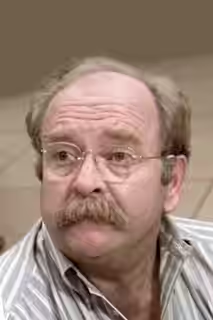
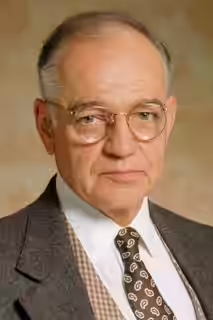
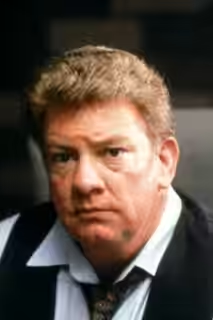
Antarctica, winter 1982. A Norwegian helicopter chases a husky towards the American Outpost 31, its crew shooting at the dog and, when they land, at the men who come out to look. The commander, Garry (Donald Moffat), shoots back. Left with a dead Norwegian and a live dog, the helicopter pilot MacReady (Kurt Russell) and the doctor, Copper (Richard Dysart), fly to the Norwegian camp and find it burnt out, a hollowed block of ice and a charred corpse with two faces, which they bring home. The biologist Blair (Wilford Brimley) opens it up and does not like what he finds. The dog handler Clark (Richard Masur) puts the husky in the kennel with the others, and the twelve men settle in to wait out the storm.

Plays from YouTube when you press play; nothing loads from them until then.

Fi1m review

Carpenter’s Antarctic horror is as cold and frightening as it was in 1982, and the effects have aged into something stranger than modern digital work. The men are thin as people, and the middle sags a little. We would still tell you to see it.

John Carpenter’s The Thing takes a story John W. Campbell Jr. wrote in the 1930s, filmed once before in 1951, and strips it to its cruellest idea: a creature that copies whatever it eats, loose among twelve men who cannot leave. Bill Lancaster’s screenplay wastes nothing. The Norwegians arrive, the dog goes in the kennel, and within half an hour the question the film will ask for the rest of its 109 minutes is on the table: who in this room is still himself. It is a horror film built like a detective story, and it plays fair.

Dean Cundey shoots the wide frame in two colours. Outside is blue-white and endless, the station a few lit windows in it. Inside, John J. Lloyd’s set is plywood corridors, a rec room with a pool table, a generator hut, lit warm and low so the men look flushed even when they are freezing. In the group scenes Cundey sets one man slightly apart in the frame, so we start doing the film’s arithmetic before the characters do. When the lights fail, what is left is a torch beam or the mouth of a flamethrower.

Then there are Rob Bottin’s creatures, which got the film dismissed in 1982. They are built things, latex and cable and fluid, and the camera simply looks at them. The kennel scene frightened us properly, the kind of fright that stays in the shoulders after the scene has ended, and for a plain reason: Carpenter holds the shot while the husky’s skin splits and the other dogs go mad around it, and because the dogs’ panic is real the impossible thing in the middle of the frame borrows their conviction. Todd Ramsay cuts these sequences with patience, long looks broken by a single hard cut, and that restraint keeps the goo from being silly.

Ennio Morricone’s score is barely there, and that is the point. A low two-note pulse, a heartbeat slowed almost to stopping, then long stretches of wind and the hum of the generator. It sounds so like Carpenter’s own electronic work that it is hard to tell where his and Alan Howarth’s credited contributions begin, and the join does not show. When a man walks down a corridor and the pulse stops, we sat forward.

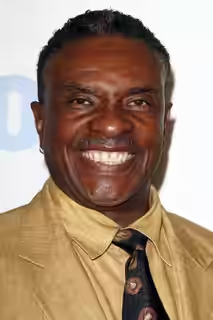
Kurt Russell plays MacReady as a man who did not want the job and takes it anyway, and he says less than anyone else and is believed more. Keith David’s Childs keeps asking why MacReady should be in charge, and the film is honest enough to let the question stand. Wilford Brimley’s Blair, the biologist who does the sums first, has the one scene of pure despair, sitting at a computer while the numbers come up. Donald Moffat’s Garry loses his authority by degrees, and Moffat lets us see each degree. Richard Dysart, T. K. Carter and Richard Masur fill the edges with a few lines apiece.

Which is the caveat. There are twelve men here and by the end we could name perhaps five with confidence. Lancaster gives each of them a job and nothing else, no wife, no past, no opinion beyond the present danger, and when the film asks us to mourn one of them it has not always earned it. The stretch after the kennel, when the men know something is among them and cannot find it, loses some grip; there is a good deal of walking between huts. And one of the later transformations tips towards comedy, and the film knows it, and hands a character a line to say so, which is a small loss of nerve.

The reviews in 1982 called it a gross-out with nobody to care about. Most critics since have reversed that, and we are with them, though the second half of the old complaint has some truth in it. What the first reviewers missed is the shape: this is a film about looking at another man’s face and not knowing, and Carpenter keeps that idea in every frame, including the ones full of latex. Set against his own work, only Halloween (1978) matches it for control.

See it in the dark, with the heating down. The ending is one we will not describe, except to say that it left us colder than any of the creatures did and that we admired it for refusing us what we wanted. It runs 109 minutes and carries an 18, and the 18 is still deserved.
Critical consensus AI synthesised

73
Positive
10
Mixed
0
Negative
2
Time Out
29 November 2011 · ★★★★★ · Tom Huddleston
100

The film has emerged as one of the most potent modern terrors after initial dismissal. The critic singles out the magnificently imaginative pre-CG effects and the icy chill of suspicion and uncertainty for praise.

Read the full review →
Empire
1 January 2000 · Adam Smith
90*

The critic hails John Carpenter's 1982 film as a peerless masterpiece of relentless suspense, visual excess and nihilistic terror. The slimy effects, Ennio Morricone's score and the straight-playing ensemble cast are singled out for praise.

Read the full review →
Little White Lies
23 October 2017 · Anton Bitel
90*

The restored 1982 film has become a horror/sci-fi classic that stands the test of time. The critic singles out the extraordinarily grotesque practical effects and the mood of paranoid claustrophobia for particular praise.

Read the full review →
Slant Magazine
30 October 2004 · Eric Henderson
70*

The film excels by emphasizing fractures in its all-male group under duress and the erosion of trust rather than just the gore. It is somewhat schematic compared to Carpenter's best work but delivers a satisfying existential finale.

Read the full review →
The AV Club
28 October 2016 · Mike D'Angelo
70*

Carpenter excels at building suspense through formal mastery and tension in scenes like the blood test, more than in the horror payoff of the creature effects. The film is a classic but contains two distinct movies, only one of which is terrific.

Read the full review →
The Guardian
11 September 2009 · Peter Bradshaw
70*

John Carpenter’s 1982 sci-fi horror is pretty scary and entertaining stuff on re-release, though nothing quite lives up to its tremendous opening sequence. The tension of the beginning is superb and the sinister dog is inspired, but things get a little broad later on while remaining watchable.

Read the full review →

Straight answers AI written, from our review

Is The Thing worth watching?
The Thing is worth watching for anyone who can stand a cold, slow, frightening horror film, and we scored it 88. Carpenter's Antarctic siege still works as a detective story about which of twelve men is no longer himself, and Rob Bottin's built creatures have aged into something stranger than digital effects. The men are thinly written and the middle sags a little, but see it in the dark.
How long is The Thing, and what is it rated?
The Thing runs 1h 49m and is rated 12 by the CNC in France. It is a horror and mystery film.
Where can I watch The Thing in France?
The Thing is available to rent from Amazon Prime Video from €2.99. Availability is checked daily; the links above go straight to each service.
How violent or frightening is The Thing, and is it suitable for children?
The Thing carries an 18 certificate and deserves it, so it is not for children. The violence is mostly Rob Bottin's creature effects: skin splitting, bodies opening, a great deal of latex and fluid held in long, unblinking shots, plus flamethrowers and gunfire. The kennel scene frightened us properly, and the dread between the shocks weighs as heavily as the gore, so the squeamish should stay away.
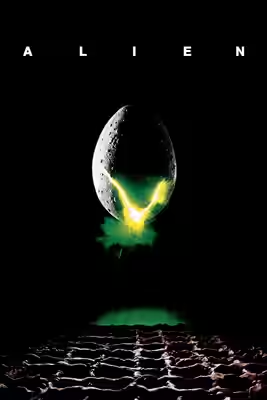
How does The Thing compare to Alien?
The Thing and Alien share a trapped crew, a single creature and the same patience with the dark, and we recommend both. Scott makes the ship itself frightening long before the shocks arrive; Carpenter shows everything and turns the fear inward, so the question is which man is no longer himself. Alien is the more even film, The Thing the crueller and stranger, and neither writes its crew fully.
Is The Thing based on a true story or a book?
The Thing is not a true story; it is based on a novel by John W. Campbell Jr., written in the 1930s and filmed once before in 1951. Carpenter and screenwriter Bill Lancaster strip it to its cruellest idea, a creature that copies whatever it eats, loose among men who cannot leave. You need know nothing of the book or the earlier film to follow it.
What should I watch after The Thing?
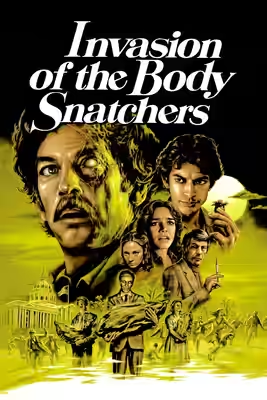
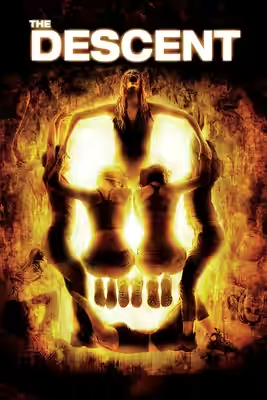
After The Thing, try Alien (1979, Fi1m 92): One ship, one crew, one creature, and the same patience with the dark. Then Invasion of the Body Snatchers (1978, Fi1m 86): The people you love are not themselves, and San Francisco does not notice; and The Descent (2005, Fi1m 85): Six women, one cave, and the group comes apart before anything finds them.

Cast

Awards

Golden Raspberry Award for Worst Musical Score, 1983

Nominated
Golden Raspberry Award for Worst Musical Score

Saturn Awards, 1982

Nominated
Best Horror Film
Nominated
Best Special Effects

If you liked this, try…

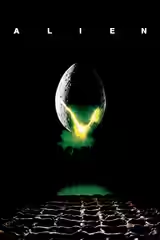
  1. Alien (1979, Fi1m 92)One ship, one crew, one creature, and the same patience with the dark.

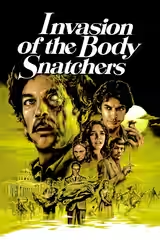
  2. Invasion of the Body Snatchers (1978, Fi1m 86)The people you love are not themselves, and San Francisco does not notice.

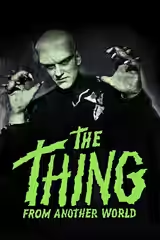
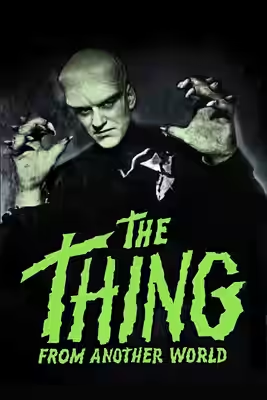
  3. The Thing from Another World (1951) · not reviewed yetThe first go at Campbell’s story: brisker, chattier, and still cold.

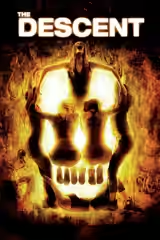
  4. The Descent (2005, Fi1m 85)Six women, one cave, and the group comes apart before anything finds them.

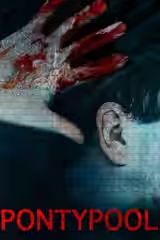
  5. Pontypool (2008) · not reviewed yetA Canadian radio station under siege by something you cannot see or test for.

Free account

Know what to watch tonight

Two lists that know where things are streaming, collections you can share, your own score beside ours, and Discover that remembers what you have seen.

  • Want to see, sorted by what is streaming now
  • Seen, with your score out of ten
  • No adverts, ever