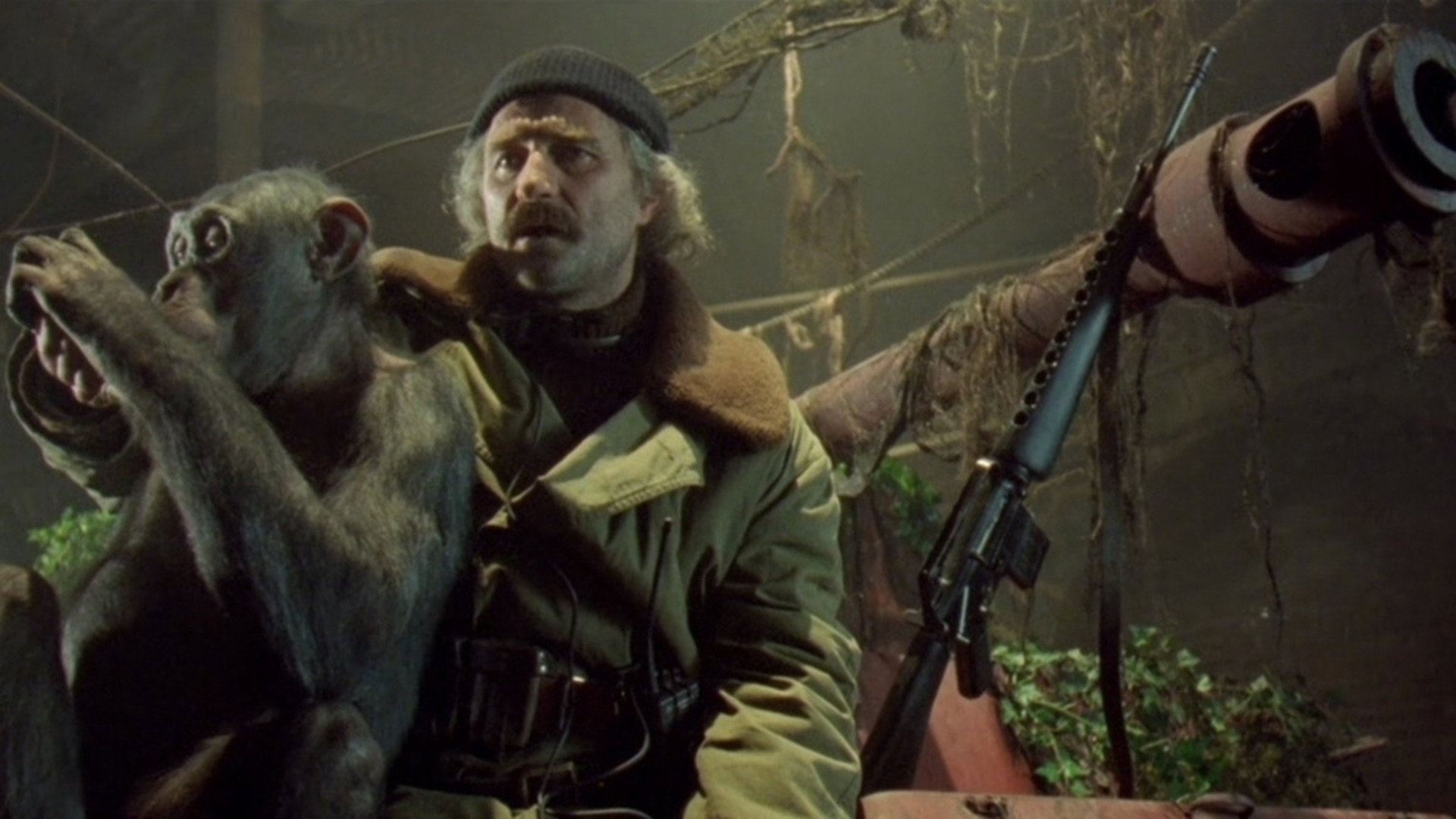
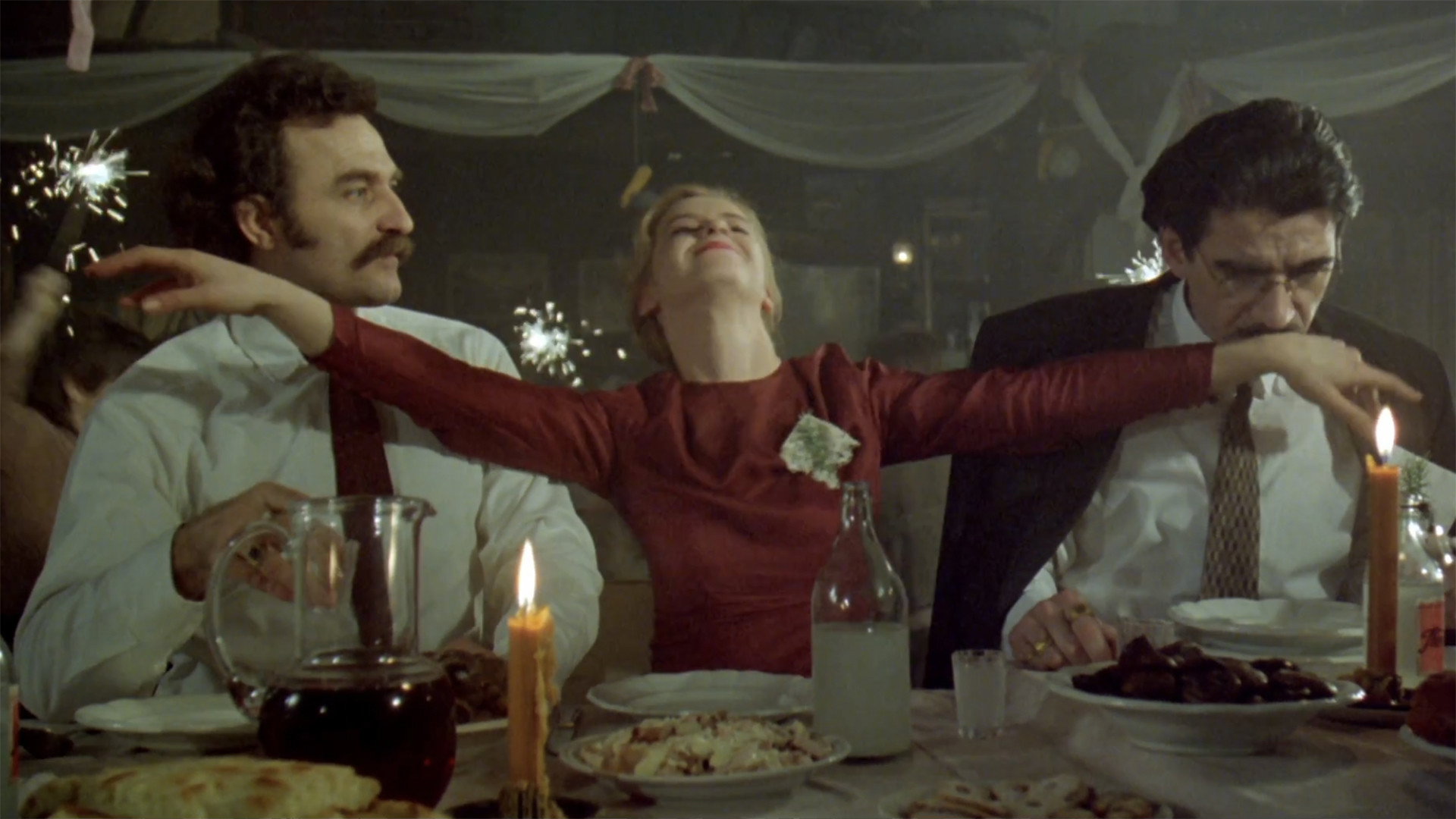
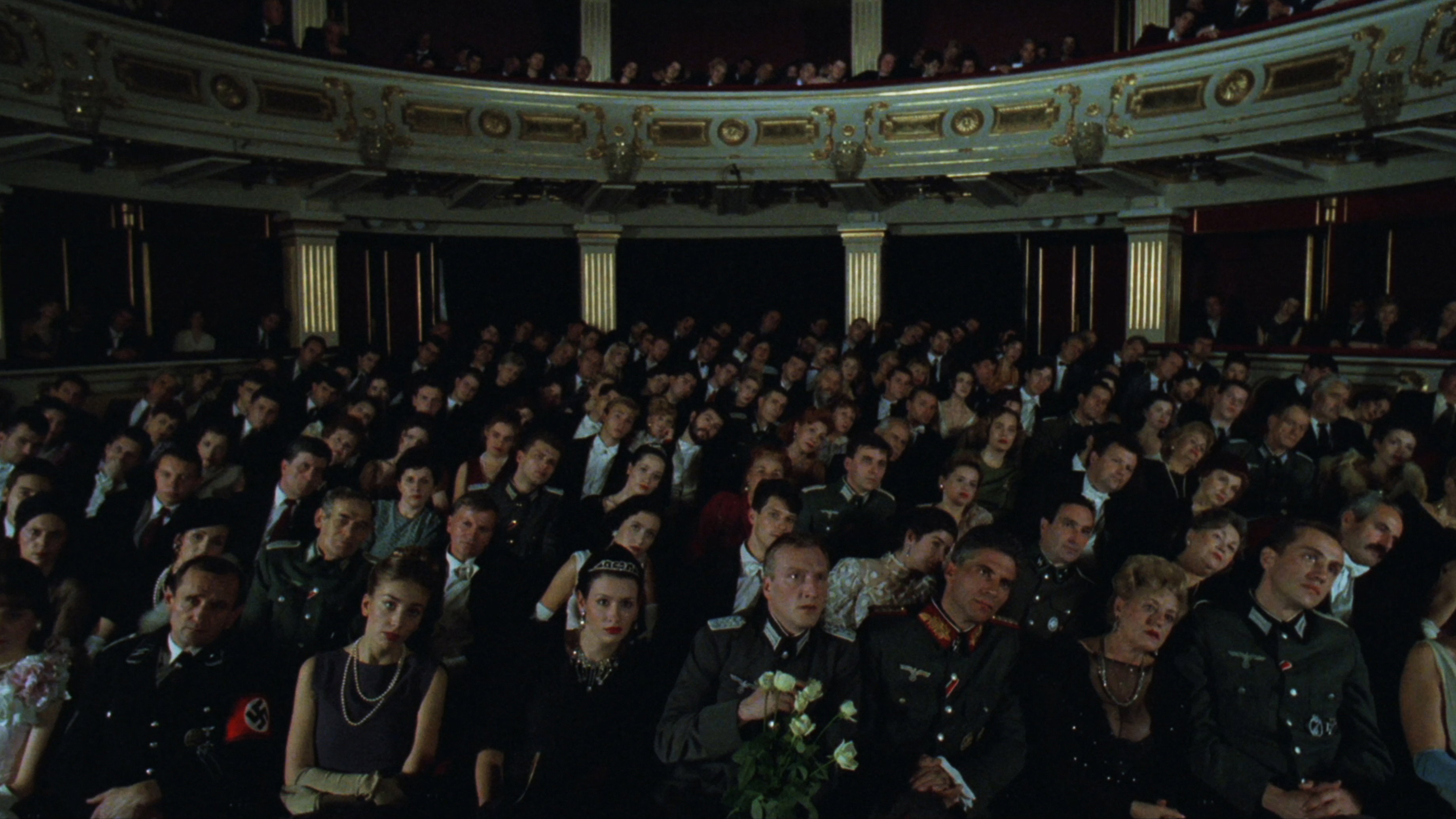
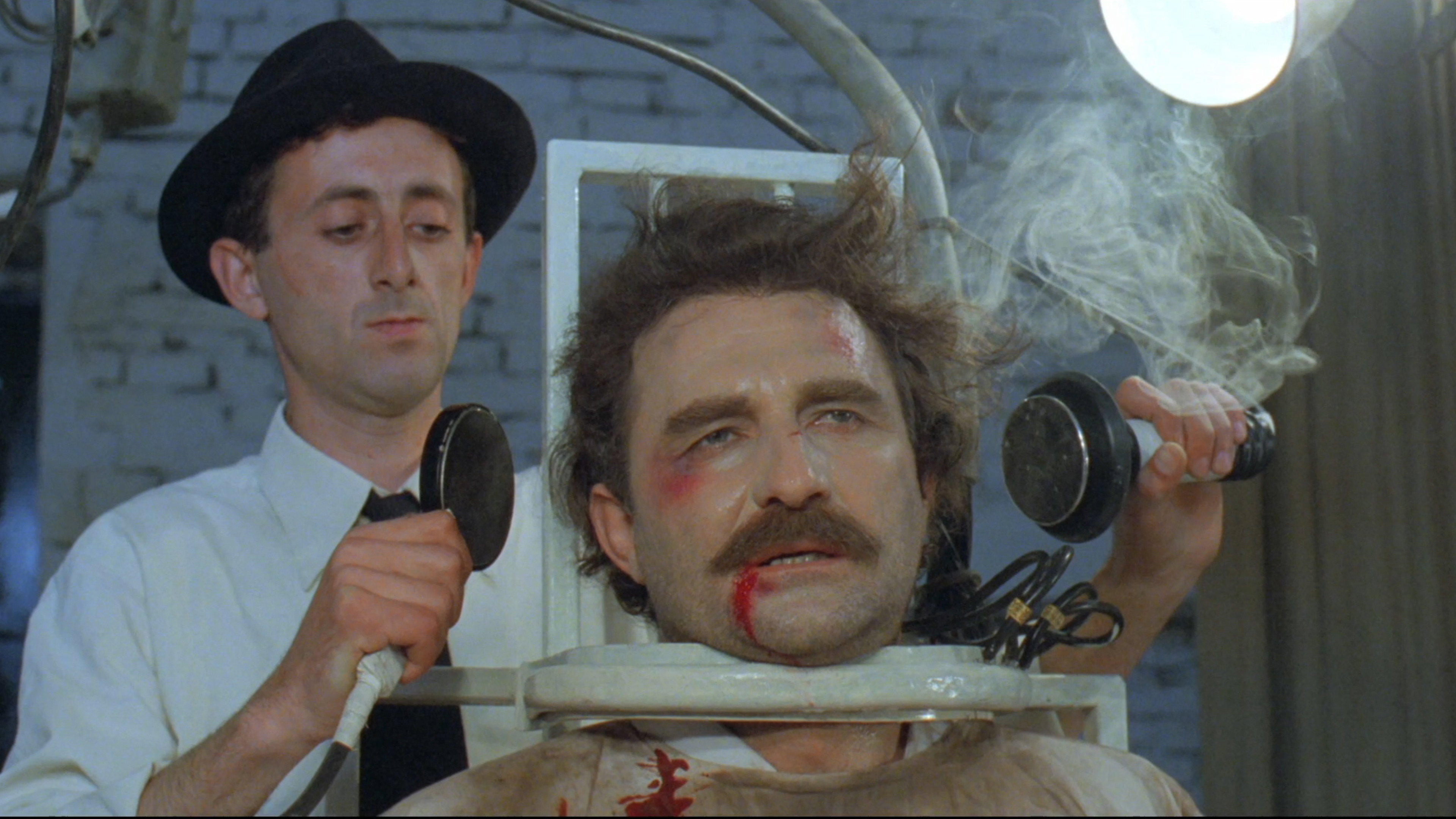
Emir Kusturica’s Underground has enough black comedy and forceful staging to reward a patient viewer. Its 170 minutes also contain too much repetition, and its people often struggle to matter as much as its spectacle.
Emir Kusturica’s Underground asks how people live with political lies, and how readily they help to keep them going. It approaches decades of Yugoslavian history through war, black comedy and absurdity, with little interest in behaving like a sober historical account. We recommend it cautiously, for the humour and the elaborate staging rather than any particular clarity about the history. At 170 minutes, it asks for more patience than its story always earns.
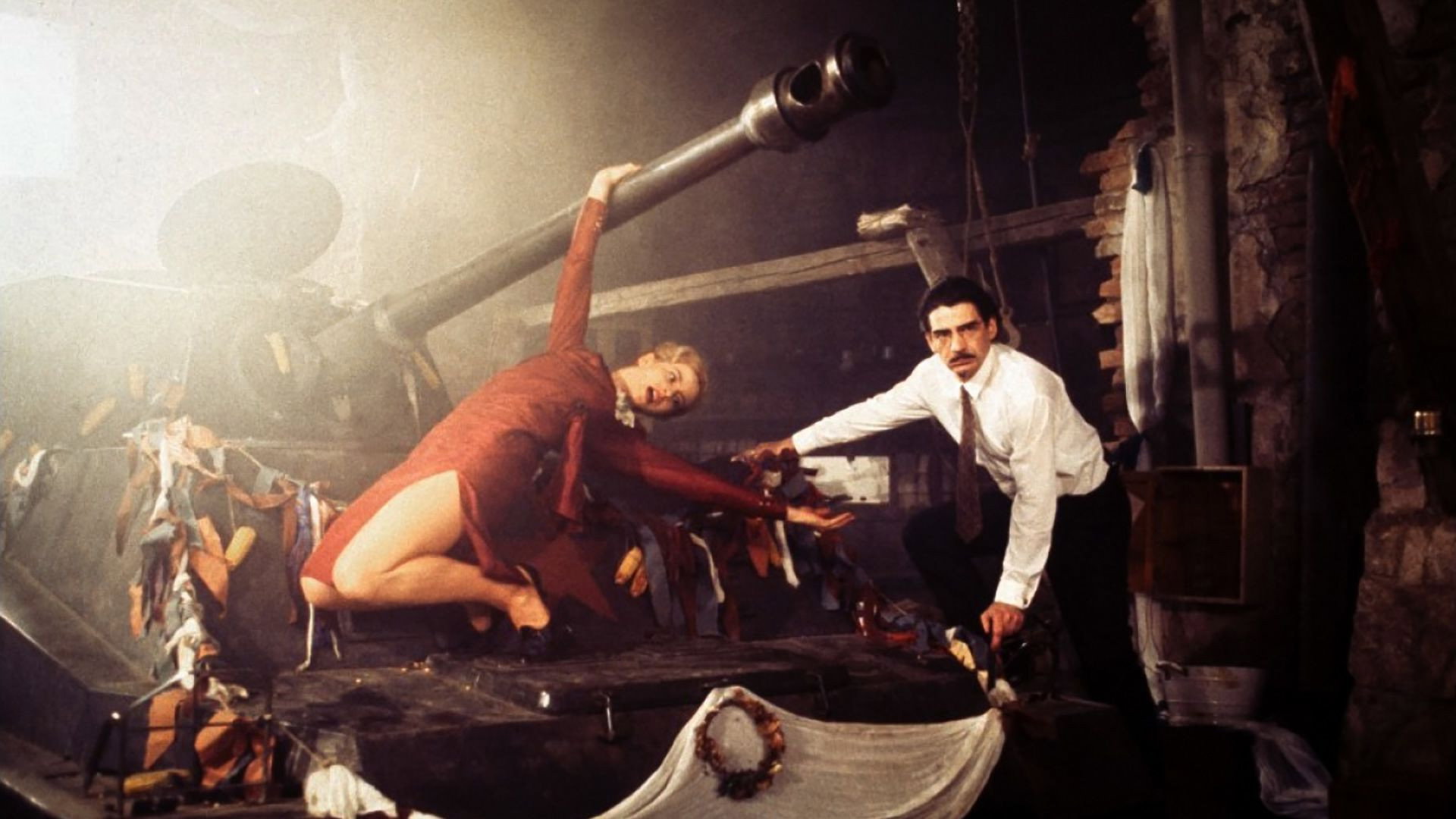
The screenplay by Dušan Kovačević and Kusturica is strongest in its black-comic subplots, where deceit produces situations worth watching rather than merely condemning. Slapstick gives the film a useful way of making heroic behaviour look ridiculous. We laughed at the broad physical comedy, then grew weary of how insistently the film returned to the same pitch. A joke can remain funny while the sequence containing it begins to drag, and that happens too often here.
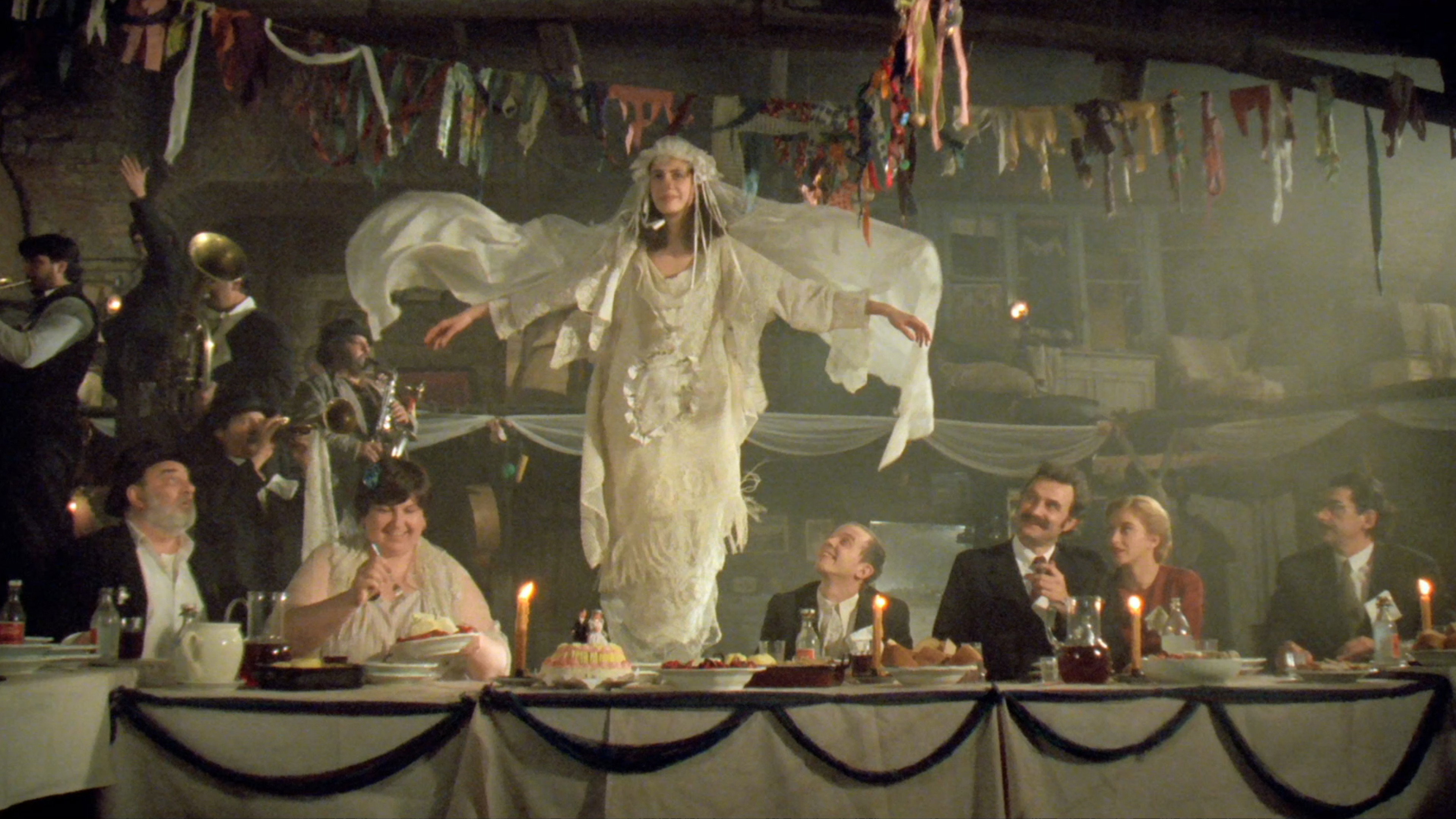
Vilko Filač’s cinematography helps make the elaborately staged action absorbing even when the wider story is difficult to follow. There is pleasure in watching so much activity organised within an image, and Kusturica has the confidence to sustain these crowded passages. Miljen ‘Kreka’ Kljaković’s production design supports the action on a scale that suits the director’s appetite for excess. The trouble comes when looking at everything becomes more rewarding than following what anyone is doing, which is a recurring problem rather than an occasional distraction.
Branka Čeperac’s editing faces the difficult task of managing that much incident across a long running time. Individual passages have momentum, but their accumulation does not give the whole film a satisfying pace. Goran Bregović’s music suits the boisterousness, although its contribution is less helpful when we need some distance from the commotion. There are stretches when another surge of energy is precisely what the film does not need, and the editing gives us too little relief between them.
The cruel jokes make human weakness recognisable, and their ugliness sometimes makes the suffering harder to dismiss. Those moments give the comedy a seriousness that its noisy delivery can initially disguise. Elsewhere, the people become difficult to care about because they are being pushed through so much exaggerated behaviour. Kovačević and Kusturica keep political delusion in view more reliably than they sustain our interest in the individuals caught up in it.
War comedy does not owe us good taste, and we would not want this one tidied into respectable solemnity. Kusturica’s willingness to risk being abrasive is part of what makes the film worth considering, particularly when the humour makes heroism look foolish. What we want is a sharper sense of when a joke has done its work and when a person needs something beyond another grotesque flourish. Several of the longer passages would benefit from stopping before their energy turns into repetition.
Give Underground an evening of its own rather than trying to fit it around something else. The caveat is not simply its length: an appetite for unruly comedy matters more than a willingness to sit still. If the attraction is a clear account of Yugoslavian history, choose another film.