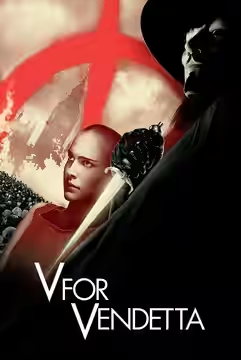
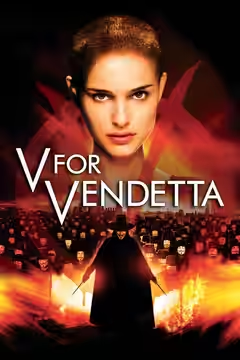
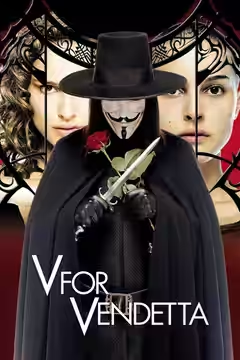
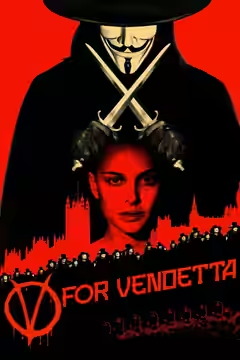
V for Vendetta is a compelling political thriller despite its heavy-handed speeches. Hugo Weaving makes its masked revolutionary worth listening to, and gives us reasons to be uneasy about how much we want to agree.
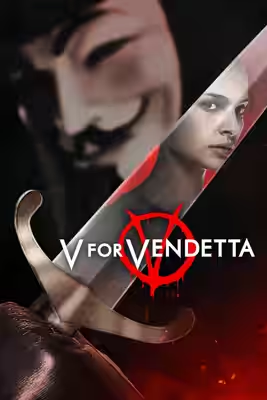
James McTeigue’s V for Vendetta is a good political thriller with a habit of explaining itself after we have understood it. It asks us to consider a violent opponent of totalitarian rule as someone worth listening to, and makes that invitation uncomfortable enough to be interesting. Lilly Wachowski and Lana Wachowski’s screenplay wants an action audience to sit still for questions about power and personal responsibility. We welcome the ambition, even when the dialogue makes it feel like homework.
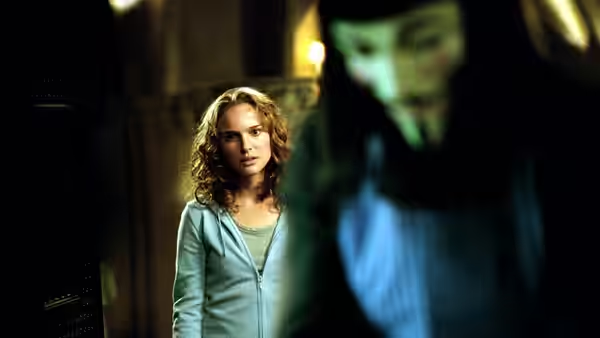
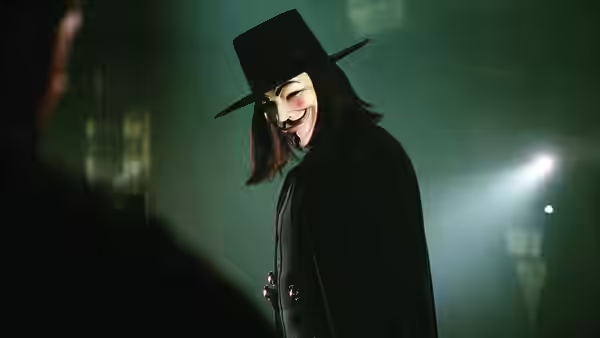
Hugo Weaving gives V enough intelligence and charm to make his violence difficult to dismiss. With the face concealed, the performance depends on the voice, and Weaving can make a line sound considered even when the writing is straining for importance. We were unsettled by how reasonable this masked man could sound while advocating violence. The performance keeps us questioning our sympathy for him through passages where the screenplay seems rather too satisfied with what he has to say.
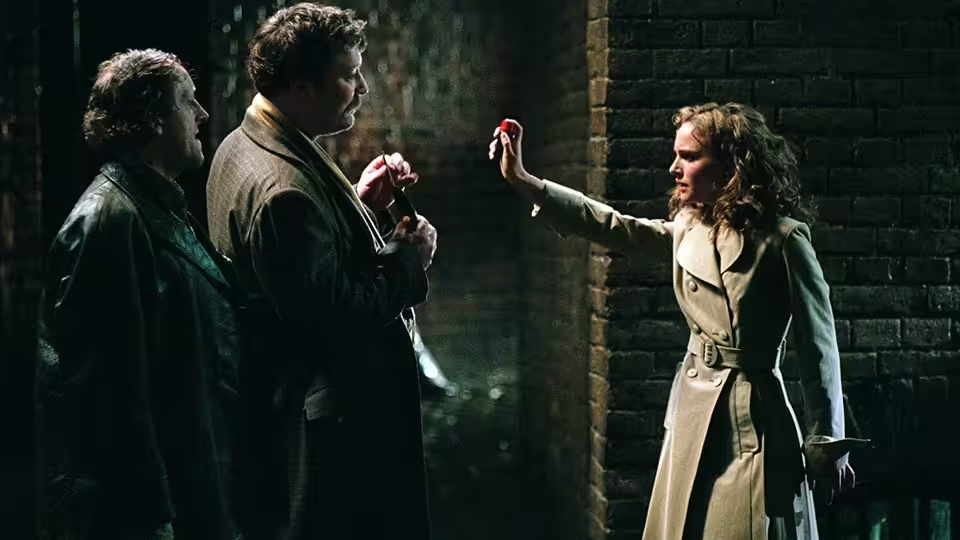
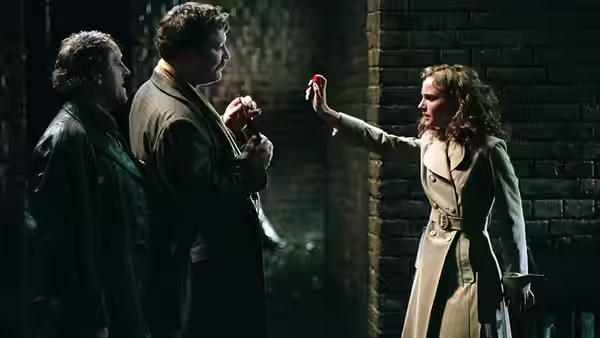
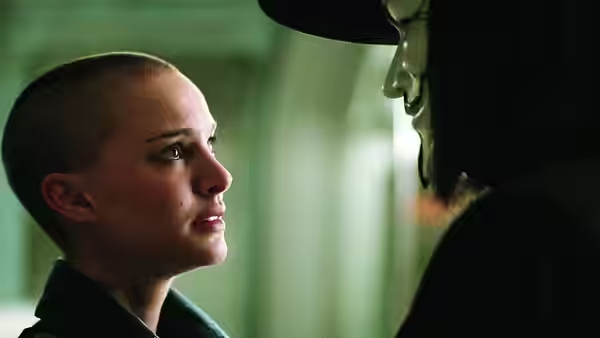
Natalie Portman’s Evey gives us someone whose response to V matters beyond agreeing with him. Portman makes the political talk feel like something a person has to live through, and the film needs that. She has less freedom than Weaving to shape her character, because the screenplay is so determined to make Evey carry its ideas. Still, she gives the fear and uncertainty enough weight to stop her character becoming merely an audience for the speeches.
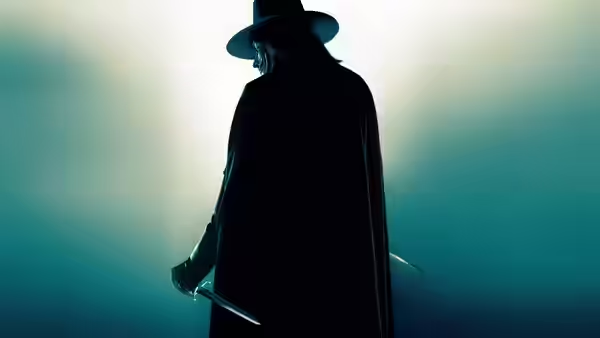
Adrian Biddle’s cinematography is most effective when the film lets V’s mask hold our attention. That fixed expression can be more disturbing than the dialogue explaining the man beneath it. The violence has visual force, although McTeigue sometimes interrupts the political thriller with action that does little to deepen it. Owen Paterson’s production design is harder to believe in. The dystopian setting often seems empty, which weakens the sense that ordinary lives continue outside the central confrontation.
Martin Walsh’s editing gives the mystery more patience than the action-film billing suggests, and some of that patience is welcome. We have time to consider V before being asked to cheer him. Yet exchanges continue after their point is clear, and at 132 minutes the film needs a firmer cut where the screenplay restates its politics. Dario Marianelli’s score supplies urgency, but cannot disguise how little some of these conversations advance. The problem is repetition, rather than the decision to let people talk.
As political thrillers go, this is blunt about power and more interesting about the appeal of resistance. The supporting cast helps keep that interest alive through the talk. Stephen Rea brings steadiness to Finch, and John Hurt gives Adam Sutler the force the writing requires. Both are worth watching even when the screenplay is spelling out something we have already grasped.
Most critics disagree with us: the consensus finds the confused politics and heavy dialogue more damaging than we do. We think that judgement gives too little credit to the uneasy sympathy Weaving creates for V, which survives the script’s attempts to explain it. There is enough uncertainty in the central performance to keep the film interesting when the writing becomes blunt. Give it an evening if political speeches are something you are prepared to tolerate between acts of rebellion.