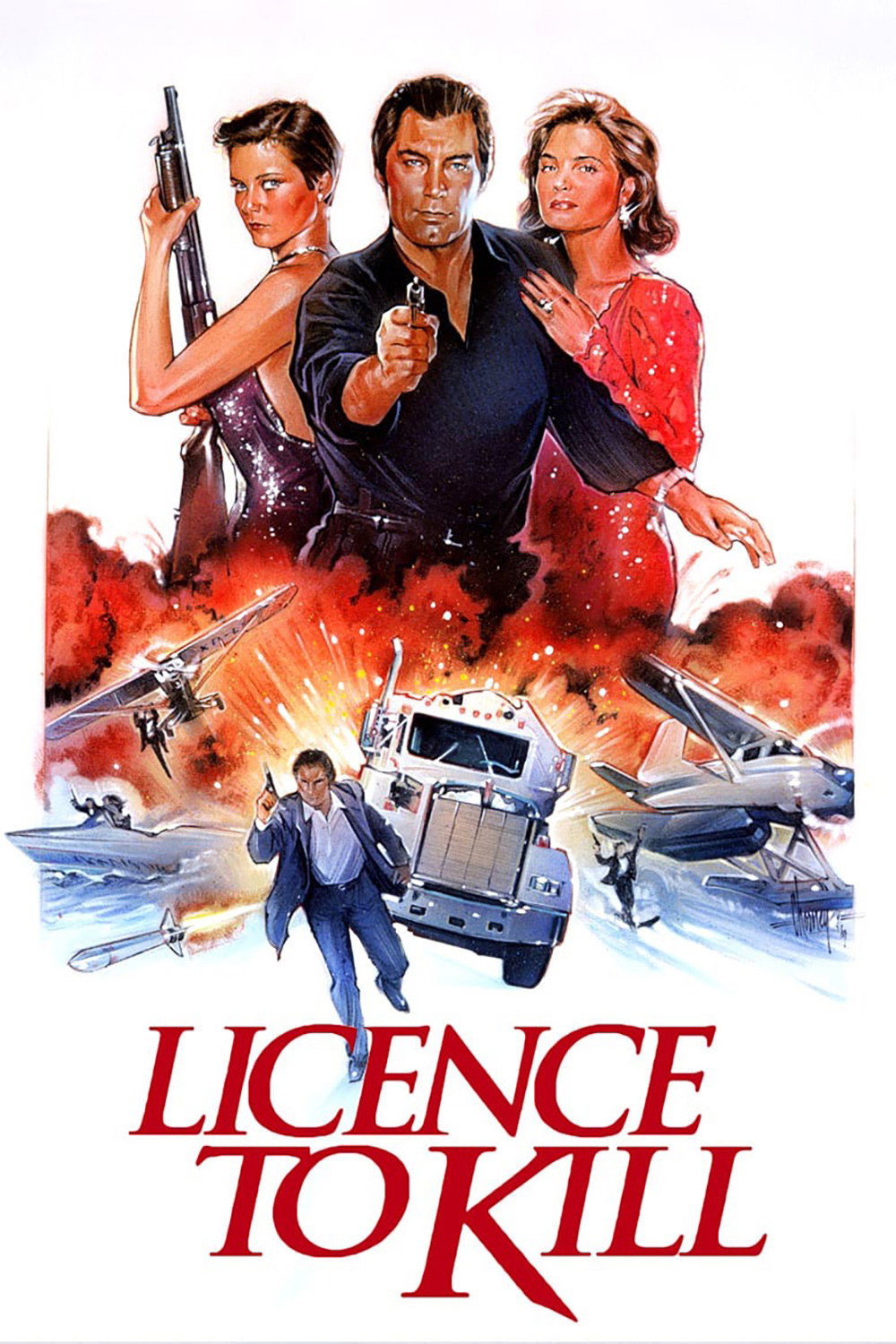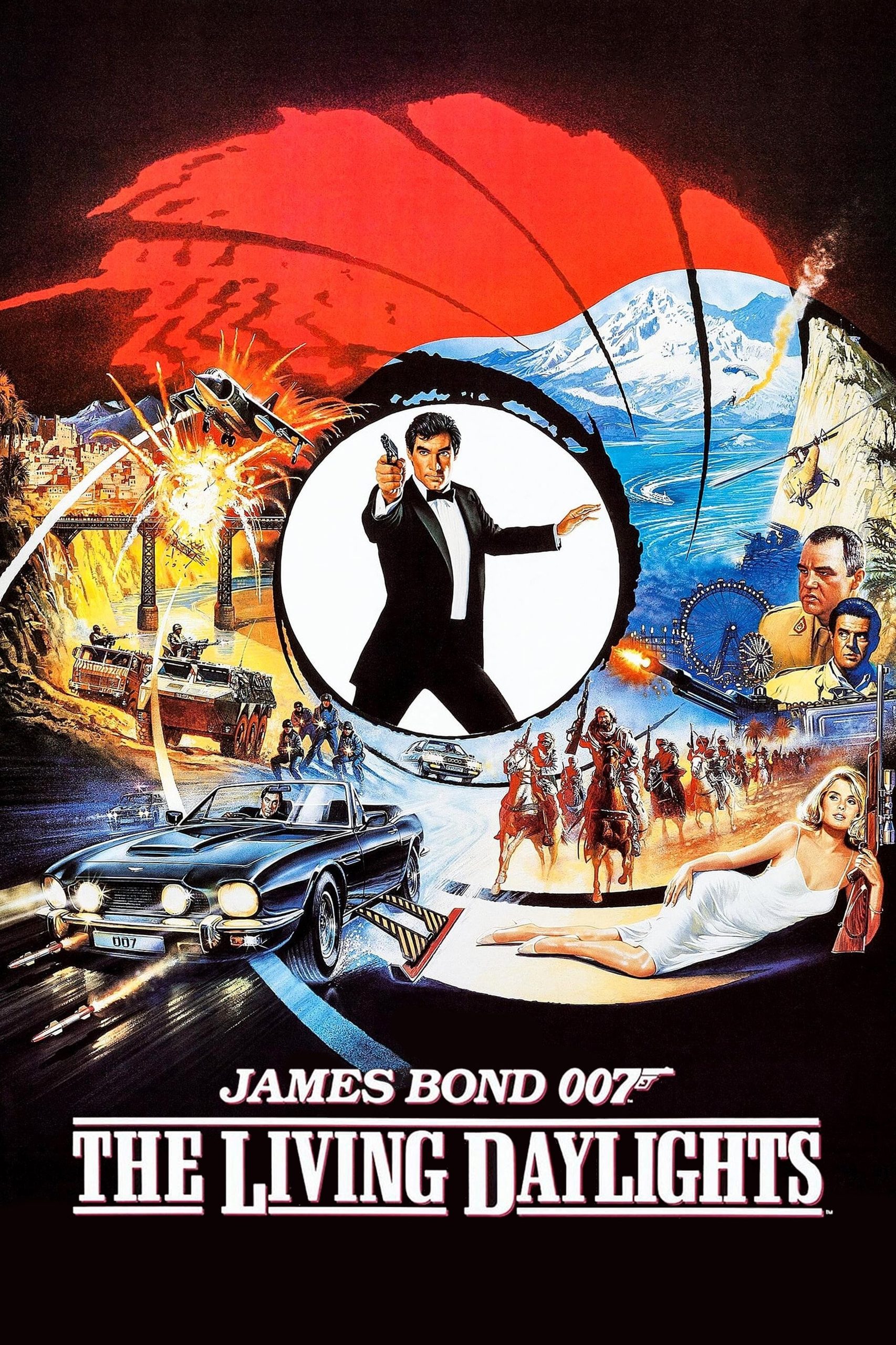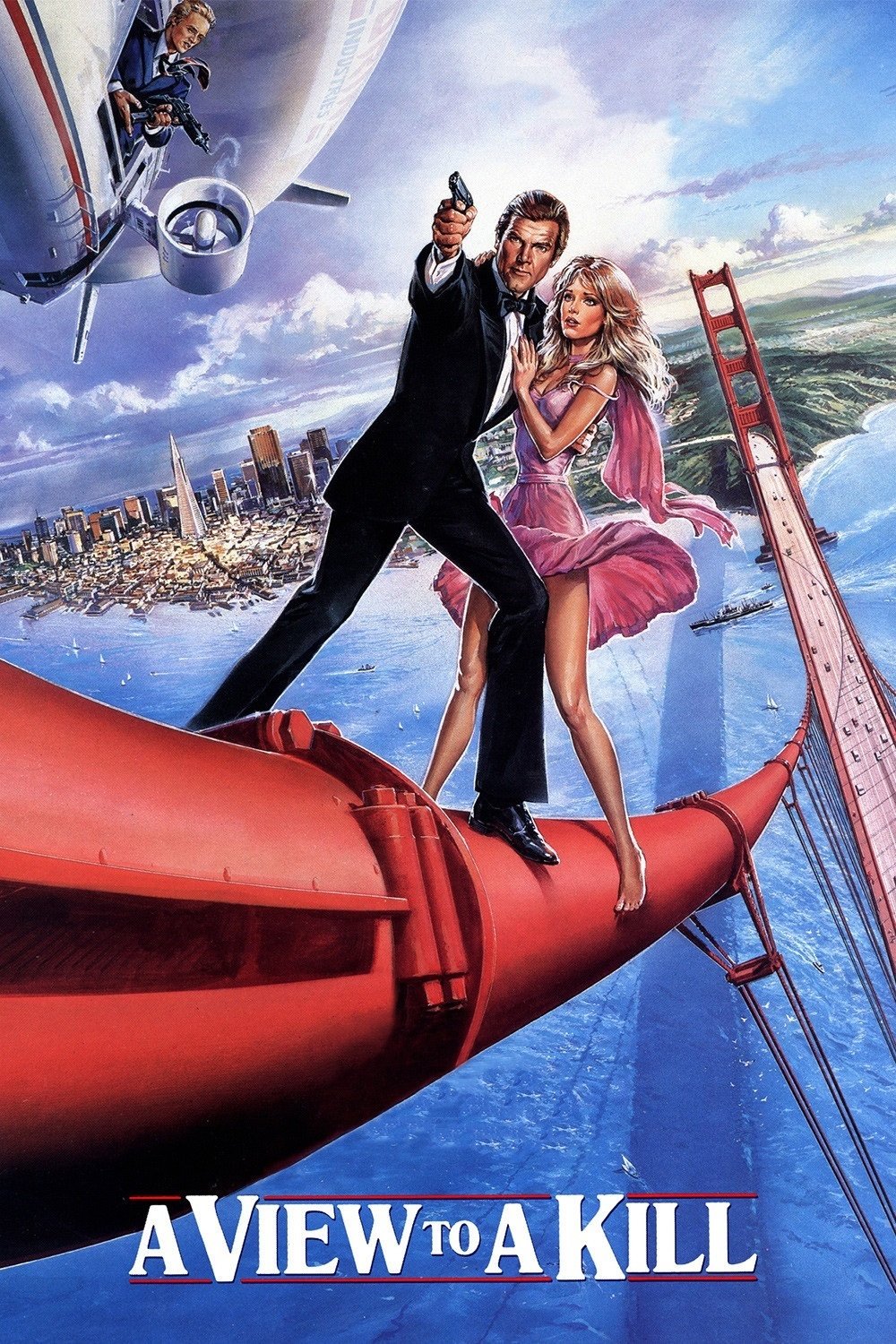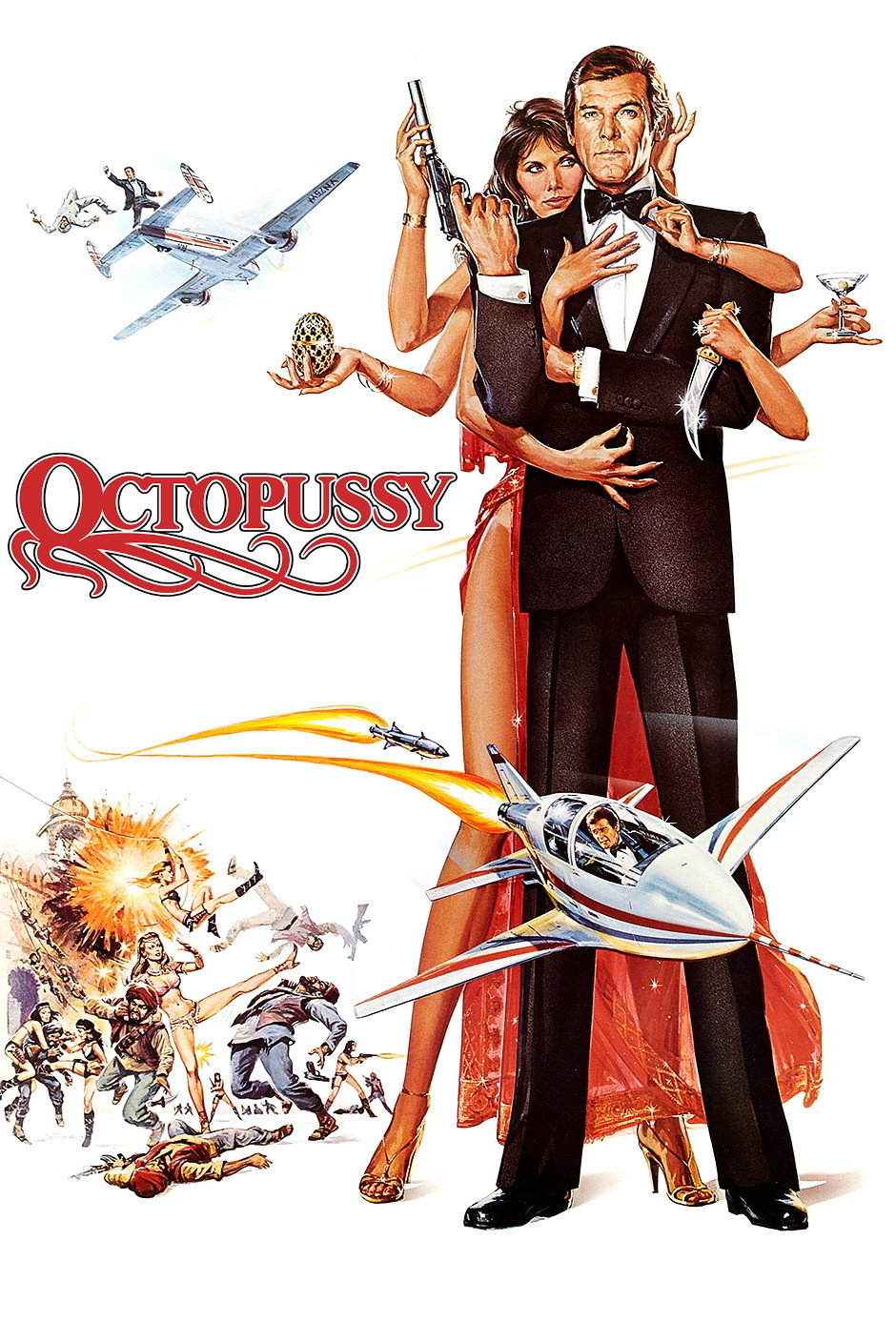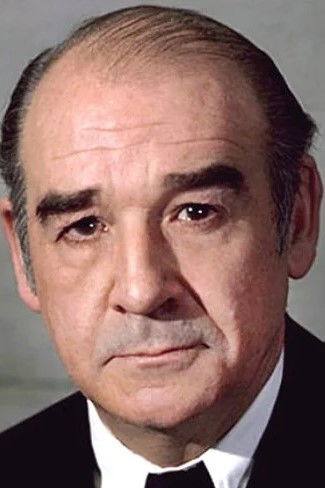
Robert Brown played M as a man with a desk, a deadline and no time for what Bond had done in the field. He never made the part his own as Bernard Lee had, and he never got in the way of the film.
Fi1m perspective
Four times, Robert Brown sat behind M's desk, heard what Bond had been up to, and declined to be impressed by it. That was the performance, and it was the right one. The briefing scene is where a Bond film stops to tell the audience what the plot is, and it needs someone who can read the plot aloud as if it were a signal from the Admiralty and make it sound like a matter of some weight. Brown could. He had served in the Royal Navy during the war, and it is there in the way he sits rather than in anything he says.
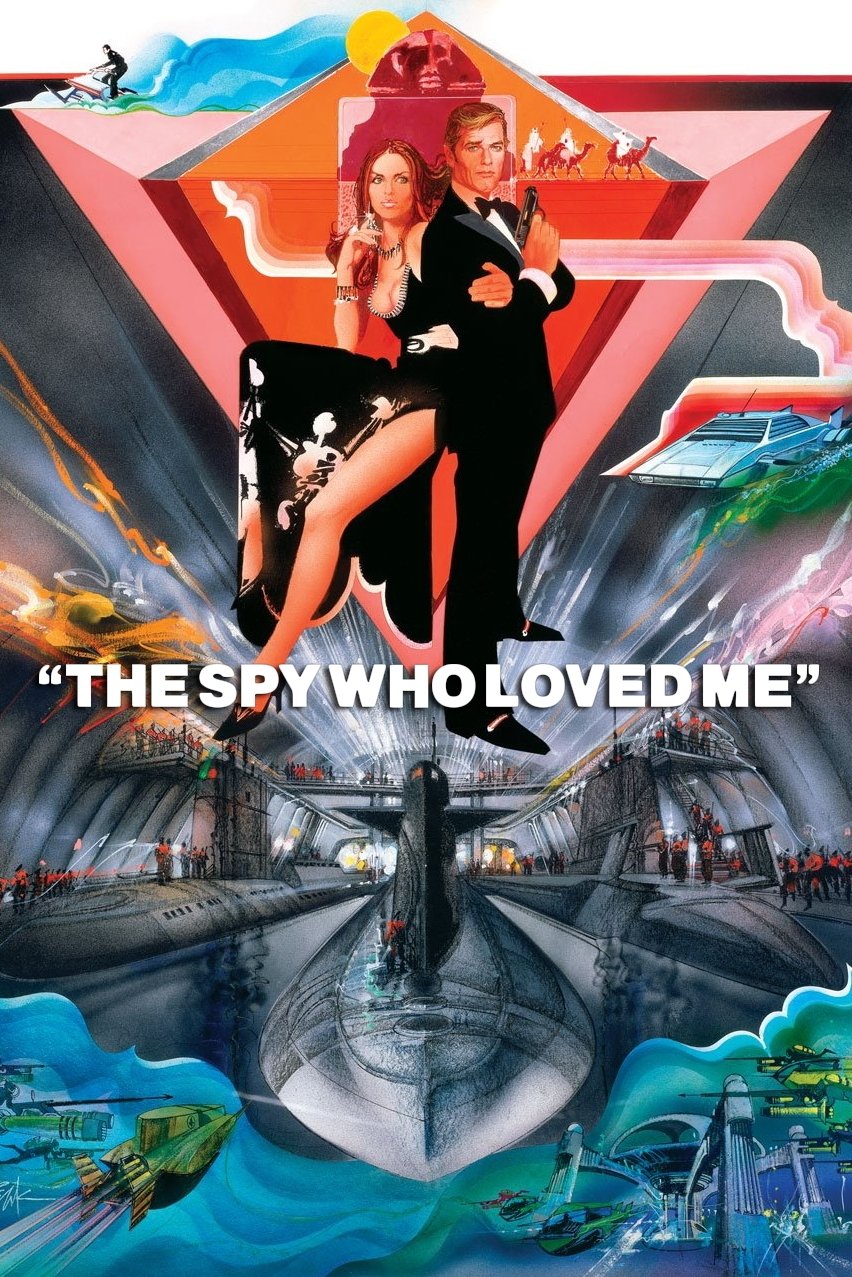
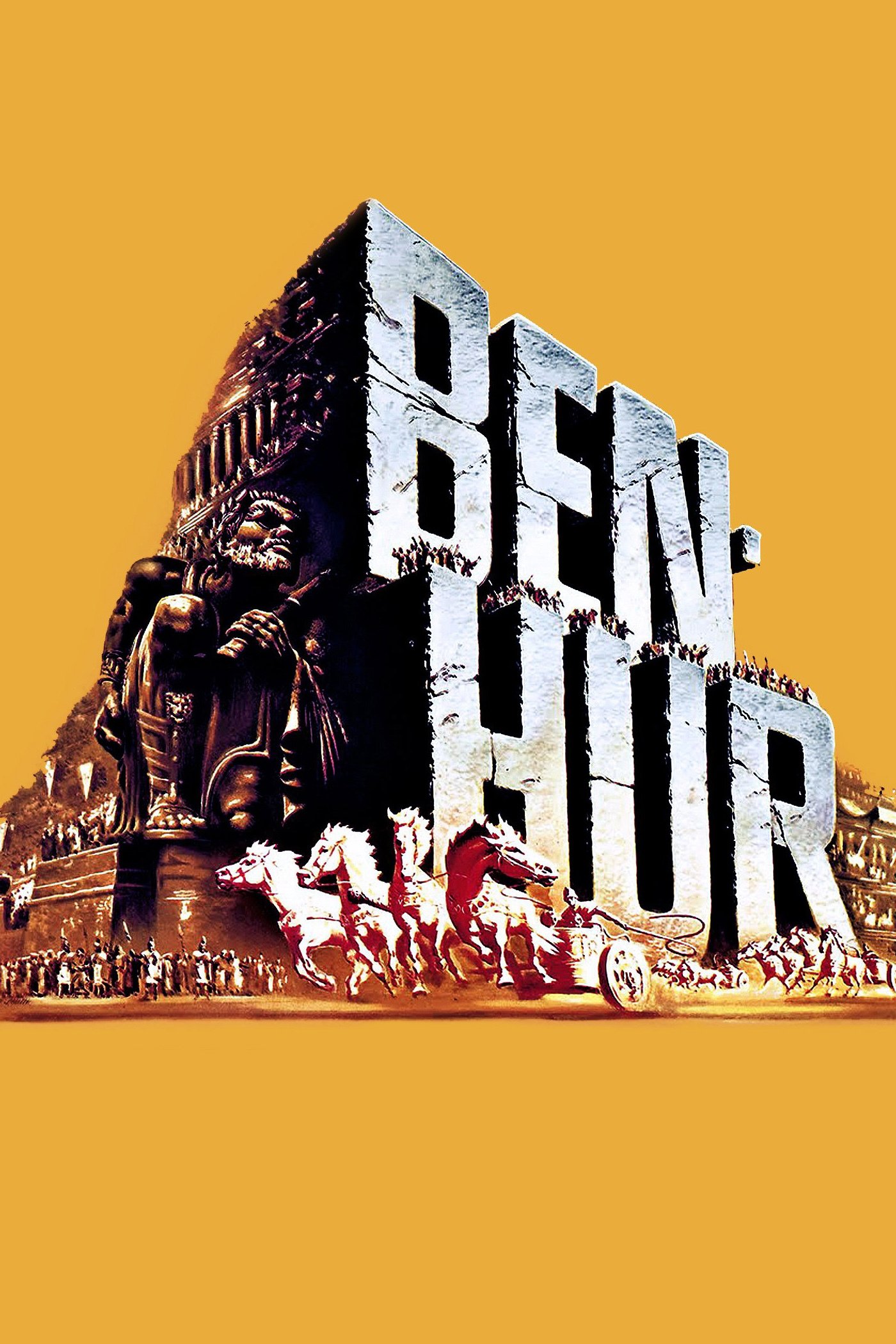
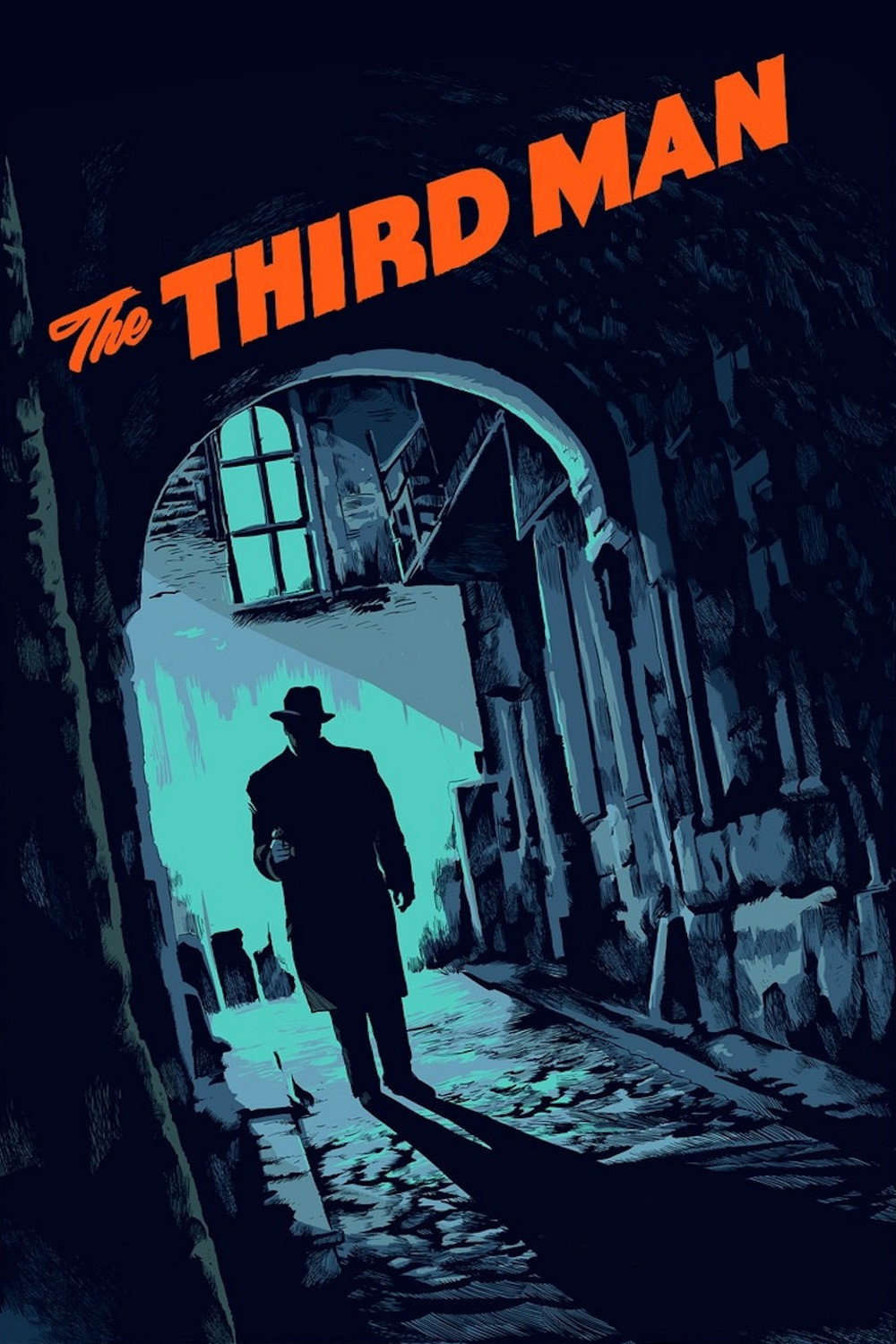
He had been on screen since 1949, in parts too small to be credited: a military policeman in the sewers of The Third Man (1949), the chief of rowers in Ben-Hur (1959). Bernard Lee was also in The Third Man; thirty-four years later Brown took over his office. In between came the long middle of a British character actor's life, supporting roles in historical adventures and epics through the fifties, sixties and seventies, and a run on television in Ivanhoe (1958–59) alongside Roger Moore. He turned up in The Spy Who Loved Me (1977) as Admiral Hargreaves, and when Lee's chair fell vacant Moore recommended his old colleague for it. Brown was M from Octopussy (1983) to Licence to Kill (1989), then retired, having outlasted one Bond and served a second.
What he brought was sober authority, and that is what the job asks for. The knock against him, then and since, is that he was less distinctive than Lee, and it is fair. Lee's M seemed to dislike Bond personally; Brown's seemed merely to have a great deal on. Our own reviews of Octopussy and The Living Daylights (1987) do not mention him at all, which tells you how the part was written in those years as much as how he played it. Watching The Living Daylights again, we found we could not afterwards recall a single thing he had done at that desk, and we were slightly ashamed to notice that we did not mind. The tension in that film is all in the field, in the first hour Dalton spends being a spy rather than a joke, and the office is where the film goes to catch its breath. Brown let it.
He was the one fixed point across a change of Bonds and a change of tone, present when the series was cracking jokes in India and present when it stopped cracking them, and his expression did not alter between the two. If you want to see what he did, watch The Living Daylights, which is the better film, and pay attention when it goes indoors. You will have to make an effort. Nothing about him asks for one.
Biography
Robert James Brown (also credited as Robert James Brown or Bob Brown) was an English actor. He was born in Swanage, Dorset, on 23 July 1921 and died there on 11 November 2003.
Brown had a long career as a supporting actor in film and television. He starred as Gurth in the 1950s ITV series Ivanhoe alongside Roger Moore. He first appeared in the James Bond series as Admiral Hargreaves in The Spy Who Loved Me (1977) and was recommended by Moore for the role of M following the death of Bernard Lee. He played M in Octopussy (1983), A View to a Kill (1985), The Living Daylights (1987) and Licence to Kill (1989).
Brown was married to Rita Becker from 1955 until his death; they had two children.