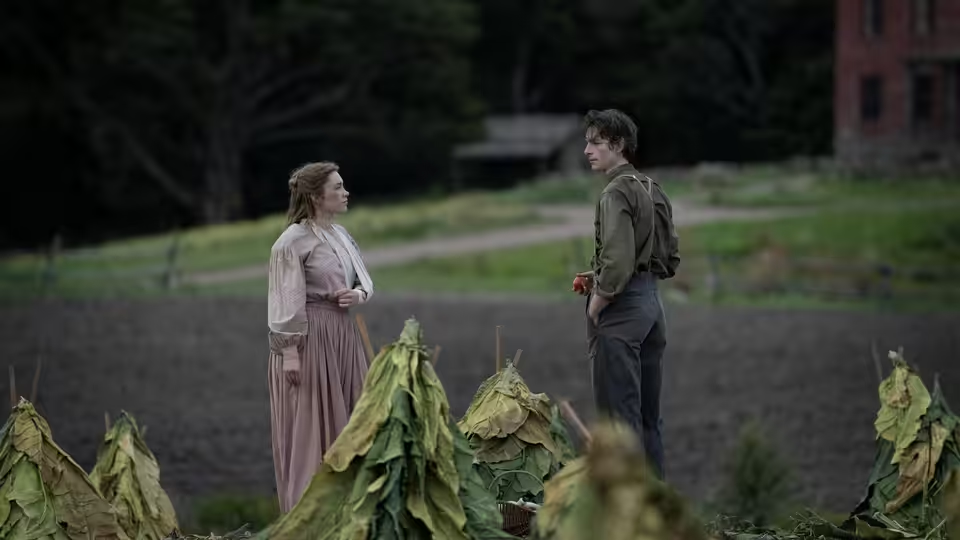
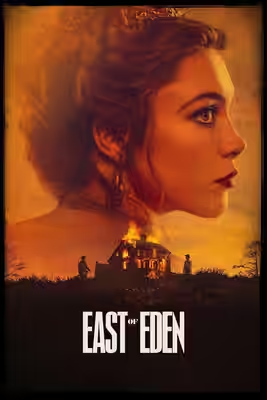
East of Eden is a rewarding family drama, carried by Florence Pugh and Hoon Lee. Uneven character development limits its ambitions, but the performances give us good reason to stay for all seven episodes.
East of Eden is worth the seven-episode commitment, chiefly for Florence Pugh and Hoon Lee, with a reservation about uneven character development. Zoe Kazan’s series gives its family saga room to examine why people behave as they do. Its strongest performances make that attention rewarding, even when the writing has not quite worked out everything it wants to say. We recommend it warmly, provided the attraction is complicated people rather than a comprehensive explanation of what makes them complicated.
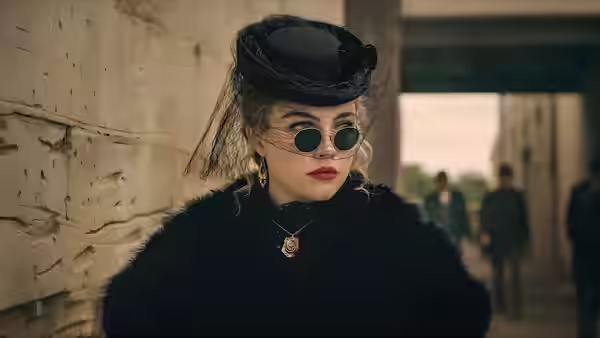
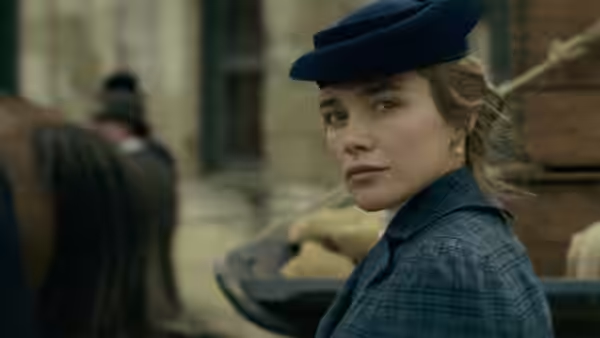
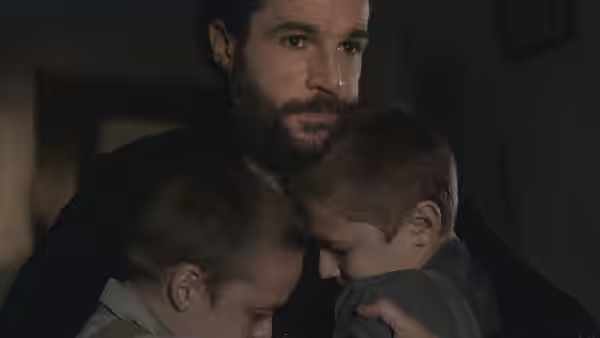
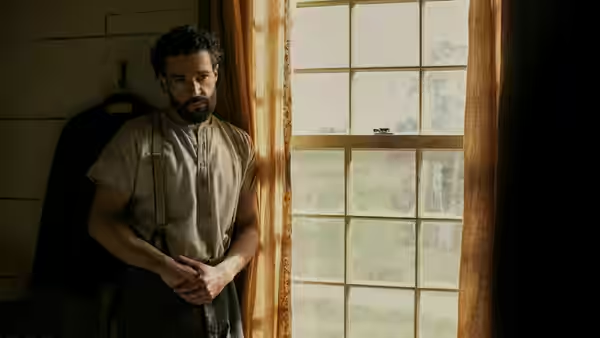
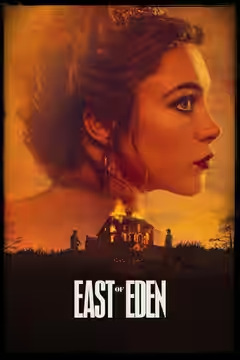
Florence Pugh’s Cathy Ames is the chief attraction, unsettling enough to resist easy sympathy and compelling enough to hold our attention. The performance makes spending time with a difficult character worthwhile without requiring us to excuse her. Zoe Kazan and Alexander Chee, the credited writers, give Cathy considerable attention, but not always sufficient development; the fascination sometimes exceeds the understanding. Christopher Abbott’s Adam Trask is unevenly served too, and the writing around these two characters leaves more work to the performances than it should.
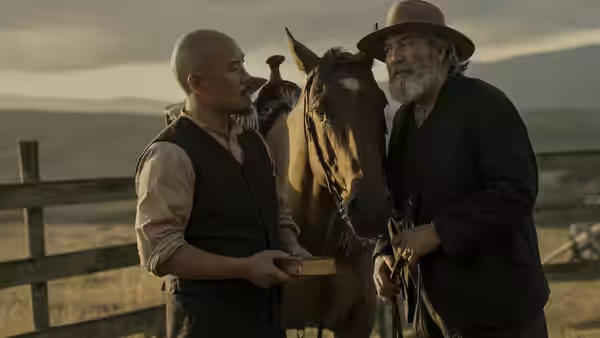
Hoon Lee, playing Lee, gives the drama a steadier emotional centre. We find the attention paid to Lee’s own life and purpose moving: his tenderness has weight because the series takes an interest in him beyond his usefulness to the family. That care makes him someone worth following in his own right, and it gives the larger story more feeling. Hoon Lee deserves equal billing in the recommendation; Florence Pugh may be the immediate attraction, but there is ample reason to become attached to his character.
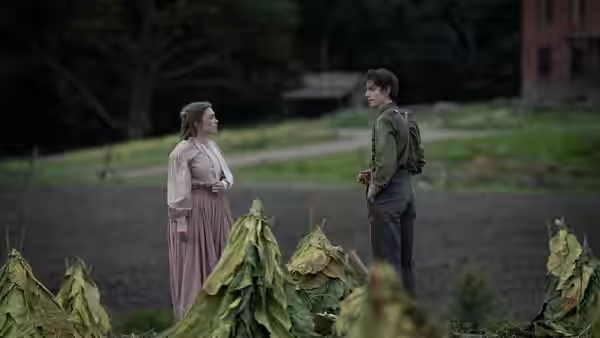
The visual finish is handsome, with cinematography by Sam Chiplin and Stuart Dryburgh and production design by Grant Major. The polish suits a literary family saga, making its ambition inviting rather than forbidding. Laure de Clermont-Tonnerre and Garth Davis direct, and the elegance of the presentation is a pleasure even where the characterisation is less assured. It can also encourage expectations the writing does not consistently meet, particularly when Cathy and Adam receive less convincing development than Lee.
The opening episodes are the main test of patience, with some performances less assured than the leads. Julia Bloch, Jane Rizzo and Meg Reticker share the editing credits, and the early stretch could establish the drama’s hold more firmly. Laura Karpman supplies the music, while Kirsty Cameron is responsible for costume design. The reservation is not that seven episodes are too many for a family saga; it is that the opening needs to make its characters as absorbing as the strongest performances eventually make them.
Literary television can become solemn about its responsibilities, and this series is more appealing when it allows the family drama to be absorbing entertainment. Its moral complications give us enough to consider without every character having to explain something about humanity. The unevenness matters, but it does not cancel the pleasure of performances that make difficult people worth sustained attention. Give it time if a demanding family saga appeals, and allow for an opening that takes longer than it should to earn that patience.