Joss Whedon’s science-fiction Western is funny, warm and carried by a cast worth spending time with. The dialogue can spoil a serious moment with an easy joke, but we recommend it warmly.
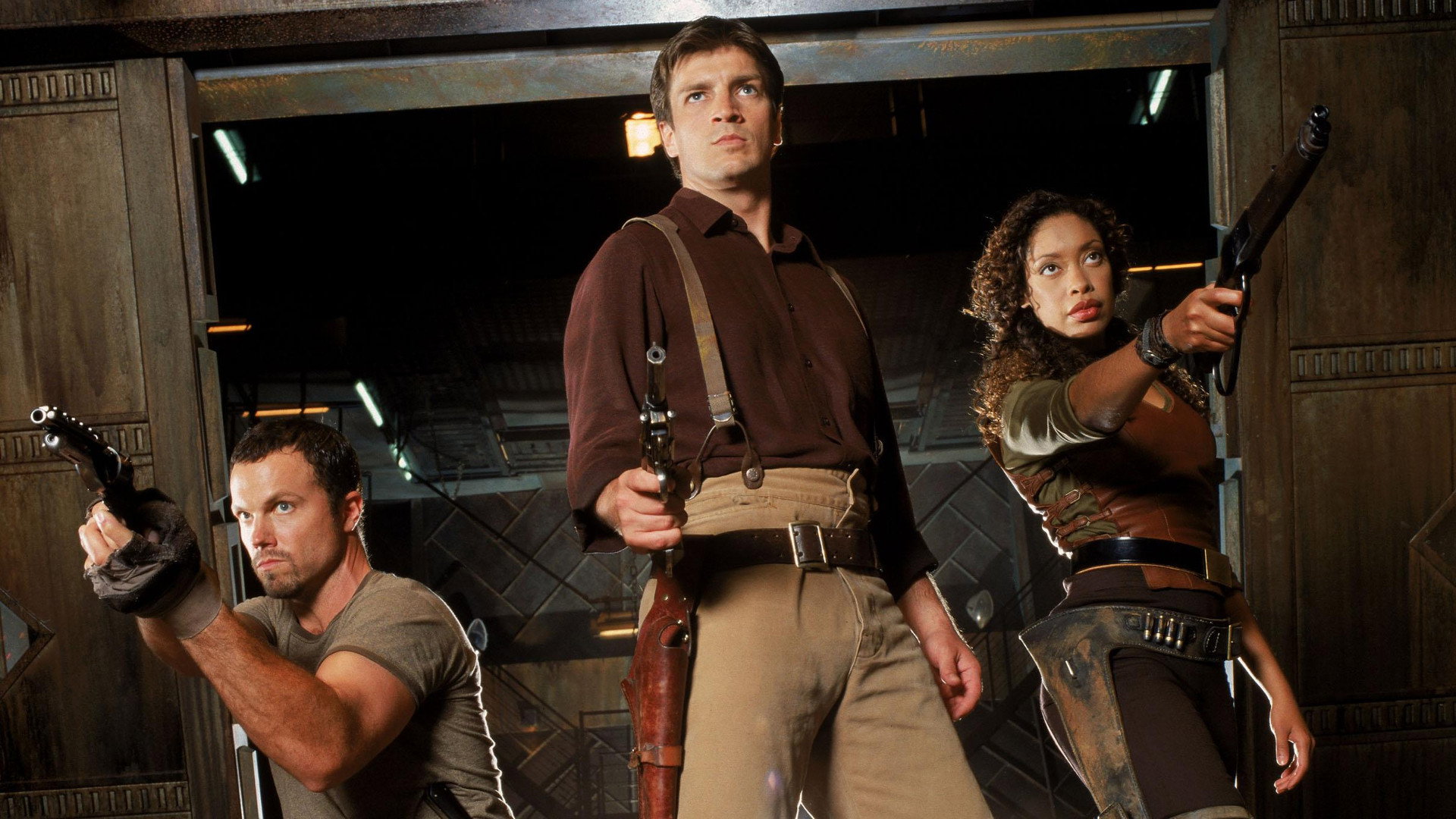
Firefly is good company, and its science-fiction Western setting gives that company something worth arguing about. Creator Joss Whedon makes room for post-war disillusionment and mental illness alongside the action, without turning the programme into a succession of solemn discussions. We recommend it warmly, with a reservation about its habit of reaching for a joke before an uncomfortable feeling has settled. The combination of genres is appealing, but the cast supplies most of the reason to stay.
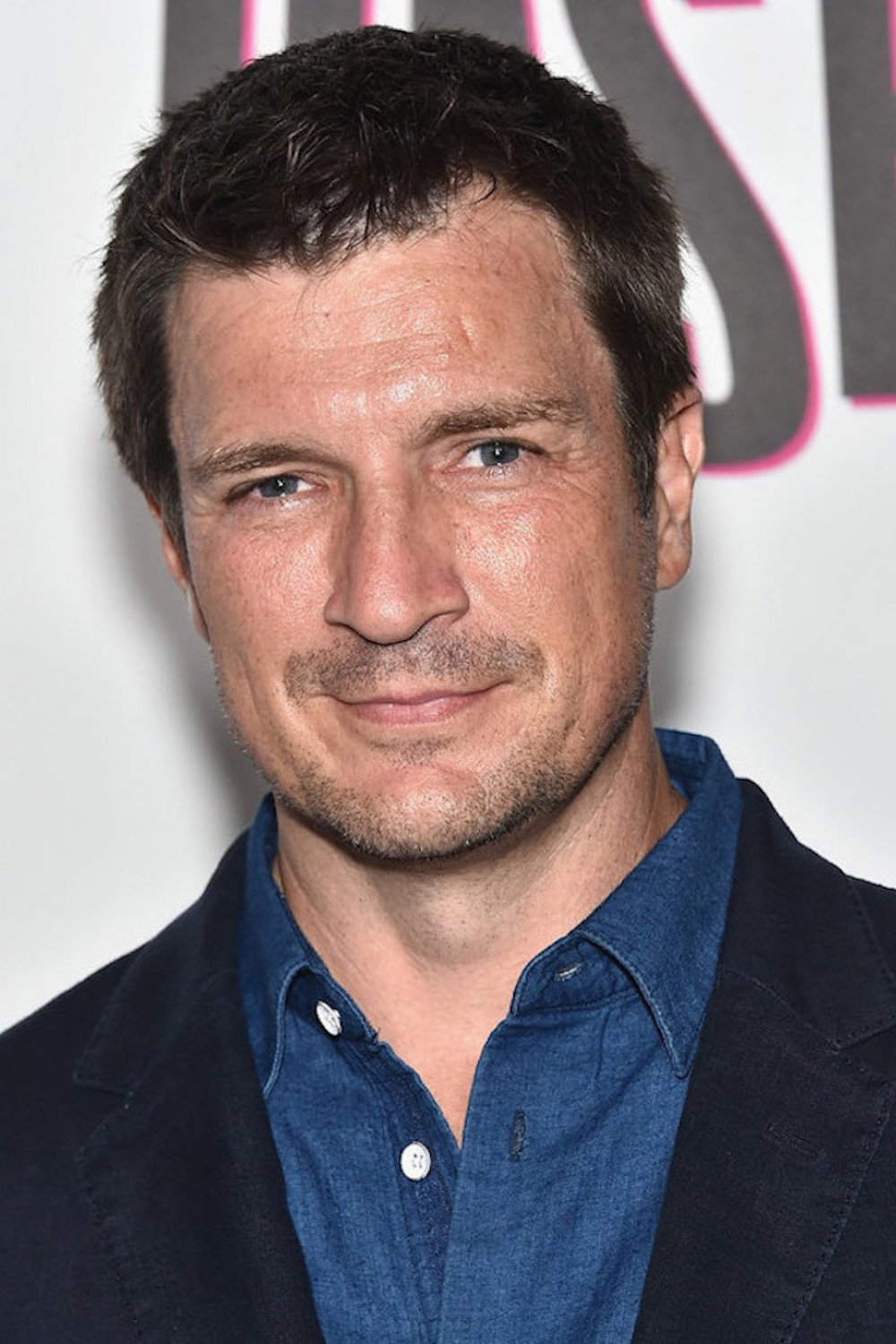
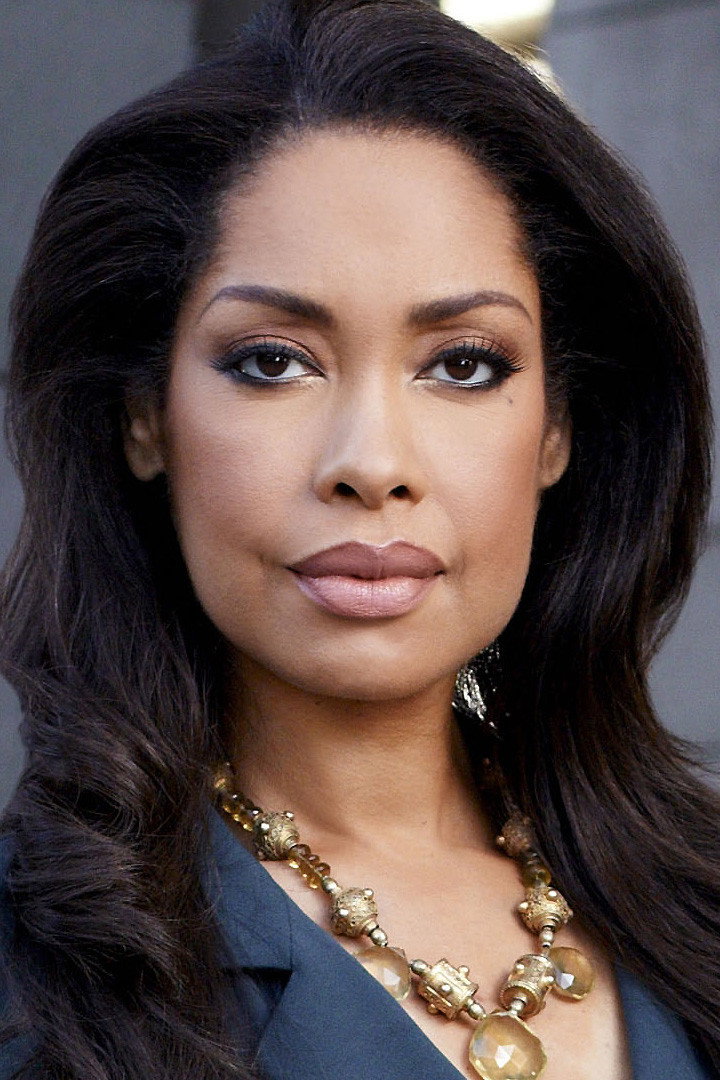
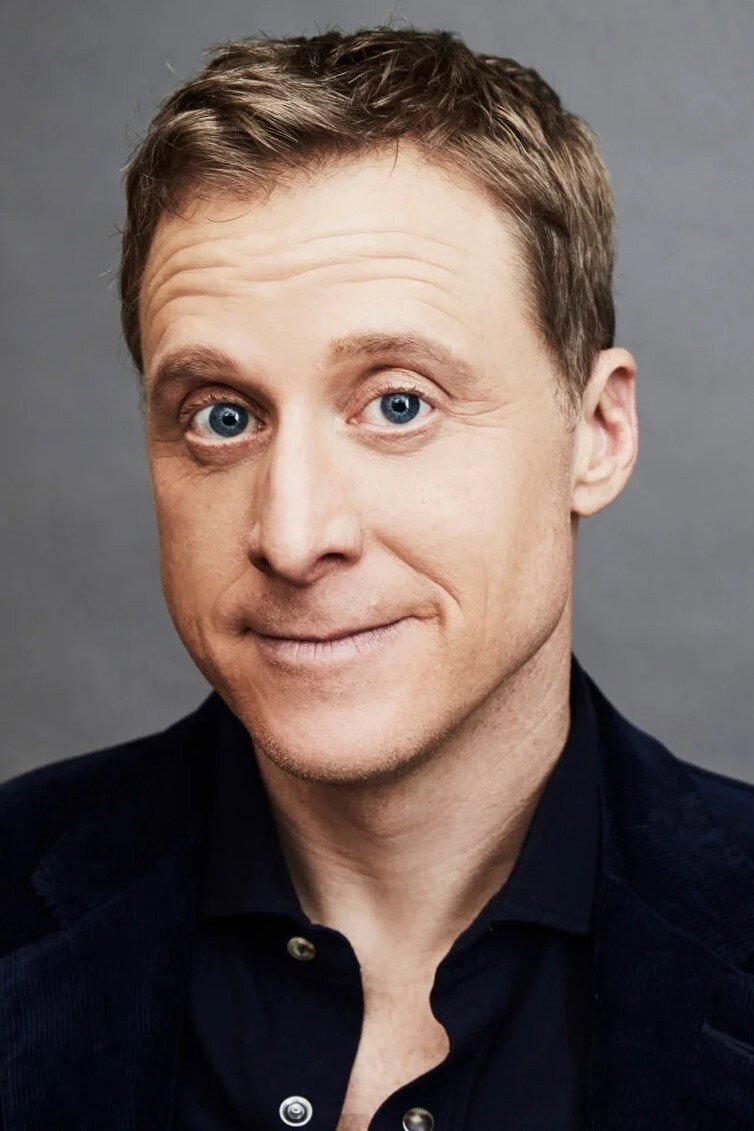
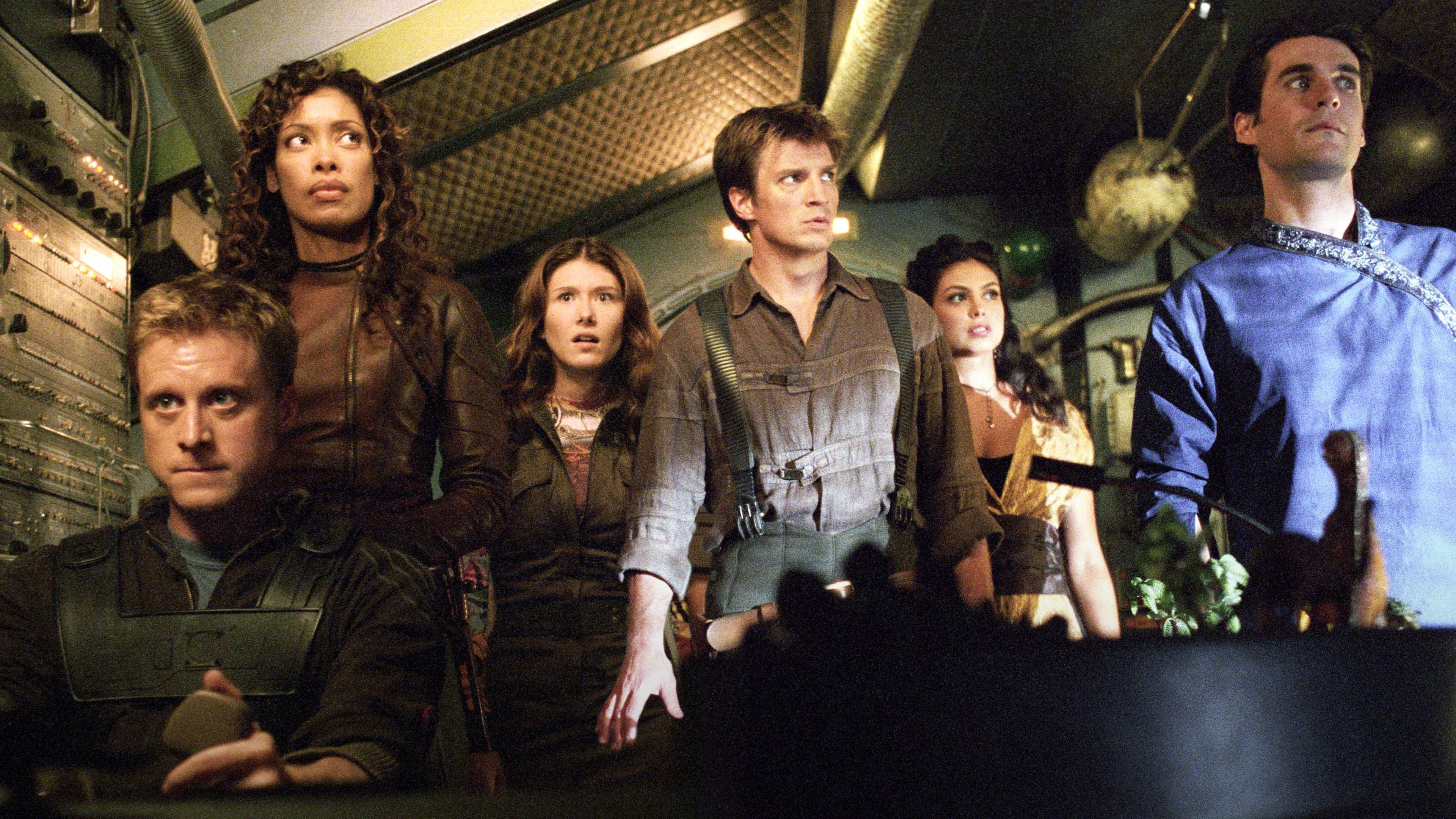
Nathan Fillion makes Mal Reynolds’s confidence both useful and faintly ridiculous. We laughed at his self-importance, because Fillion’s emphatic delivery can make Mal sound a little too pleased with his own judgement. Gina Torres gives Zoë Washburne the steadiness that helps keep this from becoming a one-man comedy, while Alan Tudyk brings a lighter rhythm to Hoban Washburne. Their different deliveries are a considerable pleasure, especially when the writing threatens to give everyone the same appetite for a clever answer.
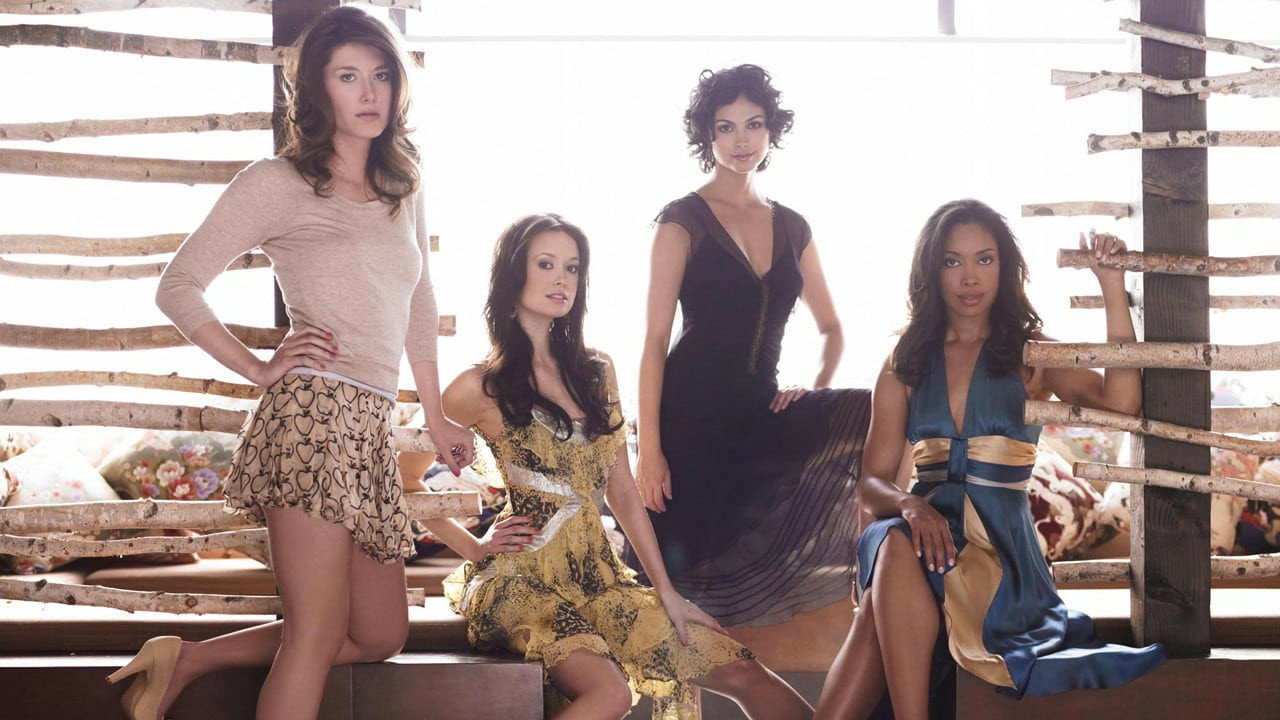
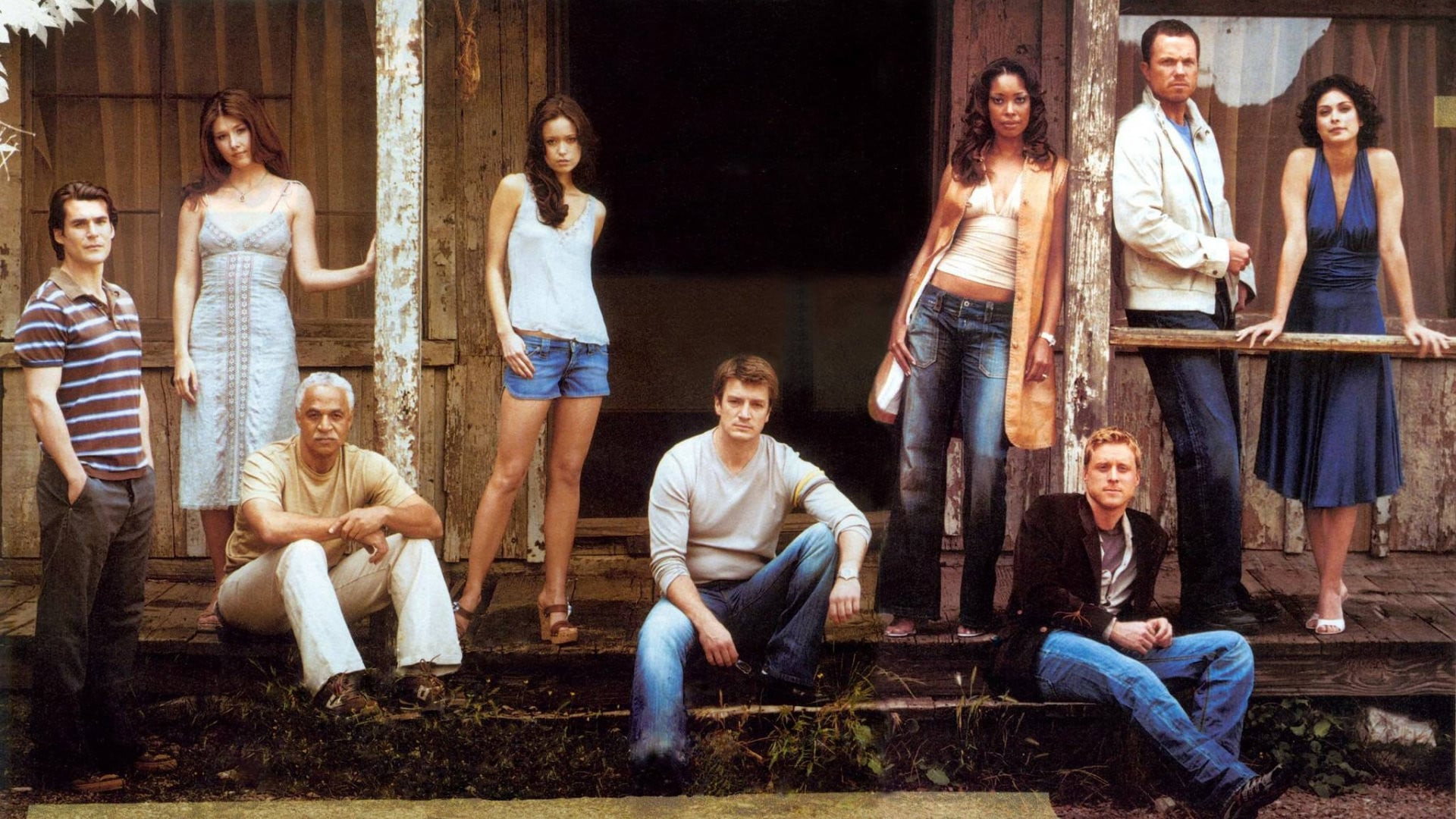
Jewel Staite’s Kaylee Frye has an openness that makes the sharper personalities easier to spend time with. Ron Glass brings welcome weight to Derrial Book without treating seriousness as a reason to be dull, and Morena Baccarin gives Inara Serra a composure distinct from the surrounding bustle. With nine principal characters, there is plenty of competition for attention. The ensemble holds together because the performers establish differences that do not need a speech to explain them.
Carey Meyer’s production design makes the mixture of technologies and Asian influences feel like parts of the same place. The barren landscapes matter too: they prevent this future from looking as though progress has made life comfortable for everyone. David Boyd’s cinematography gives that emptiness enough presence to make the technology seem less reassuring. The setting earns our belief, though the Western side of it is familiar enough that we would hesitate to call the whole combination a radical invention.
John Peter Bernardo’s editing gives the comic exchanges enough room for those differences in delivery to register. Greg Edmonson’s music helps the Western and science-fiction elements sit comfortably together, keeping the shifts between humour and more troubled material from feeling abrupt. Both contributions work well without competing with the actors for our attention. There are moments when the briskness becomes a limitation, especially when a quick exchange closes down something we wanted the programme to examine.
That impatience is our main objection to Whedon’s writing. A clever answer is sometimes allowed to stand where a harder conversation ought to be, and the material concerning mental illness needs more care than that habit permits. The post-war disillusionment is more persuasive when the performers let weariness show through the humour. Allow for the occasional joke you wish nobody had made, and give this ensemble your evening.