Farscape takes time to settle, but its strange creatures and difficult company earn our affection. The early melodrama and ageing effects are real obstacles; the increasingly involved relationships make this space adventure worth the patience.
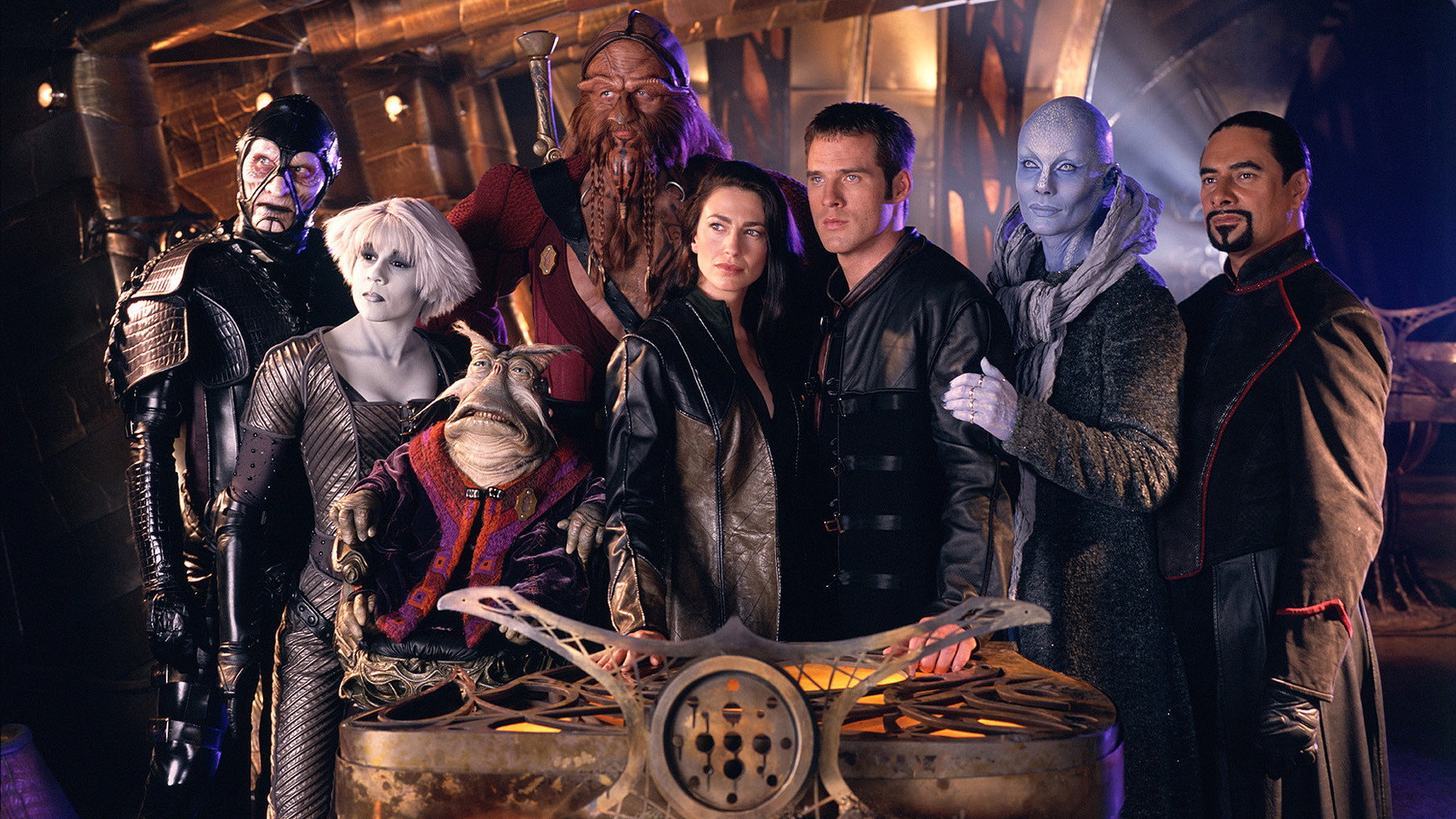
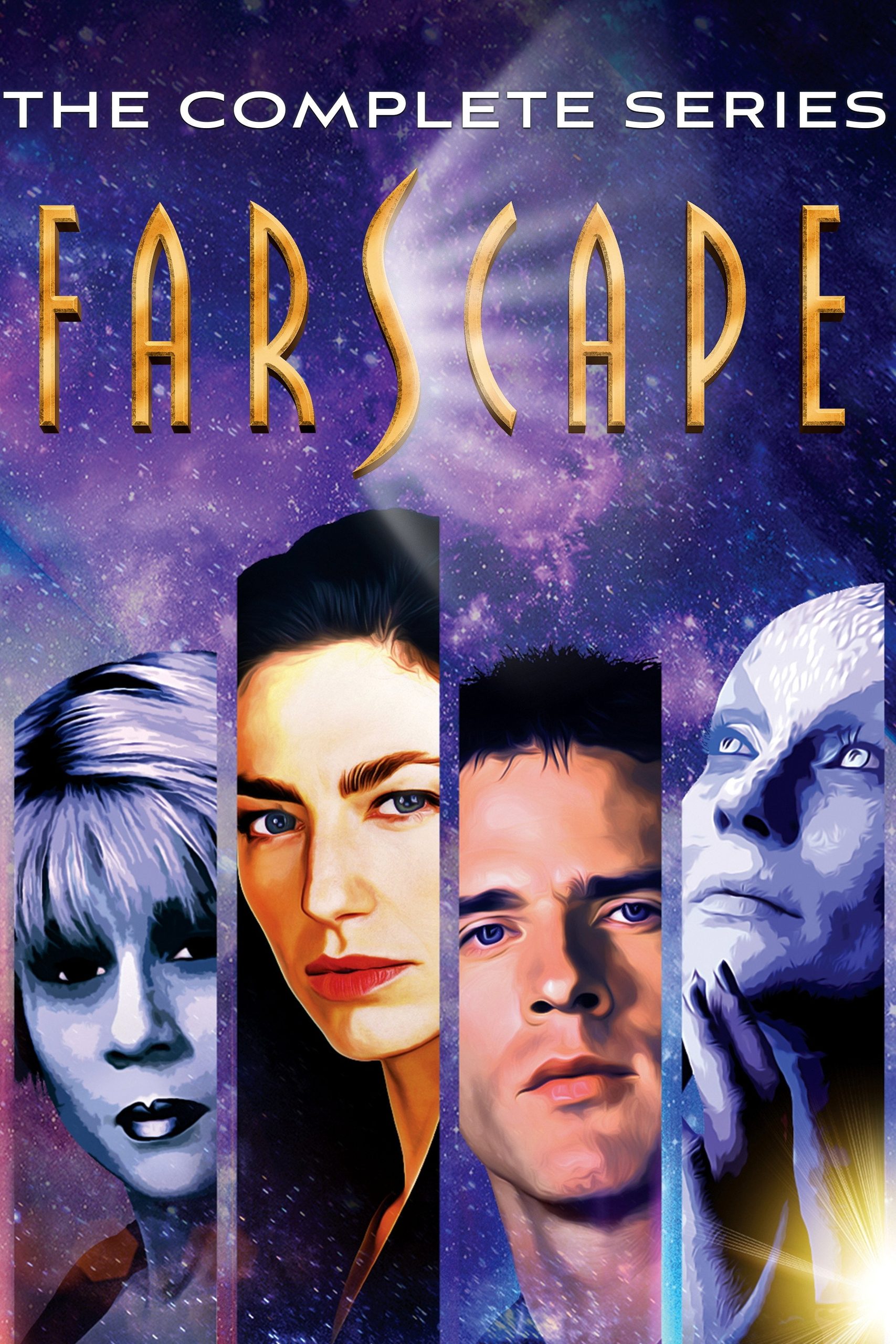
Rockne S. O’Bannon’s Farscape is a rewarding space adventure, provided we allow it time to become one. Its starting point is plain: John Crichton, played by Ben Browder, is an astronaut who wants to get home. That simple wish offers a way into a programme which initially asks us to accept a great deal of strangeness. The appeal grows as the crew’s relationships acquire enough history to make us care about how they treat one another.
Ben Browder makes an approachable centre for such peculiar company, and that matters when so much else is asking to be accepted on sight. Claudia Black, as Aeryn Sun, and Anthony Simcoe, as Ka D’Argo, help keep the ensemble from becoming merely an audience for the astronaut. Their performances give the encounters within the crew enough force to compete with the attractions of travelling through space. The chemistry is worth persevering with, even when the early drama makes that harder than it needs to be.
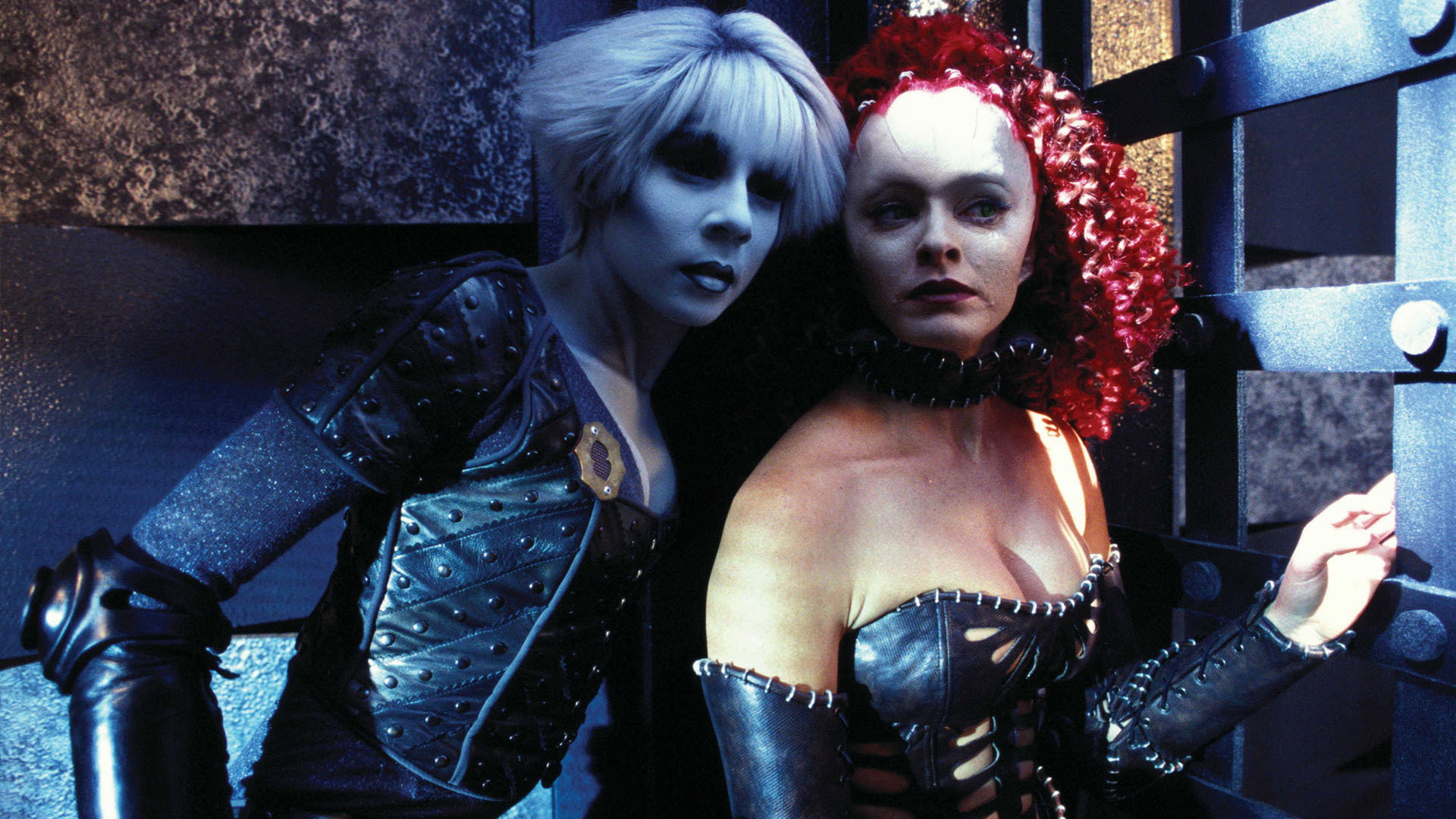
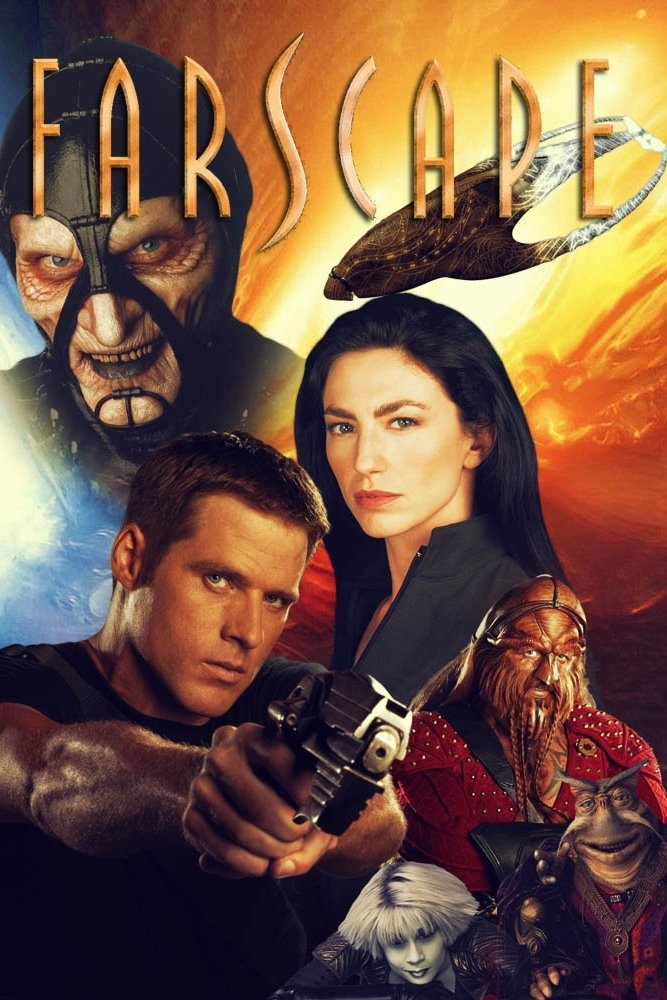
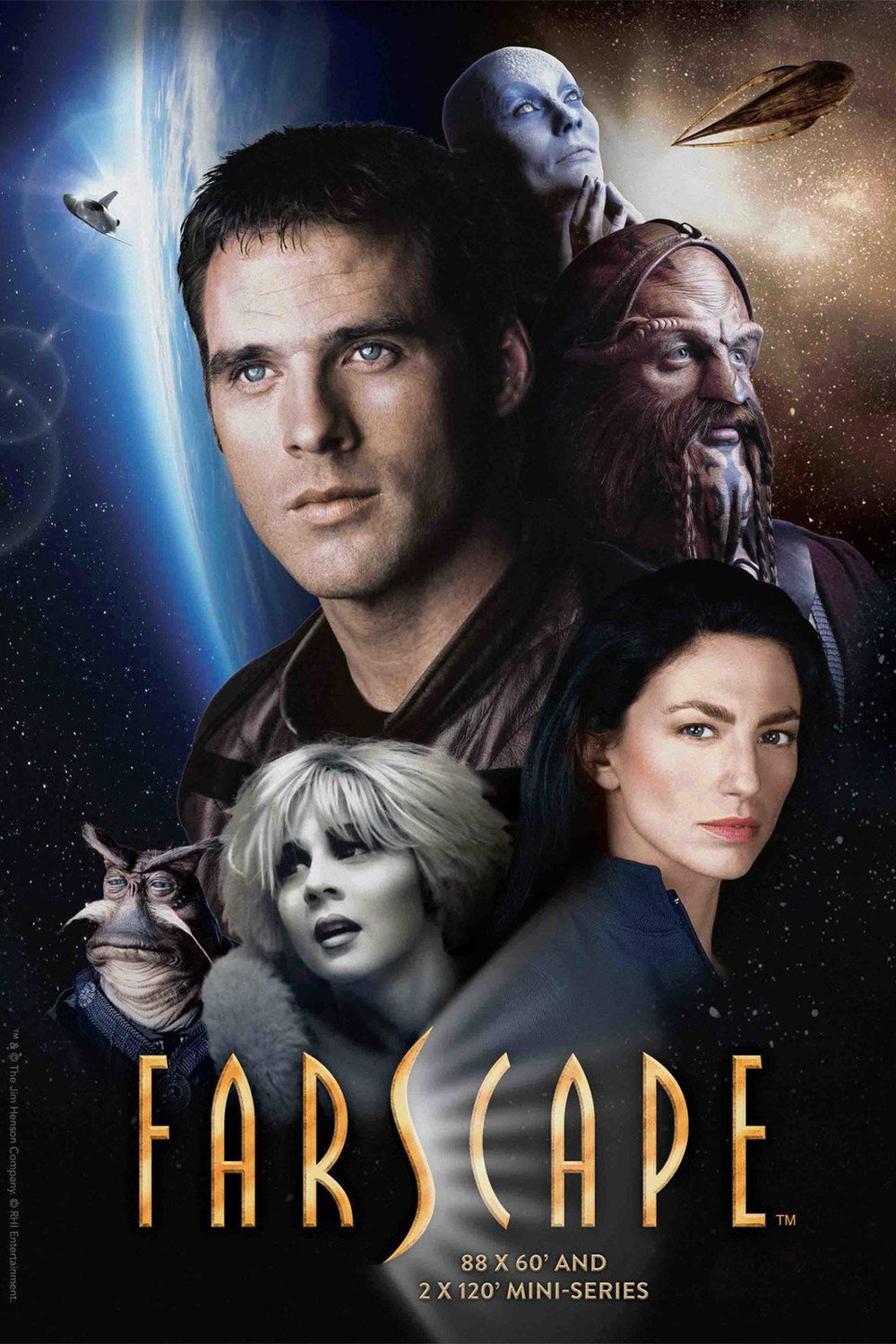
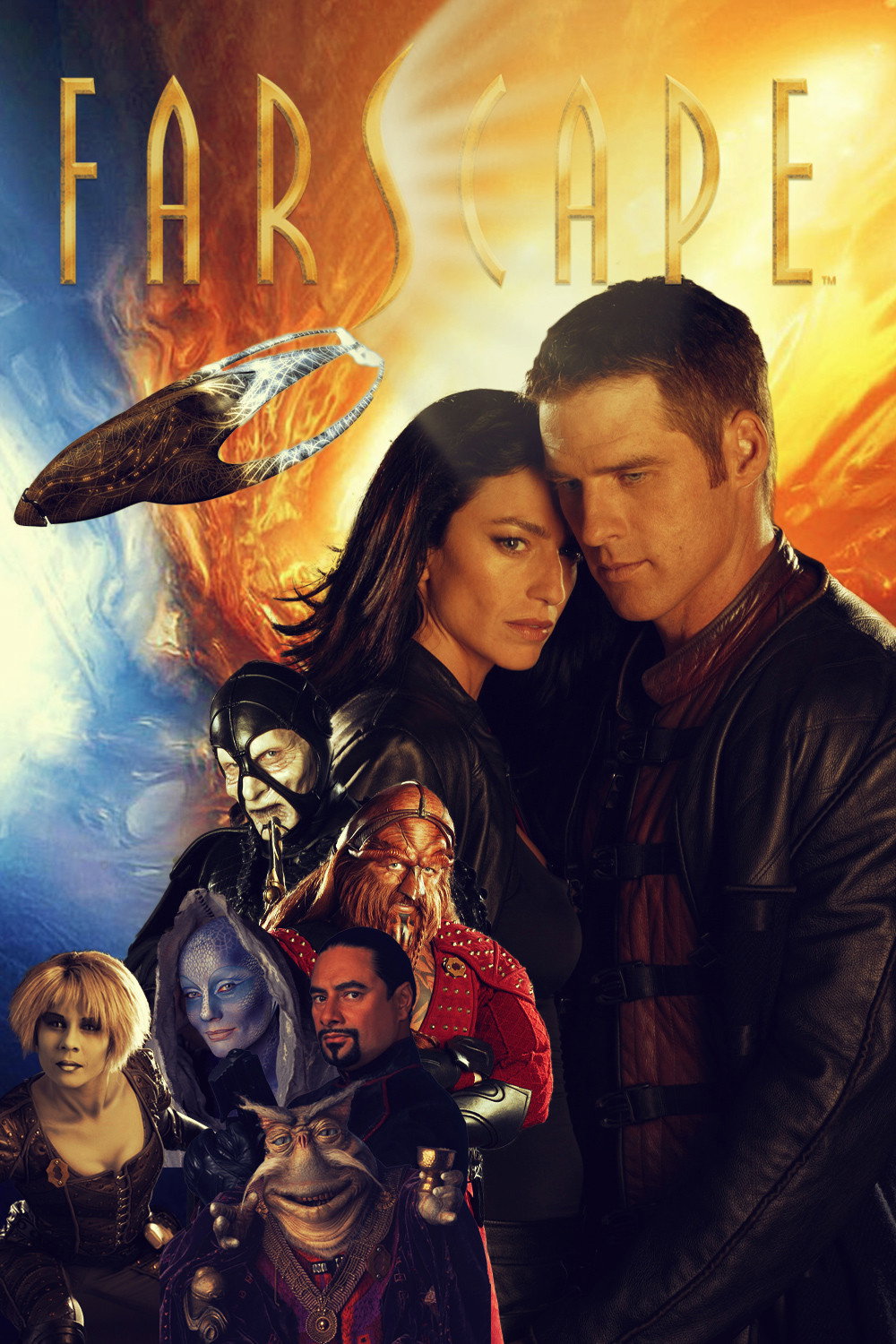
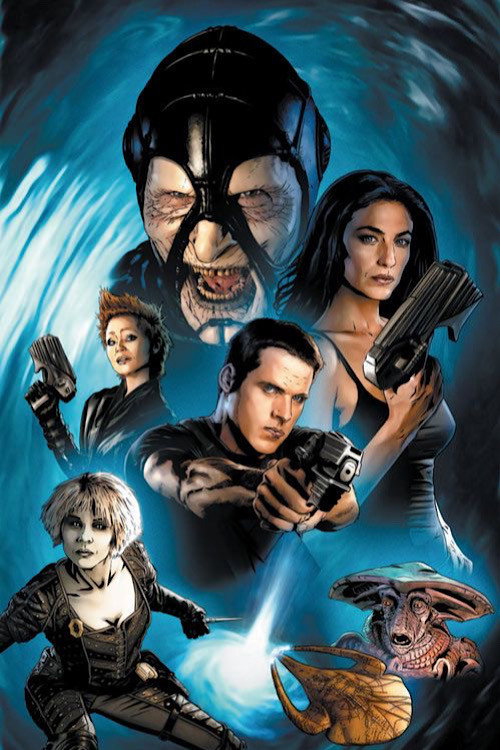
Craig Barden and Russell Bacon’s cinematography is most persuasive in its handling of the puppetry and prosthetic work. The creatures have a physical presence alongside the actors, and the images let that shared space do much of the convincing. We were surprised by how fond we became of them, because the puppetry makes their place in this company so easy to accept. Some of the surrounding effects have aged less kindly, but they seldom undo the pleasure of having something solid in front of the camera.
Moya, the living ship, is an especially good idea because it gives us another member of the company to consider. Being alive makes the vessel interesting beyond its usefulness as transport. It also makes the crew’s shared surroundings feel appropriate to the creatures inhabiting them, without requiring everything to look familiar. We come to regard the ship with an affection that an impressive command deck would struggle to earn on appearance alone.
The gradual move towards character-driven serial storytelling is where the programme becomes more absorbing. Our growing familiarity with the crew gives successive adventures more weight, and makes the time spent getting acquainted feel worthwhile. Editors including Nicholas Holmes and Neil Thumpston have to accommodate both the action and relationships that need room to develop; the rhythm is more satisfying as those relationships take hold. Sequential viewing helps because the series can keep building on our interest in the group.
Patience is still a real condition of the recommendation. The early melodrama can push for feelings that the relationships have not yet earned, and the strange creatures will not be an automatic pleasure for everyone. The dated effects are particularly noticeable before the crew has become the main attraction. Those weaknesses matter at the beginning, when the series is asking for commitment and has not yet given sufficient evidence of how rewarding that commitment can be.
Space opera needs companions worth spending a long journey with, and Farscape understands how much interest can come from their difficulties with one another. Its growing confidence allows the company to become complicated without making the original wish to get home irrelevant. The puppetry may be the first attraction, but liking the creatures is only the beginning of caring about the crew. Start at the beginning, and allow it some untidy introductions.