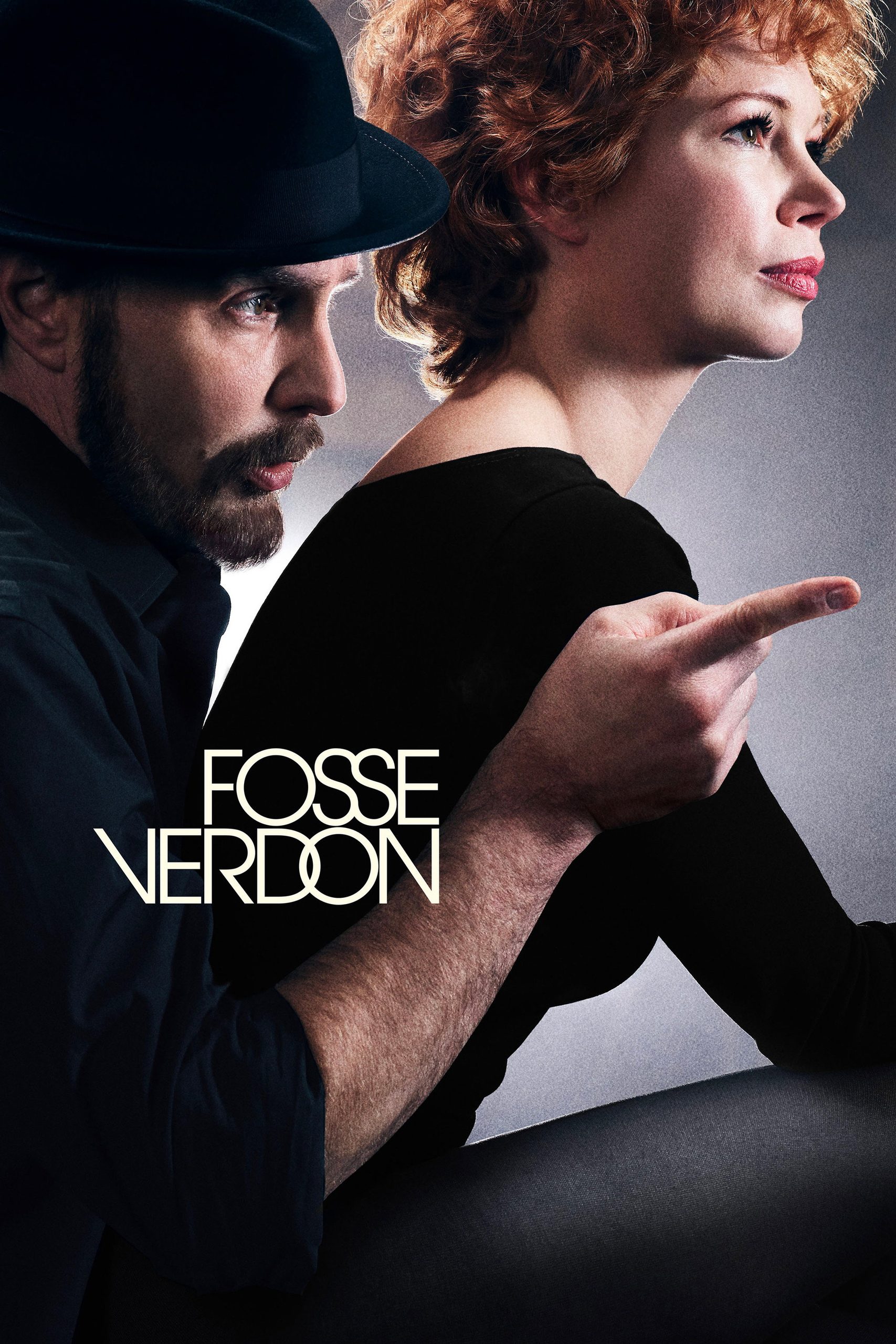
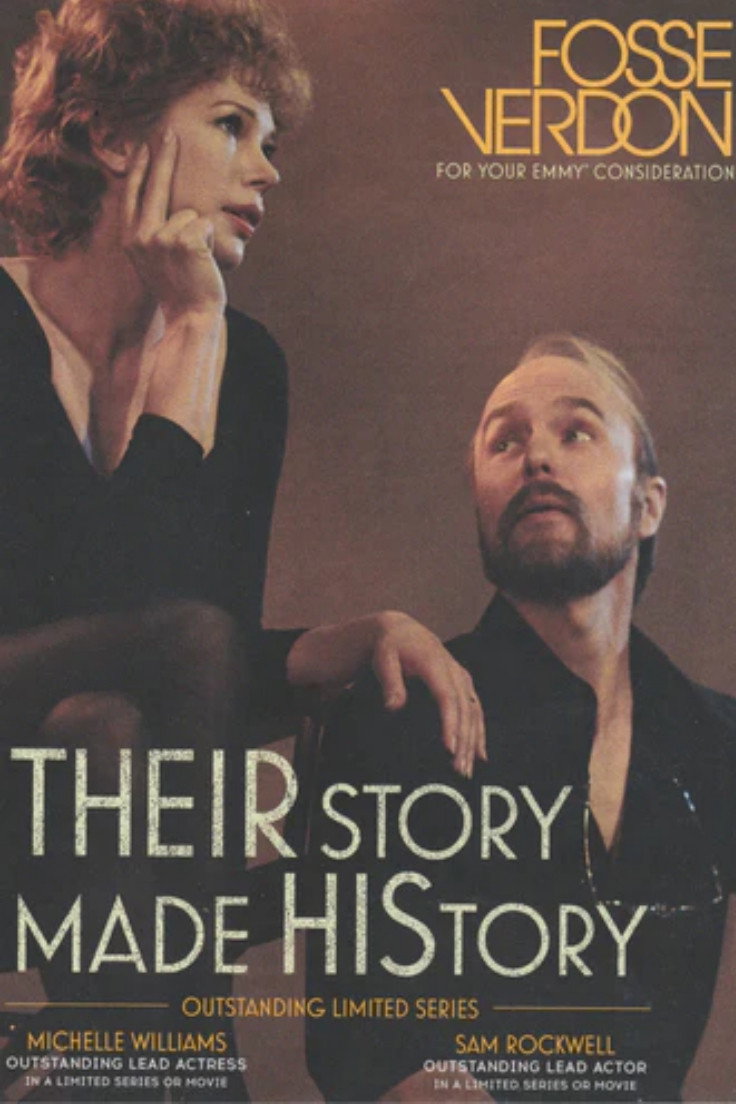
Michelle Williams is the reason to watch: her Gwen Verdon is exact, funny and furious. But the series that carries her name is mostly about her husband, and eight episodes of time-hopping around one difficult man is a long way to walk for her.
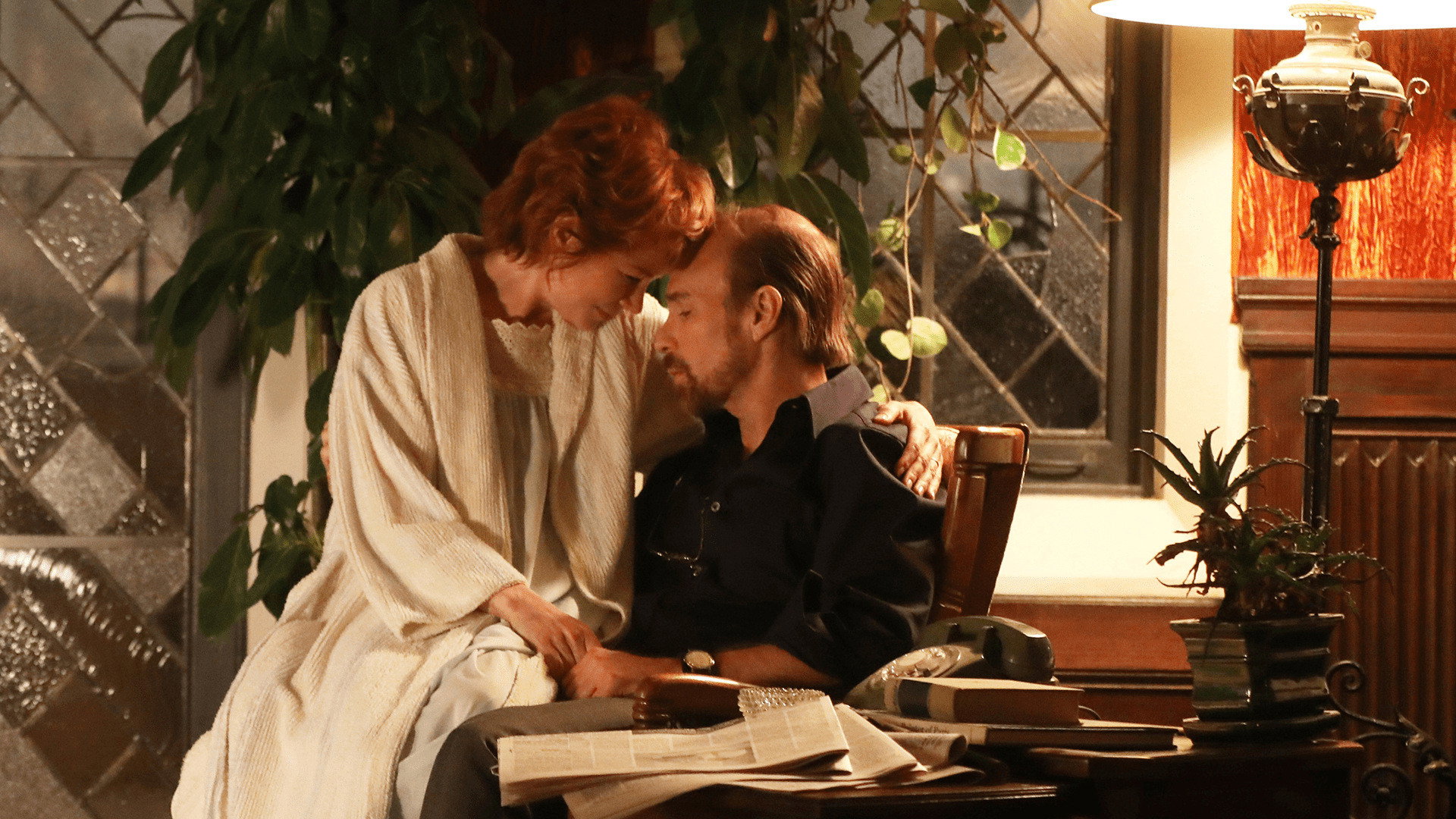
Steven Levenson and Thomas Kail’s eight-part series has one idea and it is a good one: that the work the world credits to Bob Fosse was, for years, half Gwen Verdon’s, and that she did it for a man who was usually busy with somebody else. It opens in Munich in 1971, with Fosse (Sam Rockwell) directing Cabaret and Verdon (Michelle Williams) flying in from New York to fix a number he cannot. From there it moves in both directions at once, back to 1955 and forward to a death the captions count down to, and how well you follow it depends a good deal on what you already know.
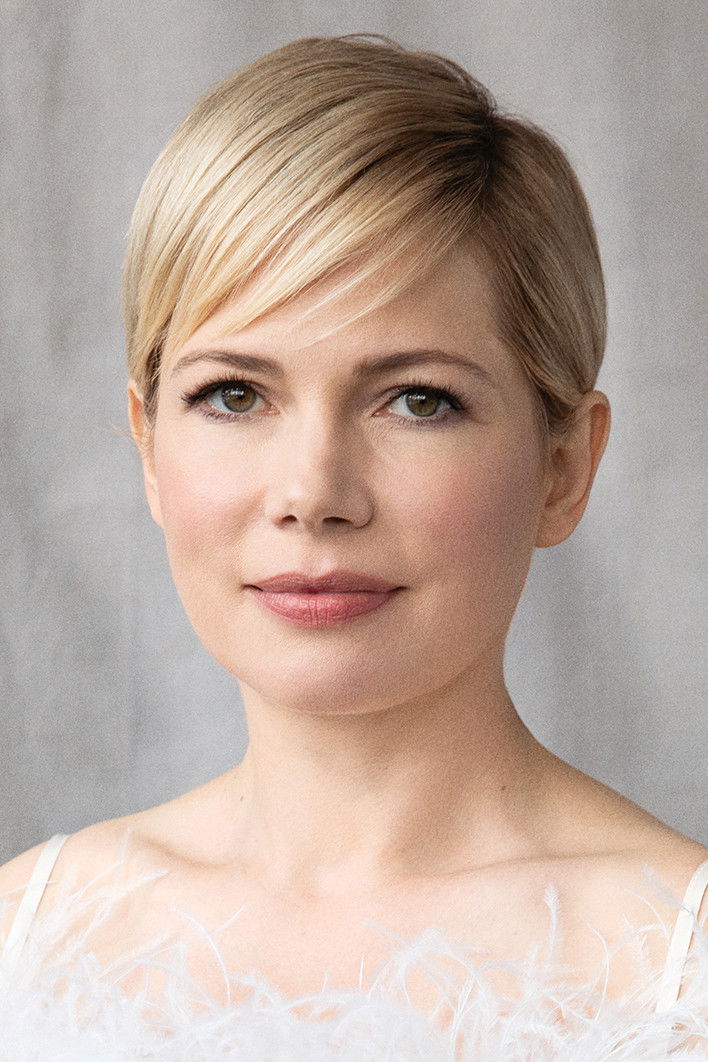
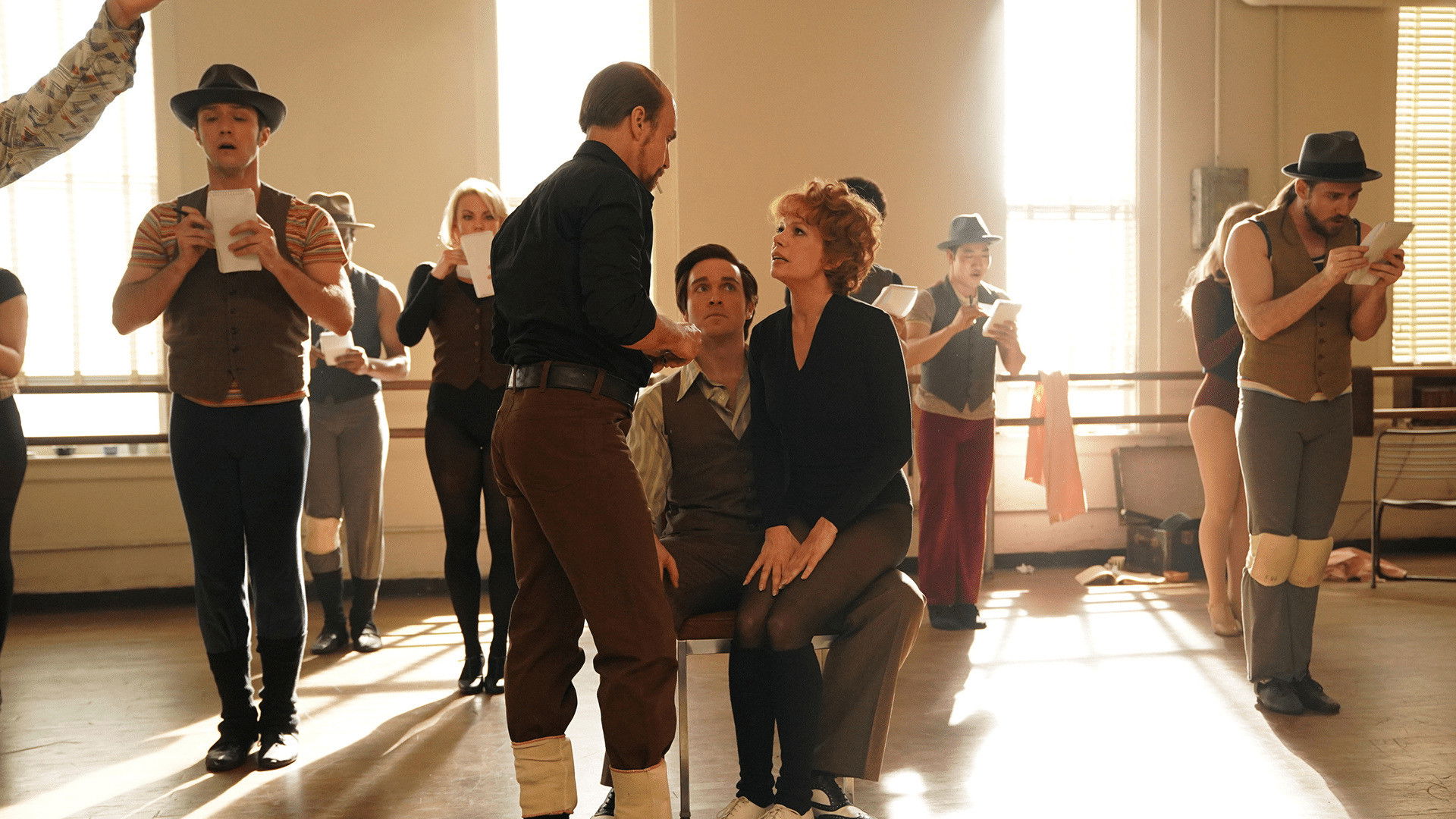
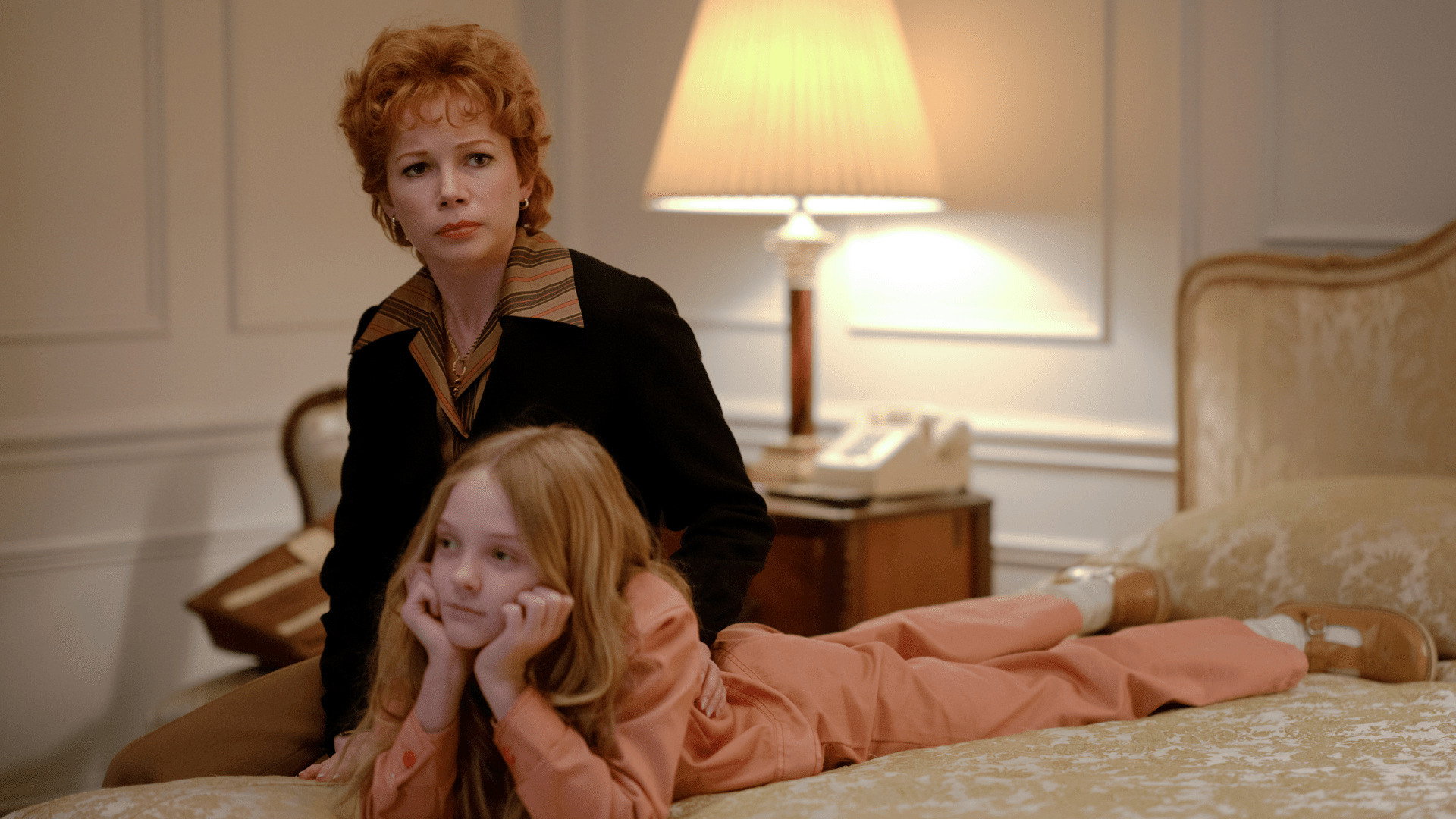
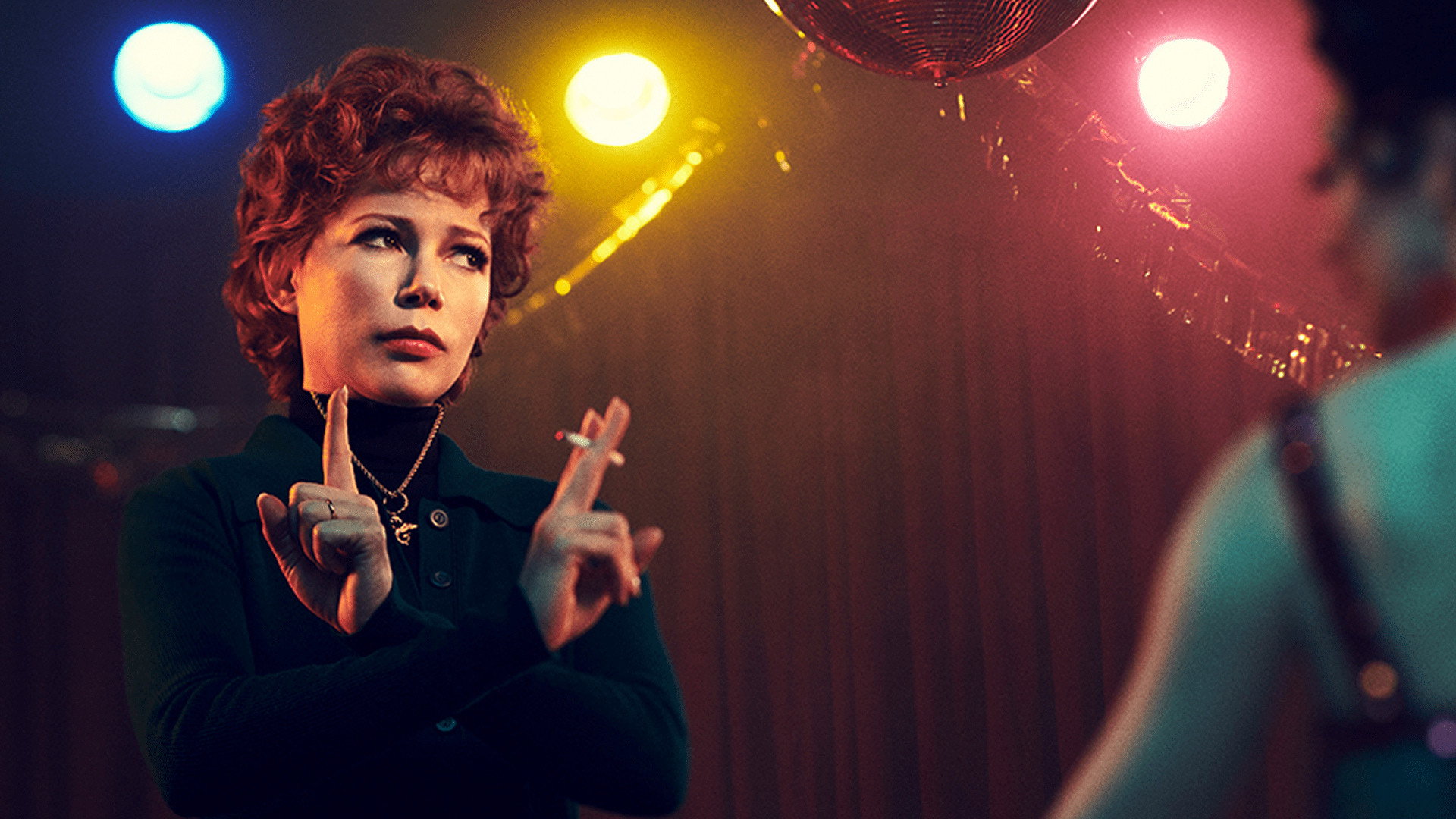
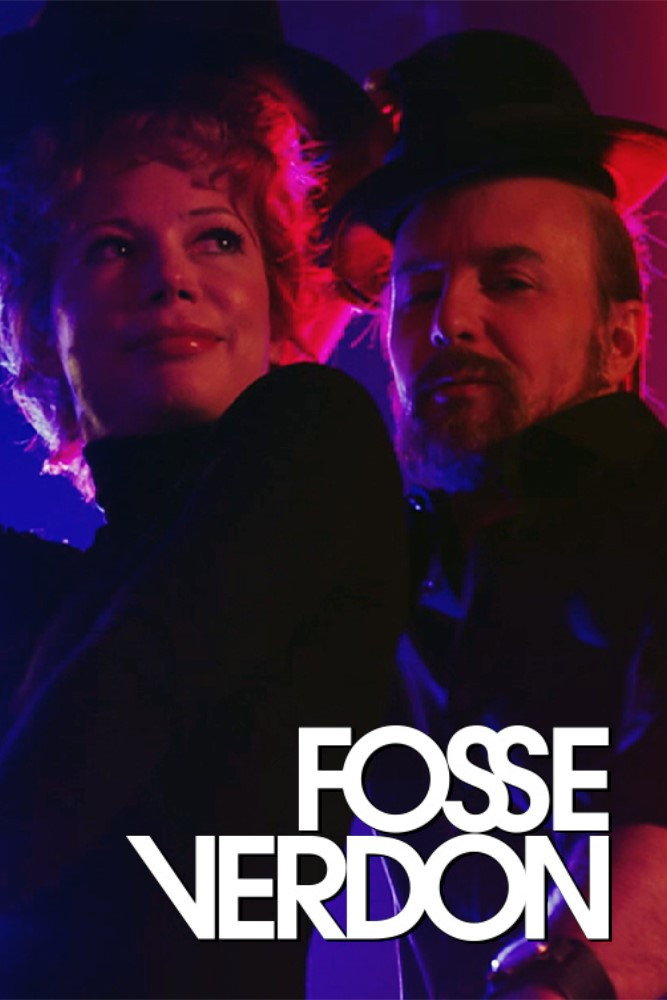
Williams is the reason to watch. She has Verdon’s small, bright, slightly cracked voice and her way of standing with the weight forward, as if the floor might be taken away, and she never lets the impression become the whole performance. Her Gwen knows exactly what she is worth and has decided, for now, to give it away. We were moved, more than we expected, by a rehearsal room in 1955: he shows her a step, she gives it back with something added, and Williams’s face does the whole marriage in advance.
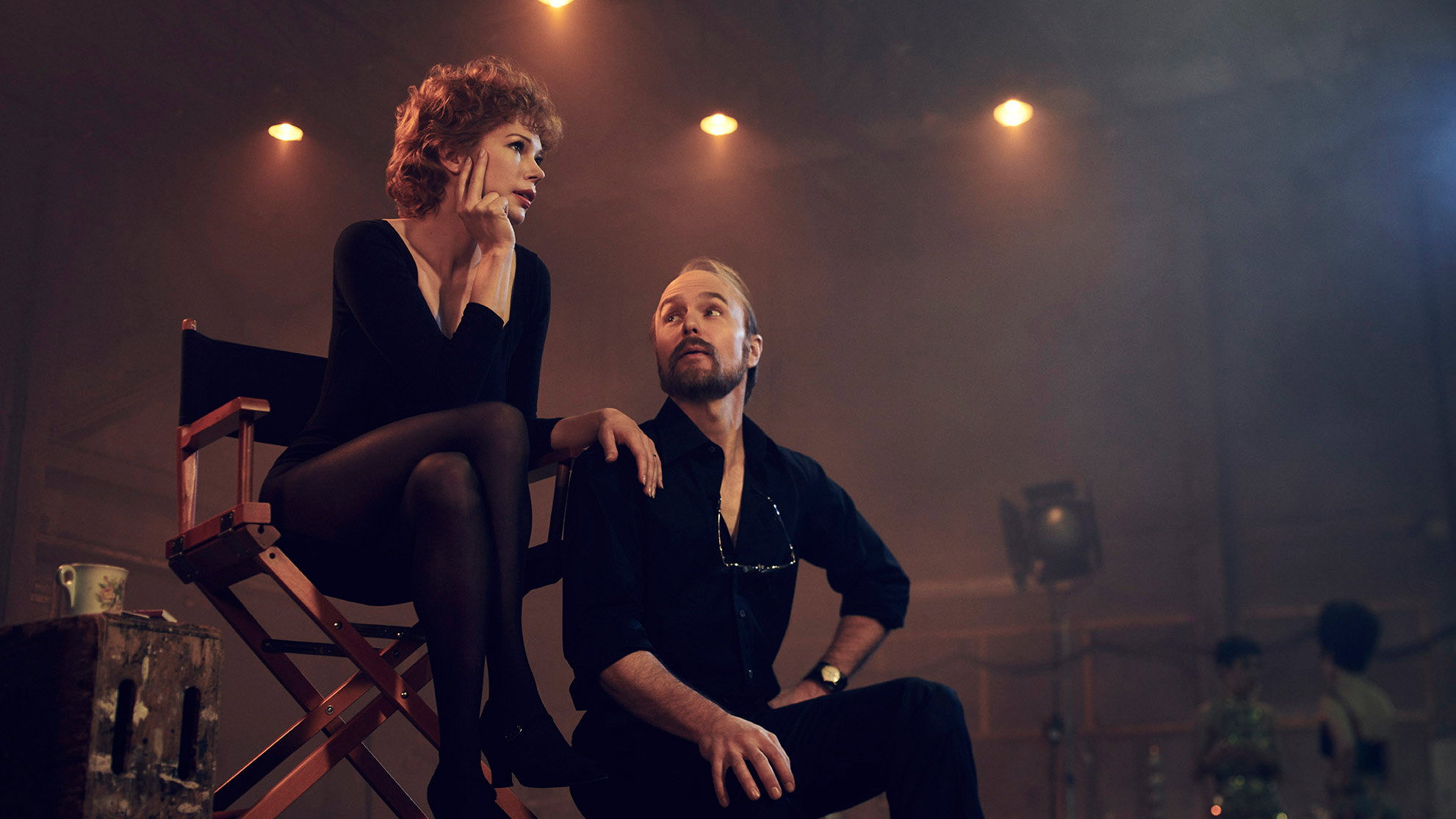
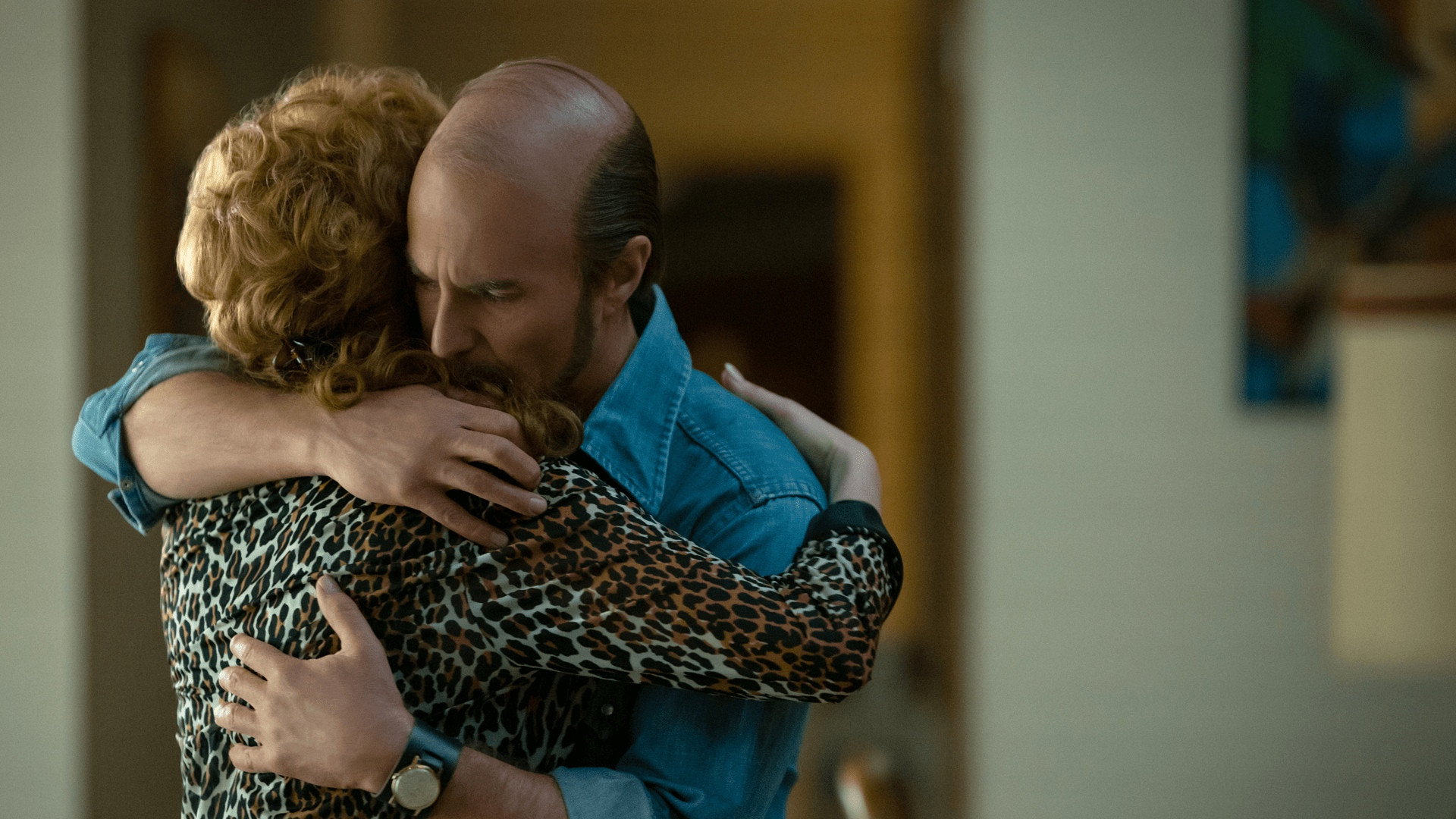
Rockwell has the harder and less rewarding job. He plays Fosse hunched and murmuring, cigarette in the corner of his mouth, shoulders up round his ears, and he is good at the charm and better at the cruelty. But the writers, among them Joel Fields, Tracey Scott Wilson, Charlotte Stoudt, Ike Holter and Debora Cahn, hand him the full kit of the troubled artist: the pills, the women, the insistence that being awful is the price of being good. We have met this man before and the series finds nothing new to say about him.
The numbers are the other reason to stay. Kail directs the opener and stages the Cabaret chairs with care, and the recreations that follow, from Damn Yankees to the first workshops for Chicago, are exact without being embalmed. Tim Ives shoots the rehearsal rooms flat and grey, all radiators and paper cups in Alex DiGerlando’s studios, and saves the amber for the stage, so you feel the gap between the work and the show. Alex Lacamoire’s arrangements of the standards are crisp, and Nathan Barr’s score keeps to low strings and steps aside when a real song arrives.
The structure is where it comes apart. The editors, Tim Streeto, Erica Freed Marker, Jonah Moran and Kate Sanford, cut between decades on a look, a cigarette or a chord, and the captions telling us how many years are left do not help as much as they should. We were lost more than once in the first three episodes, and then cross about being lost, because a show about two people who counted every beat ought to be able to count its own. It settles in the second half, when the timelines thin out and the series remembers whose name comes second in the title.
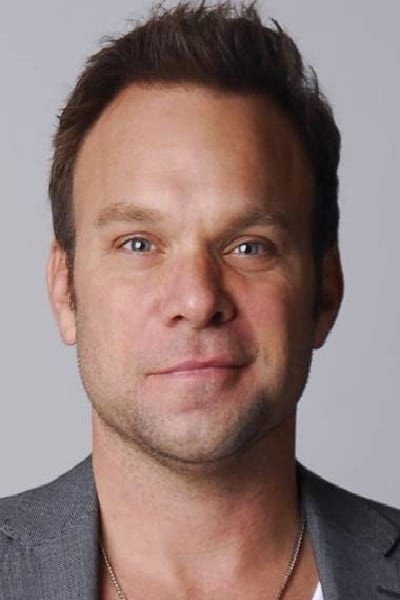
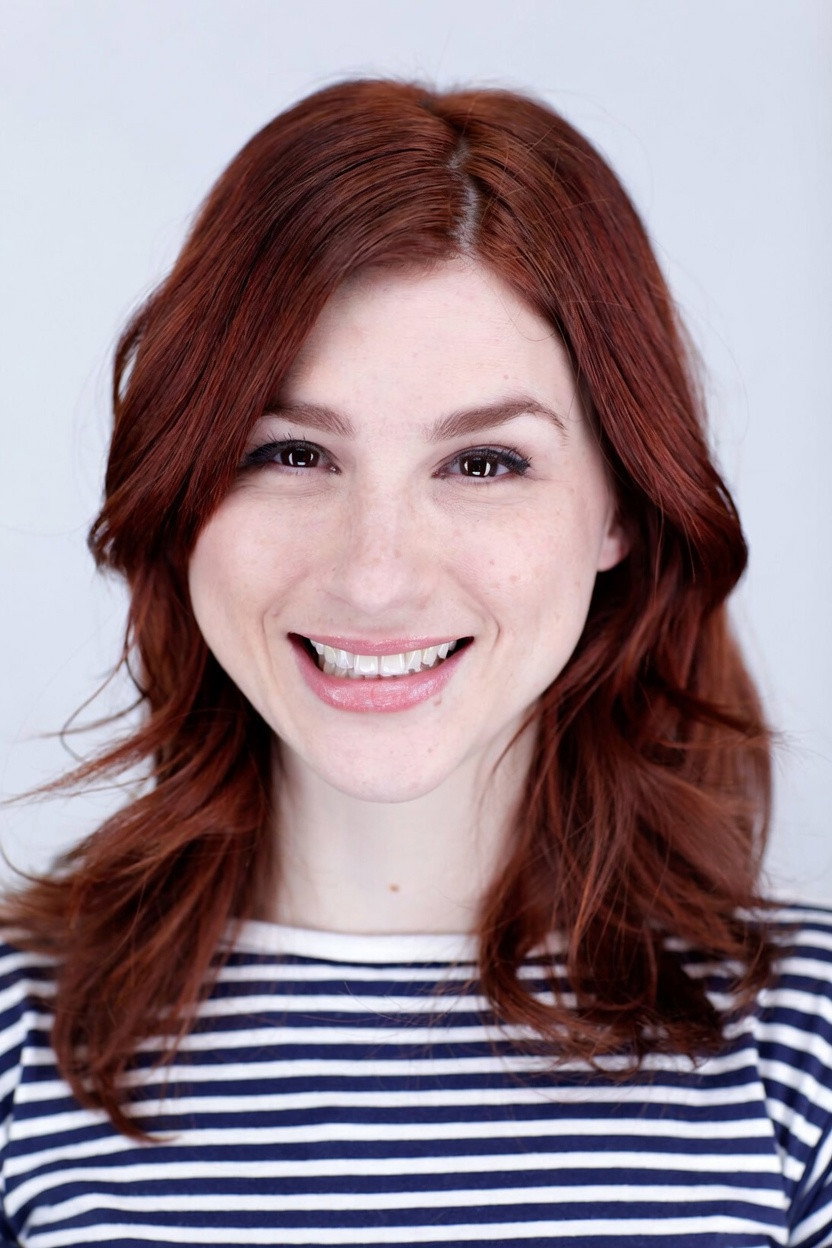
That is the deeper trouble. Having set out to give Verdon her due, the series spends most of its hours in Fosse’s dressing room. The supporting cast are sharp when they are let in: Norbert Leo Butz’s Paddy Chayefsky barrels through every scene like a man who has just eaten, Aya Cash’s Joan Simon watches the marriage with the patience of a friend who has said her piece once, and Paul Reiser’s Cy Feuer does the budget of Cabaret on his face. Bianca Marroquín’s Chita Rivera arrives late, and we wished she had come sooner.
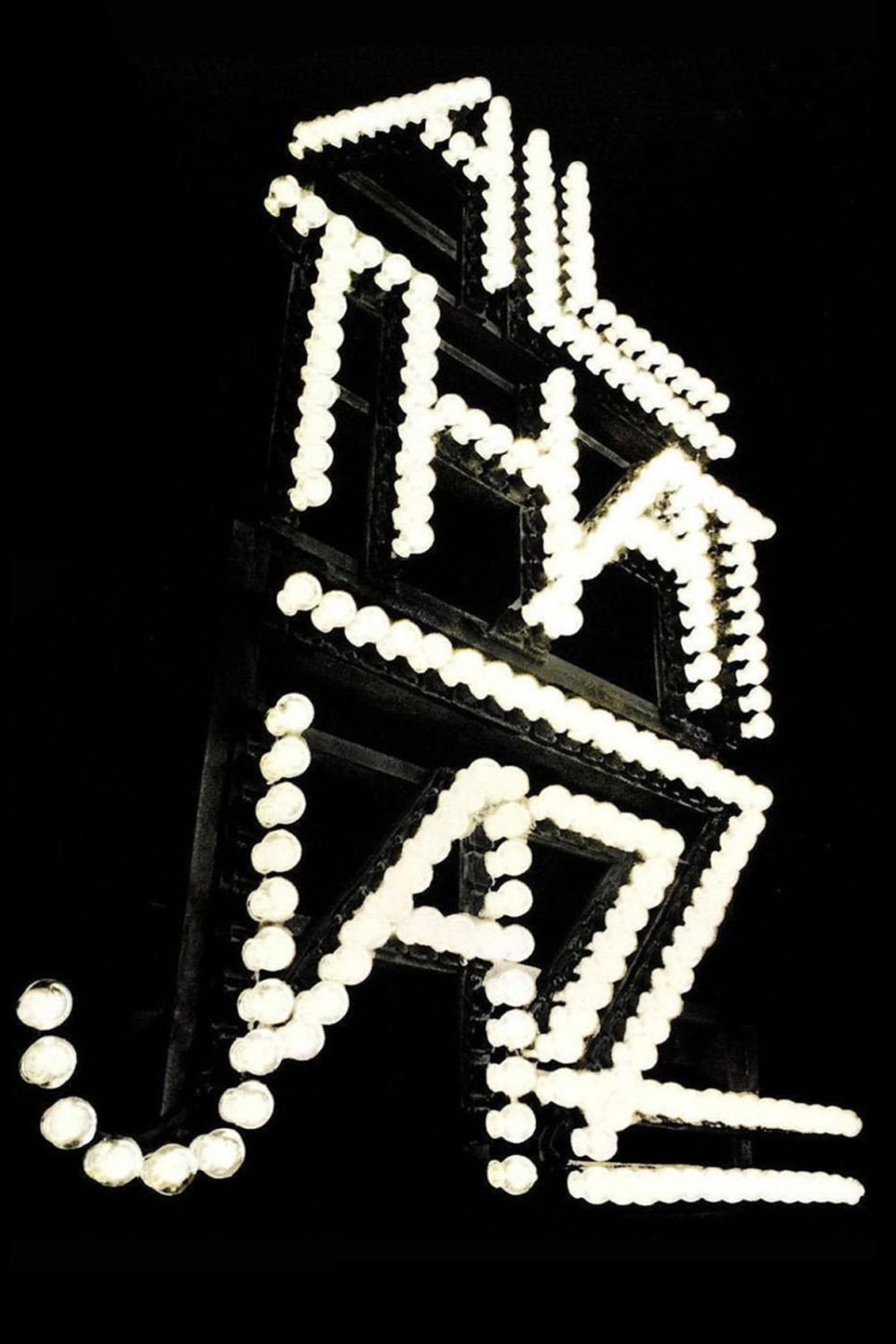
Fosse told this story himself in All That Jazz in 1979, quicker and crueller, and the series borrows its hospital, its pills and its girls in the wings and never gets out from under it. Next to that film it looks handsome, slow and tidy.
Watch it for Williams and for the numbers, and keep a phone nearby for the names. If you already know who Cy Feuer was, this is a treat with a sag in the middle. If you do not, it is eight hours of well-dressed people arguing about a show you have not seen, and Williams is the only one who makes you want to see it.