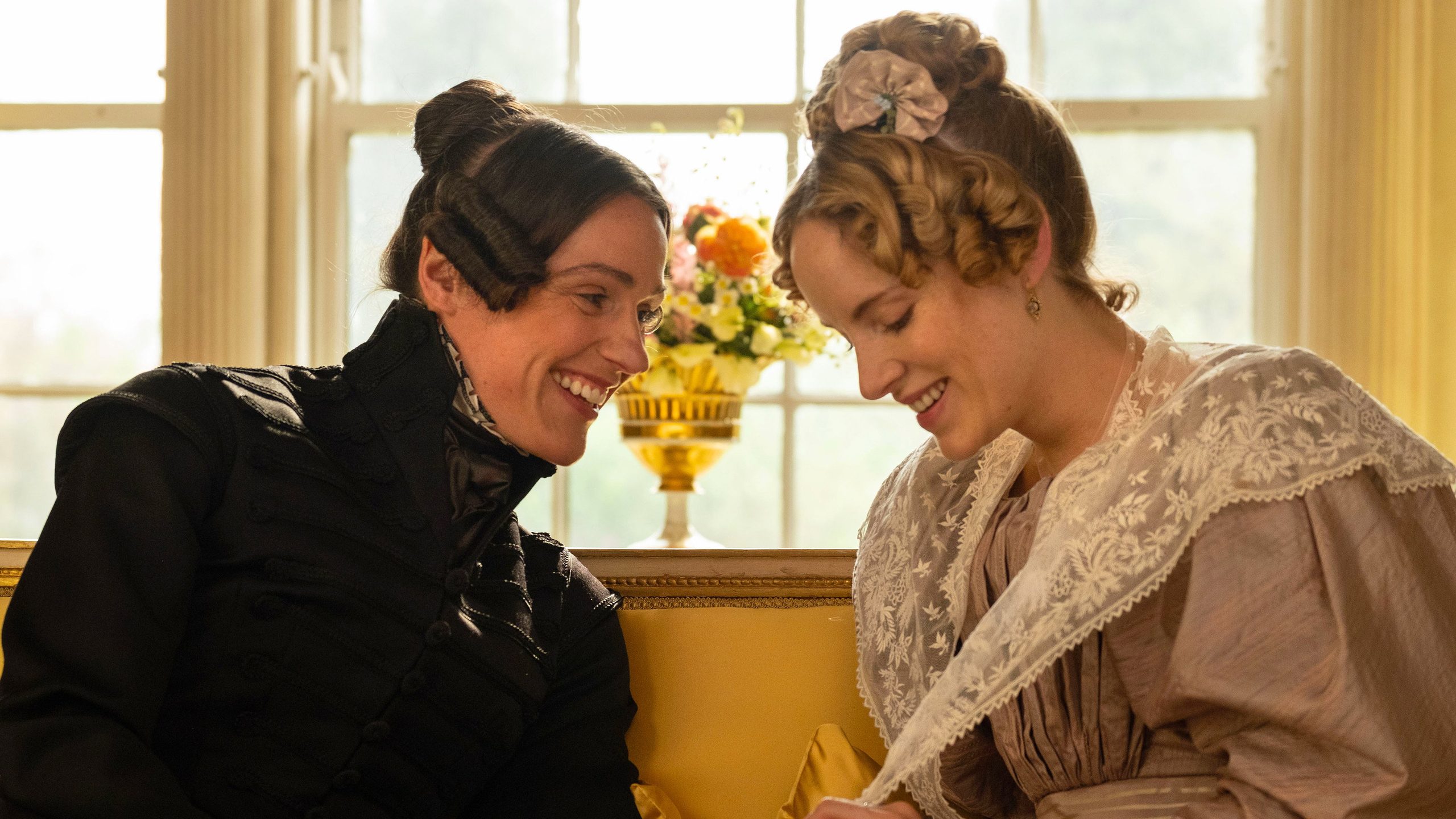
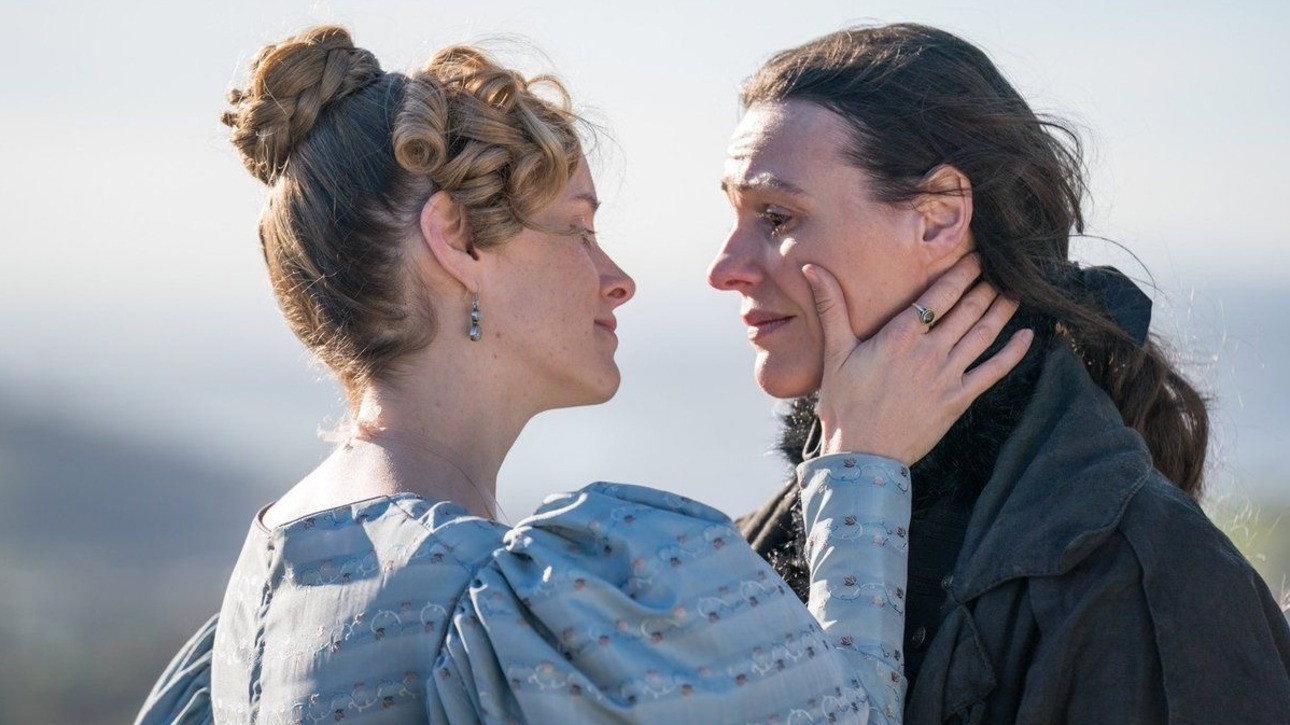
Suranne Jones gives Sally Wainwright’s period romance its briskness, humour and considerable feeling. The storytelling wanders, and the heroine could withstand harder scrutiny, but the courtship with Sophie Rundle’s Ann Walker makes the detours worth tolerating.
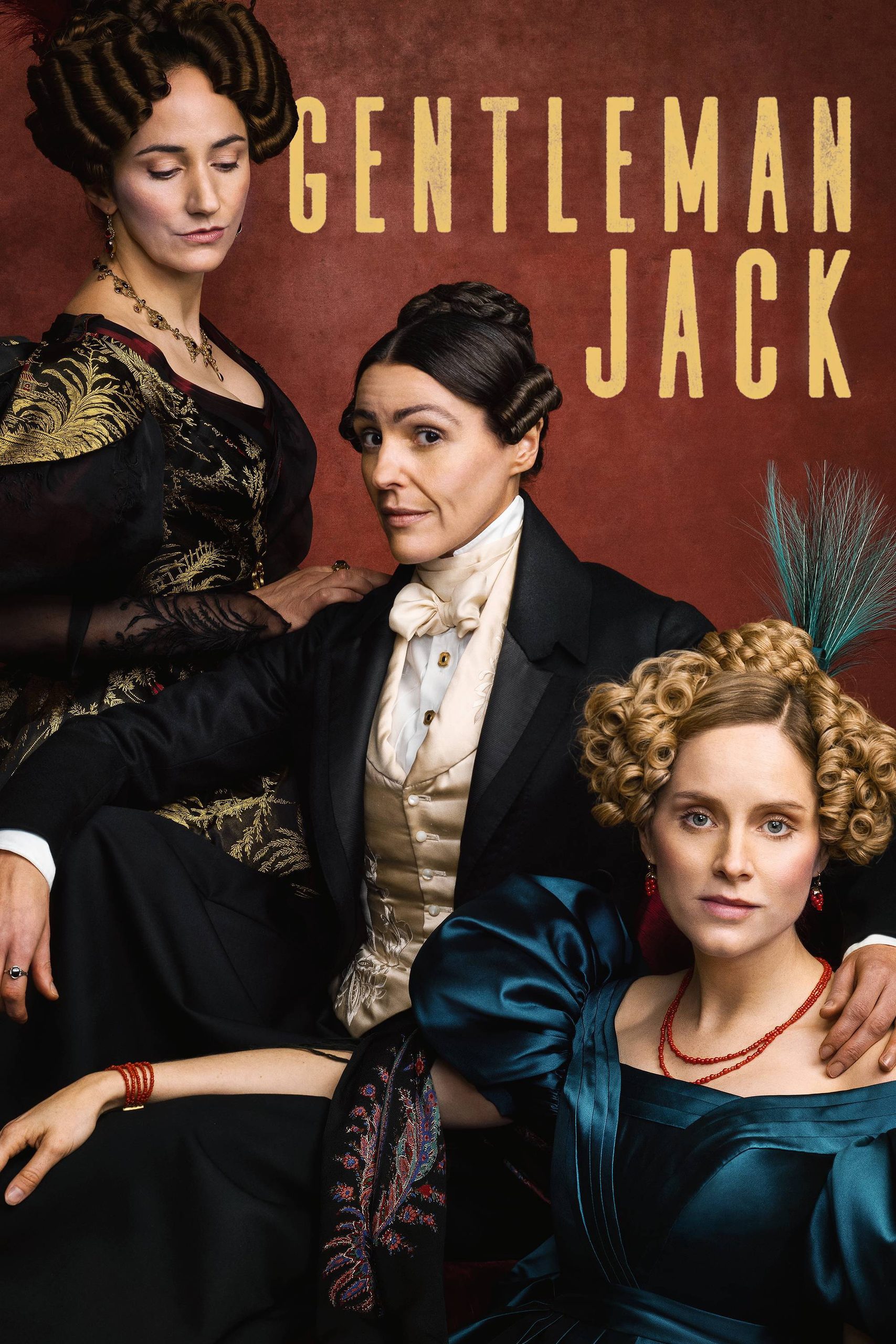
Gentleman Jack is a warm, funny romance with an excellent central performance and a persistent tendency to wander away from what matters most. Sally Wainwright, its creator and writer, treats Anne Lister’s desire for a woman as substantial enough to sustain a drama about lasting companionship. There is romantic hurt here, alongside the confidence and the work of a landowner. We do not have to find every aspect of her admirable to want that companionship for her.
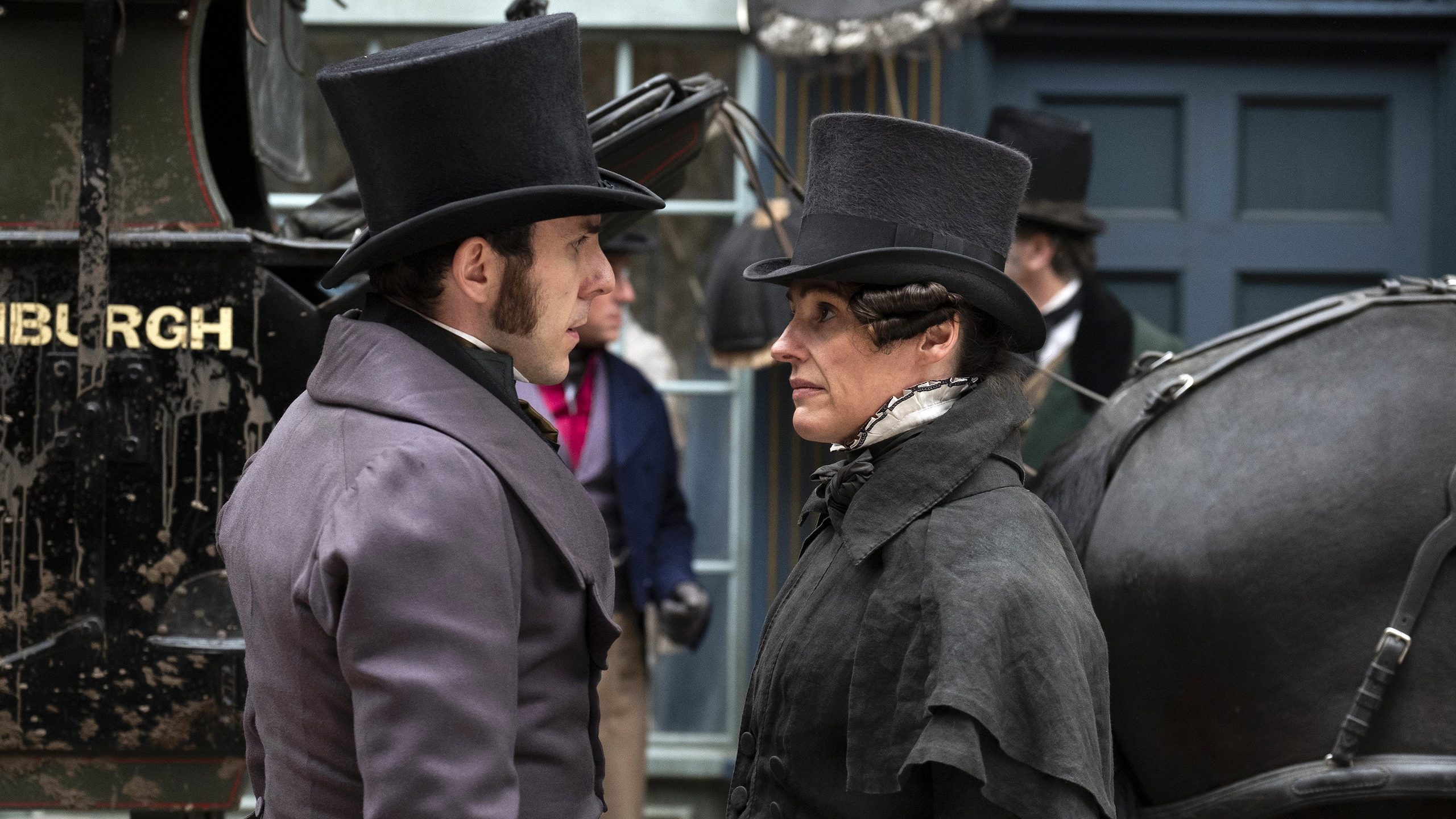
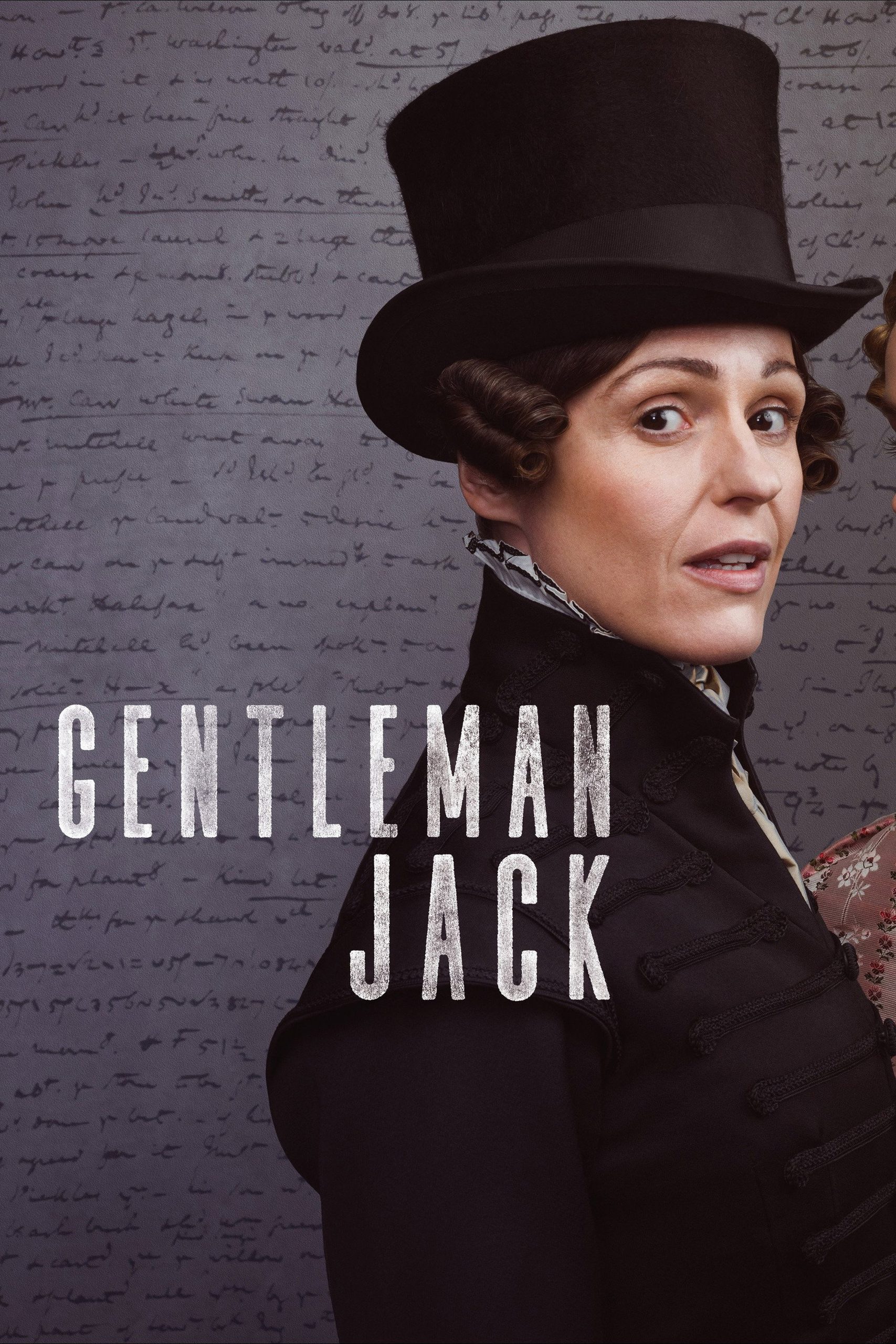
Suranne Jones makes the confidence entertaining without entirely smoothing away its capacity to exhaust other people. Her swagger gives the drama a briskness that the storytelling cannot always maintain. We laughed at her looks towards the camera, because she seems to assume we share her impatience with everyone else. These invitations to take her side are appealing, although the performance is more interesting when her certainty cannot quite conceal how much she wants another woman’s affection.
Sophie Rundle’s Ann Walker makes the courtship worth waiting for. Her uncertainty has enough detail that we are interested in what it costs her to respond to such an assured woman. Sally Wainwright writes dialogue with the wit to make attraction pleasurable and enough awkwardness to stop it becoming merely a demonstration of cleverness. The romantic tension builds because the performances let us notice how much depends on each reply, including the replies that do not come easily.
The direct address gives cinematographers Nick Dance and Simon Chapman something useful to work with: a central character who can recruit us with a glance. It makes the camera an active part of the comedy, although repeated appeals for our complicity can become a little insistent. Anna Pritchard’s production design makes the period surroundings convincing, though sometimes too agreeable to settle into. The pressure on the women needs sharper expression when the setting feels this comfortable.
The editing, credited to David Rees, Richard Cox and Ulrike Münch, is less assured when the story moves away from the romance. Individual scenes have plenty of life, but the gaps between the encounters we care about can feel longer than they should. Murray Gold’s music feels too committed to keeping everything jaunty, encouraging a brisk manner even when a quieter stretch would help. There is room to let the women hesitate without making us impatient to return to them after another diversion.
Sally Wainwright is less sure about how hard to press Anne Lister on her confidence in her own judgement. The writing recognises her forcefulness, then too often seems satisfied simply to enjoy it. A landowner who expects to get her way deserves closer examination, especially when so much of the romance depends on attending to somebody else’s needs. This does not sink the drama, but it keeps a lively character from becoming as difficult, and as interesting, as she could be.
Within period romance, the welcome difference is how much room the two women have to be funny, hesitant and attracted to one another. The dialogue gives them pleasure as well as difficulties, and the performances make their interest worth sharing. We recommend it for that relationship and for Suranne Jones’s ability to hold our attention even when the story drifts. Allow a little patience for the stretches when the programme cannot quite match her pace.