Series review

Giri/Haji

2019 · Created by Joe Barton · Series · MPA TV-MA

In a sentenceThe gangsters can wait; we would rather spend another hour with Will Sharpe

CrimeDrama

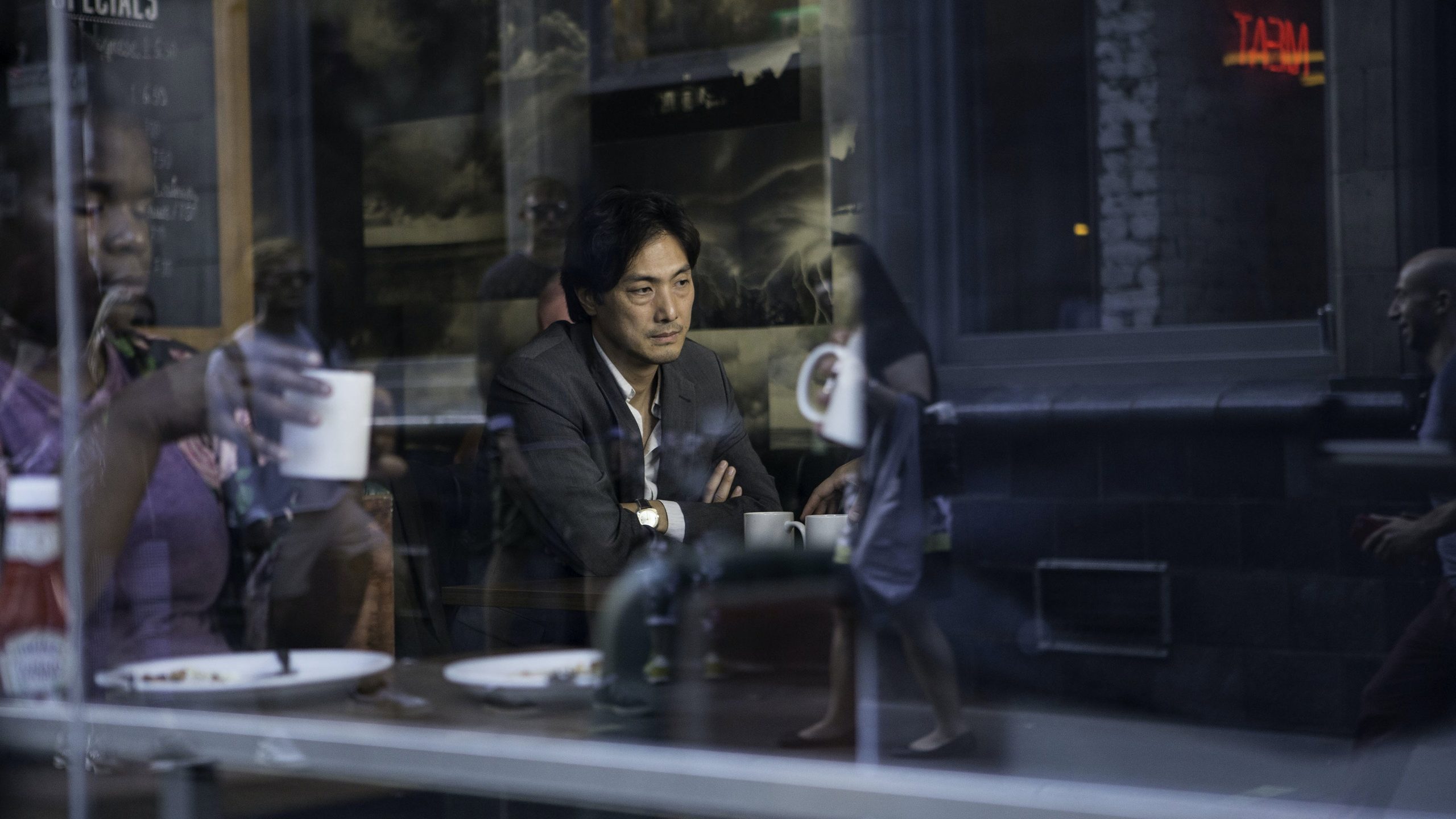
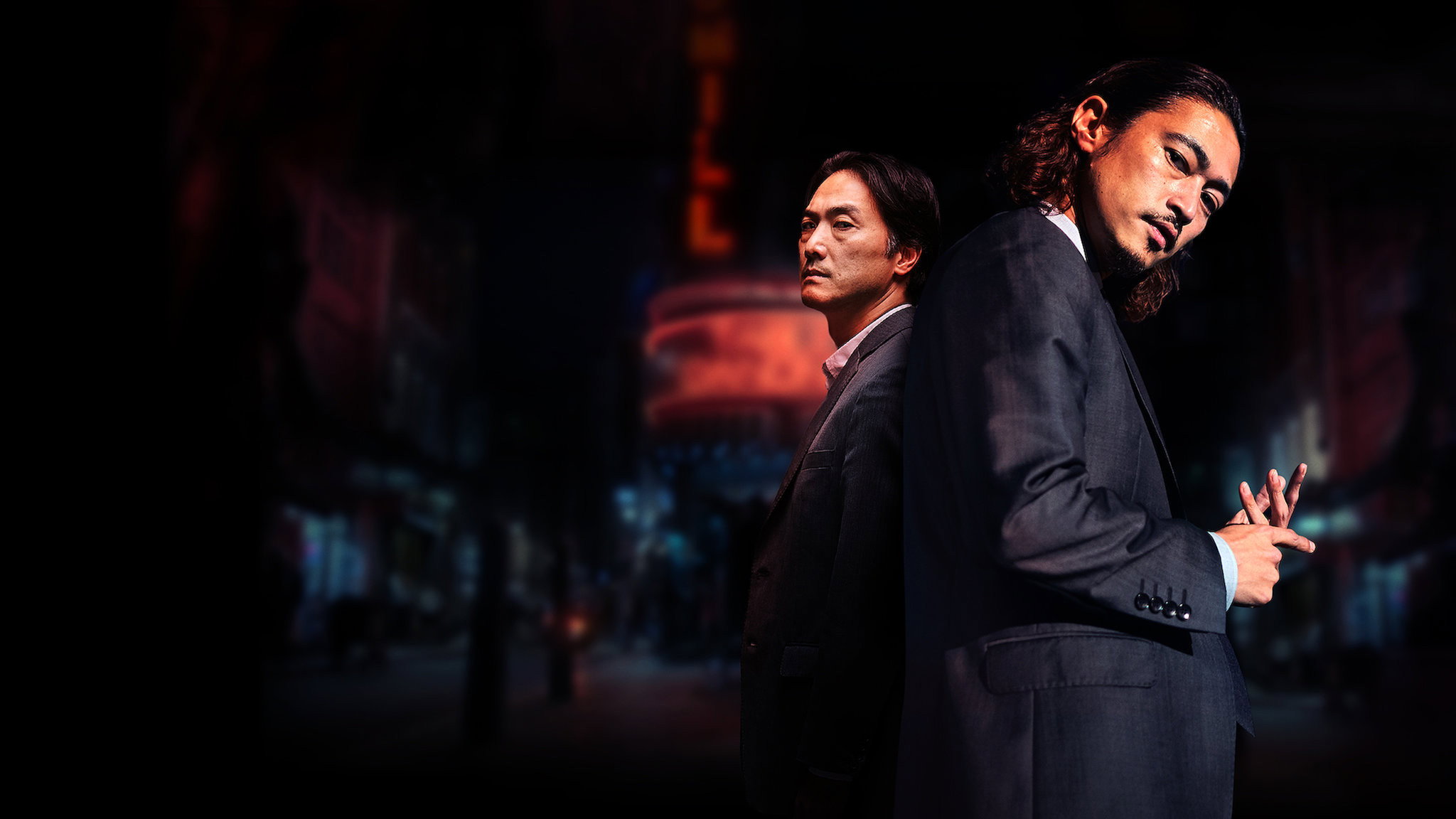
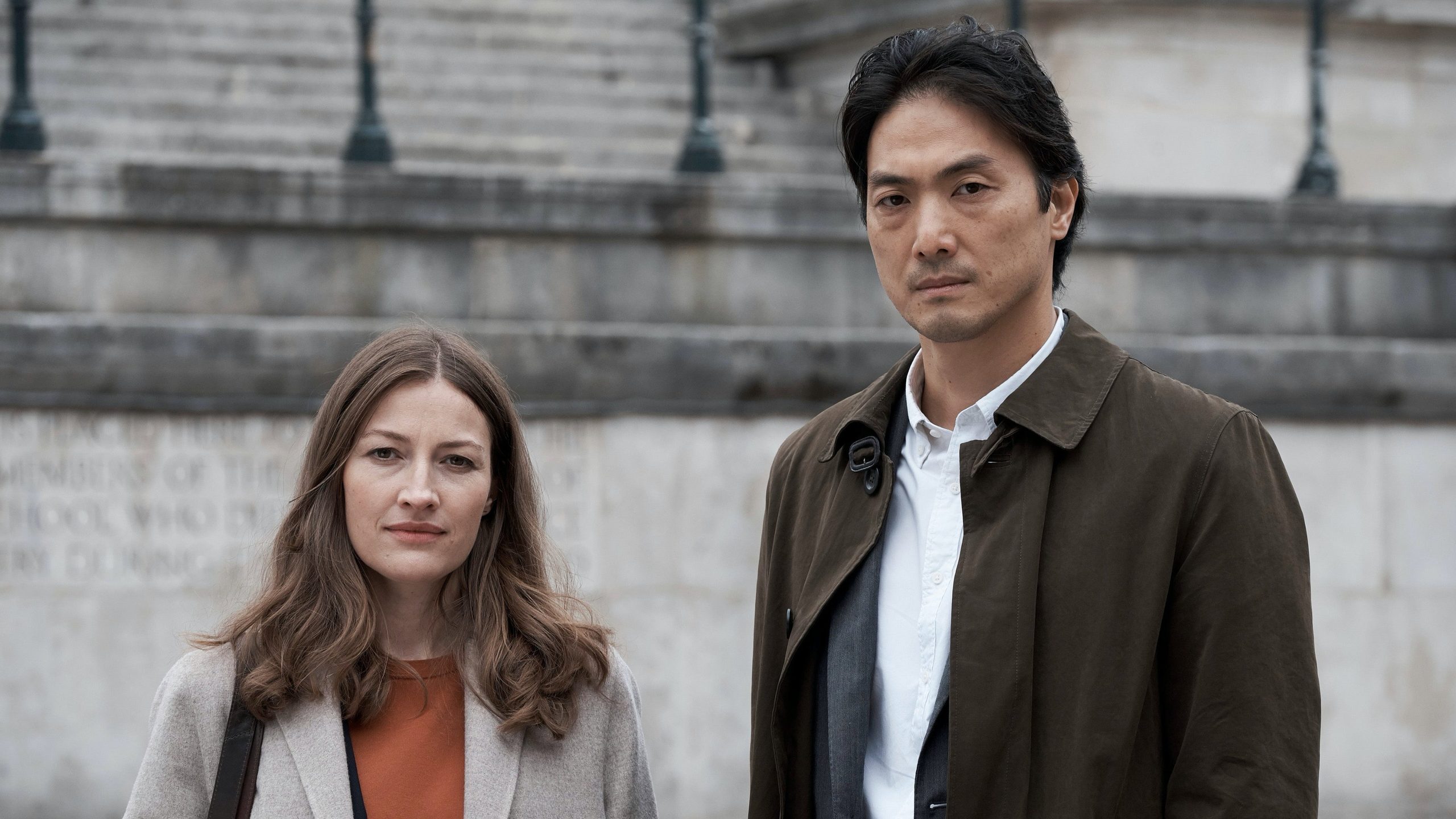
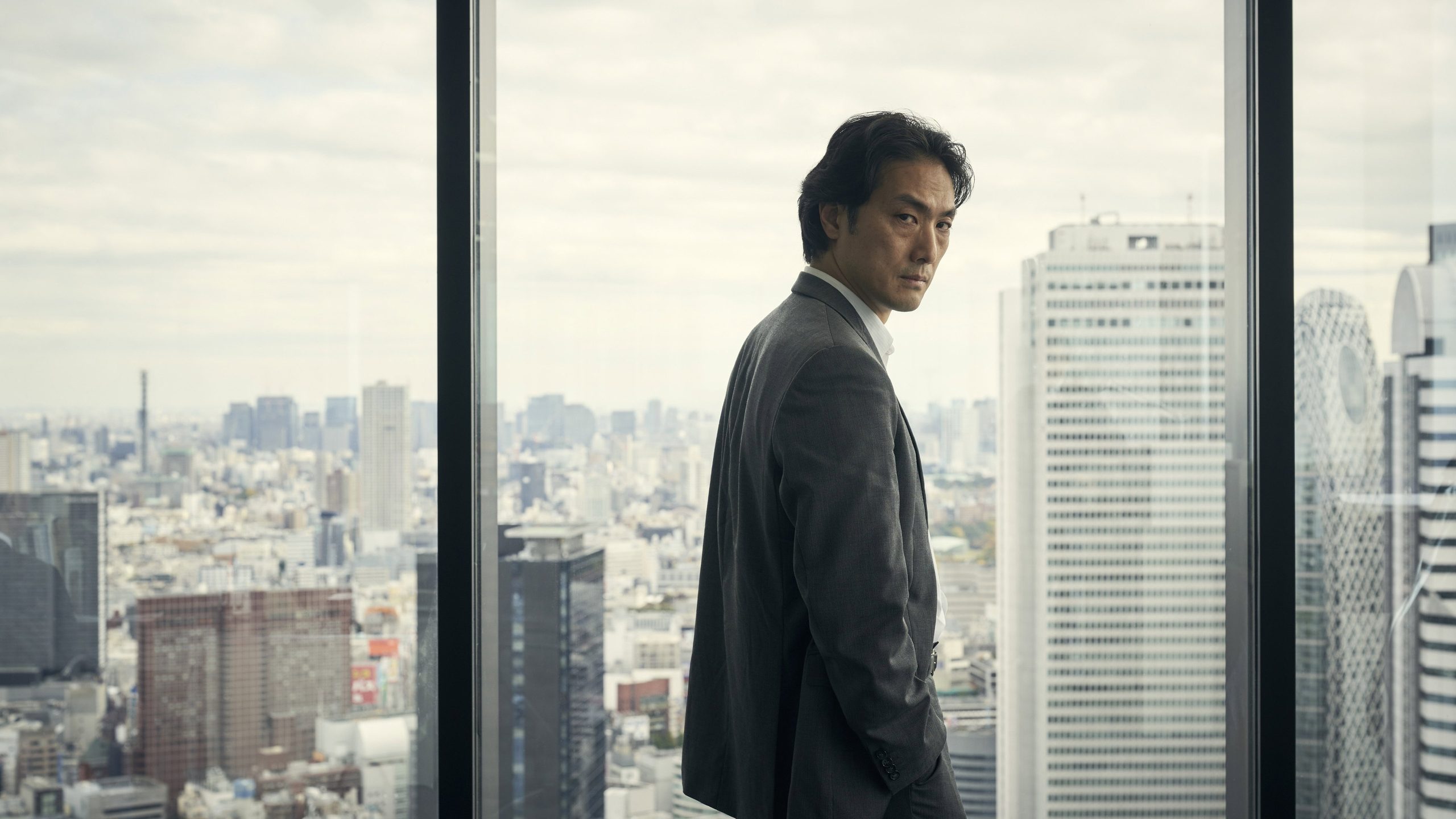
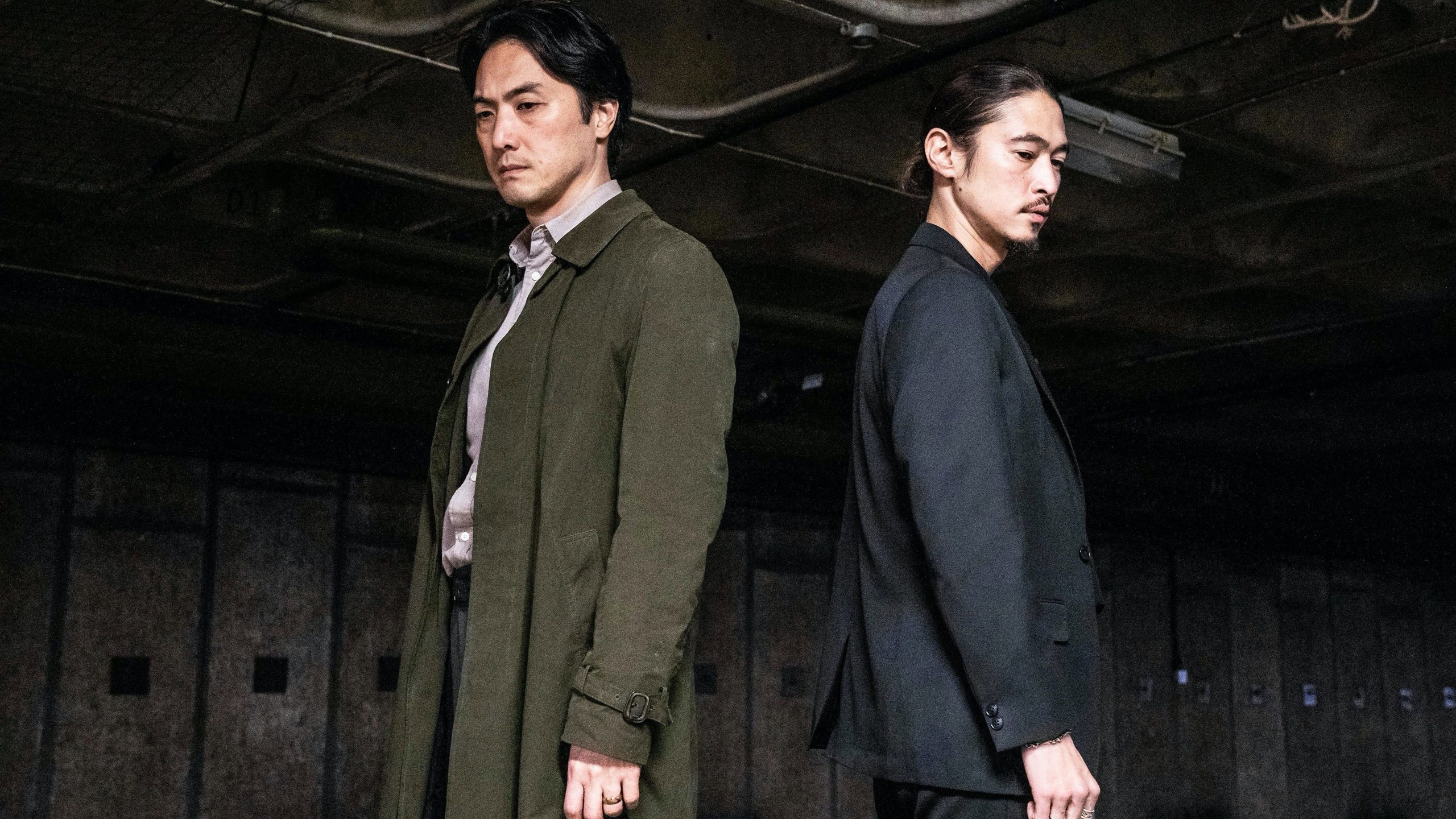
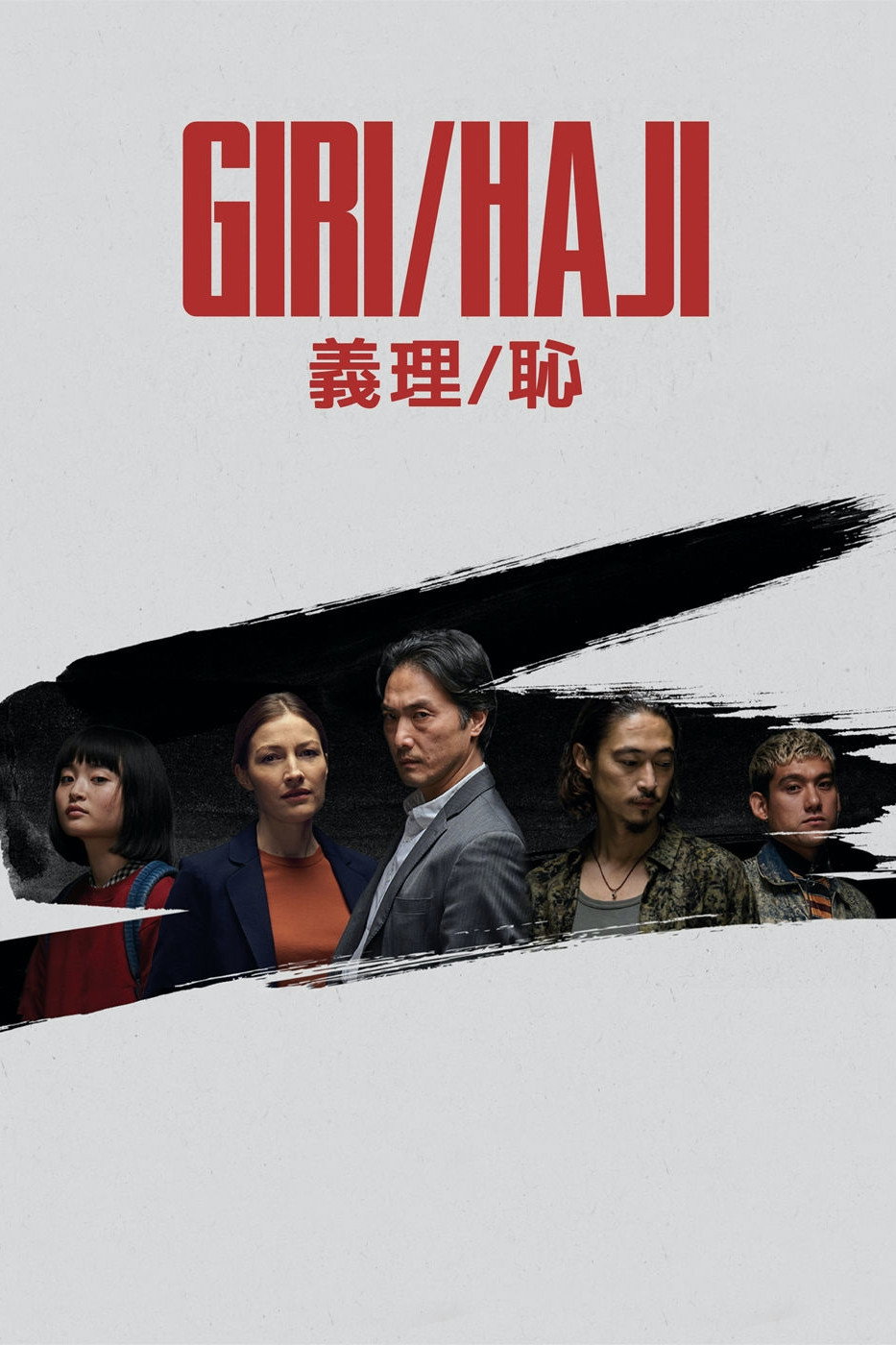
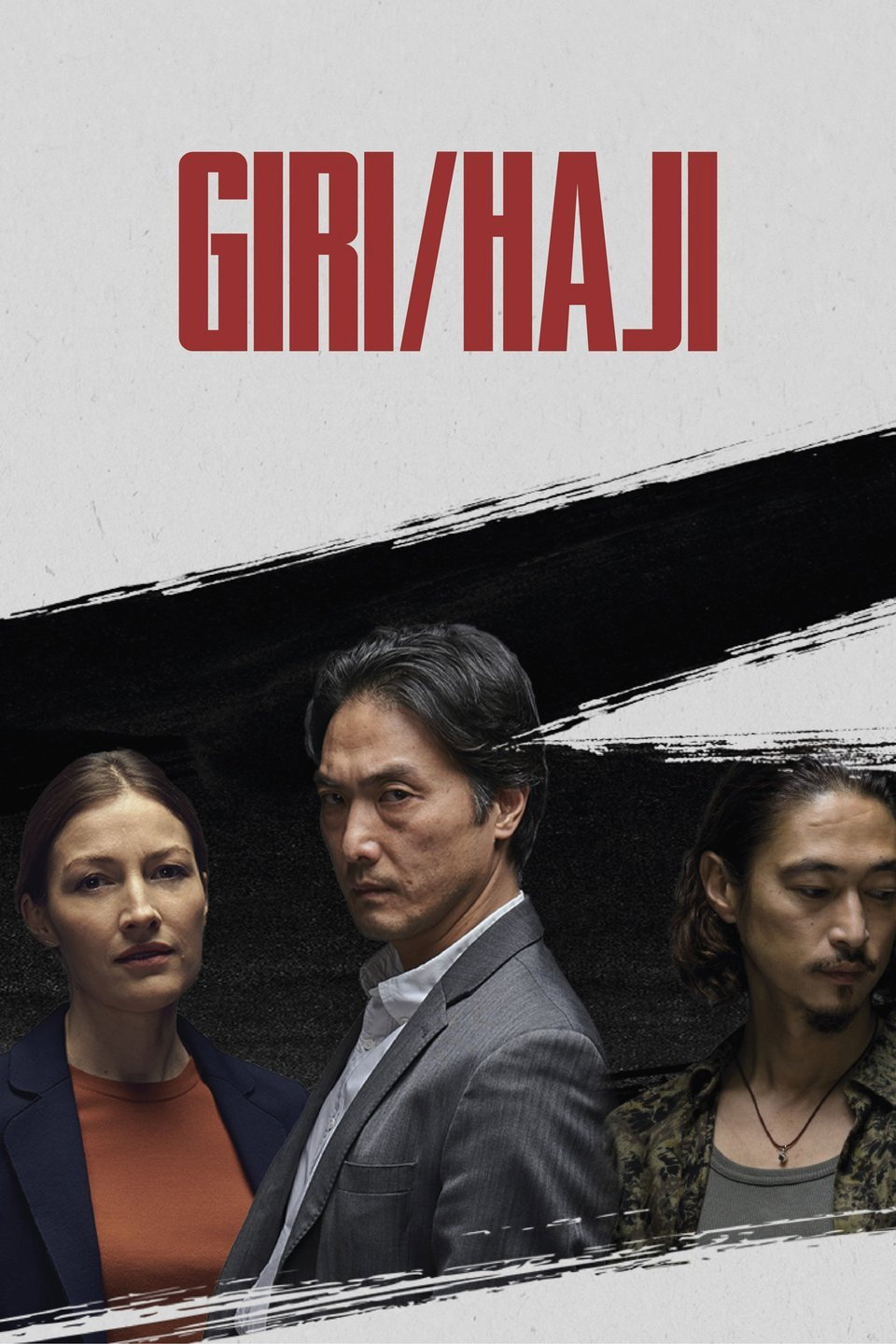
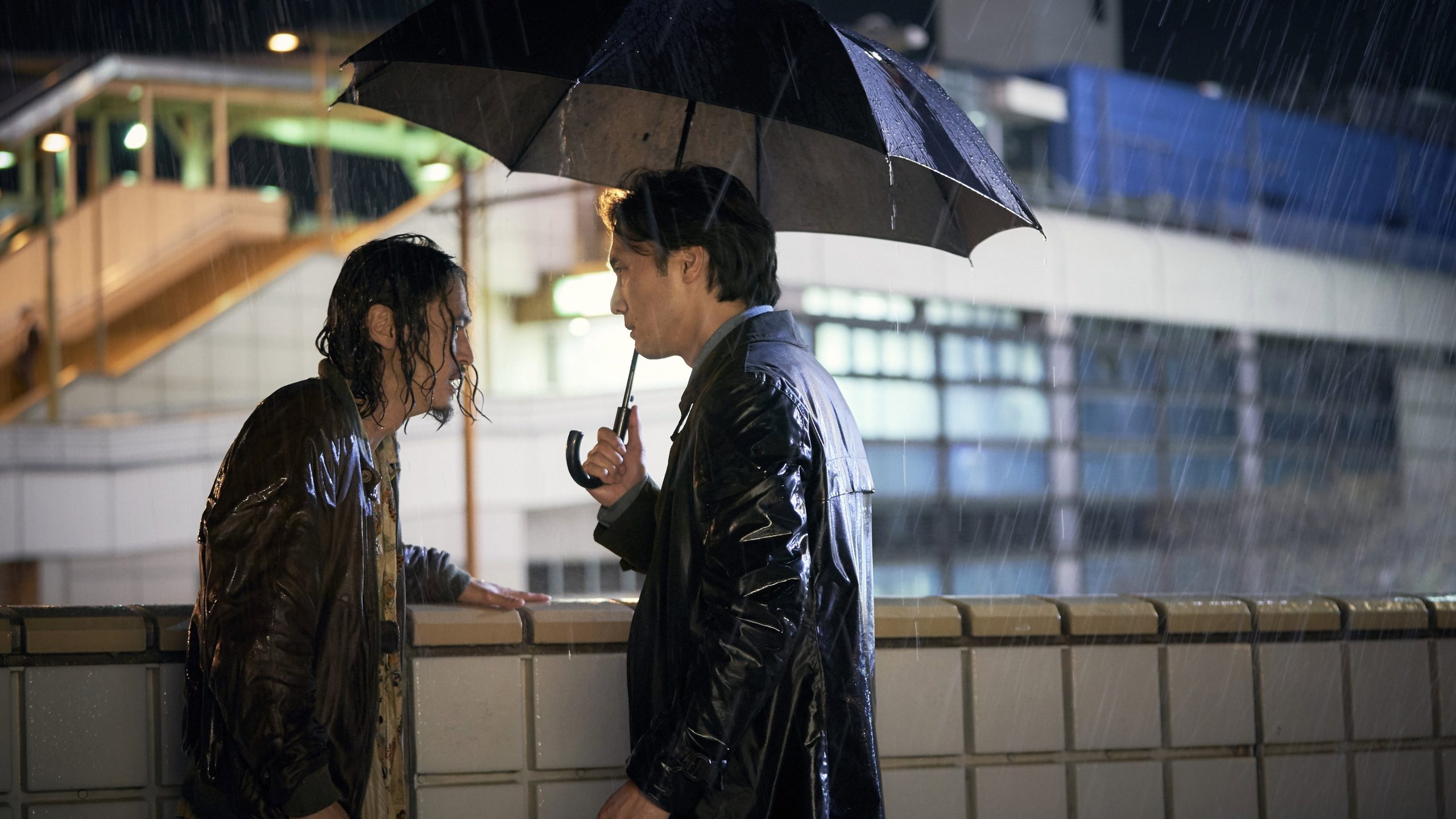
A murder connects Tokyo and London, drawing Japanese detective Kenzo Mori (Takehiro Hira) into yakuza intrigue across the two cities. In London, Sarah (Kelly Macdonald) and Rodney (Will Sharpe) enter the story surrounding his investigation. Kenzo has police work to do in unfamiliar surroundings, while family obligations and questions of loyalty complicate the lives caught up in the case. The opening moves between the cities, using subtitled exchanges and animated passages to follow the criminal business and the people affected by it.

Plays from YouTube when you press play; nothing loads from them until then.

Fi1m review

Joe Barton’s crime drama has the wit and feeling to justify most of its restless stylistic changes. The gang intrigue can drag, but the performances make its crowded story worth the attention it asks for.

Giri/Haji is a crime drama worth staying with when its gang business gets cumbersome. Creator and writer Joe Barton sends a Japanese detective into a story connecting Tokyo and London, then keeps making room for people who would be supporting characters in a tidier thriller. The comedy matters, and so does the unhappiness. There is more here than the plot can comfortably accommodate, but we would be reluctant to lose much of the company. The patience it asks for is mostly repaid.

Takehiro Hira gives Kenzo Mori the steadiness that a programme this changeable needs. Kelly Macdonald’s Sarah also helps keep the human exchanges from becoming merely intervals between criminal developments. Joe Barton is interested in duty and family without assuming that solemn dialogue is the only way to show it. His writing allows humour to interrupt serious business, and those interruptions often tell us more about the characters than another explanation of the case would.

Will Sharpe, as Rodney, is the strongest reason to keep watching. We were surprised by how fond we became of him. Will Sharpe gives the wit an uneasy edge, making Rodney’s unhappiness apparent without asking the jokes to stop. That combination could have become a familiar routine in which an amusing supporting character periodically demands our sympathy. Here the sadness remains visible while he is being funny, and the performance never seems to be waiting for permission to change mood.

Cinematographers Piers McGrail and David Odd resist the obvious invitation to turn Tokyo and London into a collection of sights. The cities feel like places where these people have business to attend to, which makes the shifts between them easier to accept. Morgan Kennedy’s production design supports that impression of surroundings occupied rather than displayed. Against this everyday credibility, the animation provides a useful disruption, changing how we take in the story without making the live-action passages seem timid. The series is willing to be showy, and usually earns it.

Directors Ben Chessell and Julian Farino allow violence, comedy and family trouble to sit close together without smoothing away every awkward change of mood. Editors Matthew Tabern, Elen Pierce Lewis and Dominic Strevens have a busy story to organise, and the movement between cities generally remains intelligible. The cutting is less successful at disguising how long some of the yakuza intrigue takes to get going. Adrian Johnston’s music helps the quieter scenes hold our attention, allowing their sadness to register amid the frequent changes of pace.

The weakness is the amount of criminal explanation competing for attention with that cast. Some is necessary, but the early yakuza material can make the series feel dutiful just when its other scenes are becoming unpredictable. Once Rodney brings his energy into the London story, another stretch of gang complications can seem like an interruption. The writing also takes on more changes of tone than it can always manage. Occasionally, we need a moment to work out how seriously to take the next scene.

Across eight episodes, Giri/Haji allows its characters to remain awkward and changeable rather than making everybody useful to the investigation. That is a good reason to accept its occasional untidiness. Give it proper attention, and forgive the stretches when the gangsters are still explaining themselves.

Critical consensus AI synthesised

80
Positive
6
Mixed
0
Negative
1

Most critics respond warmly to Giri/Haji, praising its ambitious London–Tokyo storytelling, visual experimentation and attention to character. The performances draw particular approval, with Will Sharpe’s charismatic, vulnerable Rodney singled out by Radio Times. Animation and playful direction are generally seen as purposeful, while the treatment of both cities avoids tourist imagery. The strongest notices also value the way the series combines violence, humour and emotional depth without losing interest in the people caught up in its crime story.

The spread is wide, though only one review is negative. The Times finds the early yakuza material slow before the London story gains energy, while The Ringer admires the profusion of ideas and genres but thinks the series cannot fully contain them. The Guardian dissents more firmly: despite some freshness in the depiction of Tokyo and use of animation, it finds familiar police-drama tropes and too few thrills.

Radio Times
10 January 2020 · ★★★★★ · Patrick Cremona
100

The critic calls it the BBC’s best crime thriller of the season, a masterful sprawling story set between London and Tokyo with ambition, style and likeable characters. They single out Will Sharpe’s standout performance as the charismatic yet pathos-filled Rodney for particular praise.

Read the full review →
The Telegraph
17 October 2019 · ★★★★★ · Michael Hogan
100

The opening episode is impressionistic, playful and unashamedly arty, with stylish flourishes like anime sequences and strong performances that reward attention. It is ambitious and bold, lifted by fine acting and virtuosic direction, and could be something truly special.

Read the full review →
Evening Standard
17 October 2019 · David Sexton
80*

The striking opening sequences hook viewers immediately with their confident, non-cliched cross-continental storytelling and willingness to use subtitles and radical devices like animation. It avoids turning either city into a travelogue, offering a fresh perspective through the eyes of a Japanese detective in London.

Read the full review →
The Times
18 October 2019 · Carol Midgley
70*

The series begins with a strong, Tarantino-ish set piece but the yakuza focus initially drags; it improves markedly with the arrival of a charismatic character who injects energy and wit into the London-set story. It promises to be more than a standard crime thriller thanks to sharp scripting and standout performances.

Read the full review →
The Guardian
17 October 2019
40*

The series has an intriguing premise involving yakuza intrigue across Tokyo and London but ultimately feels like a familiar, unoriginal police drama with tired tropes. It offers some novelty in its unfetishised depiction of Tokyo and occasional animation but lacks revelatory elements or thrills.

Read the full review →
Paste
9 January 2020 · 9.5/10 · Allison Keene
95

The series is a masterful, emotionally engrossing international thriller that blends dark violence with humor and heart while exploring duty, shame, family, and self-discovery across cultures. It stands out for its character-driven storytelling, organic twists, stylistic innovations like animated flashbacks, and deep understanding of its British and Japanese settings without gratuitous violence.

Read the full review →

Cast

If you liked this, try…