Elizabeth Olsen is the reason to watch and very nearly the only one. David E. Kelley spreads a Texas church affair and what followed it across seven episodes when four would do, and the woman who died gets the least of them.
David E. Kelley has taken the Candy Montgomery case, a Texas killing from 1980 that had already been made into a series the year before, and given it seven episodes. His idea is a reasonable one: not a monster but a bored, capable woman who ran an affair the way she ran the church rota, and what her competence did to her and to everyone near her. Elizabeth Olsen is superb. The show around her is well made, too long, and unsure what it thinks about the woman who died.
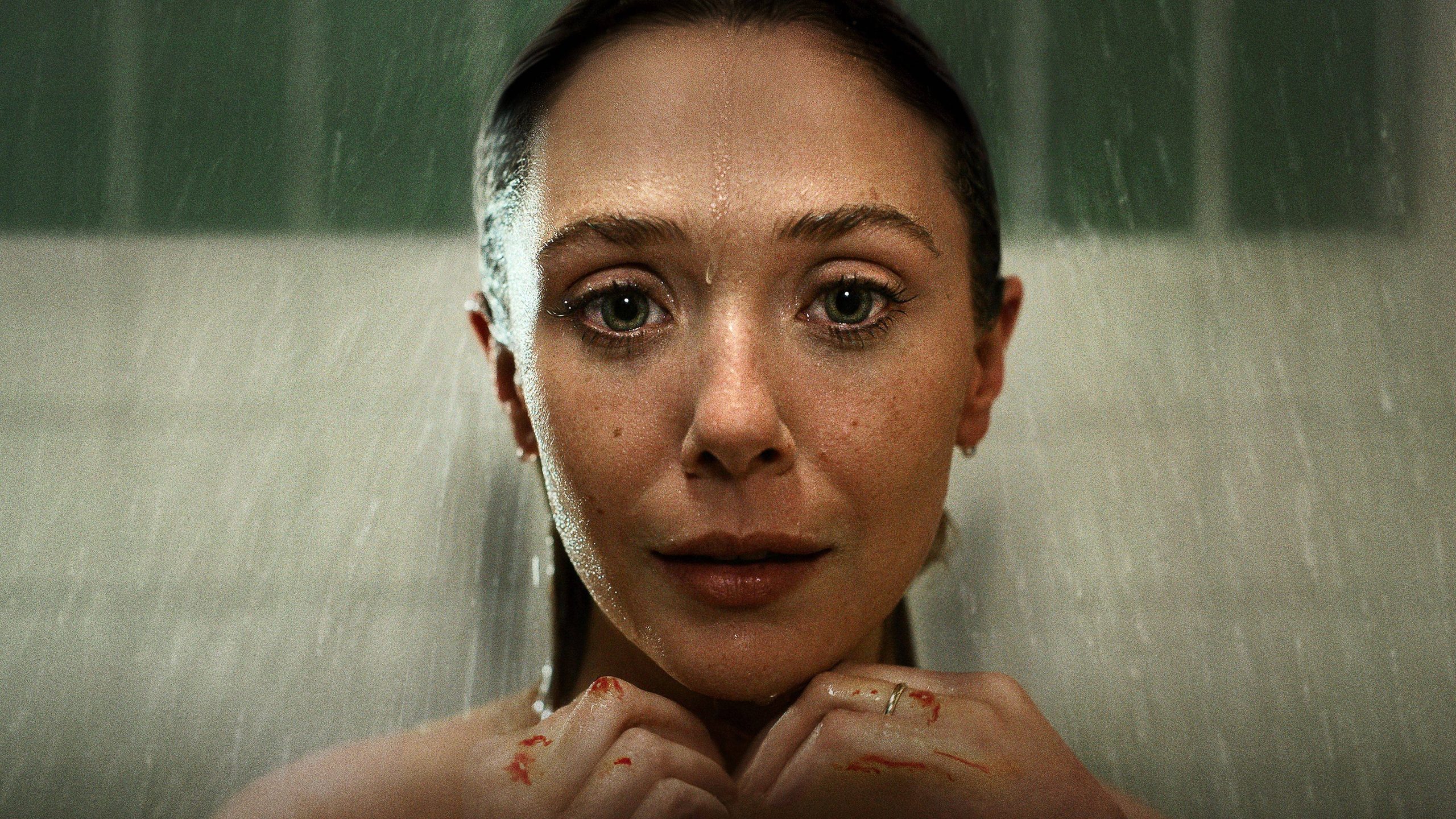
Olsen plays Candy with a tight perm, a bright church smile and a voice pitched to carry across a hall. She is a woman who gets things done, and Kelley’s best scenes let her do them: proposing an affair to a man she barely knows, then, over lunch, laying out the terms as if she were booking a venue. We laughed at that lunch, at the speed with which Allan agrees to the rules, and then felt uneasy about laughing, because Olsen never lets you forget the loneliness under the management. It is a performance built on control, and the series is at its best when it watches that control being tested.
Jesse Plemons plays Allan Gore as a man who says yes because saying no would mean a conversation, and it is careful, unflattering work. Lily Rabe is good as Betty, heavy-lidded and put upon, worn down by a baby and a husband who is somewhere else. The trouble is that the series gives Betty scenes without giving her a point of view; she exists as the problem in Allan’s marriage rather than as a person with a marriage of her own. Patrick Fugit makes Pat Montgomery decent, dull and kind. Krysten Ritter, as Sherry, is the only one allowed to be funny on purpose.
Tim Ives and John Conroy shoot it in flat, bright Texas daylight, all cream walls and wood panelling. Suzuki Ingerslev’s production design gets the church hall, the avocado kitchens and the motel room right without pointing at them. Audrey Fisher’s costumes do a good deal of the characterisation the script does not: Candy in fitted blouses and careful colour, Betty in large glasses and shapeless housecoats. Jeff Russo’s score stays low and mostly stays out, which is the right call for a story this small.
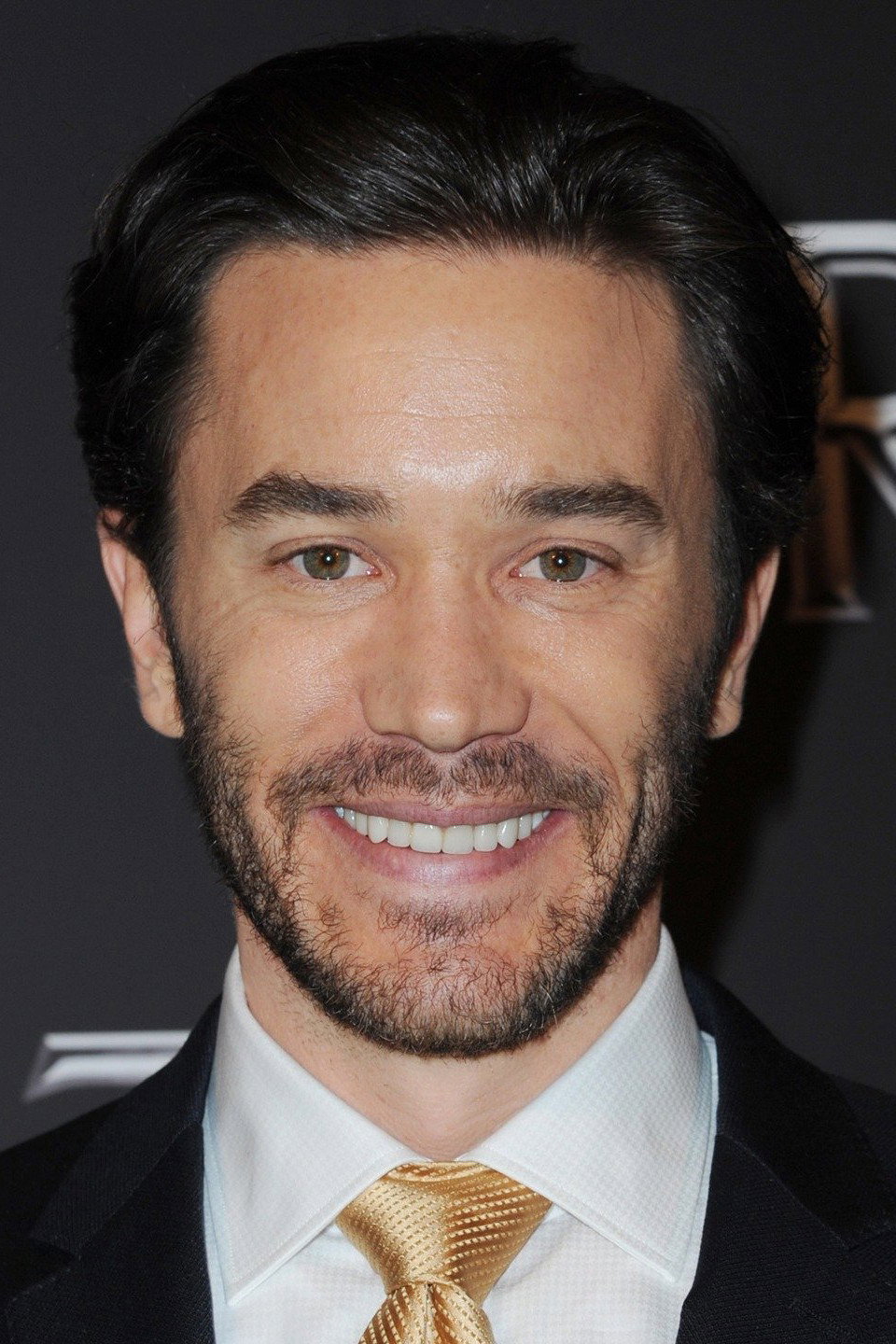
The length is the problem. This is a story with one act of set-up, one event and one trial, and Kelley has spread it over seven hours. Three editors, Ben Lester, Amy E. Duddleston and Dorian Harris, are credited, and the middle episodes still circle: another motel, another church meeting, another scene of Candy deciding she is fine. Lesli Linka Glatter and Clark Johnson direct with patience and keep the performances quiet, which suits the material and does nothing for the pace. What happens in the Gore house partway through we will not describe. By the fifth episode we were bored, and then we were irritated at being bored by a story this strange. When Tom Pelphrey turns up as the lawyer Don Crowder the series wakes up, because Kelley is on home ground in a courtroom.
Kelley’s Big Little Lies was about wives in nice houses and what they knew about each other, and it had half a dozen of them to cut between. Here he has one woman and a great deal of tasteful sympathy for her, and the sympathy tips the whole thing. The victim gets the least of the seven episodes. Most critics arrived at roughly our view, half impressed and half wearied, and several asked why the story needed telling again so soon. We would not go that far; a performance this good is a reason, for four hours rather than seven.
Watch it for Olsen, and watch it over two or three evenings rather than seven weeks. The 15 certificate covers one sequence that earns it. If you know the case, nothing here will change your mind about it, and if you do not, the series will not tell you why it mattered.