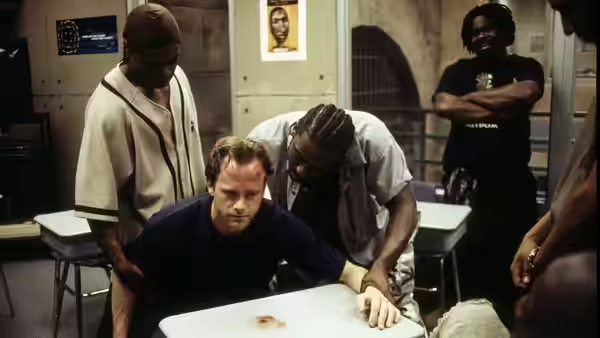
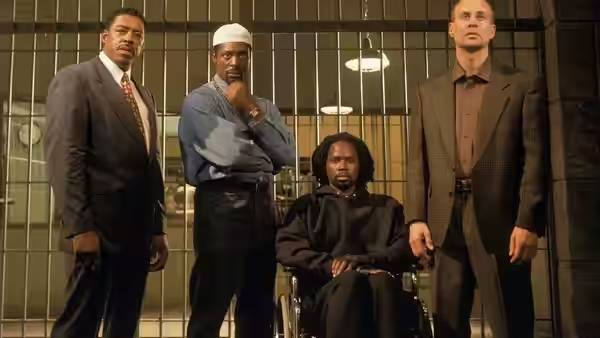
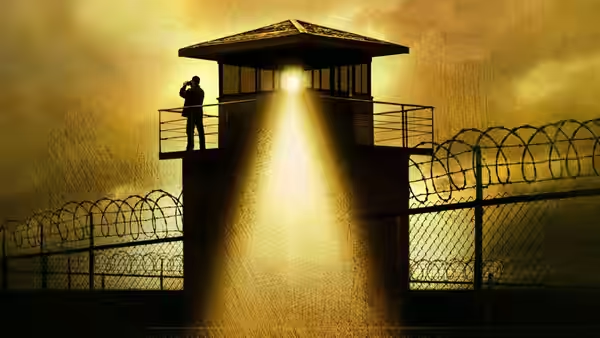
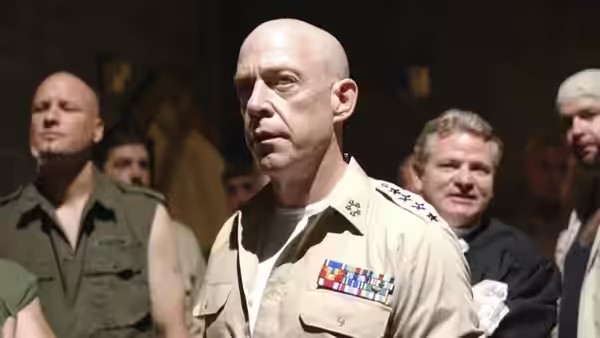
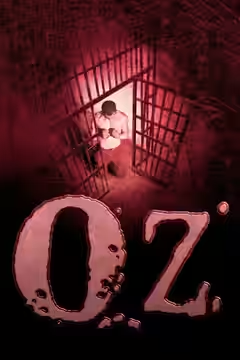
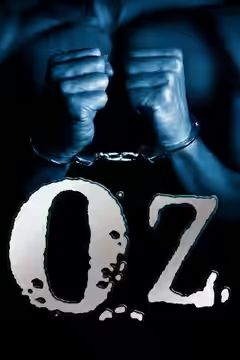
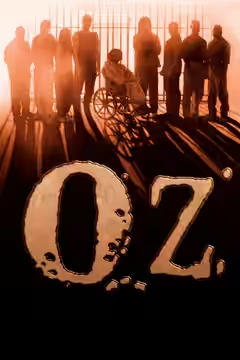
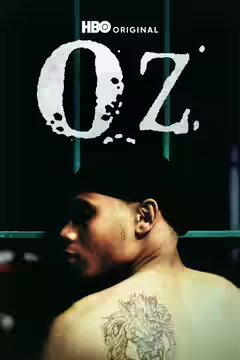
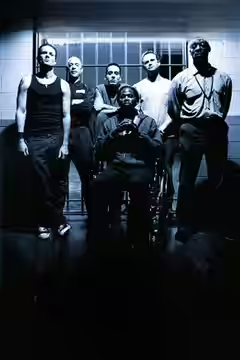
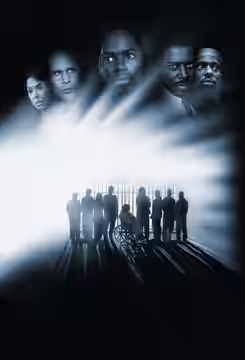
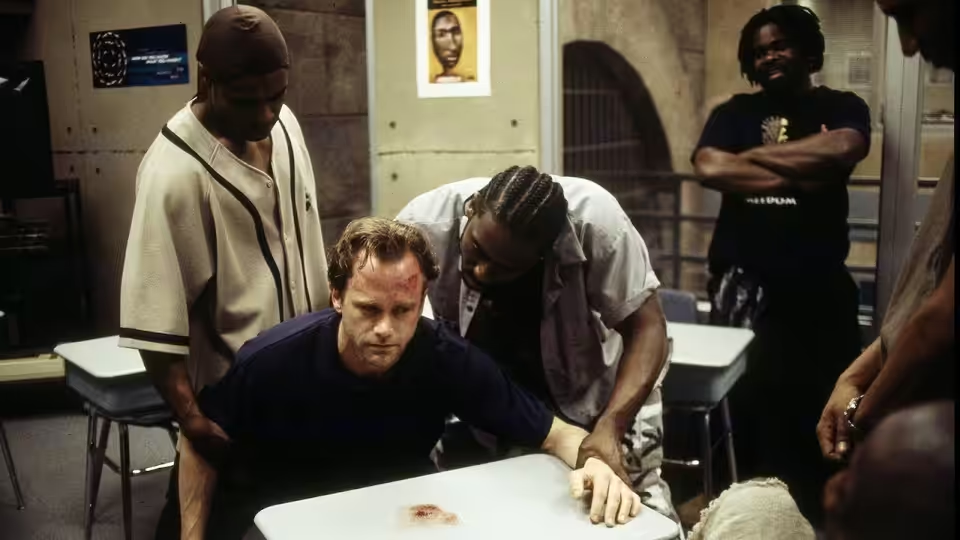
Men gather around a table with a bloodstain in a prison interview room
Series review

Oz

1997 · Created by Tom Fontana · Series · 1h 00m · RTÜK 18+

In a sentenceWe kept returning to this prison for the acting, which probably says something worrying about television

In an experimental American prison, Tobias Beecher (Lee Tergesen) needs to survive among men who use violence to establish their place. Augustus Hill (Harold Perrineau) and Ryan O’Reily (Dean Winters) inhabit the same institution, where racial divisions and competition for power shape daily life. Staff and inmates pursue conflicting interests, with intimidation and retribution always close at hand. The prison’s experiment takes place amid predatory behaviour that makes personal safety uncertain. Staying out of trouble means navigating people who can turn an ordinary encounter into a confrontation.

Plays from YouTube when you press play; nothing loads from them until then.

Fi1m review

Tom Fontana’s prison drama is disturbing, strongly acted and worth the discomfort. Its taste for excess becomes harder to defend as it goes on, but the ensemble keeps the suffering from becoming merely a spectacle.

Oz is worth the discomfort, chiefly because its actors make the people inside this experimental American prison difficult to dismiss. Creator and writer Tom Fontana examines what happens when personal safety depends on other people’s permission, and when an institution cannot contain the cruelty within it. The programme is harsh enough to require a warning before a recommendation. Yet its attention to power, race and the daily calculations of survival gives us reasons to watch beyond finding out who will be hurt next.

Lee Tergesen’s Tobias Beecher gives the cruelty a human cost; his vulnerability is more affecting than the programme’s insistence on how bad things can get. Harold Perrineau as Augustus Hill and Eamonn Walker as Kareem Saïd help keep a crowded ensemble distinct. Their performances hold our attention without requiring the surrounding cast to fade away. We want to understand these men, even when sympathy is difficult, and that curiosity matters in a drama which offers so little comfort.

J.K. Simmons gives Vernon Schillinger an appalling certainty. Dean Winters makes Ryan O’Reily absorbing company, adding to the sense that attention might be rewarded anywhere in this cast. There is a danger that performances this watchable make brutality seem like the main attraction. The surrounding conflicts between prisoners and staff help keep the series concerned with how the place works, and with whose interests its rules serve.

Directors including Barbara Kopple and Mary Harron work within a style that is openly experimental. The departures from realism are useful because they interrupt the easy rhythm of threat, confrontation and retaliation. The voiceover helps too, giving us something to consider beyond who is strongest in a particular encounter. This willingness to stop and think is welcome in a programme where almost any interaction might become dangerous, and where uninterrupted aggression would soon become numbing.

We were horrified by the sexual violence, particularly by its place within the inmates’ struggle for power. The suffering is difficult to separate from the calculation behind it, which makes watching feel more unpleasant than simply being startled. The series understands that intimidation can organise a prison as effectively as an official rule. Its harshest passages make that point forcefully, though the repeated aggression sometimes exhausts our attention before it deepens our understanding.

The larger weakness emerges as the series continues across six seasons. Later plotting strains belief, and the effort to find another shock sometimes overwhelms the behavioural detail that made the early drama persuasive. When events become implausible, the violence starts to feel imposed by writers looking for an effect. It becomes harder to remain concerned for the people involved, and a strong cast cannot make every development convincing.

We recommend it, with a firm warning about sexual violence and the later excesses. The performances deserve more than a reputation for shock, and the strongest writing makes the discomfort worthwhile. An episode at a time gives the characters a better chance of remaining distinct from the accumulating cruelty. This is not a programme to leave running while winding down for bed.

Critical consensus AI synthesised

81
Positive
8
Mixed
0
Negative
0

The reviews are uniformly positive about Oz, with praise clustering around its ensemble performances, forceful writing and willingness to confront prison violence without offering much comfort. Most critics regard it as an important influence on later television drama, particularly in its treatment of difficult male protagonists. Its portrayal of racial divisions, predatory behaviour and institutional tensions earns respect for its believability. The experimental flourishes and effective voiceover also draw praise for giving the brutality purpose beyond shock.

The reservations concern how long that force lasts, and how much grimness the drama can bear. Variety admires the prison setting’s realism but finds the relentless bleakness burdensome and offers little sense of anyone to root for. /Film and Collider question the plausibility of later storylines, while The AV Club notes diminishing returns. The spread is between admiration and qualified approval, rather than a dispute over the programme’s strengths.

Empire
12 February 2007 · Kat Brown
90*

The review highlights how the series blends extreme violence with a subtle touch and strong writing, including an effective voiceover, keeping it above mere exploitation. It singles out the excellent ensemble cast, including standout performances, as one of the best in recent TV and calls the show relentlessly entertaining.

Read the full review →
The Telegraph
7 June 2017 · Ed Power
90*

When HBO’s Oz debuted in 1997 it was the ultimate shocking experience, pushing boundaries with explicit violence, rape and taboo subjects far further than modern series, rendered nightmarish with avant-garde flourishes and experimental style. It was television without a safety net, bearing witness to American prison realities with uncanny believability and groundbreaking elements like a prominent Muslim character and gay romance.

Read the full review →
The Guardian
29 May 2009
85*

Oz is an unrelentingly grim drama about life and death in an experimental American prison, the bleakest series ever produced in a dehumanising world where every good deed is punished. It is profoundly disturbing, with shocking explosive violence and a recurring struggle for power, yet still nothing on television quite like it.

Read the full review →
The AV Club
12 July 2017 · Danette Chavez
80*

The piece positions Oz as the proto-prestige drama that pioneered HBO's boundary-pushing approach to television a year and a half before The Sopranos. It highlights the show's lasting influence on characterization and difficult male protagonists in later series while noting its strong initial reception and six-season run despite later diminishing returns.

Read the full review →
Variety
14 July 1997 · Ray Richmond
70*

The critic describes the HBO prison drama as vicious, raw and bleak with no one to root for, pushing TV content boundaries in its portrayal of sadistic inmates and retribution. It admires the realistic depiction of racial divisions, predatory behavior and institutional tensions but notes the overall grimness weighs heavily.

Read the full review →
Den of Geek
7 November 2016 · Jamie Andrew
90*

The article celebrates Oz as an overlooked seminal prison drama and grandparent to modern prestige TV like The Sopranos, praising its bleakness, verisimilitude, narrative risks and powerful performances. It argues the show took huge storytelling risks that set the template for the golden age of television.

Read the full review →

Straight answers AI written, from our review

Is Oz worth watching?
Oz is worth watching for anyone who can stomach a harsh prison drama, and we scored it 80. Tom Fontana's series is strongly acted, with Lee Tergesen, Harold Perrineau and J.K. Simmons keeping a crowded cast distinct, though the later seasons strain belief in their search for another shock. Best taken an episode at a time.
How long is Oz, and what is it rated?
Oz has episodes of about 1h 00m and is rated 18+ by the RTÜK in Türkiye. It is a crime and drama series.
Where can I watch Oz in Türkiye?
Oz is not on any streaming or rental service in Türkiye at the moment. It is available in 10 other countries; change your country at the top of the page to see where. Availability is checked daily.
How violent or frightening is Oz, and is it suitable for children?
Oz is an 18 certificate in the UK and not suitable for children or younger teenagers. It contains repeated violence, intimidation and sexual violence, which we found horrifying because of the calculation behind it rather than any sudden fright. Squeamish adults should also think twice; this is not a programme to leave running while winding down for bed.

How does Oz compare to A Prophet?
Oz and A Prophet are both prison educations concerned with favours, loyalties and the price of protection, but the film is the tighter and more controlled of the two. Jacques Audiard's drama follows one man's rise over two hours, while Fontana's series spreads across a large ensemble and six seasons. Choose Oz for the acting and range; choose A Prophet if you want the same subject without the excess.
What should I watch after Oz?
After Oz, try A Prophet (2009, Fi1m 86): Another prison education, with close attention to favours, loyalties and the price of protection. Then The Night Of (2016, Fi1m 88): A murder case becomes a patient study of what imprisonment does to people; and A Man Escaped (1956, Fi1m 90): For prison tension built from patient observation rather than another outbreak of violence.

Cast

If you liked this, try…

  1. A Prophet (2009, Fi1m 86)Another prison education, with close attention to favours, loyalties and the price of protection.

  2. The Hill (1965) · not reviewed yetA military prison drama where authority makes cruelty look like ordinary procedure.

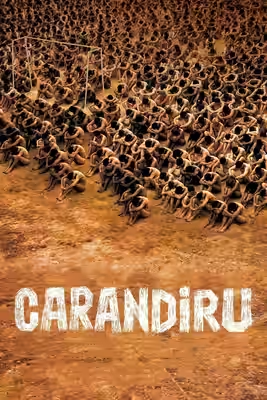
  3. Carandiru (2003) · not reviewed yetA Brazilian prison ensemble that makes space for lives beyond the sentence.

  4. The Night Of (2016, Fi1m 88)A murder case becomes a patient study of what imprisonment does to people.

  5. A Man Escaped (1956, Fi1m 90)For prison tension built from patient observation rather than another outbreak of violence.

Free account

Know what to watch tonight

Two lists that know where things are streaming, collections you can share, your own score beside ours, and Discover that remembers what you have seen.

  • Want to see, sorted by what is streaming now
  • Seen, with your score out of ten
  • No adverts, ever