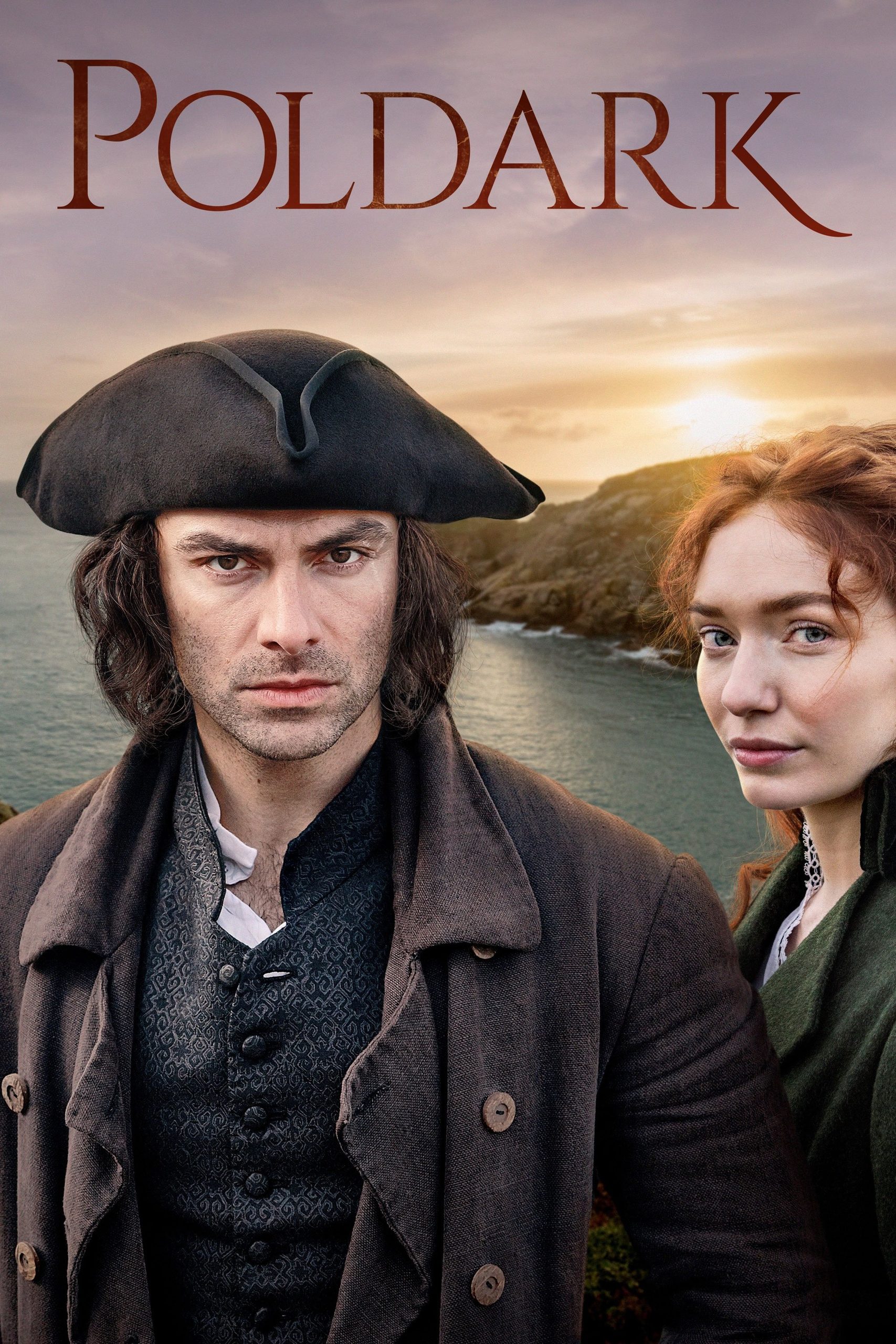
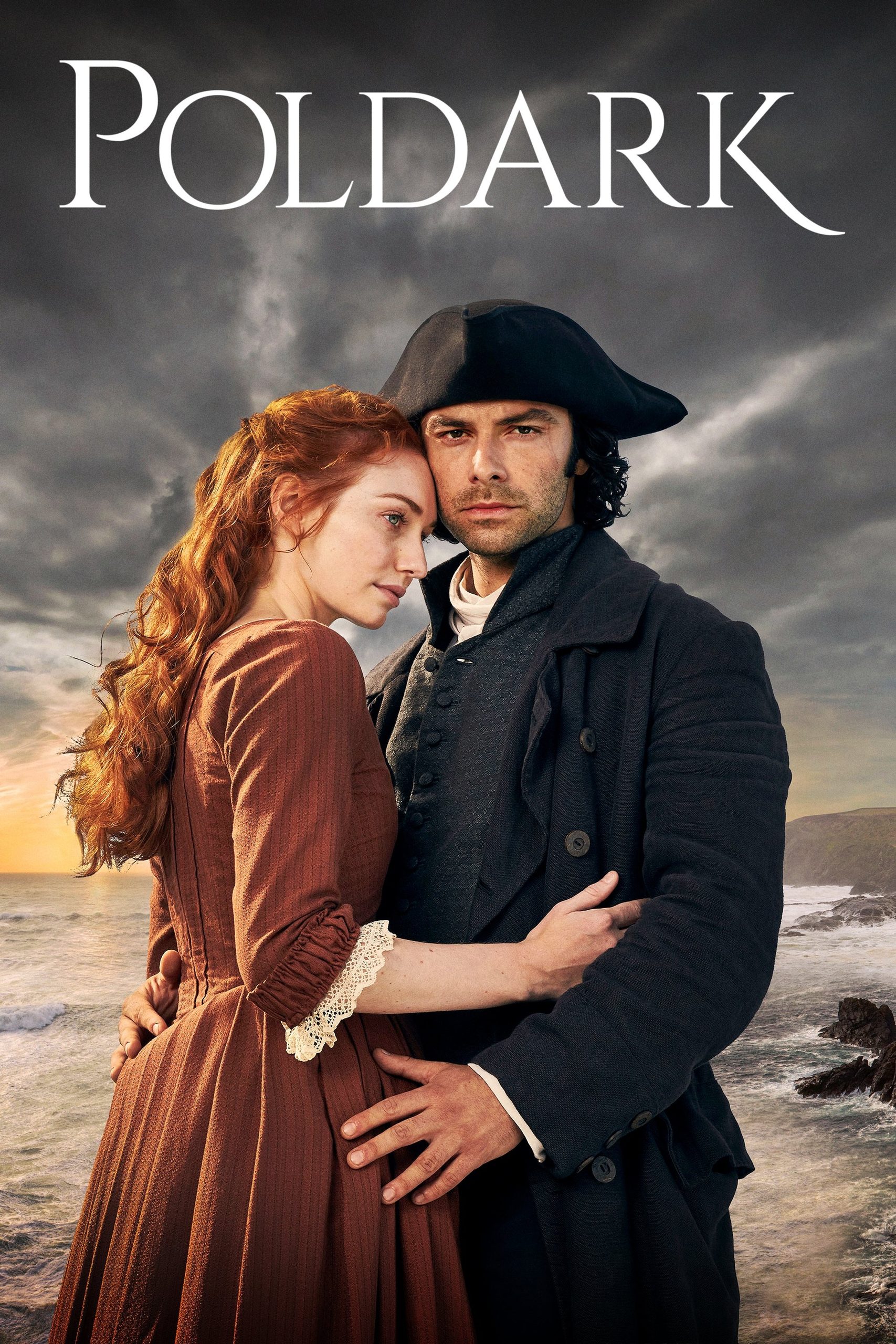
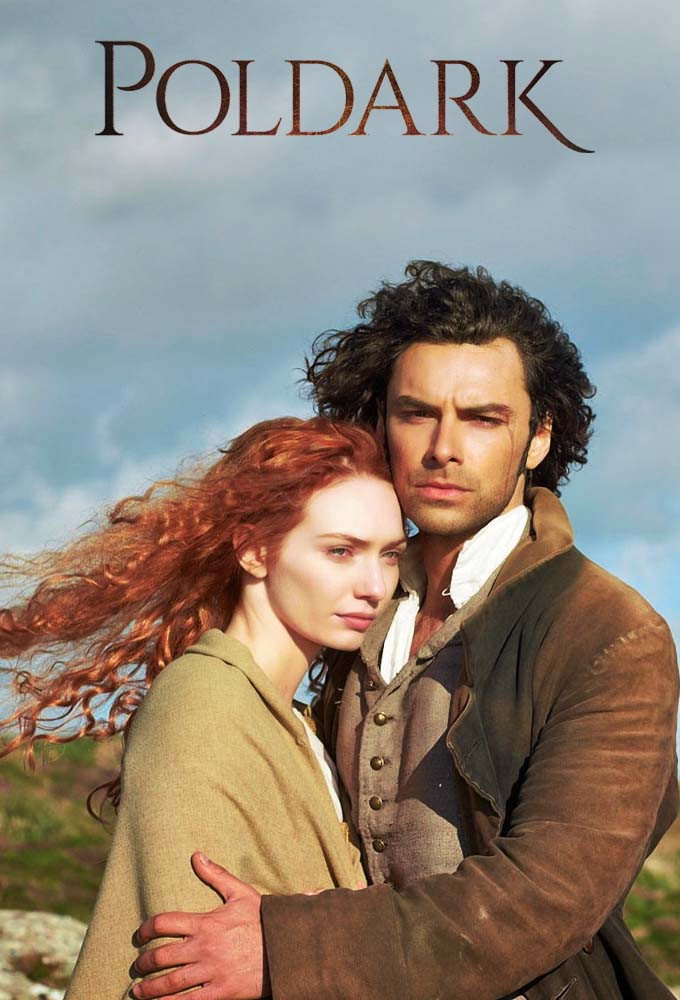
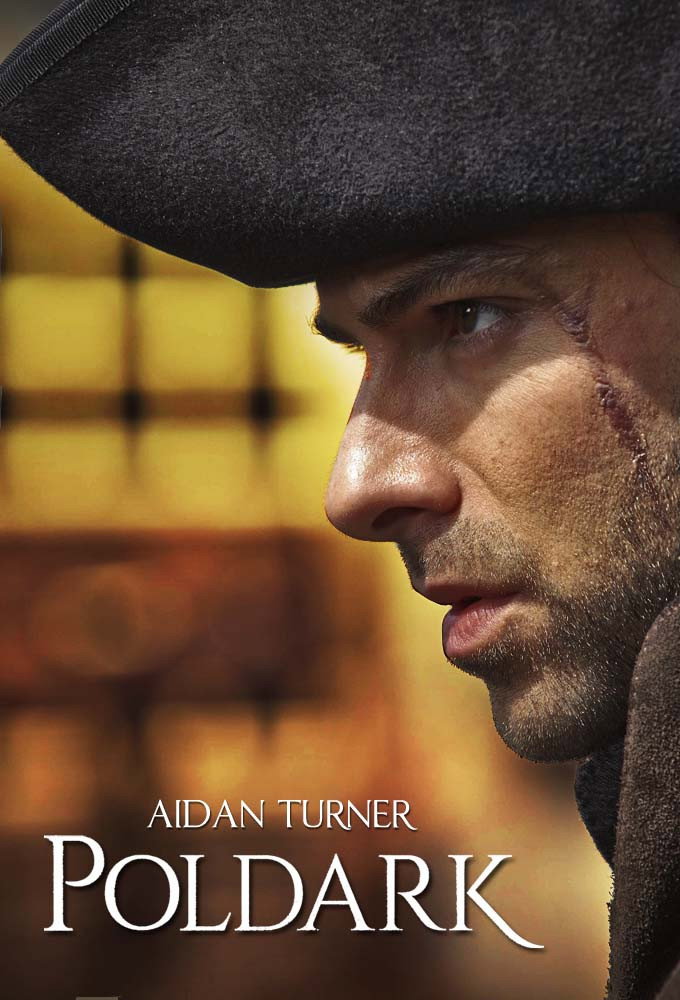
Aidan Turner carries this brisk Cornish romance with enough conviction to make its polished surfaces worth forgiving. The social conscience gives it weight, though the bankers are drawn with rather less patience.
Poldark is a good, brisk romantic drama, carried by Aidan Turner and occasionally too pleased with its handsome hero. Debbie Horsfield’s adaptation of Winston Graham’s novels puts desire and social conscience close together, giving Ross Poldark more to do than look troubled against the Cornish coast. It is an inviting combination, played with enough conviction that the romance rarely feels apologetic. We recommend it when a forceful leading performance and a busy costume drama are sufficient attractions, with a warning that some of the villains receive rather less care.
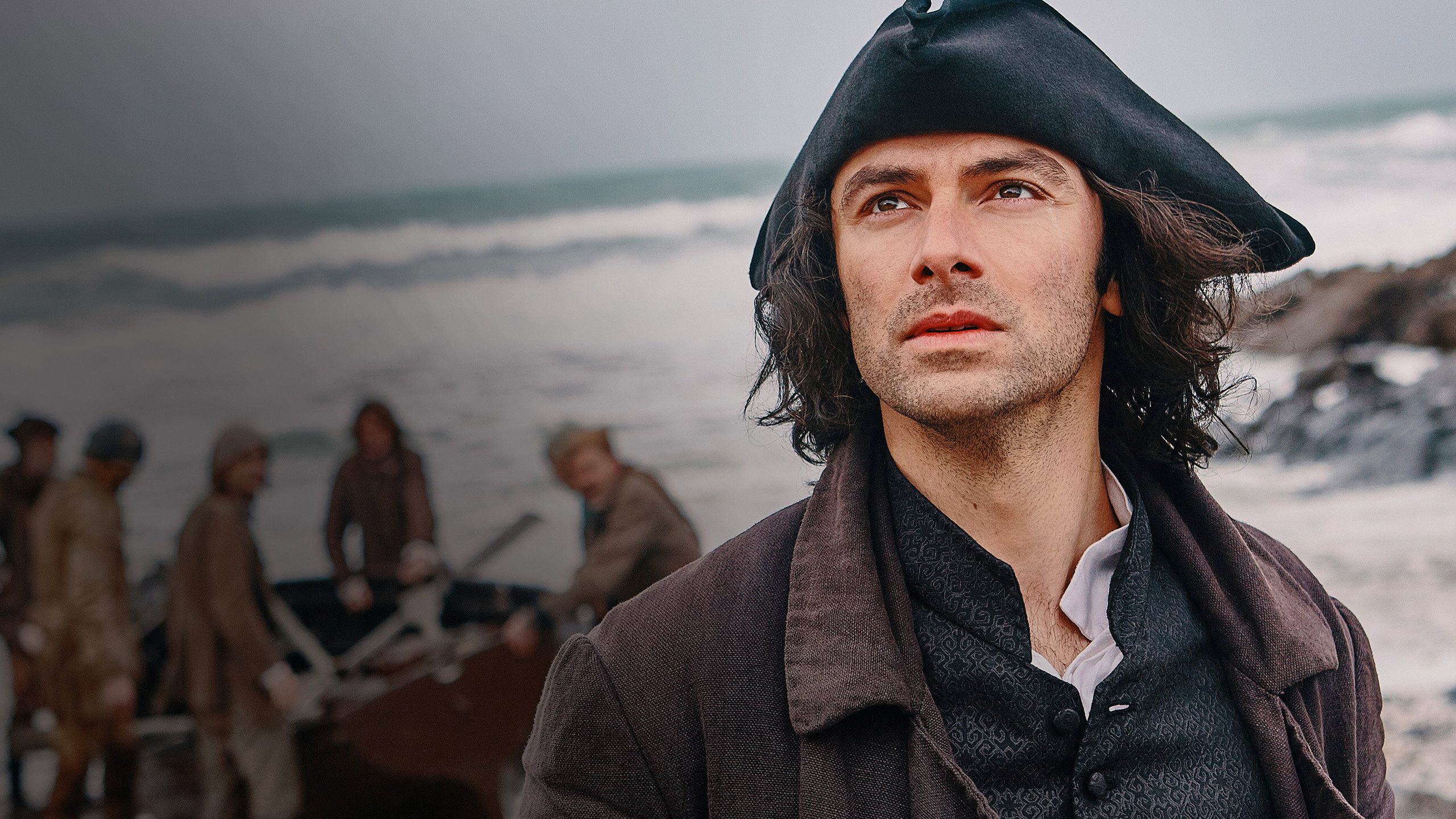
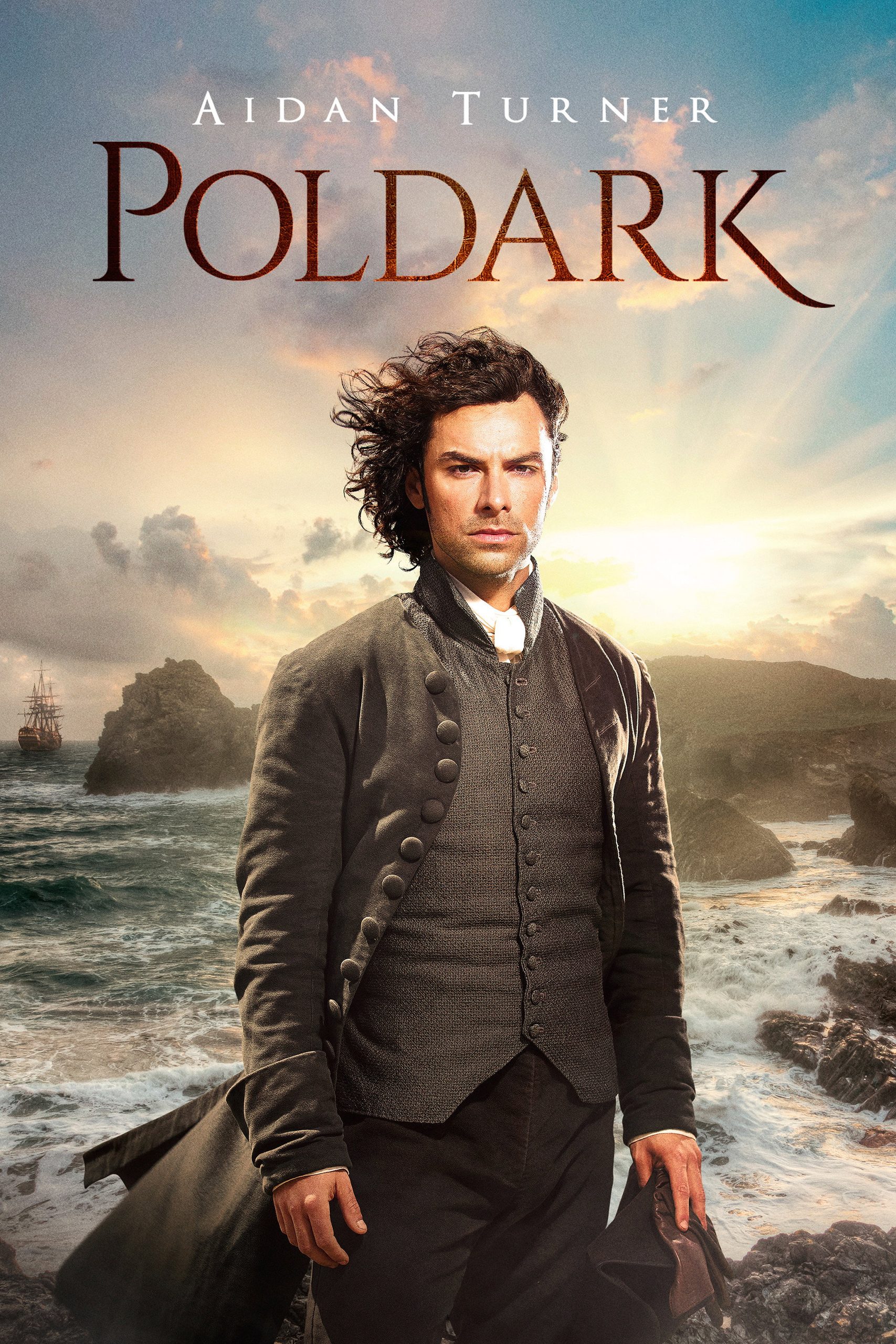
Aidan Turner makes Ross’s appeal easy to understand without making his goodness entirely comfortable. We warmed to him because he gives the character’s concern for other people the same seriousness as his romantic feelings. That earnestness matters: the captain’s moral compass might otherwise feel like another quality chosen merely to make him attractive. The performance holds our attention through the personal and social troubles, and makes the programme’s faith in its leading man seem reasonable. Ross gets flattering treatment, but there is enough conviction in the acting to justify our interest.
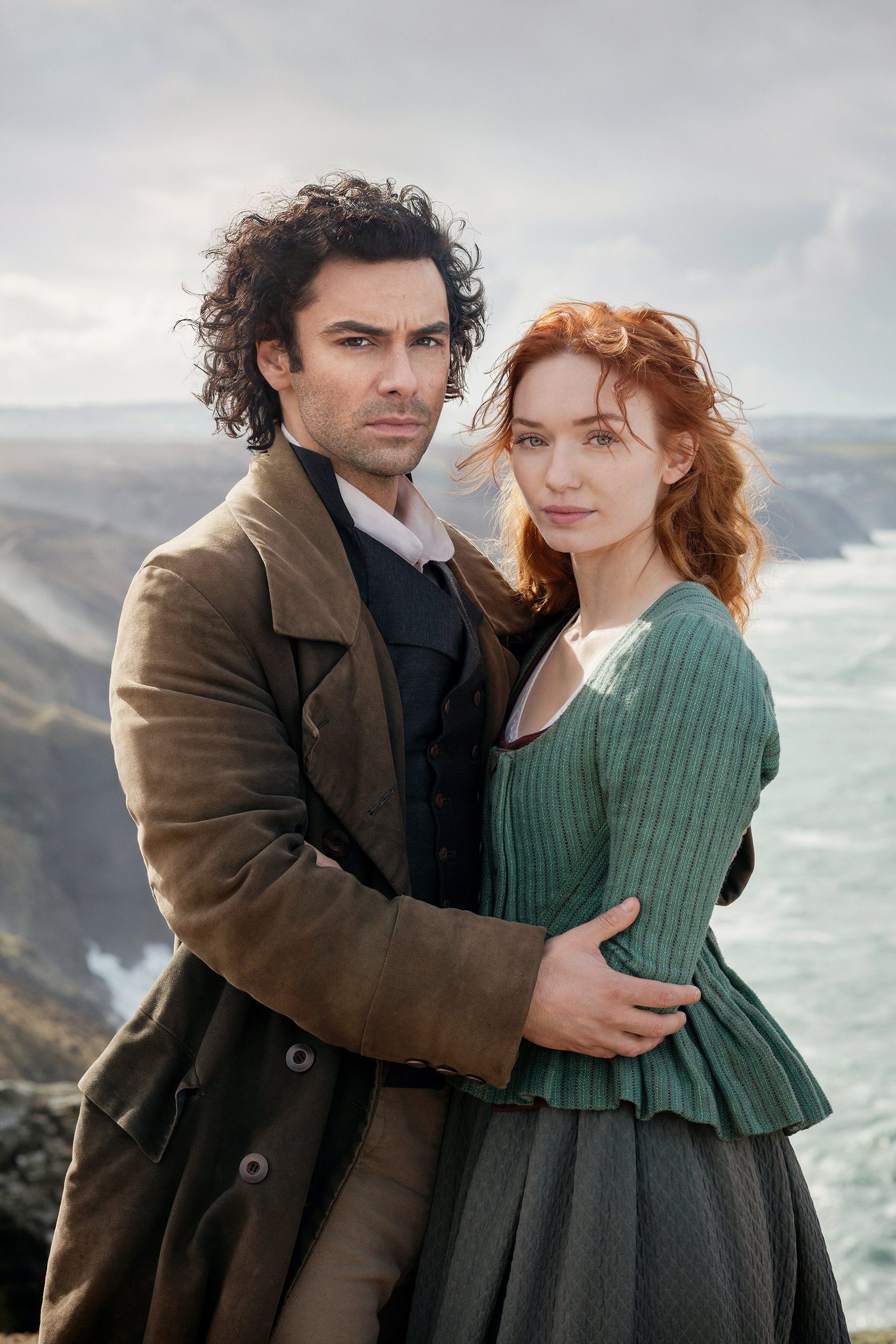
The coastline does a considerable amount of work, too. The bright Cornish views give this eighteenth-century setting an immediate appeal, though the prettiness sometimes competes with the harder circumstances the drama wants us to notice. The lively pacing is more consistently useful, introducing characters without making their arrival feel like an administrative task. The soundtrack adds to that forward movement, and the production looks assured even when it looks a little too polished. Some of the styling sits awkwardly with the period, drawing attention to how carefully everyone has been made attractive.
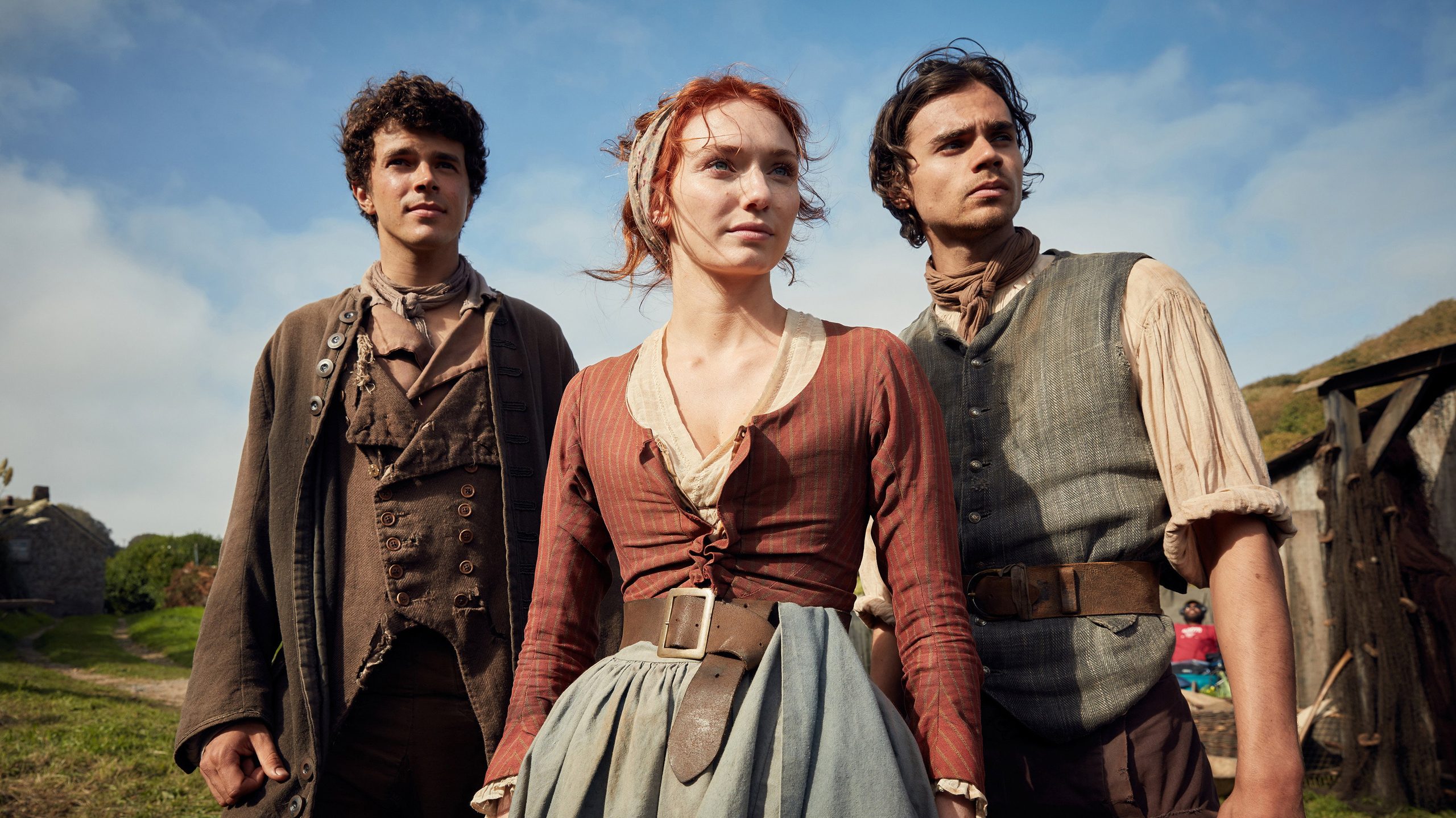
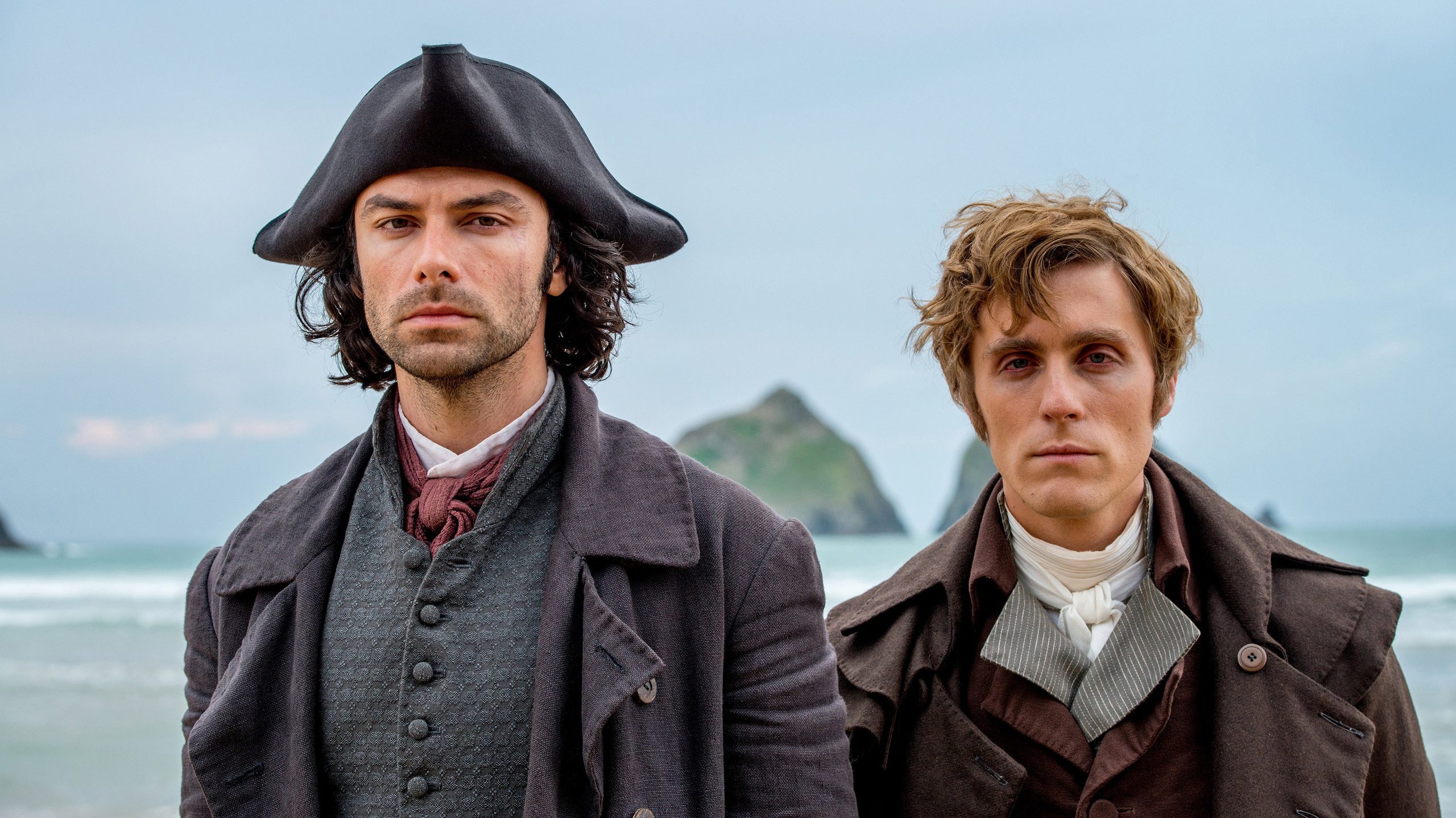
The supporting cast helps keep that polish from becoming the whole attraction. Eleanor Tomlinson as Demelza Poldark and Kyle Soller as Francis Poldark bring enough personality to make time away from Ross welcome, while Jack Farthing’s George Warleggan adds another strong presence. We do not spend these scenes merely waiting for the lead to return. The ensemble gives the romantic complications room to develop, although the series remains so firmly organised around Ross’s appeal that its other characters can seem to be competing for attention.
Debbie Horsfield is less persuasive when the bankers become ready-made objects of disapproval. Their broad characterisation saves time, but it also leaves the social tensions feeling too simple, since the writing has settled whom we should distrust. The series is more interesting when Ross’s conscience complicates his personal desires and there is something difficult for him to consider. That gives the romance some weight beyond the question of who finds whom attractive. We would have liked comparable care taken with the people opposing him, whose dramatic purpose is often apparent almost immediately.
As costume drama, Poldark is at its most enjoyable when it gets on with romance, social friction and the pleasures of its cast. Its pace keeps solemnity at bay, and its willingness to be openly romantic is a virtue, even when restraint might produce a subtler programme. The depiction of Cornish life has some grit, though the attractive presentation can soften our sense of its hardships. Give it an evening if romance is the attraction; expect less from the bankers.