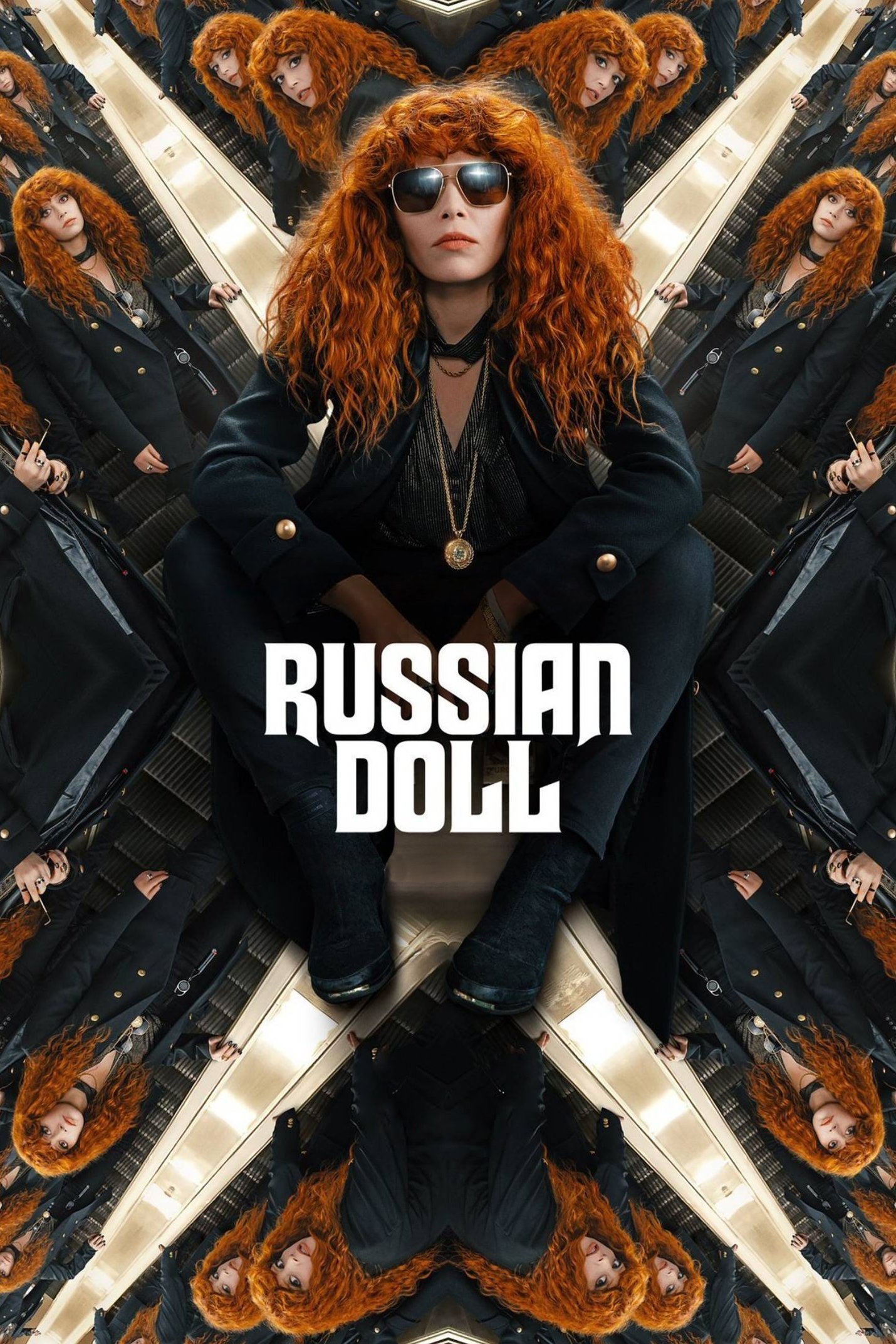
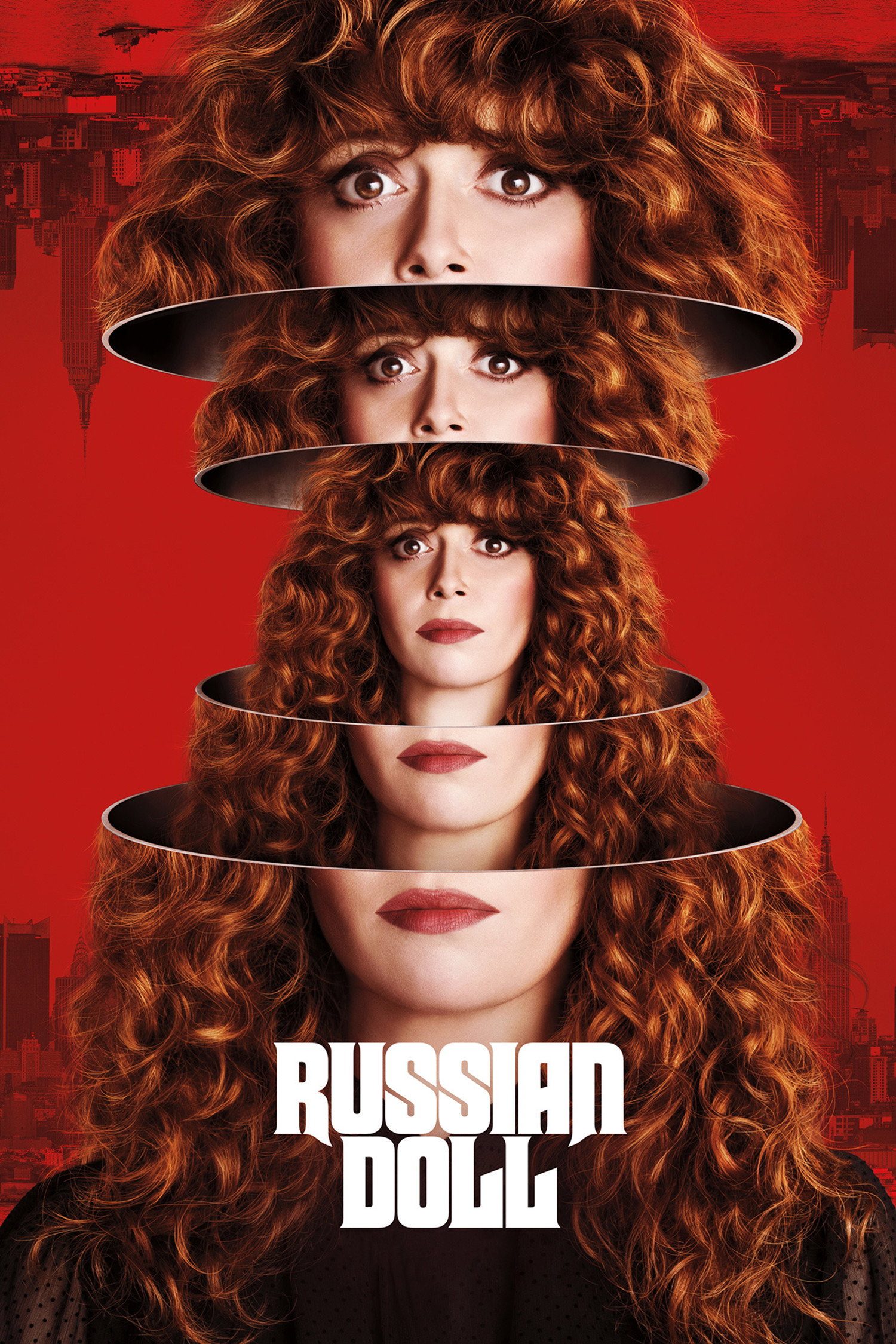
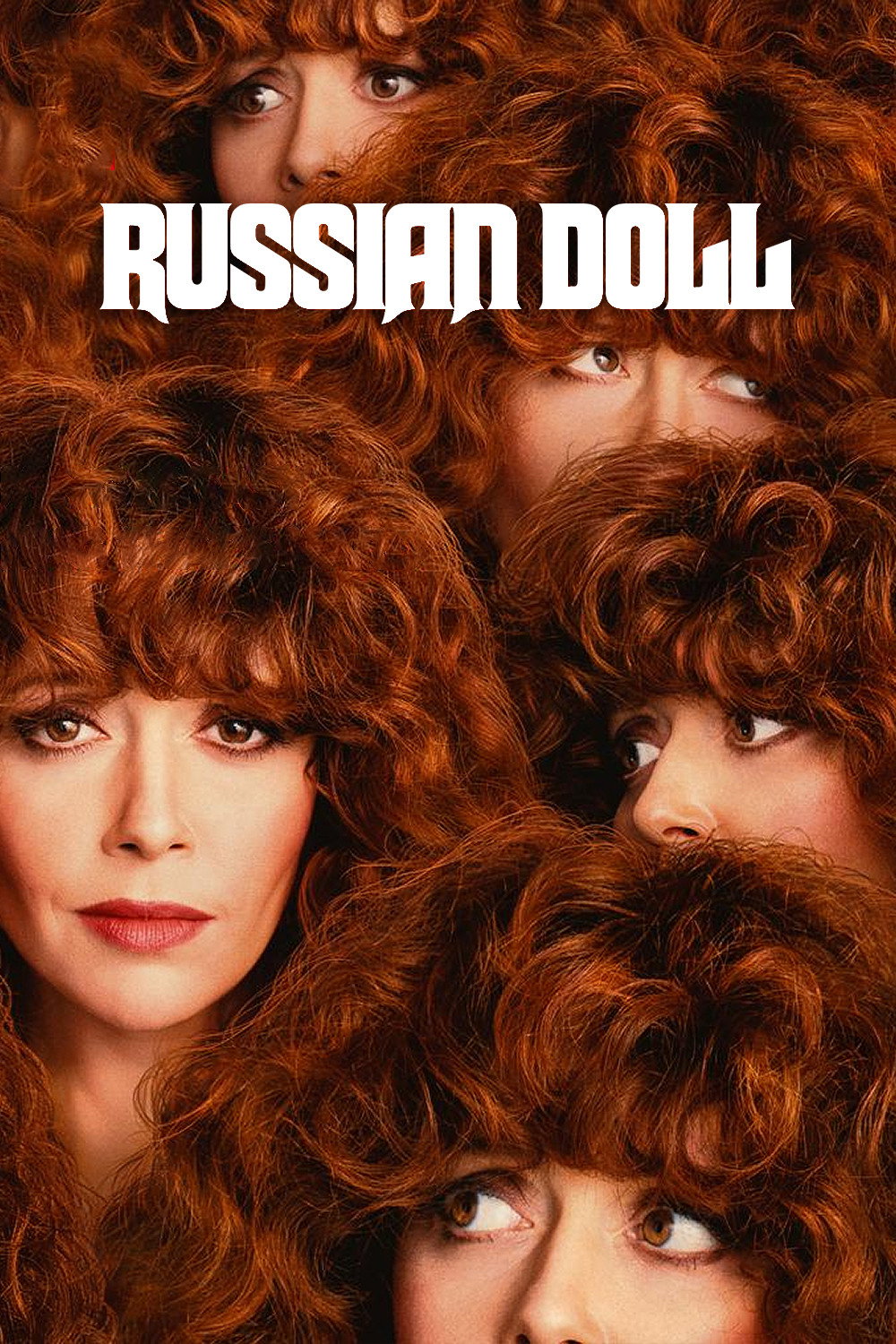
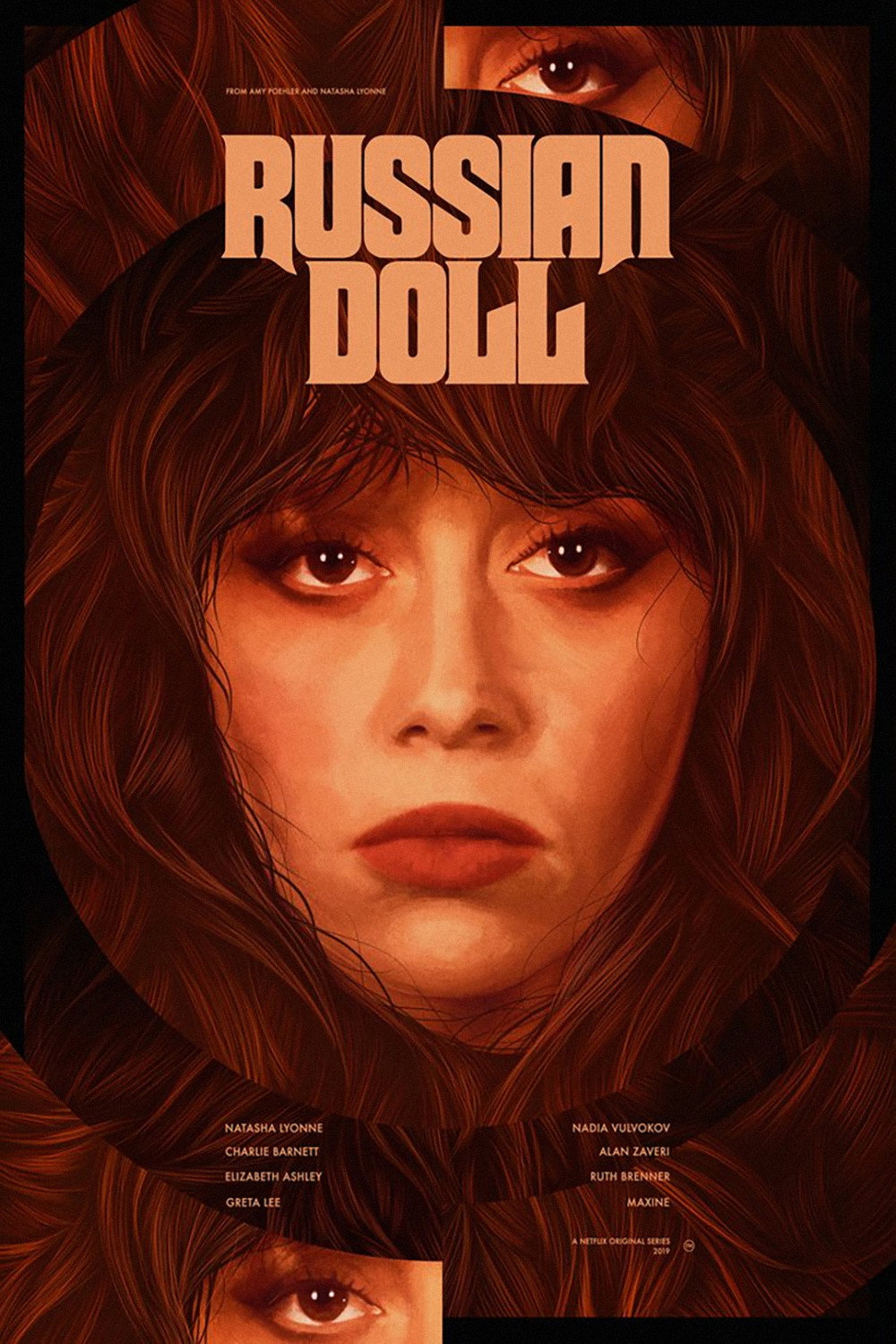
Natasha Lyonne dies at her own birthday party, again and again, and turns a familiar premise into a sharp, short, unexpectedly kind comedy about a woman who would rather die than be looked after. The last episode overreaches; the first seven do not.
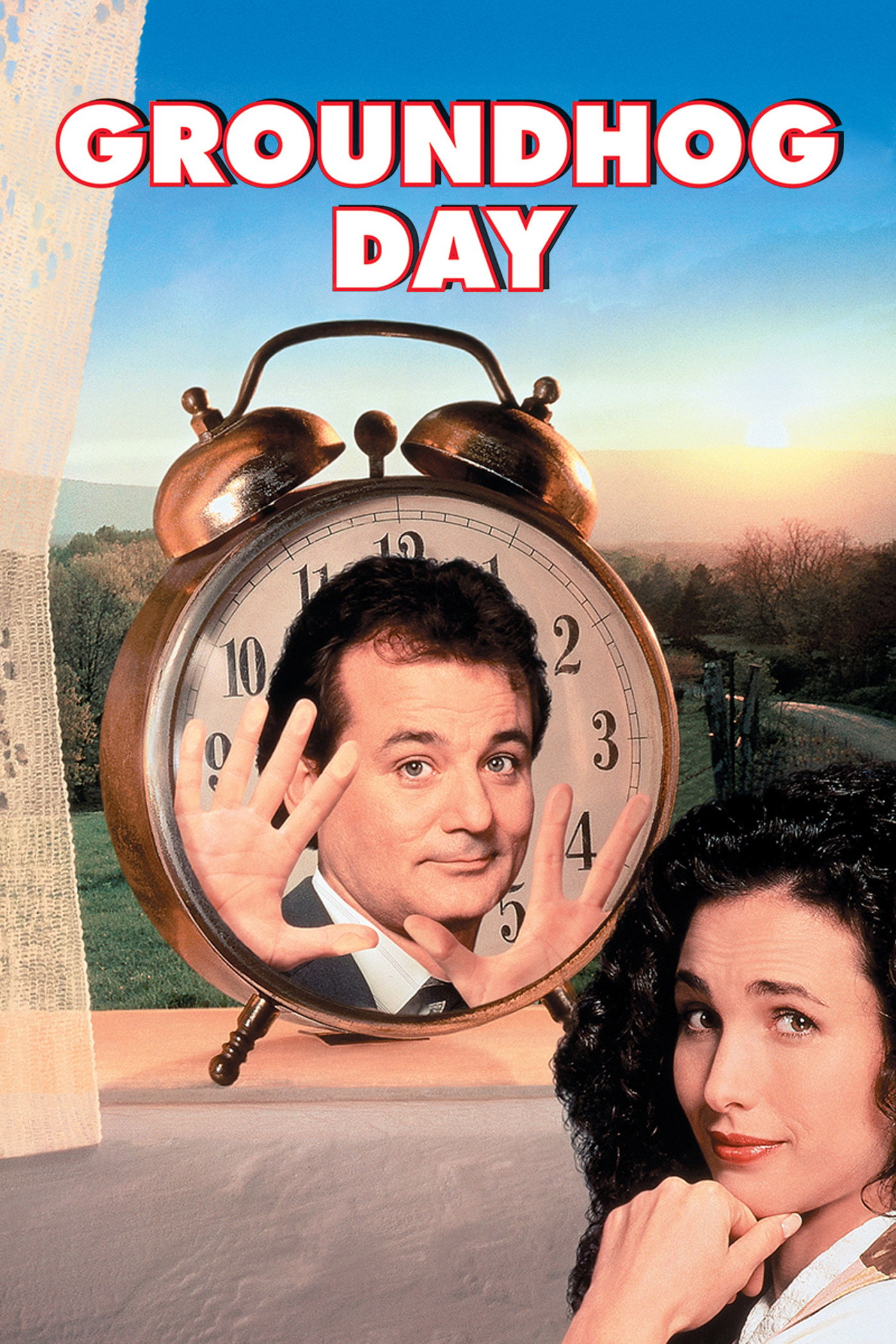
Nadia Vulvokov is thirty-six, works in software, smokes constantly and dies, on the night of her birthday, under a taxi. Then she is back in her friend’s bathroom, and the party is still going on outside the door. Russian Doll was created by Natasha Lyonne, Leslye Headland and Amy Poehler, and its premise is the one Groundhog Day made famous in 1993. What they have done with it is sharper, shorter and a good deal sadder than that promises, and we recommend it warmly. Eight episodes, none wasted.
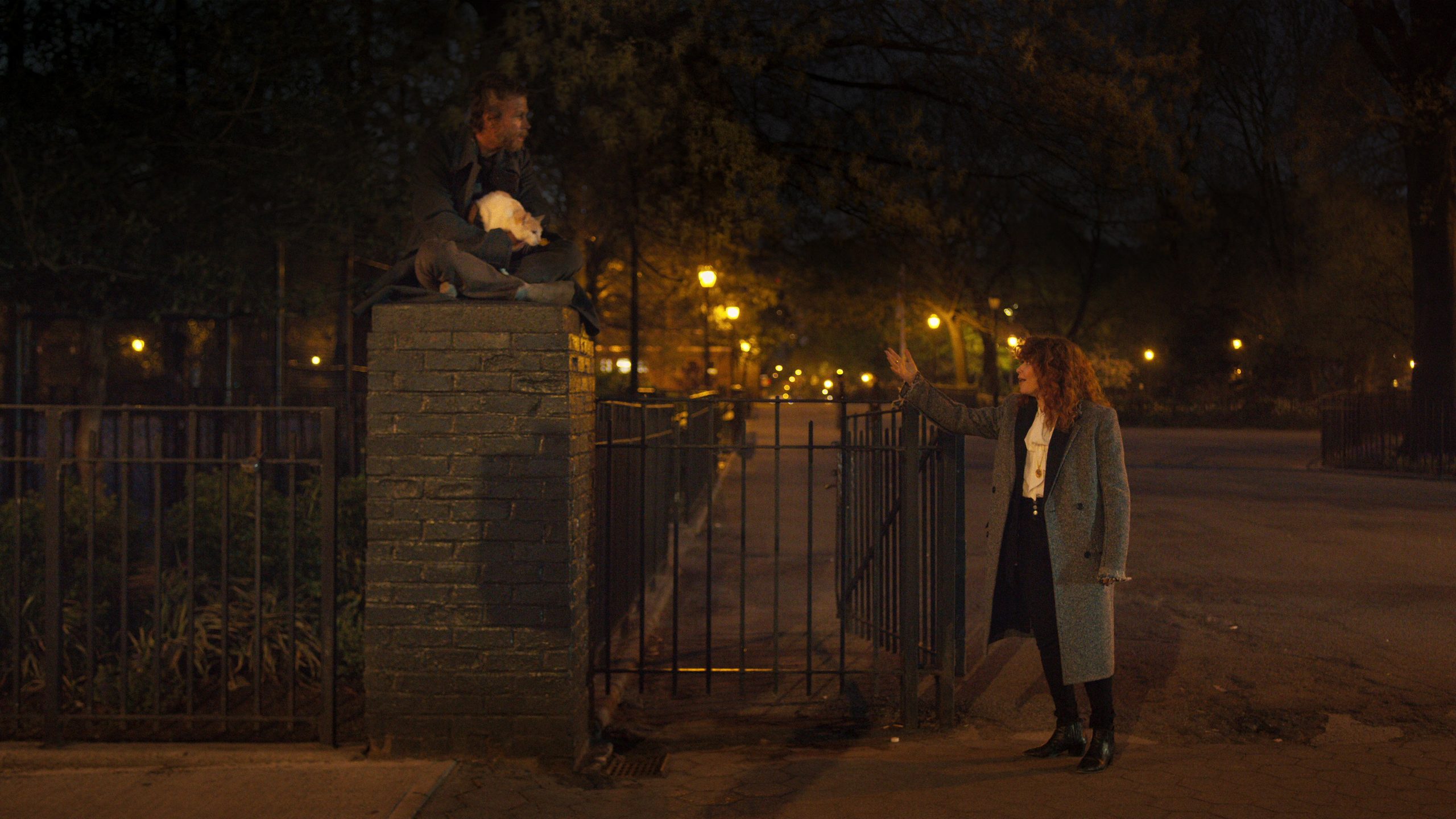
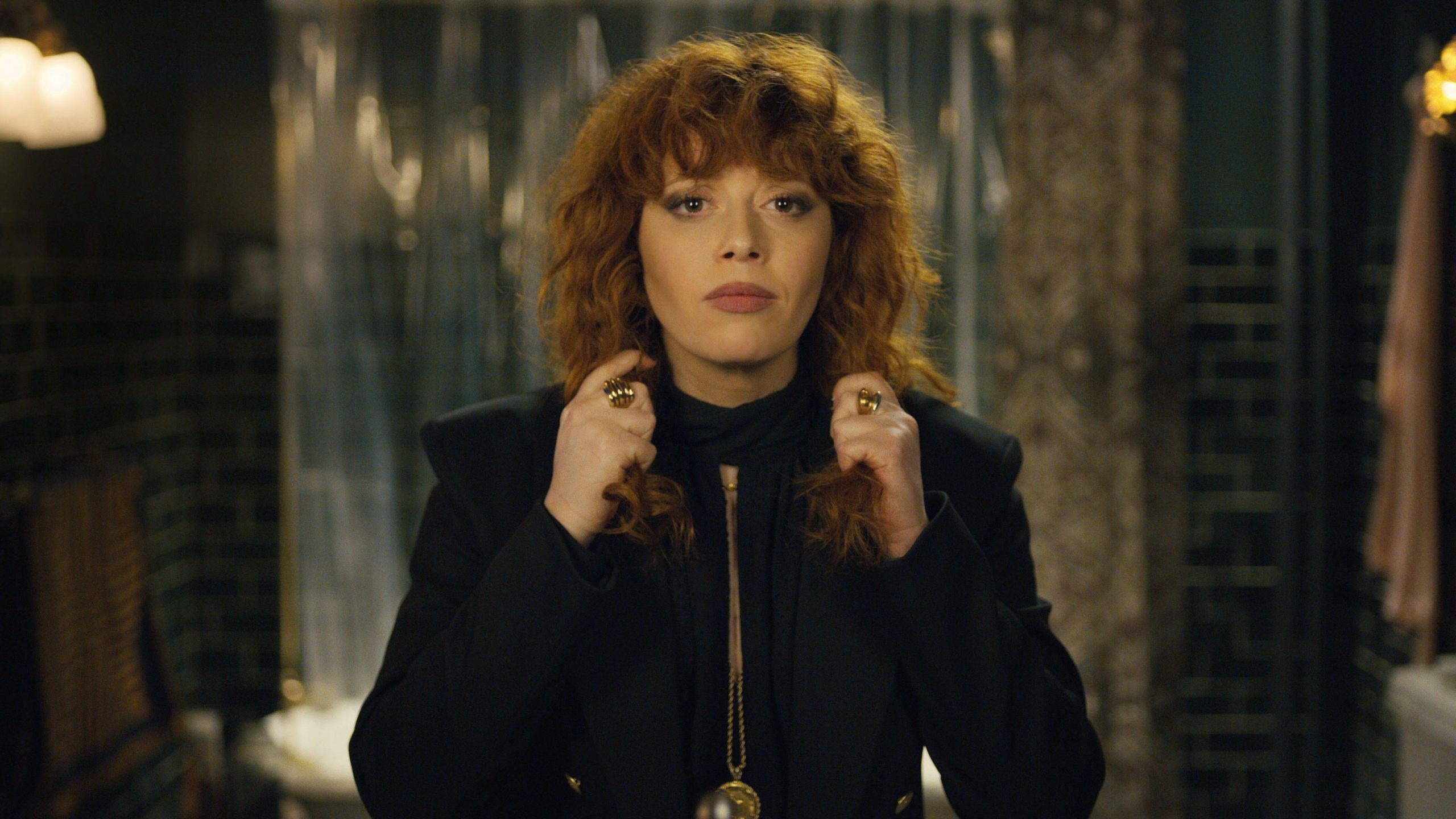
The series keeps returning to the bathroom, and Michael Bricker and Diane Lederman have built it to be looked at repeatedly. It is small, tiled, lit from a ring around the mirror, and the door handle is shaped like a revolver. Maxine’s flat is a former yeshiva, dark wood and ceilings too high for the furniture, and Chris Teague shoots the party in reds and ambers thick enough to pour. Every time Nadia comes back the same Harry Nilsson song is playing, and by the fifth time its jaunty piano sounds like a threat. Joe Wong’s score keeps out of its way. Jen Rogien puts Lyonne in a long dark coat and a black top through every death; the clothes never tell you what day it is.
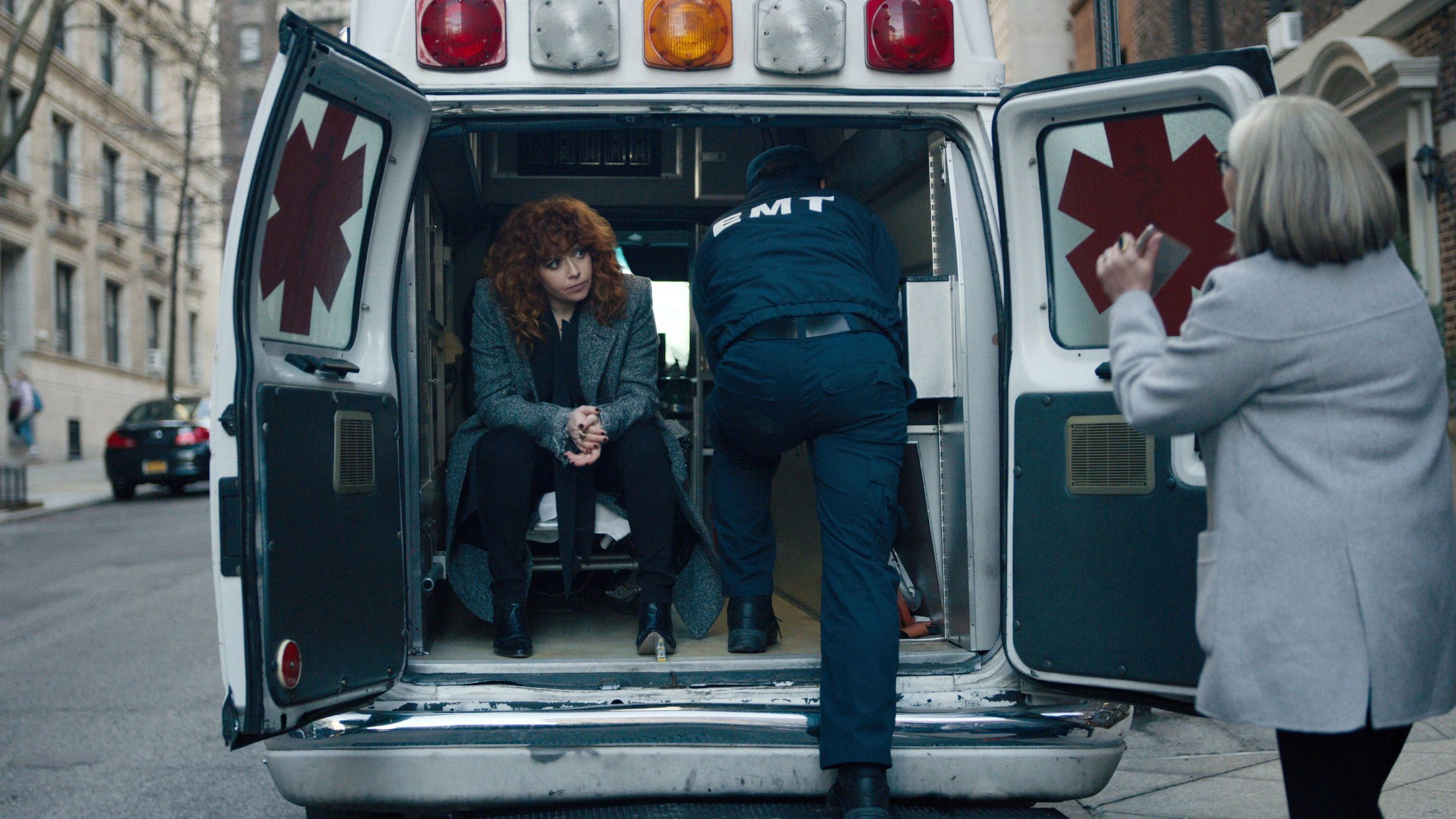
Lyonne is the show. She has a voice like a gravel path and the walk of someone late for something she does not want to attend, and she plays Nadia as a woman who regards her own deaths as an administrative nuisance. The first two or three are funny. Then there is a fall down a flight of stairs, played straight, and Lyonne looks up with the face of someone who has started to count, and we stopped laughing abruptly. It was the face that did it, not the fall. From then on the deaths frighten as often as they amuse.
The people around her know her too well. Greta Lee’s Maxine hosts the party with a chicken she never finishes cooking and a stare that forgives nothing. Yul Vazquez plays John Reyes, Nadia’s married lover, and gives him a decency the script could have withheld. Elizabeth Ashley, as Ruth Brenner, the therapist who took Nadia in when her mother could not cope, is the warmest presence in it, and the scenes in Ruth’s flat are where the show lets its guard down. Chloë Sevigny appears as Nadia’s mother, Lenora, in ways we will not describe.
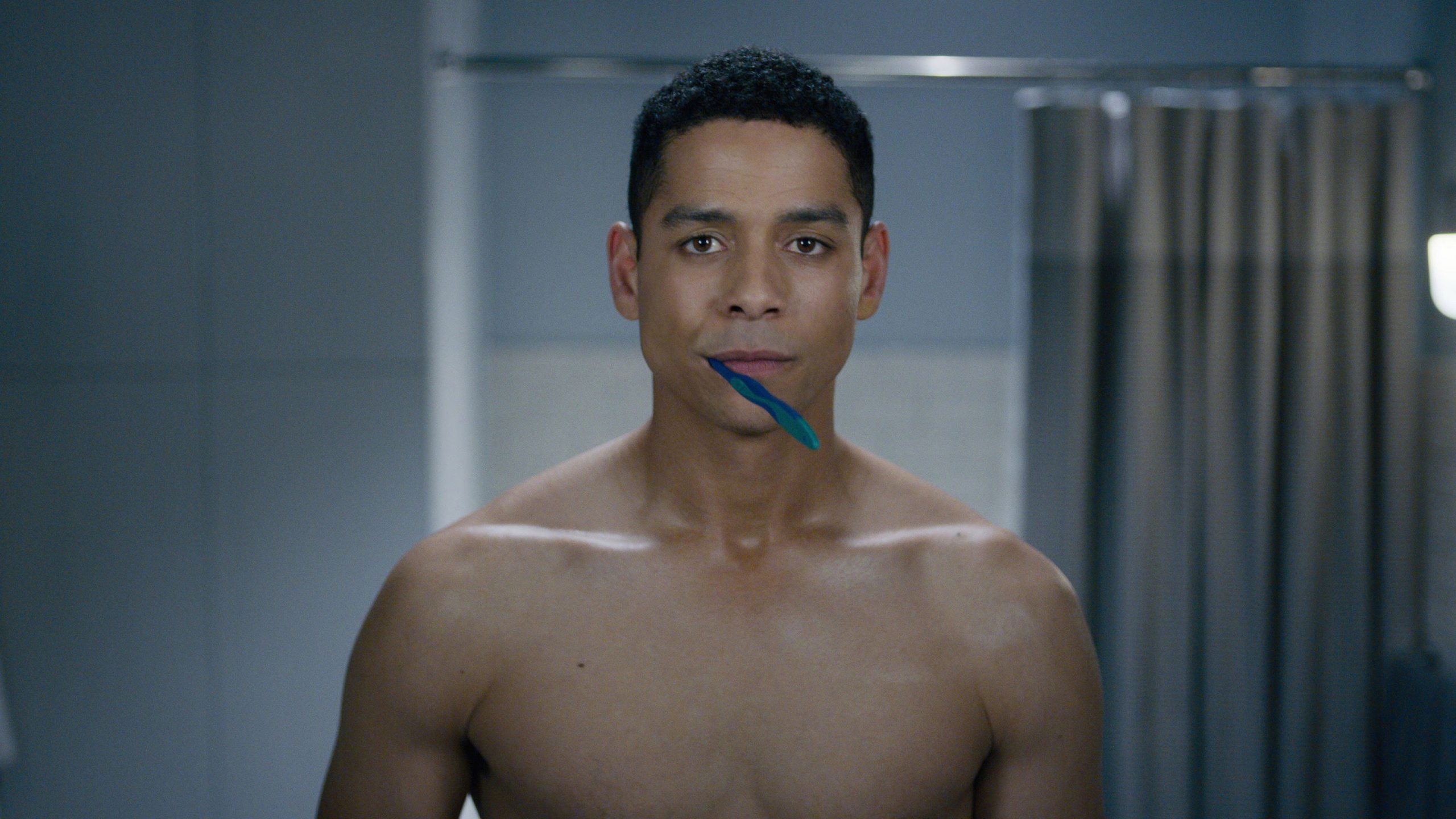
Then there is Charlie Barnett’s Alan Zaveri, a tidy, anxious man whose night is going as badly as Nadia’s, and whose arrival a third of the way in turns this into a double act. Barnett plays him with his shoulders up round his ears and his flat ordered to the inch, and the contrast with Lyonne’s mess gives the writers, among them Headland, Allison Silverman, Jocelyn Bioh and Alice Ju, something to push against. The two of them arguing about whose fault the universe is are the best scenes in the series.
The flaws are at the end. The eighth episode has to decide how much to explain, and its answer is more mystical than the seven before it led us to expect. A strand about the building’s history, and another about things going missing from the world, are raised and not quite settled. We minded less than we might have, because by then we cared about the two of them; a viewer who came for the puzzle may find the solution thinner. Headland, Lyonne, Jamie Babbit and Alexander Buono share the directing, and you would not know where one hands over to the next.
Most time-loop stories are about a man learning to be nicer. This one is about a woman learning to let anyone close enough to be nice to her, which is harder to write and sometimes harder to watch. A second season of seven episodes arrived on 20 April 2022; this review is of the first, which stands on its own. It carries an 18 certificate, mostly for Nadia’s mouth. Watch it in two sittings, with the lights on, and look nothing up in between.