Zaillian and Price’s eight-hour account of one arrest is patient, exact and superbly acted, with Riz Ahmed and John Turturro doing the best work in it. It drifts in the middle and treats its women carelessly, but it is worth the time.
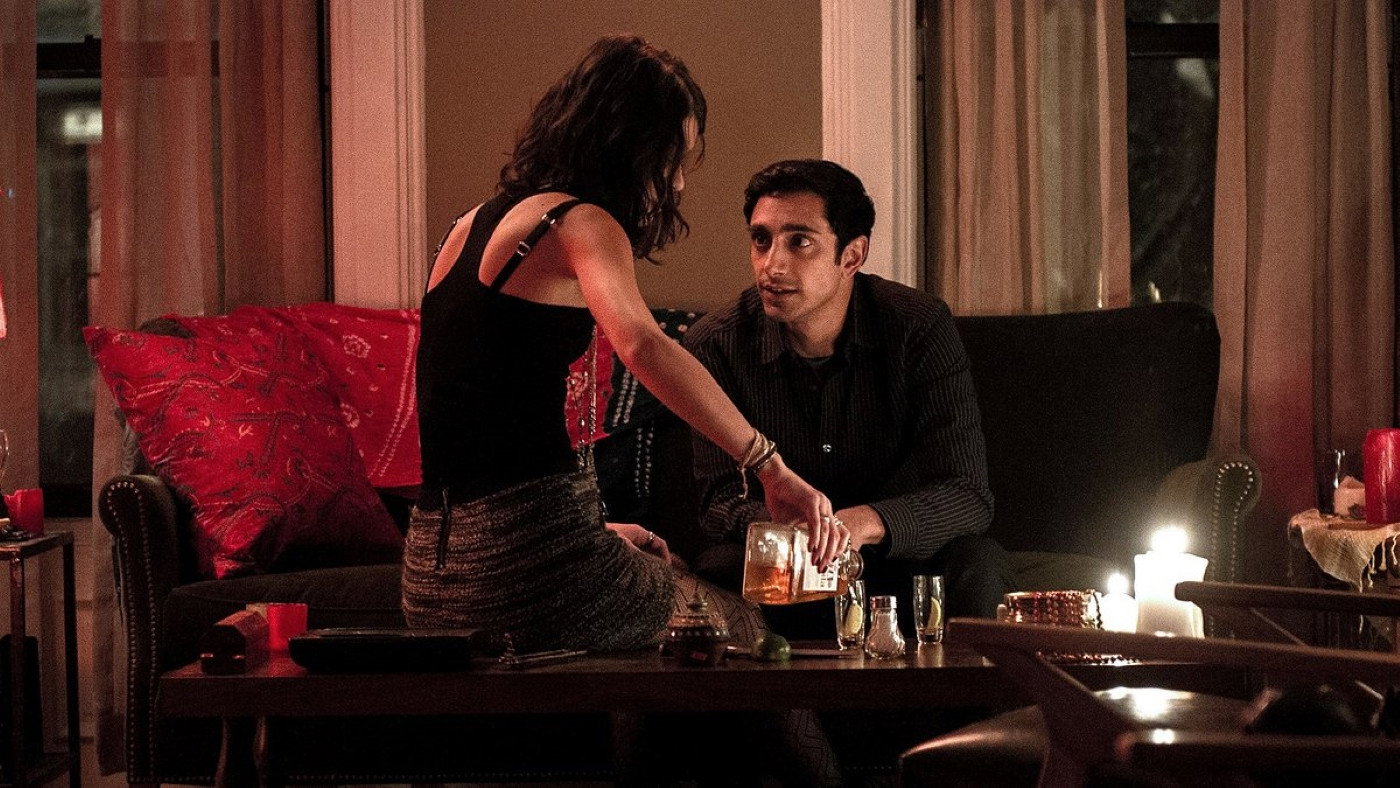
Nasir Khan (Riz Ahmed) is a college student in Queens who borrows his father’s taxi to get to a party in Manhattan. A young woman gets into the back seat, he does not have the heart to throw her out, and by morning she is dead and he is on the street with her blood on him. That is the first hour of The Night Of, and it is as tight an hour as the genre has managed. Steven Zaillian and Richard Price take the remaining seven to follow one arrest through the New York courts, and the result is a fine piece of work with two faults.
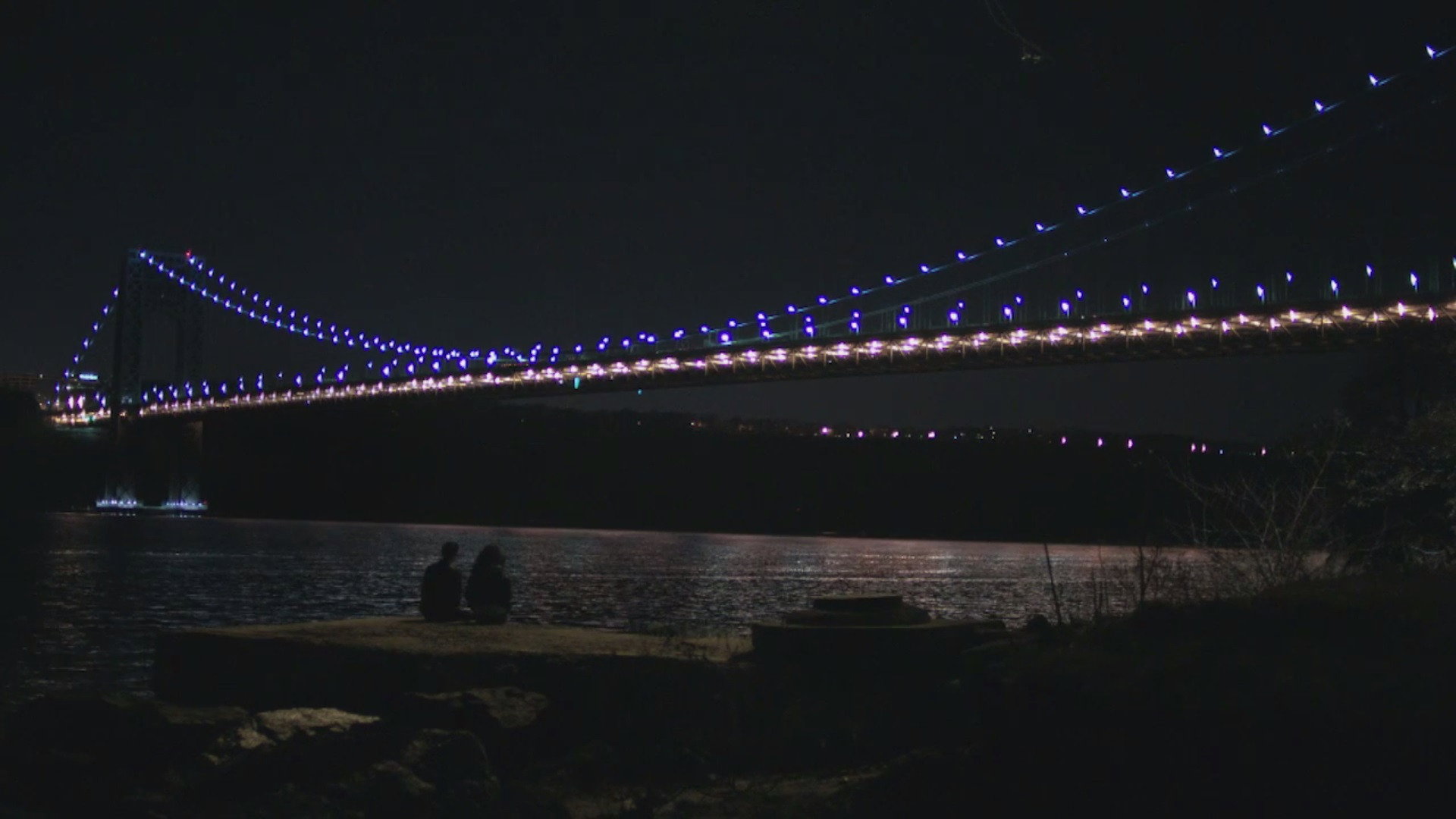
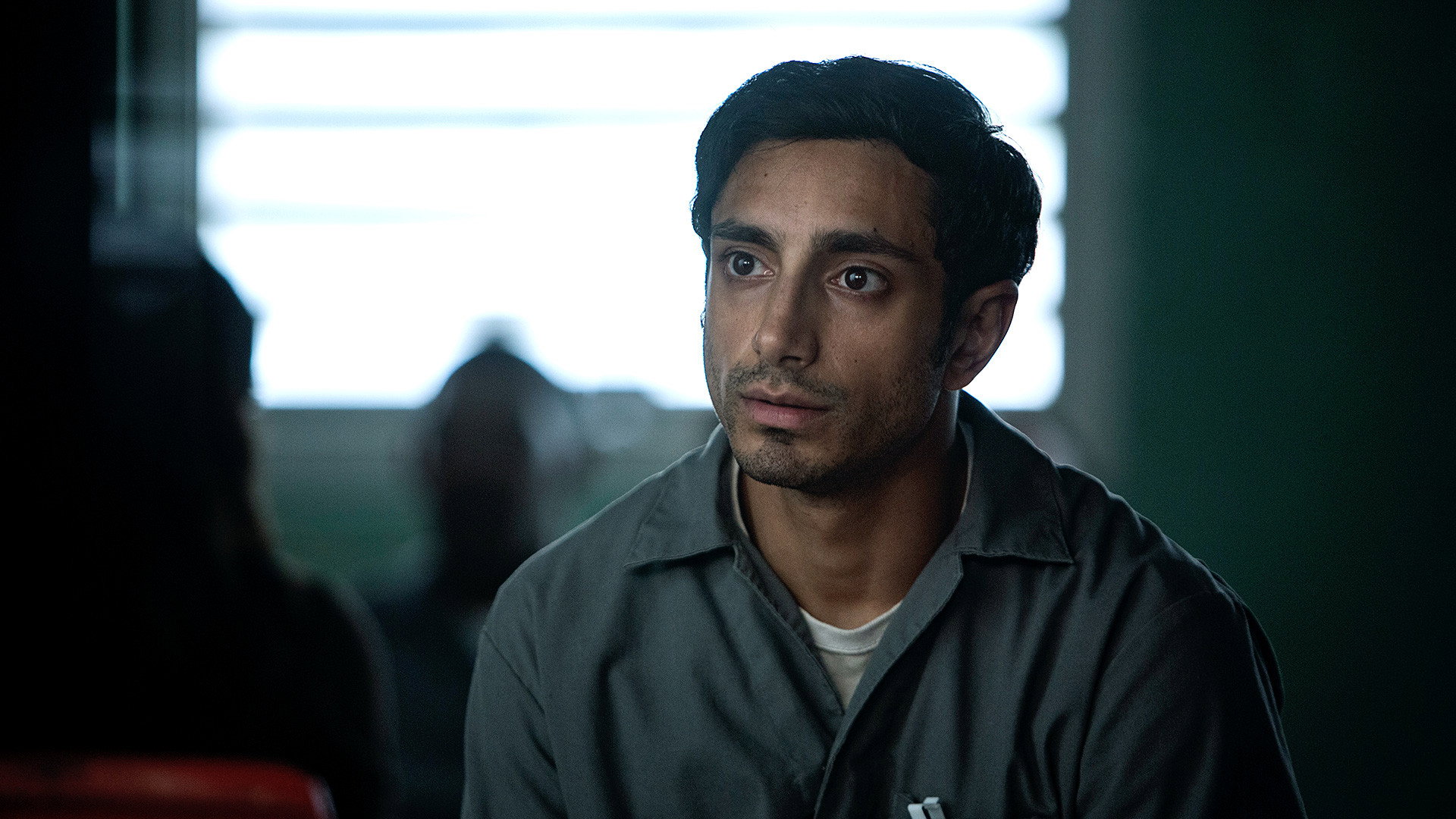
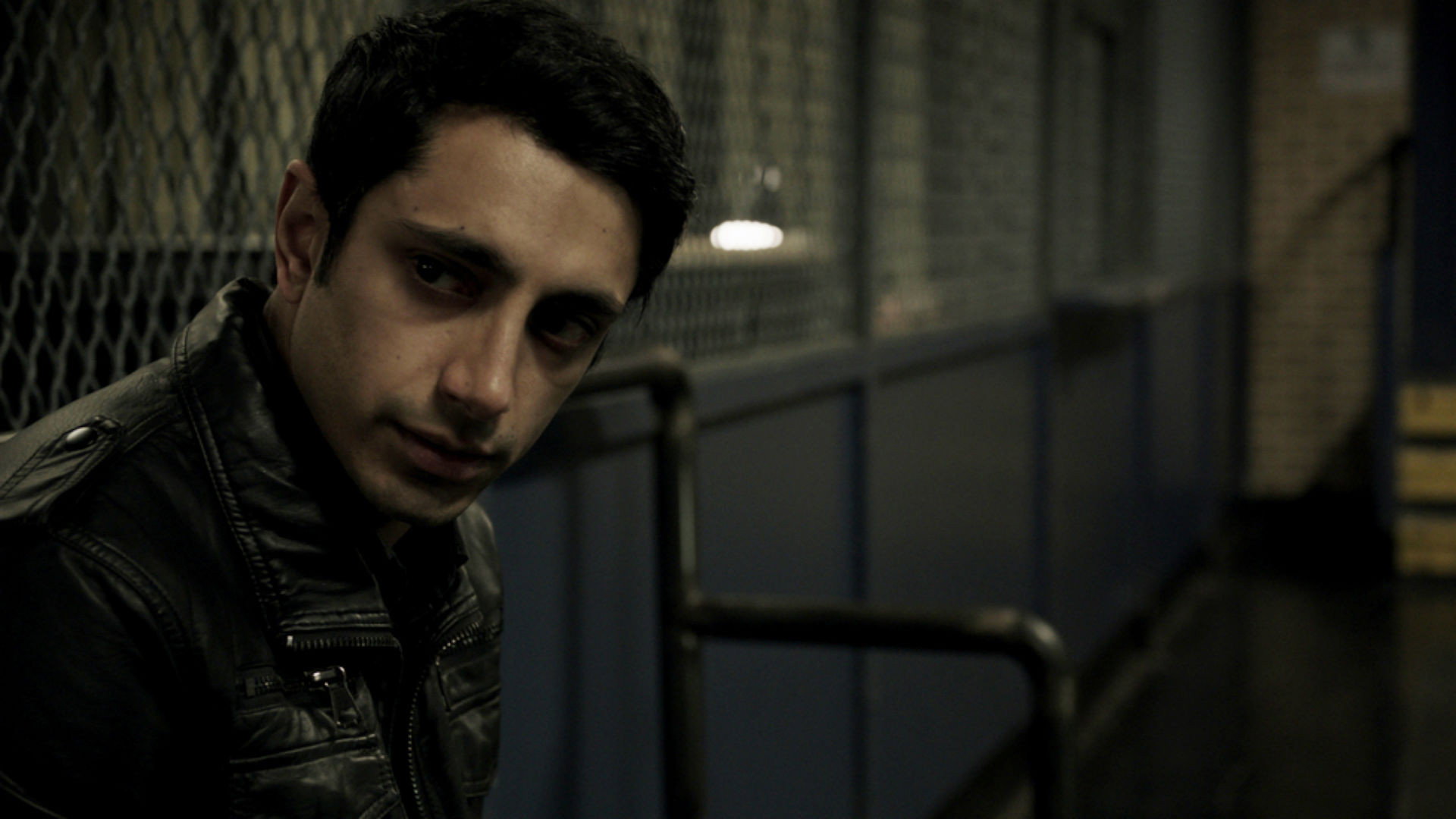
Zaillian directs the opening episode almost without music. Robert Elswit, Igor Martinović and Frederick Elmes share the cinematography and keep the night in sodium orange and the precinct in the grey-green of fluorescent tubes. Naz is picked up for a traffic offence, and for a long stretch we watch the police fail to connect the boy on the bench with the call on the radio. When the search turns up the knife in his jacket, we felt sick. Not surprised, because we had seen him take it, but sick, because Ahmed plays it as someone who has only just understood that the night is not over.
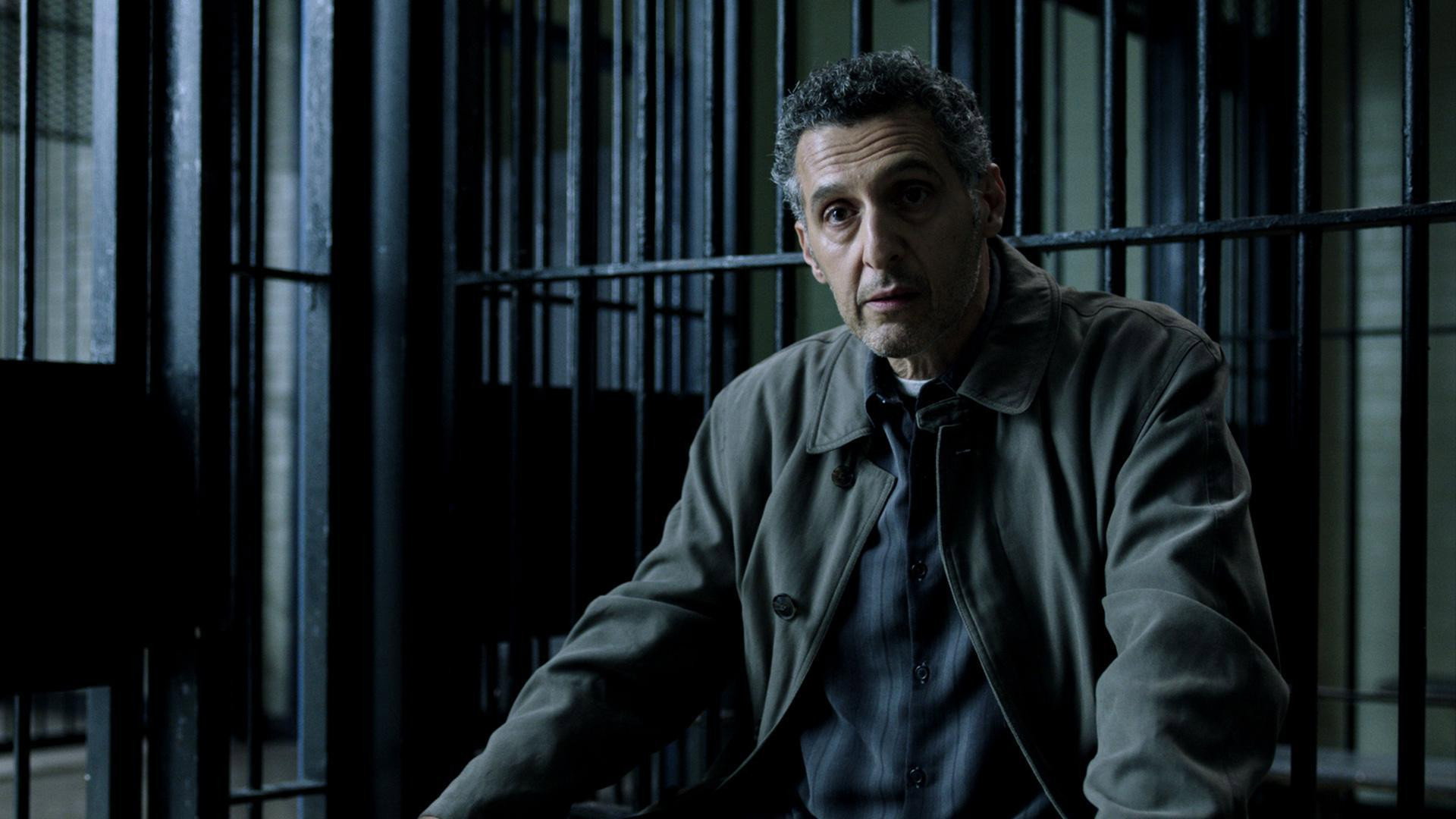
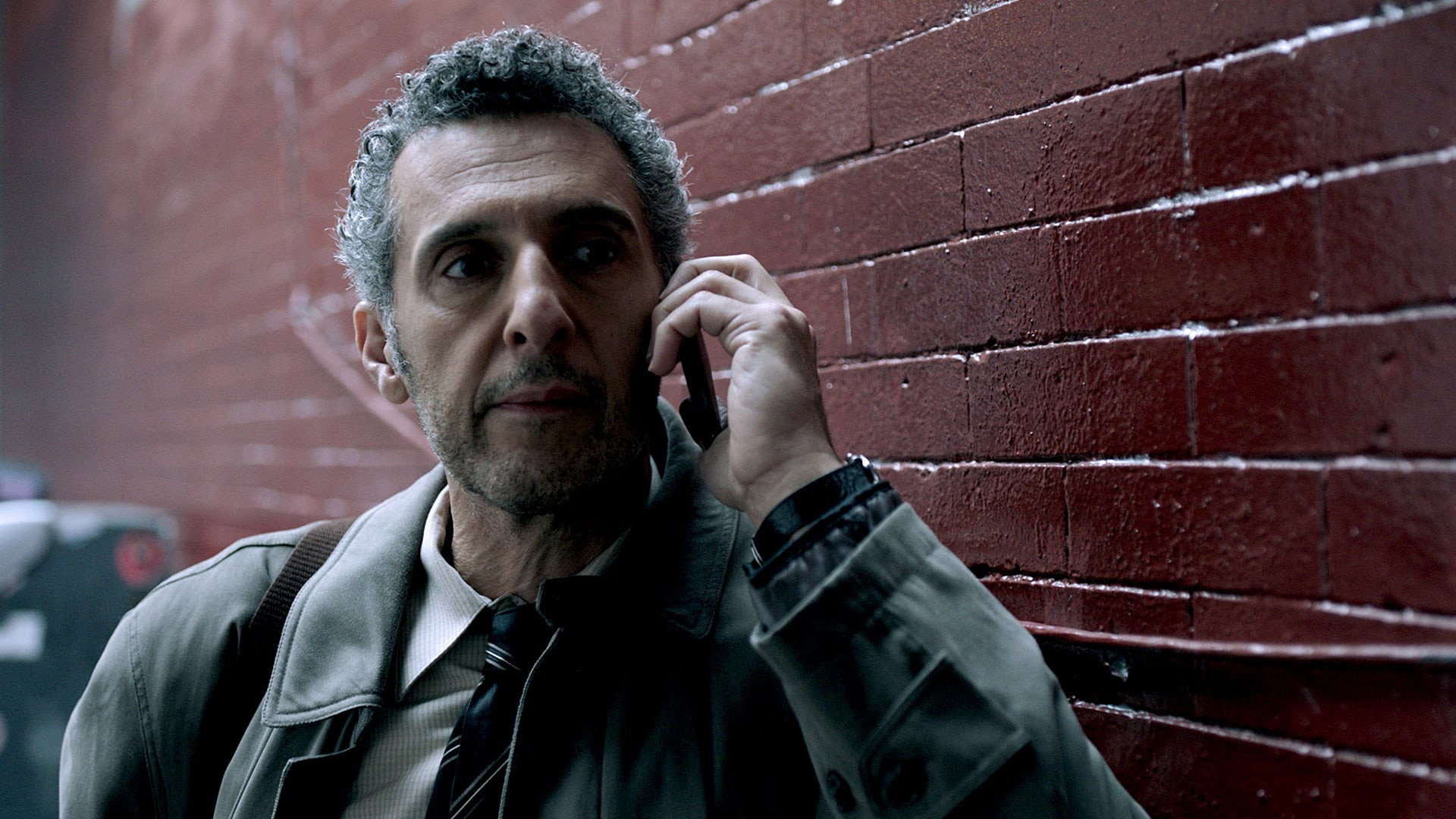
John Turturro plays John Stone, the lawyer who is in the precinct when Naz is brought in and takes the case because it is there. Stone has eczema so bad he wears sandals in winter. Price and Zaillian give the condition as much screen time as the murder, and they are right to: it tells us Stone is a man who has stopped expecting to be looked at. Turturro underplays it and is funnier and sadder than the part required. Bill Camp is as good as Dennis Box, the detective close to retirement who does his job quietly and is troubled, not much, by the thought that he may be doing it to the wrong man.
Payman Maadi and Poorna Jagannathan play Naz’s parents, Salim and Safar, and their scenes are the ones that got past our guard. The taxi is impounded, and Maadi plays the humiliation of asking the police for his own car back with a patience that is hard to watch. Jeannie Berlin, as the prosecutor Helen Weiss, gets the driest lines and delivers them as if she has said them in a hundred courtrooms. Ahmed holds it together. Naz is sent to Rikers Island and comes back from each visit a slightly different man, and Ahmed changes him by degrees, in the shoulders and the eyes, until we could no longer say what he had or had not done. We are not going to say either.
Now the faults. Eight hours is a long time for one arrest, and the middle episodes drift, with Stone’s feet and the prison corridors standing in for plot. Nick Houy and Jay Cassidy cut the courtroom passages cleanly, but around the fifth hour we found ourselves checking how many were left. The women are the other problem. The victim is a body and a set of clues. Amara Karan’s Chandra, the junior lawyer who does most of the work of the defence, is written with care for six hours and then handed a decision we did not believe and will not describe. The series is scrupulous about its Pakistani-American family and careless about half its cast.
It is adapted from the BBC series Criminal Justice. What Price and Zaillian add is New York in detail: the taxi garage, the evidence room, the way a case moves through a courthouse as paperwork long before it moves as story. James Marsh directs an episode and you would not know which. Jeff Russo’s score is low strings and a nagging figure and stays out of the way. The reviews so far have been warm and we share most of that.
Watch it across a week rather than a weekend. It was made as eight hours and it breathes better with gaps between them. The first episode alone would be worth your evening. The rest is worth it too, most of the time.