Federico Fellini’s Amarcord is funny, tender and generous towards people who can be exhausting company. The crowded town scenes and Nino Rota’s music make its wandering worthwhile, though the jokes about women grow tiresome.
Amarcord is an affectionate comedy about a community whose members all seem convinced that their business should concern everybody else. Federico Fellini makes their company worth keeping, even when the anecdotes run long and the sexual jokes repeat themselves. Written by Federico Fellini and Tonino Guerra, it follows memories and fantasies through small-town life, with little interest in keeping one person at the centre. The film asks us to enjoy the interruptions, and usually gives us good reason to.
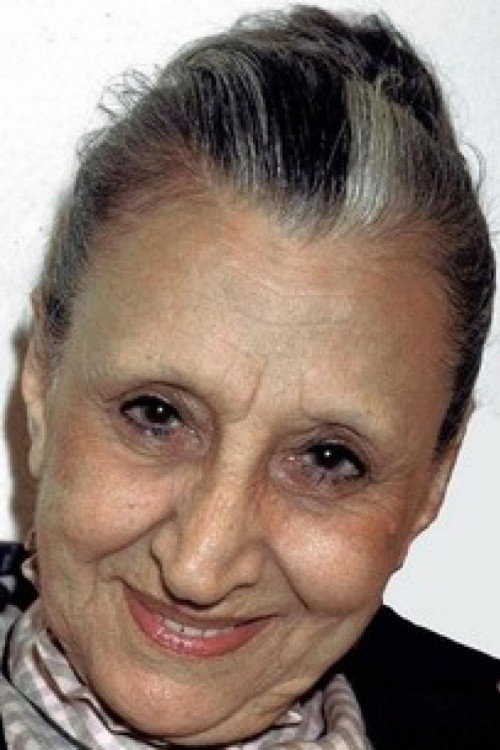
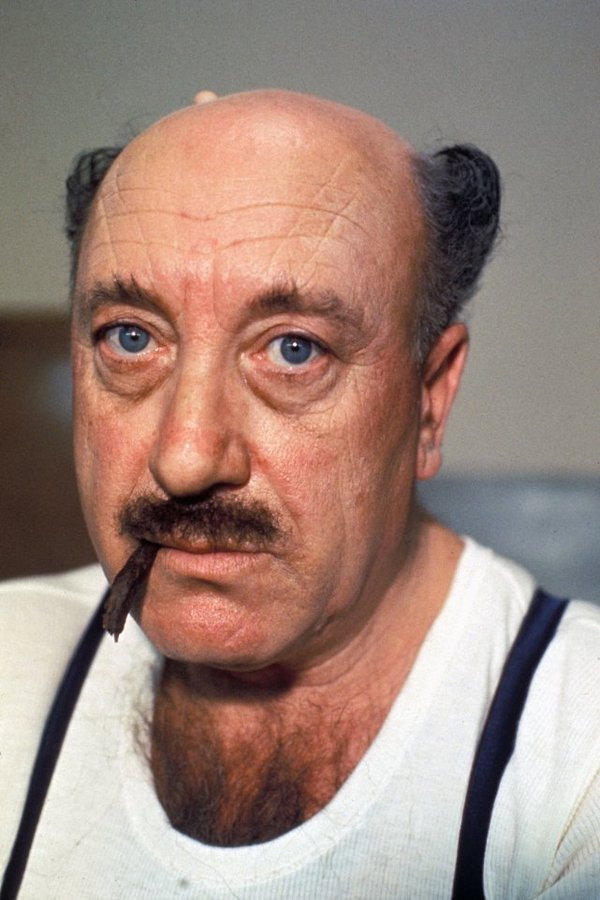
The setting is a small Italian coastal town in the 1930s, with Titta Biondi, played by Bruno Zanin, among the people through whom we come to know it. Youthful pranks and sexual fantasies sit alongside the clamour of family life. Pupella Maggio as Miranda Biondi and Armando Brancia as Aurelio Biondi help make that clamour funny, because neither seems to regard being ignored as a reasonable possibility. The scale of the acting belongs to people accustomed to making themselves heard.
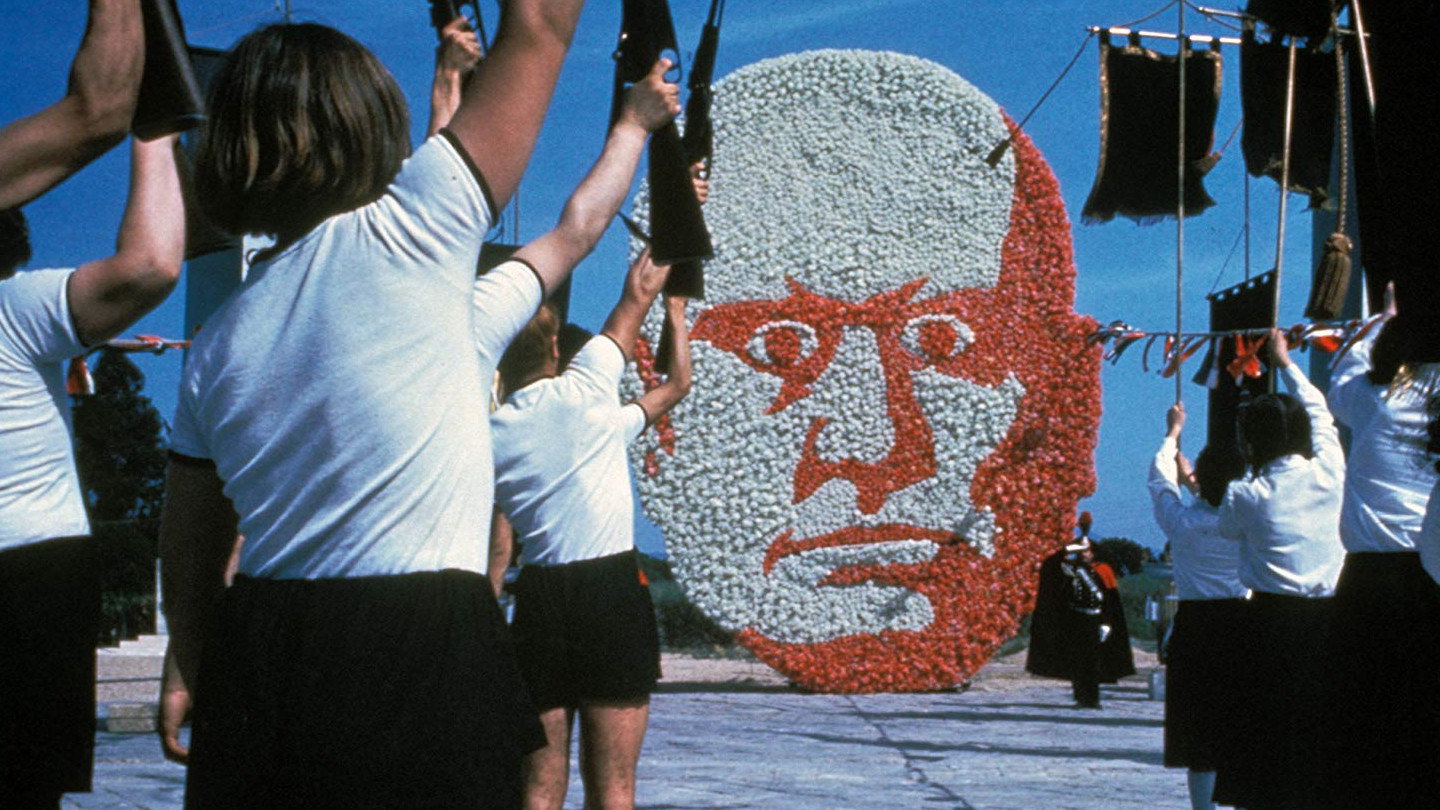
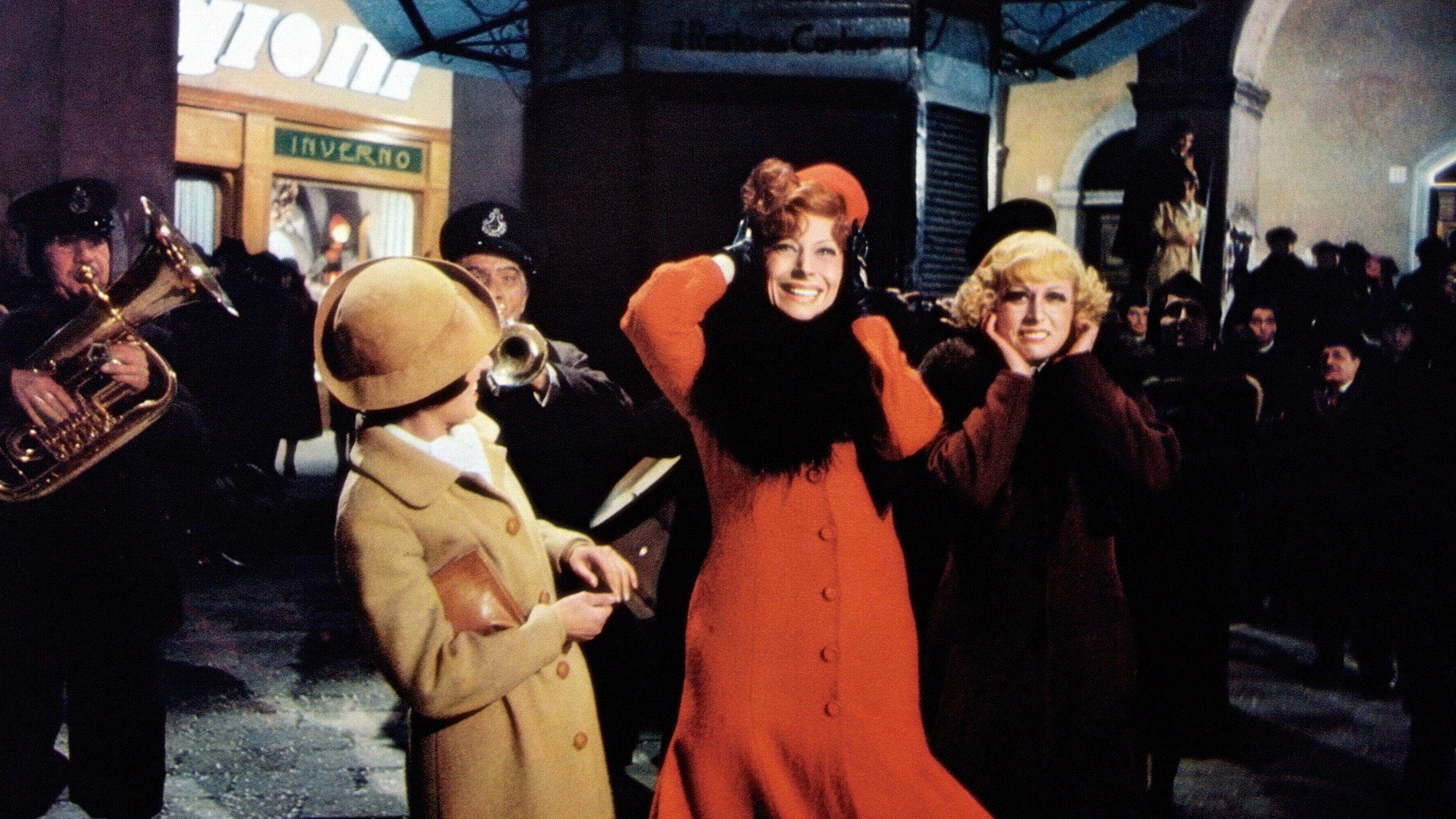
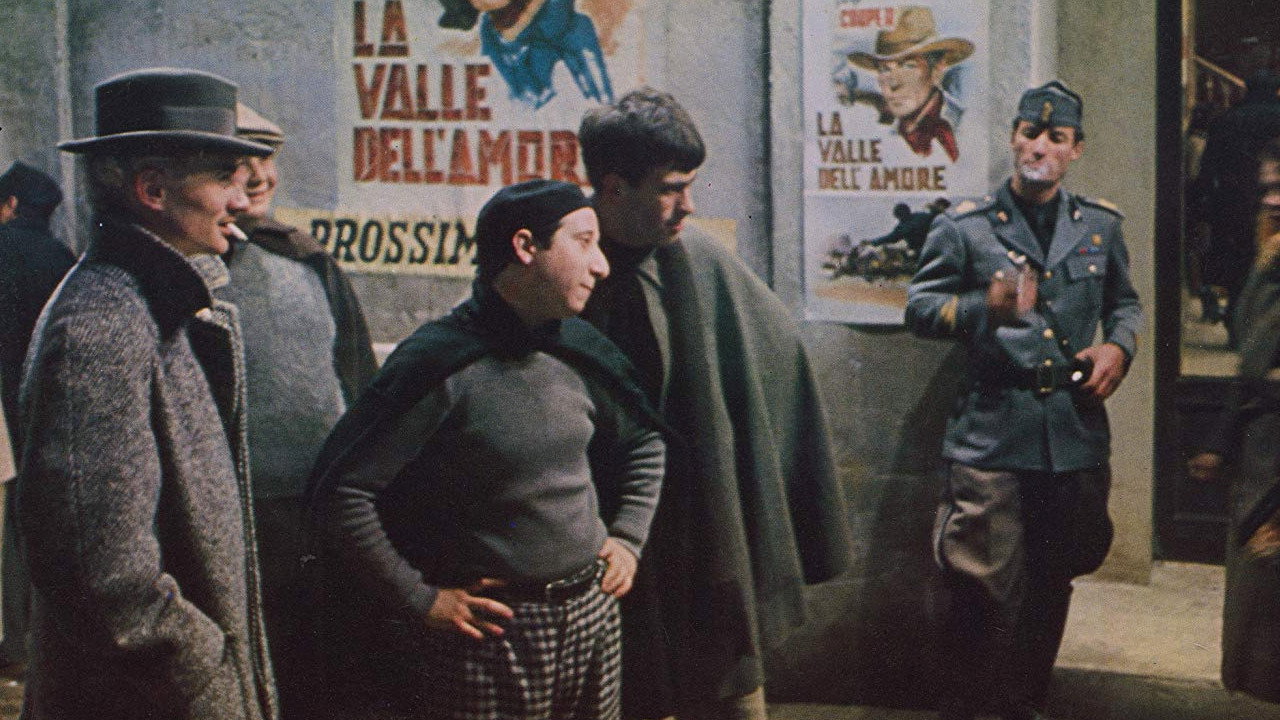
Giuseppe Rotunno’s cinematography is especially effective when the inhabitants gather in public: our attention can wander among them without losing the pleasure of the whole scene. There is space for several kinds of foolishness at once. Danilo Donati’s production design makes the town feel like a place recalled years later, with its oddities made more conspicuous. That exaggeration suits the broad performances, and the town remains recognisable as somewhere people have to live together.
We laughed at the public gatherings, where everyone seems to be trying to claim a little more attention than their neighbours. The crowd scenes are funnier than the isolated comic sketches because the vanity keeps finding fresh faces. Yet the 1930s setting, under fascism, makes the town’s appetite for display uncomfortable. Federico Fellini allows its political ugliness to share space with its comedy, and the fondness for these people does not require us to approve of everything they do.
Ruggero Mastroianni’s editing lets the episodes take their time, sometimes beyond the point at which a joke has done its work. Across 123 minutes, the wandering becomes part of the pleasure, but there are stretches when another anecdote feels like one too many. Nino Rota’s music is more economical in its effect, finding sadness beneath the comedy without turning every pause into an appeal for sympathy. It helps the changes of mood feel natural even when the episodes themselves are uneven.
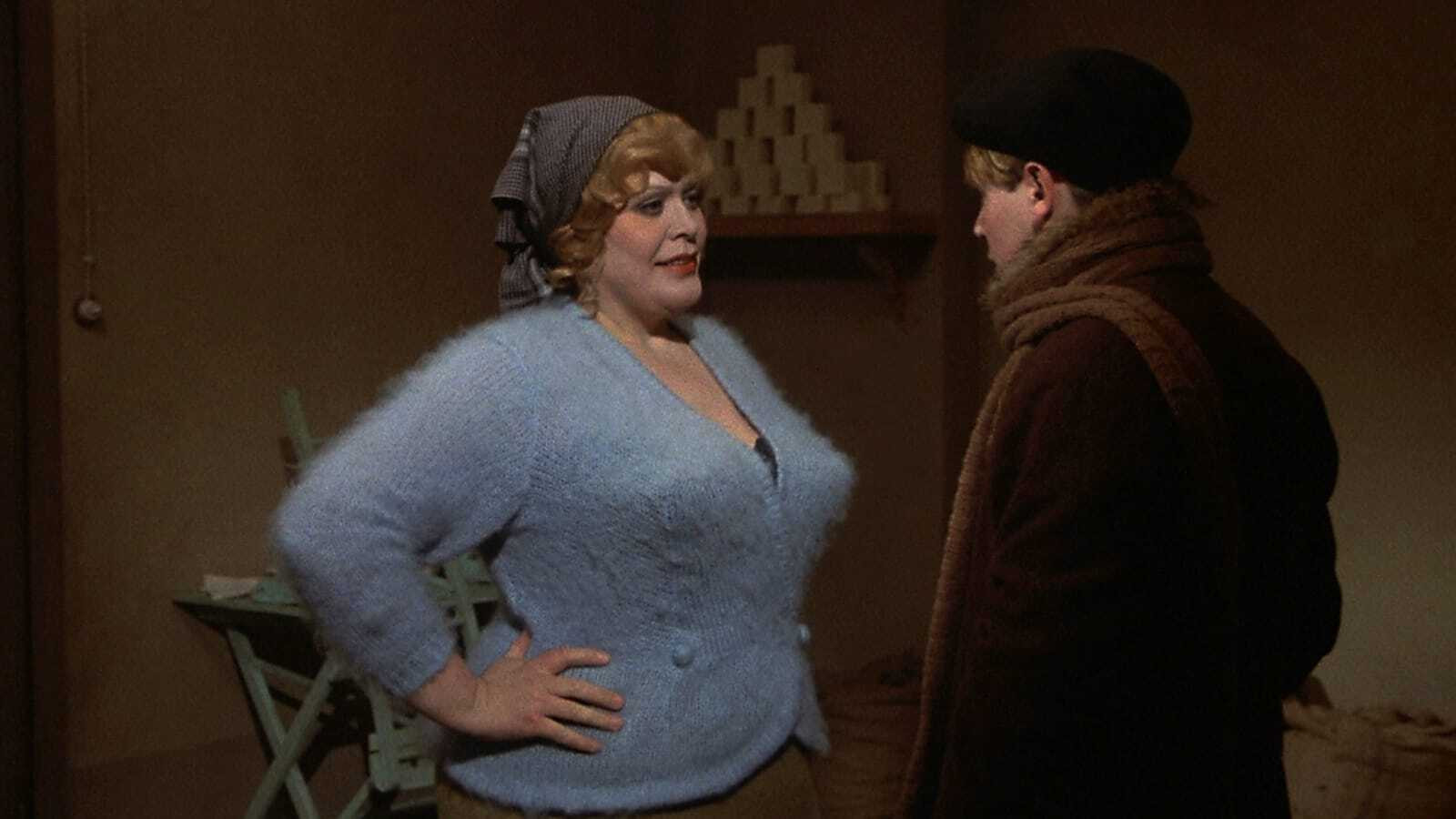
The women are a more persistent limitation. Magali Noël’s Gradisca is warmly played, and the performance makes us wish the film spent more time considering the women outside the boys’ fantasies. The repeated attention to women’s bodies can leave their personalities underexamined. Those jokes are tiring, and the affection that serves the family scenes so well cannot make every adolescent fixation interesting.
As a film about growing up, Amarcord is unusually willing to let the surrounding adults take over. Its interest in the neighbours and relatives makes room for irritation as well as fondness, which keeps the nostalgia from becoming too cosy. This is an evening for watching people, with no guarantee that the next person will be more agreeable than the last. Choose it when nobody is waiting for the plot to get on with things.