Michael Keaton makes this backstage comedy funny and unexpectedly painful. We recommend it for the performances and the restless camerawork, with a caveat: the screenplay explains its ideas about fame too insistently.
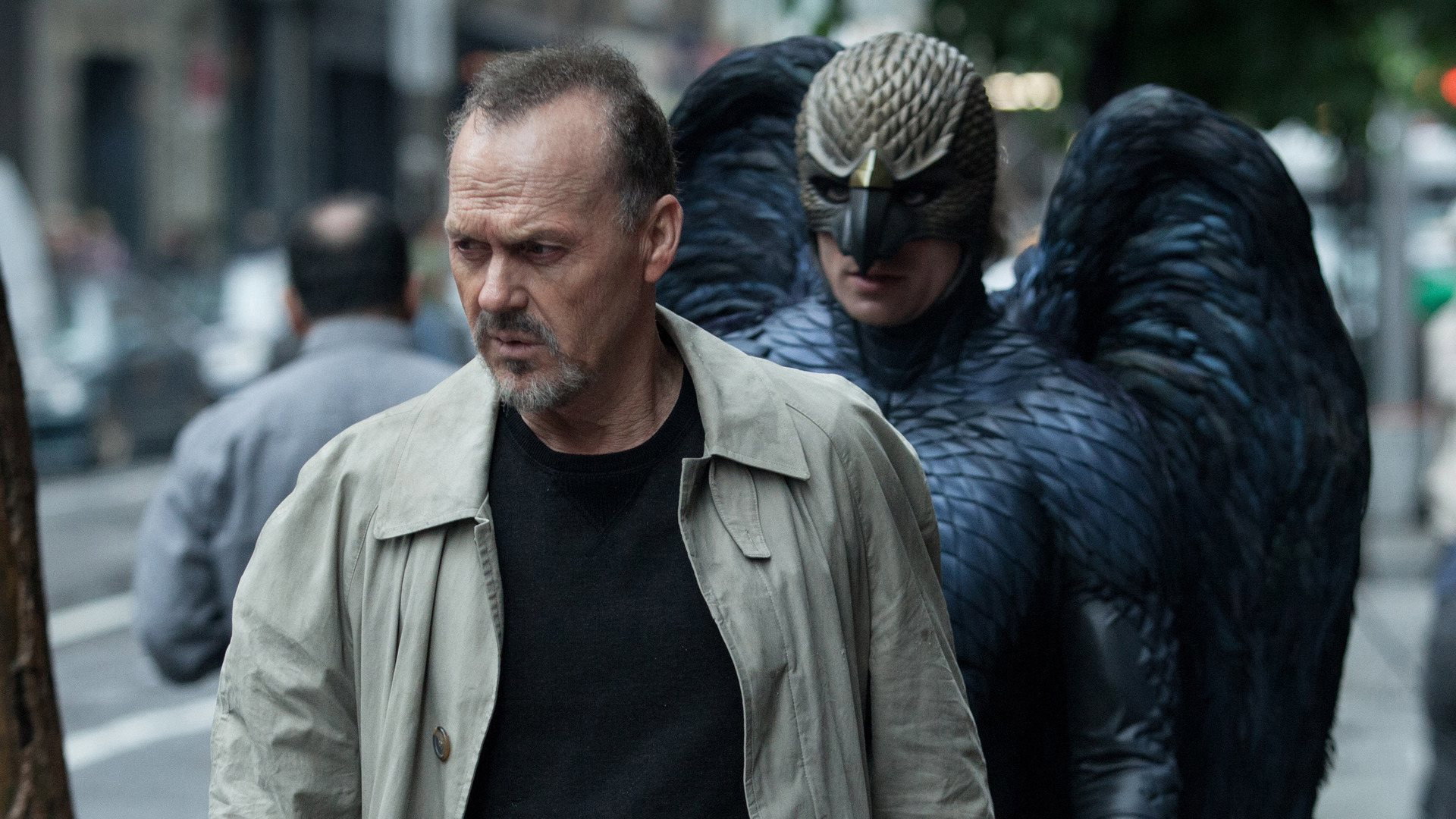
Birdman or (The Unexpected Virtue of Ignorance) is a funny, absorbing backstage comedy that occasionally explains what the actors have already made clear. Alejandro G. Iñárritu follows Riggan, a fading film star mounting a Broadway play, and takes his need to matter seriously enough to make it uncomfortable. The play offers him a chance to restart his career. It also gives his vanity plenty of work to do. We recommend the film for its performances and the sustained pressure of its staging, with reservations about its blunt account of fame.
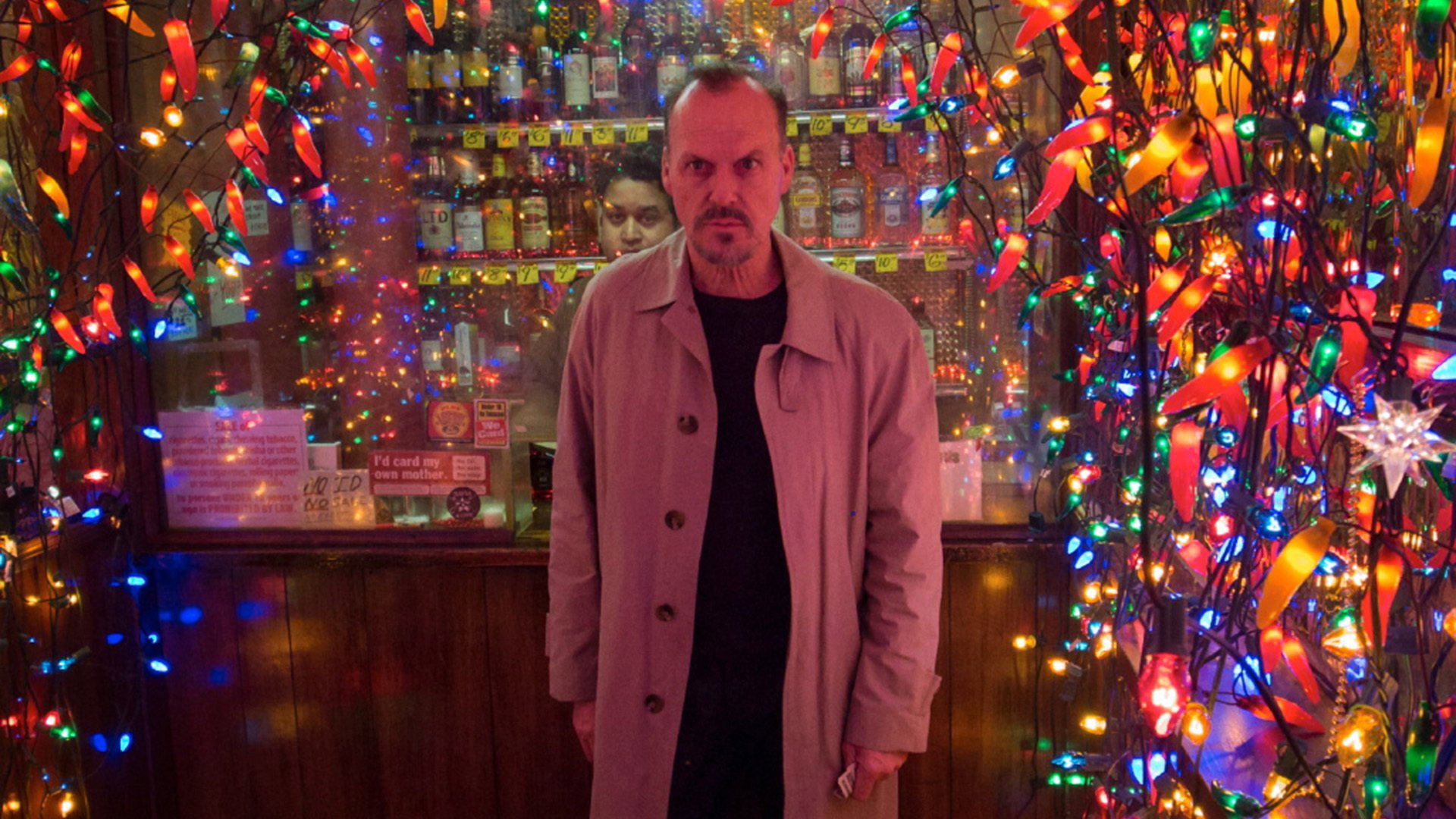
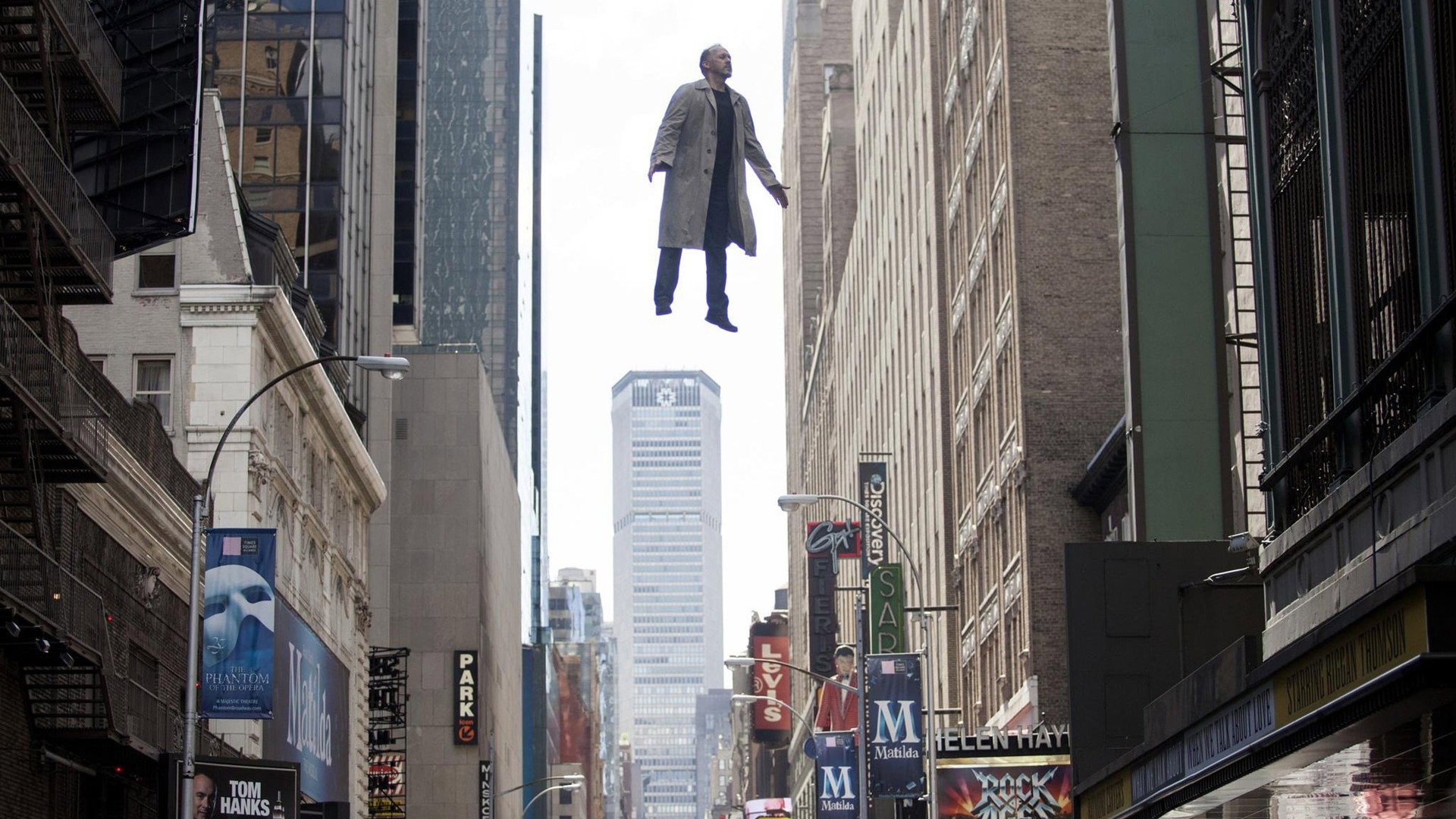
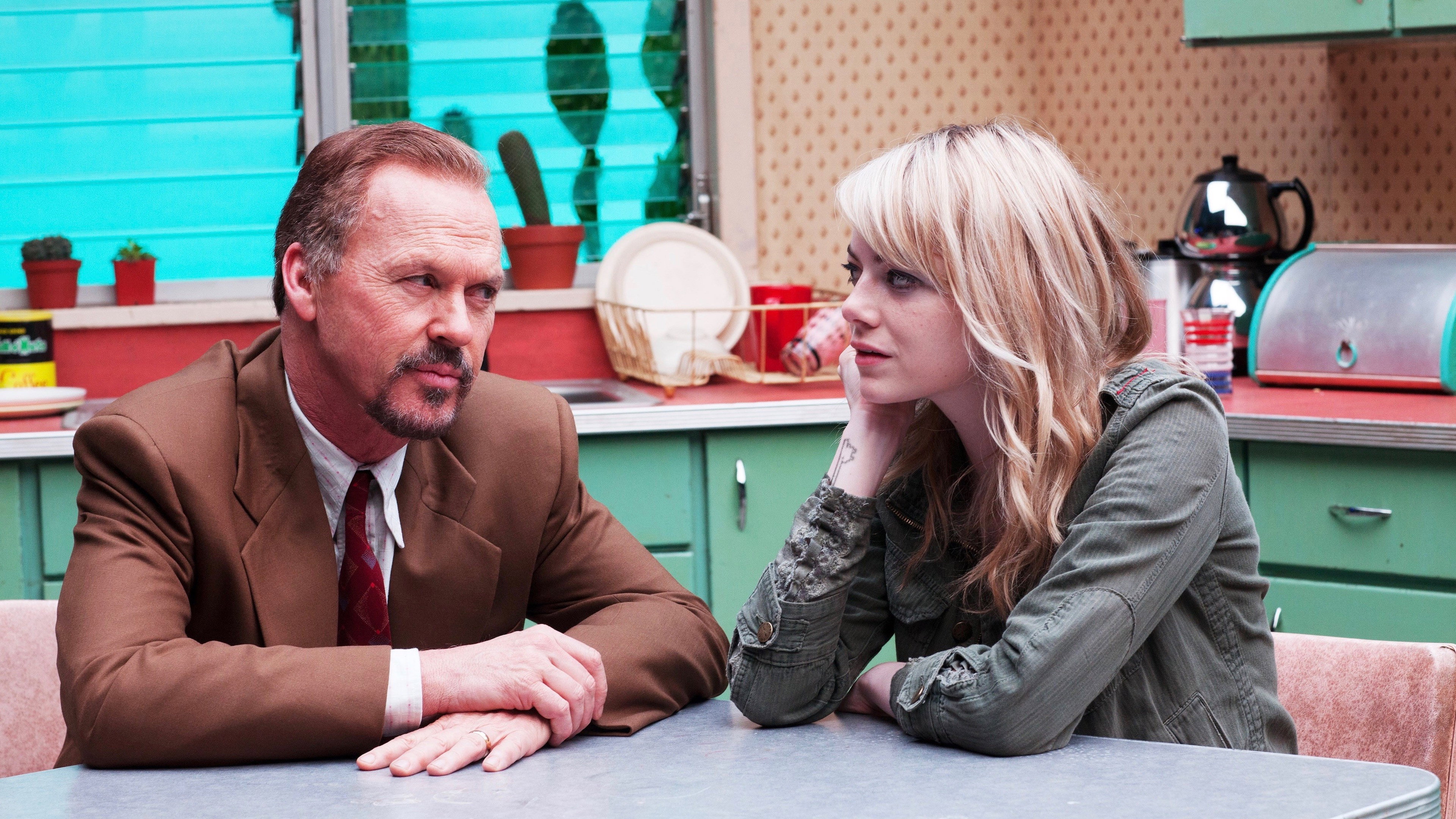
Michael Keaton makes Riggan’s self-absorption both funny and difficult to dismiss. There is something exhausting about a man who needs his work to prove his worth, and Keaton does not try to make that need attractive. Riggan’s self-pity moved us more than we expected. Keaton makes the craving for attention look so helpless that it becomes painful to watch. His performance keeps the professional crisis believable, even when the film’s mixture of fantasy and reality threatens to make everything about Riggan seem momentous.
Emmanuel Lubezki’s cinematography is the chief reason the theatre setting never feels like a restriction. The apparent single take keeps us close to the business of putting on the play, with little opportunity to stand back and take a calmer view. Editors Douglas Crise and Stephen Mirrione sustain that impression of continuous movement; their work is effective precisely because we are not encouraged to notice individual cuts. The effect is tiring in a useful way, making Riggan’s professional and personal troubles feel as though they have to be dealt with at once.
Kevin Thompson’s production design makes the theatre convincing as a workplace. That ordinary setting is useful when Riggan’s experience slips into fantasy: there is still a play to put on, regardless of what is going on in his head. Antonio Sánchez’s jazz score supplies another source of agitation, its restless energy keeping the comedy alert. The music and the moving camera do occasionally seem to be competing, but their insistence suits a man who cannot leave himself alone.
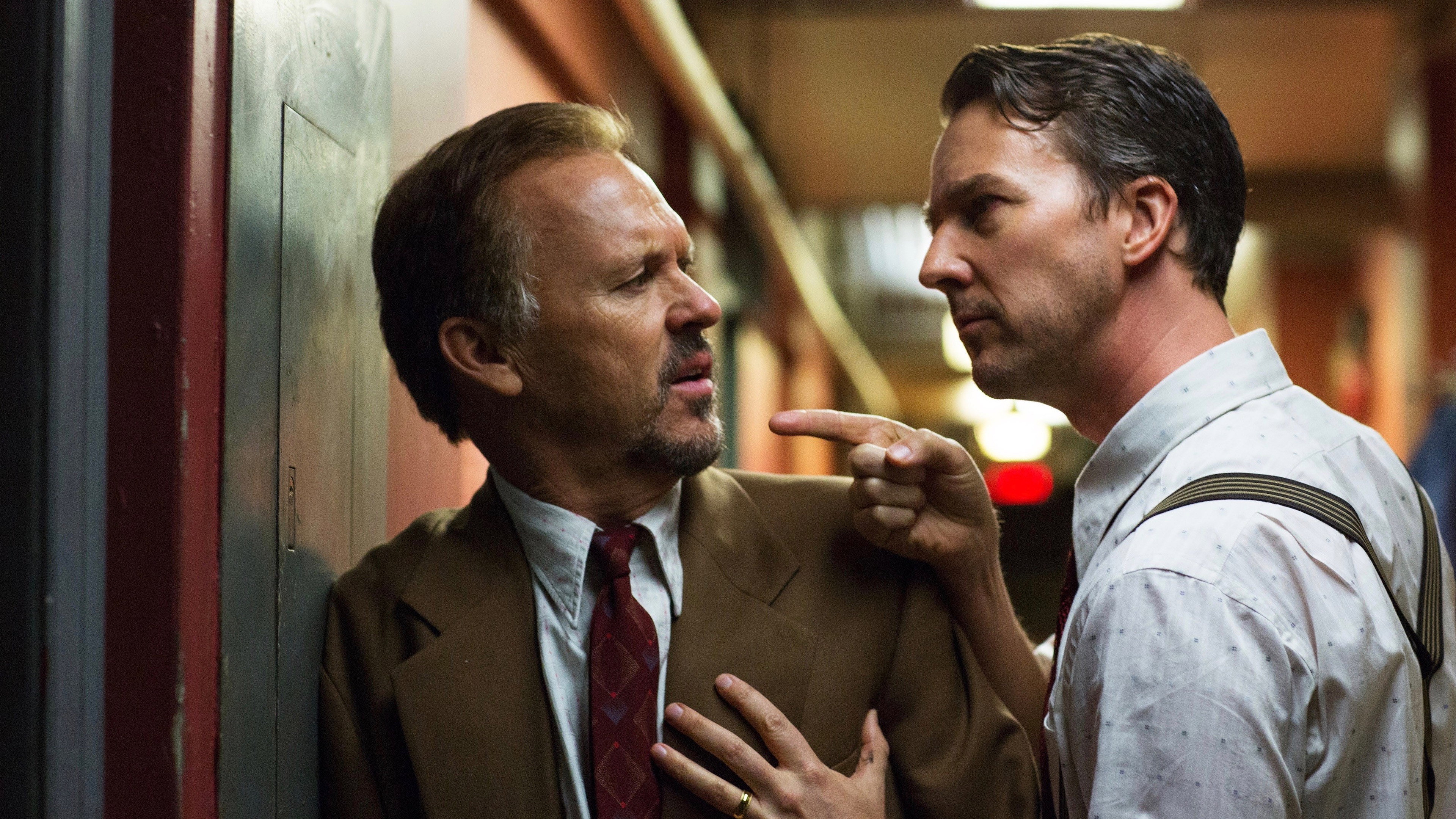
Edward Norton and Emma Stone give the film welcome resistance to Keaton’s dominance, without making the supporting cast feel like a collection of interruptions. Norton is especially valuable to the comedy’s abrasive mood. Stone helps the personal strain register alongside the professional panic. For a film so concerned with one man’s ego, it is surprisingly enjoyable as an ensemble piece, and Iñárritu deserves credit for letting the other performers count.
The writing is less consistently persuasive. Alexander Dinelaris, Nicolás Giacobone, Armando Bo and Iñárritu too often underline observations about celebrity that the performances have already delivered. The film’s account of theatre criticism feels written to confirm an actor’s worst suspicions, a convenient way of avoiding any serious examination of them. The familiar complaints about fame are less interesting than the awkwardness Keaton brings to wanting it. These passages do not stop the film being funny, but they make it sound more certain of its wisdom than we are.
Backstage comedy needs us to care about the work while seeing how ridiculous the workers can be, and Birdman largely gets that right. Its technical effort produces real bustle and anxiety, while Keaton keeps the craving for approval painfully recognisable. At 120 minutes, it asks for a sustained appetite for other people’s professional distress. See it for the actors, and be prepared for the screenplay to explain why their troubles matter.