Black Hawk Down is gripping when Ridley Scott concentrates on soldiers trying to survive under fire. Thin characterisation and scant attention to Somali lives are serious limitations, even when the combat filmmaking holds us.
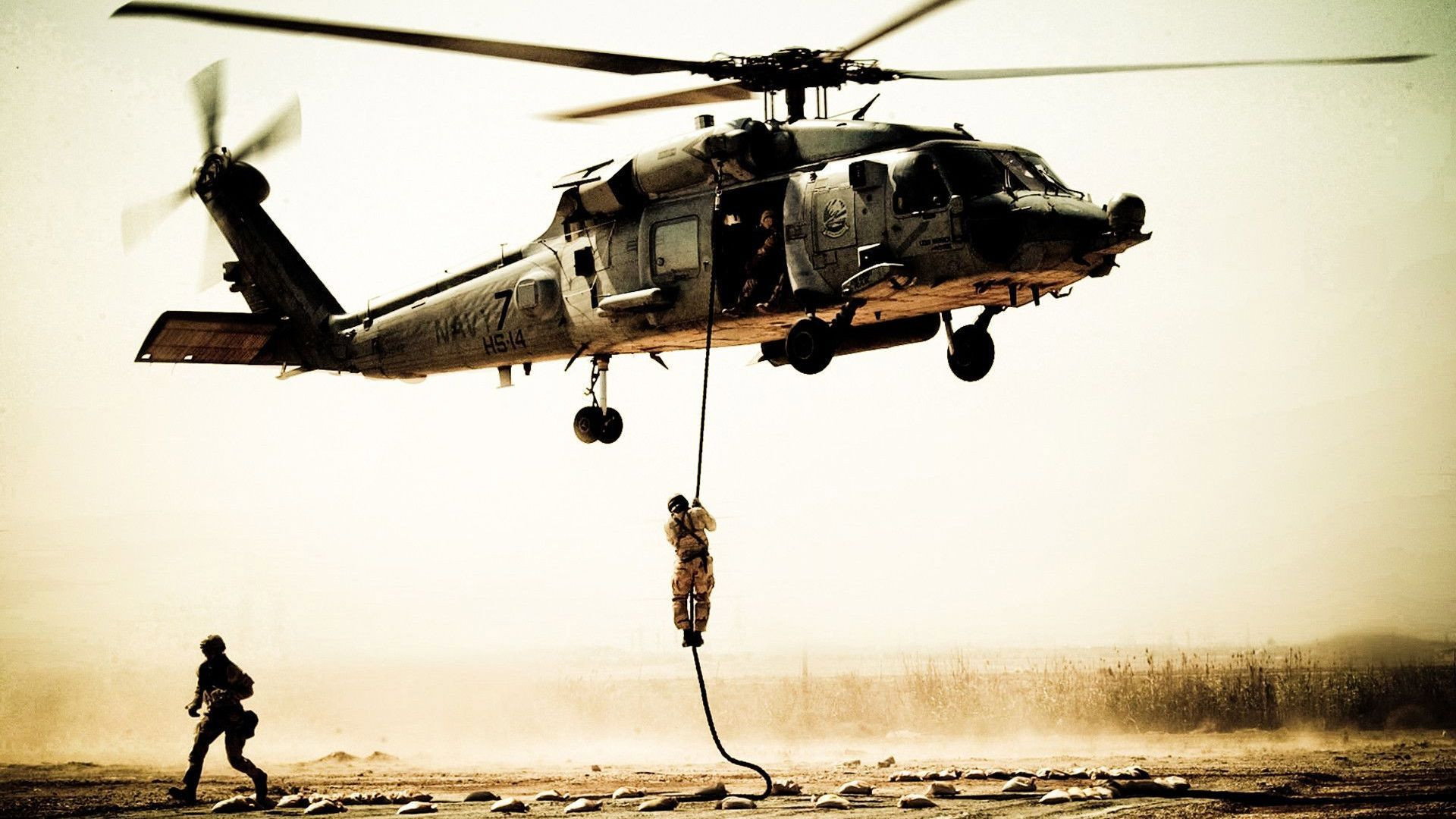
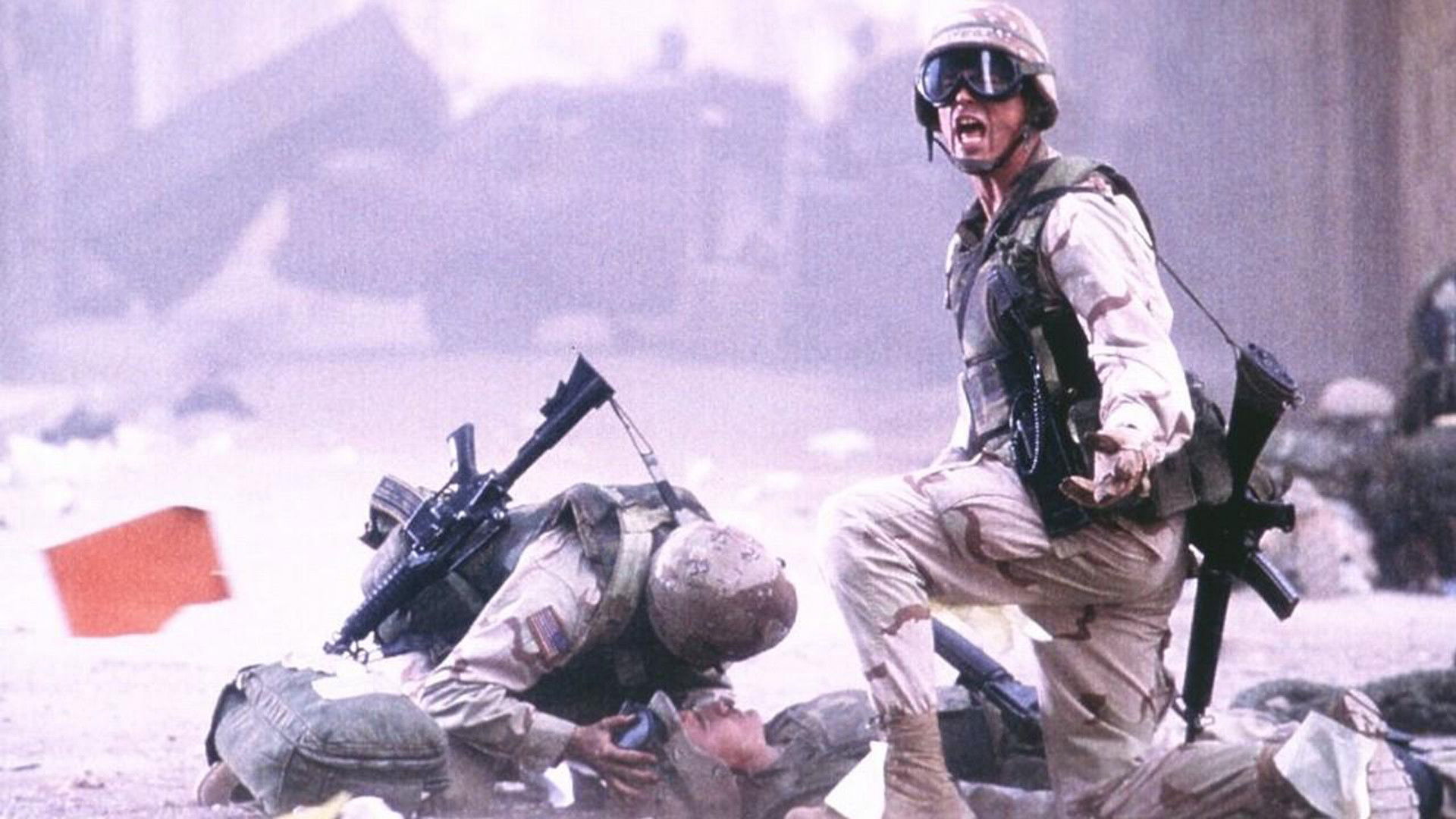
Ridley Scott’s Black Hawk Down is worth seeing for the handling of combat, provided we accept how little it explains about the war. Scott concentrates on American soldiers trying to survive a military operation in Somalia, and makes the practical difficulties of that task absorbing. Getting men through the fighting takes precedence over giving them much of a life beyond it. That narrow focus brings force and clarity to the action, but it also sets limits that Ken Nolan’s screenplay makes little effort to overcome.
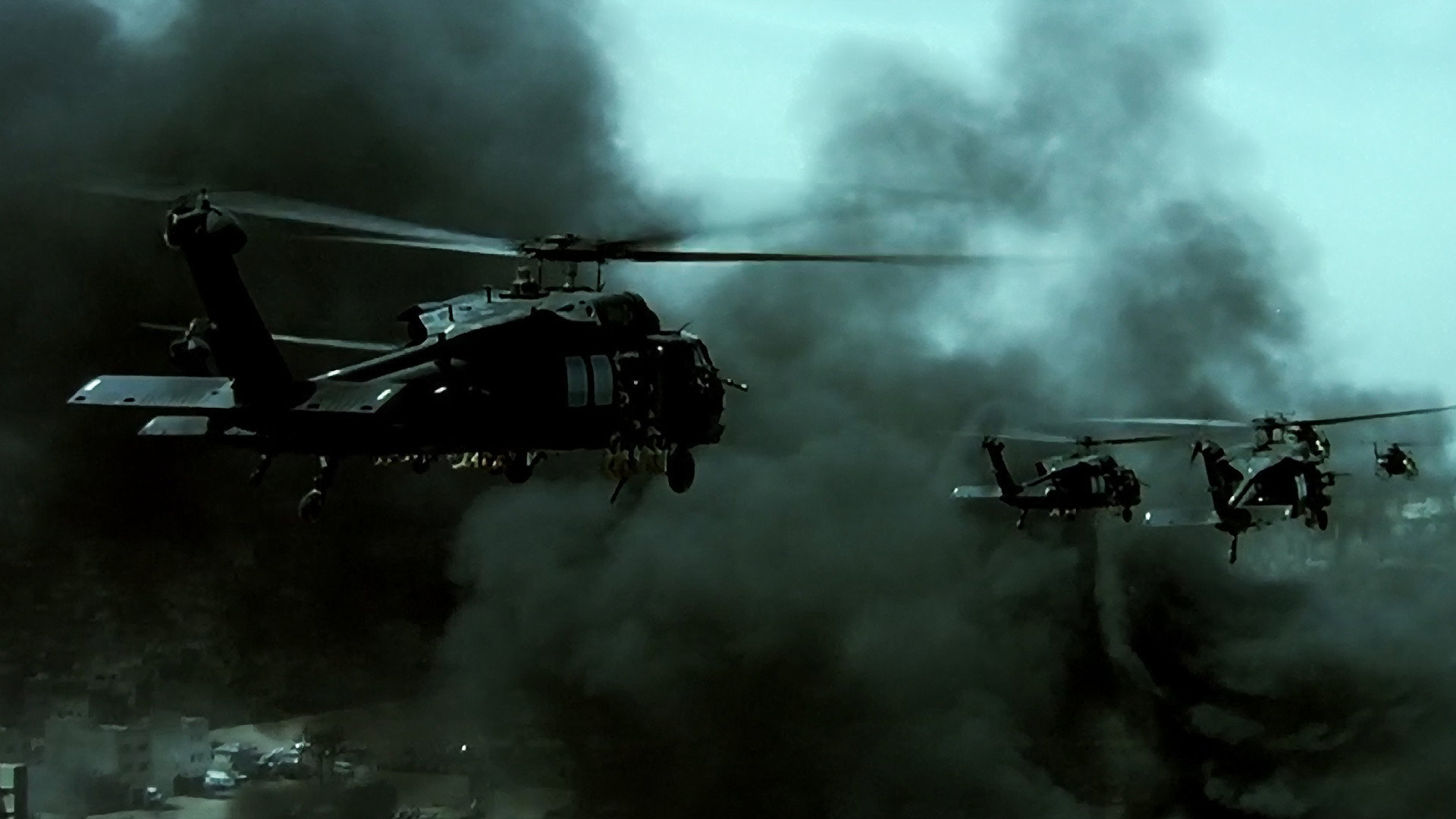
Sławomir Idziak’s colour work is aggressive, and the crowded combat images demand constant attention. Yet we can usually work out what the men are trying to do and what prevents them from doing it. Pietro Scalia’s editing preserves that immediate clarity even when the operation itself is confused. We were frightened by the sustained gunfire, because the cutting keeps returning us to men still having to function inside it. The film gives us enough time to register the difficulty of a task before adding another threat.
Production designer Arthur Max makes the streets feel difficult to cross and harder still to get out of. The physical surroundings help us understand why moving men through the battle takes so much effort. Hans Zimmer’s score is effective at giving the fighting an emotional weight that the sparse characterisation cannot always supply. That support matters when so much of our attention is occupied by the next immediate danger.
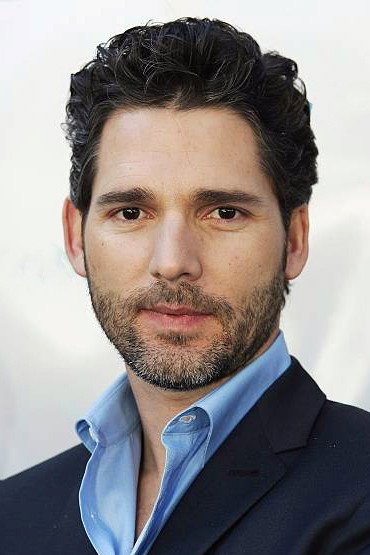
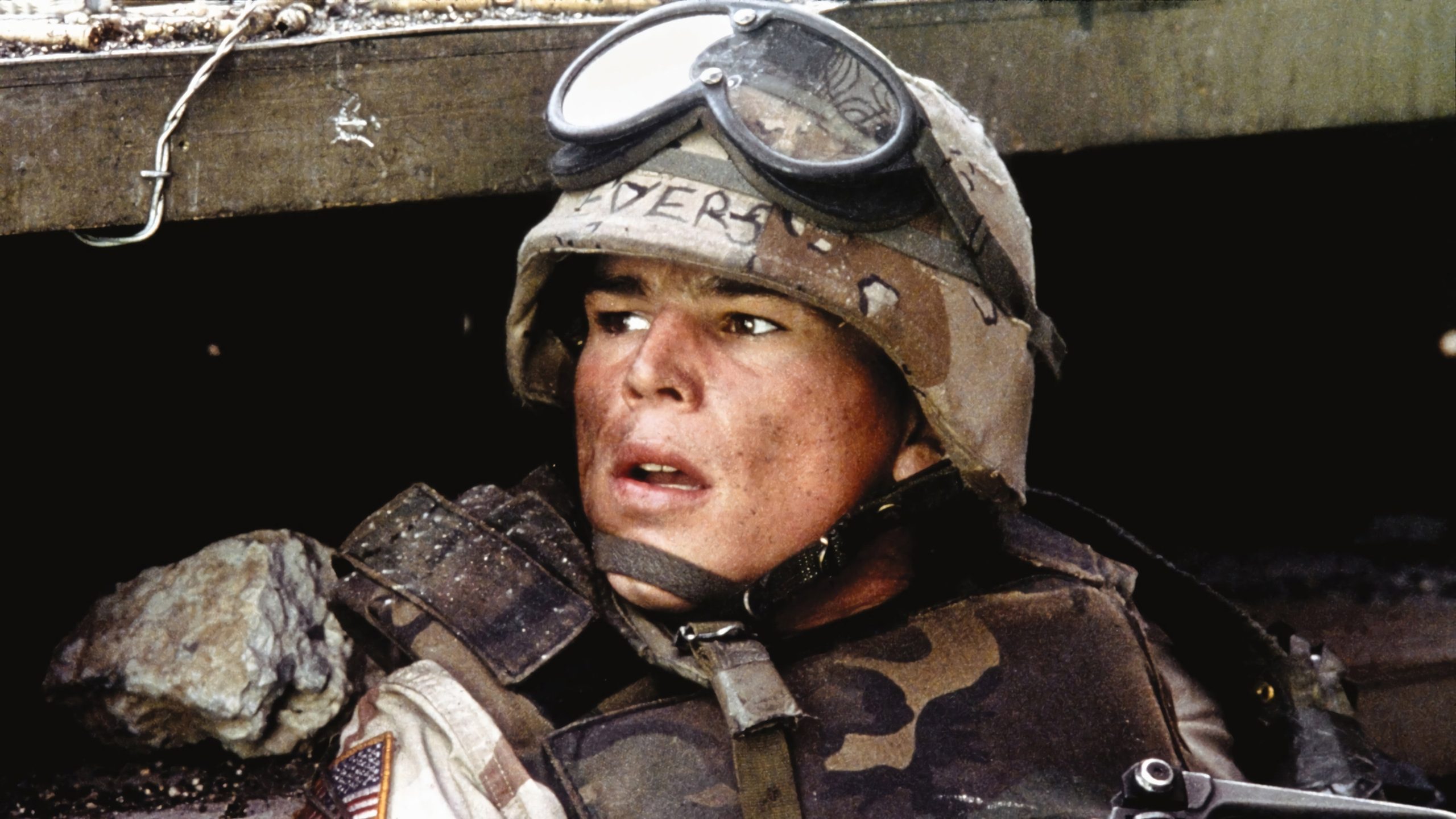
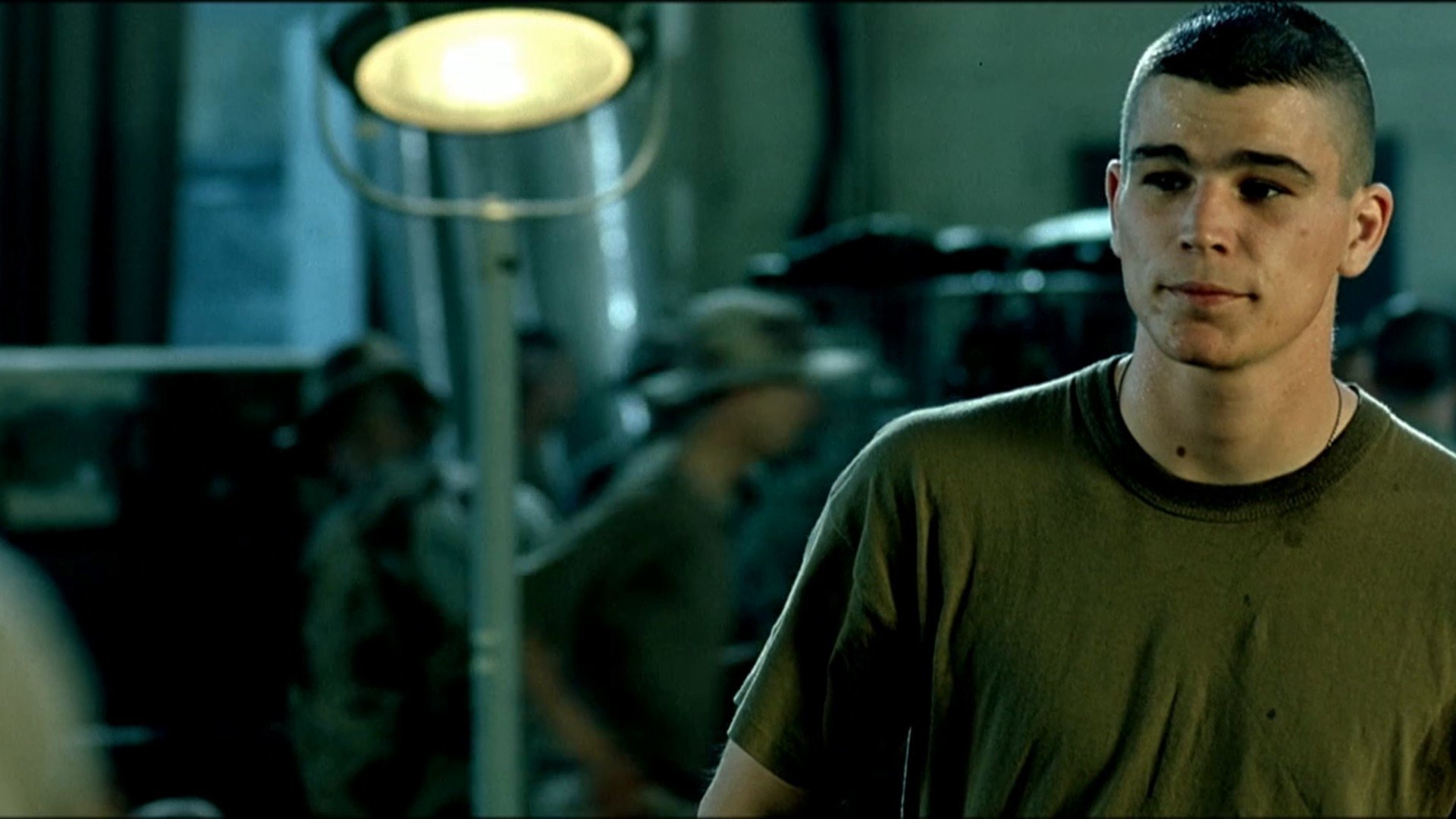
Josh Hartnett’s Eversmann gives us someone to follow, and Hartnett is persuasive at making responsibility look like a burden. Ewan McGregor’s Grimes and Eric Bana’s Hoot bring distinct faces and temperaments, but Nolan leaves too much of the work of separating the men to the cast. Tom Sizemore’s McKnight benefits from a directness that suits the film’s practical business. We need only a little more personal detail to care about each man separately; too often, recognising the actor has to do.
The lack of a substantial Somali perspective is harder to forgive. The film pays such close attention to the Americans’ difficulties that the people whose country they are fighting in seldom receive comparable consideration. This matters because Scott asks us to feel the cost of violence while giving us little chance to know those on the other side. A few more lives given comparable attention would have helped, without requiring Nolan to turn the screenplay into a lecture. The battle is seen almost entirely through American military experience.
At 145 minutes, the film also tests how much sustained combat can tell us once its central difficulties are clear. Further stretches sometimes repeat the strain without adding much to our understanding of the men enduring it. The editing remains skilful even where a shorter stretch of fighting would have served the film better. Within the war procedural, Scott’s command of logistics gives the film a firm claim on a genre enthusiast’s evening. We recommend it for that audience, with the warning that anyone wanting to understand the conflict will need to look elsewhere.